
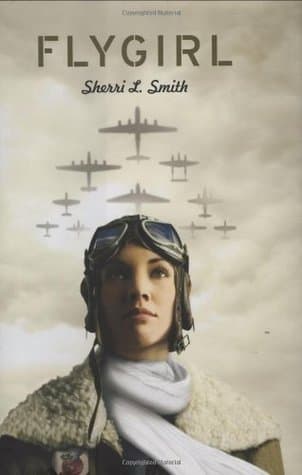
Synopsis
Covers the whole plot, including the ending.
- Difficulty
- Medium
- Pacing
- Moderate
- Mood
- Inspirational, Thought-provoking, Hopeful, Suspenseful
- Read it if
- You enjoy historical fiction about strong female protagonists, stories about overcoming adversity, or narratives exploring identity and racial passing during wartime.
- Skip it if
- You prefer fantasy or sci-fi, or find stories about difficult choices and racial discrimination too heavy.
Flygirl Plot Summary
Covers the whole plot, including the ending.
A Dream of Flight in segregated Louisiana
In Lake Charles, Louisiana, Ida Mae Jones works at a local diner, her mind often on flying. Her greatest desire is to fly airplanes, a passion inherited from her deceased father, who was a pilot despite the racial biases of his time. Ida Mae keeps her father's pilot's logbook and a photo of him with his plane. She faces the realities of segregation, experiencing daily discrimination in her town. When news of the attack on Pearl Harbor reaches her, and her brother, Thomas, is drafted into the Army, Ida Mae feels a strong need to help with the war, especially through aviation. She knows that as a Black woman, her chances of becoming a military pilot are almost nonexistent.
The WASP Program and a Drastic Decision
Ida Mae finds an article about the Women Airforce Service Pilots (WASP) program, which trains female civilian pilots to ferry planes and tow targets for the military. This program gives her hope, but she quickly realizes that the WASP, like most institutions of the time, is only for white women. Wanting to fly and help with the war, Ida Mae makes the decision to 'pass' as white. She is light-skinned enough to possibly succeed, but it means cutting ties with her family and her identity, at least for a while. She applies to the WASP program, carefully creating a new persona and background.
Journey to Avenger Field
Leaving her worried mother and the segregated world of Louisiana behind, Ida Mae travels by train to Sweetwater, Texas, the WASP training base at Avenger Field. The journey itself reminds her of the racial divide, as she experiences the freedom and fear of navigating a white-dominated society while hiding her true identity. Upon arrival, she is struck by the size of the operation and the varied group of women from all backgrounds who have come to fly. She meets other trainees, including the reserved Lily and the more open Patsy, beginning to form new relationships under her assumed identity.
The Rigors of Training and New Friendships
Training at Avenger Field is intense. Ida Mae, alongside her fellow trainees, goes through ground school, physical training, and flight instruction in various aircraft, including Stearmans and BT-13s. She proves to be a natural pilot, doing well in the air, which brings her great joy but also constant worry about her secret. She becomes good friends with Patsy, a spirited Texan, and slowly starts to get through Lily's reserved nature. The friendships among the women are strong, but Ida Mae constantly fears that a mistake or a chance encounter could reveal her true racial heritage, leading to shame and expulsion.
Near Misses and Growing Suspicions
As training continues, Ida Mae's flying skills keep impressing her instructors. However, her secret identity is always at risk. Another trainee, a prejudiced woman from the South named Mildred, watches Ida Mae with suspicion, making subtle, racially charged comments that make her uneasy. Ida Mae has to be careful about her speech, mannerisms, and personal history. During a difficult cross-country flight, Ida Mae shows great skill and calm, further establishing her reputation as a talented pilot. Despite her success, the pressure of keeping up her facade weighs heavily on her, making it hard to fully relax and connect with her friends.
The First Solo and a Visit Home
Ida Mae experiences the triumph of her first solo flight, a moment that confirms her lifelong dream. During a short leave, she makes the dangerous decision to visit her mother in Louisiana. The reunion is bittersweet; her mother is proud but also worried about the risks Ida Mae is taking, both in the air and with her identity. Ida Mae experiences the contrast between the relative freedom of Avenger Field and the segregation of her hometown, reinforcing the reasons behind her choice. She returns to Sweetwater with renewed determination but also a heavier heart, missing her family and the comfort of being herself.
Advanced Training and Personal Sacrifices
Ida Mae progresses to flying more advanced aircraft, including bombers like the B-26 Marauder. The training becomes even more demanding and dangerous, with several accidents and fatalities among the WASP trainees, showing the real risks they face. She continues to bond with Patsy and Lily, sharing their hopes and fears. A romantic interest develops between Ida Mae and a male pilot, but she keeps him at a distance, knowing that a deeper relationship would expose her secret. She deals with the loneliness that her deception places on her personal life.
Lily's Secret and a Moment of Truth
One evening, Ida Mae finds Lily crying in their barracks. Lily reveals that she is a Jewish woman who has also faced discrimination and is using an Anglicized name to avoid prejudice. This shared vulnerability creates a deeper bond between them. Soon after, Mildred confronts Ida Mae directly, accusing her of being Black. Ida Mae, surprised, manages to deflect the accusation with a careful lie and the support of Patsy, who, though unaware of the truth, stands by her friend. This incident leaves Ida Mae shaken, reinforcing the constant threat of exposure.
The End of WASP and a New Beginning
As the war ends, the WASP program is suddenly deactivated, denying the women military status and benefits. Ida Mae and her fellow pilots are heartbroken and angry, feeling their contributions have been undervalued. Faced with the end of her flying dream as a WASP, Ida Mae makes a decision. Instead of continuing to pass as white, she chooses to reclaim her identity. She tells Patsy and Lily the truth about her heritage. While Patsy is initially shocked, she accepts and supports Ida Mae. Lily, understanding the pain of hiding one's identity, offers solidarity.
Reunion and Future Hope
Ida Mae returns to Louisiana, no longer hiding who she is. She reunites with her brother, Thomas, who has returned from the war, injured but alive. They share their wartime experiences and the changes they've undergone. Ida Mae, with the support of her family and the knowledge of her own strength and skill, begins to explore new ways to fly, perhaps as a civilian pilot or instructor. She understands that the fight for equality continues, but she is now better able to face it, having proven her abilities in the air and found the courage to be authentically herself. The novel ends with hope and determination for Ida Mae's future.
Flygirl Characters
Ida Mae Jones
Protagonist
A determined Black woman who dreams of flying and passes as white to join the WASP.
Ida Mae is a resilient and intelligent young woman from Lake Charles, Louisiana, whose deepest desire is to fly airplanes, a passion inherited from her late pilot father. Faced with the dual discrimination of being Black and a woman, she makes the courageous, yet emotionally taxing, decision to 'pass' as white to join the WASP program. She is an exceptional pilot, demonstrating natural talent and composure under pressure. Throughout her journey, she grapples with the burden of her secret, the loneliness it imposes, and the fear of exposure, all while proving her capabilities in a white-dominated world. Her internal conflict between her dream and her identity is central to the story.
Relationships: Mama (Supportive but worried mother); Thomas (Beloved younger brother, serving in the Army); Patsy (Close friend and fellow WASP trainee); Lily (Friend and fellow WASP trainee, shares a similar secret); Mildred (Antagonistic WASP trainee, suspicious of Ida Mae's race)
Mama
Supporting
Ida Mae's loving and protective mother, who worries about her daughter's choices.
Mama is Ida Mae's anchor to her past and her true identity. She is a strong, pragmatic woman who understands the harsh realities of segregation and the dangers her daughter faces. While she supports Ida Mae's dreams, she is deeply concerned about the risks of 'passing' and the potential for heartbreak and exposure. Her quiet strength and unwavering love provide Ida Mae with a grounding presence, even when they are separated. Her advice and concern highlight the profound sacrifices Ida Mae makes.
Relationships: Ida Mae Jones (Daughter); Thomas (Son)
Thomas Jones
Supporting
Ida Mae's younger brother, who serves in the Army during WWII.
Thomas is Ida Mae's beloved younger brother, who is drafted into the Army and serves in the Pacific during World War II. His deployment is a significant motivator for Ida Mae to join the war effort. His experiences in the segregated military parallel Ida Mae's own struggles with identity and discrimination, albeit in a different context. He represents the broader Black experience during the war and the reasons why Ida Mae feels compelled to act. His eventual return, injured but alive, provides a poignant reunion and a sense of shared sacrifice.
Relationships: Ida Mae Jones (Sister); Mama (Mother)
Patsy
Supporting
A spirited and loyal WASP trainee from Texas who becomes Ida Mae's close friend.
Patsy is a vivacious and open-hearted WASP trainee from Texas. She quickly befriends Ida Mae, providing much-needed companionship and support during the intense training. She is fiercely loyal and a good judge of character, standing by Ida Mae even when Mildred casts suspicion on her. Patsy represents the camaraderie and sisterhood that develops among the WASP pilots. Her initial shock and eventual acceptance of Ida Mae's true identity highlight her genuine friendship and the breaking down of racial barriers on a personal level.
Relationships: Ida Mae Jones (Close friend and fellow WASP trainee); Lily (Friend and fellow WASP trainee)
Lily
Supporting
A reserved WASP trainee who, like Ida Mae, harbors a secret identity.
Lily is initially portrayed as a reserved and somewhat aloof WASP trainee. She is intelligent and competent, but keeps her distance from others. Her quiet demeanor hints at a hidden struggle. It is later revealed that Lily is Jewish and has adopted an Anglicized name to avoid anti-Semitism, creating a profound bond of shared vulnerability with Ida Mae. Her experience of 'passing' for a different reason allows her to understand Ida Mae's burden on a deeply personal level, making her a crucial confidante and ally.
Relationships: Ida Mae Jones (Friend and fellow WASP trainee, shares a secret); Patsy (Friend and fellow WASP trainee)
Mildred
Antagonist
A prejudiced WASP trainee from the South who suspects Ida Mae's true racial identity.
Mildred is a WASP trainee who embodies the racial prejudices prevalent in the American South during the 1940s. She is suspicious of Ida Mae from the beginning, making subtle and eventually direct accusations about her race. Mildred's character serves as a constant threat to Ida Mae's secret and highlights the very real dangers and anxieties associated with 'passing.' She represents the societal barriers and ingrained racism that Ida Mae is trying to overcome, making her an antagonist not just to Ida Mae's secret, but to her very being.
Relationships: Ida Mae Jones (Antagonistic fellow WASP trainee)
Mr. Mac
Supporting
Ida Mae's flight instructor at Avenger Field.
Mr. Mac is one of Ida Mae's primary flight instructors at Avenger Field. He is a skilled pilot and a demanding but fair teacher. He recognizes Ida Mae's natural talent for flying and pushes her to excel. His professional guidance is crucial to her development as a pilot, and his objective assessment of her abilities helps to validate her despite her hidden identity. He represents the professional environment of the WASP program and the meritocratic aspect of flight skills.
Relationships: Ida Mae Jones (Flight instructor and student)
Ida Mae's Father
Mentioned
A deceased pilot who inspired Ida Mae's dream of flying.
Ida Mae's father, though deceased before the novel begins, is a profound influence on her life. He was a pilot despite the racial barriers of his era, embodying the spirit of defying expectations. His pilot's logbook and photograph are cherished possessions that connect Ida Mae to her dream and her heritage. He represents the legacy of aspiration and resilience that Ida Mae carries, inspiring her to pursue aviation even when the odds are stacked against her.
Relationships: Ida Mae Jones (Father); Mama (Husband)
Flygirl Themes
Identity and Self-Discovery
The novel explores identity, especially through Ida Mae's decision to 'pass' as white. Her time at Avenger Field makes her confront who she is versus who she pretends to be. While she achieves her dream of flying, the constant burden of her secret and the denial of her heritage lead to internal conflict. Her decision to reclaim her true identity, even if it means ending her WASP career, shows self-discovery and acceptance, highlighting that true fulfillment comes from authenticity. Lily's similar struggle as a Jewish woman also shows this theme.
“Maybe it was easier to fly than to be me.”
Race and Segregation
Racial segregation in 1940s America forms the background of Ida Mae's story. From Jim Crow laws in Louisiana to the racial exclusion of the WASP program, the novel shows the barriers faced by Black individuals. Ida Mae's decision to 'pass' is a direct result of this racism, illustrating the measures people took to overcome such obstacles. The prejudice from characters like Mildred and the contrast between Ida Mae's hometown and Avenger Field highlight the racial tensions of the era and the personal cost of navigating a segregated society.
“It was one thing to be black in a black world, and another thing entirely to be black in a white world.”
Gender and Opportunity
Beyond race, the novel examines the limits placed on women during World War II, even as wartime needs created new opportunities. The WASP program was a temporary initiative, as shown by its deactivation and the denial of military status to its pilots. Ida Mae, along with her fellow trainees, fights against the idea that women cannot fly or serve in important roles. Their dedication and skill challenge traditional gender norms, showing women's competence and courage in a male-dominated field, even as they face sexism and a lack of recognition.
“We were doing a man's job, and doing it well, but we were still just girls to them.”
Courage and Sacrifice
Ida Mae's journey shows various forms of courage and sacrifice. Her decision to 'pass' requires personal courage and the sacrifice of her family and true identity. The WASP pilots, including Ida Mae, show physical courage daily, flying dangerous missions and facing the risk of accidents. Beyond the battlefield, they make sacrifices by leaving their homes and enduring hard training. The novel emphasizes that courage is not just about facing external threats, but also about the inner strength to pursue one's dreams and, ultimately, to be true to oneself.
“Some dreams cost more than others.”
Friendship and Solidarity
Despite individual challenges, the friendships among the WASP trainees are important. Ida Mae finds support and companionship in Patsy and Lily, with whom she shares the unique experiences of training. The revelation of Lily's own secret creates a moment of shared understanding and empathy, showing how common struggles can build deep connections. These friendships offer Ida Mae moments of solace and strength, providing the support she needs to reclaim her identity and face the future, demonstrating the power of human connection against adversity.
“We were all in this together, even if we didn't know each other's deepest secrets.”
Plot Devices & Literary Techniques
First-Person Narration
Provides intimate access to Ida Mae's internal thoughts and struggles.
The story is told from Ida Mae Jones's first-person perspective, immersing the reader directly into her experiences, fears, and triumphs. This narrative choice is crucial for conveying the profound internal conflict she faces while 'passing' as white. Readers gain intimate access to her anxieties about exposure, her longing for authenticity, and her deep love for her family and the act of flying. This perspective allows for a nuanced exploration of her emotional journey and the psychological toll of her deception, making her struggles feel immediate and personal.
Ida Mae's Father's Logbook
A symbolic link to Ida Mae's past, heritage, and dream of flying.
The pilot's logbook belonging to Ida Mae's deceased father serves as a powerful symbol throughout the novel. It represents her inherited passion for aviation, her connection to her family's legacy, and the defiance of racial barriers that her father embodied. Keeping the logbook close provides Ida Mae with a tangible link to her true identity and her dream, especially when she is forced to deny her heritage. It reminds her of where she comes from and what she is fighting for, even as she navigates her fabricated persona.
Avenger Field
A symbolic setting representing both opportunity and constraint.
Avenger Field, the WASP training base in Sweetwater, Texas, functions as a significant symbolic setting. For Ida Mae, it represents a place of immense opportunity, where she can pursue her dream of flying, transcending the racial and gender limitations of her civilian life. However, it also embodies constraint, as it is where she must constantly maintain her false identity and live in fear of exposure. The rigorous training and the camaraderie forged there contrast sharply with the external world, making it a crucible for Ida Mae's self-discovery.
The Act of 'Passing'
A central plot device driving conflict and exploring themes of identity and race.
The act of 'passing' – a light-skinned Black person presenting themselves as white – is the central plot device that propels the narrative and generates its core conflict. It enables Ida Mae to achieve her dream of flying in the WASP program but at a profound personal cost. This device allows the author to explore themes of identity, race, sacrifice, and the psychological burden of deception. It creates constant internal and external tension, as Ida Mae must meticulously manage her persona, constantly fearing exposure and grappling with the denial of her true self and family.
Flygirl Quotes
“I want to fly. I want to be up there, where the world makes sense.”
“Sometimes you have to pass to get where you're going.”
“We're not just flying for ourselves. We're flying for every girl who ever dreamed of something more.”
“The sky doesn't care what color you are.”
“Courage isn't the absence of fear. It's doing what you have to do, even when you're scared.”
“My name is Ida Mae Jones, and I am a pilot.”
“They can ground us, but they can't stop us from dreaming.”
“Every takeoff is a leap of faith.”
“Home isn't just a place. It's who you are when you're there.”
“We're writing history with every flight.”
“The hardest battles are the ones you fight with yourself.”
“Freedom is in the cockpit, where the only thing that matters is skill.”
“Sometimes you have to lose yourself to find who you really are.”
“We're not just breaking barriers; we're building bridges.”
Quiz
10 questions on the plot and the characters. Each answer comes with a short explanation.
Question 1
What is the primary reason Ida Mae Jones decides to join the WASP program?
- To escape poverty and find financial stability
- To honor her father's legacy as a pilot
- To fly and help her brother stationed in the Pacific during WWII
- To prove women are superior pilots to men
Show answer
C. To fly and help her brother stationed in the Pacific during WWII Ida Mae's motivation is twofold: her lifelong dream of flying and her desire to contribute meaningfully to the war effort, especially to help protect her brother who is serving in the Pacific theater.
Question 2
What significant choice does Ida Mae make to be accepted into the WASP program?
- She forges pilot credentials from her father
- She pretends to be white, 'passing' as a white woman
- She changes her name and moves to a different state
- She joins a protest to demand integration of the WASP
Show answer
B. She pretends to be white, 'passing' as a white woman Because the WASP program does not accept Black women, Ida Mae decides to 'pass' as white, concealing her racial identity to pursue her dream of becoming a pilot.
Question 3
What role did Ida Mae's father play in her passion for flying?
- He discouraged her from flying due to her gender
- He was a pilot who inspired her, showing that being Black didn't stop him from flying
- He worked as a mechanic but never flew planes himself
- He died before she was born, so she only heard stories about him
Show answer
B. He was a pilot who inspired her, showing that being Black didn't stop him from flying Ida Mae's father was a pilot who overcame racial barriers, serving as her inspiration and proving that flight was possible despite societal prejudices.
Question 4
How does 'passing' as white affect Ida Mae's relationships with her family?
- It strengthens her bond with them as they support her secretly
- It forces her to deny her family and heritage, creating emotional distance and guilt
- It has no impact because her family doesn't know about her decision
- It leads to her family disowning her for betraying her race
Show answer
B. It forces her to deny her family and heritage, creating emotional distance and guilt Ida Mae's choice to pass requires her to hide her Black identity, which means distancing herself from her family and culture, leading to internal conflict and a sense of betrayal.
Question 5
What historical event prompts the creation of the WASP program in the book?
- The Great Depression
- The Civil Rights Movement
- America's entry into World War II
- The women's suffrage movement
Show answer
C. America's entry into World War II The Women Airforce Service Pilots (WASP) was established during World War II to address pilot shortages, allowing women to take on non-combat flying roles and support the war effort.
Question 6
Which of the following best describes a central theme in 'Flygirl'?
- The importance of technological advancement in aviation
- The struggle for identity when faced with societal barriers of race and gender
- The romantic relationships between pilots during wartime
- The economic challenges of the Great Depression
Show answer
B. The struggle for identity when faced with societal barriers of race and gender The novel explores Ida Mae's journey as she navigates the dual prejudices of racism and sexism, forcing her to question her identity and values while pursuing her dreams.
Question 7
What internal conflict does Ida Mae face as a result of her decision to pass as white?
- Fear of failing her flight training and being exposed
- Struggling with the moral dilemma of denying her true self and heritage
- Jealousy towards other pilots who don't have to hide their identity
- Anxiety about being drafted into combat roles
Show answer
B. Struggling with the moral dilemma of denying her true self and heritage Ida Mae grapples with the psychological and emotional toll of living a lie, as passing forces her to suppress her Black identity and disconnect from her roots.
Question 8
In what way does the WASP program reflect the gender inequalities of the 1940s?
- Women pilots were paid more than men to attract recruits
- Women were allowed to fly combat missions alongside men
- Women could only serve in non-combat roles and faced skepticism about their abilities
- The program was open to all women regardless of race or background
Show answer
C. Women could only serve in non-combat roles and faced skepticism about their abilities Despite their skills, WASP pilots were restricted to support duties like ferrying planes and towing targets, and they often encountered prejudice doubting women's capabilities in aviation.
Question 9
How does Ida Mae's experience in the WASP program highlight the intersectionality of race and gender?
- It shows that being a woman was her only barrier, as race was not an issue in the program
- It demonstrates that she faced discrimination as a Black woman, requiring her to pass as white to overcome both race and gender barriers
- It proves that racial integration was fully achieved in the military before gender equality
- It indicates that her gender gave her an advantage over male pilots in training
Show answer
B. It demonstrates that she faced discrimination as a Black woman, requiring her to pass as white to overcome both race and gender barriers Ida Mae's story illustrates how racism and sexism intersected; as a Black woman, she was excluded from the WASP, forcing her to conceal her race to access opportunities limited by gender.
Question 10
What broader historical context does 'Flygirl' use to critique societal norms?
- The Cold War's impact on aviation technology
- The Jim Crow era and WWII-era discrimination against Black Americans and women
- The rise of commercial airlines in the 1950s
- The feminist movements of the 1960s and 1970s
Show answer
B. The Jim Crow era and WWII-era discrimination against Black Americans and women Set during WWII, the novel exposes the systemic racism of Jim Crow laws and the sexism of the time, showing how these forces shaped individuals' lives and choices.
Flygirl FAQ
What is 'Flygirl' by Sherri L. Smith about?
'Flygirl' follows Ida Mae Jones, a young Black woman in 1940s America who dreams of becoming a pilot like her late father. When World War II creates opportunities through the Women Airforce Service Pilots (WASP) program, Ida Mae faces racial and gender barriers, leading her to 'pass' as white to join. The novel explores her journey of pursuing her passion while grappling with identity, sacrifice, and the weight of hiding her true heritage.
Why should I read 'Flygirl'?
This book offers a compelling blend of historical insight and personal drama, highlighting the often-overlooked stories of women and Black Americans in WWII aviation. Ida Mae's struggle with identity and ambition resonates with themes of courage, family, and self-discovery, making it both educational and emotionally engaging for readers interested in history, social justice, and strong character-driven narratives.
What is the background/setting of 'Flygirl'?
Set during World War II in the 1940s, the story begins in Louisiana and moves to various military bases as Ida Mae joins the WASP program. The historical context includes segregation, gender discrimination, and the war effort, with details like the attack on Pearl Harbor and the WASP's non-combat roles (e.g., ferrying planes) grounding the plot in real events.
What are the most memorable quotes from 'Flygirl'?
Key quotes include Ida Mae reflecting on her father: 'Daddy always said, the sky don't care what color you are,' and her internal conflict: 'Passing isn't just about looking white. It's about feeling like a ghost in your own skin.' These lines capture the novel's themes of aspiration and identity loss.
What writing style does Sherri L. Smith use in 'Flygirl'?
Smith employs a first-person narrative from Ida Mae's perspective, using clear, descriptive prose that blends historical detail with emotional depth. The style is accessible for young adults, with vivid imagery of flight and introspection that highlights Ida Mae's inner turmoil and the era's social tensions.
What minor details add significant meaning in 'Flygirl'?
Small details like Ida Mae's habit of touching her father's pilot wings for luck, or the way she practices a 'white' accent, underscore her connection to family and the performative aspects of passing. The inclusion of real WASP uniforms and training routines adds authenticity, emphasizing the program's rigor and Ida Mae's determination.
What are some subtle foreshadowing moments in 'Flygirl'?
Early scenes where Ida Mae's light skin allows her to blend in unnoticed foreshadow her eventual decision to pass. Mentions of her brother's dangerous post in the Pacific hint at the stakes driving her actions, and her mother's warnings about 'losing yourself' prefigure the identity crises Ida Mae faces later in the WASP program.
What unexpected character connections exist in 'Flygirl'?
Ida Mae forms a bond with Lily, a fellow WASP who suspects her secret but remains supportive, highlighting unexpected alliances across racial lines. Her relationship with her brother, Thomas, though mostly off-page through letters, deeply influences her motivations, showing how family ties drive her choices despite physical separation.
What are unspoken character motivations in 'Flygirl'?
Ida Mae's desire to fly is not just about personal ambition; it's an unspoken tribute to her father and a way to feel closer to him after his death. Her decision to pass is motivated by a mix of love for her brother (wanting to contribute to the war effort for his safety) and internalized pressure to prove herself in a racist society.
What psychological complexities do characters exhibit in 'Flygirl'?
Ida Mae grapples with dual identity, experiencing guilt and alienation as she navigates being both Black and 'white' in different contexts. Supporting characters like her mother show resilience mixed with fear, while WASP peers display varying degrees of prejudice or empathy, reflecting the era's complex social psychology.
What are the major emotional turning points in 'Flygirl'?
Key moments include Ida Mae's decision to pass during her WASP application, her first successful solo flight that brings pride and loneliness, and a crisis when her secret is nearly exposed, forcing her to confront the cost of her choices. The climax involves her brother's fate and her ultimate realization about self-acceptance.
How do relationship dynamics evolve in 'Flygirl'?
Ida Mae's relationship with her mother strains due to her passing, shifting from supportive to distant as her mother fears for her safety. With fellow WASPs, she moves from isolation to forming tentative friendships, especially with Lily, who helps her see beyond racial divides. Her bond with her brother remains a constant, driving her actions throughout.
Which parts of 'Flygirl' remain ambiguous or open-ended?
The novel leaves some aspects open, such as the long-term impact of Ida Mae's passing on her family relationships and whether she fully reconciles her dual identity. The fate of minor characters like Lily is not fully resolved, allowing readers to ponder the broader social changes post-war for women and Black Americans.
What are controversial scenes or decisions in 'Flygirl'?
Ida Mae's choice to pass as white is central and controversial, sparking debate on whether it's an act of empowerment or betrayal. Scenes where she denies her heritage or faces discrimination within the WASP highlight painful realities of racism and sexism, challenging readers to consider the moral complexities of survival and ambition.
'Flygirl' ending explained: how it ends & what it means
The ending sees Ida Mae completing her WASP service with mixed feelings—proud of her achievements but weary from hiding her identity. She returns home, contemplating a future where she might live more authentically. This conclusion suggests that while passing allowed her to fly, true freedom comes from embracing her whole self, tying into themes of sacrifice and self-discovery.
How does 'Flygirl' address themes of identity and heritage?
Through Ida Mae's journey, the book explores identity as a conflict between personal dreams and cultural roots. Her passing forces her to deny her Black heritage, leading to internal strife, but ultimately, she learns that her father's legacy and her own courage define her more than societal labels. This highlights the tension between assimilation and self-acceptance in a segregated world.
About the author
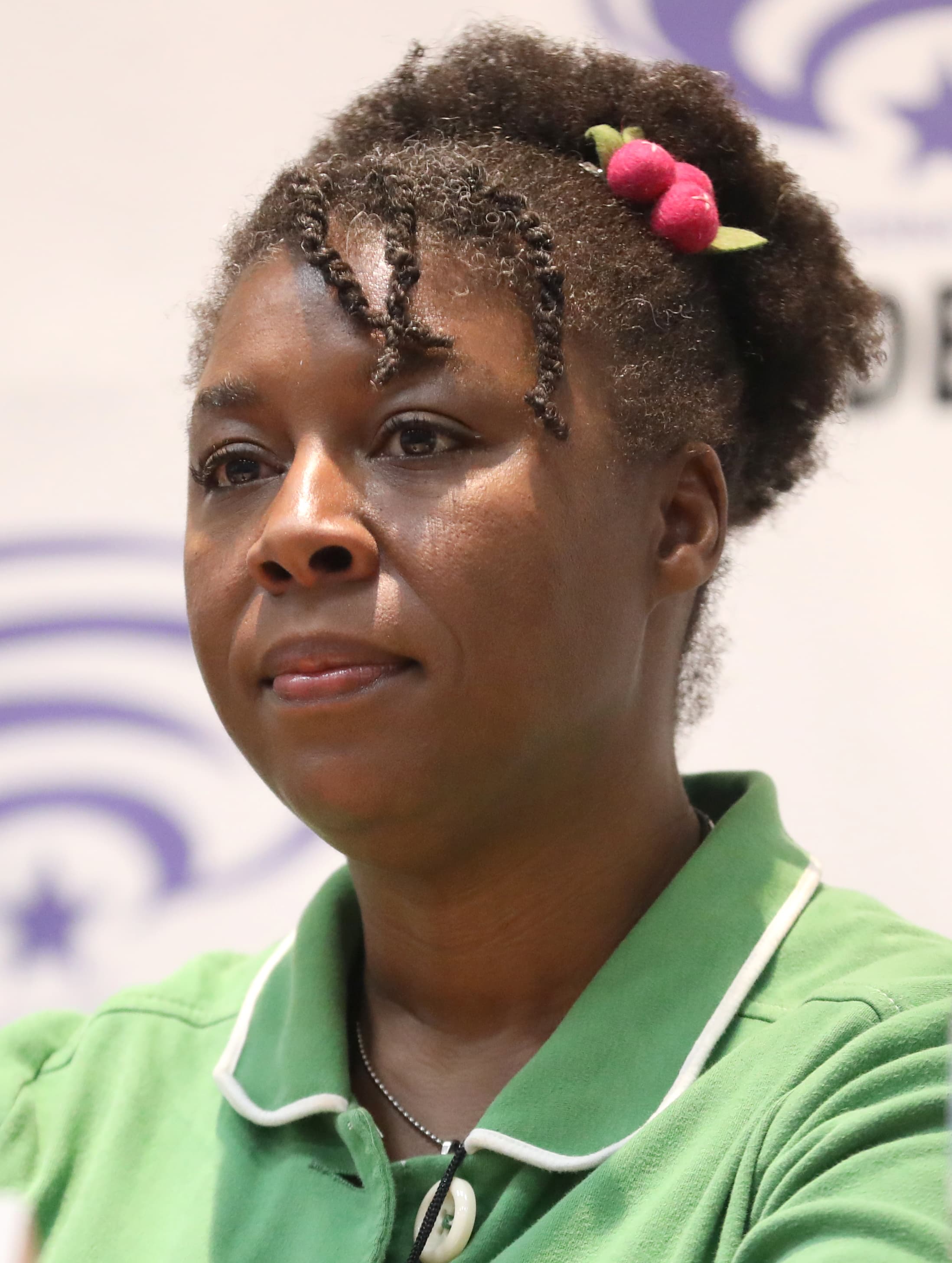
Sherri L. Smith is an author known for her work in fiction, particularly for her novel "Flygirl." The book explores themes of identity and race during World War II, focusing on the experiences of a young African American woman who aspires to become a pilot. Smith's writing often addresses historical contexts and personal journeys.
Similar books
- The Vanishing Half
Brit Bennett
4.3 (132k) average on GoodreadsLiterary FictionExplores themes of racial passing and identity over generations.
- Code Name Verity
Elizabeth Wein
4.0 (97k) average on GoodreadsHistorical FictionFeatures female pilots and strong friendships during WWII.
- The Help
Kathryn Stockett
4.5 (2.2M) average on GoodreadsHistorical FictionWhile The Help (also historical fiction dealing with race in the American South) focuses on the experiences of Black domestic workers through a white perspective, Flygirl offers a direct, first-person narrative from a young African American woman navigating complex racial dynamics. Flygirl's portrayal of racial identity is more nuanced, specifically addressing the psychological and social implications of 'passing,' a theme largely absent from The Help's exploration of overt segregation. Smith's approach in Flygirl offers a more intimate and less mediated perspective on racial struggle and identity.
- To Kill a Mockingbird
Harper Lee
4.3 (4.5M) average on GoodreadsHistorical FictionIn the 1930s Jim Crow South, Harper Lee writes about racial injustice, moral growth, and the quiet courage of a lawyer father, Atticus Finch, as seen through his young daughter's eyes.
- The Great Gatsby
F. Scott Fitzgerald
3.9 (3.8M) average on GoodreadsHistorical FictionIn the opulent Roaring Twenties, a mysterious millionaire's lavish parties hide his desperate, tragic pursuit of a lost love, exposing the emptiness within the American Dream.
- Pride and Prejudice
Jane Austen
4.3 (3M) average on GoodreadsHistorical FictionIn a society focused on status and money, Elizabeth Bennet navigates love and pride, challenging Mr. Darcy and social expectations to find true affection.






Enjoyed the summary?
A summary gives you the shape of the book. The book itself has the detail, the examples and the voice.
Find Flygirl on AmazonAs an Amazon Associate, BookBrief earns from qualifying purchases. How we're funded