

Synopsis
Covers the whole plot, including the ending.
- Difficulty
- Medium
- Pacing
- Moderate
- Mood
- Introspective, Melancholy, Tender, Honest, Atmospheric
- Read it if
- You appreciate poignant graphic memoirs about coming-of-age, first love, and grappling with faith and family in a raw, honest way.
- Skip it if
- You prefer fast-paced plots, lighthearted stories, or are uncomfortable with detailed explorations of religious doubt and sexual awakening.
Blankets Plot Summary
Covers the whole plot, including the ending.
Childhood Winters and Shared Beds
The story begins with Craig Thompson's early childhood in rural Wisconsin, focusing on his close, often difficult, relationship with his younger brother, Phil. They share a bed throughout childhood, a practice stemming from their parents' strict religious beliefs and their cold, isolated home. This shared space becomes a central image, symbolizing both their bond and a lack of personal boundaries. The brothers, often left alone in the snowy landscapes, play imaginative games and squabble, but also find comfort and protection in each other, especially from their strict, sometimes volatile father. These early scenes show how the setting influenced their development and the complex nature of their brotherly love.
Religious Upbringing and Fear
Craig tells of his family's deeply ingrained fundamentalist Christian faith, which touches every part of their lives. Sundays center on church services, and daily life follows strict rules, prayers, and Bible teachings. This upbringing gives young Craig a deep sense of sin, guilt, and fear of hell. He struggles to reconcile the loving God preached in church with the punishing God he sees, especially through his parents' often-harsh discipline. Nightmares about damnation and a constant anxiety about his spiritual purity become recurring themes, shaping his view of the world and his inner conflicts about faith and doubt.
Phil's Abuse and Craig's Guilt
A traumatic event from Craig's childhood is revealed: while cared for by a teenage babysitter, Phil is physically abused. Craig, though present, is too young and scared to intervene effectively. He later struggles with immense guilt over his inaction, feeling responsible for his brother's suffering. This incident deeply affects their relationship, creating a silent rift and adding trauma to their shared history. The memory of Phil's cries and Craig's helplessness haunts him, contributing to his feelings of inadequacy and his ongoing struggle with moral responsibility and the nature of good and evil.
Teenage Isolation and Artistic Expression
As a teenager, Craig finds himself increasingly isolated, both geographically and socially. His family moves to an even more remote area, and he struggles to connect with peers at school. His artistic talent, which he developed from a young age, becomes his main outlet and refuge. He fills sketchbooks with drawings, creating worlds and characters that offer an escape from the mundane and the anxieties of his strict home life. This artistic passion also creates conflict with his parents, who view it with suspicion, fearing it distracts him from spiritual pursuits and might lead him away from their faith.
Winter Bible Camp
During a winter break, Craig attends a Christian youth camp, a familiar setting from his childhood. Here he meets Raina, a girl from a different church group. Their initial interaction is cautious but quickly grows into a deep connection. They share a love for art, nature, and a similar sense of alienation from the world around them. Raina's gentle nature and open spirit captivate Craig, offering a strong contrast to his rigid home environment. This meeting marks a turning point, introducing the possibility of romantic love and a different kind of spiritual connection than he has ever known.
The Developing Romance with Raina
After camp, Craig and Raina begin exchanging letters; their correspondence becomes a lifeline for Craig. These letters are full of confessions, dreams, and the growing feelings of first love. Raina's honesty and vulnerability draw Craig out of his shell. Their connection strengthens when Craig's family visits Raina's family for a week. During this visit, Craig and Raina spend much of their time together, exploring the snowy landscape, sharing intimate conversations, and growing closer. They share their first kiss, a moment charged with innocence and deep emotional meaning, symbolizing a new chapter in Craig's life beyond his childhood home.
Intimacy and Spiritual Conflict
As Craig and Raina's romance deepens, they explore physical intimacy. These moments, initially innocent, quickly bring Craig into direct conflict with his deeply ingrained religious teachings about purity and premarital sex. He is tormented by guilt and fear of damnation, struggling to reconcile his strong desire for Raina with the rules of his faith. Raina, though also from a religious background, approaches intimacy with a more open and less guilt-ridden perspective, which further highlights Craig's inner struggle. The tension between love, desire, and spiritual condemnation becomes a main theme, threatening to unravel their blossoming relationship.
The Strain of Distance and Expectations
Following their week together, the physical distance between Craig and Raina becomes a significant challenge. Their communication, now limited to letters and occasional phone calls, struggles to keep the intensity of their connection. More critically, their differing approaches to faith and intimacy create a growing gap. Craig's continued struggle with guilt and his inability to fully embrace their physical relationship without spiritual torment places a heavy burden on Raina. She longs for a deeper, more unburdened connection, while Craig remains trapped by his inner conflicts, leading to misunderstandings and emotional distance.
Departure and Heartbreak
The relationship between Craig and Raina, unable to withstand the pressures of distance and Craig's unresolved religious guilt, eventually ends. Craig's inner turmoil, his inability to fully commit to physical intimacy without feeling immense sin, and his struggle to reconcile his love for Raina with his fear of God, prove too much. Raina, though loving, cannot indefinitely bear the weight of his spiritual anxieties. Their parting is heartbreaking, marking a deep loss for Craig. This breakup forces him to confront the impact of his upbringing on his ability to form intimate connections and understand love outside a framework of sin and redemption.
Finding a New Path
After his breakup with Raina, Craig begins a period of introspection and self-discovery. He starts to critically examine the fundamentalist beliefs that have governed his life, questioning the fear-based aspects of his upbringing. He grapples with the lingering guilt from Phil's abuse, his sexual anxieties, and the nature of love and spirituality. Through his art and his reflections, he slowly begins to form a new understanding of faith, one that is more personal and less tied to rigid rules. This journey is painful but necessary, leading him towards a more authentic sense of self and a broader, more compassionate view of the world.
Reconciliation with Phil
A step in Craig's healing involves confronting the past with his brother, Phil. Recognizing the lasting impact of the babysitter's abuse and his own guilt, Craig finally talks with Phil. They discuss the traumatic event, allowing both brothers to acknowledge the pain and their shared history. This open dialogue is a moment of reconciliation, helping Craig to release some of his long-held guilt and strengthening their bond. It shows Craig's willingness to face uncomfortable truths and heal old wounds, moving towards a more honest and supportive relationship with his brother.
Embracing Art and Self-Acceptance
By the end of the story, Craig has come to terms with his past, his religious upbringing, and his identity as an artist. He no longer sees his art as a distraction from his faith but as an important part of his spiritual and personal expression. He has found a way to navigate the complexities of his beliefs, moving from rigid, fear-based dogma towards a more personal and compassionate understanding of spirituality. His journey ends with a sense of acceptance and peace, as he embraces his experiences—both joyful and painful—as parts of who he is, ready to face the future with a more integrated self.
Blankets Characters
Craig Thompson
Protagonist
A sensitive and artistic young man grappling with faith, guilt, and first love.
Craig is the introspective and highly sensitive protagonist, an aspiring artist growing up in a devout Christian household in rural Wisconsin. He is characterized by his vivid imagination, his deep love for his younger brother Phil, and his profound internal struggles with the strictures of his fundamentalist upbringing. Craig is prone to guilt, anxiety, and a fear of damnation, which significantly impacts his ability to experience intimacy and self-acceptance. His artistic talent serves as both an escape and a means of processing his complex inner world and the harsh realities of his life.
Relationships: Phil Thompson (Younger brother, initially a source of comfort and later guilt); Raina (First love, a catalyst for his spiritual and emotional awakening); Craig's Parents (Strict, religious figures who instill both love and fear)
Phil Thompson
Supporting
Craig's younger brother, sharing a bed and a traumatic childhood.
Phil is Craig's younger brother, with whom he shares a bed throughout their childhood. He is initially depicted as a boisterous and resilient child, often the recipient of Craig's playful (and sometimes not-so-playful) attention. Phil endures a traumatic experience with a babysitter, which creates a silent burden between him and Craig. Despite the rough-and-tumble nature of their sibling relationship, Phil provides a constant presence and a deep, unspoken bond with Craig, anchoring much of Craig's early emotional landscape and later his profound guilt.
Relationships: Craig Thompson (Older brother, close bond despite childhood trauma); Craig's Parents (Shared experience of strict upbringing)
Raina
Supporting
Craig's first love, a gentle and open-hearted girl who challenges his spiritual anxieties.
Raina is the kind and open-hearted girl Craig meets at a winter Bible camp. She becomes his first love and a significant catalyst for his emotional and spiritual development. Raina shares Craig's love for art and possesses a more gentle, less guilt-ridden approach to her faith and to intimacy. She is patient and understanding, offering Craig a glimpse of love and connection untainted by fear. Her presence helps Craig confront his deep-seated anxieties about sin and desire, though ultimately their differing spiritual perspectives contribute to their separation.
Relationships: Craig Thompson (First love, a profound but ultimately fleeting romantic connection)
Craig's Father
Supporting
A strict and often volatile patriarch who embodies the family's fundamentalist faith.
Craig's father is a central figure in his upbringing, characterized by his strict adherence to fundamentalist Christian beliefs and his often-harsh disciplinary methods. He is a hardworking man, but his temper and rigid interpretations of scripture instill fear and anxiety in Craig. While he cares for his family, his expressions of love are often overshadowed by his desire for spiritual purity and obedience, creating a complex and sometimes strained relationship with his sons, particularly Craig, who struggles with the father's authority and his own burgeoning doubts.
Relationships: Craig Thompson (Son, a source of fear and spiritual conflict); Phil Thompson (Son, subject to the same strict upbringing); Craig's Mother (Wife, shares the religious beliefs and parenting style)
Craig's Mother
Supporting
A devout and loving mother, often caught between her husband's strictness and her sons' needs.
Craig's mother is a devout Christian who supports her husband's religious convictions and parenting style, though she often appears as a softer, more nurturing presence. She is loving but also bound by the family's strict beliefs, which sometimes leads to her inability to fully protect her sons from the harsher aspects of their upbringing or her husband's temper. Her quiet strength and unwavering faith are evident, but she also represents the constraints of their religious world for Craig.
Relationships: Craig Thompson (Son, a source of comfort but also bound by religious expectations); Phil Thompson (Son, nurtures him within the family's framework); Craig's Father (Husband, shares religious and family values)
The Babysitter (unnamed)
Mentioned
A teenage girl whose abuse of Phil leaves a lasting trauma.
The unnamed teenage babysitter is a pivotal, though brief, presence in Craig's childhood. Her physical abuse of Phil, witnessed by a young Craig, becomes a deeply traumatic event that haunts both brothers and fuels Craig's profound guilt for years. She represents a sudden intrusion of cruelty into their seemingly innocent childhood world and serves as a catalyst for Craig's early understanding of evil and his struggle with moral responsibility.
Relationships: Phil Thompson (Victim of her abuse); Craig Thompson (Witness to her abuse, leading to his guilt)
Blankets Themes
The Burden of Fundamentalist Religion
The oppressive nature of Craig's fundamentalist Christian upbringing is a constant theme. It appears as intense guilt, fear of damnation, and a constant struggle with sin, especially regarding his developing sexuality. The detailed descriptions of church services, strict rules, and the fear of hell (e.g., Craig's nightmares about a burning abyss) show how faith, meant to be comforting, becomes a source of deep anxiety and self-condemnation. This theme is central to Craig's inner conflict and his difficulty with intimacy with Raina, as he constantly fights the ingrained belief that desire is sinful.
“What if God was just a big bully? What if he was just like Dad?”
First Love and Intimacy
The growing romance between Craig and Raina explores the intoxicating and confusing nature of first love. Their connection is shown with tenderness and vulnerability, displaying the joy and discovery of shared interests, deep conversations, and physical affection. However, this theme ties to Craig's religious guilt, creating a conflict where intimacy is both desired and feared. The struggle to reconcile love and desire with his upbringing ultimately leads to heartbreak, highlighting the impact of internal beliefs on relationships, as seen in the intimate, yet guilt-ridden, scenes with Raina.
“I loved Raina with a love that was pure and innocent, yet also steeped in the fear of hell.”
Sibling Bonds and Trauma
The complex relationship between Craig and his younger brother Phil is a core theme. Their shared bed symbolizes both their closeness and lack of personal space, evolving into a bond tested by their harsh environment and parental discipline. The trauma of Phil's abuse by the babysitter, and Craig's subsequent guilt, creates a silent burden that shapes their dynamic for years. The eventual reconciliation between the brothers shows the lasting power of family bonds and the need to confront shared pasts to heal, as shown when Craig finally discusses the abuse with Phil.
“Our bed was an island in a sea of cold, a small continent of warmth where we could forget the vast, empty house.”
Art as Escape and Self-Expression
Craig's passion for drawing is a vital coping mechanism, an escape from his isolated reality and a way to process his inner world. From childhood doodles to detailed comics, art provides a sanctuary where he can create, imagine, and express emotions he struggles to articulate. It becomes his main form of self-expression, often clashing with his parents' spiritual expectations. Ultimately, art changes from a mere escape to a path for self-discovery and a way to integrate his experiences, symbolizing his journey towards authenticity and his unique voice, as seen in the constant presence of his sketchbooks.
“Drawing was the only thing that made sense in a world that didn't.”
Loss of Innocence and Disillusionment
The story traces Craig's loss of childhood innocence, not just through sexual awakening but also through his growing disappointment with the rigid certainties of his religious upbringing. Events like Phil's abuse, the hypocrisy he sees in some religious figures, and his own inner struggles with sin break down his simple worldview. He grapples with the gap between the idealized teachings of love and the fear-based reality of his faith, leading to a questioning of his beliefs and a maturation that comes with understanding life's complexities and ambiguities, particularly after his breakup with Raina.
“The world wasn't simple, and God wasn't just in the good things anymore.”
Plot Devices & Literary Techniques
Shared Bed
A recurring motif symbolizing intimacy, confinement, and sibling bond.
The shared bed between Craig and Phil is a powerful and recurring motif. It initially represents the physical closeness and comfort of their sibling bond in a cold, isolated environment. However, it also symbolizes a lack of personal boundaries and the literal confinement of their childhood. As Craig grows, the memory of the shared bed becomes intertwined with his guilt over Phil's abuse and his own struggles with intimacy, highlighting the complex layers of their relationship and the lasting impact of their childhood environment on his psyche.
Letters
A narrative tool for developing romance and revealing internal thoughts.
The exchange of letters between Craig and Raina serves as a crucial plot device for developing their romance over a distance. These letters allow for intimate confessions, shared dreams, and the deepening of their emotional connection, providing a window into their inner worlds. They also highlight the challenges of long-distance relationships and the eventual communication breakdown that contributes to their separation. The letters function as a direct conduit for Craig's internal struggles with faith and desire, externalizing his anxieties and hopes.
Snow and Winter Landscape
A setting that reflects isolation, purity, and the harshness of life.
The pervasive imagery of snow and the harsh Wisconsin winter landscape is more than just a setting; it's a symbolic plot device. It emphasizes the isolation of Craig's childhood, both geographically and emotionally. The pristine, white snow can represent innocence and purity, aligning with the religious themes, but also the cold, unforgiving nature of their environment and the emotional chill of his strict upbringing. The blustery winters mirror the internal storms Craig faces, acting as a backdrop that intensifies the feelings of loneliness, confinement, and the struggle for warmth and connection.
Art/Drawing
A visual and thematic device for self-expression, escape, and processing trauma.
Drawing and art are central to Craig's character and serve as a significant plot device. Visually, the graphic novel itself embodies this, with Craig's detailed and expressive artwork literally telling his story. Within the narrative, Craig's drawings function as an escape from his strict home life, a means of processing his anxieties and trauma (like the abuse of Phil), and a way to communicate his innermost thoughts and feelings when words fail. It's his primary mode of self-expression, evolving from a childhood hobby into a defining aspect of his identity and a path to healing and self-acceptance.
Blankets Quotes
“Sleep, my only friend, my only lover.”
“Maybe love is a process of learning to unlove, to let go of our expectations and desires, and simply be present with another person.”
“The hardest part of growing up is letting go of the people we thought we'd be.”
“God, if you exist, please give me a sign. Just one tiny sign.”
“There's a fine line between being a good Christian and being a good person.”
“It was just a blanket. But it was *our* blanket.”
“Childhood is a short season.”
“Sometimes I wonder if love is just a chemical reaction, a trick of the mind to ensure the continuation of the species.”
“The world is full of beautiful things, even if they're broken.”
“I wanted to tell her everything, all the messy, ugly parts of me, and still have her love me.”
“Silence can be a kind of violence.”
“There's a certain kind of sadness that comes with realizing you're not the only one who's ever felt alone.”
“We were just kids, trying to figure out how to be grown-ups.”
Quiz
10 questions on the plot and the characters. Each answer comes with a short explanation.
Question 1
What is the primary setting for the majority of Craig and Phil's childhood in 'Blankets'?
- A bustling city in Wisconsin
- An isolated farmhouse in rural Wisconsin
- A small town in Minnesota
- A boarding school in the Midwest
Show answer
B. An isolated farmhouse in rural Wisconsin Craig and Phil grew up in a very isolated farmhouse in rural Wisconsin, which significantly shaped their experiences and relationship.
Question 2
What is the name of the girl Craig falls in love with during the winter retreat?
- Sarah
- Rachel
- Hannah
- Emily
Show answer
B. Rachel Craig meets and falls in love with Rachel during a church winter retreat, and their relationship forms the emotional core of the graphic novel.
Question 3
What significant event happens to Rachel's younger sister, Laura, that deeply affects Rachel and her family?
- She runs away from home.
- She is diagnosed with a serious illness.
- She is sexually abused by her father.
- She moves away to live with relatives.
Show answer
C. She is sexually abused by her father. Laura's revelation of sexual abuse by her father is a traumatic event that casts a dark shadow over Rachel's family and is a major plot point.
Question 4
Which of these activities do Craig and his brother Phil frequently do together to pass the time and bond during their childhood?
- Playing video games
- Drawing and creating comics
- Playing sports outdoors
- Building elaborate snow forts
Show answer
B. Drawing and creating comics Craig and Phil's shared love for drawing and creating comics is a recurring motif, representing their bond and Craig's artistic inclinations.
Question 5
What is a central theme explored through Craig's internal conflict regarding his religious upbringing?
- The importance of strict adherence to religious dogma.
- The struggle between faith and doubt, and finding personal spirituality.
- The joy of communal worship and church life.
- The rejection of all forms of organized religion.
Show answer
B. The struggle between faith and doubt, and finding personal spirituality. A significant part of Craig's journey is his internal struggle with the conservative Christian faith he was raised in, and his attempt to reconcile it with his developing identity and experiences.
Question 6
What symbolic object represents comfort, security, and the warmth of human connection in the narrative?
- A warm fireplace
- A hand-stitched quilt
- A blanket
- A steaming mug of hot chocolate
Show answer
C. A blanket The title 'Blankets' itself refers to this symbol, which represents the comfort and security Craig finds, particularly in his relationship with Rachel.
Question 7
How does Craig's relationship with his younger brother, Phil, evolve throughout their childhood?
- They remain distant and rarely interact.
- They are initially close but grow apart completely.
- They experience a complex mix of rivalry, protectiveness, and deep bond.
- Phil always resents Craig and their relationship never improves.
Show answer
C. They experience a complex mix of rivalry, protectiveness, and deep bond. Their relationship is central to the book, characterized by both typical sibling rivalry and an undeniable, deep bond, with Craig often feeling protective of Phil.
Question 8
What is the primary reason for Craig's eventual decision to leave Rachel and their relationship?
- He found someone else he loved more.
- He felt overwhelmed by the intensity and the weight of her family's trauma.
- He was forced to move away for art school.
- Rachel decided to break up with him first.
Show answer
B. He felt overwhelmed by the intensity and the weight of her family's trauma. Craig struggles with the emotional burden of Rachel's family trauma and the expectations placed upon him, ultimately leading him to end the relationship.
Question 9
What artistic medium does Craig primarily use to express himself and later pursue as a career?
- Painting
- Sculpture
- Comics and graphic novels
- Photography
Show answer
C. Comics and graphic novels The entire memoir is a graphic novel, and Craig's passion for drawing and creating comics is a consistent thread throughout his life and a key part of his identity.
Question 10
What overarching theme about identity and belonging is explored through Craig's journey from a sheltered religious upbringing to young adulthood?
- The importance of conformity to societal norms.
- The inevitable loss of innocence with age.
- The search for self-discovery and defining one's own values outside of inherited beliefs.
- The ultimate futility of questioning one's roots.
Show answer
C. The search for self-discovery and defining one's own values outside of inherited beliefs. Craig's narrative is a profound exploration of leaving a sheltered, prescribed environment to discover his own identity, beliefs, and place in the world.
Blankets FAQ
What is the central conflict in 'Blankets' regarding Craig's childhood?
The central conflict in Craig's childhood revolves around his strained relationship with his younger brother, Phil. Their shared bed and the constant need for 'blanket wars' symbolize their struggle for personal space, attention, and dominance within a strict, often isolating, fundamentalist Christian household.
How does religion influence Craig's early life and artistic development?
Religion profoundly shapes Craig's early life, instilling a deep sense of guilt, fear of damnation, and a constant struggle with the concept of sin. His artistic development often serves as an escape and a way to process these intense emotions, frequently drawing biblical imagery or scenes that reflect his internal spiritual conflict.
Who is Raina, and what role does she play in Craig's journey?
Raina is a young woman Craig meets at a church camp who becomes his first serious girlfriend. She represents a significant turning point in his life, offering him a connection, intimacy, and a glimpse into a different, more accepting form of love and spirituality, contrasting sharply with his upbringing.
What significant event happens to Raina that deeply affects Craig?
Raina reveals to Craig that she was sexually abused by her father, a traumatic event that profoundly impacts her and, by extension, Craig. This revelation forces Craig to confront the complexities of human suffering and the inadequacy of his simplistic religious worldview to explain such profound pain.
How does the Wisconsin winter setting contribute to the book's atmosphere?
The blustery Wisconsin winter setting amplifies the themes of isolation, introspection, and the need for warmth and connection. The vast, stark landscapes and long nights visually mirror Craig's internal struggles and the emotional chill he often experiences within his home environment.
What is the significance of the recurring 'blanket' motif throughout the story?
The blanket motif evolves from literal childhood struggles over bedding with Phil to symbolizing security, comfort, intimacy, and even emotional barriers. It represents the desire for warmth and protection, particularly in Craig's relationship with Raina, where shared blankets signify their growing bond and vulnerability.
Are there any visual metaphors related to Craig's artistic process or identity?
Yes, Craig's detailed, intricate linework and the way he often draws himself sketching or creating art serve as a visual metaphor for his identity and coping mechanism. The act of drawing becomes a sanctuary and a means of processing his experiences, often showing him physically 'creating' his world on the page.
How does the portrayal of Phil's deafness subtly inform his character or the family dynamics?
Phil's deafness is subtly introduced, primarily through his hearing aids and the family's adaptation, but it highlights his vulnerability and perhaps contributes to his perceived 'otherness' or the intensity of his bond with Craig. It adds a layer of unspoken communication and unique challenges within the family unit.
What is the implied fate or future of Craig and Raina's relationship after the main narrative?
The narrative implies that Craig and Raina eventually part ways, as their relationship was a formative, yet ultimately temporary, chapter in their lives. The ending suggests Craig's personal growth and independence, moving beyond the specific intimacy they shared to find his own path and understanding.
How does Craig's artwork function as a psychological coping mechanism?
Craig's artwork serves as a vital psychological coping mechanism, allowing him to externalize his internal turmoil, fears, and desires. It provides an outlet for expression when verbal communication is difficult, helping him process trauma, explore his identity, and find beauty amidst his struggles.
Analyze the psychological impact of the fundamentalist Christian upbringing on Craig's sense of self-worth.
The fundamentalist upbringing instills a profound sense of guilt and unworthiness in Craig, as he constantly grapples with sin and the fear of eternal damnation. This leads to self-doubt, repression of natural desires, and a struggle to reconcile his human impulses with strict religious doctrines, deeply affecting his self-esteem.
How does the concept of 'purity' psychologically affect Craig and Raina differently?
The concept of 'purity' psychologically burdens Craig with guilt over his sexual desires and natural curiosity, leading to internal conflict. For Raina, 'purity' is tragically twisted by her abuse, making her feel damaged and 'unclean,' highlighting the destructive societal expectations placed on victims.
What psychological journey does Craig undertake from childhood fear to adult understanding?
Craig undertakes a psychological journey from childhood fear, born from religious indoctrination and isolation, to a more nuanced adult understanding. He learns to question rigid beliefs, embrace empathy, and find a personal sense of spirituality and connection that transcends the dogma of his upbringing.
Is 'Blankets' ultimately a story of losing faith or transforming it?
'Blankets' is more accurately a story of transforming faith rather than losing it entirely. Craig sheds the rigid, fear-based dogma of his childhood, but he doesn't reject spirituality. Instead, he cultivates a more personal, empathetic, and humanistic understanding of love and connection, often seen in his art.
How does the book challenge traditional notions of 'family' and 'home'?
The book challenges traditional notions by portraying a 'home' that, while physically present, is emotionally isolating due to strict religious enforcement and sibling rivalry. It suggests that true 'family' can be found in chosen connections, like with Raina, offering warmth and understanding absent in one's biological household.
What is the symbolic meaning of Craig's eventual move away from home?
Craig's eventual move away from home symbolizes his journey of self-discovery, independence, and breaking free from the psychological and emotional constraints of his upbringing. It represents his coming-of-age and the necessary physical and emotional distance required to forge his own identity and beliefs.
Could the ending be interpreted as Craig finding a new form of 'blanket' or security?
Yes, the ending can be interpreted as Craig finding a new, more mature form of 'blanket' or security, not in physical warmth or external dogma, but within himself. His art, his personal growth, and his capacity for empathy become his new sources of comfort and understanding, creating an internal sanctuary.
About the author

Craig Thompson is an acclaimed graphic novelist known for his deeply personal and intricately drawn narratives. His seminal works, "Blankets" and "Habibi," explore themes of love, faith, and identity with remarkable emotional depth and visual artistry. Thompson's unique style has earned him significant critical praise and a devoted readership within the literary and comics communities.
Similar books
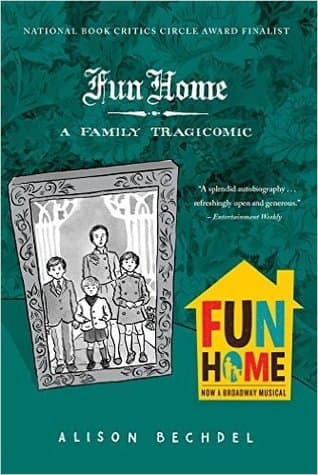
- Fun Home: A Family Tragicomic
Alison Bechdel
4.1 (130k) average on GoodreadsBiographyExplores complex family dynamics, sexuality, and self-discovery through a graphic memoir format.
- Persepolis: The Story of a Childhood
Marjane Satrapi
4.3 (158k) average on GoodreadsBiographyA graphic memoir detailing a young person's growth amidst significant societal and personal upheaval.
- Eat, Pray, Love
Elizabeth Gilbert
3.6 (1.5M) average on GoodreadsLifestyleA heartbroken writer leaves her conventional life for a year-long global search for pleasure in Italy, spiritual devotion in India, and unexpected love and balance in Bali.
- Educated
Tara Westover
4.5 (796k) average on GoodreadsBiographyRaised in the Idaho mountains by fundamentalist survivalists, a young woman forges her own path to education, battling fierce family loyalty and personal demons to discover a world beyond her isolated upbringing.
- The Poisonwood Bible
Barbara Kingsolver
4.1 (659k) average on GoodreadsLiterary FictionA zealous missionary's rigid faith clashes with the Belgian Congo's wilderness and people, unraveling his family through the eyes of his five unforgettable women.
- Siddhartha
Hermann Hesse
4.0 (583k) average on GoodreadsHistorical FictionSiddhartha leaves a life of privilege and piety, embracing asceticism, wealth, and love to find enlightenment not in dogma, but in the whispers of a river and the unity of all existence.





Enjoyed the summary?
A summary gives you the shape of the book. The book itself has the detail, the examples and the voice.
Find Blankets on AmazonAs an Amazon Associate, BookBrief earns from qualifying purchases. How we're funded