

Estimated read time: 11 min read
Table of Contents
List of Characters
| Character Name | Role/Function | Location/Origin |
|---|---|---|
| Quasar | Cult member, narrator | Okinawa, Japan |
| Satoru | Record shop worker | Tokyo, Japan |
| Neal Brose | Lawyer | Hong Kong |
| Margarita Latunsky | Art museum attendant | St. Petersburg, Russia |
| Marco | Ghostwriter | London, England |
| Mo Muntervary | Quantum physicist | Ireland, UK, Mongolia |
| Caspar | Traveler, mountain climber | Mongolia |
| Noncorpum | Disembodied spirit | Mongolia, Russia, China |
| Zookeeper | Radio talk-show host | New York, USA |
| Bat Segundo | Radio caller | New York, USA |
| Shinya | Satoru’s friend | Tokyo, Japan |
| Hisako | Satoru’s love interest | Tokyo, Japan |
| Mrs. Wang | Neal Brose’s housekeeper | Hong Kong |
| The Holy Mountain | Cult leader | Japan |
| Other Minor Characters | Various roles in each narrative | Various |
Role Identification
"Ghostwritten" is structured as a series of interconnected stories, each focusing on different protagonists in various locations. The characters’ lives intersect in subtle but significant ways, forming a broad mosaic of fate, chance, and consequence.
Character Descriptions
Quasar
| Attribute | Details |
|---|---|
| Full Name | Not specified |
| Background | Member of doomsday cult |
| Traits | Fanatical, isolated, paranoid |
| Arc | Fugitive after sarin gas attack |
| Motivations | Loyalty to cult, survival instinct |
Quasar is the opening narrator, a loyal member of a Japanese apocalyptic cult responsible for a terrorist attack. His narrative voice is tense and unreliable, shaped by a sense of persecution and doctrinal certainty. He spends most of his time hiding and reflecting on his indoctrination, providing insight into extremism and psychological isolation.
Satoru
| Attribute | Details |
|---|---|
| Occupation | Record store clerk |
| Background | Young urban dweller in Tokyo |
| Traits | Dreamy, idealistic, romantic |
| Arc | Navigates friendship and romance |
| Motivations | Longs for connection and meaning |
Satoru’s section explores the search for love and identity amidst Tokyo’s vibrant city life. His relationships, especially with Hisako and Shinya, expose his vulnerabilities and desires. Satoru represents the universal yearning for acceptance.
Neal Brose
| Attribute | Details |
|---|---|
| Occupation | Tax lawyer |
| Background | British expatriate in Hong Kong |
| Traits | Repressed, anxious, secretive |
| Arc | Struggles with morality and guilt |
| Motivations | Financial security, personal escape |
Neal Brose is a middle-aged man burdened by secrets and marital troubles. He is trapped in a life of duplicity, haunted by past decisions. His story is a meditation on conscience and consequence.
Margarita Latunsky
| Attribute | Details |
|---|---|
| Occupation | Museum attendant |
| Background | Russian, survivor of Soviet hardships |
| Traits | Resilient, resourceful, lonely |
| Arc | Befriends art thief, reconsiders morality |
| Motivations | Survival, connection, integrity |
Margarita’s life is shaped by loss and poverty. Her encounter with a mysterious art thief awakens her to the complex interplay between right and wrong.
Marco
| Attribute | Details |
|---|---|
| Occupation | Ghostwriter |
| Background | British, aspiring novelist |
| Traits | Observant, passive, insecure |
| Arc | Writes a biography, faces personal truths |
| Motivations | Recognition, self-discovery |
Marco’s narrative is about the blurred line between fact and fiction. Through ghostwriting, he confronts his own identity and the shallow nature of celebrity culture.
Mo Muntervary
| Attribute | Details |
|---|---|
| Occupation | Physicist |
| Background | Irish-English, quantum researcher |
| Traits | Brilliant, ethical, determined |
| Arc | On the run for her research |
| Motivations | Scientific integrity, evading exploitation |
Mo’s groundbreaking work in quantum computing makes her a target. She embodies the ethical dilemmas of scientific progress, forced to choose between safety and her moral code.
Caspar
| Attribute | Details |
|---|---|
| Occupation | Traveler, mountain climber |
| Background | European, spiritual seeker |
| Traits | Introspective, restless, philosophical |
| Arc | Seeks enlightenment, aids Noncorpum |
| Motivations | Meaning, spiritual truth |
Caspar’s section is introspective, focusing on spiritual emptiness and the search for enlightenment in Mongolia. He becomes a vessel for the story’s supernatural elements.
Noncorpum
| Attribute | Details |
|---|---|
| Nature | Disembodied spirit |
| Background | Unknown, eternal wanderer |
| Traits | Curious, empathetic, searching |
| Arc | Possesses bodies, seeks origin |
| Motivations | Understanding existence, connection |
Noncorpum’s story is metaphysical, exploring consciousness and identity. As it moves from host to host, it reflects on the nature of the soul and free will.
Zookeeper
| Attribute | Details |
|---|---|
| Occupation | Radio talk-show host |
| Background | American, urban professional |
| Traits | Rational, adaptable, compassionate |
| Arc | Listens to callers, faces city crisis |
| Motivations | Help others, maintain order |
The Zookeeper’s narrative serves as a social commentary, linking the global stories through his late-night radio show. He connects disparate lives via the airwaves.
Bat Segundo
| Attribute | Details |
|---|---|
| Role | Radio caller |
| Background | Mysterious |
| Traits | Paranoid, prophetic, unstable |
| Arc | Delivers apocalyptic warnings |
| Motivations | Warn, seek validation |
Bat Segundo is a minor but memorable figure, whose calls embody the anxiety and paranoia running through the novel.
Character Traits
| Character | Key Traits | Core Conflict | Character Strengths | Character Flaws |
|---|---|---|---|---|
| Quasar | Fanatical, paranoid, loyal | Survival vs. dogma | Commitment, resilience | Delusion, violence |
| Satoru | Dreamy, insecure, hopeful | Loneliness vs. connection | Empathy, optimism | Naivety, passivity |
| Neal Brose | Anxious, secretive, repressed | Morality vs. temptation | Intelligence, caution | Guilt, indecision |
| Margarita | Resourceful, lonely, honest | Poverty vs. integrity | Resilience, honesty | Distrust, fear |
| Marco | Observant, insecure, ironic | Identity vs. anonymity | Creativity, adaptability | Lack of confidence, passivity |
| Mo | Brilliant, ethical, determined | Science vs. exploitation | Intelligence, integrity | Paranoia, isolation |
| Caspar | Introspective, restless | Spirituality vs. emptiness | Thoughtfulness, openness | Aimlessness, doubt |
| Noncorpum | Curious, empathetic, lost | Identity vs. rootlessness | Adaptability, empathy | Lack of belonging |
| Zookeeper | Rational, compassionate | Order vs. chaos | Calm, helpfulness | Emotional distance |
| Bat Segundo | Paranoid, prophetic | Warning vs. disbelief | Persistence, insight | Instability, obsession |
Character Background
| Character | Upbringing/Origin | Major Life Events | Influences |
|---|---|---|---|
| Quasar | Japan, cult upbringing | Cult attack, fugitive life | Cult doctrine, leader |
| Satoru | Tokyo, modern family | Friendship, romance, loss | City culture, pop music |
| Neal Brose | UK, expatriate life | Marriage, financial schemes | Career ambition, secrets |
| Margarita | Russia, post-Soviet era | Family loss, museum job | Art, poverty |
| Marco | UK, creative circles | Ghostwriting assignment | Literary aspirations |
| Mo | Ireland/UK, academia | Scientific breakthrough, flight | Research, ethics |
| Caspar | Europe, wanderer | Travels, spiritual quests | Philosophy, Buddhism |
| Noncorpum | N/A | Possession of various hosts | Human experience, memory |
| Zookeeper | USA, urban upbringing | Radio hosting, city blackout | Media, callers |
| Bat Segundo | USA, unknown | Radio calls, warnings | Media, paranoia |
Character Arcs
Quasar
Quasar begins as a zealot, convinced of his cult’s cause. As he becomes a fugitive, his paranoia grows. The narrative exposes his humanity beneath the fanaticism, but ultimately, he remains trapped by his beliefs.
Satoru
Satoru’s arc is a coming-of-age journey. He starts as a passive dreamer, seeking love and validation. Through his relationships, he gains a deeper understanding of himself and the complexities of adulthood.
Neal Brose
Neal’s story is one of decline. He starts with ambitions and secrets, but as his duplicity unravels, so does his mental state. His arc ends with a confrontation with his own failings.
Margarita Latunsky
Margarita’s arc is about survival and dignity. She faces poverty and loneliness but finds hope through her interactions at the museum. She ultimately makes choices that affirm her sense of self-worth.
Marco
Marco’s journey is about authorship and authenticity. Through ghostwriting, he questions the value of his own voice. By the end, he faces the need to own his story rather than hide behind others.
Mo Muntervary
Mo’s arc is a classic fugitive story. She flees those who want to exploit her research. Her journey is about balancing scientific progress with ethical responsibility, ultimately choosing integrity over safety.
Caspar
Caspar seeks enlightenment but is thwarted by his own doubts. His journey with Noncorpum exposes him to the supernatural, forcing him to reconcile his spiritual aspirations with reality.
Noncorpum
Noncorpum’s arc is an existential quest. As it moves from body to body, it learns about humanity, love, and loss. Its journey is unresolved, continuing its search for purpose and belonging.
Zookeeper
The Zookeeper maintains composure amid chaos. His arc is subtle, showing the burden of being a confidante to the world’s fears. He emerges as a quietly heroic figure, holding society together through empathy.
Bat Segundo
Bat Segundo’s arc is minor but impactful. His persistent warnings reflect the novel’s themes of fate and interconnectedness. He is a symbol of ignored prophecy.
Relationships
| Character | Key Relationships | Nature of Relationship | Impact on Arc |
|---|---|---|---|
| Quasar | The Holy Mountain (cult leader) | Devotion, submission | Drives fanaticism |
| Satoru | Shinya (friend) | Friendship, betrayal | Shapes adult life |
| Satoru | Hisako (love interest) | Romance, heartbreak | Fuels growth |
| Neal Brose | Mrs. Wang (housekeeper) | Professional, secretive | Reveals personal failings |
| Neal Brose | Wife | Estranged, distant | Source of guilt |
| Margarita | Art thief | Friendship, moral conflict | Triggers self-reflection |
| Marco | Biographical subject | Professional, exploitative | Highlights identity crisis |
| Mo Muntervary | Scientific community | Collaborative, adversarial | Fuels ethical dilemmas |
| Caspar | Noncorpum | Host, spiritual student | Tests beliefs |
| Zookeeper | Bat Segundo | Host-caller, listener | Connects disparate stories |
Interconnectedness and Overlap
"Ghostwritten" is unique for its structure: each character’s story is influenced by others, sometimes directly, sometimes through ripples of consequence. A decision in one chapter affects another character continents away.
| Example Connection | Characters Involved | Description |
|---|---|---|
| Sarin attack aftermath | Quasar, Satoru | Quasar’s crime impacts Satoru’s Tokyo life |
| Financial dealings | Neal Brose, Mo Muntervary | Neal’s work entangles with Mo’s physics research |
| Spirit possession | Noncorpum, Caspar | Noncorpum inhabits Caspar during Mongolia segment |
| Radio show | Zookeeper, Bat Segundo | Bat Segundo’s calls tie into global anxieties |
| Art theft | Margarita, Marco | Margarita’s thief connects with Marco’s subject |
Thematic Functions of Characters
| Character | Thematic Role | Representation |
|---|---|---|
| Quasar | Extremism, fate | Dangers of ideology |
| Satoru | Modern loneliness | Search for connection |
| Neal Brose | Guilt, duplicity | The cost of secrets |
| Margarita | Survival, morality | Integrity under pressure |
| Marco | Identity, authorship | Masks we wear |
| Mo | Ethics in science | Progress vs. responsibility |
| Caspar | Spiritual quest | Meaning in emptiness |
| Noncorpum | Consciousness, identity | Soul’s journey |
| Zookeeper | Empathy, communication | Societal glue |
| Bat Segundo | Anxiety, prophecy | Voice of warning |
Evolution of Key Relationships
| Relationship | Starting Point | Turning Point | Outcome |
|---|---|---|---|
| Quasar & The Holy Mountain | Absolute loyalty | After the attack | Doubt, isolation |
| Satoru & Hisako | Hopeful romance | Hisako’s withdrawal | Heartbreak, maturity |
| Neal & Mrs. Wang | Professional distance | Discovery of secrets | Guilt, collapse |
| Margarita & Art thief | Cautious friendship | Theft revelation | Self-respect affirmed |
| Marco & Biographical subject | Admiration | Realization of manipulation | Self-assertion |
| Mo & Scientific community | Collaboration | Threat of exploitation | Flight, moral clarity |
| Caspar & Noncorpum | Curiosity | Possession | Spiritual awakening |
| Zookeeper & Bat Segundo | Host-listener | Apocalyptic warning | Heightened anxiety |
Character Interactions and Causality
| Initiating Event | Source Character | Affected Character | Resulting Consequence |
|---|---|---|---|
| Sarin attack | Quasar | Satoru, global ripple | Heightened paranoia |
| Money laundering | Neal Brose | Mo Muntervary | Pursuit, research theft |
| Art theft | Margarita | Marco | Subject of biography |
| Noncorpum’s possession | Noncorpum | Caspar | Spiritual crisis |
| Radio warning | Bat Segundo | Zookeeper | Spread of fear |
Conclusion: The Ghostwritten Tapestry
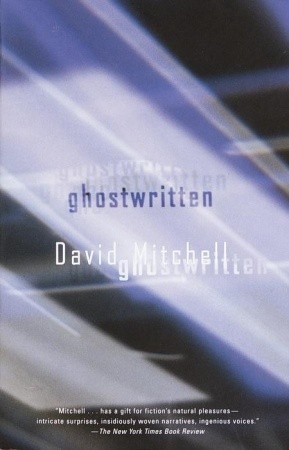
David Mitchell’s "Ghostwritten" is a masterclass in character-driven storytelling. Each character is a node in a vast web, their arcs distinct yet subtly entangled. Through diverse voices, Mitchell explores the fragile boundaries between self and other, fate and free will.
The characters’ backgrounds and arcs encompass a range of themes—terrorism, love, guilt, survival, identity, science, and spirituality. Their flaws and strengths are rendered with empathy, making even the most extreme figures accessible.
Relationships in "Ghostwritten" are rarely simple. They are colored by secrets, betrayals, fleeting connections, and unexpected acts of kindness. The novel’s structural innovation lies in its demonstration of how a single choice can reverberate across continents and lives.
Ultimately, the characters of "Ghostwritten" serve as mirrors for our own hopes, fears, and interconnected destinies. Their stories remind us that we are all, in some way, ghostwritten by the lives we touch and the unseen forces that shape our paths.


