
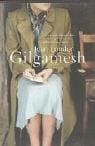
Synopsis
Covers the whole plot, including the ending.
- Difficulty
- Medium
- Pacing
- Moderate
- Mood
- Atmospheric, Reflective, Poignant, Evocative
- Read it if
- You enjoy beautifully written literary fiction that weaves historical events with personal journeys and explores themes of love, loss, and the search for meaning.
- Skip it if
- You prefer fast-paced plots with clear resolutions and explicit historical detail over character-driven narratives with a more reflective tone.
Gilgamesh Plot Summary
Covers the whole plot, including the ending.
The Arrival of the Strangers
In 1937, on a small, isolated farm in south-west Australia, sisters Edith and Frances live a quiet life with their mother. Their routine changes with the arrival of their cousins, Leopold and Aram. Leopold is Australian, Aram is Armenian. Both return from an archaeological dig in Iraq. They are well-traveled and educated, bringing a sense of the wider world and its coming conflicts. Aram, in particular, interests Edith and Frances with his background and stories. These include the ancient Mesopotamian epic of Gilgamesh, which he tells in detail, sparking Edith's imagination and curiosity about the world beyond her farm.
The Gilgamesh Epic and Growing Bonds
Aram's storytelling, especially his telling of the Epic of Gilgamesh, becomes a key connection for the group. He describes Gilgamesh's search for lasting life, his friendship with Enkidu, and his journey through grief and discovery. As Aram shares these stories, a subtle attraction grows between him and Edith. Frances watches this relationship, feeling a mix of interest and a quiet sense of being on the outside. The ancient story of Gilgamesh's journey and search for meaning begins to deeply affect Edith. This hints at her own future travels and quests.
Departure and a Lingering Promise
After a time of strong intellectual and emotional connection, Leopold and Aram leave the farm to go home. Their departure leaves a notable emptiness for Edith. She soon discovers she is pregnant with Aram's child. The news is a shock, but it also causes change. Edith decides to keep the baby. This choice sets her on an independent path, away from her family's expectations and her rural upbringing. The memory of Aram and the promise of a life beyond Australia remain, driving her to connect with the child's father and the wider world he represents.
Edith's Journey Begins
In 1939, with World War II approaching, Edith decides to leave Australia with her young son, Jim, to find Aram. Her journey is full of uncertainty and danger, reflecting the world's growing instability. She travels by ship, facing the difficulties of wartime travel and the challenges of caring for a young child alone. Her destination is London, where she hopes to begin finding Aram, who she believes might be in Armenia or the Middle East. This journey reflects Gilgamesh's own epic quest, driven by a strong desire for connection and meaning.
London Under Siege
Edith and Jim arrive in London just as the city is in the chaos of the Blitz. The ideal vision of a European adventure quickly becomes a struggle to survive amidst air raids and destruction. Edith finds temporary housing and work, trying her best to protect Jim from the war's horrors. The city, once a symbol of hope and connection to Aram, becomes a place of constant fear and uncertainty. Her search for Aram becomes harder as communication lines are cut and the world is consumed by conflict. She meets other displaced people, forming fragile bonds as they face shared hardship.
Encounters and Separations
During her time in London, Edith experiences the harsh realities of war. She sees destruction and loss of life. She becomes friends with an older woman, Mrs. Davies, who offers community and support. However, the war also brings separation and uncertainty. Edith continues to try to find Aram, sending letters and making inquiries, but gets no clear answers. The constant threat of air raids and the general instability make her quest seem less likely to succeed, yet her determination to reunite Jim with his father, and to find her own place in the world, stays strong.
The Caucasus and a Glimmer of Hope
Driven by a desperate hope, Edith eventually gets a partial clue suggesting Aram might be with his family in the Caucasus region. She takes another dangerous journey, traveling through war-torn lands and across borders that are harder to cross. This part of her journey is even more dangerous and uncertain than her ocean crossing. She faces cultural barriers and the constant threat of conflict. But her resolve to find Aram and give Jim a sense of belonging pushes her forward. The further she travels, the more she embodies Gilgamesh's relentless pursuit.
Aram's Family and Hard Truths
Edith eventually reaches Aram's family in the Caucasus. She is welcomed, though with surprise and sadness. Here, she learns the devastating news: Aram has died, a casualty of the war. This news shatters her long-held hope and the very purpose of her journey. She must face the harsh reality of loss and the finality of death, much like Gilgamesh facing the death of Enkidu. Despite the deep grief, she finds some comfort in connecting with Aram's family. They accept Jim as one of their own, giving him a sense of heritage and belonging that Edith had sought for her son.
Life Among Strangers
After the first shock of Aram's death, Edith and Jim stay with Aram's family. Edith begins to learn about Armenian culture and the strength of a people who have suffered greatly. She sees their strong family ties and their ability to find joy despite hardship. Jim, too, begins to form connections with his father's relatives, gaining a sense of his heritage. This time allows Edith to process her grief and to rethink her purpose. She realizes that while her original quest ended in loss, she has found a different kind of family and a deeper understanding of human connection and strength.
The Return Journey
Eventually, Edith and Jim make the long journey back to Australia. They are no longer the same people who left the quiet farm years earlier. Edith has faced great hardship, loss, and discovery, growing into a woman of strength and resilience. Jim, having experienced different cultures and the love of his Armenian family, carries a unique heritage. Their return is not a defeat, but a homecoming made richer by their experiences. Edith brings with her a deeper understanding of the world, human connection, and the acceptance of life's temporary nature, much like Gilgamesh returning to Uruk with knowledge of life's preciousness.
Frances's Life and Legacy
While Edith journeys, Frances stays on the Australian farm, living a more conventional life. She marries and raises a family, experiencing her own joys and challenges, though on a smaller, more contained scale. Frances's story contrasts with Edith's, showing different paths women took then. Yet, even in her quiet life, the memory of Aram and his stories, especially Gilgamesh, continue to resonate. She often thinks about Edith's courageous journey, understanding how those early encounters deeply affected her sister.
Reflections and Endings
Years later, as the characters age, they reflect on the events that shaped their lives. Edith, Frances, and Leopold carry the lasting marks of their youth and the war. Jim grows up knowing his father's story and his Armenian heritage, connecting the different parts of his identity. The Epic of Gilgamesh, first told by Aram on that remote farm, remains a powerful image for their shared experiences of love, loss, journey, and the search for meaning. The novel ends with a sense of acceptance and the understanding that while lasting life may be out of reach, the enduring power of human connection and story provides a different kind of legacy.
Principal Figures
Edith
Protagonist
A young Australian woman who embarks on an epic journey in search of love and meaning.
Edith begins as a somewhat naive and sheltered young woman living on a remote Australian farm. She is intelligent, imaginative, and deeply impressionable, especially by Aram's stories and his worldly perspective. Her encounter with Aram awakens a profound yearning for a life beyond her immediate surroundings. She possesses immense courage and resilience, embarking on a perilous journey across continents with her young son, facing wartime dangers and profound loss. She is driven by love, a desire for connection, and a quest for understanding.
Relationships: Frances (Sisterly bond, often contrasting in temperament and life choices.); Aram (Love interest and father of her child; a profound, life-altering connection.); Jim (Her son, for whom she undertakes her epic journey.); Leopold (Cousin, a connection to the wider world.)
Frances
Supporting
Edith's sister, who remains on the Australian farm, providing a contrasting perspective.
Frances is Edith's sister, more grounded and perhaps less adventurous by nature. She observes Edith's burgeoning relationship with Aram and her subsequent departure with a mix of understanding and quiet contemplation. While Edith embarks on a grand, physical journey, Frances's life unfolds on the farm, representing a different kind of resilience and connection to home. She serves as a stable anchor, a witness to Edith's transformation, and a keeper of the memories of their shared youth.
Relationships: Edith (Sisterly bond, a quiet and understanding presence.); Aram (Brief acquaintance, a catalyst for her sister's journey.)
Aram
Supporting/Catalyst
An enigmatic Armenian archaeologist whose stories and presence ignite Edith's world.
Aram is a charismatic and intellectual Armenian man, a friend of Leopold, who visits the Australian farm. He is well-traveled, educated, and passionate about history and storytelling, particularly the Epic of Gilgamesh. His presence is a catalyst for Edith's journey, both literally and metaphorically. He embodies the wider world, ancient wisdom, and a sense of exoticism that deeply appeals to Edith. His recounting of Gilgamesh's quest for immortality foreshadows Edith's own journey of love, loss, and discovery. His eventual death, a casualty of war, serves as the ultimate lesson in the impermanence of life.
Relationships: Edith (Love interest and father of her child; a profound, life-altering connection.); Leopold (Friend and traveling companion.)
Leopold
Supporting
Edith and Frances's cousin, a well-traveled intellectual who brings Aram to the farm.
Leopold is Edith and Frances's Australian cousin, a scholarly and worldly young man who has been working on an archaeological dig in Iraq. He is the bridge between the remote Australian farm and the broader, more complex world of academia and impending war. He introduces Aram to his cousins, inadvertently setting Edith's life on its extraordinary course. Leopold represents the intellectual curiosity and the wider world that both attracts and challenges the isolated lives of the sisters.
Relationships: Edith (Cousin, a connection to the wider world.); Frances (Cousin.); Aram (Friend and traveling companion.)
Jim
Supporting
Edith's son, whose identity and future are central to her journey.
Jim is Edith and Aram's son, born after Aram's departure. He is a quiet but observant child who accompanies Edith on her perilous journey across continents. His existence is the primary motivation for Edith's quest to find Aram and establish a sense of belonging. Through his journey, Jim experiences different cultures – Australian, British, and Armenian – shaping his understanding of his own dual heritage. He represents the future and the enduring legacy of the connections forged between his parents.
Relationships: Edith (Son, central to her motivations and journey.); Aram (Father, whose memory and family he connects with.); Aram's Family (Paternal relatives who embrace him.)
Edith's Mother
Supporting
The matriarch of the Australian farm, representing tradition and home.
Edith's mother is a stoic and practical woman who manages the isolated Australian farm. She embodies the traditional, grounded life that Edith eventually leaves behind. While she loves her daughters, her worldview is limited by her environment. Her reaction to Edith's pregnancy and her decision to leave is one of concern and perhaps a quiet resignation, highlighting the societal norms of the time. She represents the 'home' that Edith departs from and eventually returns to, a constant against the backdrop of Edith's tumultuous journey.
Relationships: Edith (Mother-daughter relationship, marked by Edith's eventual independence.); Frances (Mother-daughter relationship, more conventional.)
Mrs. Davies
Supporting
A kind Londoner who provides solace and support to Edith during the Blitz.
Mrs. Davies is an older woman Edith encounters in wartime London. She is a compassionate and resilient character who offers Edith and Jim a temporary home and much-needed comfort amidst the chaos of the Blitz. She represents the kindness of strangers and the human capacity for empathy and community in times of crisis. Her presence provides Edith with a brief respite and a sense of belonging in an otherwise hostile environment, embodying the quiet heroism of ordinary people enduring extraordinary circumstances.
Relationships: Edith (Friend and benefactor during wartime.)
Aram's Family
Supporting
Aram's relatives in the Caucasus, who provide Jim with a sense of heritage.
Aram's family are resilient Armenians living in the Caucasus region. They are initially surprised by Edith and Jim's arrival but quickly embrace them, offering comfort and a sense of belonging. They share the news of Aram's death, bringing both sorrow and closure to Edith's quest. Their warmth and strong cultural identity provide Jim with a vital connection to his paternal heritage, fulfilling Edith's desire for her son to know his roots. They represent the enduring strength of family and cultural identity despite historical trauma.
Relationships: Edith (Welcomed relative, source of truth and comfort.); Jim (Paternal relatives, providing a sense of heritage.)
Themes & Insights
The Quest for Meaning and Belonging
The novel centers on the human search for purpose and a place in the world. Edith's journey, clearly like the Epic of Gilgamesh, is a physical and emotional quest to find Aram and, by extension, a sense of belonging for herself and her son, Jim. Even after Aram's death, her journey continues as she seeks to connect Jim with his heritage. This theme appears from Edith's first interest in Aram's stories, which represent a world beyond her isolated farm. It extends to her dangerous travels through war-torn lands, ending with her return to Australia with a new sense of self and purpose, though different from her original goal.
“She was an explorer, of a kind, a cartographer of the heart, tracing the lines between people and places.”
Loss and Grief
Loss is a constant theme, reflecting Gilgamesh's grief for Enkidu. Edith experiences many kinds of loss: the loss of a conventional life, the loss of innocence, the deep loss of Aram, and the loss of the future she imagined with him. World War II as a background increases this theme, as countless lives are lost and societies change forever. Edith's acceptance of Aram's death and her ability to move forward with Jim, while still grieving, shows great strength. The novel suggests that while loss is certain, it can also lead to deeper understanding and appreciation for life.
“The war had taken so much, but it had also given her a son, and a journey she would never have dreamed of.”
The Power of Storytelling and Myth
The ancient Epic of Gilgamesh is a foundational myth that frames and clarifies the modern story. Aram's storytelling captivates Edith and gives her a way to understand her own experiences of journey, friendship, love, and loss. The myth offers a timeless parallel to the human condition, suggesting that while settings and characters change, basic human quests remain the same. The retelling of Gilgamesh not only inspires Edith but also allows her to connect her personal struggles to a larger, universal story, giving her journey a mythical quality.
“The story of Gilgamesh, the legendary king of Uruk... resonated through all of their lives.”
The Impact of War on Individual Lives
The novel shows the devastating effects of World War II on individual lives, even those seemingly far from the front lines. Edith's journey is constantly shaped and threatened by the war, from the dangers of ocean travel to the London Blitz and the perilous passage through the Caucasus. The war not only disrupts her quest but eventually takes Aram's life, forcing Edith to face its brutal realities. The novel emphasizes how global conflicts affect personal relationships, forcing people to make impossible choices and endure great hardships, forever changing their destinies.
“The modern world, they said, was waiting to erupt.”
Identity and Heritage
The novel explores how identity forms from origin, experience, and inherited stories. Edith, initially defined by her Australian farm life, develops a broader identity through her travels and encounters with different cultures. Jim's identity is particularly important, as he combines Australian and Armenian heritage. His connection with Aram's family gives him a key understanding of his roots, even without his father. The novel suggests that identity is not fixed but changes, always evolving through personal choices, relationships, and the legacies passed down through generations.
“He carried the landscape of two continents within him, the dust of Australia and the ancient stones of Armenia.”
Plot Devices & Literary Techniques
Framing Narrative (The Epic of Gilgamesh)
The ancient Mesopotamian epic provides a mythical and thematic framework for the modern story.
The Epic of Gilgamesh, recounted by Aram, serves as a powerful framing narrative and an extended metaphor. It is not merely a story within a story but a thematic blueprint. Gilgamesh's journey of grief, his quest for immortality, and his eventual acceptance of mortality directly parallel Edith's own odyssey of love, loss, and the search for meaning. This device elevates Edith's personal struggles to a universal, timeless level, giving her experiences a mythical resonance and providing a structure for understanding the profound themes of the novel.
Journey Motif
Edith's physical and emotional travels mirror the archetypal hero's journey.
The entire novel is built around the motif of a journey. Edith embarks on multiple, increasingly perilous voyages – from Australia to London, and then to the Caucasus – both literally and metaphorically. These journeys are not just about reaching a destination but about self-discovery, growth, and transformation. Each leg of her travel brings new challenges, encounters, and lessons, reflecting the classic hero's journey where the protagonist leaves the familiar, faces trials, and returns changed. This device emphasizes the theme of seeking and the transformative power of experience.
Historical Context (World War II)
The backdrop of global conflict shapes and complicates the characters' personal narratives.
The novel is set against the tumultuous backdrop of World War II, which acts as a powerful external force shaping the characters' destinies. The war is not just a setting; it is an active plot device that creates obstacles, inflicts loss, and forces difficult choices. It isolates individuals, disrupts communication, and ultimately claims Aram's life. The historical context underscores the fragility of human plans and the profound impact of global events on individual lives, highlighting themes of loss, resilience, and the search for connection amidst chaos.
Symbolism of Home and Away
The contrasting settings represent safety, tradition, and the unknown.
The novel uses the symbolism of 'home' (the isolated Australian farm) versus 'away' (London, the Caucasus, the Middle East) to explore themes of belonging, identity, and the allure of the unknown. The farm represents tradition, safety, and a certain provincialism, while the foreign lands symbolize adventure, danger, and self-discovery. Edith's journey is a movement from one to the other, and her eventual return is not to the same 'home' but to a changed place, reflecting her own transformation. This device highlights the tension between stability and exploration.
Gilgamesh Quotes
“He was like a man who had been given a new name, a name that fitted him, and he carried it with a kind of dignity.”
“The world was a place of astonishing beauty and casual cruelty, and he was part of it all.”
“He had seen the end of things, and it had made him see the beginning of things differently.”
“There was a loneliness in him that no amount of power or pleasure could ever fill.”
“To be human was to be a creature of longing, always reaching for something just beyond grasp.”
“The gods were not to be trusted, but they were not to be ignored either. They were simply there, like the wind or the river.”
“He understood then that true strength was not in conquest, but in endurance.”
“Every man carried his own wilderness within him, a place where he was truly alone.”
“The journey was not to find something new, but to see what was already there with new eyes.”
“Grief was a river that carried you away, whether you wanted to go or not.”
“He built walls not just of brick, but of stories, to hold back the oblivion.”
“The wild man had taught him what it meant to be human, and the king had taught him what it meant to be alone.”
“There was a certain freedom in knowing you could not escape your fate, only meet it.”
“The world was full of echoes, and some of them were more powerful than the original sound.”
Quiz
10 questions on the plot and the characters. Each answer comes with a short explanation.
Question 1
In what year do Leopold and Aram visit Edith and Frances on their farm in south-west Australia?
- 1919
- 1937
- 1939
- 1945
Show answer
B. 1937 The novel explicitly states that Leopold and Aram's visit to the farm, where they share the story of Gilgamesh, takes place in 1937.
Question 2
What ancient Mesopotamian king's legend do Leopold and Aram share with the sisters?
- Hammurabi
- Sargon
- Gilgamesh
- Nebuchadnezzar
Show answer
C. Gilgamesh The central myth shared by the characters, and which gives the novel its title, is the epic of Gilgamesh.
Question 3
What significant event traps Edith and her child during their journey in 1939?
- A natural disaster
- The outbreak of war
- Economic depression
- A family emergency
Show answer
B. The outbreak of war The synopsis clearly states that Edith and her child become 'trapped by the outbreak of war' during their journey.
Question 4
What is Aram's nationality or ethnic background?
- Iraqi
- Australian
- Armenian
- British
Show answer
C. Armenian The text describes Aram as Leopold's 'Armenian friend,' highlighting his distinct background.
Question 5
From what kind of work are Leopold and Aram returning when they visit the farm?
- Mining in Western Australia
- Farming in the outback
- An archaeological dig in Iraq
- Journalism in London
Show answer
C. An archaeological dig in Iraq Leopold and Aram are 'taking the long way home after working on an archeological dig in Iraq,' which is where they encountered the Gilgamesh story.
Question 6
The novel's narrative spans between which two major global conflicts?
- The Crimean War and the First World War
- The First World War and the Second World War
- The Second World War and the Cold War
- The Boer War and the First World War
Show answer
B. The First World War and the Second World War The timeline of the novel moves 'from the last days of the First World War to the years following the Second,' covering a significant historical period.
Question 7
What primary theme of the Gilgamesh epic resonates through the lives of the characters in Joan London's novel?
- The importance of divine worship
- The search for eternal life after loss
- The overthrow of tyrannical rulers
- The building of magnificent cities
Show answer
B. The search for eternal life after loss The synopsis highlights Gilgamesh's 'great journey of mourning after the death of his friend Enkidu, and his search for the secret of eternal life,' as the resonating theme.
Question 8
Which of the following locations is NOT mentioned as a setting for the novel's events?
- Rural Australia
- London
- Egypt
- The Caucasus
Show answer
C. Egypt The novel moves between 'rural Australia, London, the Caucasus and the Middle East,' but Egypt is not specifically listed as a setting.
Question 9
The novel suggests that the 'modern world' in 1937 was 'waiting to erupt.' What does this foreshadow for the characters, particularly Edith?
- A period of rapid technological advancement and prosperity.
- The imminent threat and eventual outbreak of a major war.
- Significant social reforms and cultural shifts.
- A boom in archaeological discoveries.
Show answer
B. The imminent threat and eventual outbreak of a major war. The statement 'The modern world, they say, is waiting to erupt' directly precedes the mention of Edith's journey in 1939 and her being 'trapped by the outbreak of war,' clearly foreshadowing the conflict.
Question 10
According to the synopsis, what is a key outcome or realization for characters like Edith, mirroring Gilgamesh's journey, when they 'strike out into the world'?
- They achieve immortality.
- They find their way home and come to terms with loss and acceptance.
- They become powerful rulers of new lands.
- They reject their past and never return.
Show answer
B. They find their way home and come to terms with loss and acceptance. The novel 'examines what happens when we strike out into the world, and how, like Gilgamesh, we find our way home,' with Edith's journey described as one of 'loss and acceptance.'
Gilgamesh FAQ
What is the central premise of 'Gilgamesh' by Joan London?
The novel centers on the lives of Australian sisters Edith and Frances, whose quiet farm existence in 1937 is disrupted by the arrival of their cousin Leopold and his friend Aram. Their tales of an archaeological dig in Iraq, particularly the ancient epic of Gilgamesh, profoundly influence Edith, inspiring her own arduous journey across continents just as World War II begins.
Who are the main characters and what are their initial relationships?
The main characters are Edith and Frances, sisters living with their mother in rural Western Australia. Their lives are intertwined with their cousin Leopold and his Armenian friend Aram, who bring the outside world and the story of Gilgamesh into their isolated home. Edith develops a significant connection with Aram, which sparks her later journey.
How does the ancient Epic of Gilgamesh influence the modern narrative?
The Epic of Gilgamesh, particularly Gilgamesh's journey of mourning for Enkidu and his quest for immortality, serves as a powerful metaphor and structural parallel for Edith's own travels and experiences. Her search for Aram, her encounters with various people, and her confrontation with loss mirror Gilgamesh's epic quest for meaning and acceptance.
What prompts Edith's extraordinary journey from Australia to Europe and the Middle East?
Edith's journey is primarily motivated by her desire to find Aram, the Armenian friend of her cousin Leopold, with whom she had a brief but profound connection. She also seeks a deeper understanding of the world beyond her isolated farm life, driven by the stories and intellectual curiosity ignited by Leopold and Aram.
What role does the setting of World War II play in the novel?
The outbreak and duration of World War II serve as a critical backdrop and catalyst for much of the novel's conflict and displacement. It traps Edith in Europe, forces her to make difficult choices, separates her from her family, and profoundly shapes the experiences and fates of many characters, highlighting themes of loss and resilience.
Are there specific parallel characters between the Gilgamesh epic and the modern story?
While not direct one-to-one allegories, Edith can be seen to embody aspects of Gilgamesh in her epic journey and search for meaning after loss. Aram, with his foreign origins and the profound impact he has on Edith, could be loosely compared to Enkidu, whose death spurs Gilgamesh's quest. Leopold often functions as a guide or messenger, much like the ferryman Urshanabi or Utnapishtim in the epic.
What is the significance of the archaeological dig in Iraq for Leopold and Aram?
The archaeological dig in Iraq is significant because it's where Leopold and Aram meet and become friends, and it's the source of their knowledge about the Epic of Gilgamesh. It also represents the link between ancient history and the modern world, as well as the unstable geopolitical landscape that will later engulf Edith.
How do the different geographical settings – Australia, London, Caucasus, Middle East – contribute to the narrative?
Each setting contributes distinctively: rural Australia represents innocence and isolation; London signifies intellectual awakening and the impending war; the Caucasus region embodies danger, displacement, and Aram's heritage; and the Middle East links directly to the ancient Gilgamesh epic, representing both origin and ongoing conflict. These shifts underscore Edith's vast journey and the novel's scope.
What is the implied fate or enduring impact of Aram on Edith's life?
Aram's implied fate is ambiguous; Edith never definitively finds him, and he disappears into the chaos of war. However, his enduring impact is profound: he is the catalyst for her journey, the object of her quest, and the source of the Gilgamesh story that shapes her understanding of life, loss, and acceptance.
How does Edith's journey reflect a psychological transformation?
Edith's journey is a profound psychological transformation from a naive, sheltered farm girl to a resilient, worldly woman who has experienced immense loss and hardship. She learns self-reliance, adaptability, and develops a deeper understanding of love, grief, and the human condition, mirroring Gilgamesh's growth from a tyrannical king to a wise ruler.
What psychological impact does the story of Gilgamesh have on Edith?
The story of Gilgamesh provides Edith with a framework for understanding her own experiences of love, loss, and the search for meaning. It helps her process the disappearance of Aram, the hardships of her journey, and the universal human desire to transcend mortality, offering a sense of connection to ancient suffering and resilience.
How does the novel explore themes of loss and acceptance through Edith's experiences?
The novel explores loss through Edith's separation from her family, the disappearance of Aram, and the general devastation of war. Her journey ultimately leads her to an acceptance of the impermanence of life and the inevitability of loss, finding peace not in eternal life, but in the enduring human spirit and the love she has known, much like Gilgamesh's eventual acceptance.
What is the significance of Edith's decision to leave her child with others during her journey?
Edith's decision to leave her child is a complex one, driven by the desperate circumstances of war and her belief that it offers the child a better chance of survival. Psychologically, it represents an agonizing sacrifice and a moment of extreme vulnerability, highlighting the impossible choices forced upon individuals during wartime and her profound love.
How does Joan London portray the concept of 'home' in the novel?
London portrays 'home' as both a physical place and a state of being. Initially, it's the Australian farm, but for Edith, it becomes less about geography and more about internal peace, connection, and acceptance of her experiences. Her eventual return is not just a physical homecoming, but a return to a transformed self, having found a new kind of 'home' within.
Is the novel primarily a story of adventure or a philosophical exploration?
The novel is both, but leans more towards philosophical exploration. While it contains elements of adventure through Edith's epic journey and escapes, its core purpose is to delve into profound questions of love, loss, identity, and the human search for meaning, using the ancient Gilgamesh epic as a philosophical lens for modern experience.
What is the broader message about humanity's relationship with history and myth?
The novel suggests that history and myth are deeply intertwined with contemporary human experience. Ancient stories like Gilgamesh offer timeless wisdom and a framework for understanding modern struggles, demonstrating that fundamental human emotions and quests for meaning transcend specific eras and cultures, connecting us across millennia.
How does the novel challenge or affirm traditional notions of heroism?
The novel challenges traditional notions of heroism by presenting Edith's journey not as one of grand battles, but of quiet endurance, resilience in the face of immense personal hardship, and the courage to seek understanding and connection. Her heroism lies in her perseverance and her capacity for love and acceptance, rather than physical prowess or conquest.
What is the significance of the title 'Gilgamesh' for a story primarily about an Australian woman?
The title 'Gilgamesh' is significant because the ancient epic serves as the spiritual and thematic backbone of the entire novel. It is not merely a reference but a resonant framework that gives meaning to Edith's modern quest for love, immortality (through memory and legacy), and acceptance of loss, making her story a contemporary echo of the ancient hero's journey.
Similar books
- Cloudstreet
Tim Winton
4.0 (20k) average on GoodreadsLiterary FictionExplores Australian family life and destiny with a rich, evocative prose.
- The English Patient
Michael Ondaatje
3.9 (113k) average on GoodreadsLiterary FictionFeatures sweeping historical settings, intricate personal histories, and a lyrical style.
- The House of the Spirits
Isabel Allende
4.2 (190k) average on GoodreadsFantasySpans generations and continents, blending historical events with personal sagas and a touch of epic scope.
- Possession
A.S. Byatt
4.3 (13k) average on GoodreadsRomanceBoth books interweave narratives and literary discovery to explore love and intellectual pursuit. 'Gilgamesh' offers a more grounded and emotionally raw personal odyssey, using the ancient text to illuminate internal human experiences, while Byatt's 'Possession' is often more focused on the act of literary detection and academic intellectualism.
- The Old Man and the Sea
Ernest Hemingway
3.8 (831k) average on GoodreadsLiterary FictionA Cuban fisherman's long struggle with a giant marlin becomes a story of endurance and dignity, now retold for young adults with illustrations, phonetic guides, and writing prompts in Traditional Chinese.
- One Hundred Years of Solitude
Gabriel García Márquez
4.1 (753k) average on GoodreadsLiterary FictionThrough the multi-generational story of the Buendía family, a mythical town deals with the repeating patterns of time, love, and solitude, as the extraordinary mixes with the ordinary.




Enjoyed the summary?
A summary gives you the shape of the book. The book itself has the detail, the examples and the voice.
Find Gilgamesh on AmazonAs an Amazon Associate, BookBrief earns from qualifying purchases. How we're funded