
Synopsis
Covers the whole plot, including the ending.
- Difficulty
- Easy
- Pacing
- Slow
- Mood
- Calm, Soothing, Gentle, Peaceful
- Read it if
- You are looking for a classic, soothing bedtime story with a gentle rhythm for young children.
- Skip it if
- You prefer books with a complex plot, character development, or high-stakes adventure.
Goodnight Moon Plot Summary
Covers the whole plot, including the ending.
The Great Green Room
The story opens in a 'great green room' where a young bunny, referred to as 'a little bunny,' is nestled comfortably in his bed. The room is filled with familiar objects and furnishings, each depicted with clear, simple illustrations. The atmosphere is warm and cozy, setting a peaceful tone for the impending bedtime ritual. An old woman, presumably the bunny's caretaker, is seated in a chair nearby, knitting, showing a watchful and comforting presence as night falls outside the window.
Bidding Goodnight to the Room's Features
As the bunny prepares for sleep, he systematically begins to say 'Goodnight' to the various objects that populate his room. This ritual starts with the room itself, 'Goodnight room,' and then extends to the prominent features within it. He acknowledges the 'moon' visible through the window and the 'cow jumping over the moon' depicted in a picture on the wall. This repetition establishes a comforting rhythm, guiding the child through a gentle process of acknowledging and releasing the day's sights.
Farewell to Furnishings and Clothes
The bunny continues his goodnight routine by addressing the furniture and personal belongings in his immediate vicinity. He says 'Goodnight chair' and 'Goodnight red balloon,' noting specific, colorful items in the room. This stage of the ritual includes his own clothing, 'Goodnight clothes,' suggesting a complete separation from the day's activities and a transition into the passive state of sleep. The systematic nature of these goodbyes reinforces a sense of order and security.
Acknowledging the Pictures and the Bear
The goodnight sequence progresses to the pictures hanging on the wall, specifically 'Goodnight kittens' and 'Goodnight mittens,' which are depicted together in a charming illustration. He then bids farewell to the 'little toy house' and the 'young mouse' within it, adding a touch of whimsical detail. The bunny also acknowledges a 'Goodnight comb' and 'Goodnight brush,' as well as a 'Goodnight bowl full of mush,' and a 'Goodnight bear,' continuing the comprehensive inventory of his surroundings.
The Silent Old Woman and the Clocks
Amidst his goodnight litany, the bunny includes 'Goodnight nobody,' a subtle nod to the quiet, unobtrusive presence of the 'old woman' who has been silently knitting in the corner. This acknowledges her watchful yet non-interfering role. He also says 'Goodnight clocks' and 'Goodnight socks,' encompassing both the passage of time and everyday objects. The illustrations subtly shift, showing the room growing darker as the goodnights progress, mirroring the approach of deep night.
Goodnight to the Smallest Details
The goodnight ritual expands to include even smaller details, showing the bunny's thoroughness in acknowledging his environment before sleep. He says 'Goodnight little house' and 'Goodnight mouse,' reinforcing the earlier mention of the toy house and its inhabitant. The sequence continues with 'Goodnight comb' and 'Goodnight brush,' and 'Goodnight bowl full of mush,' demonstrating a comprehensive farewell to every aspect of his immediate world, preparing his mind for rest.
Goodnight to the Stars and Air
As the goodnight sequence nears its end, the bunny's focus gently shifts from the immediate confines of his room to the world outside. He bids 'Goodnight stars' and 'Goodnight air,' encompassing the vastness beyond his window. This expansion of his goodbyes means a peaceful acceptance of the larger world while still being safely tucked in his bed. The illustrations continue to darken, enhancing the sense of the night settling in.
Concluding Goodnights and Sleep
Finally, the little bunny concludes his exhaustive list of goodbyes. He says 'Goodnight noises everywhere,' acknowledging the subtle sounds of the night that might otherwise keep him awake. The last goodnight is a simple and final 'Goodnight nobody,' again referencing the old woman, who remains a quiet, comforting presence. With his ritual complete, the bunny is ready for sleep, and the final illustrations depict the room in peaceful darkness, suggesting he has drifted off to a restful slumber.
Principal Figures
Little Bunny
Protagonist
A young rabbit preparing for sleep through a ritualistic farewell to his surroundings.
The 'little bunny' is the central character of the story, depicted as a child-like figure engaging in a bedtime routine. He is observant and methodical, systematically saying goodnight to every object in his room. His actions convey a sense of comfort and security within his familiar environment. The bunny's quiet, reflective nature is emphasized by his internal monologue of goodbyes, rather than active dialogue with others. He represents the universal experience of a child settling down for the night.
Old Woman
Supporting
A silent, comforting presence in the room, knitting as the bunny prepares for sleep.
The 'old woman' is a background character who provides a silent, watchful presence in the great green room. She is seen sitting in a chair, knitting, throughout the bunny's goodnight ritual. Her role is one of quiet guardianship and reassurance, offering a sense of security without direct interaction. She is the 'nobody' the bunny says goodnight to, signifying her unobtrusive yet constant care. Her presence reinforces the safe and loving environment.
The Moon
Mentioned
A celestial body observed through the window, part of the bunny's goodnight.
The moon is a significant element, both as a real celestial body visible through the window and as an image in a picture. It symbolizes the night and the broader world outside the immediate confines of the room. The bunny's acknowledgment of the moon helps to expand his goodnight ritual beyond his personal space, connecting him to the larger universe even as he prepares for sleep. It contributes to the serene atmosphere of bedtime.
The Cow Jumping Over the Moon
Mentioned
A whimsical image from a picture on the wall, adding a touch of fantasy.
This character is not a living entity but an image from a nursery rhyme, depicted in a picture on the wall of the great green room. It serves as a visual and narrative detail that connects the story to familiar childhood rhymes and adds a touch of whimsical imagination to the otherwise grounded setting. The bunny's goodnight to this picture highlights the blend of reality and gentle fantasy present in a child's world.
Kittens and Mittens
Mentioned
Another nursery rhyme image on the wall, reinforcing familiarity.
Like the cow, the kittens and mittens are figures from a picture on the wall, referencing the classic 'Three Little Kittens' rhyme. They represent another layer of familiar and comforting imagery within the bunny's room. The bunny's inclusion of them in his goodnight ritual underscores the importance of these small, familiar details in creating a sense of security and readiness for sleep. They are visual anchors in his routine.
The Red Balloon
Mentioned
A playful object in the room, symbolizing childhood joy and lightness.
The red balloon is a specific, colorful object within the room that the bunny says goodnight to. It adds a vibrant, playful element to the otherwise calm setting. Its inclusion suggests the presence of everyday childhood joys and activities that are now being put away for the night. The balloon is a simple, recognizable item that grounds the story in a child's immediate experience.
The Little Toy House and Young Mouse
Mentioned
Miniature figures in the room, adding a sense of small, contained worlds.
These are small, detailed items within the bunny's room. The 'little toy house' and the 'young mouse' within it represent miniature worlds and the imaginative play that often accompanies childhood. By including them in his goodnight, the bunny acknowledges these smaller, cherished parts of his environment, ensuring that nothing is left out of his comprehensive farewell before sleep. They contribute to the rich tapestry of his room.
Themes & Insights
Ritual and Routine
The entire narrative is built around the bunny's methodical goodnight ritual. This routine provides comfort and predictability for a child preparing for sleep. Each item named, from the 'red balloon' to the 'old woman' and 'goodnight noises everywhere,' reinforces the idea that an ordered, repeated sequence of actions can bring peace and security. The consistent structure of the text itself mirrors this theme, creating a calming rhythm for the reader.
“Goodnight room. Goodnight moon.”
Comfort and Security
The 'great green room' is a safe, cozy, and familiar space where the little bunny feels completely secure. The presence of the silently knitting 'old woman' further enhances this feeling of being cared for and protected. By systematically acknowledging every object, the bunny reasserts his comfort within his own environment, making it a sanctuary before sleep. The darkening of the room throughout the story does not evoke fear but rather a gentle transition into a peaceful night.
“In the great green room...”
Transition and Letting Go
The act of saying 'Goodnight' to each item symbolizes the process of letting go of the day and transitioning into sleep. From active toys like the 'red balloon' to the 'comb' and 'brush' used during the day, each farewell marks a step towards rest. Even bidding 'Goodnight stars' and 'Goodnight air' signifies a mental release from the external world, allowing the bunny to fully embrace the quiet and stillness of bedtime. This theme resonates with the child's daily experience of moving from wakefulness to slumber.
“Goodnight nobody.”
Observation and Presence
The book encourages close observation of one's surroundings. The bunny's detailed goodnight list draws attention to every item in the room, from the large 'chair' to the small 'young mouse.' This meticulous acknowledgment creates a sense of being present and aware of one's immediate environment. For a child, it teaches them to notice and appreciate the familiar details that make up their personal space, turning ordinary objects into comforting anchors for their imagination and sense of belonging.
“Goodnight little toy house, and goodnight mouse.”
Plot Devices & Literary Techniques
Repetition
The repeated phrase 'Goodnight' creates a soothing, rhythmic effect.
The constant repetition of 'Goodnight' at the beginning of almost every sentence is the primary structural device. This creates a predictable and calming rhythm, mimicking the lull of a bedtime song. For young children, this repetition aids in language acquisition, reinforces the core message of the story, and provides a sense of security through predictability. It is central to the book's soothing quality, guiding the reader gently towards the story's peaceful conclusion.
Visual Progression (Darkening Illustrations)
The illustrations subtly grow darker to reflect the passage of time into night.
Clement Hurd's illustrations gradually darken with each turn of the page. Initially, the room is brightly lit, but as the bunny says goodnight to more objects, the colors become softer and the overall light diminishes, culminating in a nearly dark final spread. This visual progression subtly mirrors the natural transition from dusk to night, reinforcing the bedtime theme without explicitly stating it. It helps children visually track the passage of time and the approach of sleep.
Inventory/Cataloging
The systematic listing of objects in the room provides a comprehensive overview.
The bunny's goodnight ritual functions as an inventory or catalog of his possessions and surroundings. By naming each item—from 'red balloon' to 'bowl full of mush'—the narrative creates a detailed mental picture of the room. This device helps children identify and name objects, expanding their vocabulary, while also offering a comforting sense of order and completeness. It ensures that every familiar detail is acknowledged before the peace of sleep.
Personification (Implicit)
Treating inanimate objects as if they can receive a 'goodnight.'
While not explicitly stated, the act of saying 'Goodnight' to inanimate objects like 'room,' 'chair,' and 'clothes' implicitly personifies them. This common childhood behavior imbues the objects with a gentle, responsive quality, making them feel like companions in the bedtime ritual. It reflects a child's perspective where the world around them is alive and responsive, enhancing the sense of comfort and familiarity with their surroundings.
Goodnight Moon Quotes
“Goodnight room”
“Goodnight moon”
“Goodnight cow jumping over the moon”
“Goodnight light and the red balloon”
“Goodnight bears, goodnight chairs”
“Goodnight kittens and goodnight mittens”
“Goodnight clocks and goodnight socks”
“Goodnight nobody”
“Goodnight mush”
“And goodnight to the old lady whispering "hush"”
“Goodnight stars”
“Goodnight air”
“Goodnight noises everywhere”
Quiz
10 questions on the plot and the characters. Each answer comes with a short explanation.
Question 1
What is the setting of 'Goodnight Moon'?
- A cozy forest den
- A great green room
- A bright blue nursery
- A colorful playroom
Show answer
B. A great green room The story takes place in 'a great green room,' as described in the book's opening, where the little bunny is tucked in bed and says goodnight to everything around him.
Question 2
Who is the main character saying goodnight in the book?
- A little mouse
- A young child
- A little bunny
- A sleepy bear
Show answer
C. A little bunny The protagonist is a little bunny, who is tucked up in bed and goes through the ritual of saying goodnight to various objects in the room.
Question 3
What does the little bunny say goodnight to first in the room?
- The red balloon
- The mittens
- The moon
- The room itself
Show answer
D. The room itself The bunny begins by saying 'Goodnight room,' establishing the pattern of bidding farewell to each familiar item in sequence.
Question 4
Which of these items is NOT mentioned in the bunny's goodnight ritual?
- A comb and a brush
- A bowl full of mush
- A ticking clock
- A stuffed elephant
Show answer
D. A stuffed elephant While the book includes items like a comb, brush, bowl of mush, and clock, a stuffed elephant is not part of the goodnight sequence; the room features other objects like a red balloon and kittens.
Question 5
What is the primary theme of 'Goodnight Moon'?
- Adventure and exploration
- Friendship and sharing
- Comfort and bedtime routine
- Learning colors and shapes
Show answer
C. Comfort and bedtime routine The book centers on the comforting ritual of saying goodnight, helping children wind down and feel secure at bedtime, as highlighted by its gentle, rhythmic text.
Question 6
How does the bunny's room change as the story progresses?
- It gets brighter and noisier
- It becomes messier with toys
- It gradually darkens and quiets
- It fills with more animals
Show answer
C. It gradually darkens and quiets The illustrations show the room darkening and the objects becoming stiller, mirroring the calming effect of the bedtime ritual and the approach of sleep.
Question 7
Who illustrated 'Goodnight Moon'?
- Eric Carle
- Maurice Sendak
- Clement Hurd
- Beatrix Potter
Show answer
C. Clement Hurd Clement Hurd provided the classic mid-century illustrations that complement Margaret Wise Brown's text, contributing to the book's timeless appeal.
Question 8
Why is 'Goodnight Moon' considered a timeless children's book?
- Because it teaches complex moral lessons
- Because it uses advanced vocabulary for learning
- Because it combines comforting text with warm illustrations to ease bedtime
- Because it features popular cartoon characters
Show answer
C. Because it combines comforting text with warm illustrations to ease bedtime Its enduring popularity stems from the soothing, rhythmic text by Margaret Wise Brown and Clement Hurd's inviting illustrations, which together create a perfect bedtime experience for young children.
Question 9
What role do the kittens play in the story?
- They are the bunny's playmates who keep him awake
- They are part of the goodnight sequence, mentioned as being quiet and still
- They are hidden in the illustrations for a seek-and-find game
- They represent wild animals invading the room
Show answer
B. They are part of the goodnight sequence, mentioned as being quiet and still The kittens are among the familiar items the bunny says goodnight to, described as being quiet and still, reinforcing the calm, sleepy atmosphere of the book.
Question 10
How does the bunny's goodnight ritual contribute to the book's purpose as a bedtime story?
- By introducing exciting new elements to stimulate the child's imagination
- By creating a repetitive, predictable pattern that soothes and prepares for sleep
- By teaching children to clean up their rooms before bed
- By encouraging children to stay awake longer to say goodnight
Show answer
B. By creating a repetitive, predictable pattern that soothes and prepares for sleep The sequential goodnight to each object establishes a calming, repetitive rhythm that helps lull children to sleep, aligning with the book's goal as a gentle bedtime read.
Goodnight Moon FAQ
What is 'Goodnight Moon' about?
The book follows a little bunny in a great green room as he says goodnight to various objects and elements in his room before falling asleep. He methodically bids goodnight to items like a red balloon, two kittens, a pair of mittens, and even the quiet old lady whispering 'hush'.
Why should I read 'Goodnight Moon'?
It's a timeless bedtime classic that uses soothing, repetitive language and warm illustrations to create a calming ritual for young children. The predictable rhythm helps ease anxiety about bedtime while celebrating the familiar comforts of a child's own room.
What is the background/setting of 'Goodnight Moon'?
The entire story takes place in a 'great green room' at nighttime, filled with detailed mid-century furnishings like a fireplace, a telephone, and a painting of cows jumping over the moon. The setting remains static, emphasizing safety and routine.
What are the most memorable quotes?
The most iconic lines are the repetitive 'Goodnight' phrases, such as 'Goodnight room, goodnight moon' and 'Goodnight noises everywhere.' The quiet old lady's whispered 'hush' also stands out as a gentle command that frames the story.
What writing style does the author use?
Margaret Wise Brown employs a simple, rhythmic, and repetitive structure with minimal plot, focusing instead on a soothing cadence that mimics a lullaby. The text is sparse and poetic, designed to be read aloud slowly to induce sleepiness.
What minor details add significant meaning?
Subtle changes in the room, like the clock advancing from 7:00 to 8:10, the fire dying down, and the moon rising higher outside the window, mark the passage of time toward sleep. The little bunny's eyes gradually close as the story progresses.
What are some subtle foreshadowing moments?
Early mentions of the 'quiet old lady whispering hush' and the darkening room foreshadow the eventual 'goodnight noises everywhere,' hinting at the transition from wakefulness to the quiet of sleep. The repeated 'goodnight' ritual itself foreshadows the bunny's drift into slumber.
What unexpected character connections exist?
The quiet old lady is often interpreted as a caregiver or mother figure, though she's never explicitly named. Her presence connects to the bunny's sense of security, and some readers note thematic links to Brown's other works, like the bunny in 'The Runaway Bunny'.
What are unspoken character motivations?
The little bunny's motivation is to assert control over his environment by naming and saying goodnight to each item, which helps him cope with the anxiety of bedtime separation. This ritual allows him to actively participate in the transition to sleep rather than passively accepting it.
What psychological complexities do characters exhibit?
The bunny demonstrates a child's need for routine and mastery, using repetition to soothe himself. The quiet old lady embodies patient, silent support, reflecting an understanding of a child's emotional needs without overt intervention, which fosters independence.
What are the major emotional turning points?
The emotional arc shifts from the bunny's initial wakefulness and detailed observations to a gradual softening as he says goodnight to more abstract concepts like 'air' and 'noises,' culminating in a sense of peace and surrender to sleep.
How do relationship dynamics evolve?
The relationship between the bunny and the quiet old lady remains static but supportive; she is a constant, reassuring presence. The bunny's connection to his room deepens as he personalizes it through the goodnight ritual, transforming it from a mere space into a comforting haven.
Which parts remain ambiguous or open-ended?
The identity of the quiet old lady (e.g., mother, grandmother, babysitter) is never specified, leaving her role open to interpretation. The exact nature of the 'noises everywhere' is also ambiguous, allowing readers to imagine their own nighttime sounds.
What are controversial scenes or decisions?
Some modern readers debate the inclusion of the telephone and the painting of the cow jumping over the moon as potentially distracting or outdated elements. Others question the lack of overt plot, but this minimalism is generally praised for its effectiveness as a bedtime tool.
'Goodnight Moon' ending explained: how it ends & what it means
The book ends with the bunny saying 'goodnight noises everywhere' as the room darkens completely and the fire goes out, implying he has fallen asleep. This signifies a successful transition from the busyness of the day to the quiet unity of sleep, embracing the whole world of his perceptions.
About the author
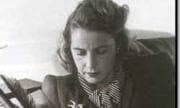
Margaret Wise Brown was an American writer of children's books, including Goodnight Moon and The Runaway Bunny, both illustrated by Clement Hurd. She has been called "the laureate of the nursery" for her achievements.
Similar books
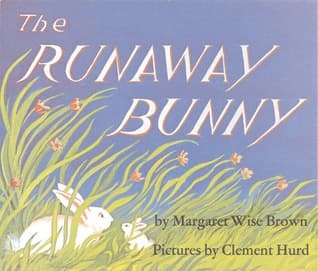
- The Runaway Bunny
Margaret Wise Brown
4.1 (68k) average on GoodreadsFantasyAnother classic by the same author, focusing on a parent's unwavering love, with a similar comforting tone.
- Pat the Bunny
Dorothy Kunhardt
4.1 (23k) average on GoodreadsChildren'sAn interactive board book for babies and toddlers, also centered around simple, familiar objects and sensory experiences.
- The Very Hungry Caterpillar
Eric Carle
4.3 (396k) average on GoodreadsChildren'sGoodnight Moon focuses on a single, comforting ritual, whereas The Very Hungry Caterpillar introduces broader educational concepts like counting, days of the week, and the life cycle of a butterfly, offering a more varied learning experience.
- Harry Potter and the Sorcerer's Stone
J.K. Rowling
4.5 (7M) average on GoodreadsFantasyRescued from a miserable life under the stairs, an orphaned boy discovers he's a wizard destined for a magical school, where he uncovers a dangerous secret tied to the dark wizard who murdered his parents.
- The Hobbit, or There and Back Again
J.R.R. Tolkien
4.3 (2.9M) average on GoodreadsFantasyA comfort-loving hobbit named Bilbo Baggins is whisked away by a mischievous wizard and a band of dwarves on an unexpected journey to reclaim stolen treasure from a fearsome dragon, discovering courage and a magical ring along the way.
- Harry Potter and the Goblet of Fire
J.K. Rowling
4.6 (2.6M) average on GoodreadsFantasyA bewildered Harry Potter, underage and thrust into a deadly Triwizard Tournament, must brave dragons, mermaids, and a resurgent dark magic to survive a year that will forever alter the wizarding world.



Enjoyed the summary?
A summary gives you the shape of the book. The book itself has the detail, the examples and the voice.
Find Goodnight Moon on AmazonAs an Amazon Associate, BookBrief earns from qualifying purchases. How we're funded