
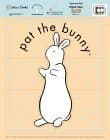
Synopsis
Covers the whole plot, including the ending.
- Difficulty
- Easy
- Pacing
- Moderate
- Mood
- Playful, Engaging, Simple, Sensory
- Read it if
- You are a parent or caregiver looking for an engaging, interactive book for a toddler to stimulate their senses and introduce basic concepts.
- Skip it if
- You are looking for a complex narrative or character development.
Pat the Bunny Plot Summary
Covers the whole plot, including the ending.
Paul and Judy See the Bunny
The book introduces two children, Paul and Judy. The first interactive part asks the reader, through Paul, to 'pat the bunny.' A small square of faux fur is on the page, inviting the child to touch its softness. This tactile interaction is key to the book's purpose, immediately engaging the toddler's sense of touch and setting the tone for later pages. The text is simple and direct, guiding the child to do the action and reinforcing the sensory experience.
Judy Smells the Flowers
After the bunny, Judy is shown with flowers. The text asks the reader, through Judy, to 'smell the flowers.' No actual scent is there, but the pictures and prompt aim to engage the child's imagination and recall the feeling of smelling something nice. This page expands sensory exploration beyond touch, introducing other senses even without a direct tactile element, relying on the child's growing understanding of the world.
Paul Feels Daddy's Scratchy Face
The story then moves to Paul with his father. The reader is asked to 'feel daddy's scratchy face,' shown by a sandpaper-like material on the page. This contrasts with the soft bunny fur, introducing different textures. This helps children tell the difference between smooth and rough, a basic part of tactile learning. It also places the sensory experience in a familiar family setting, making it relatable and safe.
Judy Touches Mommy's Smooth Ring
Following the previous page, Judy touches her mother's ring. The text prompts the child to 'feel mommy's smooth ring,' shown by a slick, perhaps plastic or varnished paper texture. This again offers a different tactile experience, highlighting smoothness and hardness. These contrasting textures help children build a vocabulary of sensory words and understand that objects have distinct physical traits, developing their tactile discrimination skills in a gentle, guided way.
Paul Looks at Himself in the Mirror
A moment in the book shows Paul looking into a small mirror on the page. The text asks the child to 'look at yourself.' This introduces visual recognition and self-awareness, as children often like seeing their own reflections. It is a simple but meaningful moment that shifts from outside sensory input to inner self-discovery, allowing the child to become part of the story by seeing themselves in the book's world.
Judy Plays Peek-a-Boo
Judy then plays peek-a-boo, with a small cloth flap covering part of her face. The text encourages the child to 'play peek-a-boo with Judy.' This interactive element provides a simple game, engaging the child's motor skills as they lift the flap and reinforcing the idea of object permanence in a fun way. It adds fun and surprise, making the reading experience more active than just touching textures.
Paul Sees Judy's Eyes
In a more observant scene, Paul points to Judy's eyes. The text asks the child to 'see Judy's eyes.' While not a tactile interaction, this page reinforces visual identification and body part recognition. It encourages the child to focus on specific details and further develops their observation skills within the familiar context of the characters. It subtly introduces the idea of looking and identifying features in others.
Judy Feels the Bunny Again
Near the end, Judy is again with the bunny. The text invites the child to 'pat the bunny again.' This repetition serves several purposes: it reinforces the first, most notable sensory experience, lets the child revisit a favorite texture, and gives a sense of completion and familiarity. It repeats the main idea of tactile exploration and offers a comfortable return to a known interaction after exploring other senses and textures.
Paul and Judy Say Goodbye
The last page shows Paul and Judy waving goodbye. The text asks the child to 'say goodbye to Paul and Judy.' This gently ends the interactive reading experience, providing a sense of completion. It reinforces social customs like waving and saying goodbye, offering a friendly and reassuring end to the sensory journey. It leaves the child with a good impression and encourages future engagement with the book.
Pat the Bunny Characters
Paul
Protagonist
A young child who interacts with various textures and objects.
Paul is one of the two primary children featured in the book. He is depicted as an active participant in sensory exploration, often being the one to initiate touch with objects like the soft bunny and his daddy's scratchy face. Paul represents the young reader, guiding them through the tactile and visual experiences. His curiosity and engagement are central to demonstrating the book's interactive elements and encouraging the child to follow along. He is a simple, relatable figure for toddlers.
Relationships: Judy (sibling/playmate); Daddy (father, source of a scratchy texture); Mommy (mother, source of a smooth texture)
Judy
Protagonist
A young child who also explores textures and engages in play.
Judy is the other primary child character, often seen alongside Paul. She complements Paul's interactions, engaging with elements like smelling flowers, touching her mommy's smooth ring, and playing peek-a-boo. Judy also represents the young reader, demonstrating how to interact with the book's features. Her gentle curiosity and playful actions help to broaden the range of sensory experiences presented in the book, from touch to visual games, making the learning process engaging and fun for toddlers.
Relationships: Paul (sibling/playmate); Daddy (father); Mommy (mother, source of a smooth texture)
Daddy
Supporting
The father of Paul and Judy, whose face provides a scratchy texture.
Daddy appears briefly as the source of a 'scratchy face,' represented by a rough texture. His role is to provide a contrast in tactile experience to the soft bunny or smooth ring. He represents a familiar family figure, grounding the sensory exploration in the child's everyday world. His presence emphasizes that different people and objects possess distinct physical properties, contributing to the child's understanding of texture differentiation.
Mommy
Supporting
The mother of Paul and Judy, whose ring offers a smooth texture.
Mommy is featured as the wearer of a 'smooth ring,' providing another distinct tactile experience. Her role, like Daddy's, is to offer a different texture for the child to explore, contrasting with the rough and soft elements. She also represents a familiar, comforting family figure. Her presence helps to illustrate that everyday objects and people can offer a variety of sensory inputs, enhancing the child's understanding of the physical world around them.
Bunny
Mentioned
A soft animal, the first and most prominent tactile interaction.
The bunny is not a character in the traditional sense but an object that facilitates the primary tactile interaction in the book. Represented by a patch of faux fur, it introduces the sensation of softness. The 'pat the bunny' instruction is iconic and serves as the book's title, highlighting its central role in sensory development. It's revisited, reinforcing the importance of this specific texture for young readers.
Pat the Bunny Themes
Sensory Exploration and Tactile Learning
The main theme is encouraging sensory exploration, especially through touch. The book directly asks children to 'pat the bunny' (soft fur), 'feel daddy's scratchy face' (rough sandpaper), and 'feel mommy's smooth ring' (slick surface). These varied textures teach children about the physical traits of objects, helping them tell the difference between soft, rough, and smooth. The book's interactive nature makes learning about these sensations an active and engaging experience, which is important for early childhood development. This is clear from the start and throughout the book.
“Pat the bunny.”
Self-Discovery and Recognition
The theme of self-discovery is gently introduced with a mirror. When Paul is asked to 'look at yourself,' the child reader sees their own reflection, helping self-awareness and visual recognition. This moment lets the child become an active part of the story, connecting the book's outside world with their inner sense of self. It is a simple yet powerful way to engage a toddler's developing understanding of identity and their place in the world, making the reading experience personal.
“Look at yourself.”
Familiarity and Security
The book creates a sense of familiarity and security by featuring common family members (Mommy, Daddy) and everyday objects or activities (flowers, peek-a-boo). Interactions, such as feeling a parent's face or ring, ground the sensory learning in a safe and relatable context. This makes new sensory experiences less scary and more accessible for young children. The consistent presence of Paul and Judy as guides further reinforces this sense of comfort and predictability, which is vital for early childhood learning and engagement.
“Feel daddy's scratchy face.”
Interactive Play and Engagement
Beyond just touching, the book promotes interactive play as a learning tool. Activities like 'play peek-a-boo with Judy' and direct prompts to 'smell the flowers' or 'say goodbye' encourage active participation instead of just watching. This interactive approach helps develop fine motor skills, imagination, and social understanding (like waving goodbye). The book turns reading into a multi-sensory and playful experience, ensuring young children stay engaged and entertained while learning basic concepts.
“Play peek-a-boo with Judy.”
Plot Devices & Literary Techniques
Touch-and-Feel Elements
Embedded textures for tactile engagement.
The primary plot device is the inclusion of various textured materials directly on the pages. These include faux fur for the bunny, sandpaper-like material for Daddy's face, and a smooth, slick surface for Mommy's ring. These elements are crucial for the book's core purpose: to provide direct, tangible sensory experiences. They allow children to physically interact with the story, enhancing their tactile discrimination and understanding of different physical properties, making the abstract concept of texture concrete and memorable.
Direct Address and Prompts
Commands that directly instruct the reader to perform an action.
The book frequently uses direct address and imperative prompts, such as 'Pat the bunny,' 'Feel daddy's scratchy face,' and 'Look at yourself.' This narrative technique directly involves the child in the story, transforming them from a passive listener into an active participant. It guides their interactions with the book's features, reinforcing the learning objectives and making the experience highly personal and engaging. This direct engagement is fundamental to the book's success in toddler education.
Embedded Mirror
A small reflective surface for self-recognition.
The inclusion of a small, child-safe mirror is a significant plot device. It allows the child to see their own reflection, fostering self-awareness and visual recognition. This moment of self-discovery is unique among the other sensory interactions, shifting the focus from external objects to the child's own identity. It makes the book highly interactive on a personal level, providing a moment of introspection and connection for the young reader within the narrative.
Lift-the-Flap (Peek-a-Boo)
A movable page element for interactive play.
The peek-a-boo flap, typically a small piece of cloth covering Judy's face, serves as an interactive element that introduces a simple game. This device engages the child's fine motor skills as they lift the flap, and reinforces concepts like object permanence in a playful manner. It adds an element of surprise and fun, diversifying the interactive experiences beyond just touching textures and making the reading experience more dynamic and entertaining.
Pat the Bunny Quotes
“Pat the bunny. Oh, you can feel how soft the bunny is.”
“Pat the kitty. Oh, you can feel how soft the kitty is.”
“See Paul. Paul can pat the bunny. Now YOU pat the bunny.”
“See Paul. Paul can look in the mirror. Now YOU look in the mirror.”
“See Paul. Paul can play peek-a-boo. Now YOU play peek-a-boo.”
“See Paul. Paul can smell the flowers. Now YOU smell the flowers.”
“See Paul. Paul can feel Daddy's scratchy face. Now YOU feel Daddy's scratchy face.”
“See Paul. Paul can feel Mommy's ring. Now YOU feel Mommy's ring.”
“See Judy. Judy can look at the book. Now YOU look at the book.”
“See Judy. Judy can play with her doll. Now YOU play with your doll.”
“See Judy. Judy can feel her Teddy Bear. Now YOU feel your Teddy Bear.”
“See Paul. Paul can feel the light. Now YOU feel the light.”
“See Paul. Paul can feel the rough towel. Now YOU feel the rough towel.”
“And now it's time to say good-bye to Paul and Judy.”
Quiz
10 questions on the plot and the characters. Each answer comes with a short explanation.
Question 1
What is the first thing Paul is asked to do in the book 'Pat the Bunny'?
- Look in the mirror
- Pat the bunny
- Play peek-a-boo
- Feel Daddy's scratchy face
Show answer
B. Pat the bunny The very first interactive element in 'Pat the Bunny' asks the reader to 'Pat the bunny' and feel its soft fur.
Question 2
What texture is Daddy's face described as having in 'Pat the Bunny'?
- Smooth
- Soft
- Scratchy
- Bumpy
Show answer
C. Scratchy The book features a sandpaper-like texture for Daddy's face and asks the child to 'feel Daddy's scratchy face.'
Question 3
What does Paul do with the ring that Mommy wears?
- He tries to wear it.
- He feels its smoothness.
- He makes it sparkle.
- He plays with it like a toy.
Show answer
B. He feels its smoothness. The book prompts the child to 'feel Mommy's smooth ring,' providing a smooth, shiny texture for interaction.
Question 4
Which character is shown playing 'peek-a-boo' with a cloth?
- Paul
- Judy
- Mommy
- Daddy
Show answer
B. Judy Judy is depicted playing 'peek-a-boo' with a cloth, and the child is invited to lift the cloth.
Question 5
What type of material is used to represent the bunny's fur?
- Velvet
- Felt
- Fluffy fabric
- Cotton ball
Show answer
C. Fluffy fabric The bunny's fur is represented by a piece of soft, fluffy fabric, inviting the child to pat it.
Question 6
What interactive element does the book provide for the child's own reflection?
- A shiny window
- A small mirror
- A reflective spoon
- A polished metal plate
Show answer
B. A small mirror The book includes a small, child-safe mirror, prompting the child to 'look in the mirror' and see their own face.
Question 7
Beyond feeling textures, what other sensory experience does 'Pat the Bunny' encourage?
- Smelling different scents
- Listening to sounds
- Visual recognition of self
- Tasting different flavors
Show answer
C. Visual recognition of self The mirror page encourages visual recognition, allowing the child to see their own reflection, adding another sensory dimension beyond just touch.
Question 8
What is the primary developmental benefit targeted by the 'touch and feel' elements in 'Pat the Bunny'?
- Enhancing reading fluency
- Developing fine motor skills and sensory exploration
- Teaching complex vocabulary
- Promoting advanced problem-solving
Show answer
B. Developing fine motor skills and sensory exploration The 'touch and feel' elements are specifically designed to engage a toddler's senses, aid in tactile discrimination, and develop fine motor skills through interaction.
Question 9
How does the book typically present the instructions for interaction to the child?
- Through rhymes and songs
- With simple, direct commands
- Via complex narratives
- By asking open-ended questions
Show answer
B. With simple, direct commands The book uses very simple, direct phrases like 'Pat the bunny' or 'Feel Daddy's scratchy face' to guide the child's interaction.
Question 10
What is the implied relationship between Paul and Judy in the book?
- They are friends.
- They are siblings.
- They are neighbors.
- They are classmates.
Show answer
B. They are siblings. While not explicitly stated, the context of a young boy (Paul) and a young girl (Judy) interacting with family members (Mommy, Daddy) in a home setting strongly implies they are siblings, a common family structure in children's books.
Pat the Bunny FAQ
What is the core premise of 'Pat the Bunny' and how does it engage its target audience?
'Pat the Bunny' is a classic touch-and-feel book designed for toddlers, introducing them to various textures and sensory experiences through interactive elements. The book follows Paul and Judy as they encounter different objects, inviting the child reader to 'pat the bunny's soft fur' or 'feel daddy's scratchy face,' thereby fostering early sensory development and language acquisition.
Who are the primary characters in the book and what roles do they play?
The primary characters are Paul and Judy, a young boy and girl who serve as models for the toddler reader's interactions with the book's textures. They are depicted performing the actions the reader is encouraged to mimic, such as patting the bunny, feeling the daddy's face, or looking in the mirror, making them relatable guides for sensory exploration.
What kind of tactile experiences does 'Pat the Bunny' offer to young readers?
The book offers a range of tactile experiences, including the soft fur of the bunny, the rough texture of Daddy's face (implied by a sandpaper patch), the smooth glass of the mirror, and the crinkly paper that represents a book. These varied textures are designed to stimulate a toddler's sense of touch and introduce them to different material properties.
How does 'Pat the Bunny' encourage parent-child interaction during reading?
'Pat the Bunny' actively encourages parent-child interaction by presenting simple prompts that invite the parent to guide the child's hand to the textures or to engage in shared observation of the mirror. This interactive format promotes bonding, language development as parents name objects and textures, and shared discovery of the book's elements.
What is the significance of the mirror on the 'Look in the mirror' page?
The mirror on the 'Look in the mirror' page is significant because it introduces the concept of self-recognition and object permanence to the toddler. By seeing their own reflection, children begin to understand their identity and how they relate to the world around them, making it a crucial developmental moment within the book.
Are there any subtle narrative arcs or progressions in the book despite its simplicity?
While 'Pat the Bunny' is not a traditional narrative, it subtly progresses from simple sensory interactions (patting the bunny) to more complex ones (feeling Daddy's scratchy face) and then to self-awareness (the mirror). This progression mirrors a toddler's own developmental journey, moving from external exploration to internal recognition.
What is the implied relationship between Paul and Judy, and how does it contribute to the book's message?
Paul and Judy are implied to be siblings or close friends, engaging in parallel activities throughout the book. Their shared experiences of touching and observing create a sense of universality and normalcy, suggesting that these sensory explorations are common and enjoyable for young children, encouraging the reader to join in.
How does the book subtly teach cause and effect to a toddler?
The book subtly teaches cause and effect through the direct result of interaction: 'When you pat the bunny, you feel soft fur.' This immediate feedback loop helps toddlers understand that their actions have predictable outcomes, fostering an early grasp of how the world responds to their engagement.
From a psychological perspective, how does 'Pat the Bunny' stimulate cognitive development in toddlers?
Psychologically, 'Pat the Bunny' stimulates cognitive development by engaging multiple senses, which is crucial for brain development in toddlers. The book helps children form connections between visual cues (the bunny), verbal cues (the word 'soft'), and tactile sensations (the fur), thereby building sensory-motor schemas and early conceptual understanding.
What role does repetition play in the book's effectiveness for early childhood learning?
Repetition plays a vital role in 'Pat the Bunny's' effectiveness, as toddlers learn best through repeated exposure and practice. The consistent structure of 'Paul/Judy does X, now you do X' reinforces concepts, aids memory, and builds confidence in the child's ability to interact with the book and understand its prompts.
How does the book contribute to a toddler's emotional development and sense of security?
The book contributes to emotional development by providing a predictable and safe environment for exploration, which fosters a sense of security. The positive and gentle interactions depicted, alongside the comforting presence of a parent reading, can make the experience reassuring and enjoyable, building a child's trust in their surroundings.
What psychological benefits are associated with the 'peek-a-boo' element of the book (implied by the blanket page)?
The 'peek-a-boo' element, particularly with the blanket page, offers psychological benefits related to object permanence and emotional regulation. It helps toddlers understand that things can disappear and reappear, reducing separation anxiety and building a sense of mastery over their environment as they anticipate and reveal hidden elements.
Is 'Pat the Bunny' merely a sensory experience, or does it impart deeper lessons about the world?
While primarily a sensory experience, 'Pat the Bunny' imparts deeper lessons by introducing the diversity of materials and textures in the world, teaching toddlers about properties like soft, rough, and smooth. It also subtly teaches interaction, observation, and self-awareness, laying foundational cognitive understanding.
Some argue the 'Daddy's scratchy face' page is outdated; what is its historical context and modern interpretation?
Historically, the 'Daddy's scratchy face' page reflected common experiences of fathers with facial hair. In modern interpretation, while some might find it dated, it still serves to introduce the concept of a 'rough' texture. It also highlights the different sensory qualities associated with individuals, broadening a child's understanding of human diversity.
How does 'Pat the Bunny' stand out from other touch-and-feel books, and what is its enduring appeal?
'Pat the Bunny' stands out due to its simplicity, iconic textures, and direct, engaging prompts. Its enduring appeal lies in its effective balance of sensory stimulation with a gentle, child-friendly presentation, making it a foundational and universally beloved tool for early childhood development that has remained relevant for generations.
Could the order of the sensory experiences in the book be considered intentional, and if so, why?
The order of sensory experiences in 'Pat the Bunny' could be considered intentional, starting with easily recognizable and comforting textures like the bunny's fur and progressing to more varied or surprising ones. This likely aims to build confidence and engagement before introducing more complex or contrasting sensations, mimicking a natural learning curve.
Beyond the physical textures, what 'invisible' lessons does the book teach about communication?
Beyond physical textures, 'Pat the Bunny' teaches invisible lessons about communication by modeling simple commands and responses. It shows how language can be used to direct actions ('Pat the bunny') and describe sensations ('soft'), thereby fostering a toddler's understanding of verbal cues and their connection to the physical world.
About the author
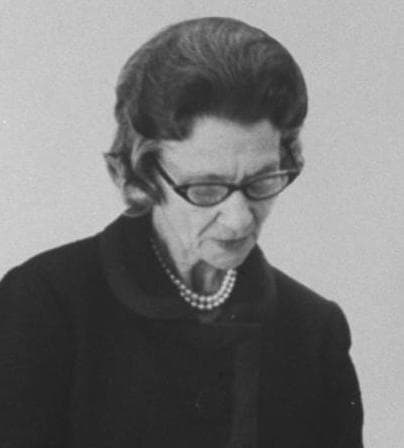
Dorothy Kunhardt was an American children's book author, best known for her interactive classic, "Pat the Bunny." Published in 1940, the touch-and-feel book became an instant success and remains a beloved staple in early childhood education. Kunhardt's innovative approach to engaging young readers through tactile experiences set a new standard for interactive children's literature.
Similar books
- The Very Hungry Caterpillar
Eric Carle
4.3 (396k) average on GoodreadsChildren'sFeatures unique die-cut pages and a simple, engaging story for young children.
- Goodnight Moon
Margaret Wise Brown
4.3 (305k) average on GoodreadsChildren'sA classic bedtime story with a gentle, repetitive structure suitable for toddlers.
- Harry Potter and the Sorcerer's Stone
J.K. Rowling
4.5 (7M) average on GoodreadsFantasyRescued from a miserable life under the stairs, an orphaned boy discovers he's a wizard destined for a magical school, where he uncovers a dangerous secret tied to the dark wizard who murdered his parents.
- The Hobbit, or There and Back Again
J.R.R. Tolkien
4.3 (2.9M) average on GoodreadsFantasyA comfort-loving hobbit named Bilbo Baggins is whisked away by a mischievous wizard and a band of dwarves on an unexpected journey to reclaim stolen treasure from a fearsome dragon, discovering courage and a magical ring along the way.
- Harry Potter and the Goblet of Fire
J.K. Rowling
4.6 (2.6M) average on GoodreadsFantasyA bewildered Harry Potter, underage and thrust into a deadly Triwizard Tournament, must brave dragons, mermaids, and a resurgent dark magic to survive a year that will forever alter the wizarding world.
- Harry Potter and the Order of the Phoenix
J.K. Rowling
4.5 (2.5M) average on GoodreadsFantasyIn a year of oppressive secrets and the threat of Voldemort, Harry Potter and Dumbledore's Army secretly train for war, shown through Jim Kay and Neil Packer's dark illustrations.




Enjoyed the summary?
A summary gives you the shape of the book. The book itself has the detail, the examples and the voice.
Find Pat the Bunny on AmazonAs an Amazon Associate, BookBrief earns from qualifying purchases. How we're funded