

Synopsis
Covers the whole plot, including the ending.
- Difficulty
- Medium
- Pacing
- Moderate
- Mood
- Atmospheric, Melancholy, Introspective, Suspenseful
- Read it if
- You enjoy epic historical fantasy with intricate world-building, a touch of romance, and a focus on character development amidst political intrigue.
- Skip it if
- You prefer fast-paced action over introspective character journeys and detailed cultural descriptions.
Grass for His Pillow Plot Summary
Covers the whole plot, including the ending.
The Oath and the Departure
After 'Across the Nightingale Floor,' Takeo, now Tomasu, lives with Maruyama Naoko and her family in the mountains, recovering from injuries. He feels the weight of his promise to Lord Shigeru to avenge his death and protect Kaede, while also bound by his Otori heritage. Lord Fujiwara, a powerful figure, is interested in Kaede, seeing her as a way to gain influence. Takeo, torn between his love for Kaede and his duty, decides to join the Tribe, the secret group of assassins and spies his father belonged to. He leaves Kaede a letter, explaining his decision and his love, but also acknowledging that their union is impossible. This departure forces both Takeo and Kaede onto separate, dangerous paths.
Training with the Tribe
Takeo arrives at the Tribe's hidden mountain stronghold, a place of secrecy and old traditions. He trains under Muto Shizuka, a strong and mysterious woman who was Lord Shigeru's lover and a master of Tribe techniques. Shizuka, with other Tribe mentors, trains Takeo in the skills of the Kikuta and other Tribe families: silent movement, mimicry, assassination, and disguise. Takeo discovers more about his unique abilities, the 'gifts' from his Kikuta father – his extraordinary hearing, his ability to become invisible, and his speed. He learns to control these powers, preparing him for espionage and assassination. Despite the harsh training, Takeo feels a sense of belonging among the Tribe, who respect his family line and growing abilities.
Kaede's Struggle for Murayama
After Takeo leaves, Shirakawa Kaede returns to her ancestral lands of Murayama. She is determined to restore her family's honor and rebuild her domain. She finds Murayama in disarray, neglected and vulnerable, with powerful lords wanting her territory. Kaede, though young, has strength and intelligence. She faces immediate challenges from ambitious male relatives and neighboring warlords who believe a woman cannot govern well. Lord Fujiwara continues to pursue her, using political moves and subtle threats to force Kaede into marriage, seeing her as a prize. Kaede, however, proves to be a clever politician, using her intelligence and the loyalty of her retainers to navigate the political landscape, asserting her authority and defending Murayama.
First Mission: The Lord of the Valley
Takeo gets his first official mission for the Tribe: to assassinate Lord Iida, a cruel local lord who has oppressed the people and disrupted the regional balance of power. This mission tests Takeo's training and his commitment to the Tribe's ways. He travels with his mentor, Muto Shizuka, and other Tribe members, learning how to infiltrate, surveil, and execute. The mission is dangerous, making Takeo confront the moral implications of his new life. He successfully carries out the assassination, showing his efficiency and Kikuta gifts. However, the act leaves him uneasy, reinforcing the conflict between his inherent goodness and the brutal demands of his adopted profession. He understands the necessity, but the cost weighs on him.
The Proposal of Lord Fujiwara
Lord Fujiwara, frustrated by Kaede's resistance and desperate to secure Murayama, sends a formal marriage proposal. This puts Kaede in a difficult position. Refusing Fujiwara, a powerful and ruthless figure, could lead to war and the destruction of her domain. Accepting would mean sacrificing her love for Takeo and her freedom, becoming a pawn in Fujiwara's political games. Kaede seeks advice from her loyal retainers, especially Mariko, and struggles with the choice. She understands the strategic benefits of an alliance with Fujiwara, but her heart stays with Takeo. The proposal shows the extreme pressures on women of her status in feudal Japan, where personal desires often had to be sacrificed for political gain and family survival.
Takeo's Journey to Muto Valley
As part of his training, Takeo is sent to the Muto Valley, a sacred place for the Tribe. Here, he meets Muto Kenji, a wise elder and master of the Muto family's skills, including disguise and mimicry. Kenji, who knew Takeo's father, Kikuta Isamu, reveals more about Isamu's life and his reasons for leaving the Tribe, shedding light on Takeo's family history. Takeo learns about the ancient agreements between the Tribe families and the network of allegiances and rivalries that define their existence. This journey helps Takeo understand his place within the Tribe and the legacy he inherits. He gains a deeper appreciation for the Tribe's traditions and their often-conflicting moral code.
The Assassination of Shigeru's Killer
Takeo, driven by his oath to Lord Shigeru, receives information from the Tribe about the true person behind Shigeru's death. It is revealed that Iida Sadamu, the warlord Takeo first thought responsible, was just a pawn; the true mastermind was a more insidious figure within the Otori clan. With the Tribe's information and resources, Takeo plans and executes the assassination. This mission is personal for Takeo, fueled by grief and a desire for justice. He uses all his honed Kikuta skills – invisibility, speed, and precision – to infiltrate the target's heavily guarded compound. The successful assassination brings some closure for Takeo regarding Shigeru's death, fulfilling a part of his promise. However, it also solidifies his identity as a member of the Tribe, a path from which there seems no return.
Kaede's Alliance and Counter-Proposal
Facing growing pressure from Lord Fujiwara, Kaede shows her political skill by forming an alliance with Lord Shigeko, a neighboring lord who also sees Fujiwara's expansion as a threat. This alliance gives Kaede needed military and political support. With this new strength, Kaede sends a counter-proposal to Lord Fujiwara. Instead of rejecting him outright and risking war, she proposes a delayed marriage, conditional on terms that would benefit Murayama and preserve her autonomy, at least temporarily. This move buys her time and subtly challenges Fujiwara's view of her as a helpless maiden. It shows Kaede's growing confidence and her ability to navigate the political landscape, even in a male-dominated world, proving she is a force to be reckoned with.
Takeo's Vision and Inner Conflict
Throughout his journey, Takeo has vivid and often disturbing visions, a gift from his Kikuta lineage. These visions often hint at future events or reveal hidden truths, but they also deepen his inner conflict. He sees glimpses of Kaede, of battles, and of his own uncertain future, caught between the Tribe's path and his desire for a normal life with Kaede. He struggles with the morality of his actions as an assassin, questioning if he can ever escape the cycle of violence. The visions highlight the supernatural elements of his world and the destiny unfolding for him. He is constantly torn between the Otori world, the Tribe world, and his desires, making his future path unclear and dangerous.
The Prophecy of the Three Countries
During his travels and talks with various Tribe elders, Takeo learns about an ancient prophecy that speaks of a figure who will unite the Three Countries and end the civil strife. This prophecy suggests that Takeo, with his mix of Otori and Tribe blood, and his abilities, is that destined figure. The revelation adds another layer of responsibility and complexity to his already burdened life. He begins to understand that his personal struggles and the Tribe's activities are part of a larger destiny that will impact the entire realm. This prophecy elevates his journey from a personal quest for revenge and identity to one of potentially world-changing significance, setting the stage for future conflicts and alliances.
Kaede's Steadfast Hope
Despite the constant political maneuvering, threats to her domain, and pressure from Lord Fujiwara, Kaede never gives up hope for Takeo's return. She remembers their time together and the letter he left her, finding strength in his words of love. She confides in her loyal retainers, especially Mariko, about her feelings, though she must appear strong to protect her position. Her unwavering love for Takeo guides her and gives her resilience in her challenging life. This emotional connection drives many of her decisions, even as she navigates the realities of her world, showing that personal connection can last even amid political intrigue and violence.
The Growing Threat of the Lords
As Kaede strengthens her position in Murayama, the surrounding lords, especially Lord Fujiwara, increase their efforts to undermine her authority and seize her lands. There are skirmishes along the borders, attempts at espionage, and political schemes designed to isolate and weaken her. Kaede finds herself constantly on guard, forced to make difficult decisions to protect her people and her territory. The political climate becomes more volatile, with alliances shifting and betrayals common. This rising tension highlights the precariousness of Kaede's position as a female ruler in a patriarchal society and the constant vigilance needed to maintain power, foreshadowing larger conflicts.
Takeo's Return to the Otori Lands
The Tribe assigns Takeo a mission that requires him to travel back into the Otori lands, where Kaede lives. This mission, while for the Tribe's objectives, brings Takeo closer to her. He must operate in disguise, using his Kikuta skills to gather information and complete tasks without revealing his true identity. The proximity to Kaede rekindles his longing and inner conflict, making his double life even harder. He catches glimpses of her, or hears news of her, intensifying his desire to break free from his obligations and reunite with her, even as he knows the dangers this would pose to both of them. This return sets the stage for a potential, yet dangerous, reunion.
The Dilemma of the Kikuta Gifts
Throughout his training and missions, Takeo struggles with the morality of using his Kikuta gifts for assassination and espionage. While these abilities make him effective, they also separate him from ordinary people and force him to commit acts he finds wrong. He questions if he can ever lead a normal life, free from the violence and secrecy that define the Tribe. The gifts are a part of him, an undeniable heritage, but they are also a curse, binding him to a path he did not choose. This inner struggle highlights the theme of destiny versus free will, and Takeo's constant battle to reconcile his goodness with the brutal demands of his lineage and his adopted profession.
Seeds of Rebellion and Future Conflict
As the story ends, political tensions across the Three Countries reach a peak. Lord Fujiwara continues to gain power, threatening regional stability. Kaede's alliances are fragile, and Takeo's missions for the Tribe reveal deeper conspiracies and rivalries among the powerful clans. The prophecy of the unifier looms, hinting at a future where Takeo's destiny will intertwine with the fate of the warring factions. The narrative ends with both Takeo and Kaede in dangerous positions, their struggles set against the backdrop of an impending, large-scale conflict. The seeds of rebellion are sown, and the stage is set for a larger war that will determine the future of the Three Countries and the fate of the star-crossed lovers.
Principal Figures
Takeo
Protagonist
A young man with unique Tribe gifts, torn between love, duty, and destiny.
Takeo, initially known as Tomasu, is the central protagonist, a young man of mixed Otori and Tribe heritage. He possesses extraordinary 'gifts' – enhanced hearing, invisibility, and speed – inherited from his Kikuta father. He is intelligent, compassionate, and deeply conflicted, constantly battling between his inherent moral compass and the brutal demands of the Tribe. His love for Kaede is a powerful driving force, yet he is bound by his oath to Lord Shigeru and his inherited destiny within the Tribe. He struggles with his identity and the violent path he is forced to walk.
Relationships: Shirakawa Kaede (Deep, forbidden love); Muto Shizuka (Mentor and surrogate mother figure); Lord Shigeru (Revered adoptive father figure, whose death drives Takeo's actions); Kikuta Isamu (Biological father, whose legacy Takeo inherits)
Shirakawa Kaede
Protagonist
A strong-willed noblewoman fighting to reclaim her domain and maintain her independence.
Shirakawa Kaede is a formidable and intelligent young woman, heir to the Murayama domain. Despite a traumatic past and the patriarchal society she lives in, she possesses remarkable resilience, political acumen, and a fierce determination to protect her people and her independence. Her love for Takeo is unwavering, providing her with strength amidst the political machinations and threats from ambitious lords like Fujiwara. She is a symbol of strength and defiance, learning to navigate a dangerous world where women are often treated as pawns, using her intellect and courage to assert her authority.
Relationships: Takeo (Deep, forbidden love); Lord Fujiwara (Unwanted suitor and political adversary); Mariko (Loyal retainer and confidante)
Muto Shizuka
Supporting
A powerful and enigmatic Tribe master, mentor to Takeo, and former lover of Shigeru.
Muto Shizuka is a central figure within the Tribe, a master of their arts and a mentor to Takeo. She is intelligent, skilled, and possesses a complex moral code shaped by her Tribe upbringing and her past as Lord Shigeru's lover. She is fiercely loyal to the Tribe's traditions but also shows a maternal concern for Takeo, guiding him through his training and helping him understand his Kikuta heritage. Her enigmatic nature and deep knowledge of the Tribe's secrets make her a crucial source of information and guidance for Takeo, though her motives are not always transparent.
Relationships: Takeo (Mentor and surrogate mother figure); Lord Shigeru (Former lover, whose memory she holds dear); Kikuta Isamu (Knew him through the Tribe)
Lord Fujiwara
Antagonist
A powerful, ambitious lord determined to expand his influence through marriage and conquest.
Lord Fujiwara is a cunning and ruthless warlord, serving as a primary antagonist to both Takeo and Kaede. He is driven by an insatiable desire for power and territorial expansion, viewing Kaede and her domain of Murayama as a valuable prize. He is manipulative, using political pressure, subtle threats, and strategic alliances to achieve his goals. Fujiwara embodies the corrupt and ambitious nature of many feudal lords, representing a significant obstacle to Kaede's independence and a threat to her safety, as well as an impediment to Takeo and Kaede's reunion. He is a master of political intrigue and a formidable adversary.
Relationships: Shirakawa Kaede (Unwanted suitor and political adversary); Other Lords (Engages in political alliances and rivalries)
Mariko
Supporting
Kaede's loyal and steadfast retainer and confidante.
Mariko is Kaede's most trusted retainer and closest friend. She is fiercely loyal, practical, and provides Kaede with invaluable advice and emotional support. Mariko understands the dangers Kaede faces and often acts as a grounding influence, helping Kaede navigate the treacherous political landscape of Murayama. She is a constant presence, offering comfort and counsel, and represents the unwavering loyalty that Kaede inspires in her followers. Mariko's dedication highlights the importance of trusted allies in a world filled with betrayal and uncertainty.
Relationships: Shirakawa Kaede (Loyal retainer and confidante)
Muto Kenji
Supporting
A wise Tribe elder and master of Muto skills, who knew Takeo's father.
Muto Kenji is an elder of the Muto family within the Tribe, known for his wisdom, his mastery of disguise and mimicry, and his deep knowledge of Tribe history. He becomes a significant mentor to Takeo, revealing more about his father, Kikuta Isamu, and the complex lineage of the Kikuta and Muto families. Kenji's guidance helps Takeo understand his unique gifts and his place within the larger Tribe structure. He represents the ancient traditions and deep wisdom of the Tribe, providing a historical and cultural context for Takeo's journey.
Relationships: Takeo (Mentor and source of historical knowledge); Kikuta Isamu (Knew him personally from the Tribe)
Kikuta Isamu
Mentioned
Takeo's biological father, a legendary Tribe assassin, whose legacy profoundly impacts Takeo.
Kikuta Isamu is Takeo's biological father, a legendary and feared assassin from the Kikuta family of the Tribe. Though deceased, his presence is felt throughout the narrative through Takeo's inherited gifts, his reputation, and the stories told by Tribe members. Isamu's decision to leave the Tribe and his eventual death are central to Takeo's internal conflict and his understanding of his own destiny. He represents the complex and often tragic legacy that Takeo must grapple with, and his actions continue to shape Takeo's path.
Relationships: Takeo (Biological father); Muto Shizuka (Known through the Tribe); Muto Kenji (Known through the Tribe)
Lord Shigeko
Supporting
A neighboring lord who forms a strategic alliance with Kaede.
Lord Shigeko is a neighboring lord who, seeing the growing threat of Lord Fujiwara, forms a strategic alliance with Kaede. He is a pragmatic and politically astute figure who recognizes Kaede's strength and the mutual benefit of opposing Fujiwara. His alliance provides Kaede with crucial military and political support, allowing her to resist Fujiwara's pressures more effectively. Shigeko represents the shifting allegiances and complex power dynamics of the Three Countries, where survival often depends on forming unexpected partnerships.
Relationships: Shirakawa Kaede (Political ally)
Themes & Insights
Duty vs. Love
This theme is central to both Takeo and Kaede's struggles. Takeo is torn between his love for Kaede and his oath to Lord Shigeru, which leads him into the Tribe and away from her (Plot Summary, Scene 1). His duties as an assassin conflict with his desire for a peaceful life with Kaede. Similarly, Kaede must weigh her feelings for Takeo against her duty to protect her domain and family, facing pressure to marry Lord Fujiwara for political stability (Plot Summary, Scene 5). Both characters make sacrifices, choosing duty over personal desires, highlighting the realities of their world.
“My heart is yours, Kaede, but my life, for now, is pledged elsewhere.”
Identity and Belonging
Takeo's journey is a constant search for who he is. Born into the 'Hidden' community, adopted by the Otori, and now forced into the Tribe, he struggles to reconcile his various allegiances and his Kikuta gifts. He often feels like an outsider, whether among the Otori or even within the Tribe (Plot Summary, Scene 2). His exploration of his father's past and the Tribe's history (Plot Summary, Scene 6) helps him understand his heritage, but also deepens his inner conflict. Kaede, too, fights to establish herself as a capable female ruler in a male-dominated society, asserting her right to govern Murayama.
“Where did I truly belong? To the Otori, to the Tribe, or to some solitary path of my own making?”
The Weight of Destiny and Prophecy
The narrative is filled with a sense of destiny, especially for Takeo. He is burdened by the prophecy of uniting the Three Countries (Plot Summary, Scene 10) and his inherited 'gifts' from the Kikuta clan. These prophecies and abilities suggest a predetermined path, clashing with his desire for free will and a simpler life. His recurring visions (Plot Summary, Scene 9) further emphasize a destiny he cannot escape, forcing him to confront the idea that his actions are part of a larger design, regardless of his personal wishes.
“His gifts were not a blessing, but a chain, binding him to a path he had not chosen.”
Power and Political Intrigue
The political situation of the Three Countries is a constant backdrop, with various lords vying for power, land, and influence. Kaede's struggle to control Murayama against figures like Lord Fujiwara shows this theme (Plot Summary, Scene 3, 5, 8). Alliances are fragile, betrayals are common, and personal relationships are often sacrificed for strategic advantage. The Tribe operates within this complex web, using assassination and espionage to maintain balance or shift power, highlighting how power is sought, used, and contested.
“In this world, a woman's heart was a luxury, her domain a prize to be seized.”
Sacrifice and Loss
Both protagonists endure sacrifices and losses. Takeo sacrifices his chance at a normal life with Kaede by joining the Tribe and embracing violence (Plot Summary, Scene 1). He also carries the weight of Lord Shigeru's death. Kaede sacrifices her desires and faces the constant threat of losing her domain and her life, forced into political maneuvering she dislikes. The narrative shows that in their world, love, happiness, and peace often come at a great personal cost, and characters must choose what they are willing to give up.
“Every path he chose seemed to lead to a deeper solitude, a greater sacrifice.”
Plot Devices & Literary Techniques
The Kikuta Gifts
Supernatural abilities inherited by Takeo from his father's Tribe lineage.
The Kikuta Gifts (enhanced hearing, invisibility, speed, and precognitive visions) are central to Takeo's identity and his role within the Tribe. They make him an extraordinary assassin and spy, allowing him to accomplish feats impossible for ordinary men. However, they also serve as a source of internal conflict, isolating him and binding him to a violent destiny. The gifts are a constant reminder of his heritage and the moral dilemmas he faces, driving much of the action and his personal struggles.
The Oath to Lord Shigeru
Takeo's sworn promise to avenge Shigeru's death and protect Kaede.
This oath is a fundamental driving force for Takeo. It compels him to join the Tribe, seek out Shigeru's true killer (Plot Summary, Scene 7), and commit to a life he initially resists. The oath provides a clear motivation for his actions and creates a powerful internal conflict as it often clashes with his personal desires, particularly his love for Kaede. It represents a bond of loyalty and duty that transcends death, shaping Takeo's entire trajectory.
Prophecy of the Three Countries
An ancient prediction foretelling a unifier who will bring peace to the warring lands.
The prophecy serves as a powerful undercurrent, suggesting a grander destiny for Takeo beyond his personal vendettas and duties to the Tribe (Plot Summary, Scene 10). It elevates his story to one of potentially world-changing significance, hinting at his role in ending the prolonged civil strife. The prophecy adds an element of cosmic fate and predetermined destiny, challenging Takeo's free will and setting the stage for future conflicts and the ultimate resolution of the series.
The Tribe's Secrecy and Traditions
The hidden network of assassins and spies with ancient, strict customs.
The Tribe's secrecy and ancient traditions provide the framework for Takeo's training and missions. Their hidden strongholds, specialized skills, and intricate family lineages create a distinct cultural and moral universe that contrasts sharply with the world of the feudal lords. The Tribe's code, while often brutal, offers Takeo a sense of belonging and purpose, but also restricts his freedom. Their clandestine operations drive much of the plot, revealing hidden truths and influencing the political landscape from the shadows.
Grass for His Pillow Quotes
“The way of the warrior is to be found in dying. When faced with a choice between life and death, choose death.”
“It is not the way of the warrior to be sad. It is the way of the warrior to act.”
“Love is a dangerous thing. It can make you weak, and it can make you foolish.”
“Sometimes the only way to save someone is to let them go.”
“A man's true strength is not in his sword, but in his will.”
“Even the strongest walls can be breached by a single thought, a single desire.”
“The past is a burden, but it is also a teacher.”
“To betray one's own heart is the greatest sin.”
“There are some things that cannot be undone, only endured.”
“The world is full of shadows, but even a small flame can dispel them.”
“True freedom is not the absence of chains, but the ability to choose your own path.”
“A leader must sometimes make choices that hurt, for the greater good.”
“The most dangerous enemies are those who wear the mask of friendship.”
“Even in the deepest despair, there is always a flicker of hope, if you are willing to look for it.”
Quiz
10 questions on the plot and the characters. Each answer comes with a short explanation.
Question 1
What is the primary reason Takeo is condemned to work as an assassin at the beginning of 'Grass for His Pillow'?
- He chose to avenge his family's death by joining the Tribe.
- It is an enforced occupation due to his father's lineage and his own unique abilities.
- He was captured by the Emperor's forces and forced into service.
- He seeks to gain power and influence within the Otori clan.
Show answer
B. It is an enforced occupation due to his father's lineage and his own unique abilities. Takeo's father sacrificed his life to escape the Tribe, but Takeo, possessing the Tribe's unique abilities and being an orphan, is condemned to this enforced occupation.
Question 2
Which domain has Shirakawa Kaede inherited, and what is her main challenge regarding it?
- The Seishuu domain; she must defend it from the Otori clan.
- The Shirakawa domain; she must establish trade routes.
- The Murayama domain; she must unify it and fight off suitors.
- The Hagi domain; she must rebuild its devastated castle.
Show answer
C. The Murayama domain; she must unify it and fight off suitors. Kaede is the heir to the Murayama domain and faces the daunting task of unifying it while also fending off numerous suitors who wish to marry her for her lands.
Question 3
What is the central conflict regarding Takeo and Kaede's relationship in 'Grass for His Pillow'?
- They are from rival clans that are at war.
- Takeo is forced into an assassin's life, separating him from Kaede, who must secure her own domain.
- Kaede is betrothed to another lord, making their love forbidden.
- Takeo has lost his memory and does not remember Kaede.
Show answer
B. Takeo is forced into an assassin's life, separating him from Kaede, who must secure her own domain. Their passionate young love is challenged by Takeo's enforced life as an assassin and Kaede's need to unify her inherited domain and deal with various suitors.
Question 4
Which of Takeo's unique abilities, inherited from the Tribe, is repeatedly emphasized as both a gift and a curse?
- His extraordinary strength and endurance in battle.
- His ability to become invisible and move with supernatural stealth.
- His prophetic dreams and visions of the future.
- His power to control animals with his mind.
Show answer
B. His ability to become invisible and move with supernatural stealth. Takeo possesses the Tribe's unique 'skills,' such as the 'nightingale floor' walk and the ability to disappear, making him a formidable assassin but also tying him to a life he wishes to escape.
Question 5
What is Kaede's primary objective as she tries to unify her domain in the absence of Takeo?
- To raise an army to challenge the Shogun's authority.
- To establish a new religion that promotes peace.
- To assert her independence and consolidate power among the local lords.
- To negotiate a marriage alliance with a powerful neighboring clan.
Show answer
C. To assert her independence and consolidate power among the local lords. Kaede must assert her authority and unify the disparate parts of her inherited Murayama domain, which involves navigating complex political alliances and fending off manipulative suitors.
Question 6
The setting of 'Grass for His Pillow' is described as 'medieval Japan.' What specific characteristic of this setting is highlighted in relation to the characters' struggles?
- Its advanced technological innovations.
- Its strict adherence to a single, dominant religious doctrine.
- Its complex social hierarchy, dissembling clans, and fractured allegiances.
- Its isolation from all other foreign cultures.
Show answer
C. Its complex social hierarchy, dissembling clans, and fractured allegiances. The description explicitly mentions 'a land of harsh beauty and deceptive appearances. In a complex social hierarchy, amid dissembling clans and fractured allegiances, there is no place for passionate young love,' emphasizing the political and social complexities.
Question 7
What specific 'hope against fading hope' does Kaede cling to regarding Takeo?
- That he will become a powerful lord and rescue her from her duties.
- That he will return to her, despite his enforced occupation and her own pressing responsibilities.
- That he will renounce his past and join the priesthood.
- That he will help her negotiate a favorable marriage alliance.
Show answer
B. That he will return to her, despite his enforced occupation and her own pressing responsibilities. Despite the significant obstacles separating them, Kaede's deep affection for Takeo leads her to 'hope against fading hope that Takeo will return to her.'
Question 8
How does the 'complex social hierarchy' and 'fractured allegiances' of medieval Japan specifically impact Takeo's journey as an assassin?
- It provides him with many opportunities to rise in political power through assassination.
- It means he is constantly forced to choose between loyalty to the Tribe and his personal desires, often being used as a pawn by various factions.
- It guarantees his protection by the Emperor, who values his unique skills.
- It allows him to easily escape his duties and live a peaceful life.
Show answer
B. It means he is constantly forced to choose between loyalty to the Tribe and his personal desires, often being used as a pawn by various factions. Takeo's enforced role as an assassin means he is a tool in the intricate political landscape, often forced to act against his will or personal loyalties due to the shifting alliances and demands of those who control him.
Question 9
The book description mentions 'dissembling clans.' How does this element specifically challenge Kaede's efforts to unify her domain?
- It makes it impossible for her to trust any potential allies or suitors, as their true intentions are hidden.
- It forces her to adopt a similar deceptive strategy, compromising her moral integrity.
- It leads to open warfare, making unification impossible.
- It prevents her from accessing necessary resources for her domain.
Show answer
A. It makes it impossible for her to trust any potential allies or suitors, as their true intentions are hidden. In a world of 'dissembling clans,' Kaede cannot easily discern genuine support from manipulative advances, making her task of unifying her domain and choosing a suitable partner fraught with danger and mistrust.
Question 10
The phrase 'no place for passionate young love' in the description highlights which overarching theme of the novel?
- The triumph of personal desire over societal expectations.
- The inherent conflict between individual happiness and the demands of duty and political survival.
- The power of love to overcome all obstacles, regardless of circumstance.
- The idea that young love is inherently fleeting and unsustainable.
Show answer
B. The inherent conflict between individual happiness and the demands of duty and political survival. This phrase directly points to the central thematic tension: their love is passionate, but the harsh realities of their world—Takeo's assassin's life and Kaede's political responsibilities—make it incredibly difficult, if not impossible, to pursue.
Grass for His Pillow FAQ
What is the central conflict Takeo faces at the beginning of 'Grass for His Pillow'?
Takeo is forced to join the Tribe, specifically the Kikuta clan, to atone for his father's perceived betrayal and to avoid their retribution. This puts him in a direct conflict with his loyalty to Lord Shigeru's memory and his desire to be with Kaede, as the Tribe's ways are antithetical to his adopted noble life.
How does Kaede struggle to assert her authority over the Murayama domain?
Kaede faces immense pressure from neighboring lords like Lord Fujiwara and Lord Saga, who seek to marry her and seize her lands. She must navigate complex political alliances, manage her own retainers who initially distrust her, and secure resources to rebuild and protect her domain, all while maintaining a façade of strength.
What is Takeo's primary mission during his training with the Tribe?
Takeo's main mission is to master the skills of the Tribe, particularly those of the Kikuta, under the tutelage of Kenji and Muto Shizuka. This includes assassination techniques, disguise, espionage, and the 'invisibility' that allows them to move undetected, all while grappling with the moral implications of their assignments.
How does Lord Fujiwara play a role in Kaede's storyline?
Lord Fujiwara no Akihito is a powerful and manipulative lord who relentlessly pursues Kaede, proposing marriage to gain control of her domain. He represents a significant political threat and a constant source of anxiety for Kaede, as his advances are both unwelcome and difficult to refuse outright without sparking war.
What is the significance of the 'Five Precepts' for Takeo?
The Five Precepts are the core tenets of the Hidden, Takeo's original religious upbringing. They represent a moral code of non-violence and compassion that directly clashes with the assassination duties imposed by the Tribe, creating a profound internal ethical struggle for Takeo throughout the narrative.
What is the true nature of the relationship between the Kikuta and the Muto clans within the Tribe?
The Kikuta and Muto clans have a complex, often antagonistic relationship. While both are part of the Tribe, the Kikuta are considered the 'true' masters of the arts of assassination and are fiercely protective of their bloodline and secrets, often looking down upon or exploiting the Muto for their skills in disguise and information gathering.
How does Muto Shizuka's character reveal deeper aspects of the Tribe's internal politics?
Shizuka's loyalty is divided; she is bound by Tribe duty but also harbors a personal connection to Lord Shigeru and later, Takeo. Her conflicted actions, such as her reluctant participation in Takeo's training and her subtle guidance, illustrate the internal dissent and personal costs associated with the Tribe's rigid code and their long-standing vendettas.
What is the psychological impact of Takeo's 'gifts' on his identity?
Takeo's unique abilities – his hearing, invisibility, and others – constantly remind him of his dual heritage and the inescapable pull of the Tribe. These gifts, while powerful, isolate him from ordinary people and fuel his internal conflict between his desired life with Kaede and the assassin's path he is forced to walk, making him question who he truly is.
How does Kaede's past trauma influence her decision-making in 'Grass for His Pillow'?
Kaede's traumatic childhood as a hostage in the Noguchi household, enduring abuse and isolation, has forged her into a resilient but guarded individual. This past makes her fiercely independent, wary of trusting others, and determined to protect her domain at all costs, even if it means making difficult and emotionally taxing political choices.
What is the significance of the 'Golden Carp' tattoo for Takeo?
The Golden Carp tattoo is a symbol of Takeo's lineage and his connection to the Tribe, specifically the Kikuta. It marks him as one of them, a master of their arts, and signifies the inescapable destiny that has been thrust upon him. It is a visible representation of his forced identity and the power he wields, even if reluctantly.
How does the author use the setting of the 'Middle Country' to symbolize Takeo's internal state?
The Middle Country, a wild and untamed region often associated with the Tribe, reflects Takeo's own internal wilderness and his struggle to belong. It is a place of transition and danger, mirroring his journey between the world of the lords and the secret world of assassins, where he is constantly searching for his true place.
Is Takeo's decision to join the Tribe truly his own, or is he merely a pawn?
Takeo's decision is heavily coerced; he is given no real choice but to join the Tribe to save his own life and prevent further retribution against those he cares for. While he eventually embraces some aspects of his training, the initial 'choice' is born of desperation, making him more of a pawn in a larger, generational conflict.
How does the theme of 'deceptive appearances' manifest in the novel's characters and plot?
Deceptive appearances are central to the Tribe's methods, with characters like Takeo and Shizuka constantly adopting disguises. Politically, lords like Fujiwara present honorable intentions while harboring manipulative goals. Even Kaede must project an image of strength despite her internal fears, highlighting the pervasive nature of hidden motives and identities.
What role does the prophecy of the 'three lands' play in the unfolding events?
The prophecy, hinting at Takeo uniting the three lands (Otori, Seishuu, and his ancestral domain), provides a grander narrative arc and foreshadows his ultimate destiny. It influences his actions and the expectations placed upon him, suggesting that his personal struggles are part of a larger, fated historical movement.
To what extent is the romance between Takeo and Kaede doomed by their respective duties?
Their romance is significantly challenged by their conflicting duties. Takeo's allegiance to the Tribe and his assassin's path directly contradict Kaede's need for a stable, noble husband to secure her domain. Their love seems perpetually at odds with the demands of their world, raising questions about whether they can ever truly be together.
How does Takeo's internal struggle between the Hidden and the Tribe reflect a broader philosophical conflict?
Takeo's internal conflict between the peaceful, moralistic ways of the Hidden and the violent, pragmatic demands of the Tribe embodies a universal philosophical struggle between pacifism and necessity, personal ethics and collective duty. It questions whether one can maintain their moral compass while engaging in morally ambiguous actions for a greater cause.
What is the significance of the 'bird song' ability that Takeo occasionally exhibits?
The 'bird song' or ability to mimic animal sounds is another of Takeo's unique Tribe gifts, specifically from the Kikuta. It allows him to communicate subtly, distract, or even disorient targets, symbolizing his deep connection to the natural world and the almost supernatural abilities that set him apart from ordinary humans.
How does the narrative challenge traditional gender roles through Kaede's character?
Kaede defies traditional gender roles by actively governing her domain, engaging in political maneuvering, and refusing to be a mere pawn in marriage alliances. She demonstrates strength, intelligence, and leadership in a male-dominated world, asserting her agency despite societal expectations and the constant threats she faces.
Similar books
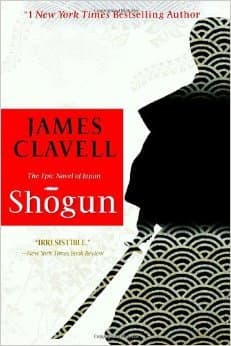
- Shōgun
James Clavell
4.4 (147k) average on GoodreadsHistorical FictionEpic historical fiction set in feudal Japan with intricate political maneuvering and cultural immersion.
- Throne of Glass
Sarah J. Maas
4.2 (596k) average on GoodreadsFantasyFeatures a strong female protagonist navigating political challenges and a male protagonist with assassin skills, though in a more traditional fantasy setting.
- Harry Potter and the Sorcerer's Stone
J.K. Rowling
4.5 (7M) average on GoodreadsFantasyRescued from a miserable life under the stairs, an orphaned boy discovers he's a wizard destined for a magical school, where he uncovers a dangerous secret tied to the dark wizard who murdered his parents.
- The Hunger Games
Suzanne Collins
4.3 (6.4M) average on GoodreadsFantasyIn a future where children fight to the death on live television, Katniss Everdeen volunteers for the arena, turning a death sentence into a fight for survival and a spark of rebellion.
- 1984
George Orwell
4.2 (3.1M) average on GoodreadsPoliticsIn a future where surveillance and thought control are absolute, a man's search for truth clashes with the Party, showing that hope can be a form of rebellion.
- Divergent
Veronica Roth
4.2 (2.9M) average on GoodreadsFantasyIn a society divided by virtues, a sixteen-year-old's difference from the norm starts a rebellion that threatens her world.





Enjoyed the summary?
A summary gives you the shape of the book. The book itself has the detail, the examples and the voice.
Find Grass for His Pillow on AmazonAs an Amazon Associate, BookBrief earns from qualifying purchases. How we're funded