
Estimated read time: 5 min read
One Sentence Summary
The novel "Grendel" retells the story of Beowulf from the perspective of the monster, exploring themes of isolation, nihilism, and the nature of good and evil.
Table of Contents
Introduction
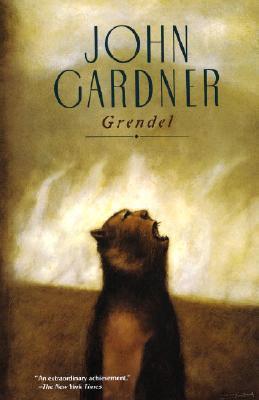
"Grendel" by John Gardner is a captivating novel that provides a fresh perspective on the classic Anglo-Saxon tale of Beowulf. The book delves into the inner thoughts and emotions of the monster, Grendel, as he navigates his existence in a world that despises him. With thought-provoking themes and a compelling narrative, "Grendel" offers readers a unique exploration of the human condition and the nature of good and evil.
Brief Synopsis
Plot Overview
Set in the world of Norse mythology, "Grendel" follows the story of the titular character, a fearsome and misunderstood monster who terrorizes the kingdom of Hrothgar. The novel is narrated from Grendel's perspective, offering an intimate look into his psyche as he grapples with his purpose and the human world around him. As Grendel observes the actions of the humans, including the arrival of the heroic warrior Beowulf, he begins to question the nature of his own existence and the concepts of morality and destiny.
Setting
The novel is primarily set in the kingdom of Hrothgar, a land plagued by the menacing presence of Grendel. The harsh and unforgiving landscape serves as a backdrop for the unfolding events, emphasizing the primal and brutal nature of the world in which the characters reside. The desolate moors and ancient mead halls contribute to the atmospheric and mythical tone of the narrative, immersing readers in a world of raw and elemental beauty.
Main Characters
The novel features several significant characters, each playing a crucial role in shaping the story and Grendel's experiences.
| Name | Description |
|---|---|
| Grendel | The main protagonist and a feared monster who struggles with his existence and place in the world. |
| Beowulf | A legendary Geatish warrior who arrives to defeat Grendel and becomes a focal point for Grendel's introspection. |
| Hrothgar | The aging king of the Danes, ruling over the kingdom that Grendel terrorizes. |
| The Dragon | A wise and enigmatic creature who serves as a mentor to Grendel, offering philosophical insights. |
Story Points Over Chapters
Chapter 1-3
Grendel introduces himself as a creature plagued by existential angst and a sense of isolation. He struggles to find meaning in a world that fears and despises him. He observes the humans and their evolving society, yearning for a sense of connection and purpose.
Chapter 4-6
Grendel experiences a series of encounters with the humans, including the arrival of the boastful hero, Unferth, and the revered Shaper, a bard who shapes the reality of the people through his enchanting stories. Grendel's interactions with these characters further fuel his existential turmoil.
Chapter 7-9
Grendel's interactions with the humans intensify, leading to moments of both brutality and introspection. He witnesses the impact of the Shaper's storytelling on the people and the power of belief in shaping their reality. Grendel's longing for understanding and connection deepens as he grapples with his own nature.
Chapter 10-12
The arrival of Beowulf, a formidable warrior, poses a new challenge for Grendel. As he observes Beowulf's heroic deeds and the response of the humans, Grendel is confronted with profound questions about the nature of good and evil, destiny, and the futility of his actions.
Main Events
- Grendel's encounters with the humans, including the Shaper and Unferth, shape his perspective on their world.
- The arrival of Beowulf presents a formidable challenge to Grendel and forces him to confront his own nature.
- Grendel's interactions with the Dragon provide philosophical insights and guidance, influencing his thoughts and actions.
Themes and Insights
Themes
- Existentialism: The novel delves into themes of existential angst, isolation, and the search for meaning in an indifferent world.
- The Nature of Good and Evil: Grendel's introspective journey prompts readers to question the conventional notions of good and evil, blurring the lines between morality and the nature of existence.
- Power of Storytelling: The influence of the Shaper's stories and the impact of belief on shaping reality are central themes that highlight the profound effect of narrative on human experience.
Insights
- The novel offers a nuanced exploration of the complexities of the human condition, portraying the inner struggles and desires of both Grendel and the humans.
- Through Grendel's perspective, readers gain a deeper understanding of the universal themes of loneliness, longing, and the quest for identity.
Reader's Takeaway
"Grendel" offers a thought-provoking and introspective journey that challenges readers to contemplate the nature of existence, morality, and the power of storytelling. Through Grendel's poignant narrative, readers are invited to explore the depths of the human experience and consider the complexities of good and evil from a new perspective.
Conclusion
In "Grendel," John Gardner masterfully crafts a narrative that transcends the traditional portrayal of monster and hero, inviting readers to empathize with the complexities of Grendel's inner world. Through rich prose and profound themes, the novel leaves a lasting impression, prompting reflection on the fundamental aspects of the human experience and the enigmatic nature of morality and existence.
Grendel FAQ
What is the genre of 'Grendel'?
Grendel is a philosophical novel that can be classified as both fantasy and literary fiction.
Is 'Grendel' a retelling of the Beowulf story?
Yes, 'Grendel' is a retelling of the Beowulf story, but it is told from the perspective of the monster, Grendel, rather than from the hero's point of view.
What is the main theme of 'Grendel'?
The main themes of 'Grendel' include existentialism, the nature of good and evil, the search for meaning, and the conflict between individualism and society.
Is 'Grendel' suitable for young readers?
Due to its philosophical nature and mature themes, 'Grendel' is more suitable for older readers, such as high school students and adults.
What is the writing style of 'Grendel'?
The writing style of 'Grendel' is introspective and poetic, often delving into the inner thoughts and musings of the titular character.



