
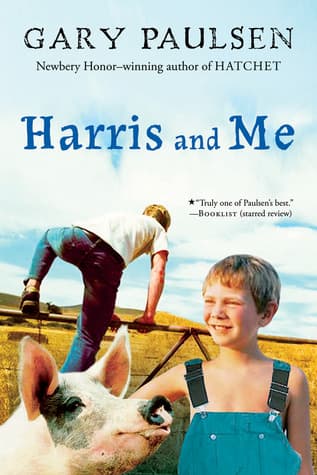
Synopsis
Covers the whole plot, including the ending.
- Difficulty
- Easy
- Pacing
- Moderate
- Mood
- Humorous, Adventurous, Nostalgic, Heartwarming
- Read it if
- You enjoy humorous, adventurous tales of boyhood on a farm, with a touch of historical charm and a focus on character growth.
- Skip it if
- You prefer fast-paced, plot-driven narratives over episodic, character-focused stories, or dislike descriptions of farm life that can be messy or gross.
Harris and Me Plot Summary
Covers the whole plot, including the ending.
A Summer Sentence: The Narrator Arrives at the Farm
The story begins with the unnamed narrator, a nine-year-old boy, being dropped off at the Minnesota farm of his Aunt Eva and Uncle LeRoy. His parents, constantly drunk and oblivious, have decided he is better off there for the summer. He is a city kid, skinny and timid, completely unprepared for the raw, boisterous life of a working farm. Upon arrival, he meets his cousin, Harris, a wild, red-haired, slightly older boy who seems to have all the chaos and energy of the country. Harris's first interaction is to challenge the narrator to a fight, setting the tone for their unpredictable relationship and the narrator's entry into a world very different from his previous one.
A Baptism of Fire: The First Farm Chores and Fights
Life on the Larson farm is a continuous series of unexpected, often painful, lessons. Harris immediately takes the narrator under his wing, which mostly involves dragging him into dangerous situations. Their first 'chore' is cleaning the chicken coop, which quickly becomes a chaotic battle with the chickens, leaving the narrator covered in filth and peck marks. Fights between the cousins happen daily, started by Harris and always ending with the narrator getting bruised, but also strangely toughened. These fights, while physical, are rarely mean, serving as a strange way of bonding and Harris's way of introducing the narrator to his world.
The Pig Incident and the Power of Food
One of the most memorable early events involves the narrator's terrifying encounter with the farm's enormous, vicious boar, named Paul. Harris, always the instigator, dares the narrator to get closer to the boar, leading to a narrow escape from a potentially fatal attack. This event shows the dangers and wildness of farm life. Amidst the chaos and scrapes, Aunt Eva's cooking is a constant source of comfort and food. Her massive, delicious meals, served three times a day, are famous, providing the physical and emotional fuel for the demanding farm life and the boys' endless escapades. The narrator, previously underweight, starts to do well on her food.
Learning the Ropes: Farm Animals and Practical Skills
Under Harris's teaching, and often through painful mistakes, the narrator begins to learn how farm life works. He learns to milk cows, though at first he is clumsy and gets kicked. He learns about horses, specifically the massive, gentle draft horse named Prince, and the smaller, more spirited horse named Queen, which Harris rides bareback. He also sees and helps with various farm activities, from haying to taking care of various animals, getting a basic understanding of the routines and responsibilities of country life. These experiences, though hard, slowly build his confidence and connection to the farm.
The Mowing Machine and the Tractor
Harris introduces the narrator to farm machinery, starting with the old mowing machine. Despite the dangers, Harris lets the narrator operate it, leading to a close call where the narrator nearly gets his leg caught in the blades. Later, Harris teaches him to drive the tractor, a powerful and scary machine. These experiences, while terrifying, also make the narrator feel incredibly capable, as he has never been trusted with such responsibility before. He starts to feel a sense of control and ability that was completely absent in his previous life, finding a strange joy in the control and power of the machines.
The Cat and the Rat: A Farm Ecosystem
The farm is a small example of nature, and the narrator sees its harsh realities firsthand. He watches the farm cats, especially one named Lucy, expertly hunting rats in the barn. This gives a clear lesson in the food chain and how necessary such actions are for survival on a farm. He also experiences the birth of a calf, a moment of new life among the daily struggles. These observations, while sometimes unsettling, add to his growing understanding of the farm's living system and how all its inhabitants are connected, moving him further away from his sheltered city upbringing.
The Horse Ride and the Runaway
One of the most memorable adventures involves Harris and the narrator riding a horse, Queen, bareback across the fields. Harris, as usual, pushes the limits, and the ride quickly becomes a wild, uncontrolled gallop. The narrator holds on for dear life, terrified but also feeling an exciting sense of freedom and danger. The ride ends with them crashing into a barbed-wire fence, resulting in scrapes and bruises but also a shared, unspoken thrill of survival. This incident further strengthens the bond between the cousins, formed by shared danger and excitement.
The Bees and the Honey
Harris decides they should raid a wild beehive for honey, a venture that, predictably, goes wrong. Despite their attempts at protection, the boys are swarmed and stung many times, leading to painful welts and a quick retreat. This incident, like many others, shows Harris's impulsive nature and the boys' often-naive approach to the dangers of the farm. Despite the pain, it is another lesson learned about respecting nature's defenses and the consequences of their actions, adding to the narrator's growing knowledge of farm-acquired wisdom.
A Summer of Transformation: Growing Stronger
As the summer goes on, the narrator changes a lot. The constant physical activity, the good food, and the challenges of farm life turn him from a scrawny, timid city boy into a sturdy, more confident person. He gains weight, his muscles grow, and his skin tans. More importantly, he develops a strength and a sense of self-reliance he never had before. He learns to stand up for himself, not just against Harris's playful aggression, but against the difficulties of the farm. He begins to appreciate the hard work and the simple joys of country living, finding a sense of belonging.
The Return to the City, Changed
As summer ends, the narrator's parents, still largely oblivious, return to pick him up. He is no longer the same boy they dropped off. He is stronger, healthier, and carries the unspoken wisdom of a summer spent in the wild, unpredictable world of the farm. He says goodbye to Aunt Eva and Uncle LeRoy, and most significantly, to Harris. Though Harris remains his boisterous, challenging self until the very end, a clear, deep bond of brotherhood has formed between them. The narrator returns to his old life, but the experiences, the lessons, and the memory of Harris and the farm will stay with him forever, shaping who he is.
Principal Figures
The Narrator (Gary)
Protagonist
A timid, neglected city boy who transforms on the farm.
The unnamed narrator, implicitly Gary Paulsen himself, is a nine-year-old boy sent to live on his aunt and uncle's farm for the summer. Initially scrawny, afraid, and socially awkward due to neglect from his alcoholic parents, he is a fish out of water in the rough-and-tumble farm environment. He is observant and reflective, often internally commenting on the absurdity and danger of his new surroundings. Throughout the summer, he endures constant physical challenges and Harris's antics, which slowly build his physical strength, resilience, and confidence. He learns to appreciate hard work, good food, and the simple, raw reality of farm life.
Relationships: Harris (cousin, best friend, instigator, and mentor); Aunt Eva (nurturing caregiver, source of comfort and food); Uncle LeRoy (stern but kind figure, farm owner)
Harris
Supporting/Co-Protagonist
The wild, boisterous, and endlessly energetic cousin and instigator.
Harris is the narrator's slightly older cousin, a red-haired, freckled, and perpetually energetic farm boy. He is the driving force behind most of the adventures and misadventures on the farm, often dragging the narrator into dangerous or messy situations. Despite his constant instigation of fights and risky endeavors, Harris is fiercely loyal and protective of the narrator in his own rough way. He serves as the narrator's primary guide and teacher in the ways of farm life, embodying the raw, untamed spirit of the rural environment. He is unfiltered, uninhibited, and full of a zest for life.
Relationships: The Narrator (cousin, best friend, constant companion and sparring partner); Aunt Eva (mother); Uncle LeRoy (father)
Aunt Eva
Supporting
The kind, hardworking, and exceptionally talented farm cook.
Aunt Eva is Harris's mother and the narrator's aunt. She is depicted as a robust, hardworking farm wife whose primary role is to run the household and, most notably, cook enormous, delicious meals. Her cooking is legendary, providing constant sustenance and comfort to everyone on the farm, especially the growing boys. She is kind, patient, and observant, often offering quiet wisdom or a knowing glance. She represents the nurturing and stable aspect of farm life, providing a stark contrast to the narrator's neglectful home life.
Relationships: The Narrator (nurturing aunt and caregiver); Harris (mother); Uncle LeRoy (wife)
Uncle LeRoy
Supporting
The stern but ultimately fair and hardworking farmer.
Uncle LeRoy is Harris's father and the narrator's uncle. He is a stereotypical hardworking farmer, often quiet, stern, and focused on the endless tasks of running the farm. While he doesn't engage in much dialogue, his presence is felt through his work ethic and his occasional, understated interactions. He represents the backbone of the farm, providing stability and the necessary labor. He is not overtly affectionate but provides a sense of structure and responsibility that the narrator's own father lacks.
Relationships: The Narrator (uncle, farm owner, figure of authority); Harris (father); Aunt Eva (husband)
Paul
Mentioned
The terrifying, enormous farm boar.
Paul is the farm's massive, aggressive boar. He is a dangerous and powerful animal, a constant presence that symbolizes the untamed and sometimes brutal aspects of farm life. His encounter with the narrator is one of the early, formative experiences that teach the narrator about respect for farm animals and the inherent dangers of the environment. Paul serves as a recurring symbol of the wildness that exists even within a domesticated setting.
Prince
Mentioned
A large, gentle draft horse on the farm.
Prince is one of the large draft horses on the farm, described as immensely powerful yet surprisingly gentle. He represents the strength and utility of farm animals, used for heavy labor. The narrator learns to interact with and appreciate horses through Prince, contrasting his gentle nature with the more spirited Queen.
Queen
Mentioned
A spirited horse often ridden bareback by Harris.
Queen is another horse on the farm, smaller and more spirited than Prince. She is the horse that Harris and the narrator ride bareback in one of their most thrilling and dangerous adventures. Queen symbolizes the wilder, more exhilarating side of farm life, capable of both immense joy and sudden danger.
Lucy
Mentioned
One of the farm cats, an expert rat hunter.
Lucy is one of the farm cats, specifically mentioned for her prowess in hunting rats in the barn. She represents the practical and often brutal efficiency of the farm's natural ecosystem, where animals play vital roles in maintaining balance. Her actions teach the narrator about the cycle of life and death on the farm.
Themes & Insights
Coming-of-Age and Self-Discovery
The main idea is about the narrator's change from a timid, neglected city boy into a strong, self-reliant person. Through his experiences on the farm, he faces fears, learns practical skills, and develops physical and emotional strength. The constant challenges and the reality of farm life make him adapt and grow, discovering abilities he never knew he had. This journey is marked by his increasing confidence and his ability to navigate a world much more demanding than his previous life, as seen when he learns to drive the tractor or withstand Harris's playful aggression.
“I was getting muscles and getting tough. I was starting to grow.”
The Rawness and Beauty of Nature
The book clearly shows the harsh yet beautiful reality of farm life and the natural world. From the terrifying encounter with the boar, Paul, to the quiet moments of watching a calf being born, the narrator experiences nature in all its forms. The farm is not romanticized; it is a place of hard work, danger, and the constant cycle of life and death, but also great satisfaction and beauty. This idea is clear in the descriptions of the vast fields, the powerful horses, and the demands of the seasons, showing nature as both a powerful force and a source of connection.
“Life wasn't neat. It wasn't tidy. It was something that happened.”
Family and Belonging
Despite the initial apprehension and the rough interactions, the narrator finds a sense of family and belonging on the Larson farm that was missing in his own home. Aunt Eva's nurturing care and abundant food, Uncle LeRoy's quiet presence, and especially Harris's lively companionship create a supportive, though unusual, environment. The constant fights with Harris, far from being mean, create a deep bond of brotherhood. This idea shows how connection and acceptance can be found in unexpected places, offering the narrator a true home for the summer.
“I had a family now. A real one. Harris and Aunt Eva and Uncle LeRoy.”
Humor and Absurdity in Everyday Life
Despite the seriousness of the narrator's neglect and the dangers of farm life, the book is full of humor, often coming from the absurd situations the boys find themselves in. Harris's antics, the physical comedy of their fights, and the narrator's wide-eyed observations of the farm's unusual characters provide comic relief. This humor makes the story lighter, making the harsh realities easier to accept and showing the joy and spontaneity of childhood, even in challenging circumstances, such as the chaotic chicken coop cleaning or the disastrous bee attack.
“I was still bleeding from the chicken fight, but it was a good day.”
Plot Devices & Literary Techniques
First-Person Retrospective Narration
The story is told from the perspective of an older, reflective narrator looking back on his childhood summer.
The entire novel is narrated in the first person by an unnamed protagonist, implicitly Gary Paulsen, recalling his experiences as a nine-year-old boy. This retrospective viewpoint allows for a blend of immediate childhood wonder and fear with the wisdom and humor of an adult looking back. The narrator's older voice often interjects with observations or summaries that a child wouldn't fully grasp in the moment, adding depth and thematic resonance to the chaotic events. It also allows for foreshadowing and a more polished, evocative description of the farm and its inhabitants.
Foil Characters
Harris serves as a dynamic contrast to the narrator, highlighting his transformation.
Harris acts as a classic foil to the narrator. While the narrator begins as timid, scrawny, and inexperienced, Harris is boisterous, strong, and completely at home on the farm. Harris's constant energy and instigation directly challenge the narrator, forcing him out of his comfort zone and into situations where he must grow and adapt. Through their interactions, the narrator's journey of physical and emotional transformation is starkly highlighted, as he gradually becomes more like his robust cousin, gaining confidence and resilience. Harris's static, wild nature emphasizes the narrator's significant development.
Symbolism of Food
Aunt Eva's cooking represents nourishment, comfort, and love.
Aunt Eva's cooking, particularly her massive and delicious meals, serves as a powerful symbol throughout the book. For the neglected and underweight narrator, this food represents not just physical sustenance, but also the emotional nourishment, care, and love he has been deprived of. It is a constant source of comfort and stability amidst the farm's chaos and Harris's antics. The descriptions of the food emphasize the generosity and warmth of the farm family, contrasting sharply with the narrator's previous home life, where he often went hungry. It symbolizes the abundance of love and life on the farm.
Repetitive Structure of Daily Events
The cyclical nature of farm chores and boyish antics reinforces the rhythm of farm life.
The narrative often employs a repetitive structure, detailing the daily cycle of farm chores, the relentless eating, and the recurring pattern of Harris instigating a fight or adventure, followed by the narrator's involvement and subsequent injury/lesson. This repetition emphasizes the predictable yet demanding rhythm of farm life, where tasks are endless and the boys' energy seems inexhaustible. It also highlights the narrator's gradual adaptation and growing resilience, as he learns to anticipate and even participate more actively in these recurring patterns, rather than just being a passive victim.
Harris and Me Quotes
“The dog was smarter than I was. He knew it, and I knew it. That made for an interesting relationship.”
“It was the first time I had ever been truly, totally, mind-numbingly bored.”
“Harris didn't just walk, he strode. He didn't just talk, he boomed. He didn't just do, he attacked.”
“There was a whole world out there, waiting to be seen, waiting to be tasted, waiting to be lived.”
“It was hard work, but it was honest work, and there was a satisfaction to it that I had never known.”
“Books were like magic. They could take you anywhere, show you anything, let you be anyone.”
“Fear was a funny thing. It could paralyze you, or it could make you do things you never thought possible.”
“The smell of fresh-baked bread, the sound of the wind in the trees, the feel of warm sun on my face. These were the things that truly mattered.”
“He didn't teach me how to farm, not really. He taught me how to see.”
“Laughter was a good thing, a healing thing. It made the hard times easier and the good times better.”
“Sometimes, the best way to learn was to just watch, to listen, and to not say a word.”
“The world was full of stories, if you only knew how to listen for them.”
“There are some things you just know, deep down, without anyone ever telling you.”
Quiz
10 questions on the plot and the characters. Each answer comes with a short explanation.
Question 1
What is the narrator's name in 'Harris and Me'?
- Gary
- Paul
- Harris
- John
Show answer
A. Gary The narrator of the story is Gary, which is also the author's first name, reflecting the autobiographical nature of the book.
Question 2
What kind of animal does Harris famously try to milk, leading to a chaotic scene?
- A cow
- A goat
- A sow (female pig)
- A horse
Show answer
C. A sow (female pig) One of Harris's most memorable and humorous escapades involves him attempting to milk a sow, much to Gary's amusement and the sow's distress.
Question 3
What special skill does Harris possess that often gets him and Gary into trouble, but also out of it?
- Exceptional strength
- An uncanny ability to find food anywhere
- Being able to talk to animals
- Knowing all the best shortcuts on the farm
Show answer
B. An uncanny ability to find food anywhere Harris is known for his incredible ability to locate and acquire food, whether it's stealing pies or finding hidden snacks, which is a running gag throughout their adventures.
Question 4
What is the primary setting for Gary's summer adventures?
- His grandparent's lakeside cabin
- A bustling city park
- His aunt and uncle's farm
- A summer camp in the mountains
Show answer
C. His aunt and uncle's farm The entire story revolves around Gary's summer spent on his aunt and uncle's farm, where he experiences rural life and adventures with his cousin Harris.
Question 5
How do Gary and Harris typically travel around the farm and nearby areas?
- By bicycle
- On foot
- In an old pickup truck
- On horseback
Show answer
B. On foot Gary and Harris navigate the farm and its surroundings almost exclusively on foot, which allows them to discover many of their adventurous opportunities.
Question 6
What major event involving a swarm of insects leads to a frantic, comical escape for Gary and Harris?
- A attack by a nest of wasps
- Getting chased by a swarm of angry bees
- Being covered in fleas from an old dog
- Falling into a pit of ants
Show answer
B. Getting chased by a swarm of angry bees One of the most memorable and chaotic scenes involves Gary and Harris accidentally disturbing a beehive and being chased across the fields by a furious swarm.
Question 7
What is a recurring theme about food and eating on the Larson farm?
- Meals are always formal and quiet.
- There is an abundance of food, and everyone eats heartily.
- Food is scarce, and they often go hungry.
- They mostly eat canned goods and processed foods.
Show answer
B. There is an abundance of food, and everyone eats heartily. The book emphasizes the generous and plentiful nature of meals on the farm, with descriptions of huge breakfasts, lunches, and dinners, reflecting the hard work and bounty of farm life.
Question 8
Which of the following best describes the relationship between Gary and Harris?
- Competitive and often hostile
- Distant and formal
- Close, adventurous, and filled with mischievous fun
- One-sided, with Harris constantly bullying Gary
Show answer
C. Close, adventurous, and filled with mischievous fun Gary and Harris share a bond of adventurous mischief, constantly getting into and out of scrapes together, forming a strong friendship during the summer.
Question 9
What is the primary emotional impact of the farm experience on Gary by the end of the summer?
- He is eager to return to city life and forget the farm.
- He feels a deep connection to the land and the people, changing his perspective.
- He is exhausted and relieved the summer is over.
- He decides he wants to become a farmer himself.
Show answer
B. He feels a deep connection to the land and the people, changing his perspective. By the end of the summer, Gary has been profoundly impacted by the warmth, hard work, and adventures on the farm, developing a lasting appreciation for the rural lifestyle and the love of his extended family.
Question 10
Which of the following farm animals does NOT play a significant role in one of Gary and Harris's adventures?
- Pigs
- Turkeys
- Cows
- Chickens
Show answer
B. Turkeys While pigs, cows, and chickens are all involved in various memorable escapades (like milking the sow, riding the bull, or dealing with the rooster), turkeys do not feature prominently in their specific adventures.
Harris and Me FAQ
What is 'Harris and Me' about?
'Harris and Me' follows the unnamed protagonist, a city boy, as he is sent to spend his tenth summer on his eccentric Aunt and Uncle's farm. He quickly falls under the influence of his wild, fun-loving cousin Harris, leading to a series of hilarious and often dangerous rural escapades that teach him about farm life, friendship, and the unpredictable nature of the countryside.
Why should I read 'Harris and Me'?
You should read 'Harris and Me' for its uproarious humor, heartwarming portrayal of an unlikely friendship, and vivid descriptions of a bygone era of rural life. It offers a nostalgic escape into a world of endless summer adventures, where every day brings a new, outrageous challenge, from fighting a murderous rooster to riding a runaway tractor.
What is the background/setting of 'Harris and Me'?
The story is set during a summer in the rural American Midwest, likely in the mid-20th century, on a working farm owned by the protagonist's Aunt and Uncle. The backdrop is characterized by vast fields, farm animals, old machinery, and a close-knit, self-sufficient family unit, providing a stark contrast to the unnamed narrator's city upbringing.
What are the most memorable quotes from 'Harris and Me'?
While the book is more known for its episodic humor than direct quotes, memorable lines often capture Harris's unique perspective, such as his frequent pronouncements of 'Betcha can't do that!' or his mother's resigned 'Oh, Harris…' after one of his schemes. The narrator's internal monologues about his bewilderment and eventual acceptance of farm life are also quite poignant.
What writing style does Gary Paulsen use in 'Harris and Me'?
Gary Paulsen employs a straightforward, first-person narrative style, often characterized by a blend of dry wit, vivid sensory details, and an almost breathless pace that mirrors the protagonist's experiences. He uses simple, accessible language, but doesn't shy away from descriptive passages that bring the farm's sights, sounds, and smells to life, making the adventures feel immediate and authentic.
What minor details add significant meaning in 'Harris and Me'?
The constant, unspoken threat of the murderous rooster, Ruff, symbolizes the untamed and sometimes dangerous nature of farm life that the city boy must adapt to. Similarly, the meticulous, almost ritualistic preparation of enormous farm meals highlights the Larsons' hardworking lifestyle and the deep connection between their labor and sustenance.
What are some subtle foreshadowing moments in 'Harris and Me'?
Early descriptions of Harris's boundless energy and knack for finding trouble subtly foreshadow the escalating series of wild adventures that will define the narrator's summer. The narrator's initial fear of simple farm tasks, contrasted with Harris's nonchalance, hints at the profound transformation he will undergo in becoming more resilient and adventurous.
What unexpected character connections exist in 'Harris and Me'?
Beyond Harris and the narrator's immediate bond, the deep, almost wordless understanding between Harris and his parents, despite his antics, is a subtle connection. They rarely scold him harshly, instead offering a knowing glance or a resigned sigh, indicating a long history of accepting his wild nature and trusting his resilience.
What are unspoken character motivations in 'Harris and Me'?
The narrator's unspoken motivation for embracing Harris's wild schemes is likely a desperate need for belonging and acceptance, having been sent away from his parents. Harris, in turn, seems driven by a pure, unadulterated joy for life and a desire to share the wild wonders of his world with his new, initially bewildered cousin.
What psychological complexities do characters exhibit in 'Harris and Me'?
The narrator exhibits a complex shift from urban anxiety and timidity to rural fearlessness and resourcefulness, showcasing the psychological impact of immersion in a radically different environment. Harris, despite his seemingly simple, boisterous exterior, demonstrates an intuitive understanding of nature and a profound, if unspoken, loyalty to his family and the farm.
What are the major emotional turning points in 'Harris and Me'?
A major emotional turning point occurs when the narrator successfully rides a runaway tractor, moving past his initial fear and realizing his own capability. Another is his growing appreciation for the Larsons' simple, hardworking life, transforming his initial bewilderment into genuine affection and respect for his relatives and their way of living.
How do relationship dynamics evolve in 'Harris and Me'?
The relationship between the narrator and Harris evolves from one of initial apprehension and culture shock on the narrator's part to a deep, unspoken bond of friendship and mutual respect. Harris goes from being a bewildering, dangerous guide to a trusted companion, while the narrator transforms from a passive observer to an active participant in their shared adventures.
Which parts of 'Harris and Me' remain ambiguous or open-ended?
The specific reasons for the narrator being sent to the farm are never fully explained beyond vague mentions of his parents needing a break, leaving the reader to infer the family dynamics. Additionally, the narrator's future after the summer is left open-ended, allowing readers to imagine how his transformative experiences on the farm will shape his adult life.
What are controversial scenes or decisions in 'Harris and Me'?
Some readers might find the depiction of certain farm activities, such as the children's unsupervised handling of dangerous machinery or their sometimes rough-and-tumble interactions with animals (like the aggressive rooster Ruff), controversial or potentially irresponsible by modern standards. However, these scenes are presented within the context of a different era and rural upbringing.
'Harris and Me' ending explained: how it ends & what it means
The book ends with the narrator's summer drawing to a close, and he must return to his city life. The final scenes show a quiet farewell, emphasizing the profound impact the summer and his cousin Harris have had on him. It signifies the end of an innocent, transformative period, leaving the narrator forever changed by the resilience, humor, and wild freedom he experienced on the farm.
About the author
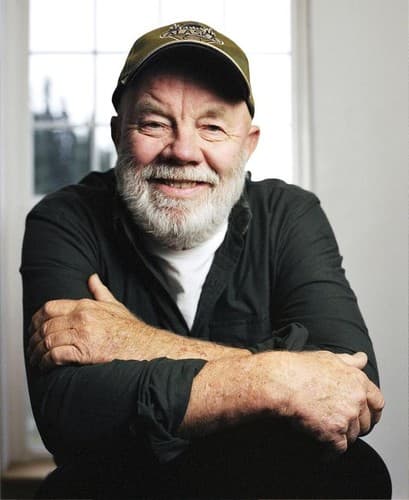
Gary Paulsen is an American author known for his contributions to young adult literature, particularly in the adventure and survival genres. His notable works include "Hatchet," which follows a boy's struggle for survival in the wilderness, and "The River," a sequel that continues this theme. Other significant titles include "Dogsong," "Harris and Me," "Nightjohn," and "The Transall Saga."
Similar books
- Rascal
Sterling North
4.1 (12k) average on GoodreadsChildren'sFeatures a young boy's adventures in a natural setting and his bond with an animal, evoking a similar sense of nostalgia and simple joys.
- Little House on the Prairie
Laura Ingalls Wilder
4.2 (256k) average on GoodreadsChildren's"Harris and Me" offers a lighter, more comedic take on historical farm life, focusing on personal relationships and humorous anecdotes. Wilder's Little House series provides a more detailed, sometimes grittier, and often more serious exploration of the daily challenges, societal norms, and economic realities of pioneering life, offering a broader historical scope.
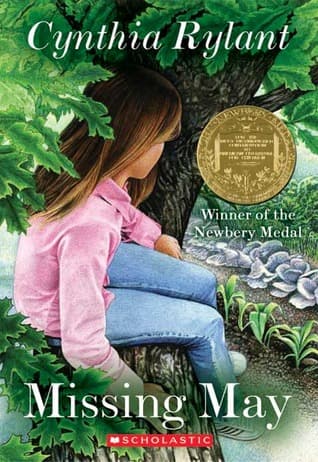
- Missing May
Cynthia Rylant
3.8 (12k) average on GoodreadsChildren'sWhile both books feature young protagonists navigating significant life changes, "Harris and Me" is primarily a humorous and heartwarming tale of friendship and discovery. Rylant's Missing May delves much deeper into themes of grief, loss, and healing, offering a more introspective and emotionally intense exploration of a child's response to profound sadness, which is not the central focus of Paulsen's book.
- Harry Potter and the Sorcerer's Stone
J.K. Rowling
4.5 (7M) average on GoodreadsFantasyRescued from a miserable life under the stairs, an orphaned boy discovers he's a wizard destined for a magical school, where he uncovers a dangerous secret tied to the dark wizard who murdered his parents.
- The Hobbit, or There and Back Again
J.R.R. Tolkien
4.3 (2.9M) average on GoodreadsFantasyA comfort-loving hobbit named Bilbo Baggins is whisked away by a mischievous wizard and a band of dwarves on an unexpected journey to reclaim stolen treasure from a fearsome dragon, discovering courage and a magical ring along the way.
- Harry Potter and the Goblet of Fire
J.K. Rowling
4.6 (2.6M) average on GoodreadsFantasyA bewildered Harry Potter, underage and thrust into a deadly Triwizard Tournament, must brave dragons, mermaids, and a resurgent dark magic to survive a year that will forever alter the wizarding world.



Enjoyed the summary?
A summary gives you the shape of the book. The book itself has the detail, the examples and the voice.
Find Harris and Me on AmazonAs an Amazon Associate, BookBrief earns from qualifying purchases. How we're funded