
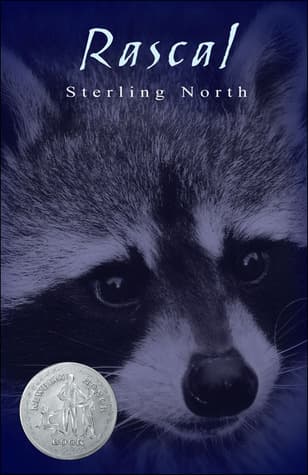
Synopsis
Covers the whole plot, including the ending.
- Difficulty
- Easy
- Pacing
- Slow
- Mood
- Heartwarming, Nostalgic, Gentle, Reflective
- Read it if
- You love classic animal stories, nostalgic tales of boyhood, or gentle narratives about the bond between humans and nature.
- Skip it if
- You prefer fast-paced plots, complex character arcs, or stories with a darker tone.
Rascal Plot Summary
Covers the whole plot, including the ending.
A Boy and His Baby Raccoon
The story begins in summer 1918 in Edgerton, Wisconsin. Eleven-year-old Sterling North lives with his eccentric, nature-loving father, Willard. Sterling, a naturalist, finds a litter of baby raccoons whose mother has died. He takes one home, a tiny, blind creature he names Rascal. His older sister, Jessica, disapproves at first, but Rascal quickly charms Sterling and even gains acceptance from Willard. Rascal is bottle-fed and becomes Sterling's constant companion, sleeping in his bed and joining him on daily adventures around their farm and the nearby woods and lakes. Their bond begins an extraordinary year.
Adventures and Mischief
As Rascal grows, his personality shows. He is intelligent, curious, and mischievous. He learns to open doors and cupboards, often raiding the kitchen for treats, especially sugar. Sterling builds him a special high chair at the kitchen table, where Rascal washes his food before eating, amusing visitors. Their adventures include canoe trips on Lake Koshkonong, fishing, and exploring the countryside. Rascal often rides on Sterling's shoulder or sleeps in his pocket. Despite his wild instincts, Rascal is affectionate towards Sterling, forming a unique companionship that blurs the lines between pet and wild animal.
Winter Preparations and Challenges
As autumn turns to winter, Sterling knows Rascal needs a proper den for hibernation. He builds a small, insulated house for Rascal in the barn, with a straw bed. However, Rascal prefers to sleep in Sterling's bed, curled up next to him. The harsh Wisconsin winter brings new challenges. Food becomes scarce, and Sterling must make sure Rascal is well-fed. One incident involves Rascal's interest in a neighbor's prize-winning corn, leading to a comical chase. Sterling's father, Willard, despite his own struggles with rheumatism and farm upkeep, supports Sterling's bond with Rascal, often sharing his love for nature with his son.
The Yellow Ford and New Experiences
Willard North, an inventor, buys a bright yellow Model T Ford, a symbol of progress and adventure. This car brings new experiences for Sterling and Rascal. They take a memorable trip to Milwaukee, a bustling city. Rascal, at first overwhelmed by the city's sights and sounds, eventually adapts, riding on Sterling's shoulder as they navigate the streets. The trip is a bonding experience, showing Rascal's adaptability and Sterling's devotion. It also shows Willard's parenting style, giving Sterling freedom and exposure to the world.
A Friend's Visit and Rascal's Antics
Sterling's friend, Ollie, visits, and his reaction to Rascal gives an outside view of the raccoon's wildness. Ollie is fascinated and amused by Rascal's antics, such as his food-washing ritual and clever escapes. During Ollie's stay, Rascal's mischief grows, including an incident where he tries to raid a neighbor's chicken coop, leading to a comical confrontation. These episodes, though sometimes inconvenient, reinforce Rascal's wildness and the constant negotiation needed to keep him as a pet. They also show Sterling's growing understanding of his pet's natural instincts.
Rascal's Growing Independence
With spring, Rascal's wild instincts become stronger. He grows restless, spending longer periods away from the house exploring the woods and fields. He shows interest in other raccoons, a clear sign of his maturing. Sterling sees these changes with understanding and sadness. He realizes their bond is nearing a natural turning point. He knows Rascal, despite his domestication, is a wild creature and must return to his natural habitat to find a mate and live as a raccoon should.
The Threat of Distemper
A serious threat appears when a distemper epidemic sweeps through the local raccoon population, causing widespread illness. Sterling worries for Rascal's safety. He tries to keep Rascal isolated and safe, but the danger is always present. This crisis forces Sterling to consider if keeping Rascal confined for protection is the best long-term solution. The fear of losing Rascal to disease weighs on Sterling, emphasizing the fragility of wild life and his responsibility for his pet.
The Decision to Release
Faced with Rascal's increasing wildness, the threat of distemper, and the understanding that Rascal needs to live a natural life, Sterling makes the difficult decision to release him. He talks with his father, who, with his wisdom of nature, supports Sterling's choice. It is a moment of maturity for Sterling, recognizing that love sometimes means letting go. He builds a special canoe for Rascal, a symbolic vessel for his journey back to the wild. The decision is hard but driven by respect for Rascal's nature and a selfless desire for his well-being.
A Farewell to a Friend
On a quiet morning, Sterling takes Rascal to a remote part of the lake, near a wooded island, a place where he believes Rascal will do well. With a heavy heart, he gently places Rascal in the canoe he built, with food. He watches as Rascal hesitates, then paddles away towards the island, eventually disappearing into the trees. It is a bittersweet farewell, a moment of sadness mixed with the understanding that he has done what is best for his friend. Sterling returns home, changed by his year with Rascal, carrying memories of their adventures and lessons learned about love, nature, and letting go.
Reflections and Lasting Impact
After Rascal leaves, Sterling thinks about the impact the raccoon had on his life. He cherishes memories of their adventures, laughter, and quiet companionship. The experience taught him about nature's beauty and harshness, the complexities of human-animal bonds, and the nature of growing up. He realizes that while Rascal is no longer by his side, the lessons and love will remain with him. The story ends with Sterling, older, looking back on this year with wonder and gratitude for his friendship with a wild raccoon.
Principal Figures
Sterling North
Protagonist
An eleven-year-old boy with a deep love for nature, who adopts and raises a baby raccoon.
Sterling is a curious, sensitive, and intelligent boy living in rural Wisconsin in 1918. He possesses a keen observational eye for nature and a profound empathy for animals. His bond with Rascal is the central focus of the story, showcasing his capacity for unconditional love and responsibility. He is imaginative and resourceful, building Rascal a high chair and a special canoe. Throughout the year, Sterling matures, learning about life, death, and the delicate balance between domestication and wildness. He is an avid reader and writer, reflecting the author's own childhood.
Relationships: Rascal (best friend and pet); Willard North (loving and understanding father); Jessica North (older sister, often disapproving but caring); Ollie (childhood friend)
Rascal
Protagonist (animal)
A mischievous and affectionate baby raccoon adopted by Sterling, who embodies the spirit of the wild.
Rascal is a highly intelligent, curious, and playful raccoon. Adopted as an orphaned kit, he quickly becomes domesticated, exhibiting unique behaviors like washing his food and sleeping in Sterling's bed. Despite his attachment to Sterling, Rascal retains his wild instincts, exploring, hunting, and eventually feeling the pull of his natural habitat. He is a character full of personality, charming everyone with his antics while also reminding them of his inherent wildness. His journey represents the conflict between human companionship and the call of nature.
Relationships: Sterling North (owner and closest companion); Willard North (tolerated and occasionally amused by)
Willard North
Supporting
Sterling's eccentric, nature-loving father, who provides wisdom and support.
Willard is a kind, intelligent, and somewhat unconventional man. A widower, he often struggles with rheumatism and managing their small farm but maintains a deep love for nature and a philosophical outlook on life. He encourages Sterling's passion for animals and the outdoors, offering guidance and understanding rather than strict rules. His wisdom and quiet strength are a constant presence in Sterling's life, and he ultimately supports Sterling's difficult decision to release Rascal, understanding the natural order of things. He is an inventor and a dreamer, living a life of his own design.
Relationships: Sterling North (loving and supportive father); Jessica North (father); Rascal (tolerates and is amused by)
Jessica North
Supporting
Sterling's older sister, who initially disapproves of Rascal but eventually accepts him.
Jessica is Sterling's older sister, who has a more practical and conventional outlook than her brother and father. She initially expresses reservations about keeping a wild animal like Rascal in the house, worrying about the mess and potential problems. However, over time, she softens towards Rascal, occasionally even showing affection. She represents a more grounded perspective within the eccentric North household, but ultimately cares for her family members, including their unusual pet. She is often seen trying to maintain some order in their unconventional home.
Relationships: Sterling North (younger brother); Willard North (father); Rascal (initially disapproves of, later tolerates)
Ollie
Supporting
Sterling's best human friend, who visits and shares in some of Rascal's adventures.
Ollie is Sterling's childhood friend from a neighboring farm. He is a typical boy of his age, curious and eager for adventure. His reactions to Rascal – a mix of fascination, amusement, and occasional fear – provide an external perspective on the unique pet. Ollie's visit highlights Rascal's playful and sometimes mischievous nature and adds a layer of shared boyhood experience to Sterling's life, briefly diverting him from his singular focus on Rascal. He's a loyal friend who enjoys the unusual happenings at the North household.
Relationships: Sterling North (best friend)
Mr. Gaston
Mentioned
A neighbor whose prize-winning corn is threatened by Rascal's curiosity.
Mr. Gaston is a neighbor of the North family, known for his meticulously cultivated and prize-winning cornfield. He serves as a minor antagonist when Rascal's natural scavenging instincts lead him to raid Gaston's corn, causing a humorous but tense interaction. This incident highlights the challenges of keeping a wild animal and the potential conflicts it can create with the human world. He represents the more conventional, property-conscious aspect of rural life.
Relationships: Sterling North (neighbor)
Boomer
Supporting
Sterling's loyal dog, who coexists with Rascal.
Boomer is Sterling's dog, a loyal and good-natured companion. He initially views Rascal with some suspicion but eventually accepts him, albeit sometimes with a touch of jealousy over Sterling's attention. Boomer represents the more traditional pet in the household, providing a contrast to Rascal's wildness. His presence underscores the harmonious, if sometimes chaotic, animal kingdom that Sterling cultivates around him.
Relationships: Sterling North (owner); Rascal (coexists with)
Wowser
Supporting
Sterling's cat, who shares the North household with Rascal and Boomer.
Wowser is the North family's cat. Like Boomer, Wowser is part of Sterling's menagerie, and she, too, adjusts to Rascal's presence in the house. She mostly keeps to herself but occasionally interacts with the other animals, adding to the lively and unconventional atmosphere of the North home. Her presence further illustrates Sterling's deep connection to a variety of animals and the unique, harmonious environment he creates.
Relationships: Sterling North (owner); Rascal (coexists with)
Themes & Insights
The Interconnectedness of Humans and Nature
The book shows the deep bond between Sterling and Rascal, how humans and wild animals can connect. Sterling understands and respects Rascal's natural instincts, even as he domesticates him. This shows a harmonious relationship with nature. This theme appears in their adventures, Rascal's place at the North family table, and Sterling's choice to release him, recognizing Rascal's need for freedom. The North household, with its many animals and Willard's love for the outdoors, highlights this theme.
“He was a wild creature, but he was also my friend, and I knew that to truly love him meant to let him go.”
Coming of Age and Responsibility
Sterling's year with Rascal is a period of growth. He learns about love, loss, and responsibility. From feeding a tiny kit to making the hard choice to release a pet, Sterling's journey includes growing self-awareness and a deeper understanding of the world. Caring for a wild animal forces him to face ethical dilemmas, shaping him into a thoughtful young man. His father's guidance helps this development, giving Sterling freedom to learn from his experiences.
“A boy who has a pet raccoon can never be quite the same again.”
The Call of the Wild vs. Domestication
This theme explores the tension between Rascal's wild nature and his domesticated life with Sterling. Despite his tamed behaviors, Rascal's instincts for foraging, climbing, and eventually mating, pull at him. The book shows how a wild animal can adapt to human companionship, but cannot deny its true nature. Sterling's struggle to balance these two aspects of Rascal's identity ends with his selfless act of releasing him, acknowledging that some creatures belong free. This dynamic is a constant part of Rascal's mischief and growing independence.
“He was a pet, yes, but he was also a wild creature, and the wild was calling him home.”
The Beauty and Harshness of Nature
The story paints a picture of the Wisconsin landscape, showing its beauty and bounty, and its unforgiving sides. Sterling and Rascal's adventures show the joys of exploring forests, lakes, and fields, observing wildlife, and experiencing the seasons. However, the story also addresses the realities of nature, such as the death of Rascal's mother, the threat of distemper, and the need for hunting. This balanced portrayal shows the complex cycle of life in the wild, which Sterling comes to understand and accept.
“Nature was both cruel and beautiful, and Rascal was a living embodiment of both.”
Unconventional Family and Lifestyle
The North household, with its absent mother, inventor father, and many animals, is different from conventional families. Willard North's tolerant parenting allows Sterling freedom and encourages his connection to nature. This setting provides an environment for a pet like Rascal to thrive. The family embraces the unusual and finds joy in their simple, nature-centered life. This offers a new perspective on what makes a loving home.
“Our house was always full of strange and wonderful creatures, and Rascal fit right in.”
Plot Devices & Literary Techniques
First-Person Retrospective Narration
The story is told from the adult Sterling North's perspective, looking back on his childhood.
The entire narrative is framed as a memoir, with the adult Sterling North recounting his experiences from the vantage point of many years later. This allows for a reflective and often philosophical tone, as the narrator can imbue childhood events with deeper meaning and understanding gained through time. It also creates a sense of nostalgia and poignancy, as the reader knows from the outset that this extraordinary companionship will eventually end. The adult voice provides context, wisdom, and emotional depth to the boy's adventures and decisions.
Symbolism of the Canoe
The canoe represents freedom, independence, and the transition back to the wild.
Sterling building a special canoe for Rascal's release is a powerful symbolic act. The canoe, a vessel for journey and exploration, signifies Rascal's impending independence and his return to his natural element – water and the wild. It represents Sterling's selfless act of love, providing Rascal with the means to embark on his own life's journey, free from human constraints. It's a tangible manifestation of Sterling's understanding that true love sometimes means letting go, and it marks the final, physical separation between boy and raccoon.
Rascal's High Chair
A symbol of Rascal's unique blend of domestication and wildness.
The high chair Sterling builds for Rascal at the kitchen table is a potent symbol. It highlights Rascal's unusual integration into the human family, treating him almost as a child. Yet, even in this domesticated setting, Rascal meticulously washes his food, a primal instinct that underscores his inherent wildness. The high chair thus embodies the constant tension and fascinating blend of wild behavior adapted to a human environment, a microcosm of the entire book's central theme regarding the balance between nature and nurture.
The Changing Seasons
The progression of seasons mirrors Rascal's growth and the evolution of his relationship with Sterling.
The narrative unfolds over the course of a year, moving through summer, autumn, winter, and spring. This seasonal cycle acts as a natural progression, mirroring Rascal's growth from a tiny kit to a mature raccoon ready for the wild. Each season brings new challenges and observations, subtly hinting at the inevitable separation. Winter, for instance, highlights Rascal's need for a den, while spring awakens his mating instincts. The changing landscape reflects the changing nature of their bond and the cyclical nature of life itself.
Rascal Quotes
“A boy is better off with a dog than with a father.”
“I was a boy who lived in a world of animals and books.”
“Rascal was the only living thing that belonged to me.”
“The world is full of obvious things which nobody by any chance ever observes.”
“I learned more from that raccoon than from any teacher I ever had.”
“Sometimes the best thing a boy can do is to be still and listen.”
“We were two wild creatures, free in a world that didn't understand us.”
“A raccoon's curiosity is both its greatest gift and its greatest danger.”
“Home isn't a place, it's a feeling you carry with you.”
“The sweetest berries are always just out of reach.”
“In the eyes of a child, every day is an adventure waiting to happen.”
“You can't tame wild things without losing a little of their magic.”
“The truest friends are the ones who accept you, whiskers and all.”
Quiz
10 questions on the plot and the characters. Each answer comes with a short explanation.
Question 1
What is the name of Sterling's pet raccoon in the book?
- Bandit
- Rascal
- Scamp
- Ringo
Show answer
B. Rascal The book's title and central character is the raccoon named Rascal, whom Sterling North adopts as a baby and raises as his companion throughout the story.
Question 2
What type of animal is Rascal?
- A dog
- A raccoon
- A squirrel
- A cat
Show answer
B. A raccoon Rascal is a raccoon, which is central to the story as Sterling North's memoir details his experiences raising and bonding with this wild animal during his boyhood in Wisconsin.
Question 3
What is the setting of 'Rascal' primarily based on?
- Sterling North's childhood in Wisconsin
- A fictional town in New England
- A farm in the Midwest during the Great Depression
- A city in the early 20th century
Show answer
A. Sterling North's childhood in Wisconsin The book is a memoir of Sterling North's boyhood in Wisconsin, where he grows up with his family and adopts Rascal, reflecting the rural and natural environment of that time and place.
Question 4
Why does Sterling bring Rascal home initially?
- He finds Rascal injured and decides to nurse him back to health.
- Rascal is a baby raccoon that Sterling adopts as a pet.
- Sterling wins Rascal in a contest.
- Rascal follows Sterling home from the woods.
Show answer
B. Rascal is a baby raccoon that Sterling adopts as a pet. Sterling North brings Rascal home when the raccoon is just a baby, and they quickly become best friends, sharing adventures and daily life together, which forms the core of the memoir.
Question 5
What major event happens in the spring that changes everything for Sterling and Rascal?
- Sterling's family moves to a new city.
- Rascal becomes ill and needs medical care.
- Rascal reaches maturity and must be released back into the wild.
- Sterling starts school and can no longer care for Rascal.
Show answer
C. Rascal reaches maturity and must be released back into the wild. In the spring, Rascal grows up and reaches maturity, leading Sterling to realize that the raccoon needs to return to his natural habitat in the wild, marking a poignant turning point in their friendship.
Question 6
Which theme is prominently explored through Sterling's relationship with Rascal?
- The importance of academic achievement
- The bond between humans and animals and the process of letting go
- The challenges of urban life
- The impact of war on childhood
Show answer
B. The bond between humans and animals and the process of letting go The memoir highlights themes of friendship, the deep connection between a boy and his pet, and the bittersweet necessity of letting go as Rascal matures and returns to the wild.
Question 7
How does the book 'Rascal' conclude regarding Sterling and Rascal's relationship?
- Sterling keeps Rascal as a pet for the rest of the raccoon's life.
- Rascal runs away and is never seen again.
- Sterling releases Rascal into the wild, allowing him to live naturally.
- Rascal is given to a zoo for safekeeping.
Show answer
C. Sterling releases Rascal into the wild, allowing him to live naturally. The story ends with Sterling making the difficult decision to release Rascal back into the wild, emphasizing themes of growth, responsibility, and the natural cycle of life, which is a key emotional moment in the memoir.
Question 8
What historical period does 'Rascal' primarily reflect through Sterling's childhood experiences?
- The Roaring Twenties
- World War I era in rural America
- The Great Depression
- Post-World War II America
Show answer
B. World War I era in rural America Sterling North's memoir is set during his boyhood in Wisconsin around the time of World War I, capturing the rural American life and values of that period, which adds historical context to the story.
Question 9
In the context of the book, what does Rascal's growth from a baby to maturity symbolize?
- The inevitability of change and the transition from childhood to adulthood
- The dangers of keeping wild animals as pets
- The superiority of human intelligence over animal instincts
- The economic hardships of the time period
Show answer
A. The inevitability of change and the transition from childhood to adulthood Rascal's development mirrors Sterling's own coming-of-age, symbolizing the natural processes of growth, independence, and the bittersweet transitions that define both animal and human life, central to the memoir's themes.
Question 10
What unique feature is included in the special anniversary edition of 'Rascal' mentioned in the description?
- A new chapter written by Sterling North
- An audio recording of the author reading the book
- Restored classic illustrations and additional material from the author's daughter and illustrator
- A foreword by a famous naturalist
Show answer
C. Restored classic illustrations and additional material from the author's daughter and illustrator The special anniversary edition enhances the reading experience by restoring the original illustrations to their full quality and including personal contributions from the author's daughter and the illustrator, adding depth and historical value to the memoir.
Rascal FAQ
What is 'Rascal' by Sterling North about?
'Rascal' is a heartwarming memoir about 11-year-old Sterling North's year raising a baby raccoon named Rascal in rural Wisconsin during 1918. The story follows their adventures as they become inseparable companions, exploring nature, getting into mischief, and forming a deep bond that teaches Sterling about friendship, responsibility, and the bittersweet realities of growing up.
Why should I read 'Rascal'?
You should read 'Rascal' for its timeless portrayal of childhood wonder, its beautiful descriptions of nature, and its authentic emotional journey. The book captures a simpler time in American history while exploring universal themes of friendship, loss, and maturation that resonate across generations, making it both nostalgic and relevant for readers of all ages.
What is the background/setting of 'Rascal'?
The story is set in Brailsford Junction, Wisconsin, during 1918-1919, against the backdrop of World War I and the Spanish Flu pandemic. Sterling lives in a somewhat unconventional household with his father (a dreamy inventor) and older sister, while his mother has passed away and his older brothers are away at war, creating a setting of both freedom and loneliness.
What are the most memorable quotes from 'Rascal'?
Memorable quotes include Sterling's reflection: 'Rascal and I were two against the world,' and his father's wisdom: 'The only way to have a friend is to be one.' Another poignant line comes when Sterling realizes: 'He was a wild thing, and no amount of love could change that,' capturing the central tension between domesticity and nature.
What writing style does Sterling North use in 'Rascal'?
North employs a nostalgic, descriptive first-person narrative that blends precise natural observation with emotional reflection. His prose is accessible yet rich with detail, creating vivid scenes of rural Wisconsin life while maintaining the authentic voice of a reflective adult looking back on his childhood experiences with both fondness and wisdom.
What minor details add significant meaning to 'Rascal'?
Small details like Sterling's father's ongoing canoe-building project symbolize unfinished dreams and the passage of time. The recurring mention of the war news and Sterling's absent brothers creates subtle tension beneath the idyllic surface. Even Rascal's fascination with shiny objects reflects both his wild nature and the simple joys that captivate Sterling during this transitional year.
What are some subtle foreshadowing moments in 'Rascal'?
Early scenes where Rascal's wild instincts surface—like his attraction to other raccoons' calls or his increasing independence—foreshadow the inevitable separation. Sterling's growing awareness of his changing responsibilities as he approaches adolescence also hints that his carefree days with Rascal cannot last forever, preparing readers for the emotional conclusion.
What unexpected character connections exist in 'Rascal'?
While Rascal is the central relationship, Sterling's connection with his somewhat absent-minded father deepens through their shared experiences with the raccoon. The local minister, Reverend Thurston, becomes an unexpected ally who understands Sterling's bond with Rascal, while even the town's more practical adults eventually show surprising tolerance for the unconventional pet.
What are Sterling's unspoken motivations in raising Rascal?
Beyond simple companionship, Sterling subconsciously seeks to fill the emotional voids in his life—the absence of his mother, his distant father, and his brothers away at war. Rascal becomes a living connection to the wild, untamed world that contrasts with Sterling's own constrained childhood, representing freedom and unconditional affection during a lonely period.
What psychological complexities do the characters exhibit in 'Rascal'?
Sterling displays the complex psychology of a boy straddling childhood innocence and adolescent awareness, wanting both freedom and security. His father shows the tension between his dreamy idealism and practical parental responsibilities. Even Rascal embodies the conflict between domestic comfort and wild instinct, making him more than just a pet but a symbol of nature's untamable essence.
What are the major emotional turning points in 'Rascal'?
Key emotional turning points include Sterling finding the orphaned baby raccoon, their first winter together when their bond deepens, the spring when Rascal's wild instincts intensify, and finally the heartbreaking yet necessary decision to release him. Each season marks a phase in both Rascal's development and Sterling's emotional growth toward understanding love sometimes means letting go.
How do Sterling's relationships evolve throughout 'Rascal'?
Sterling's relationship with Rascal evolves from caretaker to equal companion to finally accepting their necessary separation. His relationship with his father deepens as they share responsibility for Rascal, while his understanding of the adult world grows more nuanced as he navigates community reactions to his unconventional pet. Each relationship matures alongside Sterling himself.
Which parts of 'Rascal' remain ambiguous or open-ended?
The book leaves ambiguous whether Sterling's father fully understands the depth of his son's emotional journey, and what ultimately happens to Rascal after his release remains unknown. North also doesn't explicitly resolve how Sterling reconciles his nostalgic childhood memories with his adult perspective, allowing readers to reflect on their own interpretations of memory and growth.
What are controversial scenes or decisions in 'Rascal'?
Some readers debate whether Sterling should have kept Rascal captive at all, given raccoons' wild nature. The decision to release him—while emotionally difficult—raises questions about domestication versus animal welfare. Additionally, Sterling's relatively unsupervised childhood in 1918 contrasts sharply with modern parenting norms, making some scenes seem surprisingly risky by contemporary standards.
'Rascal' ending explained: how it ends & what it means
The book ends with Sterling releasing a now-mature Rascal back into the wild during spring mating season, recognizing that keeping him would be unfair. This bittersweet conclusion symbolizes Sterling's own transition from childhood to adolescence, accepting that some loves are temporary but transformative. The ending suggests that true friendship sometimes means letting go for the other's wellbeing, marking Sterling's emotional maturation.
About the author
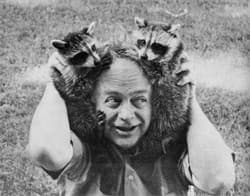
Sterling North was an American author known for his works of fiction, particularly for his book "Rascal," which recounts his childhood adventures with a pet raccoon. His writing often reflects themes of nature and childhood experiences. North's storytelling captures the essence of rural life in the early 20th century.
Similar books
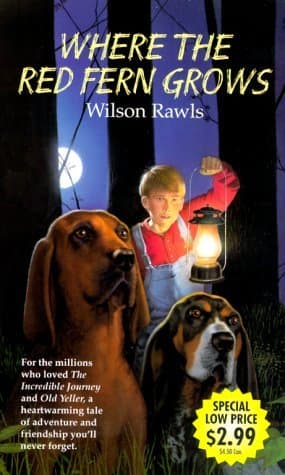
- Where the Red Fern Grows
Wilson Rawls
4.1 (342k) average on GoodreadsChildren'sA poignant story about a boy and his beloved hunting dogs in the Ozarks, dealing with themes of loss and the bond with animals.
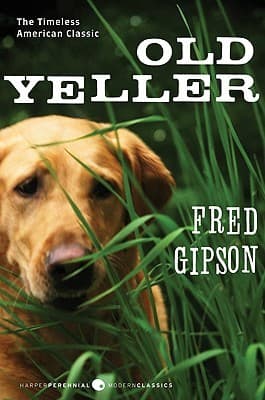
- Old Yeller
Fred Gipson
4.1 (86k) average on GoodreadsChildren'sBoth Rascal and Old Yeller depict a deep bond between a boy and an animal, culminating in a necessary separation. However, Old Yeller is significantly more stark and tragic, confronting the brutal realities of frontier life and nature, offering a less romanticized view of animal companionship compared to Rascal's consistently tender and nostalgic tone.
- Harry Potter and the Sorcerer's Stone
J.K. Rowling
4.5 (7M) average on GoodreadsFantasyRescued from a miserable life under the stairs, an orphaned boy discovers he's a wizard destined for a magical school, where he uncovers a dangerous secret tied to the dark wizard who murdered his parents.
- The Hobbit, or There and Back Again
J.R.R. Tolkien
4.3 (2.9M) average on GoodreadsFantasyA comfort-loving hobbit named Bilbo Baggins is whisked away by a mischievous wizard and a band of dwarves on an unexpected journey to reclaim stolen treasure from a fearsome dragon, discovering courage and a magical ring along the way.
- Harry Potter and the Goblet of Fire
J.K. Rowling
4.6 (2.6M) average on GoodreadsFantasyA bewildered Harry Potter, underage and thrust into a deadly Triwizard Tournament, must brave dragons, mermaids, and a resurgent dark magic to survive a year that will forever alter the wizarding world.
- Harry Potter and the Order of the Phoenix
J.K. Rowling
4.5 (2.5M) average on GoodreadsFantasyIn a year of oppressive secrets and the threat of Voldemort, Harry Potter and Dumbledore's Army secretly train for war, shown through Jim Kay and Neil Packer's dark illustrations.




Enjoyed the summary?
A summary gives you the shape of the book. The book itself has the detail, the examples and the voice.
Find Rascal on AmazonAs an Amazon Associate, BookBrief earns from qualifying purchases. How we're funded