

Synopsis
Covers the whole plot, including the ending.
- Difficulty
- Medium
- Pacing
- Moderate
- Mood
- Epic, Romantic, Reflective, Tragic, Immersive
- Read it if
- You enjoy immersive historical fiction told from a character's first-person perspective, particularly if you're fascinated by Greek mythology and the Trojan War.
- Skip it if
- You prefer fast-paced plots or are looking for a strictly action-driven narrative without deep character introspection and extensive historical detail.
Helen of Troy Plot Summary
Covers the whole plot, including the ending.
A Royal Birth and Divine Heritage
Helen remembers her earliest years, focusing on her mother Leda and her mortal father, King Tyndareus of Sparta. The mystery of her true parents is always present. She learns that Zeus, as a swan, seduced Leda, leading to Helen and her twin sister Clytemnestra hatching from eggs, while their brothers Castor and Pollux were born normally. This divine heritage sets Helen apart, giving her unmatched beauty that becomes both a gift and a burden. Her childhood is spent in the Spartan palace, where she is both respected and isolated, her extraordinary looks already drawing unwanted attention and whispers of her fate.
The Suitors of Helen
As Helen grows up, her beauty becomes famous, attracting many suitors from all over the Greek world. Princes and kings, including Odysseus, Ajax, and Idomeneus, gather in Sparta, each hoping to marry her. King Tyndareus, worried about potential conflict, finds a clever solution with Odysseus's help: the Oath of Tyndareus. All suitors must swear to defend Helen's chosen husband against anyone who might try to take her. Helen eventually chooses Menelaus, Agamemnon's younger brother, a strong but somewhat uncharismatic prince, over the more powerful and ambitious contenders.
Life as Queen of Sparta
Helen settles into her role as Queen of Sparta, marrying Menelaus and having a daughter, Hermione. Her life involves royal duties, managing the household, and courtly life. Despite Menelaus's real affection for her, Helen finds their marriage lacks passion and deep emotional connection. She performs her duties well but often feels unfulfilled, a quiet longing for something more. Her beauty remains a topic of discussion and admiration, but she feels increasingly trapped by her role and the expectations placed upon her as Menelaus's queen, a symbol of Sparta's prestige.
The Arrival of Paris
A key moment arrives with the unexpected visit of Paris, a Trojan prince, who comes to Sparta on a diplomatic mission. From the moment their eyes meet, a powerful, undeniable attraction sparks between Helen and Paris. Paris, with his striking looks, youthful charm, and stories of exotic Troy, represents everything Helen feels is missing from her life. He speaks to her soul, awakening a passion she had never felt with Menelaus. The air between them is thick with unspoken desire, and their interactions become increasingly intense, much to the growing unease of the Spartan court.
The Abduction or Elopement
While Menelaus is away at a funeral in Crete, Paris takes his chance. Whether by force or willing elopement is debated, and Helen's own story explores the details of her choice. Overwhelmed by her desire for Paris and a longing for a life beyond Sparta, Helen leaves her daughter Hermione and her duties, sailing with Paris to Troy. They take a large part of Sparta's treasury. This act, whatever its exact nature, is seen as a deep betrayal by Menelaus and the Achaeans, starting the chain of events that will lead to the Trojan War.
Life in Troy
When they arrive in Troy, Helen is at first welcomed by King Priam and Queen Hecuba, who are charmed by her beauty and Paris's devotion. She settles into her new life, finding real happiness and passion with Paris. However, not all Trojans welcome her. Many, especially Hector's wife Andromache and Cassandra, see her as the cause of future disaster and a foreign outsider. Helen struggles to balance her love for Paris with the growing resentment and fear among the Trojan people, as rumors of an upcoming Greek invasion begin. She learns Trojan customs and tries to fit in, but the shadow of her past is always present.
The Siege Begins
The inevitable happens: the large Achaean fleet, led by Agamemnon and Menelaus, arrives at Troy's shores, demanding Helen's return. The Trojans, under Priam, refuse to give her up, despite pleas from some, like Antenor, who argue for peace. The siege of Troy begins, a brutal and long conflict that will last ten years. Helen watches from the city walls, tormented by knowing she is the reason for this immense suffering. She feels the weight of the war, observing daily battles, deaths, and growing despair on both sides, her initial joy with Paris slowly disappearing under the constant threat.
Helen's Inner Conflict and Isolation
Throughout the war, Helen is a figure of great inner conflict. She loves Paris deeply, but the constant death and destruction outside the city walls, and the hostility she faces from some Trojans, weigh heavily on her conscience. She often withdraws to her chambers, watching battles from afar, a silent witness to the carnage. Her unique position, being neither fully Greek nor fully Trojan, leaves her isolated. Many Trojan women, who see her as the sole cause of their problems, shun her, and she longs for news of her daughter Hermione in Sparta. Her beauty, once a source of pride, now feels like a curse.
The Death of Paris and Subsequent Marriages
The war takes its toll on Helen's personal life. Paris is eventually killed by Philoctetes' poisoned arrow, a devastating blow to Helen. Her protector and lover is gone, leaving her exposed and vulnerable within the besieged city. In Troy's desperate final days, she is forced to marry Deiphobus, one of Priam's remaining sons, a marriage of political necessity rather than love. This further shows her lack of control and how she is used as a pawn in the conflict, her personal desires secondary to the city's survival and the Trojan royal family's will.
The Fall of Troy and Reunion with Menelaus
The Achaeans finally break Troy's defenses using the Wooden Horse. The city descends into chaos, fire, and slaughter. During the sack of Troy, Helen is amidst the carnage. Menelaus, driven by fury and a desire for revenge, seeks her out. He finds her, and in a tense confrontation, at first intends to kill her. However, her lasting beauty, and perhaps a memory of their past, disarms him. He spares her life, and she is taken back by him, a war prize, to return to Sparta. The journey home is full of danger and delays, testing their complicated reunion.
The Return to Sparta and Aftermath
After a long and difficult journey, Helen and Menelaus finally return to Sparta. Helen resumes her position as queen, but life is permanently changed. Her daughter Hermione, now grown, resents her for her abandonment. The scars of war, both physical and emotional, are everywhere. Helen lives with the weight of her past, knowing her actions led to the destruction of a great city and countless lives. She reflects on her choices, her loves, and her lasting legacy, grappling with the complexities of her own story and the myth created around her.
Principal Figures
Helen
Protagonist
The legendary beauty whose abduction or elopement ignites the Trojan War.
Helen is presented as a complex figure, not merely a passive object of desire. Born from a swan and Zeus, her divine heritage imbues her with unparalleled beauty and a sense of otherness. She is intelligent, observant, and possesses a deep capacity for love and passion, often feeling confined by the expectations placed upon her. While she takes responsibility for her actions, she also grapples with the idea of fate and the limited agency afforded to women in her era. Her internal conflict between duty and desire, and her eventual guilt over the war, define much of her character.
Relationships: Menelaus (Husband, initially chosen out of duty, later a complex and strained reunion.); Paris (Lover, the catalyst for her flight to Troy, a passionate and devoted relationship.); Hermione (Daughter, abandoned in Sparta, leading to a strained and resentful relationship after the war.); Leda (Mortal mother, who instilled in Helen an awareness of her unique origins.); Clytemnestra (Twin sister, a fraught relationship marked by mutual suspicion and differing paths.)
Paris
Supporting/Love Interest
The handsome Trojan prince who steals Helen away from Sparta.
Paris is portrayed as a charming, somewhat impulsive, and deeply romantic young man. He is confident in his appeal and his belief in the goddess Aphrodite's promise of the most beautiful woman. While devoted to Helen, his actions are often driven by passion and a disregard for consequences, particularly the diplomatic and military repercussions of his elopement. He is a skilled archer but lacks the strategic mind or leadership qualities of his brother, Hector, often appearing more concerned with Helen's comfort and his own pleasure than the war's larger context.
Relationships: Helen (Lover, a passionate and central relationship that defines much of his life.); Hector (Brother, a complicated relationship marked by Hector's frustration with Paris's actions and Paris's respect for Hector's warrior prowess.); Priam (Father, who indulges Paris despite the trouble he causes.)
Menelaus
Antagonist/Supporting
King of Sparta and Helen's husband, who leads the Achaean forces to retrieve her.
Menelaus is a strong, honorable, but somewhat uncharismatic king. He genuinely loves Helen, though perhaps not with the fiery passion she craves. His primary motivation throughout the war is the restoration of his honor and the retrieval of his wife and property, viewing Helen's departure as a profound insult to his kingship and the laws of hospitality. He is a capable warrior and leader, though often overshadowed by his brother Agamemnon. His initial rage towards Helen eventually mellows, revealing a deeper, albeit complicated, affection.
Relationships: Helen (Husband, a duty-bound and later vengeful, then reconciled relationship.); Agamemnon (Brother, who supports Menelaus's cause and leads the Achaean forces.); Hermione (Daughter, a loving father who raises her during Helen's absence.)
Hector
Supporting
The noblest Trojan prince and Troy's greatest warrior.
Hector is portrayed as a virtuous, courageous, and deeply responsible leader. He is fiercely loyal to Troy, his family, and his people, bearing the weight of the city's defense on his shoulders. He often expresses frustration with Paris's recklessness and Helen's presence, understanding the catastrophic consequences, yet he never shirks his duty to protect them as members of his family and the city. He is a loving husband to Andromache and a devoted father, embodying the ideal hero in many respects.
Relationships: Andromache (Wife, a loving and devoted relationship.); Paris (Brother, a strained relationship due to Paris's actions, but ultimately protective.); Priam (Father, a respected and loyal son.); Helen (Sister-in-law, a complex relationship where he protects her out of duty but resents her presence.)
Andromache
Supporting
Hector's devoted wife, who harbors resentment towards Helen.
Andromache is a sympathetic figure, representing the suffering of the Trojan women. She is a loving wife and mother, fiercely protective of her family and city. She openly dislikes Helen, blaming her directly for the war and the suffering it brings. Her grief and despair grow with each loss, particularly after Hector's death, making her a poignant symbol of the war's human cost. She is practical, strong-willed, and often voices the common people's perspective on Helen's presence.
Relationships: Hector (Husband, a deeply loving and central relationship.); Helen (Sister-in-law, a relationship marked by strong animosity and blame.)
Priam
Supporting
The aged King of Troy, who protects Helen and Paris.
King Priam is a benevolent but ultimately tragic figure. He is a loving father who, despite the counsel of some of his advisors, chooses to protect his son Paris and Helen, believing in the sanctity of hospitality and perhaps too, a sense of pride. He is a dignified and respected ruler, but his unwavering loyalty to his family ultimately leads to the destruction of his city. He embodies the tragic flaw of excessive love for his children, even when it is detrimental to his kingdom.
Relationships: Paris (Son, whom he loves and protects.); Hector (Son, whom he deeply respects and mourns.); Hecuba (Wife, a shared burden of leadership and grief.); Helen (Daughter-in-law, whom he treats with kindness and protects.)
Hecuba
Supporting
The Queen of Troy, who initially welcomes Helen but grows to resent her.
Queen Hecuba is Priam's wife and the mother of Paris and Hector. She is a strong, regal woman who initially welcomes Helen out of loyalty to her son and the principle of hospitality. However, as the war progresses and she loses more of her children, her initial acceptance turns into bitterness and resentment towards Helen, whom she blames for Troy's suffering. She is a powerful voice of maternal grief and a symbol of the terrible cost of the war on the Trojan royal family.
Relationships: Priam (Husband, a shared burden of leadership and grief.); Helen (Daughter-in-law, a relationship that turns from welcome to bitter resentment.)
Odysseus
Supporting
The cunning King of Ithaca, who devises the Oath of Tyndareus and the Wooden Horse.
Odysseus is presented as the most intelligent and resourceful of the Achaean leaders. He is known for his wisdom, his strategic mind, and his ability to devise clever solutions, such as the Oath of Tyndareus to prevent conflict among Helen's suitors, and later, the Wooden Horse. While not as physically imposing as Ajax or Achilles, his cunning makes him an invaluable asset to the Greek cause. He is a pragmatic leader, often seeing beyond immediate emotions to the long-term strategic goals.
Relationships: Menelaus (Ally, helps Menelaus secure Helen's marriage and later retrieve her.); Helen (Acquaintance, respects her beauty but sees her as a means to an end for Greek glory.)
Themes & Insights
Beauty as a Curse and a Blessing
Helen's extraordinary beauty, a gift from her divine parents, is the main cause for the entire story. While it gives her privilege and admiration, it also makes her an object, desired and fought over, taking away her personal control. Her beauty is not just aesthetic; it is a force that shapes her destiny and the destiny of nations. It is a blessing because it allows her to captivate Paris and experience deep love, but a curse as it leads to Troy's destruction and her lifelong burden of guilt. The story consistently shows how her physical appearance dictates her life's path, from the Oath of Tyndareus to Menelaus's inability to kill her.
“My face, they said, could launch a thousand ships. But it was only a face, a thing of bone and skin, and yet it held the power to destroy a city.”
Fate vs. Free Will
The novel explores the conflict between predetermined destiny and individual choice. Helen often questions whether her life's path was set by the gods, especially given her divine birth, or if her decisions, particularly her elopement with Paris, were acts of free will. While the prophecy surrounding her birth and the judgment of Paris suggest a fated course, Helen's inner struggles and her active choices, even within limits, highlight the human element. The story suggests that even within a grand, mythical framework, personal desires and moral dilemmas play a significant role in shaping events.
“Was I a puppet of the gods, or merely a woman who had made a choice, however catastrophic?”
Love and Betrayal
The novel examines various forms of love—passionate, dutiful, familial—and the deep betrayals that come from them. Helen's passionate love for Paris contrasts sharply with her dutiful, unfulfilling marriage to Menelaus. Her betrayal of Menelaus and Sparta, driven by her heart, leads to the ultimate betrayal of the Oath of Tyndareus by the Achaeans. Familial love, such as Priam's love for Paris and Hector's for his family, also leads to tragic choices. The story shows how love, in its intensity, can lead to devastating consequences and acts of deep disloyalty, shaping history.
“The heart, when it desires, cares little for oaths sworn in colder blood.”
The Price of War
Beyond the romantic plot, the novel vividly shows the brutal and devastating cost of war, not just on warriors but on civilians, especially women and children. Helen, as an insider in Troy, witnesses the daily suffering, starvation, loss of life, and emotional toll on individuals like Andromache and Hecuba. The story does not glorify war but emphasizes its relentless destruction, the loss of innocence, and the lasting trauma it inflicts on everyone involved. It highlights how political disputes and personal desires escalate into widespread human catastrophe.
“I saw the war from the walls, a tapestry of blood and ash woven by my own hand.”
Plot Devices & Literary Techniques
First-Person Narration (Helen's Perspective)
The entire story is told through Helen's eyes, providing intimate insight into her thoughts and feelings.
This device allows the author to humanize Helen, moving beyond her mythical reputation as a mere object of desire or a symbol of destruction. By presenting her inner thoughts, doubts, and justifications, the novel creates a more complex and empathetic character. It allows for a nuanced exploration of her choices, her relationships, and her experiences, particularly her conflicting emotions during the Trojan War. This perspective challenges traditional portrayals of Helen, offering a subjective and intimate account of her legendary life.
Divine Intervention/Prophecy
The involvement of gods and preordained prophecies shape key events.
The presence of divine forces, particularly Helen's birth from Zeus, the Judgment of Paris orchestrated by goddesses, and various prophecies (like Cassandra's unheeded warnings), underscores the mythological roots of the story. This device suggests that certain events are fated, adding a layer of inevitability to the unfolding tragedy. It also provides a framework for Helen to grapple with her own agency, questioning how much of her life is her own choice versus the will of the gods, and contributing to the epic scope of the narrative.
The Oath of Tyndareus
An oath sworn by all Helen's suitors to defend her chosen husband, directly leading to the Trojan War.
This plot device is crucial as it legally and morally binds the Greek kings to Menelaus's cause. Devised by Odysseus to prevent conflict among the suitors, it ironically becomes the very mechanism that unites them for the largest conflict of their age. It transforms Helen's personal elopement into a pan-Hellenic war, ensuring that when Paris 'abducts' her, the entire Greek world is compelled by honor and oath to retrieve her, thereby setting the stage for the epic siege of Troy.
The Wooden Horse
The ultimate deception used by the Achaeans to finally breach Troy's walls.
The Wooden Horse serves as the climactic plot device that brings about the fall of Troy. It symbolizes the cunning and strategic brilliance of the Achaeans (specifically Odysseus) against the Trojans' steadfast but ultimately naive trust. This device not only provides a dramatic resolution to the decade-long siege but also highlights the themes of deception, the cost of war, and the tragic end of a great civilization. It's a definitive moment that shifts the balance of power and seals Troy's fate.
Helen of Troy Quotes
“I was born with a gift for beauty, and a curse for it too. It was a thing of power, and like all power, it drew both admiration and destruction.”
“Men fought for me, died for me, and in the end, blamed me. As if I alone had the power to start a war.”
“Love, true love, is not always gentle. Sometimes it is a hurricane, tearing down everything in its path, leaving only two people standing amidst the ruins.”
“There are some choices you make with your heart, and some you make with your blood. Mine were always the latter.”
“A queen's duty is not just to her husband, but to her people. And sometimes, those two loyalties are at war.”
“Troy was a city of gold and pride, built on the backs of gods and men. And like all things built too high, it was destined to fall.”
“Grief is a strange companion. It sits beside you, silent, until you try to forget it, and then it screams.”
“Even a goddess cannot escape her destiny, let alone a mortal woman touched by the gods.”
“To be desired is one thing; to be understood is quite another. I was always the former, rarely the latter.”
“The sea, like love, can be both a path to freedom and a prison. It carries you away, but it also traps you on its vastness.”
“Every hero has his journey, and every villain his reasons. But I was neither, just a woman caught between them.”
“There are moments when the world holds its breath, waiting for a single word, a single glance, to change everything. I lived in those moments.”
“A woman's beauty is her shield and her sword. It can protect her, and it can wound others, or herself.”
“Even after the dust settles and the fires die, the echoes of a great war linger, not just in the ruins, but in the hearts of those who survived.”
Quiz
10 questions on the plot and the characters. Each answer comes with a short explanation.
Question 1
What is the name of Helen's Spartan king husband before she meets Paris?
- Agamemnon
- Odysseus
- Menelaus
- Achilles
Show answer
C. Menelaus The book explicitly states that Helen married 'the remote Spartan king Menelaus' before her encounter with Paris.
Question 2
Which Trojan prince does Helen encounter, leading to their elopement and the Trojan War?
- Hector
- Aeneas
- Deiphobus
- Paris
Show answer
D. Paris The synopsis clearly states that Helen 'encountered the handsome Trojan prince Paris' and once they flee, war becomes inevitable.
Question 3
What is unique about the narration style of Margaret George's 'Helen of Troy'?
- It is narrated by a chorus of gods.
- It is told from Menelaus's perspective.
- Helen narrates her own story.
- It uses an omniscient third-person narrator.
Show answer
C. Helen narrates her own story. The description highlights that 'Margaret George breathes new life into the great Homeric tale by having Helen narrate her own story.'
Question 4
What is one of the key themes explored in the novel regarding Helen's life?
- The pursuit of political power.
- The inevitability of fate and the destructive power of beauty.
- The importance of familial duty above all else.
- The quest for immortality.
Show answer
B. The inevitability of fate and the destructive power of beauty. The summary concludes by stating Helen's life 'was destined to create strife and destroy civilizations,' directly linking her to the destructive power of her beauty and fate.
Question 5
At what approximate age was Helen resigned to a 'passionless marriage' with Menelaus?
- By the age of thirty
- By the age of twenty
- While hardly more than a girl
- After bearing several children
Show answer
B. By the age of twenty The text states, 'By the age of twenty, the world's most beautiful woman was resigned to a passionless marriage'.
Question 6
What significant event occurs in Helen's youth, mentioned as part of her self-discovery?
- She leads a Spartan army into battle.
- She discovers her divine origin and terrifying beauty.
- She travels extensively through the Aegean.
- She has a prophetic dream about the Trojan War.
Show answer
B. She discovers her divine origin and terrifying beauty. The synopsis explicitly mentions that 'Through her eyes and in her voice, we experience the young Helen's discovery of her divine origin and her terrifying beauty.'
Question 7
How does the author, Margaret George, approach the legendary figure of Helen of Troy?
- She portrays Helen as a purely villainous character, solely responsible for the war.
- She uses a detached, academic tone to analyze the myth.
- She offers an intelligent, perceptive, and revitalized perspective by having Helen narrate her own story.
- She focuses exclusively on the military strategies of the Trojan War.
Show answer
C. She offers an intelligent, perceptive, and revitalized perspective by having Helen narrate her own story. The description states Margaret George 'has turned her intelligent, perceptive eye to the myth' and 'breathes new life into the great Homeric tale by having Helen narrate her own story.'
Question 8
What is the primary consequence of Helen and Paris's flight to Troy, as stated in the novel's description?
- It leads to a lasting peace treaty between Sparta and Troy.
- It results in a period of prosperity for both nations.
- War, murder, and tragedy become inevitable.
- It establishes a new dynasty in Troy.
Show answer
C. War, murder, and tragedy become inevitable. The text explicitly states: 'And once the lovers flee to Troy, war, murder, and tragedy become inevitable.'
Question 9
Beyond being 'daughter of a god' and 'wife of a king,' what other significant role is Helen described as in the opening lines?
- A celebrated poet
- A skilled warrior
- Prize of antiquity's bloodiest war
- A benevolent queen
Show answer
C. Prize of antiquity's bloodiest war The very first sentence describes Helen as 'Daughter of a god, wife of a king, prize of antiquity's bloodiest war'.
Question 10
What literary genre classifications are given for 'Helen of Troy' by Margaret George?
- Science Fiction, Mystery, Thriller
- Fantasy, Historical Fiction, Romance
- Biography, Self-Help, Western
- Young Adult, Horror, Satire
Show answer
B. Fantasy, Historical Fiction, Romance The provided text clearly lists the genres as 'Fantasy, Historical Fiction, Romance'.
Helen of Troy FAQ
What is the central premise of Margaret George's 'Helen of Troy'?
The novel re-imagines the classic myth of Helen of Troy, but uniquely, Helen herself narrates her life story. It covers her childhood, the discovery of her divine parentage and striking beauty, her marriage to Menelaus, and ultimately, her fateful elopement with Paris that ignites the Trojan War.
How does the novel portray Helen's divine origin and its impact on her early life?
Helen discovers she is the daughter of Zeus, who appeared to her mother Leda as a swan. This divine heritage sets her apart, making her exceptionally beautiful but also marking her with a sense of destiny and otherness that both empowers and isolates her from ordinary mortals.
Describe Helen's marriage to Menelaus before Paris's arrival.
Helen's marriage to Menelaus is depicted as passionless and somewhat remote. Despite bearing him a daughter, Hermione, Helen feels a lack of true emotional connection and romantic fulfillment, leading to a sense of resignation in her life as Queen of Sparta.
What catalyzes Helen's decision to leave Sparta with Paris?
Helen is captivated by Paris's youth, charm, and the intense passion he offers, which contrasts sharply with her staid marriage to Menelaus. The allure of a love that promises to be as grand as her beauty, coupled with a sense of fated destiny, compels her to flee with him to Troy.
How does the novel portray the immediate aftermath of Helen and Paris's elopement for Sparta?
The elopement immediately plunges Menelaus into a state of furious betrayal and fuels his desire for vengeance. This act directly triggers the rallying of the Achaean forces under Agamemnon, setting the stage for the decade-long siege of Troy, as Menelaus seeks to reclaim his wife and honor.
Are there any subtle indications of Helen's future fate or divine influence in her childhood?
Yes, Helen often experiences premonitions or a strong sense of being watched and guided by unseen forces, hinting at her divine father Zeus's influence. Her extraordinary beauty itself is a constant harbinger of the strife and attention she is destined to attract.
Does the novel include details about Helen's relationship with her siblings, Clytemnestra and Castor and Pollux?
The novel touches upon Helen's relationship with her siblings, particularly Clytemnestra, who views Helen's beauty with a mixture of envy and exasperation. Her twin brothers, Castor and Pollux, offer a protective presence in her youth, further emphasizing her unique status within the family.
Are there any anachronistic elements or modern interpretations subtly woven into the narrative?
While largely faithful to the historical setting, George imbues Helen with a more introspective and agency-driven voice than traditional myths. This modern psychological depth allows for a nuanced exploration of her choices and emotions, rather than solely portraying her as a passive object of fate.
How does Helen's beauty function as both a gift and a curse in her life?
Helen's beauty is her defining characteristic, granting her immense power and influence, but simultaneously making her an object of desire, envy, and conflict. It's a gift from the gods that dictates her destiny, robbing her of a quiet, ordinary life and making her the catalyst for immense suffering.
Explore the psychological motivations behind Helen's initial acceptance of a 'passionless marriage' with Menelaus.
Helen, despite her divine beauty, initially seeks stability and the role of a queen, accepting Menelaus's practical but unromantic proposal. Her youth and perhaps a naive hope for contentment, rather than overwhelming passion, guide her decision, leading to a later yearning for something more profound.
How does Helen's internal conflict evolve during her time in Troy, particularly regarding her loyalties?
In Troy, Helen grapples with guilt over leaving Sparta and the destruction she has caused, but also finds love and acceptance with Paris and the Trojans. Her loyalties are divided between her past life and her present, creating a deep internal struggle as the war rages on.
Does the novel delve into Helen's feelings towards her daughter, Hermione, after her elopement?
Yes, Helen frequently expresses profound guilt and sorrow over leaving Hermione behind in Sparta. The thought of her abandoned daughter is a recurring source of pain and regret, highlighting the human cost of her choices and the personal sacrifices she made for love.
To what extent is Helen a victim of fate versus an active agent in her own story?
The novel presents a nuanced view: Helen is undeniably influenced by divine will and her fated beauty, but she also makes conscious choices, particularly in eloping with Paris. While destiny sets the stage, her longing for love and agency in pursuing it drives crucial plot points.
How does George's narration from Helen's perspective challenge traditional portrayals of her as merely a temptress or a prize?
By giving Helen her own voice, George transforms her from a two-dimensional object into a complex, relatable woman with desires, fears, and regrets. This perspective allows readers to understand her motivations, thereby humanizing her beyond the simplistic labels of 'temptress' or 'prize of war'.
Does the novel offer any alternative interpretations of the 'face that launched a thousand ships' phrase?
While acknowledging her beauty as the direct cause, Helen's narration suggests that her face was merely the catalyst for a war already brewing due to political tensions and the ambitions of powerful kings. Her beauty became the convenient justification for a conflict that many desired for other reasons.
How does the novel address the question of whether Helen truly loved Paris, or if her feelings were more about escape and passion?
The novel strongly suggests Helen genuinely loved Paris, depicting their relationship with deep affection and mutual understanding. While the desire for escape and passion played a role, her enduring devotion to him throughout the Trojan War indicates a profound emotional bond that went beyond mere infatuation.
Is Helen ultimately redeemed or condemned by the narrative's end?
The narrative avoids a clear-cut judgment. Helen is presented as a complex figure who caused immense suffering but also experienced her own share of pain and loss. Her story is one of survival and navigating impossible choices, leaving her fate open to reader interpretation rather than definitive condemnation or redemption.
About the author

Margaret George is an American author known for her historical fiction. Her notable work, "Helen of Troy," explores the life and times of the legendary figure from Greek mythology. George's writing often delves into the lives of prominent historical characters, blending fact with imaginative storytelling.
Similar books
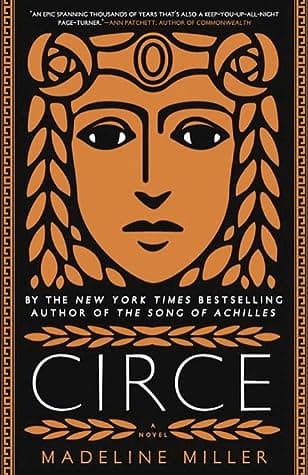
- Circe
Madeline Miller
4.3 (343k) average on GoodreadsFantasyMythological retelling from a female character's perspective with rich prose.
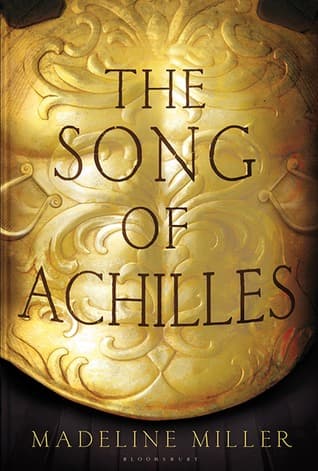
- The Song of Achilles
Madeline Miller
4.3 (228k) average on GoodreadsFantasyEpic Greek myth retold with a focus on character relationships and emotional depth.
- Harry Potter and the Sorcerer's Stone
J.K. Rowling
4.5 (7M) average on GoodreadsFantasyRescued from a miserable life under the stairs, an orphaned boy discovers he's a wizard destined for a magical school, where he uncovers a dangerous secret tied to the dark wizard who murdered his parents.
- The Hunger Games
Suzanne Collins
4.3 (6.4M) average on GoodreadsFantasyIn a future where children fight to the death on live television, Katniss Everdeen volunteers for the arena, turning a death sentence into a fight for survival and a spark of rebellion.
- 1984
George Orwell
4.2 (3.1M) average on GoodreadsPoliticsIn a future where surveillance and thought control are absolute, a man's search for truth clashes with the Party, showing that hope can be a form of rebellion.
- Divergent
Veronica Roth
4.2 (2.9M) average on GoodreadsFantasyIn a society divided by virtues, a sixteen-year-old's difference from the norm starts a rebellion that threatens her world.




Enjoyed the summary?
A summary gives you the shape of the book. The book itself has the detail, the examples and the voice.
Find Helen of Troy on AmazonAs an Amazon Associate, BookBrief earns from qualifying purchases. How we're funded