
Synopsis
Covers the whole plot, including the ending.
- Difficulty
- Medium
- Pacing
- Moderate
- Mood
- Melancholy, Romantic, Epic, Poignant
- Read it if
- You love Greek mythology retellings, epic romances with tragic endings, or stories focusing on character development and emotional depth within a historical setting.
- Skip it if
- You prefer fast-paced action over character-driven narratives, or find tragic love stories too disheartening.
The Song of Achilles Plot Summary
Covers the whole plot, including the ending.
Exile and a Fated Meeting
Patroclus, a young prince of Opus, is exiled to Phthia after accidentally killing a boy during a dice game. His father, King Menoitius, sees him as a failure. In Phthia, King Peleus, father of the demigod Achilles, takes him in. Patroclus feels like an outsider among the other boys training at court, but Achilles, known for his beauty, strength, and skill, chooses Patroclus as his companion. Despite their different personalities and backgrounds, a deep friendship starts. Achilles' immortal mother, Thetis, a sea nymph, quietly disapproves, as she foresees her son's glorious but short future.
Training with Chiron
As Achilles and Patroclus get older, their bond grows beyond friendship. King Peleus sends both boys to Mount Pelion to be taught by the centaur Chiron. There, they learn medicine, music, hunting, and warfare. Living in the wild, away from court and Thetis's watch, their love grows into a physical relationship. Patroclus feels confident and finds purpose with Achilles, while Achilles finds comfort and stability in Patroclus's constant affection and humanity. Chiron, seeing their connection, understands its depth.
The Call to War
News reaches Phthia that Paris of Troy has taken Helen of Sparta, starting a war among the Achaean kings. Odysseus, the king of Ithaca, comes to recruit Achilles, knowing a prophecy says the greatest hero is needed for the war to succeed. Achilles, fated for glory and a short life if he fights, or a long, ordinary one if he doesn't, at first resists. Thetis, wanting to save her son, hides him on Scyros disguised as a girl. Patroclus, sad about the separation, eventually helps Odysseus find Achilles, who is revealed when Odysseus tricks him into reacting to a call to arms.
Arrival at Troy and Early Battles
Achilles, now accepting his destiny, sails with Patroclus and the Myrmidons (Achilles' loyal warriors) to Troy. Patroclus, though not skilled in fighting, insists on going with Achilles, serving as his companion and medic. The Achaean forces gather at Aulis, where Agamemnon sacrifices Iphigenia to please Artemis and allow their fleet to sail. At Troy, the war quickly becomes a stalemate, lasting for years. Achilles shows himself to be a great warrior, leading raids and gaining much spoil and fame. Patroclus, meanwhile, cares for the wounded, both Trojan and Achaean, becoming very aware of the war's suffering.
The Briseis Dispute
After a raid on the city of Lyrnessus, Achilles claims Briseis, a Trojan priestess, as his war prize. Patroclus treats Briseis kindly, and she becomes a gentle presence in their tent. However, Agamemnon, the high king, must return his own war prize, Chryseis, to her father to appease Apollo, who has sent a plague on the Achaean camp. Angry about this, Agamemnon demands Briseis from Achilles as compensation. Achilles, feeling his honor insulted, refuses to fight for the Achaeans any longer and takes his Myrmidons from battle, retreating to his ships. Patroclus stays with Achilles, seeing the growing despair in the Achaean camp.
Achaean Losses Mount
With Achilles and his Myrmidons out of the fight, the war turns greatly in favor of the Trojans. Hector, the greatest Trojan warrior, leads his forces with new strength, pushing the Achaeans back towards their ships. Many Achaean heroes are wounded, and the camp falls into chaos and fear. Patroclus, seeing the suffering and the coming destruction of the Achaean fleet, tries to convince Achilles to return to battle, but Achilles stays stubborn, his pride more important than his comrades. Patroclus's frustration and pain grow as he sees his friends and allies die.
Patroclus Enters Battle
Unable to change Achilles' mind, Patroclus asks to wear Achilles' armor and lead the Myrmidons into battle, hoping to rally the Achaeans and push back the Trojans. Achilles, seeing the bad situation, agrees, but warns Patroclus to only push the Trojans away from the ships and not follow them to the city walls. Patroclus, wanting to save his people and prove himself, goes beyond Achilles' command. He fights bravely, pushing the Trojans back, but Apollo disarms him, Euphorbus wounds him, and Hector then kills him outside the Scaean Gates. His death breaks Achilles.
Achilles' Grief and Vengeance
The news of Patroclus's death causes Achilles great grief. He cries, covers himself in ash, and refuses to eat or sleep. His mother, Thetis, brings him new armor made by Hephaestus, but Achilles is driven only by revenge. He re-enters the battle with terrifying fury, killing Trojans without distinction. His rage is especially against Hector, whom he chases across the battlefield. He finally corners and kills Hector, then desecrates his body by dragging it behind his chariot around the walls of Troy, an act of disrespect from his sorrow for Patroclus.
The Ransom of Hector and Achilles' Fate
Days later, King Priam of Troy, disguised and led by Hermes, bravely enters the Achaean camp to ask Achilles for Hector's body. Moved by Priam's request and seeing their shared grief, Achilles gives in, returning Hector's body for proper burial. This moment offers a brief break from the war's brutality. Soon after, Achilles' prophesied death happens. Paris shoots him in the heel, his only weak spot, with an arrow guided by Apollo, outside the Scaean Gates. His death is a great blow to the Achaean forces, though they eventually take Troy using the Trojan Horse.
Patroclus's Spirit and Thetis's Intervention
After Achilles' death, his ashes are placed in a golden urn, but Patroclus's ashes stay in a separate, smaller urn. Patroclus's spirit stays by Achilles' tomb, unable to find peace or go to the Underworld because their ashes are not mixed. He watches the war end, Troy fall, and the Achaean heroes leave. Years pass, and the tomb is forgotten. Finally, Thetis, Achilles' mother, returns to the tomb. Seeing Patroclus's spirit and understanding his love for her son, she overturns the urn holding Patroclus's ashes, mixing them with Achilles's. This allows Patroclus's spirit to finally rest and join Achilles in the afterlife, completing their bond.
Principal Figures
Patroclus
Protagonist
Exiled prince, companion and lover of Achilles, and the narrator of the story.
Patroclus begins as an awkward, quiet, and somewhat fearful young prince, exiled from his home after an accidental killing. He lacks the traditional heroic qualities of strength and charisma. However, he possesses deep empathy, kindness, and a natural talent for healing. His love for Achilles transforms him, giving him confidence and purpose. He is the moral compass of the story, often questioning the glory and brutality of war, and his compassion extends to both allies and enemies. His perspective humanizes Achilles and the larger-than-life events of the Trojan War.
Relationships: Achilles (Childhood friends, lovers, soulmates); Thetis (Antagonistic; she disapproves of his relationship with Achilles); Chiron (Mentor and guardian); Briseis (Friend and fellow captive)
Achilles
Co-Protagonist
The demigod hero, famed for his beauty, strength, and destined for glory.
Achilles is the son of King Peleus and the sea nymph Thetis, destined to be the greatest warrior of his age. He is exceptionally beautiful, charismatic, and a prodigy in all arts, especially warfare. Despite his divine heritage and immense pride, he is deeply devoted to Patroclus, who brings out his humanity and vulnerability. He struggles with his fated glory versus a life of peace, and his pride often leads to catastrophic decisions, most notably his withdrawal from battle. His grief over Patroclus's death drives his most brutal and heroic acts.
Relationships: Patroclus (Childhood friends, lovers, soulmates); Thetis (Mother, overprotective and manipulative); Peleus (Father, proud but distant); Agamemnon (Rival and commander-in-chief, source of conflict)
Thetis
Antagonist/Supporting
A powerful sea nymph and Achilles' immortal mother, who fiercely protects her son.
Thetis is Achilles' immortal mother, a cold and powerful sea nymph. She is fiercely protective of her son, obsessed with his glorious destiny and immortality. She despises Patroclus, viewing him as a weak human who distracts Achilles from his fated path and potentially taints his divinity. She often intervenes in mortal affairs, using her power to influence events and ensure Achilles' fame, even at the cost of human lives. Despite her antagonism towards Patroclus, her final act reveals a grudging acceptance and understanding of their profound bond.
Relationships: Achilles (Son, whom she adores and manipulates); Patroclus (Hates him for being a mortal influence on Achilles); Peleus (Estranged husband)
Odysseus
Supporting
The cunning king of Ithaca, known for his intelligence and strategic mind.
Odysseus is a shrewd and manipulative Achaean king, renowned for his intelligence, eloquence, and cunning. He is instrumental in recruiting Achilles for the Trojan War and often acts as a negotiator and strategist for the Achaean forces. While he respects Achilles' power, he is wary of his pride and volatile nature. He often uses trickery and persuasion to achieve his goals, embodying the more pragmatic and less honorable aspects of heroism. He is a survivor, always thinking several steps ahead.
Relationships: Achilles (Ally and strategic asset); Agamemnon (Fellow commander, often working together on strategy)
Chiron
Supporting
The wise centaur, mentor to many heroes, including Achilles and Patroclus.
Chiron is a wise and gentle centaur, renowned as a teacher of heroes. He lives on Mount Pelion and instructs Achilles and Patroclus in medicine, music, hunting, and warfare. He is a benevolent and understanding figure who recognizes the unique and profound bond between Achilles and Patroclus. He encourages their love and helps Patroclus find his own strengths. He represents wisdom, nature, and a calmer, more humane approach to life than the brutal world of war.
Relationships: Achilles (Mentor and teacher); Patroclus (Mentor and teacher)
Hector
Antagonist/Supporting
The greatest Trojan warrior and prince, brother of Paris.
Hector is the eldest prince of Troy and the city's most formidable defender. He is a noble, honorable, and skilled warrior, driven by his love for his family and his city. He embodies the Trojan counterpoint to Achilles' Achaean heroism, fighting not for glory but for the survival of his people. His death at Achilles' hands is a pivotal moment, marking the beginning of the end for Troy and the ultimate expression of Achilles' grief-fueled rage. He is a tragic figure, destined to fall defending his homeland.
Relationships: Achilles (Sworn enemy, fated to kill each other); Priam (Father and king); Andromache (Wife)
Briseis
Supporting
A captured Trojan priestess, Achilles' war prize and Patroclus's friend.
Briseis is a young Trojan priestess captured by Achilles during a raid and taken as his war prize. She is initially fearful but finds kindness and respect from Patroclus. She becomes a quiet, gentle presence in Achilles' tent, and her forced separation from Achilles by Agamemnon sparks Achilles' withdrawal from battle. She develops a bond of friendship and mutual understanding with Patroclus, sharing their experiences as captives and outsiders within the Achaean camp. Her suffering highlights the human cost of war.
Relationships: Achilles (Captor and master, but also shows her respect); Patroclus (Friend and confidante, treats her with kindness)
Agamemnon
Supporting
The High King of Mycenae and commander of the Achaean forces.
Agamemnon is the arrogant and power-hungry High King of Mycenae, leading the Achaean forces against Troy. He is primarily driven by pride, ambition, and a desire for glory and spoils. His insult to Achilles by taking Briseis leads to the central conflict that prolongs the war and causes immense suffering for the Achaeans. He represents the corrupting influence of power and the hierarchical structure of the Achaean leadership, often making decisions based on personal honor rather than strategic wisdom or compassion.
Relationships: Achilles (Commander and subordinate, but also bitter rival); Menelaus (Brother)
King Peleus
Supporting
Achilles' mortal father and the King of Phthia.
King Peleus is Achilles' mortal father and the benevolent king of Phthia. He is a respected ruler and a proud father, though often overshadowed by his son's divine heritage and his wife's power. He takes Patroclus in after his exile and shows him kindness. He is keen for Achilles to achieve glory but also expresses concern for his son's wellbeing. He represents a more traditional, honorable kingship compared to figures like Agamemnon, though he is ultimately powerless to change Achilles' fate.
Relationships: Achilles (Son, whom he loves and is proud of); Patroclus (Adopted son, whom he treats with kindness); Thetis (Estranged wife)
Themes & Insights
Love and Sacrifice
The main theme is the deep, unconditional love between Achilles and Patroclus. Their bond drives the story, going beyond society's rules, divine disapproval, and the horrors of war. Patroclus's sacrifice, wearing Achilles' armor to save the Achaeans, comes from his love and concern for Achilles' standing and their comrades' lives. Achilles' grief and revenge are a direct result of this love, showing its power. The story suggests that this human love lasts longer than immortal fame.
“We were like gods, after all, and what was a god to do with so much love?”
Glory vs. Humanity
The novel often compares the pursuit of immortal glory, a goal for Achilles and many Achaean heroes, with the value of human connection, kindness, and a peaceful life. Achilles is torn between his fated destiny for great fame and his wish for a long, loving life with Patroclus. Patroclus, instead, always values humanity, healing, and empathy over fighting skill and fame. The war's tragic events, especially Patroclus's death and Achilles' anger, show the high cost of valuing glory over human lives and love.
“I could recognize the truth, even if I could not live it. Glory was a hollow thing.”
Identity and Self-Discovery
Both Patroclus and Achilles grow as people. Patroclus, at first a shy, exiled prince, finds his purpose and bravery through his relationship with Achilles and his role as a healer. He finds his own strength and moral compass separate from Achilles'. Achilles, born into greatness, struggles with his destiny and his mother's expectations, learning what truly matters to him through his love for Patroclus. Their identities become linked, yet each character also develops a unique self, changed by war and love.
“He was a man, and I was Patroclus. We were two parts of a whole.”
The Brutality and Futility of War
The Trojan War is shown not as a glorious effort but as a long, brutal, and pointless conflict that brings much suffering and loss. Patroclus's view, as a medic and a kind observer, shows the terrible realities of battle, the many dead, and widespread grief. The war's endlessness and the small arguments among Achaean leaders (like Agamemnon and Achilles) show its lack of reason. The theme explores how war takes away humanity, replacing empathy with rage and pride, leading to tragic, avoidable deaths and despair.
“I had seen too much, too many wounds, too many tears. The war was a monster, gorging itself on everything.”
Fate vs. Free Will
The novel looks at the tension between predetermined destiny and individual choices. Achilles is often reminded of his prophecy – a glorious but short life if he fights, or a long, ordinary one if he doesn't. Thetis actively tries to guide him towards his fated glory. However, Achilles's love for Patroclus and his personal choices, such as leaving battle or returning to avenge Patroclus, show moments of free will that go against fate's path, even if the end result is unavoidable. Patroclus also makes choices that shape his destiny, especially his decision to enter battle in Achilles's armor.
“He was a god, that much was true. But he was also a man, and men can choose.”
Plot Devices & Literary Techniques
First-Person Retrospective Narration (Patroclus)
The entire story is told from Patroclus's intimate, personal perspective, looking back on his life.
The novel is narrated entirely by Patroclus, recounting his life with Achilles from their first meeting to his own death and beyond. This perspective offers an intensely personal and emotional lens through which to view the epic events of the Trojan War. It allows for deep insight into the characters' inner lives, particularly Patroclus's empathy and Achilles's complexity, humanizing the demigod hero. It also shapes the themes, emphasizing love, loss, and the human cost of war over traditional heroic glory. The retrospective nature allows Patroclus to reflect on the significance of events as they unfold.
The Prophecy of Achilles
The foretelling of Achilles' glorious but short life, influencing his choices and actions.
The prophecy that Achilles will have a choice between a long, unremarkable life or a short, glorious one is a constant presence throughout the narrative. It drives Thetis's efforts to steer Achilles towards glory and shapes Achilles's own internal conflict. This device creates dramatic irony and a sense of impending doom, as readers know Achilles's ultimate fate. It also highlights the theme of fate versus free will, as Achilles's choices, particularly those driven by his love for Patroclus, sometimes seem to defy or delay the prophecy, even as they ultimately lead him to it.
Achilles' Armor
A powerful symbol of identity, glory, and tragic substitution.
Achilles' armor is a potent symbol. Initially, it represents his divine heritage, unparalleled skill, and fated glory. When Patroclus wears it, the armor symbolizes his love and sacrifice, his attempt to embody Achilles's power to save their comrades. However, it also becomes a symbol of mistaken identity and tragic irony, as Patroclus is killed while wearing it, directly leading to Achilles's devastating grief and vengeful return to battle. Later, the new armor forged by Hephaestus further emphasizes Achilles's terrifying, god-like rage and his abandonment of humanity in pursuit of vengeance.
Thetis's Interventions
Divine interference in mortal affairs, often to protect Achilles or fulfill his destiny.
Thetis, as an immortal sea nymph, frequently intervenes in the mortal world, often to manipulate events in Achilles's favor or to ensure his fated glory. Her interventions range from hiding Achilles on Scyros to bringing him new armor from Hephaestus and ultimately mingling his ashes with Patroclus's. These divine actions highlight the tension between mortal agency and immortal power, and they underscore Thetis's complex, often ruthless, love for her son. Her presence adds a layer of mythic grandeur and predestination to the human drama.
The Myrmidons
Achilles' loyal, fierce, and almost interchangeable warriors, reflecting his power and isolation.
The Myrmidons are Achilles' elite, fiercely loyal warriors, depicted as a cohesive, almost inhumanly efficient fighting force. Their unwavering devotion to Achilles underscores his charisma and leadership. They act as a physical extension of Achilles's will on the battlefield. Their unyielding obedience also highlights Achilles's isolation at the top of the hierarchy, and their grief over Patroclus's death emphasizes the collective impact of his loss, even as Patroclus's relationship with them is more personal than Achilles's.
The Song of Achilles Quotes
“I could recognise him by touch alone, by smell; I would know him blind, by the way his breath came and went. I would know him in death, at the end of the world.”
“We were like gods, living for the touch of our hands, and the feel of our skin, and the taste of our lips. We were like gods, and we did not know it.”
“Name one hero who was happy.”
“He was a weapon, a beautiful piece of flesh and bone, honed for battle. He was a god, in all but name.”
“I am not a hero. I am a murderer.”
“And perhaps it is the greater grief, after all, to live, to see all these good men die, and not die with them.”
“He is a man, and I am a woman. We are not meant to be.”
“It is not a question of if you will die, but when. And how.”
“I will never leave him. Not even in death.”
“He was a storm, and I was the tree he bent. I was the river to his sea. I was the earth to his sky.”
“Show me a hero, and I will write you a tragedy.”
“In the darkness, two shadows, reaching through the hopeless, shining night.”
“This is what I will tell you, my son. Your father was the bravest man I ever knew.”
“I am made of memories.”
Quiz
10 questions on the plot and the characters. Each answer comes with a short explanation.
Question 1
Why is Patroclus initially exiled to Phthia, the court of King Peleus?
- He accidentally killed another boy during a game.
- He stole a valuable artifact from his father's treasury.
- He refused to participate in a ritual sacrifice.
- He spoke disrespectfully to an oracle.
Show answer
A. He accidentally killed another boy during a game. Patroclus is exiled from his homeland after he accidentally pushes a boy named Clysonymus off a wall to his death during a dispute over dice. His father, King Menoitios, sends him away to avoid further scandal.
Question 2
What is Thetis's primary concern regarding Achilles's relationship with Patroclus?
- She fears Patroclus will make Achilles too soft for battle.
- She believes Patroclus will distract Achilles from his destined glory.
- She is jealous of Patroclus's human connection with her son.
- She thinks Patroclus is not of noble enough birth for Achilles.
Show answer
B. She believes Patroclus will distract Achilles from his destined glory. Thetis, as a goddess concerned with Achilles's immortality and fated glory, sees Patroclus as a human weakness that could divert him from his legendary path. She repeatedly tries to separate them or diminish Patroclus's influence.
Question 3
Who is Chiron, and what role does he play in Achilles and Patroclus's youth?
- He is Achilles's mortal father, King Peleus, who teaches them statecraft.
- He is a centaur who mentors them in various skills like medicine, music, and combat.
- He is a priest of Apollo who prophesies Achilles's fate.
- He is a famous warrior who trains them for the Trojan War.
Show answer
B. He is a centaur who mentors them in various skills like medicine, music, and combat. Chiron is the wise centaur who lives on Mount Pelion and acts as a mentor and teacher to many heroes, including Achilles. He instructs both Achilles and Patroclus in a wide range of subjects, from healing arts to wrestling, shaping their development.
Question 4
What significant event prompts Achilles to finally join the war against Troy, despite his initial reluctance?
- The kidnapping of Helen by Paris, which he sees as a personal insult.
- The death of Patroclus, avenging his beloved friend.
- The prophecy that he will achieve undying glory if he fights at Troy.
- The abduction of Briseis from his tent by Agamemnon.
Show answer
D. The abduction of Briseis from his tent by Agamemnon. Achilles's main reason for withdrawing from battle and his subsequent return is directly tied to Agamemnon's disrespect. When Agamemnon takes Briseis, Achilles's war prize, he feels profoundly dishonored and refuses to fight, leading to many Greek losses.
Question 5
What is the primary theme explored through the relationship between Achilles and Patroclus?
- The conflict between duty to the gods and loyalty to one's king.
- The contrast between mortal love and immortal fame.
- The futility of war and the inevitability of fate.
- The struggle for power and leadership among men.
Show answer
B. The contrast between mortal love and immortal fame. The core of the novel lies in the profound love between Achilles and Patroclus, which stands in stark contrast to Achilles's fated pursuit of immortal glory. Patroclus represents the human heart, peace, and the value of a shared life, while Achilles is constantly pulled towards the 'glory' that will ultimately cost him everything.
Question 6
How does Patroclus manage to convince Achilles to allow him to fight in his armor?
- He reminds Achilles of his oath to protect the Achaeans.
- He appeals to Achilles's desire to scare the Trojans and save the Greek ships.
- He threatens to leave Troy if Achilles continues to refuse to fight.
- He argues that it is his duty as Achilles's closest companion.
Show answer
B. He appeals to Achilles's desire to scare the Trojans and save the Greek ships. Patroclus convinces Achilles by highlighting the desperate situation of the Achaeans, whose ships are burning. He proposes wearing Achilles's armor to make the Trojans believe Achilles has returned to battle, thereby scaring them away and giving the Greeks a chance to recover.
Question 7
What is the specific instruction Achilles gives Patroclus before he enters battle in Achilles's armor, which Patroclus ultimately disobeys?
- To only defend the ships and not pursue the Trojans to the city walls.
- To specifically target Hector in battle.
- To not engage with any gods or goddesses on the battlefield.
- To retrieve a specific Trojan artifact as a trophy.
Show answer
A. To only defend the ships and not pursue the Trojans to the city walls. Achilles explicitly warns Patroclus to only push the Trojans back from the ships and not to pursue them further towards the city walls of Troy, fearing for Patroclus's safety and the wrath of the gods. Patroclus, caught up in the fervor of battle, disregards this command, leading to his demise.
Question 8
Which god actively intervenes in the battle to weaken Patroclus, allowing Hector to deliver the killing blow?
- Apollo
- Zeus
- Poseidon
- Ares
Show answer
A. Apollo Apollo is the god who intervenes directly in Patroclus's final moments. He strikes Patroclus from behind, removing his helmet and armor, and disorienting him, making him vulnerable to Euphorbus's spear and then Hector's fatal blow.
Question 9
After Patroclus's death, what does Thetis do to try and ensure Patroclus's memory is erased or minimized?
- She commissions a new, magnificent set of armor for Achilles, distracting him from his grief.
- She instructs the bards to omit Patroclus's name from the songs of Achilles's deeds.
- She sends Achilles on a quest to retrieve a magical item, hoping to distract him.
- She tries to arrange a marriage for Achilles to a nymph.
Show answer
B. She instructs the bards to omit Patroclus's name from the songs of Achilles's deeds. Thetis, consistently viewing Patroclus as a stain on Achilles's immortal legacy, attempts to erase his memory. She instructs the bards, who shape public perception and history, to sing only of Achilles's glory and omit any mention of Patroclus, particularly their relationship.
Question 10
What is the ultimate fate of Achilles's ashes, and whose actions ensure it?
- They are scattered at sea by Thetis, as per his mother's divine will.
- They are buried with Patroclus's ashes, thanks to Neoptolemus's respect for his father.
- They are interred in a separate, grand tomb to emphasize his singular glory.
- They are mixed with Patroclus's ashes in the same urn, at the insistence of Thetis, swayed by Patroclus's ghost.
Show answer
D. They are mixed with Patroclus's ashes in the same urn, at the insistence of Thetis, swayed by Patroclus's ghost. Initially, Thetis prevents Patroclus's name from being carved on Achilles's tomb. However, after Patroclus's persistent ghost explains to Thetis that they promised to be together in death, and Achilles desired it, she finally relents. She ensures their ashes are mixed in the same urn, fulfilling their wish for eternal companionship.
The Song of Achilles FAQ
What is 'The Song of Achilles' about?
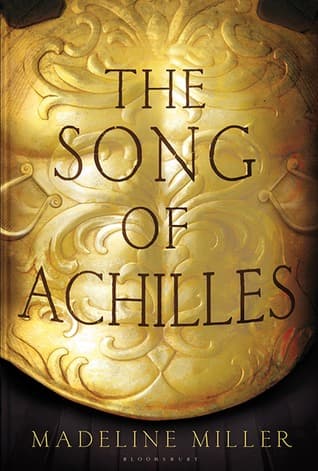
'The Song of Achilles' retells Homer's Iliad from the perspective of Patroclus, an exiled young prince who forms an unbreakable bond with the demigod Achilles. It chronicles their deep love story, their training under Chiron, and their ultimate journey to the Trojan War, where their choices and fates are intertwined with prophecy and the will of the gods.
Why should I read 'The Song of Achilles'?
You should read 'The Song of Achilles' for its breathtaking prose, its deeply moving portrayal of one of literature's most iconic relationships, and its fresh, humanizing take on ancient myths. It offers a poignant exploration of love, loss, and the cost of glory, making the legendary figures of the Trojan War feel intimately relatable.
What is the background/setting of 'The Song of Achilles'?
The book is set in ancient Greece during the Heroic Age, a time of myth and legend, before and during the Trojan War. It spans various locations including Phthia, the court of King Peleus; Mount Pelion, where Achilles and Patroclus train with Chiron; and ultimately, the besieged city of Troy, where the majority of the story unfolds.
What are the most memorable quotes?
Some memorable quotes include, 'We were like gods, at the dawning of the world, and our joy was so bright we could see nothing else but the other.' Another is, 'Name one hero who was happy.' and Patroclus's lament, 'I am a weapon, a killer. Do not touch me. It is not safe.' These quotes encapsulate the themes of love, fate, and the tragedy of war.
What writing style does the author use?
Madeline Miller employs a lyrical, evocative, and deeply immersive writing style, characterized by rich imagery and emotional depth. Her prose is elegant yet accessible, drawing readers into the ancient world while making the characters' internal lives feel profoundly modern and relatable, always maintaining Patroclus's intimate first-person perspective.
What minor details add significant meaning?
The recurring motif of Achilles's lyre, which Patroclus learns to play, symbolizes their shared intimacy and the peaceful, domestic side of their relationship, a stark contrast to the violence of war. Also, the specific details of their shared tent in Troy highlight their chosen isolation and devotion amidst the chaos of the Greek camp.
What are some subtle foreshadowing moments?
Early in their youth, Achilles's mother Thetis repeatedly warns Patroclus to stay away from her son, hinting at the tragic fate awaiting Achilles and implying Patroclus's role in it. Furthermore, Chiron's teachings often touch upon the nature of mortality and the choices heroes face, subtly preparing the reader for the inevitable sacrifices.
What unexpected character connections exist?
An unexpected connection is Patroclus's bond with Briseis, a Trojan captive given to Achilles. While initially a spoil of war, Patroclus treats her with kindness and respect, forming a quiet alliance with her that underscores his compassionate nature and offers a glimpse of humanity amidst the brutal war.
What are unspoken character motivations?
Achilles's unspoken motivation for choosing glory over a long life, despite Patroclus's pleas, stems from a deep-seated fear of oblivion and a desire to fulfill the prophecy that grants him immortal fame. His need to be 'the best of the Achaeans' often overrides his personal desires, even for Patroclus.
What psychological complexities do characters exhibit?
Achilles grapples with the immense pressure of his divine heritage and the prophecy of his death, leading to a complex mix of arrogance, vulnerability, and a profound fear of losing what he loves. Patroclus, on the other hand, deals with feelings of inadequacy and exile, finding his strength and identity through his love and devotion to Achilles.
What are the major emotional turning points?
A major emotional turning point is when Patroclus dons Achilles's armor and goes into battle, leading to his death. This act of self-sacrifice and misguided heroism shatters Achilles, triggering his grief-fueled rampage and ultimately sealing his own fate. Another is their initial embrace, solidifying their romantic bond after years of friendship.
How do relationship dynamics evolve?
The relationship between Achilles and Patroclus evolves from an unlikely childhood friendship between a prince and an exile, to a deep, passionate romantic love, and finally to an inseparable partnership on the battlefield. Their dynamic shifts from Achilles being Patroclus's protector to Patroclus becoming Achilles's moral compass and emotional anchor.
Which parts remain ambiguous or open-ended?
The exact nature of Patroclus's fate in the afterlife remains somewhat ambiguous until the very end, as his spirit lingers, unable to fully move on without Achilles. The precise details of the gods' direct interventions, while present, are often seen through the lens of human interpretation, leaving some divine motivations open to reader's own understanding.
What are controversial scenes or decisions?
Achilles's decision to withdraw from battle after Agamemnon seizes Briseis is a controversial one, as it directly leads to the suffering and death of many Greeks, including Patroclus. His subsequent desecration of Hector's body is also a deeply unsettling and controversial act, driven by grief and rage, challenging his heroic image.
'The Song of Achilles' ending explained: how it ends & what it means
The book ends with Patroclus's spirit lingering at his and Achilles's shared tomb after Achilles's death. Thetis, after years of animosity, finally acknowledges Patroclus's importance to Achilles and carves Patroclus's name onto Achilles's tombstone, allowing their spirits to reunite in the afterlife. This ending signifies that their love transcends even death and divine interference, granting them eternal peace together.
About the author

Madeline Miller is an American author known for her works of fiction that draw on classical mythology. Her notable books include "Circe," which reimagines the life of the witch from Homer's "Odyssey," and "The Song of Achilles," a retelling of the relationship between Achilles and Patroclus during the Trojan War. Both novels have received significant attention and recognition in contemporary literature.
Similar books
- Circe
Madeline Miller
4.3 (343k) average on GoodreadsFantasyAnother beautifully written Greek mythology retelling focusing on a complex character.
- Harry Potter and the Sorcerer's Stone
J.K. Rowling
4.5 (7M) average on GoodreadsFantasyRescued from a miserable life under the stairs, an orphaned boy discovers he's a wizard destined for a magical school, where he uncovers a dangerous secret tied to the dark wizard who murdered his parents.
- The Hunger Games
Suzanne Collins
4.3 (6.4M) average on GoodreadsFantasyIn a future where children fight to the death on live television, Katniss Everdeen volunteers for the arena, turning a death sentence into a fight for survival and a spark of rebellion.
- 1984
George Orwell
4.2 (3.1M) average on GoodreadsPoliticsIn a future where surveillance and thought control are absolute, a man's search for truth clashes with the Party, showing that hope can be a form of rebellion.
- Divergent
Veronica Roth
4.2 (2.9M) average on GoodreadsFantasyIn a society divided by virtues, a sixteen-year-old's difference from the norm starts a rebellion that threatens her world.
- The Hobbit, or There and Back Again
J.R.R. Tolkien
4.3 (2.9M) average on GoodreadsFantasyA comfort-loving hobbit named Bilbo Baggins is whisked away by a mischievous wizard and a band of dwarves on an unexpected journey to reclaim stolen treasure from a fearsome dragon, discovering courage and a magical ring along the way.





Enjoyed the summary?
A summary gives you the shape of the book. The book itself has the detail, the examples and the voice.
Find The Song of Achilles on AmazonAs an Amazon Associate, BookBrief earns from qualifying purchases. How we're funded