
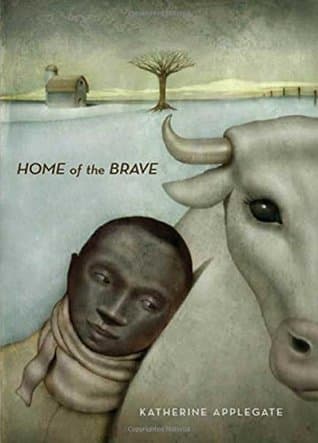
Synopsis
Covers the whole plot, including the ending.
- Difficulty
- Easy
- Pacing
- Moderate
- Mood
- Hopeful, Poignant, Heartwarming, Reflective
- Read it if
- You enjoy heartwarming stories about resilience, immigration, and finding hope in challenging circumstances, especially for middle-grade readers.
- Skip it if
- You prefer fast-paced adventure stories or are not interested in character-driven narratives focusing on emotional journeys.
Home of the Brave Plot Summary
Covers the whole plot, including the ending.
A New World: Snow, Ice, and Uncle Abdi
Kek, a young boy from Sudan, arrives in Minnesota during a harsh winter, having survived the war that claimed his father and brother. He meets his uncle, Abdi, who is already settled in America. Kek immediately notices the unfamiliar cold, the snow, and the vast, impersonal airport. He struggles with English, relying heavily on Abdi to translate the confusing new world. His first impressions are a mixture of awe and fear, as he deals with the loss of his family and the contrast between his African village and this modern country. Abdi tries to explain 'refugee' and the complexities of their new life, but Kek's mind is still processing the trauma and the foreignness of everything.
First Encounters: Hannah and the School Bus
Kek begins to adjust to his new life, which includes attending an American school. He meets Hannah, a girl from Liberia who lives in the same foster home as his cousin, Ganwar. Hannah is at first cautious but becomes a supportive friend, helping Kek with school and language barriers. Kek struggles with English, feeling isolated and misunderstood by his teachers and classmates. He tries to communicate his experiences and feelings, often using metaphors from his past life, which confuses those around him. The school bus, cafeteria, and classroom are all new to him, making him feel his displacement and loneliness, despite Abdi's help.
A Cow, A Farm, and a Glimmer of Hope
While exploring, Kek finds a rundown farm on the edge of town. There, he sees an old, neglected cow, which brings back memories from his past in Sudan, where cattle were central to his family's life. He names the cow 'Goliat,' which means 'family' in his language. The farm is owned by an elderly woman named Lou, who is struggling to maintain it and is thinking of selling Goliat. Kek feels a connection to Goliat, seeing in her a reflection of his lost home and family. He begins to secretly visit the farm, caring for the cow and finding comfort in her presence, a small piece of his old world in the new.
Working for Goliat's Future
Wanting to save Goliat, Kek asks Lou if he can work on her farm. Lou, at first hesitant, agrees, and Kek begins doing various chores, despite his inexperience with American farm equipment. He works hard, cleaning the barn, feeding Goliat, and helping with other tasks, all while learning new words and customs. His efforts are not just about the cow; they are also a way for him to feel useful and connected in a world where he often feels helpless. He earns a small wage, which he saves, believing that if he earns enough money, he can prevent Goliat from being sold, thus keeping a piece of his cultural heritage and emotional comfort.
The Search for Mother Intensifies
Throughout his adjustment, Kek's main concern remains his missing mother. Abdi often visits the refugee agency, making calls and inquiries, but news is slow and often discouraging. Kek holds onto a strong hope that his mother is alive and will join him. He often draws pictures of her, keeping her image in his mind. The uncertainty of her fate is a constant ache, underlying all his new experiences. Abdi tries to prepare Kek for the possibility of bad news, but Kek's resilience and belief in his mother's survival remain strong, fueled by memories and a child's optimism.
The Snow Plow and a New Skill
As winter gets colder, the snow becomes a major problem. Kek sees Lou struggling with an old, broken snow plow. Using his natural mechanical ability and a desire to help, Kek tries to fix it. With some guidance from Lou and much trial and error, he gets the plow working. This experience is a turning point for Kek. It not only helps Lou but also gives Kek a sense of accomplishment and a useful skill in his new environment. It shows his ability to adapt and contribute, bridging the gap between his old life and the demands of his new one.
Ganwar's Story and Shared Grief
Kek's cousin, Ganwar, at first seems distant and angry, dealing with his own trauma of losing his hand in the war and seeing his family die. Over time, as Kek shares his hopes and fears, Ganwar begins to open up. He tells Kek about the violence he endured and the constant struggle to find peace in America. This shared vulnerability creates a stronger bond between the cousins. Ganwar, who has been in America longer, offers Kek insights into the challenges of assimilation and the lasting pain of their past, helping Kek feel less alone in his grief and confusion. They find common ground in their shared refugee experience and the longing for their lost home.
Goliat's Fate and a Difficult Decision
Despite Kek's efforts and the money he has earned, Lou tells him she has no choice but to sell Goliat. The farm is too much for her to manage, and she can no longer afford the cow. This news devastates Kek, who sees Goliat as his last link to his homeland and his family. He feels a deep sense of powerlessness and loss, like the forced separations he experienced in Sudan. Lou, seeing Kek's distress, tries to explain the practicalities, but for Kek, it's another painful lesson in the impermanence of things and the realities of his new life.
A Community's Compassion
Upon hearing about Goliat's impending sale, Hannah, Ganwar, Abdi, and Lou recognize the deep emotional meaning the cow holds for Kek. They decide to work together to find a suitable new home for Goliat, one where she won't be slaughtered. Hannah uses her connections to find a local sanctuary farm that takes in animals. This collective effort shows the growing community and support system Kek has built around himself. It's a moment of hope and shared humanity, showing Kek that even in this new, often cold world, there are people who care and are willing to help.
Reunion and New Beginnings
After months of uncertainty, Abdi receives the news: Kek's mother has been found alive in a refugee camp and will come to America. The joy and relief are immense, but also mixed with the understanding that she, too, will carry the scars of their past. Kek, now more confident in his English and his ability to navigate his new world, is ready to welcome her. The book ends with Kek and his family, including Hannah, Ganwar, and Lou, watching the snow melt, symbolizing the end of winter and the start of a new chapter for Kek and his mother in their new home, filled with memories and new possibilities.
Home of the Brave Characters
Kek
Protagonist
A young Sudanese refugee navigating a new life in America while searching for his mother.
Kek is a resilient and deeply empathetic young boy, the sole survivor of his immediate family after the war in Sudan. He arrives in Minnesota carrying immense trauma and grief, but also an unwavering sense of hope and a profound connection to his cultural heritage. He struggles with the English language and the alien customs of America, often feeling bewildered and isolated. His journey is one of adaptation, learning to find his voice, and slowly building new connections. He finds solace in the natural world, particularly his bond with the cow, Goliat, which represents his lost home and family. Kek's innocence and optimism, despite his hardships, drive his desire to understand and belong.
Relationships: Abdi (Caring uncle and guardian); Ganwar (Older cousin, initially distant but later a supportive confidant); Hannah (Close friend and fellow refugee); Lou (Elderly farm owner and mentor); Goliat (A cow representing his lost family and home)
Abdi
Supporting
Kek's uncle and guardian, trying to balance his own immigrant life with caring for Kek.
Abdi is Kek's paternal uncle, who has been in America longer and serves as Kek's primary guardian. He is a kind, responsible, but often overwhelmed man, trying his best to provide for Kek while also navigating his own challenges as an immigrant. He works hard, struggles with the complexities of the refugee system, and constantly worries about Kek's adjustment and the fate of Kek's mother. Abdi embodies the sacrifices and struggles of many refugees, attempting to build a new life while holding onto hope for his extended family. He tries to be a bridge for Kek between their old world and the new, often feeling the weight of that responsibility.
Relationships: Kek (Nephew and ward); Ganwar (Son); Kek's Mother (Sister-in-law, whom he is actively trying to locate)
Hannah
Supporting
A Liberian foster child who becomes Kek's first true friend in America.
Hannah is a wise and resilient girl from Liberia, living in the same foster home as Ganwar. She is initially cautious but quickly becomes Kek's closest friend and guide in the bewildering world of American school and culture. Having experienced her own trauma and displacement, Hannah understands Kek's struggles on a deep level. She is practical, resourceful, and often provides Kek with much-needed advice and emotional support, helping him understand social cues and navigate the English language. She represents the solidarity and shared experience among refugee children, forming a new 'family' with Kek and Ganwar.
Relationships: Kek (Close friend); Ganwar (Foster brother figure)
Lou
Supporting
An elderly, independent farm owner who offers Kek work and a connection to his past.
Lou is an elderly woman who owns a small, struggling farm on the outskirts of town. She is initially gruff and a bit reclusive, burdened by the challenges of maintaining her property alone. She is pragmatic and hardworking, but also possesses a deep, quiet compassion. Her farm, and especially her cow Goliat, provide Kek with a vital link to his past and a sense of purpose. Lou sees something special in Kek's dedication and allows him to work, inadvertently becoming a mentor and a surrogate grandmother figure. She represents the kindness and unexpected connections that can be forged across cultural divides.
Relationships: Kek (Employer/mentor, friend); Goliat (Her cow, which she eventually entrusts to Kek and the community)
Ganwar
Supporting
Kek's older cousin, bitter and withdrawn due to his own war trauma.
Ganwar is Kek's older cousin, who has been in America longer and carries the visible and invisible scars of the war, including the loss of his hand. He is initially withdrawn, angry, and struggles to adapt, often expressing cynicism about their new life. His bitterness stems from profound grief and the trauma of witnessing his family's deaths. Through his interactions with Kek, and by sharing his own story, Ganwar slowly begins to heal and connect. He serves as a contrast to Kek's initial optimism, highlighting the varying ways refugees cope with their past and present. He eventually becomes a more supportive figure for Kek, offering a protective presence.
Relationships: Kek (Cousin, initially distant but later a confidant); Abdi (Father); Hannah (Foster sister figure)
Goliat
Mentioned
A neglected cow on Lou's farm, symbolizing Kek's lost family and home.
Goliat is an old, neglected cow on Lou's farm that Kek discovers. She is not a character in the human sense but serves as a powerful symbol throughout the book. For Kek, Goliat represents his lost family, his village life in Sudan where cattle were revered, and a tangible connection to his past. His efforts to care for her and prevent her sale are central to his journey of healing and adaptation. Goliat's presence provides Kek with comfort, a sense of purpose, and a means to express his grief and hope. Her eventual rehoming symbolizes the community's acceptance of Kek and the possibility of finding new 'family' in America.
Relationships: Kek (Deep emotional bond, caretaker); Lou (Owner)
Kek's Mother
Supporting
Kek's missing mother, whose fate drives much of his hope and struggle.
Kek's mother is a powerful, though largely absent, presence throughout the book. Her disappearance during the war and the uncertainty of her fate are the driving force behind Kek's deepest hopes and fears. Kek carries vivid memories of her, drawing her picture and clinging to the belief that she is alive. She represents the lost home, the familial bond, and the ultimate goal of reunification for Kek. Her eventual discovery and impending arrival provide the emotional climax of the story, symbolizing the possibility of healing and rebuilding a new life, even after immense loss. She embodies resilience and the enduring power of family.
Relationships: Kek (Son, whose hope for her survival is central); Abdi (Brother-in-law)
Home of the Brave Themes
Loss and Grief
The book explores the loss experienced by refugees. Kek grieves for his father, brother, and the life he knew in Sudan. This grief appears in his confusion, his longing for his mother, and his connection to the cow, Goliat, as a symbol of his lost past. Ganwar's anger and withdrawal also come from his own traumatic losses. The story shows that while life moves on, the effects of loss remain, shaping characters' identities and their search for comfort. The constant uncertainty about Kek's mother's fate is a central part of this theme, showing how unresolved grief can affect every part of a new life.
“How can I be brave in a world so new and strange?”
Identity and Belonging
Kek's journey is about finding a new identity and belonging in a foreign land. He struggles with language, customs, and feeling like an outsider. His efforts to care for Goliat and work on Lou's farm are attempts to create purpose and connection, like his past. The friendships he forms with Hannah and Ganwar, who share similar experiences, help him feel less alone. Finding his place involves adapting to America and integrating his past experiences and cultural heritage into his new self, ending with the reunion with his mother and the acceptance of his new community.
“I will learn these new words. I will learn this new world.”
Hope and Resilience
Despite great hardship and loss, hope drives Kek. His belief that his mother is alive fuels his determination to adapt and find strength. His resilience is clear in his willingness to learn English, work on the farm, and build new relationships. The book shows the human ability to endure trauma and still look towards a brighter future. The eventual discovery of Kek's mother and the community's efforts to save Goliat show hope winning over despair, demonstrating that new beginnings are possible even after devastation.
“Hope is a thing with feathers. It sits in my heart.”
The Immigrant Experience
The novel portrays the challenges of the immigrant and refugee experience. From culture shock and language barriers to the bureaucratic difficulties of resettlement, Kek's story offers a look into the difficulties faced by those forced to leave their homes. It also shows the generosity and compassion of host communities, as seen in the kindness of Lou, Hannah, and Abdi's dedication. The book explores cultural assimilation versus preservation, the longing for home, and the process of building a new life while honoring one's past.
“This new world is a puzzle. I try to fit the pieces.”
Family and Community
The idea of family goes beyond blood relatives in the novel. While Kek longs for his immediate family, he gradually builds a new community that offers him support and belonging. Abdi, Ganwar, Hannah, and Lou all become part of Kek's extended 'family.' The efforts to save Goliat, which means 'family' in Kek's language, symbolize this broader understanding of community and the idea that family can be found in unexpected places. The reunion with his mother reinforces the importance of biological family, but the journey also emphasizes the role of chosen family and supportive networks in healing and thriving.
“Goliat. It means family. It means everything.”
Plot Devices & Literary Techniques
First-Person Poetic Prose
Narrative told from Kek's perspective using free verse poetry.
The entire novel is written in free verse poetry, narrated by Kek in the first person. This stylistic choice allows readers to experience Kek's thoughts, feelings, and cultural perspective directly and intimately. The poetic form, with its sparse language and evocative imagery, effectively conveys Kek's struggle with English, his profound sense of loss, and his unique way of seeing the world. It provides a window into his internal world, making his confusion, hope, and resilience deeply personal and accessible, while also mirroring the fragmented nature of his new experiences and memories.
Symbolism of Goliat (the Cow)
The cow represents Kek's lost home, family, and cultural heritage.
Goliat, the neglected cow Kek finds on Lou's farm, is a powerful symbol throughout the narrative. In Kek's Sudanese culture, cattle are central to life, representing wealth, status, and family. For Kek, Goliat becomes a living link to his past, a tangible piece of his lost world. His dedication to caring for her and his desperate attempts to save her from being sold symbolize his efforts to hold onto his identity, heal from his trauma, and find a sense of purpose and belonging in America. Her eventual rehoming signifies the possibility of finding new 'family' and a safe place in his new life.
Winter as Metaphor
The harsh Minnesota winter mirrors Kek's internal state and external challenges.
The brutal Minnesota winter serves as a pervasive metaphor for Kek's initial experience in America. The cold, snow, and ice represent the harshness, unfamiliarity, and emotional chill he feels as a refugee. The struggle against the elements—learning to navigate snow, dealing with frozen landscapes—parallels his struggle to adapt to a new culture and overcome his grief. As the story progresses and Kek begins to find warmth in friendships and hope for his mother's arrival, the melting of the snow and the arrival of spring metaphorically represent his own thawing, healing, and the promise of new beginnings.
Language Barrier
Kek's struggle with English highlights his isolation and the challenges of assimilation.
The language barrier is a central plot device, emphasizing Kek's isolation and the immense challenges faced by immigrants. His internal narration, though in English for the reader, constantly references his difficulty understanding and being understood. This device creates moments of confusion, humor, and pathos. It highlights how language is not just about words, but about culture, connection, and identity. Kek's gradual acquisition of English words and phrases marks his slow but steady progress in adapting to his new home and building bridges with those around him, symbolizing his journey towards integration.
Home of the Brave Quotes
“Sometimes the world is too big. And sometimes it is too small.”
“I am a boy from Africa. I am a boy who has seen too much.”
“A cow is a cow, but a cow is also a friend.”
“In America, there is too much of everything and not enough of nothing.”
“Hope is a fragile thing, like a bird's egg in your hand.”
“Words are like birds. They can fly away before you catch them.”
“Home is not a place on a map. Home is a place in your heart.”
“The sky in America is the same sky as in Africa. That is a comfort.”
“Bravery is not the absence of fear. It is doing what you must despite it.”
“A smile can be a bridge between two worlds.”
“Memories are like shadows. They follow you everywhere.”
“In the silence, I hear the voices of those I left behind.”
“Every day is a new page in a book you are writing with your life.”
“The heart is a stubborn thing. It hopes even when the mind knows better.”
Quiz
10 questions on the plot and the characters. Each answer comes with a short explanation.
Question 1
Where does Kek come from at the beginning of the book?
- Mexico
- Africa
- Asia
- Europe
Show answer
B. Africa Kek is an immigrant from Africa who arrives in America, where he experiences snow and winter for the first time, as described in the book summary.
Question 2
What does Kek see for the first time in America that makes him fall and feel its sting?
- Rain
- Snow
- Hail
- Fog
Show answer
B. Snow In the book, Kek sees snow for the first time in America, falls on the ice, and wonders if people will be as cold and unkind as the winter.
Question 3
Who from Kek's family in Africa has survived with him, but is now missing?
- His father
- His brother
- His mother
- His sister
Show answer
C. His mother Kek lived with his mother, father, and brother in Africa, but only he and his mother survived, and now his mother is missing, leaving him on his own in America.
Question 4
What is the name of the cow that Kek befriends, and what does it mean in his native language?
- Hope, meaning 'future'
- Family, meaning 'love'
- Ganwar, meaning 'strength'
- A name meaning 'family'
Show answer
D. A name meaning 'family' Kek befriends a cow whose name means 'family' in his native language, symbolizing connection and belonging in his new life.
Question 5
Which character does Kek befriend who is in foster care?
- An old woman
- A girl
- A boy
- A teacher
Show answer
B. A girl Kek makes friends with a girl who is in foster care, as mentioned in the summary, helping him build new relationships in Minnesota.
Question 6
What does Kek find to help him weather the tough Minnesota winter?
- Only his memories
- Warmth in new friendships, strength in memories, and belief in his new country
- A job and money
- His mother's return
Show answer
B. Warmth in new friendships, strength in memories, and belief in his new country As Kek awaits news about his mother, he copes with the winter by finding warmth in friendships, strength in memories, and belief in America, highlighting the book's themes of resilience and hope.
Question 7
In what state does Kek experience his first winter in America?
- New York
- California
- Minnesota
- Texas
Show answer
C. Minnesota Kek weathers the tough Minnesota winter, as specified in the book summary, which is known for its cold climate and contrasts with his African homeland.
Question 8
What award did 'Home of the Brave' receive in 2008?
- Newbery Medal
- Bank Street - Best Children's Book of the Year
- Caldecott Honor
- Coretta Scott King Award
Show answer
B. Bank Street - Best Children's Book of the Year The book is noted as a 2008 Bank Street - Best Children's Book of the Year, indicating its recognition in children's literature.
Question 9
How does Kek initially perceive the people in America based on his experience with winter?
- Warm and welcoming
- Cold and unkind
- Indifferent and busy
- Friendly but distant
Show answer
B. Cold and unkind After falling on ice and feeling the sting of snow, Kek wonders if people in America will be like the winter—cold and unkind—reflecting his initial fears and adjustment struggles.
Question 10
What is the primary theme of 'Home of the Brave' as described in the summary?
- A story about winning a competition
- An immigrant's journey from hardship to hope
- A tale of magical adventures
- A mystery about a missing person
Show answer
B. An immigrant's journey from hardship to hope The summary states that Katherine Applegate presents a novel about an immigrant's journey from hardship to hope, capturing Kek's experiences of loss, adaptation, and finding new beginnings.
Home of the Brave FAQ
What is 'Home of the Brave' about?
The novel follows Kek, a young Sudanese refugee who arrives in Minnesota after surviving civil war in Africa that killed his father and brother and left his mother missing. As he navigates a harsh winter, unfamiliar customs, and loneliness, he forms friendships with a foster care girl, an elderly farm owner, and a cow named Gol (meaning 'family'), finding hope and resilience while awaiting news about his mother's fate.
Why should I read 'Home of the Brave'?
This book offers a poignant, accessible look at the immigrant experience through the eyes of a child, blending themes of loss, adaptation, and hope. Katherine Applegate's spare, poetic prose and Kek's authentic voice make it both emotionally resonant and educational for readers of all ages, earning it recognition as a Bank Street Best Children's Book of the Year.
What is the background/setting of 'Home of the Brave'?
The story alternates between Kek's memories of his pastoral life in Sudan, marked by civil war and tragedy, and his new reality in wintry Minnesota, USA. The contrasting settings—war-torn Africa vs. cold, modern America—highlight Kek's displacement and the challenges of adapting to a foreign culture while clinging to his heritage.
What are the most memorable quotes?
Notable quotes include Kek's reflection on snow: 'I see snow for the first time, and feel its sting,' symbolizing his initial fear of America, and his thought about the cow Gol: 'Her name means family, and that is what I need.' These lines capture the novel's themes of coldness vs. warmth and the search for belonging.
What writing style does the author use?
Katherine Applegate employs a first-person narrative in free verse poetry, with short, sparse lines that mirror Kek's broken English and fragmented emotions. This style emphasizes his innocence, cultural adjustment, and inner turmoil, making the story both lyrical and easy for young readers to engage with.
What minor details add significant meaning?
Small details like Kek's fascination with a washing machine (symbolizing the novelty and confusion of American life) and his repeated drawing of a cow (connecting to his pastoral past) underscore his displacement. The cow Gol's name meaning 'family' subtly represents Kek's longing for connection in his new home.
What are some subtle foreshadowing moments?
Early scenes of Kek falling on ice and fearing the cold 'sting' of snow foreshadow his initial struggles with alienation in America. His attachment to Gol the cow hints at his eventual finding of surrogate family, while his persistent hope about his mother foreshadows the ambiguous, open-ended conclusion regarding her fate.
What unexpected character connections exist?
Kek bonds with Hannah, a girl in foster care who also feels alone, creating a parallel between immigrant and domestic displacement. His relationship with the elderly farm owner, Lou, who offers him work and kindness, shows how intergenerational friendships can bridge cultural gaps and provide mutual support.
What are unspoken character motivations?
Kek is driven by an unspoken need to preserve his identity and memories of Africa while proving his worth in America, often hiding his grief over his family. Hannah seeks stability and acceptance through her friendship with Kek, while Lou's kindness may stem from her own loneliness or a desire to atone for past regrets.
What psychological complexities do characters exhibit?
Kek grapples with survivor's guilt, trauma from war, and the stress of acculturation, yet maintains childlike optimism. Hannah displays resilience masking vulnerability from her foster care experiences. Lou embodies quiet wisdom and patience, possibly reflecting her own life lessons, making their interactions rich with emotional depth.
What are the major emotional turning points?
Key moments include Kek's first fall on ice (symbolizing his initial defeat), bonding with Gol (sparking hope), forming friendships with Hannah and Lou (building community), and the climax where he awaits news of his mother—a turning point that tests his faith and leads to a bittersweet acceptance of uncertainty.
How do relationship dynamics evolve?
Kek starts isolated and fearful, but through shared experiences—like helping on Lou's farm and confiding in Hannah—he transitions to trust and interdependence. His bond with Gol evolves from curiosity to deep affection, mirroring his growing sense of belonging, while his relationships help him balance his past and present identities.
Which parts remain ambiguous or open-ended?
The fate of Kek's mother is left unresolved, allowing readers to ponder whether she is alive or dead, and how Kek copes with this uncertainty. The ending also leaves open how fully Kek will integrate into American society, emphasizing his ongoing journey rather than a neat conclusion.
What are controversial scenes or decisions?
Some readers might debate the realism of Kek's rapid adaptation or the idealized portrayal of American kindness, given the harsh realities immigrants often face. The open-ended resolution of his mother's story could be seen as either poignant or frustrating, sparking discussion about hope versus acceptance in trauma narratives.
'Home of the Brave' ending explained: how it ends & what it means
The novel ends with Kek still awaiting definitive news about his mother, but he has found strength in his new friendships and memories. This ambiguous conclusion symbolizes that hope and resilience can coexist with uncertainty, and that 'home' is not just a place but the connections and inner fortitude one builds along the way.
About the author

Katherine Applegate is an American author known for her children's and young adult fiction. Her notable works include "The One and Only Ivan," which won the Newbery Medal, as well as "The One and Only Bob," "Wishtree," "Crenshaw," and "Home of the Brave." Applegate's stories often explore themes of friendship, compassion, and the natural world.
Similar books
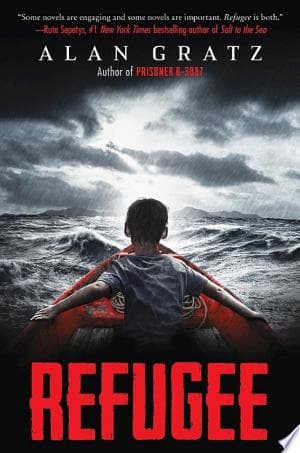
- Refugee
Alan Gratz
4.4 (84k) average on GoodreadsFeatures multiple storylines of child refugees from different eras seeking safety and new homes.
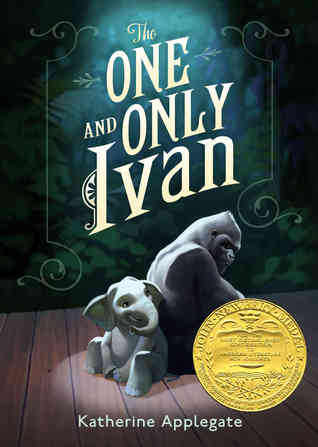
- The One and Only Ivan
Katherine Applegate
4.3 (141k) average on GoodreadsFantasyAnother Applegate novel focusing on themes of home, family, and finding connection through an animal companion.
- Harry Potter and the Sorcerer's Stone
J.K. Rowling
4.5 (7M) average on GoodreadsFantasyRescued from a miserable life under the stairs, an orphaned boy discovers he's a wizard destined for a magical school, where he uncovers a dangerous secret tied to the dark wizard who murdered his parents.
- The Hobbit, or There and Back Again
J.R.R. Tolkien
4.3 (2.9M) average on GoodreadsFantasyA comfort-loving hobbit named Bilbo Baggins is whisked away by a mischievous wizard and a band of dwarves on an unexpected journey to reclaim stolen treasure from a fearsome dragon, discovering courage and a magical ring along the way.
- Harry Potter and the Goblet of Fire
J.K. Rowling
4.6 (2.6M) average on GoodreadsFantasyA bewildered Harry Potter, underage and thrust into a deadly Triwizard Tournament, must brave dragons, mermaids, and a resurgent dark magic to survive a year that will forever alter the wizarding world.
- Harry Potter and the Order of the Phoenix
J.K. Rowling
4.5 (2.5M) average on GoodreadsFantasyIn a year of oppressive secrets and the threat of Voldemort, Harry Potter and Dumbledore's Army secretly train for war, shown through Jim Kay and Neil Packer's dark illustrations.




Enjoyed the summary?
A summary gives you the shape of the book. The book itself has the detail, the examples and the voice.
Find Home of the Brave on AmazonAs an Amazon Associate, BookBrief earns from qualifying purchases. How we're funded