
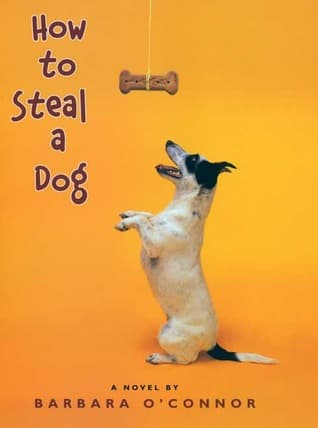
Synopsis
Covers the whole plot, including the ending.
- Difficulty
- Easy
- Pacing
- Moderate
- Mood
- Heartwarming, Hopeful, Thought-provoking, Realistic
- Read it if
- You enjoy heartwarming stories about overcoming adversity, moral dilemmas, and the unexpected kindness of strangers, particularly suitable for middle-grade readers.
- Skip it if
- You prefer fantasy or high-action adventure stories, or if you dislike books where children face realistic, challenging social issues.
How to Steal a Dog Plot Summary
Covers the whole plot, including the ending.
Living in the Car and a Desperate Plan
Georgina Hayes, her younger brother Toby, and their mother live in their car, an old blue Ford, after their father left and they were evicted from their apartment. Their mother works two jobs, trying to save enough money for a new place. Georgina feels responsible for Toby and the family's bad situation. One day, while waiting for her mother outside a restaurant, Georgina sees a 'Missing Dog' poster offering a $500 reward for a poodle named Willy. An idea comes to her: if she 'borrows' a dog, waits for a reward to be offered, and then 'finds' it, she could get the money they need for an apartment. She thinks this is a temporary and necessary way to end their homelessness.
Choosing a Target and the First Attempt
After deciding on her plan, Georgina starts looking in her neighborhood for a dog to 'borrow.' She needs one that looks valuable enough for a reward but isn't too big or aggressive. She chooses a small, scruffy terrier she often sees tied up outside a convenience store. One afternoon, she tries to take the dog. She approaches it carefully, but the dog barks loudly and pulls against its leash, getting attention from people walking by. Panicked, Georgina gives up and runs away, realizing that taking a dog is much harder and more public than she expected. This first failure makes her rethink her methods but not her goal.
Meeting Mookie and Discovering a New Target
Feeling discouraged, Georgina finds herself at a run-down house with a yard full of old items, where she meets an elderly woman named Mookie. Mookie is kind and offers Georgina a soda and a place to rest. During their talk, Mookie mentions her dog, Carmella, a small, old dog with arthritis that Mookie loves. Georgina first dismisses Carmella as a target because she doesn't seem valuable enough for a big reward. However, she later sees Mookie struggling financially and realizes that Mookie might be desperate enough to offer a lot of money for her pet, making Carmella a good, though emotionally complicated, target for her plan.
The 'Borrowing' of Carmella
With new determination, Georgina returns to Mookie's house and, seeing her chance, gets Carmella to come with her. She leads the small, old dog to an abandoned shed behind the convenience store, a place she often uses as a hiding spot. She makes a bed for Carmella and tries to keep her comfortable, bringing her food and water. Toby, not knowing Georgina's real intentions, sometimes goes with her, thinking they are just taking care of a stray dog. Georgina feels a bit guilty, especially as Carmella seems sad and confused, but she reminds herself of her family's desperate situation and the promise of an apartment.
The Missing Dog Poster Appears
As Georgina predicted, Mookie eventually puts up a 'Missing Dog' poster for Carmella. Georgina eagerly checks it, hoping for a big reward that will solve all their problems. To her disappointment, the poster only offers a $100 reward, much less than the $500 she had imagined. This unexpected problem upsets Georgina, as $100 won't be enough for an apartment. She starts to question her plan, feeling stuck between her initial desperation and the growing connection she feels for Carmella, along with the guilt of deceiving Mookie.
Disappointment and Growing Guilt
The small $100 reward leaves Georgina feeling down and frustrated. Her big plan to get an apartment is now in danger. She continues to visit Carmella in the shed, bringing her food and trying to keep her happy. During these visits, Georgina starts to like the old dog, seeing her gentle nature beyond her scruffy look. The more time she spends with Carmella, the more her conscience bothers her. She sees Mookie's sadness and desperation, which only makes Georgina's guilt worse, making it harder to go through with her plan.
Encountering the Owner and a Moral Dilemma
One day, Georgina sees Mookie sitting on her porch, looking upset and holding Carmella's leash. Mookie is clearly heartbroken by her dog's disappearance. Seeing Mookie's pain directly affects Georgina. She realizes that her actions, though born of desperation, are causing real suffering to a kind, elderly woman who has little. The thought of returning Carmella for only $100 feels wrong, but keeping her feels even worse. Georgina is now in a difficult moral situation, torn between her family's needs and her growing empathy and responsibility.
A Change of Heart and a Confession
After much thought, Georgina decides to return Carmella to Mookie without claiming the reward. She cannot bear the guilt of causing Mookie pain any longer. She takes Carmella back to Mookie's house, and Mookie's joy at seeing her pet is huge. Overwhelmed by relief and a need for honesty, Georgina confesses to Mookie that she was the one who took Carmella. She explains her family's situation – living in the car and her desperate need for money for an apartment. Mookie, surprisingly, reacts with understanding rather than anger, recognizing Georgina's desperation.
Mookie's Kindness and an Unexpected Offer
Instead of scolding Georgina, Mookie expresses sympathy for her family's situation. She says her own house has an empty room that Georgina's family could use. Mookie explains that she is lonely and could use the company, and in exchange for helping around the house, they could stay there. This unexpected act of kindness from Mookie is a great relief for Georgina. It provides a real solution to their homelessness, one that does not involve deceit or further guilt. Georgina is touched by Mookie's generosity and sees a way forward for her family.
A New Beginning
Georgina tells her mother about Mookie's offer, and her mother is initially doubtful but, after meeting Mookie, gratefully accepts. Georgina, Toby, and their mother move into the spare room in Mookie's house. They finally have a roof over their heads and a sense of stability. Georgina helps Mookie with chores, and Toby enjoys the new environment. The family starts to heal from the trauma of homelessness, and Georgina learns lessons about honesty, compassion, and what community means. The 'stolen' dog ultimately leads Georgina to a real solution and a new, unexpected family connection.
How to Steal a Dog Characters
Georgina Hayes
Protagonist
A resourceful and desperate girl trying to save her family from homelessness.
Georgina is a resilient and intelligent ten-year-old girl who finds herself in an impossible situation. Driven by love for her younger brother, Toby, and a deep desire to provide a stable home for her family, she devises the plan to 'steal' a dog for reward money. Despite her morally questionable actions, she is fundamentally good-hearted, struggling with guilt and empathy throughout her scheme. Her journey is one of learning the true cost of her actions and finding a more ethical path to solve her problems. She is observant and takes on adult responsibilities due to her family's circumstances.
Relationships: Toby Hayes (Younger brother, whom she protects and cares for); Mama (Mother, whom she wants to help and relieve of burden); Mookie (Elderly dog owner, initially a target, later a benefactor and friend); Carmella (The dog she 'steals', with whom she forms an attachment)
Toby Hayes
Supporting
Georgina's innocent younger brother, unaware of their family's true plight.
Toby is Georgina's younger brother, around five years old. He is mostly unaware of the severity of their family's homelessness, often seeing their car-dwelling as a kind of adventure. He is sweet, trusting, and a source of motivation for Georgina's actions. He enjoys simple pleasures and is easily entertained, often distracting Georgina from her worries. His innocence highlights the burden Georgina carries and makes her desperate attempts to provide him with a home more poignant. He forms a bond with Carmella, further complicating Georgina's plan.
Relationships: Georgina Hayes (Older sister and primary caretaker); Mama (Mother); Carmella (A dog he befriends, unaware of its 'stolen' status)
Mama (Mrs. Hayes)
Supporting
Georgina's hardworking and overwhelmed mother, struggling to keep her family afloat.
Georgina's mother is a hardworking but overwhelmed single parent. She works two jobs, cleaning houses and waiting tables, constantly trying to save enough money for an apartment. She is tired, stressed, and often absent due to her work schedule, which leaves Georgina in charge of Toby. She loves her children deeply and is doing her best under incredibly difficult circumstances, but her exhaustion sometimes prevents her from fully grasping the depth of Georgina's desperation. She is initially hesitant about Mookie's offer but ultimately accepts, grateful for the stability.
Relationships: Georgina Hayes (Daughter, whom she relies on for Toby's care); Toby Hayes (Son); Mookie (Benefactor, who offers them a home)
Mookie
Supporting
An elderly, kind, and lonely woman whose dog is 'stolen' by Georgina.
Mookie is an elderly woman living in a cluttered, somewhat rundown house. She is kind, observant, and initially appears to be a target for Georgina's scheme. She is deeply devoted to her old dog, Carmella, and her distress over Carmella's disappearance deeply impacts Georgina. Despite her own financial struggles, Mookie possesses immense compassion and wisdom. When Georgina confesses, Mookie shows understanding rather than anger, ultimately offering Georgina's family a place to stay, transforming from a victim to a benevolent figure and a source of unexpected stability.
Relationships: Carmella (Her beloved pet dog); Georgina Hayes (Initially the girl who 'stole' her dog, later a friend and housemate); Toby Hayes (Young boy who moves into her house); Mama (Georgina's mother, who moves into her house)
Carmella
Supporting
Mookie's old, scruffy terrier, the target of Georgina's 'stealing' plan.
Carmella is Mookie's beloved pet dog, an old, scruffy terrier with some arthritis. She is central to the plot as the object of Georgina's desperate scheme. Carmella is portrayed as gentle and somewhat sad when separated from Mookie, and her well-being becomes a growing concern for Georgina. Her presence in the shed highlights Georgina's moral dilemma and her increasing empathy. Carmella is not just a plot device but also a character who evokes compassion and ultimately facilitates the connection between Georgina and Mookie.
Relationships: Mookie (Her devoted owner); Georgina Hayes (The girl who 'borrows' and cares for her); Toby Hayes (A young boy who enjoys her company)
Mr. Stoney
Mentioned
The previous landlord who evicted Georgina's family.
Mr. Stoney is the landlord who evicted Georgina's family from their apartment after her father left and they couldn't pay rent. He represents the harsh realities of their economic situation and is a source of Georgina's resentment and fear of homelessness. He is not a character in the traditional sense but rather a symbol of the external forces that led to their current plight.
Relationships: Georgina Hayes (Former landlord); Mama (Former landlord)
Georgina's Father
Mentioned
The absent father whose departure led to the family's homelessness.
Georgina's father is the catalyst for the family's troubles, having left them and consequently leading to their eviction and homelessness. He is never present in the story, but his absence casts a long shadow over the family, particularly Georgina and her mother. His departure is the root cause of Georgina's desperation and her mother's overwhelming stress. Georgina occasionally thinks of him, but his absence is a constant, painful reality.
Relationships: Georgina Hayes (Father who abandoned the family); Toby Hayes (Father who abandoned the family); Mama (Former husband who abandoned the family)
Willy (The Poodle)
Mentioned
The missing dog on the poster that inspires Georgina's plan.
Willy is a poodle whose 'Missing Dog' poster, offering a $500 reward, is the initial inspiration for Georgina's plan to 'steal' a dog. While Willy never appears in the story, the poster serves as the spark for Georgina's desperate idea. The high reward for Willy sets an expectation for Georgina that is later unmet when Mookie offers only $100 for Carmella, highlighting the difference in perceived value and further complicating Georgina's moral dilemma.
How to Steal a Dog Themes
Poverty and Homelessness
The main theme is about the difficulties of poverty and homelessness, as Georgina and her family experience them. Their struggle to find shelter and food drives Georgina's desperate actions. The book shows the indignity and stress of living in a car, the mother's hard work, and Georgina's heavy responsibility. It shows how extreme situations can make people, even children, consider questionable solutions. Georgina's wish for an apartment is a constant, driving force.
“Half of me was thinking, Georgina, don't do this. Stealing a dog is just plain wrong. The other half of me was thinking, Georgina, you're in a bad fix and you got to do whatever it takes to get yourself out of it.”
Morality and Ethical Dilemmas
The book explores the difficult ethical questions Georgina faces. Driven by her family's desperate situation, she justifies 'stealing' a dog as a way to an end. However, her conscience constantly fights with her desperation. Her growing guilt, especially after seeing Mookie's sadness and becoming attached to Carmella, makes her think about what she has done. The story asks if desperate situations can excuse unethical behavior and suggests that true solutions often come from honesty and empathy, even when that is harder, as seen when Georgina returns Carmella.
“I knew it was wrong to steal a dog. But I couldn't think of any other way to get the five hundred dollars we needed for an apartment.”
Compassion and Empathy
Compassion and empathy are important themes, especially in Georgina's interactions with Mookie and Carmella. At first, Mookie is just a target, and Carmella a way to get money. However, Georgina's direct observation of Mookie's grief and her growing bond with the old dog slowly change her mind. Mookie, in turn, shows empathy for Georgina's family, offering them a home despite being wronged. This theme shows how understanding and kindness can help solve problems where desperation and self-interest fail, leading to a better solution for everyone.
“The more I looked at her, the more I felt a terrible feeling in my stomach. It was like a big, ugly knot, getting tighter and tighter.”
Family and Responsibility
Georgina's actions are motivated by her deep love and sense of responsibility for her family, especially her younger brother, Toby. She feels she must protect him and provide a stable home, taking on burdens beyond her years. Her mother's struggles and absence due to work further increase Georgina's sense of duty. The theme explores how far a child will go to keep her family together and safe, and how family ties can be both a source of great pressure and strong love, ultimately leading her to find a solution for their homelessness.
“I was the oldest. It was my job to figure things out, to make things better.”
The Meaning of Home
The idea of 'home' is central to the story. For Georgina's family, home is initially a car, a temporary and undignified existence. Georgina's entire plan is driven by the desire for a real apartment, a stable place to call home. The story compares a physical dwelling with the emotional security and belonging that a true home provides. Ultimately, home is found not through money or deception, but through the unexpected kindness and community offered by Mookie, suggesting that home is less about property and more about connection and belonging.
“All I wanted was a place with a door that locked and a roof that didn't leak. A home.”
Plot Devices & Literary Techniques
Moral Dilemma
Georgina's internal conflict between her family's needs and her conscience.
The entire plot is driven by Georgina's profound moral dilemma: whether to commit a wrongful act (stealing a dog) to achieve a perceived greater good (securing a home for her family). This internal conflict is present from the moment she conceives the plan and intensifies as she forms a bond with Carmella and witnesses Mookie's grief. It forces Georgina to weigh desperation against ethics, making her journey one of self-discovery and moral growth. The resolution of this dilemma is the turning point of the narrative.
Symbolism of the Car
Represents the family's homelessness, instability, and vulnerability.
The Hayes family's dented blue Ford is a powerful symbol of their homelessness and precarious existence. It is their only shelter, a confined space that highlights their lack of privacy, dignity, and security. The car represents their rootlessness and the constant threat of being discovered or moved. It underscores the urgency of Georgina's quest for an apartment, as the car is a constant reminder of their dire situation and the driving force behind her desperate actions.
The 'Missing Dog' Poster
An inciting incident that sparks Georgina's desperate plan.
The 'Missing Dog' poster, specifically the one for Willy with the $500 reward, serves as the inciting incident for Georgina's plan. It plants the seed of the idea in her mind and sets the plot in motion. The differing reward amounts on the posters (Willy's $500 vs. Carmella's $100) also create a significant plot complication, forcing Georgina to re-evaluate her scheme and contributing to her growing moral conflict. It's the tangible representation of her misguided hope.
Foil Characters (Willy vs. Carmella)
Contrasting dogs highlight Georgina's evolving understanding of value.
The contrast between Willy, the valuable poodle on the first poster, and Carmella, the scruffy, old, less 'valuable' terrier, serves as a subtle foil. Georgina initially seeks a dog like Willy, one that would fetch a large reward. Her eventual choice of Carmella, who only has a small reward, forces her to confront the emotional value of a pet over its monetary worth. This contrast underscores Georgina's shift from a purely transactional mindset to one driven by empathy and connection, as she realizes Mookie's love for Carmella transcends any reward.
How to Steal a Dog Quotes
“Sometimes you have to do things you don't want to do to get what you need.”
“A home is more than just a place to live. It's a place where you belong.”
“I was tired of being the girl who lived in a car.”
“Stealing a dog isn't like stealing a candy bar. It's a whole different thing.”
“Sometimes the right thing feels wrong, and the wrong thing feels right.”
“You can't just take something that belongs to someone else and expect everything to be okay.”
“A dog isn't a thing. It's a living creature with feelings.”
“I wanted to fix everything, but I didn't know how.”
“Sometimes the hardest person to forgive is yourself.”
“Money can't buy happiness, but it can buy a roof over your head.”
“You don't have to be rich to be happy, but you do need a place to call home.”
“The truth has a way of coming out, no matter how hard you try to hide it.”
“Sometimes doing the right thing means giving up what you want most.”
“A family sticks together, no matter what.”
“It's not about what you have, but who you have.”
Quiz
10 questions on the plot and the characters. Each answer comes with a short explanation.
Question 1
What is the main reason Georgina Hayes decides to steal a dog?
- She wants a pet to keep her company in the car
- She hopes to get the reward money to help her family find a home
- She wants to teach the dog's owners a lesson about responsibility
- She plans to sell the dog to make money
Show answer
B. She hopes to get the reward money to help her family find a home Georgina sees a missing-dog poster offering a $500 reward and believes that if she 'borrows' a dog and returns it, she can claim the reward money to help her family get out of their car and into a proper home.
Question 2
Where is Georgina's family living at the beginning of the story?
- In a homeless shelter
- With relatives
- In their car
- In a motel
Show answer
C. In their car After being evicted from their apartment following her father's departure, Georgina, her mother, and younger brother Toby are forced to live in their car while her mother works two jobs to save money for a new place.
Question 3
What is the name of Georgina's younger brother?
- Timmy
- Toby
- Tommy
- Travis
Show answer
B. Toby Georgina's younger brother is named Toby, and she is often responsible for looking after him while their mother is working.
Question 4
Why does Georgina feel conflicted about stealing the dog?
- She is afraid of getting caught by the police
- She knows it's wrong but feels desperate to help her family
- She worries the dog might bite her
- She thinks her mother will disapprove
Show answer
B. She knows it's wrong but feels desperate to help her family Georgina's internal conflict is central to the story: half of her knows stealing is wrong, but the other half justifies it because she's in a 'bad fix' and wants to do whatever it takes to improve her family's situation.
Question 5
What does Georgina create as part of her plan to steal a dog?
- A fake missing-dog poster
- A list of instructions titled 'How to Steal a Dog'
- A map of the neighborhood with dog owners marked
- A disguise to wear while taking the dog
Show answer
B. A list of instructions titled 'How to Steal a Dog' Georgina writes down a step-by-step guide called 'How to Steal a Dog' to organize her thoughts and plan the theft, which reflects her methodical yet morally conflicted approach.
Question 6
Which character becomes an unexpected friend to Georgina and helps her see the consequences of her actions?
- Manny, a boy from school
- Luanne, the dog's owner
- Carmella, a homeless woman
- Mr. White, a teacher
Show answer
C. Carmella, a homeless woman Carmella is a homeless woman Georgina meets who offers wisdom and perspective, helping Georgina realize that stealing the dog isn't the right solution and that honesty and family are more important.
Question 7
What event led to Georgina's family being evicted from their apartment?
- Georgina's mother lost her job
- Their father left and they couldn't pay the rent
- They were caught keeping a pet in a no-pets building
- A fire damaged their apartment
Show answer
B. Their father left and they couldn't pay the rent The family's financial struggles begin when Georgina's father leaves, making it impossible to pay rent, which results in eviction and forces them to live in their car.
Question 8
How does Georgina's plan ultimately affect her relationship with the dog's owner, Luanne?
- Luanne never finds out and Georgina keeps the reward money
- Georgina confesses and returns the dog, leading to understanding rather than punishment
- Luanne presses charges and Georgina faces legal consequences
- Georgina keeps the dog and Luanne moves away
Show answer
B. Georgina confesses and returns the dog, leading to understanding rather than punishment After realizing the error of her ways, Georgina returns the dog and confesses to Luanne, who shows compassion and understanding instead of anger, highlighting themes of forgiveness and redemption.
Question 9
What key theme does Georgina's struggle between right and wrong primarily illustrate?
- The importance of following rules at all times
- How poverty can force people into morally ambiguous situations
- The benefits of taking risks to achieve goals
- The inevitability of getting caught when doing wrong
Show answer
B. How poverty can force people into morally ambiguous situations The book explores how Georgina's desperate circumstances—living in a car and wanting to help her family—lead her to consider stealing, showing how poverty can create ethical dilemmas and challenge one's sense of morality.
Question 10
What does Georgina learn is more valuable than the reward money by the end of the story?
- Having a loyal pet like the stolen dog
- Honesty, family, and doing the right thing even when it's hard
- The importance of a good education to escape poverty
- Making new friends like Carmella
Show answer
B. Honesty, family, and doing the right thing even when it's hard Through her experiences and interactions, especially with Carmella, Georgina realizes that integrity and her family's well-being are more important than quick money, leading her to confess and return the dog.
How to Steal a Dog FAQ
What is 'How to Steal a Dog' about?
The story follows Georgina Hayes, a young girl whose family becomes homeless after her father leaves and they're evicted. Living in their car with her overworked mother and younger brother Toby, Georgina devises a plan to steal a dog and claim the reward money from its owners, hoping it will solve their financial crisis and get them into a proper home.
Why should I read 'How to Steal a Dog'?
This book offers a compassionate, age-appropriate exploration of poverty, homelessness, and moral dilemmas through the eyes of a resilient child. Georgina's internal conflict between desperation and doing what's right creates a compelling narrative that teaches empathy and the importance of honesty without being overly simplistic.
What is the background/setting of 'How to Steal a Dog'?
The story is set in a contemporary Southern town where Georgina's family lives in their car after being evicted. Key locations include the parking lot where they sleep, the school Georgina attends while hiding her homelessness, and the neighborhood where she targets a well-cared-for dog named Willy for her scheme.
What are the most memorable quotes from the book?
Georgina's internal monologue captures the central conflict: 'Half of me was thinking, Georgina, don't do this. Stealing a dog is just plain wrong. The other half of me was thinking, Georgina, you're in a bad fix and you got to do whatever it takes to get yourself out of it.' Another poignant moment comes when she reflects, 'Sometimes doing the wrong thing feels like the only right thing you can do.'
What writing style does Barbara O'Connor use?
O'Connor employs first-person narration from Georgina's perspective, using simple yet emotionally resonant language appropriate for middle-grade readers. The prose balances realistic dialogue with vivid descriptions of Georgina's internal struggles, creating an authentic voice that makes complex moral issues accessible to young audiences.
What minor details add significant meaning to the story?
Small details like Georgina carefully folding her clothes in the car to maintain dignity, Toby's constant worry about where they'll sleep, and the specific amount of the reward ($500) being exactly what they need for a deposit all highlight the family's precarious situation. Georgina's notebook where she writes 'How to Steal a Dog' steps shows her systematic yet naive approach to solving their problems.
What are some subtle foreshadowing moments?
Early mentions of Georgina's father abandoning them foreshadow her fear of further loss. Her initial observation that the dog Willy seems 'too loved' to be easily stolen hints at her eventual emotional connection to the dog and its owner, Mookie. Georgina's repeated rationalizations about 'borrowing' rather than stealing foreshadow her growing guilt and moral awakening.
What unexpected character connections exist?
The most significant connection develops between Georgina and Carmella, the elderly woman who owns Willy. Though Georgina initially sees Carmella only as a means to reward money, she discovers Carmella is also lonely and struggling, having lost her own family. This unexpected bond becomes crucial to Georgina's moral development and the story's resolution.
What are unspoken character motivations?
Georgina's mother never explicitly expresses her shame about their homelessness, but her exhaustion from working two jobs and avoidance of discussing their situation reveals her determination to protect her children's dignity. Georgina herself is motivated not just by practical needs but by a deep-seated fear of permanent instability and desire to restore normalcy for Toby.
What psychological complexities do characters exhibit?
Georgina demonstrates cognitive dissonance, simultaneously believing stealing is wrong while convincing herself it's necessary. Her younger brother Toby shows anxiety through physical symptoms like stomach aches, while Carmella displays complicated grief through her attachment to Willy, who represents her lost family connections. Each character's coping mechanisms reveal their emotional vulnerabilities.
What are the major emotional turning points?
Key turning points include when Georgina actually takes Willy and realizes the reality differs from her plan, when she witnesses Carmella's genuine distress over the 'missing' dog, when her mother discovers the theft and expresses disappointment rather than anger, and finally when Georgina confesses to Carmella and returns Willy, accepting the consequences of her actions.
How do relationship dynamics evolve throughout the story?
Georgina and Toby's sibling relationship shifts from Georgina being solely responsible for him to them becoming genuine partners in coping. Georgina's relationship with her mother evolves from one of hidden stress to open communication about their struggles. Most importantly, Georgina's connection with Carmella transforms from calculated exploitation to genuine empathy and mutual understanding.
Which parts of the story remain ambiguous or open-ended?
The book doesn't specify whether Georgina's father will ever return or what exactly caused him to leave. The family's long-term housing situation after Georgina returns the dog isn't fully resolved, leaving readers to wonder about their continued struggles. Carmella's future relationship with Georgina after the confession is also left somewhat open to interpretation.
What are controversial scenes or decisions in the book?
Some readers debate whether Georgina's decision to steal the dog, despite her desperate circumstances, is justifiable or simply wrong. The scene where she actually takes Willy raises questions about whether children in crisis can be held fully accountable for unethical choices. Additionally, some question whether the resolution, where honesty doesn't immediately solve their poverty, is appropriately realistic for a children's book.
How does 'How to Steal a Dog' end and what does it mean?
The story concludes with Georgina confessing to Carmella, returning Willy, and facing the consequences of her actions. While she doesn't get the reward money, she gains Carmella's forgiveness and a new understanding of honesty's value. The ending suggests that moral integrity and human connection are more important than quick financial solutions, and that taking responsibility is the first step toward genuine improvement in their situation.
What does Georgina's notebook symbolize?
Georgina's notebook where she writes step-by-step instructions for stealing a dog represents her attempt to bring order and control to a chaotic situation. As the story progresses, the notebook evolves from a practical guide to a record of her moral confusion, ultimately symbolizing her journey from calculated planning to emotional understanding and ethical decision-making.
How does the book handle the theme of poverty without being overwhelming for young readers?
O'Connor focuses on specific, relatable details of Georgina's experience - hiding their living situation from classmates, limited food options, the constant search for bathrooms - rather than abstract economic discussions. The car becomes a symbol of both their hardship and their family bond, making the issue accessible while maintaining hope through Georgina's resilience and the supportive relationships she develops.
About the author

Barbara O'Connor is a New York Times bestselling author celebrated for her poignant middle-grade fiction. Her notable works, including 'Wish' and 'How to Steal a Dog,' often explore themes of belonging, resilience, and family with warmth and authenticity. O'Connor's writing has earned critical acclaim for its relatable characters and heartfelt storytelling.
Similar books
- Crenshaw
Katherine Applegate
4.0 (23k) average on GoodreadsFantasyExplores themes of homelessness and a child's perspective on family struggles with a touch of magical realism.
- Because of Winn-Dixie
Kate DiCamillo
4.0 (206k) average on GoodreadsChildren'sFeatures a young girl navigating a new town and forming unexpected connections, with a dog at the center of the story.
- The One and Only Ivan
Katherine Applegate
4.3 (141k) average on GoodreadsFantasyDeals with themes of captivity, freedom, and the emotional lives of animals, told from a unique perspective.
- One for the Murphys
Lynda Mullaly Hunt
4.3 (26k) average on GoodreadsChildren's"How to Steal a Dog" shares with Linda Mullaly Hunt's "One for the Murphys" a focus on a child navigating challenging family circumstances and finding new forms of belonging. Both protagonists, Georgina and Carley, are forced to make difficult decisions and adapt to new environments. However, while Carley's journey is primarily about adjusting to foster care and learning to trust, Georgina's is more acutely driven by dire poverty and a direct, albeit misguided, attempt to solve her family's financial woes through a morally questionable act. O'Connor's book delves deeper into the immediate ethical dilemma of 'stealing' for survival, whereas Hunt's explores the emotional landscape of abandonment and acceptance.
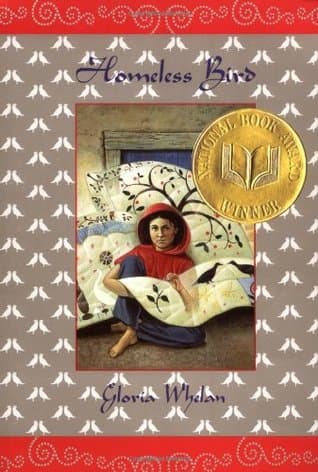
- Homeless Bird
Gloria Whelan
4.0 (12k) average on GoodreadsChildren'sWhile both "How to Steal a Dog" and Gloria Whelan's "Homeless Bird" feature protagonists facing significant hardship, their contexts and narrative approaches differ. "Homeless Bird" portrays a young girl in rural India facing societal expectations and a forced marriage, focusing on cultural struggles and personal resilience within a specific cultural framework. "How to Steal a Dog," in contrast, grounds its narrative in contemporary American socio-economic challenges, specifically homelessness and the desperate measures it can induce. O'Connor's book is more immediate and relatable for many Western middle-grade readers in its depiction of urban poverty and the ethical tightrope walking of its protagonist, while Whelan's offers a window into different cultural struggles and the universal desire for agency.
- Harry Potter and the Sorcerer's Stone
J.K. Rowling
4.5 (7M) average on GoodreadsFantasyRescued from a miserable life under the stairs, an orphaned boy discovers he's a wizard destined for a magical school, where he uncovers a dangerous secret tied to the dark wizard who murdered his parents.


Enjoyed the summary?
A summary gives you the shape of the book. The book itself has the detail, the examples and the voice.
Find How to Steal a Dog on AmazonAs an Amazon Associate, BookBrief earns from qualifying purchases. How we're funded