
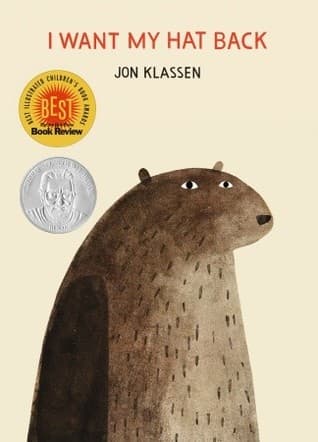
Synopsis
Covers the whole plot, including the ending.
- Difficulty
- Easy
- Pacing
- Moderate
- Mood
- Wry, Humorous, Slightly Dark, Suspenseful
- Read it if
- You enjoy minimalist storytelling with a dark, humorous twist and expressive illustrations.
- Skip it if
- You prefer gentle, unambiguous children's stories without implied violence.
I Want My Hat Back Plot Summary
Covers the whole plot, including the ending.
The Missing Hat
The story begins with a large, brown bear sitting alone, looking sad. He says, "My hat is gone. I want it back." He describes his hat as pointy and brown. The bear then starts looking for his hat, politely asking other forest animals if they have seen it. His first talks are calm and hopeful, as he asks each creature, "Have you seen my hat?" His determination is clear from the start, setting up his persistent search through the forest.
Encountering the Fox
The bear first meets a fox. The bear, still polite, asks the fox if he has seen his hat. The fox, lying on the ground, calmly replies, "No. I haven't seen any hats anywhere." The fox's body language and face show no sign of lying, and the bear believes the answer, moving on to continue his search. This meeting sets the pattern for the bear's questions and the animals' denials, a key part of the story's structure.
Questioning the Frog
Next, the bear approaches a small frog on a lily pad. He asks again, "Have you seen my hat?" The frog, with wide eyes, replies, "No. Why are you asking me? I haven't seen it. I haven't seen any hats anywhere. I would not steal a hat. Don't ask me any more questions." The frog's overly defensive and talkative answer, along with its small size, makes its denial seem believable to the bear, who continues his journey without suspicion.
Interrogating the Rabbit
The bear's search continues, leading him to a rabbit. He again asks if the rabbit has seen his pointy, brown hat. The rabbit, looking up at the large bear, simply says, "No. I haven't seen it." Like the animals before, the rabbit's manner gives the bear no immediate reason to doubt its honesty. The bear, still hopeful but growing tired, accepts the rabbit's answer and moves on, his search still unfinished.
Consulting the Turtle
The bear then meets a turtle, slowly moving across the forest floor. He asks the turtle about his missing hat. The turtle, slowly and carefully, replies, "No. I have not seen any hats." The turtle's slow pace and seemingly direct answer add to the bear's growing frustration, as every animal he asks gives the same unhelpful response. His patience starts to run out with each failed question.
The Snake's Denial
Continuing his search, the bear approaches a snake coiled on a rock. He asks the snake if it has seen his hat. The snake, with a calm face, replies, "No. I have not seen it." The snake's denial, like the others, seems honest at first, offering no new clues to the bear. By this point, the bear looks more and more sad, his hope fading with each animal that hasn't seen his hat.
Growing Despair
After asking many animals without success, the bear sits down, looking completely defeated. He says, "I am never going to see my hat again." His shoulders are slumped, and his face shows deep sadness and resignation. He has tried everything and is ready to give up, believing his beloved pointy, brown hat is lost forever. This moment is the lowest point in his search, a deep sadness before things change.
The Deer's Question
Just as the bear is at his lowest, a deer approaches him. The deer asks a simple, but important question: "Why are you sad?" The bear explains, "I lost my hat. I want it back. It was pointy. And brown." The deer then asks, "Oh. What does your hat look like?" This simple question makes the bear suddenly remember, as he clearly recalls what his hat looks like and, more importantly, where he last saw it.
The Revelation
As the deer asks about the hat, a memory appears in the bear's mind, shown to the reader. The bear suddenly remembers seeing the rabbit, who he had asked earlier, wearing his pointy, brown hat. The memory is clear: the rabbit was indeed wearing the hat and had lied to his face. This moment of remembering changes the story, turning the bear's sadness into a new, vengeful determination.
The Bear's Vengeance
With a new, angry determination, the bear quickly walks back to where he last saw the rabbit. The pictures show him approaching the rabbit, who is still wearing the hat. The bear, now very angry, confronts the rabbit. The text suggests a quick, final action, as the next picture shows the bear wearing his hat again, and the rabbit is gone. The bear getting his hat back is a sharp contrast to his earlier polite questions.
A New Encounter
Later, the bear sits happily, wearing his pointy, brown hat. A small squirrel approaches him and asks, "Have you seen a rabbit?" The bear, echoing the denials he received earlier, calmly replies, "No. I haven't seen any rabbits anywhere. I would not eat a rabbit. Don't ask me any more questions." This answer, along with the bear's satisfied look and a small visual hint (a bit of red on his mouth), suggests a dark, complete ending to the story.
Principal Figures
Bear
Protagonist
A large, polite bear searching for his missing hat.
The Bear is the central character, initially portrayed as patient, polite, and somewhat naive. He is driven by a simple desire to reclaim his lost pointy, brown hat. His initial approach to problem-solving is to ask others directly and trust their answers. He experiences a significant emotional arc, moving from politeness to despair, and finally to a chilling, vengeful determination. His size and quiet demeanor make his eventual shift to aggression all the more impactful.
Relationships: Fox (Brief, polite inquiry); Frog (Brief, polite inquiry); Rabbit (Polite inquiry turned hostile confrontation); Turtle (Brief, polite inquiry); Snake (Brief, polite inquiry); Deer (Helpful catalyst for memory); Squirrel (Brief, deceptive interaction)
Rabbit
Antagonist
A deceptive rabbit who steals the bear's hat.
The Rabbit initially appears as a seemingly innocent forest animal, denying any knowledge of the bear's hat. However, the visual narrative reveals him to be the thief, wearing the hat behind the bear's back. His deception is central to the plot's twist. He represents the theme of dishonesty and the consequences of lying, ultimately facing the bear's wrath. His brief appearance belies his significant role in driving the plot's climax.
Relationships: Bear (Deceiver and victim of the bear's vengeance)
Deer
Supporting
The animal whose question helps the bear remember.
The Deer plays a crucial, albeit brief, role in the story. It is the only animal that doesn't simply deny seeing the hat but instead asks the bear a question that prompts a vital memory. The deer's innocent inquiry acts as a catalyst, shifting the bear from despair to realization, directly leading to the climax. Without the deer's intervention, the bear might have never remembered who had his hat.
Relationships: Bear (Inadvertent helper)
Fox
Mentioned
One of the animals questioned by the bear.
The Fox is one of the initial animals the bear politely asks about his missing hat. He calmly denies seeing it, lying casually to the bear. His interaction is brief and serves to establish the repetitive pattern of the bear's search and the animals' unhelpful responses. The fox's denial contributes to the bear's initial frustration and the setup for the later twist.
Relationships: Bear (Brief, polite inquiry)
Frog
Mentioned
A small, overly defensive animal questioned by the bear.
The Frog is another animal the bear questions. His response is notably more verbose and defensive than the others, despite his small size. He insists he hasn't seen the hat and would not steal one. His overly emphatic denial, while seemingly innocent to the bear, adds a touch of subtle humor and contributes to the mounting frustration the bear experiences during his search.
Relationships: Bear (Brief, polite inquiry)
Turtle
Mentioned
A slow-moving animal questioned by the bear.
The Turtle is one of the animals the bear asks about his hat. His slow and deliberate denial is consistent with his nature. Like the other animals, he offers no help to the bear, contributing to the protagonist's growing despair. His interaction is brief and serves to further the repetitive structure of the bear's quest.
Relationships: Bear (Brief, polite inquiry)
Snake
Mentioned
An animal questioned by the bear, coiled on a rock.
The Snake is another animal encountered by the bear during his search. He calmly denies seeing the hat, offering no assistance. His denial, like the others, contributes to the bear's mounting frustration and despair, as the protagonist feels his hat is truly lost. The snake's role is to reinforce the pattern of unhelpful responses.
Relationships: Bear (Brief, polite inquiry)
Squirrel
Mentioned
The last animal to interact with the bear.
The Squirrel appears at the very end of the story, after the bear has reclaimed his hat. The squirrel asks the bear if he has seen a rabbit. The bear's response to the squirrel, mirroring the earlier denials he received, serves to highlight the bear's transformation and the dark humor of the story's conclusion. The squirrel acts as a final, innocent questioner.
Relationships: Bear (Brief, polite inquiry)
Themes & Insights
Deception and Lies
A main theme is lying. The rabbit lies directly to the bear about not seeing the hat, even while wearing it. This lie causes the bear's emotional journey and his eventual violent revenge. The story shows how easily one can be tricked by outward appearances and polite denials. The bear's last talk with the squirrel, where he also lies about the rabbit's location, completes the theme, showing how lying can be learned and passed on.
“No. I haven't seen any hats anywhere.”
Justice and Retribution
At first, the bear politely tries to get his property back. But once he realizes he was lied to and his hat was taken, his search becomes a quest for justice, or rather, revenge. The quick and implied violent end of the rabbit shows a harsh form of justice, where the wrongdoer faces serious results. The story quietly explores what happens when politeness fails and personal property is violated, leading to a basic reaction.
“I saw my hat. I saw my hat! I KNOW WHERE MY HAT IS.”
Memory and Realization
The bear's initial inability to remember where he last saw his hat is an important plot point. He only remembers when the deer asks him to describe the hat. This moment of remembering is important, changing the bear's passive search into an active, focused pursuit. The theme highlights how a simple question or a moment of thought can reveal important information, and how one can miss obvious clues when upset.
“Oh. What does your hat look like?”
The Nature of Appearances
The story plays with appearances. The animals, including the rabbit, seem innocent and polite when they deny knowing about the hat. The bear's initial trust in these appearances leads to his sadness. The pictures, however, keep hinting to the reader by showing the rabbit wearing the hat, revealing the difference between what is said and what is true. This theme points out the dangers of believing things at face value and encourages readers to look past surface interactions.
“No. I haven't seen it.”
Plot Devices & Literary Techniques
Repetitive Dialogue
The bear asks the same question to multiple animals.
The bear's repeated question, 'Have you seen my hat?', to various forest animals creates a rhythmic, cumulative structure typical of children's literature. This repetition builds anticipation and highlights the bear's growing frustration. It also serves to establish the pattern of denial that makes the eventual revelation of the rabbit's deception more impactful. The final repetition, when the bear himself denies seeing the rabbit, brings the narrative full circle.
Visual Irony
Illustrations subtly contradict the characters' dialogue.
This is a key device in the book. While characters verbally deny seeing the hat, the illustrations frequently show the hat in plain sight, often on the head of the very animal denying it (the rabbit). This creates dramatic irony, where the reader is privy to information the protagonist is not, generating humor and suspense. It allows the story to convey a darker undertone without explicit text, encouraging visual literacy.
Implied Violence
The bear's retribution is shown indirectly rather than explicitly.
The story never explicitly states that the bear harms or eats the rabbit. Instead, it uses visual cues and suggestive dialogue. After the bear's realization, he quickly returns to the rabbit, and the next image shows him wearing his hat, with the rabbit gone. The final scene, where the bear denies seeing a rabbit to a squirrel, coupled with a faint red stain on his mouth, strongly implies a violent outcome. This device allows for a dark, mischievous ending suitable for a children's book without graphic content.
The Catalyst Question
A simple question that triggers a crucial memory.
The deer's seemingly innocent question, 'What does your hat look like?', acts as the critical turning point in the plot. Up until this point, the bear is lost in despair. This question forces him to visualize his hat, which in turn triggers the memory of seeing the rabbit wearing it. It's a powerful narrative device that shifts the story's direction from a passive search to an active, vengeful pursuit.
I Want My Hat Back Quotes
“My hat is gone. I want it back.”
“Have you seen my hat?”
“No. I haven't seen your hat.”
“I haven't seen it. I haven't seen any hats anywhere.”
“What does it look like?”
“It is red and pointy. And it is my hat.”
“I think I have seen your hat.”
“I have seen your hat. I saw it just now. It was on a rabbit's head.”
“You! You stole my hat!”
“I did not steal your hat. I would never steal a hat.”
“I am going to eat you.”
“I have my hat back.”
“Have you seen a rabbit?”
“No. I haven't seen any rabbits anywhere. I would never eat a rabbit.”
Quiz
10 questions on the plot and the characters. Each answer comes with a short explanation.
Question 1
What is the very first animal the bear asks if they have seen his hat?
- Rabbit
- Fox
- Snake
- Turtle
Show answer
C. Snake The bear first encounters the Snake and asks, 'Excuse me. Have you seen my hat?'
Question 2
Which animal is wearing the bear's hat when the bear first asks them about it?
- Rabbit
- Turtle
- Fox
- Deer
Show answer
B. Turtle The Turtle is clearly wearing the hat when the bear asks him, but the Turtle denies it.
Question 3
What question does the Deer ask the Bear that helps the Bear remember where he saw his hat?
- 'What does your hat look like?'
- 'Why are you so sad?'
- 'Have you asked everyone?'
- 'What kind of hat is it?'
Show answer
D. 'What kind of hat is it?' The Deer asks, 'What kind of hat is it?' which makes the Bear recall seeing his hat on the Turtle.
Question 4
How does the Bear react after realizing the Turtle was wearing his hat?
- He calmly confronts the Turtle again.
- He cries and gives up his search.
- He runs back to the Turtle with renewed determination and anger.
- He asks the Deer to help him get it back.
Show answer
C. He runs back to the Turtle with renewed determination and anger. Upon remembering, the Bear's eyes narrow, and he quickly returns to the Turtle, no longer polite.
Question 5
Which of these animals does the Bear NOT ask about his hat?
- Fox
- Rabbit
- Turtle
- Gopher
Show answer
A. Fox The Bear asks a Snake, a Turtle, a Gopher, a Fox, and a Rabbit. The Fox is indeed asked.
Question 6
What visual clue does the book provide that the Rabbit is lying about seeing the hat?
- The Rabbit looks nervously at the ground.
- The Rabbit's ears are twitching rapidly.
- The Rabbit is looking in the opposite direction from the hat's location.
- The Rabbit is visually trying to hide the hat behind its back.
Show answer
D. The Rabbit is visually trying to hide the hat behind its back. The illustration shows the Rabbit with the hat clearly visible behind its back, attempting to conceal it from the Bear.
Question 7
What is the final, implied fate of the Turtle?
- The Bear simply takes his hat back.
- The Bear scolds the Turtle and leaves.
- The Bear eats the Turtle.
- The Turtle apologizes and offers the hat back.
Show answer
C. The Bear eats the Turtle. The final spread shows the Bear wearing his hat, and when asked by another animal if he's seen a turtle, the Bear says no, with a satisfied look and a red stain near his mouth, strongly implying he ate the Turtle.
Question 8
The book's illustrations often use character eye direction to convey information. How does the Turtle's gaze change when the Bear first asks about the hat versus when the Bear returns?
- Initially looks away, then looks directly at the Bear.
- Initially looks directly at the Bear, then looks away.
- Looks up both times.
- Looks down both times.
Show answer
B. Initially looks directly at the Bear, then looks away. When first asked, the Turtle looks directly at the Bear while denying. When the Bear returns, the Turtle is looking away, seemingly trying to avoid eye contact and escape.
Question 9
What key theme is subtly introduced and then explicitly concluded by the Bear's actions at the end of the story?
- The importance of sharing.
- The consequences of dishonesty and the power of memory.
- The value of asking for help.
- The joy of finding lost items.
Show answer
B. The consequences of dishonesty and the power of memory. The Turtle's dishonesty about the hat leads to his demise, emphasizing that lying has severe consequences, especially when combined with the Bear's activated memory.
Question 10
How does the author use the Bear's dialogue and facial expressions to show his emotional shift from 'patiently and politely' to 'with a vengeance'?
- His voice gets louder and he starts shouting at animals.
- He uses more complex sentences and gestures wildly.
- Initially, his dialogue is calm and his eyes are wide; later, his dialogue is short and his eyes are narrowed.
- He stops talking altogether and just glares.
Show answer
C. Initially, his dialogue is calm and his eyes are wide; later, his dialogue is short and his eyes are narrowed. The Bear's initial polite inquiries ('Excuse me. Have you seen my hat?') are replaced with a terse 'Hello. Have you seen my hat?' to the Turtle, accompanied by narrowed, intense eyes, showing his shift from politeness to vengeful determination.
I Want My Hat Back FAQ
What is the main premise of 'I Want My Hat Back'?
The book follows a large bear who has lost his pointy, red hat and politely questions various forest animals, including a fox, frog, and snake, to see if they have seen it. Each animal denies having seen the hat, leading the bear to growing despair until a crucial realization sparks a change in his demeanor.
Which animals does the bear encounter during his initial search?
The bear encounters and questions a fox, a frog, a rabbit, a turtle, and a snake. Each animal offers a brief, sometimes evasive, response to his inquiry about the missing hat, contributing to the bear's mounting frustration.
What role does the deer play in the story?
The deer serves as a pivotal character, appearing when the bear is at his lowest point, having given up hope. The deer's simple question, 'Why are you sad? What happened?', prompts the bear to recount his search and, more importantly, to remember crucial visual details about his hat.
How does the bear's demeanor change throughout the book?
Initially, the bear is patient and polite, asking each animal calmly. After the deer's intervention, his demeanor shifts dramatically from polite inquiry to an intense, vengeful focus, indicated by his narrowed eyes and determined posture as he re-evaluates his interactions.
What is the 'mischievous twist' mentioned in the synopsis?
The mischievous twist is the revelation that the rabbit was indeed wearing the bear's hat all along, despite explicitly denying it. The bear's subsequent actions, implied rather than shown, suggest he reclaims his hat by eating the rabbit, a dark comedic turn for a children's book.
Are there any visual clues that the rabbit is lying before the deer's intervention?
Yes, keen observers will notice the rabbit is subtly wearing the bear's distinctive red, pointy hat when the bear first asks him. The rabbit's body language also appears shifty, looking away from the bear during their conversation, which hints at his deception.
What happens to the rabbit at the end of the story?
While not explicitly shown, the final illustrations strongly imply that the bear consumes the rabbit. The bear is later seen wearing his hat, sitting alone, and when asked by a squirrel if he has seen the rabbit, he responds with a satisfied 'No. Why would I have seen a rabbit? I haven't seen any rabbits all day.'
Is the squirrel's question at the end significant?
Yes, the squirrel's question about the rabbit serves as a final, darkly humorous confirmation of the rabbit's fate. It forces the bear to articulate his denial, solidifying the implication that he has indeed eaten the rabbit to reclaim his hat.
How do the illustrations contribute to the book's humor and plot?
The illustrations are crucial, often conveying more than the minimal dialogue. They show the rabbit wearing the hat, the bear's changing expressions, and the final, ominous scene where the bear is alone and the rabbit is gone, allowing the reader to 'be in on the joke' and piece together the unspoken narrative.
How does the bear's initial politeness contrast with his final actions?
The bear's initial politeness, characterized by respectful inquiries and a somewhat naive trust, starkly contrasts with his final, violent act of vengeance against the rabbit. This shift highlights a psychological transformation from passive victim to assertive, even predatory, agent.
What does the rabbit's lie reveal about its character?
The rabbit's lie reveals a character driven by desire and a willingness to deceive, even from a much larger and potentially dangerous creature. It suggests a certain boldness or foolishness, underestimating the consequences of its actions.
How does the book explore themes of justice and retribution?
The book explores justice through a primitive lens, where the bear takes direct, violent retribution for the rabbit's theft and deception. It's a dark take on 'an eye for an eye,' where the bear's sense of justice is satisfied through consumption.
What psychological effect might the ambiguous ending have on young readers?
The ambiguous ending, where the rabbit's fate is implied rather than explicitly shown, allows young readers to process the outcome at their own level. Some may not grasp the dark implication, while others might find it unsettling or darkly humorous, depending on their interpretation and prior exposure to such themes.
Is the bear's act of eating the rabbit justifiable within the context of the story?
This is debatable. From a purely human moral standpoint, eating the rabbit for stealing a hat is extreme. However, within a more animalistic narrative, it could be seen as a form of natural justice or consequence for deception and theft, especially given the bear's strong attachment to his hat.
What message, if any, does the book convey about honesty or consequences?
The book strongly suggests that dishonesty, especially when caught, can lead to severe consequences. The rabbit's lie directly results in its demise, serving as a stark, albeit exaggerated, lesson about the perils of deception.
How does the book subvert typical children's book tropes?
It subverts tropes by presenting a protagonist who resorts to violence, an animal who commits a deceitful act, and an ending that is dark and ambiguous rather than overtly happy or moralistic. It challenges expectations of predictable, gentle narratives.
What is the significance of the bear's hat to him?
The hat seems to represent a deep personal attachment or comfort for the bear. His persistent search, growing despair, and ultimate vengeful act underscore its immense importance, suggesting it's more than just an object but perhaps a part of his identity or sense of self.
How does the book's 'told completely in dialogue' format enhance the story?
The dialogue-only format forces the reader to pay closer attention to the illustrations and character expressions to understand the full narrative. It creates a minimalist yet impactful storytelling style, allowing the visual humor and the unspoken implications to carry significant weight.
About the author

Jon Klassen is a Canadian author and illustrator known for his work in children's literature. He is recognized for his picture book "I Want My Hat Back," which features his distinctive illustration style and storytelling. Klassen's books often explore themes of humor and surprise, appealing to both children and adults.
Similar books
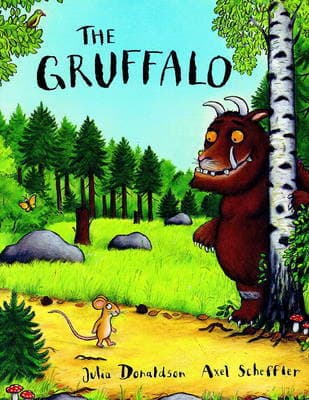
- The Gruffalo
Julia Donaldson
4.5 (31k) average on GoodreadsFantasyFeatures a repetitive structure and a clever, slightly mischievous protagonist outwitting others.
- The Cat in the Hat
Dr. Seuss
4.2 (428k) average on GoodreadsFantasyWhile both books feature a disruptive character and a quest, The Cat in the Hat is far more boisterous, explicitly chaotic, and concludes with a clear, albeit mischievous, resolution of order. Klassen's book is quieter, more visually driven, and ends with a darker, implied resolution.
- The Very Hungry Caterpillar
Eric Carle
4.3 (396k) average on GoodreadsChildren'sBoth are visually distinctive picture books, but Carle's book is an educational journey focused on transformation and growth, with a gentle, positive tone. Klassen's book, in contrast, offers a narrative driven by suspense, humor, and a morally ambiguous resolution, focusing on character interaction rather than natural processes.
- Harry Potter and the Sorcerer's Stone
J.K. Rowling
4.5 (7M) average on GoodreadsFantasyRescued from a miserable life under the stairs, an orphaned boy discovers he's a wizard destined for a magical school, where he uncovers a dangerous secret tied to the dark wizard who murdered his parents.
- The Hunger Games
Suzanne Collins
4.3 (6.4M) average on GoodreadsFantasyIn a future where children fight to the death on live television, Katniss Everdeen volunteers for the arena, turning a death sentence into a fight for survival and a spark of rebellion.
- 1984
George Orwell
4.2 (3.1M) average on GoodreadsPoliticsIn a future where surveillance and thought control are absolute, a man's search for truth clashes with the Party, showing that hope can be a form of rebellion.




Enjoyed the summary?
A summary gives you the shape of the book. The book itself has the detail, the examples and the voice.
Find I Want My Hat Back on AmazonAs an Amazon Associate, BookBrief earns from qualifying purchases. How we're funded