

Synopsis
Covers the whole plot, including the ending.
- Difficulty
- Easy
- Pacing
- Fast
- Mood
- Whimsical, Playful, Humorous, Energetic
- Read it if
- You enjoy whimsical, rhyming stories with a touch of delightful chaos and a clear, simple narrative perfect for young readers.
- Skip it if
- You prefer realistic fiction or stories without fantastical elements and over-the-top antics.
The Cat in the Hat Plot Summary
Covers the whole plot, including the ending.
A Rainy Day and Nothing to Do
The story starts with a young boy, the narrator, and his sister Sally stuck inside on a rainy day. Their mother is out, and they have nothing to do but look out the window. The weather is too wet to play, and they feel bored. They sit, watching the rain, wishing for something exciting to happen to break the dullness of their afternoon. Their pet fish watches their sadness from its bowl.
The Arrival of the Cat in the Hat
Suddenly, a tall, anthropomorphic cat wearing a red and white striped hat and a red bow tie appears at their door and walks in. He introduces himself as the Cat in the Hat and says he will entertain the children and turn their boring day into an adventure. The children are surprised and a little cautious. Their pet fish strongly objects to the Cat's presence and his ideas. The Cat, however, ignores the fish's warnings and is eager to start his games.
The Cat's First Game: Balancing Act
To show his idea of fun, the Cat in the Hat begins a balancing act. He balances many household items on his head and limbs, including a cup, a cake, a rake, a toy ship, a fan, a red book, and even the pet fish in its bowl. The children are amazed but also nervous as the stack grows taller and more unstable. The fish keeps showing its disapproval and fear, warning the children that their mother will be upset if she comes home to a messy house. The Cat ignores these pleas, focused on his performance.
The Great Fall and Growing Mess
The Cat's balancing act crashes down. All the items scatter across the floor, making a big mess in the living room. The children are shocked by the sudden chaos. The pet fish, as it warned, points out the problem and reminds the children that their mother will soon return. Despite the mess, the Cat in the Hat is calm and says this was just the start of their fun, which makes the children more anxious.
Introducing Thing One and Thing Two
Still calm despite the mess, the Cat in the Hat introduces his next game. He brings out a big red box and from it releases two identical, small, blue-haired creatures in red suits, called Thing One and Thing Two. These 'Things' are more chaotic than the Cat. They immediately fly kites through the house, causing more destruction. They zoom around, knocking things over, making noise, and adding to the mess, which alarms the children and distresses the fish.
The Children's Dilemma and the Fish's Plea
As Thing One and Thing Two cause havoc, the children worry more about their house and their mother's return. The pet fish, acting as the voice of reason, urges the children to take control and get rid of the Cat and his 'Things' before their mother sees the chaos. The children are in a difficult spot: they enjoy the newness and excitement, but also fear the consequences. They know they must act fast to prevent more disaster.
Capturing the Things
Inspired by the fish's urgent pleas and the sight of their mother's approaching car, the boy acts. He grabs a net and catches Thing One and Thing Two. He then puts them back into their big red box, stopping their destructive energy. This act is a turning point, as the children finally control the chaos. The Cat in the Hat watches, surprised but not upset by the children's sudden action.
The Cat's Departure and the Big Machine
Seeing that the fun is over and the children's mother is truly on her way, the Cat in the Hat gathers Thing One and Thing Two and gets ready to leave. Before he goes, he brings out a wheeled machine with many arms and brushes. This machine quickly and magically cleans up all the mess, putting everything back in its place and leaving the house spotless, as if nothing happened. With the house clean, the Cat in the Hat quickly leaves, leaving the children alone again.
Mother's Return and the Question
Moments after the Cat leaves and the cleanup is done, the children's mother comes home. She greets them cheerfully, unaware of the adventure that just happened. The house is perfectly clean and tidy, showing no signs of the chaos caused by the Cat and his Things. She asks the children if they had a good time and if they did anything special. This question leaves the children with a moral decision, creating the story's final problem.
The Children's Secret
The story ends with the mother asking the children what they did. The narrator and Sally look at each other, knowing their secret. They face the choice of telling their mother about the Cat in the Hat and his friends, or keeping their afternoon a secret. The book does not say what they decide, leaving the reader to think about what they would do, and emphasizing responsibility and the results of actions.
Principal Figures
The Narrator (Boy)
Protagonist
A young boy, Sally's brother, who observes and eventually acts.
The unnamed narrator is a young boy who, along with his sister Sally, is stuck inside on a rainy day. Initially passive and bored, he is captivated by the Cat's antics but also increasingly anxious about the escalating mess and his mother's return. He eventually takes charge, capturing Thing One and Thing Two, demonstrating a shift from passive observer to active participant. His internal conflict between enjoying the fun and fearing the consequences drives much of the story's tension.
Relationships: Sally (Sister); The Cat in the Hat (Unexpected visitor and source of chaos); The Fish (Pet and voice of reason); Mother (Parent, authority figure)
Sally
Protagonist
The narrator's sister, who shares the rainy day adventure.
Sally is the narrator's sister, and like him, she is initially bored by the rainy day. She participates in the initial wonder and excitement of the Cat's visit, but also shares her brother's growing concern as the mess and chaos escalate. While less active in stopping the Cat than her brother, she is equally caught in the dilemma of the secret they share at the end. She represents the shared experience of childhood boredom and the allure of mischief.
Relationships: The Narrator (Boy) (Brother); The Cat in the Hat (Unexpected visitor and source of chaos); The Fish (Pet and voice of reason); Mother (Parent, authority figure)
The Cat in the Hat
Antagonist/Catalyst
A mischievous, anthropomorphic cat who brings chaos and fun.
The Cat in the Hat is a tall, confident, and boisterous character who appears uninvited at the children's house. He is a master of games and tricks, characterized by his iconic red and white striped hat and red bow tie. His primary motivation is to turn a dull day into an exciting one, regardless of the consequences or the mess he creates. He is charmingly persuasive but ultimately irresponsible, embodying the allure of unrestrained fun and mischief. He represents the id or the impulse for immediate gratification.
Relationships: The Narrator (Boy) (Entertainer/troublemaker); Sally (Entertainer/troublemaker); The Fish (Opponent/voice of reason); Thing One and Thing Two (Minions/creations)
The Fish
Supporting
The children's pet, who serves as the voice of reason and caution.
The Fish is the children's pet and acts as the moral compass and voice of responsibility throughout the story. From its bowl, it constantly warns the children about the Cat's dangerous games and the potential anger of their mother. It embodies adult sensibilities and the consequences of irresponsible behavior, often contrasting sharply with the Cat's carefree attitude. Its warnings are initially ignored but eventually prompt the children to take action, making it a crucial catalyst for the plot's resolution.
Relationships: The Narrator (Boy) (Owner/listener); Sally (Owner/listener); The Cat in the Hat (Opponent/object of disapproval)
Thing One
Supporting
One of two identical, mischievous creatures unleashed by the Cat.
Thing One is one of two small, blue-haired, red-suited creatures released from the Cat's box. It embodies pure, unadulterated mischief and chaos, flying kites indoors and causing further destruction with its twin, Thing Two. Thing One has no dialogue but its actions amplify the disarray in the house, pushing the children to their breaking point. It serves as an extension of the Cat's chaotic nature, illustrating the snowball effect of unchecked fun.
Relationships: The Cat in the Hat (Creator/master); Thing Two (Twin/partner in mischief)
Thing Two
Supporting
One of two identical, mischievous creatures unleashed by the Cat.
Thing Two is the identical twin of Thing One, similarly small, blue-haired, and dressed in a red suit. Like Thing One, it is a force of pure, destructive energy, flying kites and adding to the chaos the Cat has introduced. Thing Two contributes to the children's growing alarm and the fish's frantic warnings. Its presence, along with Thing One, symbolizes the loss of control and the escalating consequences of the Cat's 'fun,' ultimately prompting the boy to act.
Relationships: The Cat in the Hat (Creator/master); Thing One (Twin/partner in mischief)
Mother
Mentioned
The children's parent, whose return looms as a threat.
The Mother is an unseen but ever-present character whose impending return serves as a constant source of anxiety for the children and the Fish. She represents the external authority and the consequences of misbehavior. Her eventual arrival, after the house has been miraculously cleaned, highlights the children's moral dilemma at the story's end. She is the reason the children ultimately decide to stop the Cat's chaos, making her a powerful, unseen motivator.
Relationships: The Narrator (Boy) (Son); Sally (Daughter)
Themes & Insights
Mischief vs. Responsibility
This theme is shown through the Cat in the Hat's chaotic, fun-loving nature versus the Fish's warnings about responsibility and consequences. The children are in the middle, at first drawn to the excitement but then choosing responsibility by catching Thing One and Thing Two and cleaning the house before their mother returns. The story shows the tension between wanting immediate fun and understanding long-term results, ending with the moral choice of whether to tell about the day's events.
“But our mother will come! You will get us in trouble!”
Boredom and Imagination
The story starts with the children bored on a rainy day, a common childhood experience. The Cat in the Hat arrives as a direct answer to this boredom, changing their dull day into an adventure. He represents imagination's power to relieve monotony, but also its potential to cause chaos if not controlled. The book suggests that while imagination can be a wonderful escape, it needs to balance with order and reality, leaving the children to decide how they will view their imaginative experience.
“We sat in the house. We did nothing at all. So all we could do was to Sit! Sit! Sit! Sit!”
Order vs. Chaos
The story is structured around the Cat in the Hat and his 'Things' disrupting domestic order, then that order being restored. The clean, quiet house at the start quickly becomes chaotic and messy, causing tension for the children and the Fish. The Cat's magical cleanup machine restores the physical order, but the children's psychological order has changed because of their secret experience. This theme questions how easily order can be disturbed and then put back, and what lasting effects chaos leaves.
“Oh, the things they did! What a mess! What a mess!”
Childhood Autonomy and Moral Choice
With their mother away, the children have unusual freedom. They must decide how to react to the Cat, if they will join the fun, and how to fix the situation. Their decision to catch Thing One and Thing Two and their final choice about telling their mother show their growth in agency and the complexities of making choices without adult supervision. The open ending shows that moral choices, even for children, can be complicated and have personal weight.
“What would YOU do if your mother asked YOU?”
Plot Devices & Literary Techniques
Anthropomorphism
Giving human characteristics to animals and objects.
Dr. Seuss uses anthropomorphism with the Cat in the Hat, who walks, talks, wears clothes, and orchestrates complex games. The Fish also speaks and expresses human-like concerns and anxieties. This device makes the characters relatable and allows for a clear distinction between the children's human perspective and the more fantastical, often irresponsible, nature of the animal characters. It enables the exploration of human themes like mischief and responsibility through non-human figures, making the moral lessons more palatable and engaging for young readers.
Rhyme and Meter
Consistent use of anapestic tetrameter for rhythmic storytelling.
The entire book is written in a consistent anapestic tetrameter (two unstressed syllables followed by a stressed syllable, repeated four times per line), which creates a strong, driving rhythm and makes the text highly memorable and engaging for young readers. This poetic structure is a hallmark of Dr. Seuss's style and is crucial for the book's success as a beginner reader. The predictable rhythm and rhyming scheme aid in decoding words and building reading fluency, making the narrative flow effortlessly despite its imaginative content.
Foreshadowing (The Fish's Warnings)
Early warnings from the Fish about impending trouble.
The Fish consistently warns the children about the Cat's activities and the potential consequences of their mother finding the house in a mess. These warnings serve as clear foreshadowing of the escalating chaos and the children's eventual anxiety. The Fish's predictions about their mother's anger and the need for cleanup directly anticipate the climax of the story, where the children must act quickly to restore order before she returns. This device builds tension and reinforces the theme of responsibility.
The Unseen Adult
The mother's off-stage presence as a looming authority.
The children's mother is never seen until the very end of the story, and even then, she only poses a question without being shown. Her impending return acts as a powerful motivator and a source of constant threat and anxiety for the children and the Fish. This device establishes an external framework of rules and consequences, against which the Cat's lawless fun is contrasted. The unseen adult embodies the societal expectations and rules that the children must navigate, forcing them to confront their moral choices independently.
Magical Realism/Fantastical Elements
Introduction of impossible, magical events into a realistic setting.
The story blends a mundane, realistic setting (a house on a rainy day) with highly fantastical elements. The Cat in the Hat's ability to balance impossible stacks of objects, the existence of Thing One and Thing Two, and especially the magical cleanup machine, all defy reality. This device allows for the exploration of childhood imagination and the breaking of conventional rules, while still grounding the story in a relatable context. It creates a sense of wonder and excitement, making the lessons about responsibility more palatable within an entertaining, impossible world.
The Cat in the Hat Quotes
“The sun did not shine. It was too wet to play. So we sat in the house all that cold, cold, wet day.”
“I know it is wet and the sun is not sunny, but we can have lots of good fun that is funny!”
“Look at me! Look at me now! It is fun to have fun but you have to know how.”
“I will pick up the hook. You will see something new. Two things. And I call them Thing One and Thing Two.”
“Have no fear, little fish, I will not let you fall.”
“This is not a good game, said our fish as he lit.”
“So all we could do was to Sit! Sit! Sit! Sit! And we did not like it. Not one little bit.”
“But that is not all. Oh, no. That is not all...”
“What would you do if your mother asked you?”
“Then I saw him pick up all the things that were down.”
“And then he was gone with a tip of his hat.”
“Should we tell her about it? Now, what SHOULD we do? Well... what would YOU do if your mother asked you?”
“It is fun to have fun, but you have to know how.”
“That is not a good game, said the fish in the pot.”
Quiz
10 questions on the plot and the characters. Each answer comes with a short explanation.
Question 1
What are the names of the two children stuck at home in the story?
- Sally and Sam
- Sally and her brother (unnamed)
- Sally and Conrad
- Sally and the narrator
Show answer
B. Sally and her brother (unnamed) In 'The Cat in the Hat,' the two children are specifically named as Sally and her brother, who remains unnamed throughout the book. The story is narrated by the brother, but his name is never revealed.
Question 2
What is the weather like outside when the story begins?
- Sunny and warm
- Cold and wet
- Snowy and windy
- Rainy and foggy
Show answer
B. Cold and wet The book opens with the children stuck inside because it's 'cold and wet' outside, setting up their boredom and the need for entertainment that leads to the Cat's arrival.
Question 3
What year was 'The Cat in the Hat' first published?
- 1955
- 1957
- 1960
- 1953
Show answer
B. 1957 Dr. Seuss published 'The Cat in the Hat' in 1957 as the first Random House Beginner Book, revolutionizing children's literacy education with its engaging, fun approach.
Question 4
What does the Cat in the Hat balance on his umbrella during his tricks?
- A fishbowl
- A cake
- A teacup, milk, and other items
- A stack of books
Show answer
C. A teacup, milk, and other items The Cat performs a balancing act with multiple items, including a teacup, some milk, a cake, and other objects, showcasing his chaotic and playful nature that nearly wrecks the house.
Question 5
Who is the character that repeatedly warns the children about the mess and the mother's return?
- The Fish
- Thing One
- The narrator brother
- Sally
Show answer
A. The Fish The Fish in the bowl acts as a voice of caution, constantly reminding the children of the rules and the impending return of their mother, contrasting with the Cat's reckless fun.
Question 6
What was Dr. Seuss's primary motivation for writing 'The Cat in the Hat'?
- To entertain his own children
- To create a bestselling series
- To address concerns about dull primers and childhood illiteracy
- To promote environmental awareness
Show answer
C. To address concerns about dull primers and childhood illiteracy Dr. Seuss wrote the book in response to the 1950s concern that boring, overly polite children's primers were contributing to illiteracy, aiming to make learning to read more engaging and fun.
Question 7
How do the children finally clean up the mess before their mother returns?
- The Cat uses a magical machine
- They quickly tidy up themselves
- The Fish helps them
- It stays messy, and they get in trouble
Show answer
A. The Cat uses a magical machine The Cat brings in a cleaning machine called 'Voom' that miraculously tidies everything up just in time, restoring order and allowing the children to avoid punishment.
Question 8
What is the total number of pages in the original hardcover edition of 'The Cat in the Hat'?
- 64 pages
- 72 pages
- 80 pages
- 56 pages
Show answer
B. 72 pages The book details specify that the original hardcover edition has 72 pages, making it a concise yet impactful story for young readers.
Question 9
Which of the following best describes a key theme explored in 'The Cat in the Hat'?
- The importance of strict obedience to rules
- The balance between fun and responsibility
- The dangers of imagination
- The value of outdoor play
Show answer
B. The balance between fun and responsibility The story contrasts the Cat's chaotic fun with the Fish's warnings and the children's eventual need to clean up, highlighting how adventure and mischief must be balanced with responsibility and order.
Question 10
In the context of the book's creation, what does 'pallid primers' refer to?
- Dull, overly polite children's reading books
- Medical textbooks for children
- Art supplies used in schools
- Early computer programming guides
Show answer
A. Dull, overly polite children's reading books Dr. Seuss used the term 'pallid primers' to criticize the boring, sanitized children's books of the time, which he believed failed to engage young readers and contributed to illiteracy, motivating him to write 'The Cat in the Hat'.
The Cat in the Hat FAQ
What is 'The Cat in the Hat' about?
The story follows two children, Sally and her unnamed brother, who are stuck indoors on a rainy day with nothing to do. Their boredom is interrupted by the arrival of the Cat in the Hat, a mischievous feline who performs chaotic tricks with his companions Thing One and Thing Two, nearly destroying the house before cleaning up just in time before their mother returns.
Why should I read 'The Cat in the Hat'?
This book revolutionized children's literature by proving that early readers could be both educational and wildly entertaining. Dr. Seuss created an engaging story with simple, repetitive vocabulary that helps young readers build confidence while delivering a fun, memorable adventure about imagination and responsibility.
What is the background/setting of 'The Cat in the Hat'?
The story takes place entirely inside the children's house on a cold, wet, rainy day when they cannot go outside. This confined domestic setting amplifies the chaos when the Cat arrives, as the ordinary living room becomes the stage for his outrageous antics with household items like the cake, the rake, and the fishbowl.
What are the most memorable quotes?
Key quotes include the Cat's introduction: 'I know it is wet and the sun is not sunny, but we can have lots of good fun that is funny!' and the children's fish's repeated warnings: 'He should not be here, he should not be about, he should not be here when your mother is out!' The book's closing question—'What would you do if your mother asked you?'—also lingers with readers.
What writing style does the author use?
Dr. Seuss employs a distinctive rhyming, rhythmic style with simple, repetitive vocabulary limited to about 236 different words. His playful anapestic meter (two unstressed syllables followed by a stressed one) creates a bouncy, engaging read-aloud experience that helps children recognize phonetic patterns and build reading fluency.
What minor details add significant meaning?
The children's pet fish serves as the voice of conscience and responsibility throughout the story, constantly warning about the Cat's mischief. Additionally, the mundane household items the Cat uses—like balancing the cake, the rake, and the fishbowl—symbolize how ordinary objects can become tools for extraordinary imagination when boredom strikes.
What are some subtle foreshadowing moments?
Early in the story, the fish warns 'He should not be here when your mother is out,' which foreshadows the impending chaos and the children's anxiety about getting caught. The Cat's initial claim that 'I know some good games we could play' hints at the escalating, uncontrolled games that will soon involve Thing One and Thing Two.
What unexpected character connections exist?
While the Cat seems like a random intruder, he functions as a manifestation of the children's suppressed desire for excitement. The fish represents their internalized rules and fear of consequences, creating a dynamic where the children are caught between these two forces—the id (Cat) and superego (fish)—throughout the adventure.
What are unspoken character motivations?
The children never verbally express their boredom or desire for fun, but their passive acceptance of the Cat's arrival suggests they secretly welcome the disruption. The Cat himself seems motivated not by malice but by a genuine desire to entertain, though he lacks understanding of appropriate boundaries, making him a complex figure of chaotic goodwill.
What psychological complexities do characters exhibit?
Sally and her brother display the tension between childhood curiosity and obedience—they're fascinated by the Cat's antics but increasingly anxious about the mess. The fish embodies anxiety and rule-following, while the Cat represents uninhibited id, creating a psychological drama about balancing fun and responsibility that plays out through these symbolic characters.
What are the major emotional turning points?
The emotional arc peaks when Thing One and Thing Two are released and create uncontrollable chaos, shifting the children's feelings from amusement to panic. The climax occurs when the fish warns 'Your mother is on her way home!' triggering desperate attempts to clean up, followed by relief when the Cat miraculously restores order with his cleaning machine.
How do relationship dynamics evolve?
Initially, the children are passive observers as the Cat takes control. As chaos escalates, they become increasingly assertive—first through the fish's protests, then through their own growing alarm. By the end, they've experienced the consequences of unchecked fun and must decide whether to tell their mother, showing their maturation from passive to active decision-makers.
Which parts remain ambiguous or open-ended?
The book's final question—'What would YOU do if your mother asked YOU?'—leaves the children's decision completely open. Readers never learn if Sally and her brother confess about the day's events or keep the secret, inviting children to project their own choices onto the characters and consider the ethics of honesty versus self-preservation.
What are controversial scenes or decisions?
Some critics have questioned whether the Cat's intrusion and near-destruction of the house models inappropriate behavior for children. Additionally, the children's passive compliance with the Cat's increasingly dangerous games raises questions about consent and authority, though these elements are typically interpreted as fantasy rather than literal endorsement.
'The Cat in the Hat' ending explained: how it ends & what it means
The story ends with the Cat cleaning up the entire mess just before the mother returns, then disappearing with his 'Voom' machine. The final question to readers suggests the children must decide whether to tell their mother. This represents the tension between childhood freedom and adult responsibility, suggesting that imaginative play exists in a secret space between rules and chaos.
About the author

Dr. Seuss, born Theodor Seuss Geisel, was a beloved American children's author and illustrator. He is renowned for his imaginative tales and whimsical rhymes, including iconic works like 'The Cat in the Hat,' 'Green Eggs and Ham,' and 'Oh, the Places You'll Go!'. His unique style and memorable characters have made him a staple in children's literature for generations.
Similar books
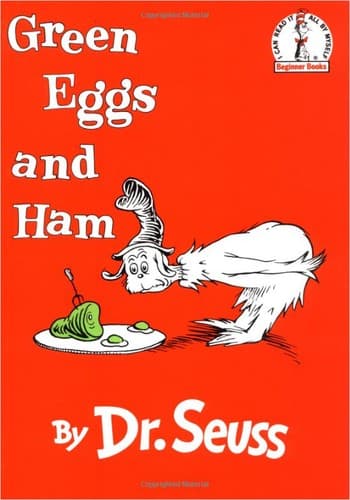
- Green Eggs and Ham
Dr. Seuss
4.3 (617k) average on GoodreadsFantasyShares Dr. Seuss's signature rhyming style, playful language, and simple, engaging plot.
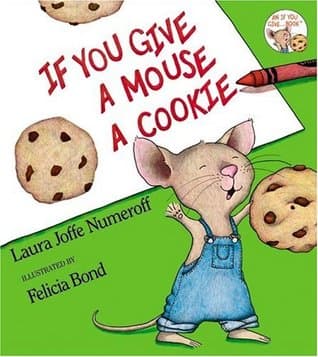
- If You Give a Mouse a Cookie
Laura Joffe Numeroff
4.3 (251k) average on GoodreadsFantasyExplores a chain reaction of events initiated by a mischievous character, leading to escalating fun and minor chaos.
- The Very Hungry Caterpillar
Eric Carle
4.3 (396k) average on GoodreadsChildren'sWhile The Very Hungry Caterpillar offers beautiful, tactile illustrations and a gentle narrative about growth and transformation, it doesn't possess the same direct phonetic utility and energetic narrative drive for emergent readers as "The Cat in the Hat." Carle's book excels in conceptual learning and visual storytelling, whereas Seuss's strength lies in its rhythmic text and direct support for decoding skills.
- Harry Potter and the Sorcerer's Stone
J.K. Rowling
4.5 (7M) average on GoodreadsFantasyRescued from a miserable life under the stairs, an orphaned boy discovers he's a wizard destined for a magical school, where he uncovers a dangerous secret tied to the dark wizard who murdered his parents.
- The Hunger Games
Suzanne Collins
4.3 (6.4M) average on GoodreadsFantasyIn a future where children fight to the death on live television, Katniss Everdeen volunteers for the arena, turning a death sentence into a fight for survival and a spark of rebellion.
- 1984
George Orwell
4.2 (3.1M) average on GoodreadsPoliticsIn a future where surveillance and thought control are absolute, a man's search for truth clashes with the Party, showing that hope can be a form of rebellion.



Enjoyed the summary?
A summary gives you the shape of the book. The book itself has the detail, the examples and the voice.
Find The Cat in the Hat on AmazonAs an Amazon Associate, BookBrief earns from qualifying purchases. How we're funded