

Synopsis
Covers the whole plot, including the ending.
- Difficulty
- Easy
- Pacing
- Moderate
- Mood
- Bittersweet, Poignant, Reflective, Heartwarming, Sad
- Read it if
- You enjoy poignant, character-driven stories about unlikely friendships, coming-of-age, and confronting mortality with a bittersweet, emotional impact. Fans of 'The Fault in Our Stars' will find similar themes.
- Skip it if
- You prefer fast-paced plots, lighthearted romance without tragic elements, or find stories about terminal illness and grief too emotionally heavy.
I Want to Eat Your Pancreas Plot Summary
Covers the whole plot, including the ending.
A Chance Encounter with a Secret Diary
One day, while at a hospital, the unnamed protagonist (later Shiga Haruki) finds a diary called 'Living with Dying.' He opens it and reads, quickly realizing it belongs to his cheerful and popular classmate, Yamauchi Sakura. The diary says Sakura has a terminal pancreatic disease and little time left. Haruki is the only person outside of Sakura's family who knows about her condition. This discovery starts their unlikely and secret friendship.
The Unlikely Friendship Begins
Sakura, when she realizes Haruki knows her secret, is not upset. She sees it as a chance to have someone to share her remaining time with. She starts seeking Haruki's company, which makes him uncomfortable. Despite his initial hesitation and wish to stay alone, Sakura's lively nature slowly draws him in. They start spending time together, going to cafes and arcades, and having talks that challenge Haruki's way of thinking. Sakura's open talks about her death and her wish to live fully begin to change Haruki, making him face his own distance from the world.
A Trip to Fukuoka and Shared Vulnerabilities
Sakura invites Haruki on a trip to Fukuoka, an idea she got from a TV show. During their time, they share close moments and deeper talks. Sakura openly talks about her fear of death and her wish to make the most of her remaining time. Haruki, quietly, starts to talk about why he avoids connecting with others. They play a game that leads to confessions and a growing understanding between them. Sakura asks Haruki about his first love, and he asks her if she is afraid of dying. This trip strengthens their bond, making it clear their relationship is more than just friendship.
Kyouko's Growing Concern and a Confrontation
Sakura's best friend, Kyouko, becomes suspicious and worried about Sakura's frequent absences and her new closeness with Haruki. Kyouko, protective of Sakura, confronts Haruki, asking what is happening. Haruki, keeping his promise to Sakura, says nothing, which makes Kyouko dislike him more. This meeting shows the secret nature of Haruki and Sakura's relationship and how it affects those around them who do not know about Sakura's illness. Kyouko's anger contrasts with Sakura's seemingly carefree attitude about her condition.
The Hospital Stay and Reflections
Sakura's health worsens, leading to time in the hospital. Haruki visits her regularly, continuing their talks and activities, even in the hospital room. During this time, Haruki thinks about how much Sakura has changed him, making him engage with life and people in ways he never thought he would. Sakura, though weaker, stays cheerful, often joking about her illness and her wish to experience everything she can. She talks about life and death, sharing her ideas with Haruki, who listens intently, taking in her view.
A Brief Period of Recovery and Renewed Hope
After some time in the hospital, Sakura's condition gets better, and she is discharged. This brings renewed hope, not just for Sakura, but also for Haruki, who had gotten used to her presence. They continue to spend time together, enjoying everyday activities, almost as if her illness had temporarily gone. Sakura even talks about future plans, though Haruki knows these plans are uncertain. This short break lets them have a normal, young relationship, valuing the present without the immediate threat of her illness.
The Unthinkable Tragedy Strikes
Just as Sakura's health seemed to improve, a sudden tragedy happens. While walking home after a hospital check-up, Sakura is attacked and murdered by a random person. Haruki learns of her death not from her illness, but from a news report about a stabbing. This sudden and brutal end to her life is devastating, especially for Haruki, who had been preparing for her death from illness, not this violence. The irony of her dying in such an ordinary, unpredictable way, rather than from her terminal disease, deeply affects Haruki and all who knew her.
Grief and Isolation
Sakura's sudden death sends Haruki into deep grief and loneliness. He goes to her funeral, where he sees Kyouko's raw sadness and the sorrow of Sakura's family. Haruki, unable to say how connected he was to Sakura or how much he lost, feels even more alone. He continues to withdraw from classmates and stays emotionally distant. The weight of his shared secret with Sakura, combined with her unexpected death, makes his grieving especially complicated and lonely, as he cannot openly show how much she affected his life.
Discovering Sakura's Will
Weeks after Sakura's death, Haruki is able to visit her mother. During this visit, Sakura's mother gives Haruki Sakura's diary, 'Living with Dying,' along with a letter from Sakura addressed to him. This is important, as it is the first time Haruki can openly acknowledge his relationship with Sakura to someone else. Reading her final thoughts and wishes, Haruki learns that Sakura had written a lot about him, saying she was grateful for him and admitting her true feelings for him. The diary lets Sakura's voice speak after her death, helping Haruki through his grief.
Reconciliation and Moving Forward
After reading Sakura's diary, Haruki understands her feelings and her wish for him to connect with others. He finds Kyouko, Sakura's best friend, and finally tells her the truth about Sakura's illness and their secret friendship, showing her the diary. Kyouko is angry and heartbroken at first, but as she reads Sakura's words, she starts to understand. This shared grief and understanding lets Haruki and Kyouko reconcile and find common ground in their love for Sakura. Haruki, inspired by Sakura, starts to open up to the world, making real connections and living a life that honors Sakura's memory, no longer a solitary person.
Principal Figures
Shiga Haruki (The Narrator / 'Me')
Protagonist
A solitary and detached high school student who finds his world turned upside down.
Haruki is initially presented as a quiet, introverted, and detached high school student who prefers books over people. He actively avoids social interaction and has a cynical view of life. His accidental discovery of Sakura's diary and her terminal illness forces him out of his shell. Throughout the story, he is observant and thoughtful, though slow to express his emotions. Sakura's influence gradually transforms him from an isolated individual into someone capable of forming deep connections and embracing life.
Relationships: Yamauchi Sakura (Secret, deep, and transformative companionship; unacknowledged romantic feelings); Kyouko (Initial animosity, later reconciliation and shared grief); Gamukko (Childhood friend, later reconnects)
Yamauchi Sakura
Protagonist
A vibrant and popular high school girl secretly battling a terminal illness.
Sakura is outwardly cheerful, energetic, and popular, masking her terminal pancreatic disease from everyone except her family. She is remarkably optimistic and pragmatic about her impending death, choosing to live her remaining days to the fullest and experience as much as possible. She is perceptive, wise beyond her years, and actively seeks to draw Haruki out of his isolation. Her philosophical outlook on life and death profoundly impacts Haruki, and her diary serves as her posthumous voice, guiding him even after her death.
Relationships: Shiga Haruki (Secret, deep, and transformative companionship; unacknowledged romantic feelings); Kyouko (Best friend, deeply loyal and protective); Takahiro (Ex-boyfriend, but not a significant relationship in the story)
Kyouko
Supporting
Sakura's fiercely loyal and protective best friend.
Kyouko is Sakura's closest friend, characterized by her strong personality and deep devotion to Sakura. She is initially hostile towards Haruki, suspicious of his secretive relationship with Sakura and protective of her best friend. Her anger stems from her love and concern for Sakura, and her inability to understand why Sakura is spending so much time with someone like Haruki. After Sakura's death, Kyouko's grief is profound, and she eventually reconciles with Haruki upon learning the truth, finding solace in their shared sorrow.
Relationships: Yamauchi Sakura (Best friend); Shiga Haruki (Initial animosity, later reconciliation and shared grief)
Gamukko (Gamu-chan)
Supporting
Haruki's childhood friend and class representative.
Gamukko, whose real name is Issei, is Haruki's childhood friend and the class representative. He is a more outgoing and socially adept individual compared to Haruki, often trying to engage him in class activities or social events. While not deeply involved in Haruki's secret with Sakura, he represents a past connection and a potential path for Haruki to reconnect with others. He is consistently kind and concerned for Haruki, embodying a sense of normalcy and friendship that Haruki initially pushes away.
Relationships: Shiga Haruki (Childhood friend)
Takahiro
Mentioned
Sakura's ex-boyfriend and a popular classmate.
Takahiro is Sakura's ex-boyfriend and a member of the popular crowd. He is presented as a typical, somewhat arrogant popular boy. His interactions are primarily with Sakura and Kyouko, and he represents the social circle Sakura existed in before her illness. He is largely unaware of Sakura's condition and plays a minor role, serving mainly to highlight Sakura's choice to spend her final days with Haruki rather than someone like Takahiro.
Relationships: Yamauchi Sakura (Ex-boyfriend); Kyouko (Acquaintance)
Sakura's Mother
Supporting
A grieving mother who provides Haruki with Sakura's diary.
Sakura's mother is a minor but significant character. She is a loving mother who is aware of her daughter's illness and supports her. After Sakura's death, she is the one who entrusts Sakura's diary and letter to Haruki, recognizing the special bond they shared. Her act of giving Haruki the diary is crucial for his healing process and for the resolution of the plot, allowing him to understand Sakura's true feelings and intentions.
Relationships: Yamauchi Sakura (Mother); Shiga Haruki (Acknowledges his special bond with her daughter)
The Librarian
Mentioned
An older woman who provides guidance to Haruki.
The librarian is an elderly woman who works at the school library, a place Haruki frequently visits. She observes Haruki's solitary nature and offers him subtle, gentle advice about reading and connecting with the world. She represents a quiet, understanding adult presence in Haruki's life, someone who sees his struggles without being intrusive. Her interactions with Haruki, though brief, reinforce the theme of human connection and the importance of engaging with life beyond books.
Relationships: Shiga Haruki (Mentor/advisor figure)
Themes & Insights
Life, Death, and the Meaning of Existence
The main theme is how people face death and find meaning in life. Sakura, facing death, lives every moment fully, challenging Haruki's distant approach to life. Her view, shown through her actions and diary, suggests that life's quality, not its length, matters. Haruki's change shows that real living involves being vulnerable and connecting, even with loss, as he finally opens up to Kyouko and others after Sakura's death.
“'Living means having a connection with someone. Living means having a connection with everyone. That's what living is.'”
Identity and Self-Discovery
Both Haruki and Sakura change a lot. Haruki, who started as a loner, finds his ability to feel empathy, love, and connection through Sakura. He learns who he is when he lets himself be vulnerable. Sakura, while seemingly confident, uses her time with Haruki and her diary to define her legacy and accept her identity as a dying person who is still vibrant. Their relationship pushes each to understand themselves better, ending with Haruki becoming more open after her death.
“'I wanted to eat your pancreas.”
The Power of Human Connection
The story explores how human connection, even an unusual one, can change people. Haruki, a loner, is drawn into a deep, meaningful relationship with Sakura, which changes how he sees himself and the world. Sakura actively seeks connection to fight her loneliness in illness. Even after her death, their bond continues to influence Haruki, making him connect with Kyouko and others. The story suggests that we truly live and find purpose through our relationships, as Haruki shows by embracing friendship and social interaction.
“'Even if we don't say a word, we're still connected.'”
Grief and Acceptance
The story looks at the difficulties of grief, especially for Haruki, who experiences a unique kind of loss. He struggles not only with Sakura's death but also with the secret nature of their relationship, which keeps him from openly mourning. His path to acceptance is helped by Sakura's diary, which gives him closure and a better understanding of her wishes. The story shows that acceptance is not about forgetting but about including the loss in one's life and moving forward with what was learned, as Haruki does by connecting with Kyouko and living a more involved life.
“'You're just going to have to live with it, like a wound that never heals.'”
The Unpredictability of Life and Death
A main theme is how arbitrary and unpredictable life and death are. Sakura is meant to die from a terminal illness, but her actual death comes from a random, violent act, unrelated to her disease. This ironic twist shows that life is fragile and can end unexpectedly, regardless of existing conditions. It challenges the characters' and readers' ideas about fate and control, emphasizing that every moment is precious and that one cannot truly prepare for how one will die. This unpredictability pushes Haruki to value the present.
“'Life is something that you live. It's not something you're given.'”
Plot Devices & Literary Techniques
The Diary ('Living with Dying')
A central object that drives the plot and reveals inner thoughts.
Sakura's diary is the primary catalyst for the entire story. Its accidental discovery by Haruki initiates their secret companionship and forms the foundation of their unique relationship. The diary not only provides the reader with direct access to Sakura's inner thoughts, fears, and philosophies about life and death but also serves as her posthumous voice. After her death, the diary becomes the key to Haruki's healing, allowing him to understand Sakura's true feelings and ultimately facilitating his reconciliation with Kyouko, thereby resolving the central conflict of Haruki's isolation.
First-Person Limited Perspective (Haruki's POV)
Narrative told exclusively through the protagonist's eyes, creating intimacy and suspense.
The story is narrated entirely from Haruki's perspective, without revealing his name until the very end. This narrative choice immerses the reader in Haruki's internal world, allowing us to experience his detached observations, gradual emotional awakening, and profound grief firsthand. It creates a sense of intimacy and authenticity, as we witness Sakura's impact on him through his own evolving lens. It also builds suspense around Sakura's condition and Haruki's eventual transformation, as her thoughts are only revealed indirectly through his interactions or, later, through her diary.
Dramatic Irony
The audience and Haruki know Sakura's secret, while others remain oblivious.
Dramatic irony is prevalent throughout the story, primarily concerning Sakura's terminal illness. Haruki (and the reader) is aware of her condition, while most other characters, including her best friend Kyouko and their classmates, are completely oblivious. This creates tension and emotional weight in scenes where Sakura acts cheerfully or makes future plans, knowing her time is limited. The most striking use of dramatic irony is her eventual death not from her illness, but from a random act of violence, a twist that subverts expectations and amplifies the tragedy for those who knew her secret.
The Pancreas Metaphor
A symbolic expression of deep connection and shared destiny.
The phrase 'I want to eat your pancreas' (or 'Let me eat your pancreas') is a recurring motif and symbolic expression of Haruki's profound desire to share Sakura's life, fate, and even her illness. Rooted in an old superstition that eating the organ of a loved one could heal one's own ailment or inherit their spirit, it becomes a deeply intimate and somewhat morbid declaration of love and connection. It signifies Haruki's wish to be so intertwined with Sakura that he would take on her suffering, ultimately representing his complete emotional investment and acceptance of her, flaws and all.
I Want to Eat Your Pancreas Quotes
“I want to eat your pancreas.”
“I’m not afraid of dying. I’m afraid of not being able to live.”
“The only thing we can do is live until we die.”
“I want to be a memory that doesn’t fade.”
“You don’t need a reason to help someone.”
“Living means connecting with others.”
“I’m glad I met you. I’m glad I was able to meet you.”
“The world is full of things you don’t know about.”
“Even if I disappear, I want to leave something behind.”
“It’s okay to cry. It’s okay to be sad.”
“We’re all going to die someday. That’s why our lives have meaning.”
“I want to live every day as if it were my last.”
“You changed me. You made me want to live.”
Quiz
10 questions on the plot and the characters. Each answer comes with a short explanation.
Question 1
What does the unnamed protagonist discover about his classmate Sakura Yamauchi at the beginning of the story?
- That she has a secret crush on him
- That she is moving to another country
- That she is dying from a pancreatic disease
- That she is failing her classes
Show answer
C. That she is dying from a pancreatic disease The story begins when the protagonist finds Sakura's diary in a hospital waiting room and reads that she has a terminal pancreatic disease, which she has kept secret from everyone except her family.
Question 2
Why does Sakura initially give the protagonist her diary to read?
- She accidentally leaves it behind and he finds it
- She asks him to edit it for her
- She wants him to share it with their classmates
- She gives it to him as a birthday present
Show answer
A. She accidentally leaves it behind and he finds it Sakura accidentally leaves her diary in a hospital waiting room, where the protagonist finds and reads it, leading to his discovery of her secret.
Question 3
What is the protagonist's main personality trait as described in the book?
- Outgoing and popular
- Reserved and emotionally detached
- Angry and rebellious
- Anxious and fearful
Show answer
B. Reserved and emotionally detached The protagonist is portrayed as a loner who prefers solitude and initially shows little emotion, which contrasts with Sakura's vibrant personality.
Question 4
What does Sakura ask the protagonist to do with her after she dies?
- Attend her funeral and give a speech
- Eat her pancreas to carry a part of her with him
- Donate her organs to medical research
- Write a book about their friendship
Show answer
B. Eat her pancreas to carry a part of her with him Sakura makes the unusual request that the protagonist eat her pancreas after she dies, symbolically asking him to carry her essence and memories forward.
Question 5
How does the protagonist's relationship with Sakura change over the course of the story?
- They become romantic partners
- They remain distant acquaintances
- They develop a deep, platonic bond
- They become bitter rivals
Show answer
C. They develop a deep, platonic bond Though their relationship has romantic undertones, it primarily evolves into a profound platonic friendship where they support and understand each other deeply.
Question 6
What is a major theme explored through Sakura's attitude toward her illness?
- The inevitability of death and living fully despite it
- The importance of medical advancements
- The cruelty of fate and injustice
- The need for secrecy in personal struggles
Show answer
A. The inevitability of death and living fully despite it Sakura chooses to live her remaining months with joy and purpose, embracing experiences and connections rather than dwelling on her terminal condition.
Question 7
How does the story end for the protagonist after Sakura's death?
- He moves away and forgets about her
- He becomes a doctor to cure pancreatic diseases
- He is emotionally shattered and unable to recover
- He finds meaning and learns to cherish life and memories
Show answer
D. He finds meaning and learns to cherish life and memories Though grieving, the protagonist is transformed by his time with Sakura, learning to value life, relationships, and the memories they shared.
Question 8
What literary device is prominently used in the book's title and Sakura's request?
- Metaphor
- Simile
- Hyperbole
- Onomatopoeia
Show answer
A. Metaphor "I want to eat your pancreas" is a metaphorical expression meaning to take in someone's essence or memories, not a literal act.
Question 9
Why does Sakura keep her illness a secret from her friends and classmates?
- She fears they will pity her or treat her differently
- Her family forbids her from telling anyone
- She is ashamed of having a disease
- She wants to avoid medical treatments
Show answer
A. She fears they will pity her or treat her differently Sakura wants to live normally and avoid the sympathy or altered behavior that often comes when people know someone is terminally ill.
Question 10
What role does the diary play in the narrative structure of the book?
- It serves as a red herring to mislead readers
- It is the primary source of Sakura's inner thoughts and the story's inciting incident
- It is used to provide comic relief
- It contains clues to a mystery unrelated to her illness
Show answer
B. It is the primary source of Sakura's inner thoughts and the story's inciting incident The diary reveals Sakura's secret illness to the protagonist, sparking their relationship, and offers insights into her perspective throughout the story.
I Want to Eat Your Pancreas FAQ
What is 'I Want to Eat Your Pancreas' about?
The story follows an unnamed high school boy who discovers his classmate Sakura Yamauchi's secret diary, revealing she is dying from a pancreatic disease. He becomes the only person outside her family who knows, and their shared secret leads to a deep, transformative friendship during her final months, exploring themes of mortality, connection, and living fully.
Why should I read 'I Want to Eat Your Pancreas'?
It's a poignant coming-of-age story that masterfully blends emotional depth with philosophical reflection on life and death. Through the authentic, evolving relationship between the protagonists, it delivers a powerful, tearjerking narrative that resonates long after reading, making it a memorable experience in young adult romance.
What is the background/setting of 'I Want to Eat Your Pancreas'?
Set in modern-day Japan, the story unfolds in a typical high school environment and everyday locations like cafes, parks, and hospitals. This ordinary backdrop contrasts sharply with Sakura's extraordinary secret, emphasizing how profound moments can arise in mundane settings as the characters navigate her illness.
What are the most memorable quotes from 'I Want to Eat Your Pancreas'?
Key quotes include Sakura's line 'I want to eat your pancreas'—a metaphor for absorbing someone's vitality—and her reflection 'I'm not afraid of dying. I'm afraid of not having lived.' The protagonist's realization 'I wanted to be with her forever, but forever doesn't exist' also captures the story's emotional core.
What writing style does the author use in 'I Want to Eat Your Pancreas'?
Yoru Sumino employs a first-person narrative from the boy's perspective, creating an intimate, reflective tone. The prose is straightforward yet lyrical, blending mundane details with profound insights, and uses diary entries and dialogue to reveal character depths, making the emotional journey feel raw and authentic.
What minor details add significant meaning in 'I Want to Eat Your Pancreas'?
Small details like Sakura's habit of writing in her diary, the cherry blossom scenes symbolizing fleeting beauty, and the protagonist's initial reluctance to use names highlight their emotional distance. The repeated motif of food, especially in the title, subtly ties to themes of consumption, life, and connection.
What are some subtle foreshadowing moments in 'I Want to Eat Your Pancreas'?
Early on, Sakura's casual remarks about not having much time and her insistence on living without regrets foreshadow her impending death. The protagonist's growing attachment and moments of quiet reflection hint at the emotional impact her loss will have, building tension despite the seemingly lighthearted interactions.
What unexpected character connections exist in 'I Want to Eat Your Pancreas'?
A subtle connection is how Sakura's best friend, Kyoko, initially resents the protagonist for getting close to Sakura, but later, their shared grief bridges their differences. The protagonist's relationship with his own family is also indirectly deepened through his experiences with Sakura, showing how she impacts his broader life.
What are unspoken character motivations in 'I Want to Eat Your Pancreas'?
The protagonist is motivated by a deep-seated loneliness and desire for genuine connection, which he finds in Sakura despite his aloof exterior. Sakura, while appearing cheerful, is driven by a fear of being pitied and a need to leave a meaningful legacy, leading her to share her secret with someone who sees her as more than her illness.
What psychological complexities do characters exhibit in 'I Want to Eat Your Pancreas'?
Sakura displays a complex mix of resilience and vulnerability, using humor and optimism to mask her fear of death. The protagonist grapples with emotional repression, slowly opening up through their friendship, and both characters navigate guilt, love, and the psychological weight of secrecy in the face of mortality.
What are the major emotional turning points in 'I Want to Eat Your Pancreas'?
Key turning points include the protagonist discovering Sakura's diary, their first outing where they bond over shared secrets, Sakura's hospitalization that makes her illness tangible, and the climactic moment of her death. Each event deepens their relationship and forces the protagonist to confront his emotions more directly.
How do relationship dynamics evolve in 'I Want to Eat Your Pancreas'?
The relationship starts with distance and curiosity, evolves into a genuine friendship built on trust and shared experiences, and deepens into a profound, unspoken love. After Sakura's death, the protagonist's dynamic with others, like Kyoko, shifts as he learns to carry her memory forward, showing growth from isolation to connection.
Which parts remain ambiguous or open-ended in 'I Want to Eat Your Pancreas'?
The story leaves the protagonist's name and specific future ambiguous, emphasizing his everyman role and the universal themes. Sakura's exact feelings about death and whether she achieved all her desires are subtly implied but not fully spelled out, inviting readers to reflect on their own interpretations of her legacy.
What are controversial scenes or decisions in 'I Want to Eat Your Pancreas'?
Some readers debate the protagonist's initial decision to keep Sakura's secret without urging her to seek more help or involve others. Sakura's choice to hide her illness from friends is also controversial, as it raises questions about autonomy versus the emotional impact on loved ones, adding layers to the ethical dilemmas presented.
'I Want to Eat Your Pancreas' ending explained: how it ends & what it means
The story ends with Sakura's sudden death from an unrelated accident, not her disease, leaving the protagonist to grapple with the irony and grief. It signifies that life is unpredictable and emphasizes the importance of cherishing moments. His journey toward acceptance and carrying her memory forward highlights themes of legacy and emotional growth.
About the author
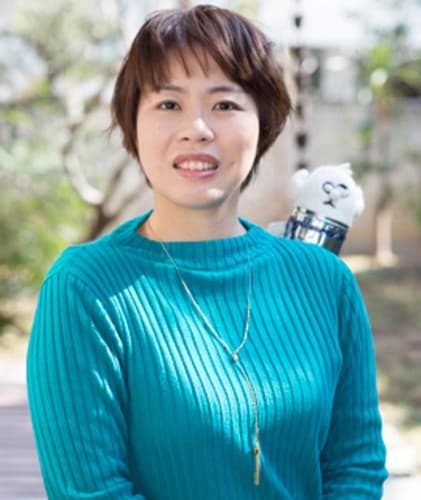
Yoru Sumino is a Japanese author known for writing contemporary fiction. Their notable work, "I Want to Eat Your Pancreas," explores themes of life, death, and human connection through a poignant narrative. Sumino's storytelling often resonates with readers for its emotional depth and relatable characters.
Similar books
- The Fault in Our Stars
John Green
4.2 (3.6M) average on GoodreadsYoung AdultFeatures a romance between two teenagers facing terminal illness, exploring themes of life, death, and love with a similar emotional depth.
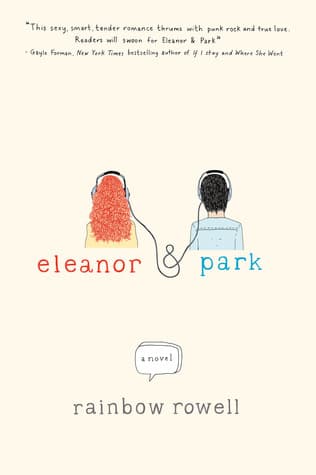
- Eleanor & Park
Rainbow Rowell
4.0 (860k) average on GoodreadsYoung AdultWhile both are YA romance novels, Rowell's book focuses on the challenges of first love within a realistic, non-terminal context, emphasizing social and personal hurdles. I Want to Eat Your Pancreas distinguishes itself by using the impending death as a fundamental catalyst for profound philosophical contemplation and personal transformation, making it a more introspective and ultimately more impactful exploration of what it means to truly live and connect.
- Harry Potter and the Sorcerer's Stone
J.K. Rowling
4.5 (7M) average on GoodreadsFantasyRescued from a miserable life under the stairs, an orphaned boy discovers he's a wizard destined for a magical school, where he uncovers a dangerous secret tied to the dark wizard who murdered his parents.
- The Hunger Games
Suzanne Collins
4.3 (6.4M) average on GoodreadsFantasyIn a future where children fight to the death on live television, Katniss Everdeen volunteers for the arena, turning a death sentence into a fight for survival and a spark of rebellion.
- To Kill a Mockingbird
Harper Lee
4.3 (4.5M) average on GoodreadsHistorical FictionIn the 1930s Jim Crow South, Harper Lee writes about racial injustice, moral growth, and the quiet courage of a lawyer father, Atticus Finch, as seen through his young daughter's eyes.
- Divergent
Veronica Roth
4.2 (2.9M) average on GoodreadsFantasyIn a society divided by virtues, a sixteen-year-old's difference from the norm starts a rebellion that threatens her world.





Enjoyed the summary?
A summary gives you the shape of the book. The book itself has the detail, the examples and the voice.
Find I Want to Eat Your Pancreas on AmazonAs an Amazon Associate, BookBrief earns from qualifying purchases. How we're funded