
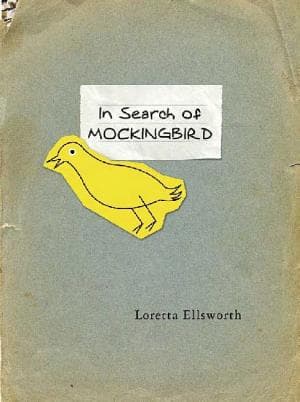
Core Idea
- Difficulty
- Medium
- Read it if
- You are a fan of 'To Kill a Mockingbird' and curious about its real-world roots, or if you enjoy literary journeys, author quests, and reflections on the impact of classic literature.
- Skip it if
- You prefer purely academic literary analysis, are not interested in the biographical context of 'To Kill a Mockingbird,' or dislike travelogues interwoven with literary exploration.
Key Takeaways from In Search of Mockingbird
The Literary Compass
Books can serve as profound guides to understanding our past and ourselves.
Loretta Ellsworth shows how a single book, 'To Kill a Mockingbird,' becomes more than just a story for Erin; it is a direct link to her deceased mother and a possible key to understanding her own identity. The novel suggests that literature can go beyond its pages, acting as a historical item, a personal code, and a source of deep emotional connection. Erin's journey is not just about finding Harper Lee, but about understanding her mother's life through the worn pages and shared love for a literary work. This emphasizes the deep power of books to shape personal stories and drive self-discovery, especially when family connections are broken or incomplete.
“A book is all that connects Erin to her mother, who died when she was a baby. But how much can Erin really learn about her mother from a tattered copy of To Kill a Mockingbird?”
In the book: Erin's entire journey is predicated on the belief that her mother's tattered copy of 'To Kill a Mockingbird' holds clues to her identity and their shared history.
Try this: Reflect on a book that holds significant personal meaning for you or a loved one. Consider how it might offer insights into your own story or the stories of those who shared it with you. Explore the possibility of using literature as a lens to understand personal history or emotional legacies.
Related ideas: bibliotherapy, literary-legacy, self-discovery
The Quest for Origin Stories
Our deepest longing is often to understand where we come from and who we belong to.
The novel highlights a universal human need: to connect with our origins. Erin's journey is not only physical; it is an emotional trip to fill the emptiness left by her mother's early death. Her search for Harper Lee symbolizes a deeper search for answers about her mother's life, her choices, and Erin's own place in the world. This need to understand one's family history and the stories that came before us is a strong motivator, often leading people to make great efforts. Ellsworth suggests that a full sense of self often depends on understanding the 'why' and 'how' of our beginnings, even if those answers are hard to find or require much personal effort.
“On the eve of her sixteenth birthday, Erin decides it's finally time to find out. And so begins her bus journey from Minnesota to Alabama in search of Harper Lee, the reclusive author of Mockingbird.”
In the book: Erin's decision to run away from home on her sixteenth birthday specifically to find Harper Lee, driven by the desire to understand her deceased mother through the author's work.
Try this: Consider what aspects of your own family history or personal narrative remain unknown or unclear. Explore avenues (family members, old letters, historical documents, shared interests) that might help you piece together these 'origin stories' to gain a richer understanding of yourself.
Related ideas: identity-formation, familial-roots, personal-narrative
Serendipity of the Road
Unplanned journeys often lead to unexpected discoveries and invaluable connections.
Ellsworth uses the 'road trip' as a way to show personal growth and life's unpredictable nature. Erin's journey is not a straight path; it is full of detours, chance meetings, and unique characters who help her understand herself and the world. This shows that true discovery often happens not at the planned destination, but in the moments between, through the kindness of strangers, and the lessons learned from unexpected challenges. The novel promotes the idea that embracing the unknown and allowing for chance can be more rewarding than strictly following a pre-planned route, both literally and figuratively.
“In a novel full of quirky characters, strange coincidences, and on-the-road adventures, Loretta Ellsworth deftly traces a unique voyage of self-discovery.”
In the book: The description highlights 'quirky characters, strange coincidences, and on-the-road adventures' as integral to Erin's 'unique voyage of self-discovery'.
Try this: When faced with a challenge or a quest, be open to alternative paths and unexpected allies. Don't dismiss 'detours' as failures; view them as opportunities for new perspectives, connections, and learning. Embrace the unpredictable nature of life's journey.
Related ideas: travel-as-growth, chance-encounters, unplanned-discovery
The Myth of the Reclusive Artist
Sometimes, the answers we seek from creators are already within their creations.
Erin's pursuit of Harper Lee shows a common human desire to seek direct answers from the creators of important works, believing they hold a secret key to understanding their art or its impact. However, the novel subtly suggests that the core of 'To Kill a Mockingbird' and its connection to Erin's mother might not come from a direct conversation with a reclusive author. Instead, the answers are likely in the text itself, in its themes, characters, and the emotional impact it creates. This challenges the romantic idea of the 'oracle-like' artist, suggesting that the true power and meaning of art often lies in its independent existence and each reader's unique interpretation, rather than in the artist's personal explanations.
“And so begins her bus journey from Minnesota to Alabama in search of Harper Lee, the reclusive author of Mockingbird.”
In the book: Erin's entire quest is to find the 'reclusive author,' implying a belief that Lee herself holds the direct answers Erin seeks.
Try this: When deeply moved by a piece of art, music, or literature, first delve deeper into the work itself for understanding. Resist the urge to solely seek direct explanations from the creator; often, the most profound insights come from your own engagement and interpretation.
Related ideas: author-intention, reader-response, art-interpretation
The Power of Shared Admiration
Common interests, especially in literature, can forge unexpected and deep bonds.
While 'To Kill a Mockingbird' is Erin's main link to her mother, the novel also shows how shared admiration for art can create immediate, deep connections with others. As Erin travels, her connection to the book likely acts as a silent signal, drawing in like-minded people or starting conversations with those who also love it. This emphasizes the community aspect of literature and shared cultural touchstones. It suggests that finding common ground through beloved stories can bridge gaps between strangers, build empathy, and create a sense of belonging. This echoes the idea that stories are basic to human connection and community building, even in the most brief encounters.
“A book is all that connects Erin to her mother...”
In the book: The premise that the book is Erin's sole connection to her mother implies the power of shared literary appreciation. The 'quirky characters' Erin meets likely share a similar appreciation for life's narratives, if not specifically 'Mockingbird'.
Try this: Actively seek out communities or individuals who share your literary or artistic passions. Engage in discussions, book clubs, or online forums. Recognize that these shared interests are powerful tools for building meaningful connections and understanding others.
Related ideas: literary-community, shared-interests, empathy-through-art
Beyond the Surface-Level Narrative
True understanding often requires looking beyond the obvious plot to deeper themes and personal resonance.
Ellsworth challenges Erin, and the reader, to think about what 'learning about her mother' truly means. It is not just about plot points or character names; it is about recognizing the values, beliefs, and emotional reasons that first drew her mother to 'To Kill a Mockingbird.' The novel suggests that deep insights into a person, or even a culture, come from analyzing the main themes—justice, prejudice, empathy, childhood innocence—and how those themes personally resonate. This encourages a deeper, more analytical engagement with stories, urging us to look beyond surface interpretations to find the rich layers of meaning that connect art to life.
“But how much can Erin really learn about her mother from a tattered copy of To Kill a Mockingbird?”
In the book: Erin's quest is to learn about her mother through the book, implying she must delve into its thematic content to understand her mother's values and perspective.
Try this: When engaging with a story (book, film, play), ask yourself: What are the core themes? How do these themes relate to my own life or the lives of people I care about? What values does this story promote or challenge? Use this deeper analysis to gain insights into yourself and others.
Related ideas: thematic-analysis, literary-depth, personal-interpretation
The Age of Self-Discovery
Adolescence is a pivotal time for forging identity, often through rebellious or unconventional paths.
Erin's decision to run away on her sixteenth birthday is very important, marking a classic adolescent stage of development. This time is often defined by a strong drive for independence, questioning established rules, and an intense search for personal identity separate from parents. Ellsworth presents Erin's journey as typical of this age, where the stakes of self-discovery feel very high and the methods, though unusual, are driven by a deep need for autonomy and understanding. The novel implicitly acknowledges that while risky, such intense, self-directed quests can be crucial for an individual's growth and the formation of a distinct sense of self, especially when traditional guidance is missing.
“On the eve of her sixteenth birthday, Erin decides it's finally time to find out.”
In the book: The specific timing of Erin's departure — 'on the eve of her sixteenth birthday' — underscores the significance of this developmental milestone for her quest.
Try this: Recognize that periods of intense questioning and 'rebellion' in adolescence are often natural parts of identity formation. For young people, encourage safe avenues for exploration and self-discovery. For adults, reflect on your own formative 'journeys' and the lessons learned from them.
Related ideas: adolescent-identity, rites-of-passage, autonomy-quest
Home is a Feeling, Not a Place
True belonging and peace can be found in unexpected places or within oneself, rather than just a physical address.
This opening line sets up a fundamental theme: the idea that 'home' is complex. For Erin, her physical home in Minnesota does not provide the answers or the sense of belonging she wants, especially regarding her mother. Her journey to Alabama, seemingly to find Harper Lee, is also a search for a spiritual or emotional home. The novel suggests that true comfort, understanding, and a sense of self might be found through experiences, relationships, and internal discoveries far from one's starting point. It supports the idea that 'home' can be a state of mind, a feeling of connection, or a new sense of self-acceptance, rather than just a fixed place.
“Sometimes the things that need to be discovered aren't so easily found at home.”
In the book: The premise that 'the things that need to be discovered aren't so easily found at home' directly drives Erin's entire runaway journey.
Try this: If feeling unsettled or disconnected, consider that 'home' might be a feeling you need to cultivate internally or through new experiences. Explore new environments, build diverse relationships, or engage in self-reflection to find where you truly feel a sense of belonging and peace.
Related ideas: sense-of-belonging, emotional-home, personal-journey
The Enduring Legacy of Art
A single work of art can possess a timeless influence, shaping lives across generations.
The entire story relies on the lasting power of 'To Kill a Mockingbird.' This novel, published decades before Erin's story, continues to have enough impact to cause a cross-country journey. Ellsworth shows how great works of art go beyond their original context and continue to speak to new generations, offering comfort, understanding, and even a way to personal history. The book is not just a story; it is a living legacy, a cultural touchstone that can connect people across time and experience. This emphasizes the deep and lasting impact that powerful stories can have on individual lives and collective awareness, acting as a bridge between past and present.
“A book is all that connects Erin to her mother, who died when she was a baby. But how much can Erin really learn about her mother from a tattered copy of To Kill a Mockingbird?”
In the book: The fact that a book published long ago serves as the singular, powerful link between Erin and her deceased mother, compelling her to embark on a significant journey.
Try this: Identify a piece of art (book, music, film) that has deeply impacted you or your family across generations. Discuss its enduring themes and why it continues to resonate. Consider how you might pass on the appreciation of such works to future generations.
Related ideas: cultural-impact, timeless-art, generational-connection
The Unseen Threads of Connection
Even in absence, deep connections can persist and guide us through life's biggest questions.
Despite her mother's death when Erin was a baby, 'To Kill a Mockingbird' creates an 'unseen thread' that connects them. This highlights the deep ways in which relationships, even those cut short, can continue to influence and shape a person's life. The book becomes a stand-in for her mother's guidance, a silent mentor that prompts Erin's search for understanding. Ellsworth suggests that love, legacy, and influence can extend far beyond physical presence, appearing in objects, shared interests, or values implicitly passed down. Erin's journey is a testament to the lasting power of these unseen connections to motivate, comfort, and ultimately help shape identity.
“A book is all that connects Erin to her mother, who died when she was a baby.”
In the book: The core premise: a book is the only tangible link Erin has to her mother, yet it is powerful enough to drive her entire quest for self-discovery.
Try this: Reflect on individuals in your life (living or deceased) who have influenced you, even if indirectly. Identify the 'unseen threads' – shared values, objects, stories – that connect you. Consider how these connections continue to guide your choices and shape your identity.
Related ideas: grief-and-legacy, inherited-values, emotional-bonds
In Search of Mockingbird Quotes
“Atticus said that Jem was growing more like a girl every day, not in his appearance, but in his nature to want to understand.”
“Sometimes I think the best thing you can do for someone is to listen to them without judgment.”
“The past is never really gone, is it? It just waits for you to remember it.”
“It takes courage to be kind when everyone else is being cruel.”
“Books were more than just stories; they were windows into other lives, other ways of thinking.”
“You can't truly understand a person until you walk a mile in their shoes, or at least try to imagine their journey.”
“Grief is a peculiar thing. It doesn't shrink; you just learn to carry it better.”
“The world is full of good people, even if the bad ones sometimes make more noise.”
“Sometimes the biggest battles are fought not with fists, but with words, or even just with silence.”
“Every life leaves a mark, whether big or small. It's up to us to decide what kind of mark we want to leave.”
“Fear can make people do terrible things, but it can also reveal incredible strength.”
“Truth has a way of finding its way out, eventually, like water through a crack in the dam.”
“It’s not about finding the mockingbird, but about understanding what it represents.”
“Childhood memories are like fireflies; they flicker and glow, and sometimes you can almost catch them.”
Quiz
10 questions on the main ideas. Each answer comes with a short explanation.
Question 1
What is the primary reason Erin decides to travel from Minnesota to Alabama?
- To escape a difficult home life and start fresh.
- To meet Harper Lee and learn more about her deceased mother.
- To visit the settings described in 'To Kill a Mockingbird'.
- To attend a literary festival in Alabama.
Show answer
B. To meet Harper Lee and learn more about her deceased mother. Erin's main motivation is to connect with the reclusive author Harper Lee, believing that Lee holds answers about her mother, who cherished 'To Kill a Mockingbird'.
Question 2
What object connects Erin to her deceased mother?
- A photograph album.
- A tattered copy of 'To Kill a Mockingbird'.
- A handwritten journal.
- A locket.
Show answer
B. A tattered copy of 'To Kill a Mockingbird'. The synopsis explicitly states, 'A book is all that connects Erin to her mother, who died when she was a baby. But how much can Erin really learn about her mother from a tattered copy of To Kill a Mockingbird?'
Question 3
On what significant personal milestone does Erin embark on her journey?
- The anniversary of her mother's death.
- The day she graduates from high school.
- The eve of her sixteenth birthday.
- The start of summer vacation.
Show answer
C. The eve of her sixteenth birthday. The text states, 'On the eve of her sixteenth birthday, Erin decides it's finally time to find out.' This marks the beginning of her quest.
Question 4
What mode of transportation does Erin use for her journey from Minnesota to Alabama?
- Train.
- Car.
- Bus.
- Airplane.
Show answer
C. Bus. The synopsis mentions, 'And so begins her bus journey from Minnesota to Alabama in search of Harper Lee.'
Question 5
The novel is described as being 'full of quirky characters, strange coincidences, and on-the-road adventures.' What literary genre element does this description most strongly suggest?
- Historical fiction.
- A coming-of-age road trip novel.
- A mystery thriller.
- A detailed biography.
Show answer
B. A coming-of-age road trip novel. The elements of 'quirky characters,' 'on-the-road adventures,' and a 'voyage of self-discovery' are characteristic of a coming-of-age road trip narrative.
Question 6
What is the central theme that Loretta Ellsworth 'deftly traces' in Erin's journey?
- The importance of historical preservation.
- The challenges of long-distance travel.
- A unique voyage of self-discovery.
- The influence of classic literature on society.
Show answer
C. A unique voyage of self-discovery. The final sentence of the synopsis explicitly states, 'Loretta Ellsworth deftly traces a unique voyage of self-discovery.' This is the overarching theme.
Question 7
What is Harper Lee's characteristic mentioned in the synopsis that makes Erin's quest particularly challenging?
- Her frequent travels abroad.
- Her reclusive nature.
- Her advanced age.
- Her lack of interest in her readers.
Show answer
B. Her reclusive nature. Erin is 'in search of Harper Lee, the reclusive author of Mockingbird,' indicating that Lee's reclusiveness is a known characteristic and a potential obstacle.
Question 8
The description implies that Erin believes 'the things that need to be discovered aren't so easily found at home.' How does this sentiment relate to the practical application of her journey?
- It suggests that travel is always necessary for personal growth.
- It justifies her decision to run away and seek answers externally.
- It highlights the difficulty of research without internet access.
- It refers to the geographical distance between her home and Alabama.
Show answer
B. It justifies her decision to run away and seek answers externally. Erin's belief that 'sometimes the things that need to be discovered aren't so easily found at home' directly underpins her decision to leave Minnesota and embark on a physical journey to find answers about her mother and herself, implying home could not provide them.
Question 9
Given the premise, what is the most likely significant internal conflict Erin will face during her journey?
- Struggling with the physical demands of bus travel.
- Debating whether meeting Harper Lee will truly provide the answers she seeks.
- Dealing with homesickness and regretting her decision to leave.
- Navigating complex family dynamics back home.
Show answer
B. Debating whether meeting Harper Lee will truly provide the answers she seeks. The core of her quest is finding answers about her mother through Harper Lee. A significant internal conflict would naturally arise from the uncertainty of whether this external pursuit will genuinely resolve her internal need for understanding, especially given the 'tattered copy' and the reclusive author.
Question 10
The synopsis emphasizes 'strange coincidences' as a feature of the novel. How might this element contribute to Erin's 'voyage of self-discovery'?
- By providing logical, step-by-step clues to her mother's past.
- By forcing her to rely on chance encounters and interpret unexpected connections, leading to unforeseen personal insights.
- By creating obstacles that make her journey more difficult and frustrating.
- By revealing a hidden, pre-determined path for her life.
Show answer
B. By forcing her to rely on chance encounters and interpret unexpected connections, leading to unforeseen personal insights. 'Strange coincidences' suggest serendipitous events rather than planned ones. In a self-discovery narrative, these often serve to introduce new perspectives, characters, or challenges that push the protagonist to grow and understand themselves in unexpected ways, rather than simply following a direct path.
In Search of Mockingbird FAQ
What is 'In Search of Mockingbird' about?
'In Search of Mockingbird' follows Erin, a sixteen-year-old runaway, as she journeys from Minnesota to Alabama. She seeks out the reclusive author Harper Lee, hoping to uncover truths about her deceased mother, who left behind only a tattered copy of 'To Kill a Mockingbird'.
Does Erin actually meet Harper Lee in the book?
The book traces Erin's determined quest to find Harper Lee, encountering a variety of quirky characters and strange coincidences along the way. Whether she ultimately meets the author is a central part of her unique voyage of self-discovery and the book's narrative arc.
What themes are explored in 'In Search of Mockingbird'?
The novel delves into themes of grief, identity, the power of literature, and the search for belonging. It explores how a beloved book can connect generations and inspire a journey of self-discovery, even in the face of uncertainty.
Is 'In Search of Mockingbird' a good choice for fans of 'To Kill a Mockingbird'?
Yes, fans of 'To Kill a Mockingbird' will likely appreciate this novel's deep respect for Harper Lee's classic and its exploration of its enduring impact. It offers a fresh perspective on the book's legacy through the eyes of a young protagonist on a meaningful quest.
What kind of journey does Erin undertake?
Erin embarks on a bus journey from her home in Minnesota all the way to Alabama, where Harper Lee resides. Her travels are filled with on-the-road adventures and encounters with various memorable characters who influence her path.
How does 'In Search of Mockingbird' differ from other coming-of-age stories?
This novel distinguishes itself by centering its coming-of-age narrative around a literary pilgrimage. Unlike many stories focused on typical teen struggles, Erin's journey is driven by a profound connection to a book and a desire to understand her past through its author.
What role does 'To Kill a Mockingbird' play in Erin's life?
'To Kill a Mockingbird' is the sole tangible link Erin has to her mother, who died when Erin was a baby. It becomes a catalyst for her journey, a source of comfort, and a symbolic key to unlocking her family's history and her own identity.
Is this book suitable for young adult readers?
Yes, 'In Search of Mockingbird' is well-suited for young adult readers. It features a relatable teenage protagonist, themes of self-discovery, and an adventurous road trip narrative that resonates with the YA audience.
Similar books
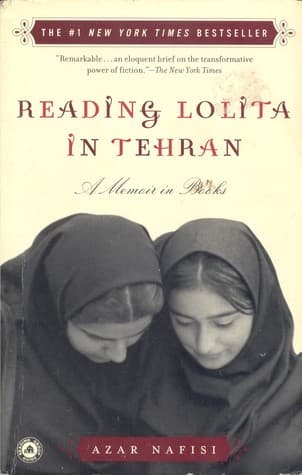
- Reading Lolita in Tehran: A Memoir in Books
Azar Nafisi
3.6 (118k) average on GoodreadsBiographyExplores the profound impact of classic literature on individuals and society in a specific cultural context.
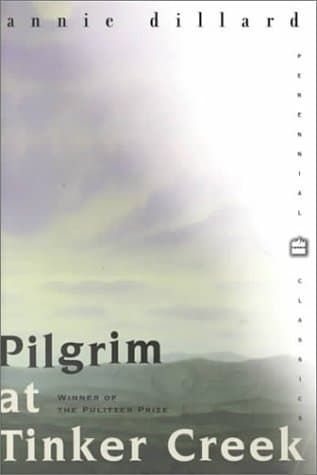
- Pilgrim at Tinker Creek
Annie Dillard
4.1 (22k) average on GoodreadsBiographyA literary journey of observation and reflection, though focused on nature rather than an author's quest.
- A Walk in the Woods: Rediscovering America on the Appalachian Trail
Bill Bryson
4.1 (346k) average on GoodreadsLifestyleWhile both 'In Search of Mockingbird' and Bryson's 'A Walk in the Woods' feature a journey as a central narrative device, their primary focuses diverge significantly. Bryson's work is a humorous and informative account of a physical challenge and an exploration of natural history, with the journey itself being the main subject. Ellsworth's novel, conversely, uses the road trip as a vehicle for internal exploration and a literary pilgrimage, making the search for a person and the meaning derived from art its core. Bryson's tone is largely observational and comedic, whereas Ellsworth's is more introspective and emotionally driven, focusing on character development through the lens of literary influence.
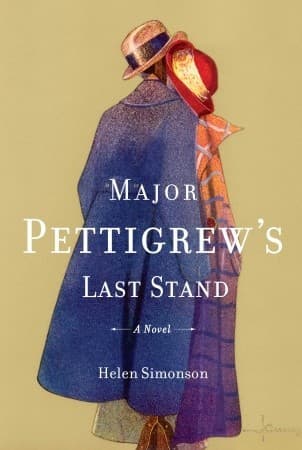
- Major Pettigrew's Last Stand
Helen Simonson
3.9 (132k) average on GoodreadsLiterary FictionBoth 'In Search of Mockingbird' and 'Major Pettigrew's Last Stand' explore themes of community, tradition, and the unexpected connections formed between individuals. However, Simonson's novel primarily focuses on social satire, intergenerational conflict within a quaint English village, and a blossoming romance in later life. While Ellsworth's book also features intergenerational dynamics and community, its central quest is external and literary, driven by a specific artistic admiration rather than the internal struggles and social maneuvering that define Simonson's characters. The 'legacy of art' in Ellsworth's novel is a direct narrative driver, whereas in Simonson's, the legacy is more about social customs and personal values.
- The Diary of a Young Girl
Anne Frank
4.2 (2.7M) average on GoodreadsBiographyDuring the Nazi occupation, a teenage girl's diary, written from a secret annex, shares observations on humanity, hope, and the wait for freedom.
- Twisted 1. Twisted love
Ana Huang
3.7 (1.7M) average on GoodreadsA quiet billionaire with a difficult past finds his guarded heart opening to the woman he must protect, but their growing passion uncovers dangerous secrets and a shared, traumatic history.



Enjoyed the summary?
A summary gives you the shape of the book. The book itself has the detail, the examples and the voice.
Find In Search of Mockingbird on AmazonAs an Amazon Associate, BookBrief earns from qualifying purchases. How we're funded