
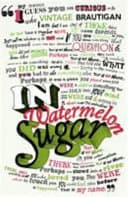
Synopsis
Covers the whole plot, including the ending.
- Difficulty
- Medium
- Pacing
- Slow
- Mood
- Dreamlike, Whimsical, Melancholy, Philosophical
- Read it if
- You enjoy experimental, poetic prose and allegorical tales about innocence versus experience, or the struggle between creation and destruction.
- Skip it if
- You prefer traditional plot structures, clear world-building, or character-driven narratives with conventional dialogue.
In Watermelon Sugar Plot Summary
Covers the whole plot, including the ending.
The iDEATH Narrative Begins
The unnamed narrator begins by describing iDEATH, a place where the sun changes color daily. He lives in a peaceful community built from watermelon sugar, which is their main building material and food. Everything in their world, from houses to clothes, comes from this sweet, pink, and green substance. He details the calm, somewhat separate life of the community, comparing it to the dangerous, forgotten past. The narrator emphasizes the beauty and quiet of their lives, highlighting simple pleasures and shared understanding among the residents, who are mostly artists and gentle people, focused on living in harmony with their environment.
Margaret and the Tiger Book
The narrator introduces Margaret, an important person in his life. He describes her beauty and her obsession with 'The Tiger Book.' This book, a relic from the past, has pictures and descriptions of tigers, animals that no longer exist in their world. Margaret spends her days carefully copying these images, a task that both fascinates and troubles her. Her focus on this old, violent imagery suggests a link to the 'Forgotten Works' and older, more destructive ways of life, setting her apart from the generally calm community. The narrator watches her with affection and confusion, noting her unique devotion to the past.
The Forgotten Works and the Old Gang
The story then introduces the 'Old Gang,' a group living in the 'Forgotten Works,' a place of decay and old objects. These people are described as rough, violent, and primitive, living outside the gentle harmony of the watermelon sugar community. They represent the destructive parts of the old world, a sharp contrast to the peaceful residents of iDEATH. The narrator explains that the Old Gang eats different, often spoiled, food, further separating them from his community. Their presence is a constant, unsettling reminder of the potential for violence and conflict that the iDEATH residents have rejected.
inBOIL's Return
inBOIL, the leader of the Old Gang, returns to the Forgotten Works after a long time away. His return brings a clear sense of unease to the otherwise calm world of iDEATH. The narrator describes inBOIL as a strong and dangerous figure, embodying the wild spirit of the old world. His presence suggests a threat to the peaceful life of the watermelon sugar community. The narrator and his friends are cautious of inBOIL, knowing his return could disturb their careful harmony, though they try to keep their calm way of life.
The Narrator's House and Margaret's Obsession
The narrator starts building a new house from watermelon sugar, a common activity in iDEATH, symbolizing creation and new beginnings. He builds it carefully, showing the community's dedication to their way of life. Meanwhile, Margaret continues her work on 'The Tiger Book,' becoming more absorbed in its old, violent images. Her focus on these extinct predators highlights her interest in a past the rest of the community tries to forget. The contrast between the narrator's building, present-focused activity and Margaret's backward-looking obsession shows how individuals deal with the past and present in iDEATH.
The Death of the Old Gang Members
The Old Gang, driven by their conflicts and destructive nature, begins to die. The narrator tells of their deaths, often self-inflicted or from their violent interactions. These deaths are presented plainly, almost as a natural result of their chosen way of life, which is a stark contrast to the harmony in iDEATH. The Old Gang's decline is a warning, showing the outcome of embracing the violence and chaos of the past. Their deaths reinforce the wisdom of the watermelon sugar community's choice to follow a new, peaceful path.
Margaret's Departure
Margaret, increasingly drawn to the Forgotten Works and the wild life of the Old Gang, eventually leaves the watermelon sugar community to join them. Her departure is a key moment, showing her rejection of the gentle, peaceful life in iDEATH for something more basic and dangerous. The narrator watches her leave with quiet sadness, understanding that her interest in the past has finally led her away from him and their shared world. Her decision highlights individual freedom to choose one's path, even if it leads to a less harmonious life.
The Narrator's Reflection on Margaret
After Margaret leaves, the narrator thinks about her choice and the basic differences between their two worlds. He considers her attraction to the violence and decay of the Forgotten Works, comparing it to the beauty and calm of iDEATH. His thoughts show a deeper understanding of human nature and the different paths people choose. He acknowledges that while their community has found peace, others are still drawn to the chaos of the past. This introspection helps the narrator process his feelings about Margaret's absence and confirm his commitment to the principles of iDEATH.
The Final Confrontation and inBOIL's Fate
The remaining members of the Old Gang, including inBOIL, meet their end. The story describes their final, often brutal, deaths, which result from their violent and self-destructive ways. inBOIL, the symbol of the old world's aggression, meets a fitting, if sad, end, reinforcing the idea that such a path is not sustainable. The deaths of the Old Gang members confirm the triumph of the peaceful, harmonious life of the watermelon sugar community. Their demise is not celebrated but observed as an inevitable result, further emphasizing the wisdom of iDEATH's chosen path.
Life Continues in iDEATH
With the Old Gang's threat gone, life in iDEATH returns to its established rhythm of peace and creation. The narrator describes the community's ongoing activities, such as building new homes, making art, and enjoying the simple pleasures of their world. The sun continues to change colors, and the watermelon sugar provides for all their needs. The story ends with a sense of lasting calm, confirming the success and sustainability of their chosen way of life. The community has overcome the shadows of the past and continues to thrive in its gentle, artistic existence, showing hope for a different future.
Principal Figures
The Narrator
Protagonist
A gentle, observant resident of iDEATH.
The unnamed narrator is a thoughtful and sensitive individual who lives in the peaceful world of iDEATH. He is an artist, creating objects from watermelon sugar, and serves as the primary lens through which the reader experiences this unique world. His observations are often poetic and philosophical, reflecting on the nature of existence, memory, and the choices between peace and violence. He is deeply connected to his community and its values, though he also grapples with the allure and danger of the past, particularly through his relationship with Margaret.
Relationships: Margaret (Love interest, though their paths diverge due to her fascination with the past.); iDEATH Community (Integral member, sharing a communal, peaceful existence.)
Margaret
Supporting
The narrator's love interest, drawn to the violence of the past.
Margaret is a beautiful and enigmatic woman, deeply fascinated by 'The Tiger Book' and the forgotten, violent past it represents. Unlike the other residents of iDEATH, she is consumed by the imagery of extinct predators and the raw, untamed nature of the Old Gang. Her obsession ultimately leads her to leave the peaceful community and join the destructive world of the Forgotten Works. She embodies the allure of the past and the struggle between embracing a gentle future and succumbing to ancient, destructive impulses.
Relationships: The Narrator (Love interest, but their differing values lead to separation.); Old Gang (Eventually joins and aligns with their destructive lifestyle.)
inBOIL
Antagonist
The violent and destructive leader of the Old Gang.
inBOIL is the menacing leader of the Old Gang, a group of individuals living in the decaying Forgotten Works. He represents the destructive, chaotic, and violent aspects of the past that the iDEATH community has rejected. His presence brings tension and fear, and his actions are often driven by aggression and a lack of harmony. inBOIL embodies the antithesis of the gentle, artistic life in iDEATH, serving as a constant reminder of the dangers that linger outside their peaceful existence.
Relationships: Old Gang (Leader, dictating their violent and chaotic existence.)
The Old Gang
Antagonistic Group
A group of violent, primitive individuals living in the Forgotten Works.
The Old Gang consists of individuals who have rejected the peaceful, creative life of iDEATH and instead dwell in the decaying Forgotten Works. They are characterized by their violence, internal conflicts, and consumption of unpleasant, spoiled food. They represent the lingering shadows of a destructive past, a stark contrast to the harmonious existence of the watermelon sugar community. Their existence serves as a constant threat and a moral counterpoint, illustrating the consequences of embracing chaos and aggression.
Relationships: inBOIL (Followers of his destructive leadership.)
The iDEATH Community
Collective Protagonist
The peaceful, artistic inhabitants of the watermelon sugar world.
The iDEATH community is a collective of gentle, artistic individuals who have created a harmonious society built entirely from watermelon sugar. They live a life of peace, creativity, and simple pleasures, rejecting the violence and decay of the past. Their existence is characterized by a deep connection to their environment and a shared commitment to creating beauty and tranquility. They represent a hopeful alternative to the destructive tendencies of humanity, embodying a new way of living in harmony with the world.
Relationships: The Narrator (Integral member, sharing communal values.); Margaret (Initially a member, but she ultimately leaves.)
Pineapple
Supporting
A friend of the narrator, known for her beautiful hair.
Pineapple is a gentle and kind resident of iDEATH, known for her long, beautiful hair, which is made of watermelon sugar. She represents the simple beauty and innocence of the community. Her interactions with the narrator are brief but highlight the peaceful and supportive nature of their society. She is a background character who reinforces the idyllic atmosphere of iDEATH.
Relationships: The Narrator (Friend and fellow community member.)
Themes & Insights
The Allure and Danger of the Past
The novel explores humanity's relationship with its past, especially the tension between forgetting destructive histories and being drawn to them. The watermelon sugar community actively rejects the violence and decay of the 'old world,' symbolized by the Forgotten Works and the Old Gang. However, Margaret's obsession with 'The Tiger Book' and her eventual move to join the Old Gang show the powerful pull of the past's raw, untamed aspects. This theme suggests that while creating a new, peaceful future is possible, the shadows of history can always tempt individuals away from that path, as seen in Margaret's choice.
“We lived in a world that was a beautiful place of watermelon sugar. We lived in a world that was a beautiful place of watermelon sugar. We lived in a world that was a beautiful place of watermelon sugar. We lived in a world that was a beautiful place of watermelon sugar.”
Utopia vs. Dystopia
The book shows iDEATH as a perfect society, built on peace, creativity, and harmony with nature, where everything is made from watermelon sugar. This contrasts sharply with the dystopian elements of the Forgotten Works and the Old Gang, a place of decay, violence, and self-destruction. The novel questions if either extreme can last. While iDEATH offers a perfect life, it is not free from outside threats or internal struggles (like Margaret leaving). The clear contrast highlights how fragile utopia is and how destructive forces can persist, even if pushed to the 'forgotten' parts of the world.
“I guess that there are a lot of ways to be a human being and all of them are kind of strange.”
Creation and Destruction
This theme is central to the novel, shown through the actions of the two communities. The residents of iDEATH are always creating – building houses, making art, and shaping their lives from watermelon sugar. This act of creation is tied to their peaceful and lasting existence. In contrast, the Old Gang and the Forgotten Works represent destruction and decay. Their violence, internal conflict, and reliance on old remnants highlight a destructive cycle. The story suggests that creation leads to life and harmony, while destruction leads to chaos and eventual death, as shown by the Old Gang's fate.
“It was a dark and terrible place. But I loved it.”
The Nature of Reality and Perception
Brautigan creates a very personal and surreal reality in iDEATH, where the sun changes color daily, and an entire world is made from watermelon sugar. This challenges usual ideas of reality, asking the reader to consider how perception shapes existence. The dreamlike quality of the story and the characters' acceptance of its fantastical elements suggest that reality is fluid and can be built through shared belief and experience. The contrast with the more 'grounded' (though still strange) reality of the Forgotten Works further shows how different perceptions can create entirely different worlds in the same space.
“I guess that there are a lot of ways to be a human being and all of them are kind of strange.”
Plot Devices & Literary Techniques
The Unnamed Narrator
A first-person narrator whose identity remains ambiguous.
The unnamed narrator serves as the reader's guide through the surreal world of iDEATH. His lack of a specific name contributes to the universal and allegorical quality of the story, allowing him to represent a collective consciousness or a 'everyman' figure within this unique society. His observations are personal yet detached, reflecting the gentle, philosophical nature of his community while also grappling with the allure of the past. This narrative choice enhances the dreamlike atmosphere and focuses the reader on the themes rather than individual character arcs.
Watermelon Sugar
The primary building material, food source, and symbolic element.
Watermelon sugar is not merely a material; it is the fundamental substance of iDEATH. It symbolizes the community's self-sufficiency, creativity, and harmonious relationship with their environment. Its sweetness and vibrant colors represent the idyllic and gentle nature of their existence, contrasting sharply with the decay of the Forgotten Works. As a plot device, it establishes the unique rules of this world, making it distinct and emphasizing the deliberate choices made by the inhabitants to build a new reality out of something pure and benign.
The Forgotten Works
A decaying wasteland representing the destructive past.
The Forgotten Works is a physical location that serves as a stark counterpoint to the vibrant world of iDEATH. It is a place of decay, filled with the discarded remnants of a previous, more destructive civilization. As a plot device, it embodies the 'old world' of violence, hatred, and chaos that the watermelon sugar community has actively rejected. It is where the Old Gang resides, making it a constant, unsettling reminder of the dangers that still exist and the choices humanity makes between creation and destruction. It also serves as a destination for Margaret, symbolizing her return to a more primal state.
The Tiger Book
A relic from the past symbolizing forgotten violence and power.
'The Tiger Book' is an ancient book containing images and descriptions of tigers, extinct predators from the past. For Margaret, it is an object of intense fascination, representing a raw, untamed power that is absent from the gentle world of iDEATH. As a plot device, it acts as a catalyst for Margaret's growing disillusionment with the peaceful community and her eventual defection to the Old Gang. It symbolizes the enduring allure of violence and the past, even when consciously rejected by a society striving for peace.
In Watermelon Sugar Quotes
“I guess that I am a writer, at least that's what they call me.”
“Everything is built out of watermelon sugar. The walls, the tables, the chairs, the floor, the ceiling, the moon, the sun, the stars, the trees, the birds, the flowers, the children, the dogs, the cats, the fish, the chickens, the horses, the cows, the pigs, the sheep, the goats, the butterflies, the bees, the ants, the worms, the grass, the dirt, the rocks, the water, the air, the fire, the light, the dark, the whole goddamn thing.”
“It was a very beautiful day. The kind of day when you feel like you could live forever.”
“I live in a place where I am always afraid.”
“There are people who will say that I am a monster.”
“The wind was blowing through the trees and it sounded like the sea.”
“I have to find my way back to the past.”
“It was impossible to tell where the watermelon sugar ended and the rest of the world began.”
“The forgotten people lived in the forest and ate things that were not good for them.”
“I went back to my house and sat down and cried for a long time.”
“It was a strange feeling to be alive.”
“The sun was going down and the sky was full of colors.”
“We were all alone in the world, and that was a good thing.”
“I tried to remember what it was like before the watermelon sugar.”
Quiz
10 questions on the plot and the characters. Each answer comes with a short explanation.
Question 1
What is the primary material used by the residents of iDEATH to construct their homes and everyday objects?
- Stone from the riverbed
- Wood from the pine forest
- Watermelon sugar
- Clay from the forgotten works
Show answer
C. Watermelon sugar The residents of iDEATH, including the narrator, build their entire world, from houses to furniture, using the versatile and sweet material known as watermelon sugar.
Question 2
What is the name of the place where the sun shines a different color every day, and where people travel to the length of their dreams?
- The Forgotten Works
- The Trout Fishing in America
- iDEATH
- The Pine Forest
Show answer
C. iDEATH The book explicitly states that 'Death is a place where the sun shines a different colour every day and where people travel to the length of their dreams,' referring to the protagonist's home, iDEATH.
Question 3
Who is Margaret and what is her primary activity?
- A member of the old gang, constantly plotting revenge.
- The narrator's lover, who knits with a special kind of yarn.
- A leader of the Forgotten Works, trying to recruit new members.
- An animal companion who helps the narrator hunt.
Show answer
B. The narrator's lover, who knits with a special kind of yarn. Margaret is the narrator's lover, and she is known for her knitting, often using yarn made from tiger's whiskers or other unusual materials.
Question 4
What is the main reason the narrator and his community reject the 'old gang' at the Forgotten Works?
- The old gang refuses to share their watermelon sugar.
- The old gang practices violence, hate, and a destructive lifestyle.
- The old gang lives in a different geographical location.
- The old gang worships a different deity.
Show answer
B. The old gang practices violence, hate, and a destructive lifestyle. The core conflict revolves around the old gang's embrace of violence and hate, which stands in stark contrast to the gentle and peaceful lives of the residents of iDEATH.
Question 5
What unique characteristic do the tigers in iDEATH possess?
- They speak in human languages.
- Their fur changes color with the seasons.
- They are made of a different substance than other animals.
- They can fly short distances.
Show answer
C. They are made of a different substance than other animals. The tigers are unique in that they are not made of the same substance as other animals; they are 'made out of light,' and their whiskers are used for knitting.
Question 6
What is the fate of inBOIL, a prominent member of the old gang?
- He reconciles with the narrator and joins iDEATH.
- He is killed by the narrator in a direct confrontation.
- He commits suicide by cutting off his own body parts.
- He is banished to live in the pine forest alone.
Show answer
C. He commits suicide by cutting off his own body parts. inBOIL, consumed by his own destructive ideology, commits a series of self-mutilations, eventually leading to his death, symbolizing the self-destructive nature of the old gang's philosophy.
Question 7
What does the narrator primarily eat in iDEATH?
- Fish from the river
- Watermelon sugar and various vegetables
- Meat from hunted animals
- Berries and nuts from the forest
Show answer
B. Watermelon sugar and various vegetables While other foods are mentioned, watermelon sugar is a staple, and the narrator frequently describes meals involving various vegetables and the unique products of iDEATH.
Question 8
The concept of 'death' in the book, represented by 'iDEATH,' is portrayed as:
- An inescapable end to all existence.
- A vibrant, peaceful, and transformative state of being.
- A dark and desolate wasteland.
- A historical event that no longer occurs.
Show answer
B. A vibrant, peaceful, and transformative state of being. iDEATH is not a conventional understanding of death; it is the name of the place where the protagonist lives, characterized by its beauty, changing sun colors, and gentle way of life.
Question 9
What is the significance of the 'Forgotten Works' in the narrative?
- It is a place of ancient wisdom and forgotten knowledge.
- It is the source of all the watermelon sugar.
- It represents the destructive past and the old gang's violent ideology.
- It is a neutral trading post between iDEATH and other communities.
Show answer
C. It represents the destructive past and the old gang's violent ideology. The Forgotten Works is the domain of the 'old gang,' a place associated with the remnants of a violent and destructive past, embodying the antithesis of iDEATH's peaceful existence.
Question 10
The general mood and tone of the book, as described by the author, reflects:
- A sense of despair and nihilism about the future.
- The anxieties and conformity of previous generations.
- The mood of a new generation, seeking gentleness and rejecting violence.
- A call to arms for revolution and societal upheaval.
Show answer
C. The mood of a new generation, seeking gentleness and rejecting violence. The book description explicitly states, 'The author expresses the mood of a new generation,' which is characterized by a rejection of violence and hate in favor of gentle lives.
In Watermelon Sugar FAQ
What is the basic premise of 'In Watermelon Sugar'?
The novel follows an unnamed narrator living in a commune-like environment built from watermelon sugar, surrounded by gentle people who create things from this versatile material. They live in harmony with nature and their unique world, having rejected a violent past associated with the 'Forgotten Works'.
Who are the 'Forgotten Works' and what is their significance?
The Forgotten Works is a dark, dangerous place where a different, older group of people, led by the enigmatic in-and-out, reside. They represent a past of violence, destruction, and a rejection of the peaceful, creative life led by the narrator and his community, often engaging in disturbing acts like consuming their own excrement.
What is the role of 'watermelon sugar' in the book?
Watermelon sugar is the fundamental building block of the narrator's world; houses, objects, and even food are made from it, and it changes color daily. It symbolizes the malleability and beauty of their existence, allowing for constant creation and adaptation, contrasting sharply with the harsh materials of the Forgotten Works.
Who is Margaret and what is her relationship with the narrator?
Margaret is a woman from the narrator's community who is deeply connected to the natural world, particularly the tigers. She represents a pure, almost primal innocence and a rejection of the intellectualizing tendencies sometimes seen in the narrator, embodying the simple, harmonious life of their world.
What is the significance of the tigers in the story?
The tigers are the last wild animals in the narrator's world, living in a special place and cared for by Margaret. They represent untamed nature and a connection to something ancient and powerful, yet they are treated with reverence and not fear, embodying a balance between humanity and the wild.
What is 'death' in the context of this novel?
Death is described not as an end, but as a place where the sun shines a different color every day and people travel to the length of their dreams. It's a peaceful transition, almost a continuation of the gentle, dreamlike existence, suggesting a cyclical view of life and an absence of fear towards mortality.
How does the character of 'in-and-out' contrast with the narrator's community?
In-and-out is the leader of the people at the Forgotten Works, characterized by his violence, unpredictability, and grotesque habits, such as eating his own excrement. He embodies the destructive, chaotic forces that the narrator's community has actively rejected, serving as a constant threat and a reminder of their past.
What is the 'iDEATH' and its purpose?
The iDEATH is a special place within the narrator's world where he goes to write and reflect, a quiet, almost sacred space for creation and contemplation. It seems to be a personal sanctuary for the narrator, symbolizing the importance of art and introspection in their otherwise communal and simple lives.
Are there any deeper meanings behind the changing colors of watermelon sugar?
The daily changing colors of watermelon sugar could symbolize the constant renewal and ephemeral beauty of life, or perhaps the subjective nature of perception. It prevents stagnation and encourages appreciation for the present moment, reflecting a world in continuous, gentle flux.
How does the narrator's perspective influence the reader's understanding of events?
The narrator's gentle, almost detached, and highly observational perspective shapes a dreamlike, non-linear understanding of the world. His focus on simple details and lack of explicit emotionality create an atmosphere of quiet reflection, inviting the reader to experience the world rather than just analyze it.
What psychological need does the community satisfy for its members?
The community in watermelon sugar fulfills a profound psychological need for peace, safety, and belonging, providing a refuge from the violence and chaos symbolized by the Forgotten Works. It allows its members to live lives of creative expression and harmony, free from existential dread and societal pressures.
How does the novel explore themes of innocence and corruption?
The novel starkly contrasts the innocent, creative, and peaceful existence in watermelon sugar with the corrupted, violent, and destructive nature of the Forgotten Works and its inhabitants. This dichotomy highlights the perpetual human struggle between purity and depravity, and the choice between building or destroying.
What might be the psychological impact of living in a world where death is not feared?
Living in a world where death is seen as a peaceful transition to a beautiful place likely fosters a profound sense of tranquility and an absence of existential anxiety. It allows the characters to fully embrace life without the shadow of fear, promoting a more present and appreciative way of being.
Is 'In Watermelon Sugar' an allegory for societal change or a generation's mood?
Many interpret the novel as an allegory for the counter-culture movement of the 1960s, with the watermelon sugar community representing a utopian ideal of peace, love, and creativity. The Forgotten Works, conversely, symbolize the destructive, materialistic, and violent aspects of mainstream society that the generation rejected.
What is the significance of the lack of a clear plot or conflict resolution?
The absence of a traditional plot or definitive conflict resolution emphasizes the novel's focus on mood, atmosphere, and philosophical reflection rather than narrative progression. It suggests that life itself is a series of moments and experiences, and that true resolution might lie in acceptance and continuous creation rather than conquest.
How does Brautigan use language to create the unique atmosphere of the book?
Brautigan employs simple, direct, and often whimsical language, utilizing vivid imagery and a poetic cadence to craft the dreamlike, gentle atmosphere. His short, declarative sentences and peculiar descriptions contribute to the feeling of a world both familiar and utterly alien, inviting a sensory and intuitive reading experience.
Can the narrator be considered a reliable source of information?
The narrator is reliable in presenting his subjective experience and observations, but his perspective is deeply ingrained in the unique reality of watermelon sugar, making him an 'unreliable' guide to conventional reality. His gentle and accepting nature means he reports events without judgment, allowing the reader to form their own conclusions.
What is the ultimate message or philosophy conveyed by the book?
The book seems to convey a philosophy of gentle living, creative freedom, and harmony with nature, advocating for a rejection of violence and materialism. It suggests that happiness can be found in simplicity, community, and the acceptance of life's natural cycles, even death.
About the author
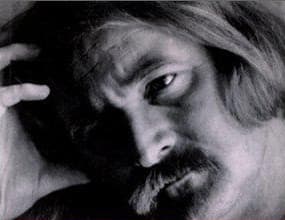
Richard Gary Brautigan was an American novelist, poet, and short story writer. A prolific writer, he wrote throughout his life and published ten novels, two collections of short stories, and four books of poetry. Brautigan's work has been published both in the United States and internationally throughout Europe, Japan, and China. He is best known for his novels Trout Fishing in America (1967), In Watermelon Sugar (1968), and The Abortion: An Historical Romance 1966 (1971).
Similar books
- Trout Fishing in America
Richard Brautigan
3.8 (12k) average on GoodreadsLiterary FictionShares the same author's unique prose style, fragmented narrative, and whimsical, melancholic tone.
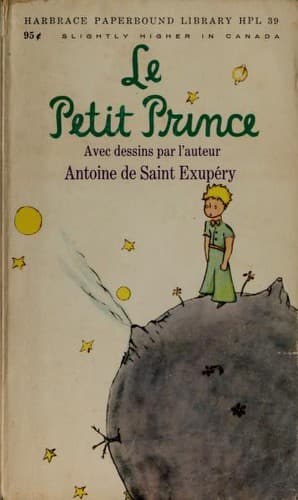
- The Little Prince
Antoine De Saint Exupéry
Features a deceptively simple, allegorical narrative exploring profound themes in a fantastical setting.
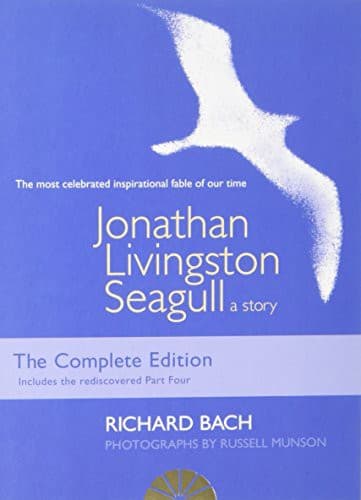
- Jonathan Livingston Seagull
Richard Bach
3.8 (202k) average on GoodreadsFantasyA short, philosophical fable with a unique voice and focus on an alternative way of living.
- A Wizard of Earthsea
Ursula K. Le Guin
4.0 (241k) average on GoodreadsFantasyIn Watermelon Sugar differs from Le Guin's work by prioritizing mood and surrealism over the traditional epic fantasy structure, clear moral lessons, and expansive, logically consistent world-building found in Earthsea. Brautigan's world operates on a more internal, dreamlike logic.
- The Old Man and the Sea
Ernest Hemingway
3.8 (831k) average on GoodreadsLiterary FictionA Cuban fisherman's long struggle with a giant marlin becomes a story of endurance and dignity, now retold for young adults with illustrations, phonetic guides, and writing prompts in Traditional Chinese.
- One Hundred Years of Solitude
Gabriel García Márquez
4.1 (753k) average on GoodreadsLiterary FictionThrough the multi-generational story of the Buendía family, a mythical town deals with the repeating patterns of time, love, and solitude, as the extraordinary mixes with the ordinary.



Enjoyed the summary?
A summary gives you the shape of the book. The book itself has the detail, the examples and the voice.
Find In Watermelon Sugar on AmazonAs an Amazon Associate, BookBrief earns from qualifying purchases. How we're funded