
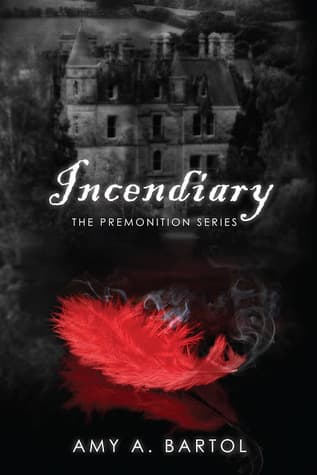
Synopsis
Covers the whole plot, including the ending.
- Difficulty
- Medium
- Pacing
- Variable
- Mood
- Atmospheric, Dark, Romantic, Suspenseful, Epic
- Read it if
- You enjoy dark, atmospheric fantasy with a strong female protagonist, fae lore, and a developing romantic subplot.
- Skip it if
- You prefer lighthearted fantasy or stories without significant romantic elements and political intrigue.
Incendiary Plot Summary
Covers the whole plot, including the ending.
Arrival in Ireland and First Encounters
Kira, a rare human who can ignite fires with her mind, arrives in Ireland by ship. She dreads the country because of its association with the Gancanagh, an ancient race of faeries who feed on human emotion and life force. She is a reluctant warrior, carrying the trauma of witnessing her family's death and her own near-fatal encounter with a Gancanagh. On deck, she meets a mysterious man, Faelan, whose unsettling intensity and piercing gaze both intrigue and alarm her. Faelan seems to know more about her and her powers than he lets on, hinting at a shared destiny and a dangerous path ahead. Kira's mission is to join the faerie court and learn to control her volatile powers, but she is wary of the fae world and its inhabitants, including Faelan, whom she senses is not entirely human.
The Faerie Court and Training
Upon arrival, Kira is taken to the hidden faerie court, a place of ancient magic and political intrigue. She is introduced to the High King, a powerful and ancient fae who sees her as a potential weapon against the encroaching Gancanagh. Her training begins immediately, focused on honing her fire abilities and learning to defend herself against various magical threats. Her primary trainer is Roric, a gruff but effective fae warrior who pushes her to her limits. Kira struggles with the discipline and the distrust she feels towards her fae mentors, especially as she grapples with traumatic memories that often trigger uncontrolled bursts of her power. She feels like an outsider, constantly scrutinized and tested, unsure if she is a guest or a prisoner.
Faelan's True Nature and Growing Connection
Kira learns that Faelan is not merely human, but a powerful and ancient fae, with a mysterious past and a deep connection to the faerie court. Despite her initial wariness, a powerful, undeniable attraction develops between them. Faelan often appears when Kira is in distress, offering cryptic advice and unwavering support. He reveals glimpses of his own tragic history and the heavy burden he carries, which resonates with Kira's own pain. Their connection is a source of both strength and confusion for Kira, as she struggles to reconcile her distrust of the fae with her growing feelings for Faelan. Their bond becomes a central point of her journey, intertwining her personal quest with the larger conflict facing the fae.
First Encounter with the Gancanagh
Kira faces her first direct confrontation with the Gancanagh during a training exercise that goes wrong, or perhaps, is designed to push her limits. The encounter is terrifying, forcing her to relive the trauma of her past. She discovers that her fire powers are incredibly potent against the Gancanagh, but also incredibly difficult to control under pressure. The Gancanagh feed on fear and despair, and Kira's own emotional vulnerability makes her a prime target. Faelan intervenes to save her, further solidifying their bond and showing his own formidable abilities. The experience leaves Kira shaken but determined to master her powers, understanding that the threat is far more immediate and dangerous than she had initially comprehended. She realizes the stakes are higher than just her own survival.
Unveiling Ancient Prophecies
As Kira's powers grow and her connection to the fae world deepens, she learns of ancient prophecies that speak of a human with fire abilities who will either save or destroy the fae. These prophecies place an immense burden on Kira, making her feel like a pawn in a much larger, older conflict. She learns that her existence is not an accident, but a fated event. The High King and other elders of the court begin to see her not just as a weapon, but as a central figure. This revelation adds to her internal conflict, as she grapples with the pressure of destiny versus her desire for a normal life, a life she can never truly have. The prophecies also hint at a deeper connection between Kira, Faelan, and the very fabric of fae existence.
Political Intrigue and Betrayal
Kira discovers that the fae court is riddled with political intrigue and factions, not all of whom support the High King or her presence. She encounters fae who are openly hostile, viewing her as an abomination or a threat to their ancient ways. A specific faction, led by a powerful and manipulative fae named Lyra, seeks to undermine Kira and perhaps even use her for their own ends. Kira becomes entangled in a plot that reveals a betrayal from within the court, jeopardizing not only her life but also the fae's efforts against the Gancanagh. She must learn to discern friend from foe, relying on her instincts and the unwavering support of Faelan, who guides her through the complex politics of the fae world.
The Search for the Ancient Artifact
To combat the growing threat of the Gancanagh, Kira and Faelan are tasked with finding an ancient fae artifact, rumored to possess immense power. Their quest takes them beyond the confines of the faerie court, into dangerous and forgotten parts of Ireland. Along the way, they face numerous trials, including ancient traps, hostile creatures, and the constant threat of Gancanagh pursuit. This journey further strengthens the bond between Kira and Faelan, as they rely on each other for survival. They learn more about the history of the fae and the true nature of the Gancanagh, uncovering secrets that have been buried for centuries. The search is fraught with peril, but it also provides Kira with a deeper understanding of her own powers and purpose.
Faelan's Sacrifice and Kira's Despair
During a critical confrontation with the Gancanagh or during their quest for the artifact, Faelan makes a sacrifice to protect Kira and the fae. This act of selflessness leaves Kira devastated, plunging her into deep despair that threatens to consume her. Her grief manifests as uncontrolled bursts of fire, making her even more dangerous to herself and others. The loss of Faelan, her protector and the object of her growing affection, fuels a burning rage within her, pushing her to the brink. She questions her purpose and whether she can continue without him. This event is a major turning point, forcing Kira to confront her deepest fears and tap into a reservoir of strength she didn't know she possessed.
Embracing Her Power and Leadership
Fueled by the memory of Faelan and her desire for vengeance against the Gancanagh, Kira begins to truly embrace the full extent of her fire powers. She learns to channel her grief and rage into a focused force, no longer fearing the destructive potential within her, but mastering it. She takes on a more active role in the fight, guiding the fae forces and making strategic decisions. Her leadership, though initially hesitant, inspires others. She understands that the prophecies are not just about her power, but about her will to fight and protect. She becomes a symbol of hope and defiance against the encroaching darkness, ready to lead the fae in the ultimate battle.
The Final Confrontation
Kira leads the combined fae forces in a climactic battle against the Gancanagh, who have gathered their strength for a decisive assault. The conflict is brutal and devastating, with heavy losses on both sides. Kira unleashes the full force of her fire powers, becoming a formidable force on the battlefield. She confronts the leader of the Gancanagh, a powerful and ancient entity, in a desperate struggle for the fate of both the human and fae worlds. The battle tests her physical and emotional limits, forcing her to make impossible choices and push past her pain. The outcome of this confrontation will determine the survival of the fae and the future of Ireland.
Aftermath and New Beginnings
Following the devastating final battle, the Gancanagh threat is significantly diminished, though not entirely eradicated. Kira emerges victorious but profoundly changed by her experiences and the sacrifices made. The fae world, too, is altered, forced to adapt to a new reality. Kira must now navigate her place within this new order. She is no longer just a human with powers, but a leader, a warrior, and a bridge between worlds. The ending hints at the possibility of healing and rebuilding, both for Kira personally and for the fae. While the immediate threat is over, Kira's journey of self-discovery and her role in the fae world are far from complete, suggesting new challenges and adventures lie ahead.
Principal Figures
Kira
Protagonist
A human with pyrokinetic abilities, fated to fight the Gancanagh.
Kira is a young woman who possesses the rare and volatile ability to control fire with her mind. She is haunted by the trauma of witnessing her family's death at the hands of the Gancanagh, an event that left her with a deep-seated fear and distrust of the fae. Despite her immense power, she initially views herself as a victim and a burden, struggling with self-doubt and the emotional turmoil that often triggers uncontrolled bursts of her abilities. She is fiercely independent but also deeply vulnerable, yearning for a sense of belonging and peace she believes is forever out of reach.
Relationships: Faelan (Love interest, protector, mentor, and fated companion.); Roric (Gruff fae trainer and reluctant mentor.); High King (Leader of the fae court, who sees Kira as a weapon and a prophecy.); Lyra (Antagonistic fae, political rival within the court.)
Faelan
Love Interest / Supporting
A powerful, ancient fae with a mysterious past, deeply connected to Kira's destiny.
Faelan is an ancient and enigmatic fae, possessing immense power and a deep understanding of the fae world and its prophecies. He is initially mysterious, offering cryptic guidance and appearing when Kira is most in need. Despite his ancient wisdom and formidable abilities, he carries his own burdens and a quiet sadness. He is fiercely protective of Kira, drawn to her unique spirit and powers, and believes in her destiny even when she doubts herself. His presence is a constant source of both comfort and confusion for Kira, as she grapples with her feelings for him and his true nature.
Relationships: Kira (Love interest, fated companion, and his primary focus.); High King (Loyal, though sometimes questioning, subject and advisor.); Gancanagh (Ancient enemy.)
The High King
Supporting
The ancient and powerful ruler of the fae court, seeking to use Kira's powers.
The High King is the ancient and powerful ruler of the faerie court. He is wise, calculating, and deeply concerned with the survival of his people against the Gancanagh threat. He sees Kira as a crucial element in their defense, viewing her fiery abilities as a potential weapon foretold in ancient prophecies. While he offers her sanctuary and training, his primary motivation is the protection of his realm, and he often treats Kira as a tool rather than an individual, though he eventually comes to respect her strength and leadership. He embodies the complex and often ruthless nature of fae politics.
Relationships: Kira (Protector, leader, and manipulator seeking to utilize her power.); Faelan (Trusted, though sometimes independent, advisor.); Lyra (Political rival/potential threat to his rule.)
Roric
Supporting
Kira's gruff but dedicated fae trainer.
Roric is a seasoned fae warrior and Kira's primary trainer in the faerie court. He is gruff, disciplined, and initially skeptical of Kira's abilities and her human nature. He pushes her relentlessly, believing that only through intense training can she harness her volatile powers and survive the coming war. Despite his stern demeanor, he harbors a quiet respect for Kira's resilience and determination. He serves as a practical, no-nonsense mentor, grounding Kira in the realities of combat and fae survival, even when she struggles with the emotional toll of her training.
Relationships: Kira (Trainer and mentor, later a loyal ally.); High King (Loyal subject and warrior.)
Lyra
Antagonist / Supporting
A manipulative fae within the court who opposes Kira.
Lyra is a powerful and politically ambitious fae within the court who views Kira with suspicion and disdain. She represents a faction that either distrusts humans or believes Kira's powers are too dangerous or unpredictable to be trusted. She is manipulative and cunning, often working behind the scenes to undermine Kira's position or to use her for her own political gain. Lyra embodies the internal strife and treachery within the fae court, posing a threat to Kira not through brute force, but through cunning and manipulation. Her motivations are rooted in a desire for power and control within the fae hierarchy.
Relationships: Kira (Political rival and antagonist.); High King (Challenger to his authority, though outwardly subservient.)
The Gancanagh Leader
Antagonist
The ancient and malevolent leader of the Gancanagh.
The Gancanagh Leader is an ancient and profoundly malevolent entity, the orchestrator of the Gancanagh's war against the fae and humanity. This leader embodies pure darkness and a hunger for life force and despair. Their motivations are rooted in an ancient grudge or a desire to dominate, seeing humans and fae alike as mere sustenance or obstacles. This entity is powerful, cunning, and seemingly immortal, representing the ultimate evil that Kira must confront. Their presence looms over the entire narrative, driving the conflict and embodying Kira's deepest fears.
Relationships: Kira (Primary enemy and fated opponent.); Faelan (Ancient enemy.)
Kira's Family (Mentioned)
Mentioned
Kira's deceased family, whose deaths fuel her trauma and motivation.
Kira's family, though deceased before the main narrative, plays a crucial role as the catalyst for Kira's trauma and her initial fear of the Gancanagh. Their violent deaths, witnessed by a young Kira, are the foundation of her psychological struggles and her reluctance to embrace her powers. Their memory serves as both a source of pain and a powerful motivator for Kira to fight, not just for herself, but to prevent such tragedies from befalling others. They represent the innocent lives lost to the Gancanagh's cruelty and the personal stakes of the conflict.
Relationships: Kira (Loved ones, source of trauma and motivation.)
Themes & Insights
Trauma and Healing
Kira's journey is rooted in her past trauma of witnessing her family's murder by the Gancanagh. This trauma manifests as fear, self-doubt, and difficulty controlling her powers, which are often triggered by emotional distress. Her time in the faerie court and her growing connection with Faelan force her to confront these memories. The process of healing is not about forgetting, but about integrating the pain into her strength, learning to control her abilities despite her past, and finding purpose in her suffering. This is evident in scenes where her powers flare uncontrollably during moments of fear, and later, when she channels her grief over Faelan's sacrifice into focused power.
“The cold, moss-covered edifices practically scream their presence. As I study the shadows between the falling-down stone, I imagine creeping shapes of undead Faeries grasping the rock, waiting for our ship to draw nearer to their position.”
Destiny vs. Free Will
The narrative explores the tension between predetermined fate and individual choice. Kira is burdened by ancient prophecies that foretell her role in the fae world, making her feel like a pawn. However, her actions, choices, and emotional responses continually shape her path. While the prophecies set the stage, it is Kira's will to fight, her love for Faelan, and her personal growth that ultimately determine the outcome. This theme is highlighted by the High King's attempts to guide or manipulate her according to prophecy, contrasted with Kira's fierce independence and her eventual decision to embrace her role on her own terms, as seen when she decides to lead the fae in battle.
“You don't know how fiercely beautiful you are, do you?”
Power and Control
Kira's fire powers are central to the story, representing both immense potential and dangerous volatility. The theme explores the struggle to harness destructive power for good, and the responsibility that comes with it. Initially, Kira fears her abilities, seeing them as a curse linked to her trauma. Her training focuses on gaining control, but true mastery comes only when she accepts her power as an intrinsic part of herself, channeling her emotions rather than being consumed by them. This is powerfully demonstrated in her uncontrolled outbursts early on, and her ultimate command of fire during the final confrontation with the Gancanagh, transforming her fear into a weapon.
“I find it difficult to imagine now how the Gancanagh had made this their home for so long without anyone realizing it.”
Love and Sacrifice
The developing romantic relationship between Kira and Faelan is a cornerstone of the story. It shows how love can provide strength, purpose, and ultimately, lead to sacrifice. Their bond is forged through shared danger and mutual understanding, allowing Kira to trust and open herself up. Faelan's ultimate sacrifice for Kira and the fae underscores the depth of his love and its transformative power, pushing Kira to embrace her destiny with renewed vigor. This theme is evident in Faelan's consistent protection of Kira and his final, selfless act, which galvanizes Kira's resolve to fight.
“Tipping my face up, I let the rain wash over me. It bathes away the frigid sweat of fear that has broken on my brow.”
Plot Devices & Literary Techniques
The Chosen One Prophecy
An ancient prophecy foretelling Kira's unique role in the fae world.
The Chosen One prophecy establishes Kira's pivotal role in the conflict between the fae and the Gancanagh. It creates a sense of destiny and urgency around her character, setting her apart from others. This device provides a narrative framework for her journey, justifying the fae's interest in her and the trials she must face. It also creates internal conflict for Kira, who struggles with the burden of expectation versus her desire for self-determination. The prophecy serves to elevate the stakes and give a grander meaning to her personal struggles, positioning her as the potential savior of an entire world.
Traumatic Backstory
Kira's past experience of witnessing her family's death.
Kira's traumatic backstory of witnessing her family's murder by the Gancanagh serves as a powerful motivator and source of internal conflict. It explains her initial fear of the fae, her reluctance to use her powers, and her deep-seated emotional wounds. This device grounds her character in a relatable pain, making her struggles more poignant. It also provides a clear, personal stake in the overarching conflict, as her fight against the Gancanagh is not just for the fae, but for vengeance and to prevent similar tragedies. It fuels her character arc from victim to empowered warrior.
MacGuffin (Ancient Artifact)
A powerful, sought-after artifact crucial to defeating the Gancanagh.
The ancient artifact serves as a MacGuffin, a plot device that drives a significant portion of the narrative. Its existence provides a clear objective for Kira and Faelan, sending them on a quest that allows for character development, world-building, and the introduction of new challenges. While its specific powers are important, its primary function is to propel the plot forward and to bring the protagonists into dangerous situations, further strengthening their bond and revealing more about the fae world's history and magic. It creates a tangible goal within the larger, more abstract war.
Incendiary Quotes
“The past is a monster. It will devour you if you let it.”
“Sometimes the greatest strength is not in fighting, but in enduring.”
“Hope is a fragile thing, easily extinguished, but essential for survival.”
“We are all broken in some way, but it's in the cracks that the light gets in.”
“Fear is a powerful motivator, but love is the most dangerous.”
“The truth is rarely simple, and never what you expect.”
“Some scars are visible, others are etched on the soul, but all tell a story.”
“Loyalty is a double-edged sword; it can protect you or betray you.”
“The hardest battles are often fought within ourselves.”
“Even in the darkest night, a single spark can ignite a fire.”
“Forgiveness is not about forgetting, but about letting go of the rage.”
“The world is a tapestry woven with threads of good and evil, and it's up to us which we choose to see.”
“Love doesn't always make sense, but it always makes a difference.”
“Sometimes you have to burn bridges to find your way home.”
Quiz
10 questions on the plot and the characters. Each answer comes with a short explanation.
Question 1
What is the protagonist's initial reaction upon seeing the Irish coastline?
- Excitement and curiosity.
- A sense of dread and a shiver.
- Indifference to the landscape.
- Relief that the journey is almost over.
Show answer
B. A sense of dread and a shiver. The text states, 'I catch my first sight of the Irish coastline; its craggy landscape makes me shiver in dread.'
Question 2
What kind of creatures does the protagonist imagine inhabiting the 'falling-down stone' of the Irish coastline?
- Friendly leprechauns.
- Creeping shapes of undead Faeries.
- Giant sea monsters.
- Human pirates.
Show answer
B. Creeping shapes of undead Faeries. The protagonist imagines 'creeping shapes of undead Faeries grasping the rock, waiting for our ship to draw nearer to their position.'
Question 3
What action does the protagonist take to wash away the 'frigid sweat of fear'?
- Wiping her brow with her sleeve.
- Drinking a hot beverage.
- Tipping her face up to let the rain wash over her.
- Calling out for help from a shipmate.
Show answer
C. Tipping her face up to let the rain wash over her. The text states, 'Tipping my face up, I let the rain wash over me. It bathes away the frigid sweat of fear that has broken on my brow.'
Question 4
What specific detail about the protagonist's appearance is mentioned when the wind lifts it?
- Her dark cloak.
- Red tendrils of her hair.
- Her pale skin.
- The color of her eyes.
Show answer
B. Red tendrils of her hair. The text mentions, 'the wind lifts red tendrils of my hair.'
Question 5
How does the protagonist describe the 'cold, moss-covered edifices' of the Irish coastline in relation to the Gancanagh?
- They blend in perfectly with the Gancanagh's presence.
- They practically scream their presence.
- They are entirely unrelated to the Gancanagh.
- They provide excellent camouflage for the Gancanagh.
Show answer
B. They practically scream their presence. The protagonist finds it 'difficult to imagine now how the Gancanagh had made this their home for so long without anyone realizing it. The cold, moss-covered edifices practically scream their presence.'
Question 6
What weather conditions are present when the protagonist emerges onto the main deck?
- Bright sunshine and clear skies.
- Heavy snowfall and strong winds.
- Cold, fine drops of rain and a gray, overcast sky.
- A foggy, still morning.
Show answer
C. Cold, fine drops of rain and a gray, overcast sky. The opening sentence describes, 'Cold, fine drops of rain fall softly on my cheeks as I emerge from the darkness of the ship's interior to the gray, overcast sky of the main deck.'
Question 7
What garment is the protagonist wearing and pulls tighter to her body?
- A light shawl.
- A dark pea coat.
- A woolen sweater.
- A waterproof jacket.
Show answer
B. A dark pea coat. The text states, 'Pulling my dark pea coat tighter to my body, the wind lifts red tendrils of my hair.'
Question 8
What does the quiet voice behind the protagonist imply about her self-perception?
- She is fully aware of her beauty.
- She is oblivious to her own fierce beauty.
- She believes herself to be unattractive.
- She is constantly seeking validation for her looks.
Show answer
B. She is oblivious to her own fierce beauty. The voice asks, 'You don't know how fiercely beautiful you are, do you?' implying the protagonist is unaware or does not perceive herself in that way.
Question 9
The protagonist's feelings about the Gancanagh having lived on the Irish coastline for so long without being noticed suggest a theme of:
- The power of nature to conceal.
- The surprising hidden presences within familiar places.
- Human ignorance of environmental changes.
- The difficulty of identifying mythical creatures.
Show answer
B. The surprising hidden presences within familiar places. The protagonist finds it 'difficult to imagine now how the Gancanagh had made this their home for so long without anyone realizing it,' highlighting a theme of hidden realities or presences in seemingly ordinary places.
Question 10
How does the protagonist react physically to the quiet voice speaking behind her?
- She turns around quickly to face the speaker.
- She lets out a small gasp of surprise.
- She stiffens and fixes her eyes on the shoreline rocks.
- She smiles, recognizing the voice.
Show answer
C. She stiffens and fixes her eyes on the shoreline rocks. The text states, 'A quiet voice behind me asks, causing me to stiffen and fix my eyes on the rocks along the shoreline.'
Incendiary FAQ
What is the core premise of 'Incendiary' based on the provided excerpt?
'Incendiary' appears to be a literary fiction novel centered around a protagonist arriving in Ireland by ship, immediately sensing a pervasive dread associated with the landscape. The narrative hints at the presence of 'Gancanagh' and 'undead Faeries,' suggesting a supernatural or mythological element intertwined with the protagonist's journey and fears.
Who is the protagonist, and what is her initial emotional state upon seeing the Irish coastline?
The protagonist is an unnamed female character, identifiable by her 'dark pea coat' and 'red tendrils of hair.' Upon seeing the Irish coastline, she experiences a strong sense of dread, shivers, and imagines 'creeping shapes of undead Faeries,' indicating significant fear and apprehension about her destination.
What specific mythological creatures are mentioned in the excerpt, and what is their implied nature?
The excerpt explicitly mentions 'Gancanagh' and 'undead Faeries.' The Gancanagh are implied to have inhabited the Irish landscape undetected for a long time, while the 'undead Faeries' are depicted as 'grasping the rock' and waiting for the ship, suggesting a malevolent and possibly corporeal threat.
What is the significance of the 'cold, moss-covered edifices' in the narrative?
The 'cold, moss-covered edifices' are significant because they 'practically scream their presence' to the protagonist, making her wonder how the Gancanagh remained hidden. These structures serve as a visual manifestation of the ancient, eerie history of the land and a tangible sign of the supernatural forces she perceives.
What is the role of the weather and environment in setting the mood for the story?
The weather, characterized by 'cold, fine drops of rain,' 'gray, overcast sky,' and wind, along with the 'craggy landscape' and 'cold, moss-covered edifices,' creates a pervasive atmosphere of gloom, foreboding, and ancient mystery. This environment amplifies the protagonist's dread and the supernatural undertones.
Who is the mysterious voice at the end of the excerpt, and what does their comment suggest?
The mysterious voice, asking 'You don't know how fiercely beautiful you are, do you?' belongs to an unidentified character who approaches the protagonist from behind. This comment suggests a hidden observer, a potential ally or antagonist, and hints at a deeper perception of the protagonist, possibly beyond her own self-awareness or current emotional state.
What could be the deeper meaning behind the protagonist's thought, 'I find it difficult to imagine now how the Gancanagh had made this their home for so long without anyone realizing it'?
This thought suggests that the protagonist might have prior knowledge or expectations about the Gancanagh, perhaps from research or hearsay, which are now being challenged by the intense, palpable presence she feels. It implies a contrast between intellectual understanding and visceral experience, indicating the supernatural threat is far more overt than she anticipated.
Is there any symbolism in the protagonist letting the rain 'wash away the frigid sweat of fear'?
Yes, this act symbolizes a desire for purification or a temporary reprieve from her overwhelming fear. While the rain physically cleanses, it also represents a momentary attempt to shed the psychological burden, though the stiffening at the voice suggests the fear is far from gone and deeply ingrained.
What does the description 'red tendrils of my hair' imply about the protagonist's appearance or nature?
The 'red tendrils of my hair' could imply a distinctive, perhaps fiery or passionate, aspect of her personality, or it could simply be a vivid physical descriptor. In a mythological context, red hair is sometimes associated with unique powers, fey ancestry, or strong will, potentially foreshadowing her role in the story.
How does the protagonist's internal monologue reveal her psychological state?
Her internal monologue reveals a highly anxious and imaginative mind, prone to vivid, fearful visualizations ('creeping shapes of undead Faeries'). Her immediate leap to dread and her struggle to reconcile previous knowledge with current sensory input indicate a protagonist deeply affected by her environment and possibly on the brink of a significant psychological challenge.
What psychological impact does the 'craggy landscape' have on the protagonist?
The 'craggy landscape' amplifies her sense of dread and vulnerability. Its harsh, unforgiving nature mirrors her internal turmoil and makes it easier for her to project her fears onto it, imagining the 'undead Faeries' lurking within its shadows. It creates a feeling of being exposed and overwhelmed by the ancient, untamed world.
How does the protagonist's perception of the 'cold, moss-covered edifices' as 'screaming their presence' reflect her psychological state?
This personification indicates a heightened state of sensory awareness, where her fear is so intense that inanimate objects seem to actively broadcast the presence of the supernatural. It's a projection of her internal terror onto the external world, making her environment feel actively hostile and revealing the depth of her apprehension.
What does her 'stiffening' at the quiet voice suggest about her coping mechanisms or underlying trauma?
Her 'stiffening' suggests a startle response, indicating she is on high alert and possibly hyper-vigilant. It could point to a history of trauma or a deeply ingrained defense mechanism, where any unexpected human interaction, even a compliment, is met with an immediate, rigid fear response rather than openness.
Is the protagonist's fear of the 'undead Faeries' a literal threat or a metaphorical representation of something else?
While the immediate description suggests a literal threat of 'creeping shapes,' in literary fiction, such entities often also serve as metaphors. They could represent ancient evils, unresolved historical trauma, or the protagonist's own internal demons projected onto the landscape, making the threat both real and symbolic.
How does the excerpt challenge or confirm common perceptions of Ireland?
The excerpt challenges the romanticized view of Ireland by focusing on its 'craggy landscape' and associating it with dread and supernatural malevolence. It leans into the older, darker folklore traditions rather than the picturesque, confirming a perception of Ireland as a place where ancient, mysterious forces might still hold sway.
What is the potential significance of the Gancanagh being 'without anyone realizing it' for so long?
This detail suggests a deep-seated, hidden history or a pervasive ignorance among the common populace regarding the true nature of the world. It sets up a theme where the protagonist might be one of the few who can perceive these hidden truths, or perhaps she is being drawn into a secret world previously unknown to her.
Could the 'fiercely beautiful' comment be a form of manipulation, or genuine admiration?
It's open to interpretation. In a story with 'undead Faeries' and lurking threats, a compliment could be a manipulative tactic to disarm the protagonist. However, it could also be genuine admiration from a character who sees beyond her fear to her inherent strength or unique qualities, adding complexity to their relationship.
Does the title 'Incendiary' hint at the protagonist's role or the nature of the conflict?
The title 'Incendiary' suggests something capable of causing fire or excitement, or inciting conflict. This could hint that the protagonist herself is a catalyst for change or destruction, or that the events she encounters will ignite a major conflict, possibly involving the 'undead Faeries' and Gancanagh, setting off a volatile situation.
Similar books
- A Court of Thorns and Roses
Sarah J. Maas
4.2 (476k) average on GoodreadsFantasyFeatures a strong female lead navigating a dangerous fae world with romance and political conflict.
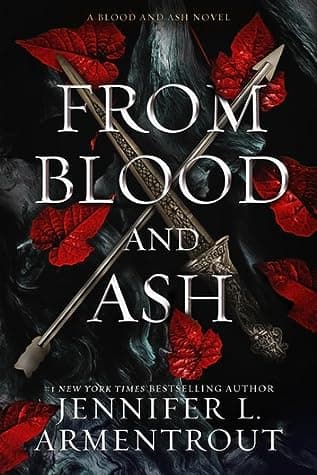
- From Blood and Ash
Jennifer L. Armentrout
4.4 (27k) average on GoodreadsFantasyCombines a chosen one narrative with a dark fantasy setting, forbidden romance, and ancient mysteries.
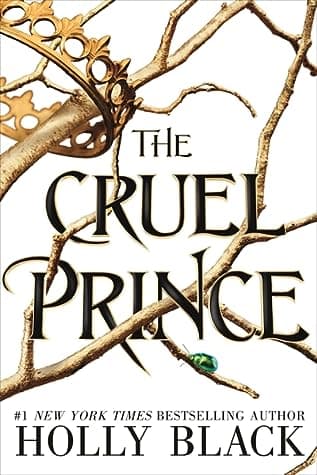
- The Cruel Prince
Holly Black
4.1 (216k) average on GoodreadsFantasyExplores intricate fae politics, betrayal, and a human protagonist finding her place in a dangerous fae court.
- City of Bones
Cassandra Clare
4.1 (43k) average on GoodreadsThrillerBoth feature protagonists discovering hidden magical worlds and ancient prophecies. Clare's series offers a broader, more expansive urban fantasy universe with complex character relationships, while Bartol's 'Incendiary' provides a more focused and culturally specific exploration of Irish fae lore.
- The Old Man and the Sea
Ernest Hemingway
3.8 (831k) average on GoodreadsLiterary FictionA Cuban fisherman's long struggle with a giant marlin becomes a story of endurance and dignity, now retold for young adults with illustrations, phonetic guides, and writing prompts in Traditional Chinese.
- One Hundred Years of Solitude
Gabriel García Márquez
4.1 (753k) average on GoodreadsLiterary FictionThrough the multi-generational story of the Buendía family, a mythical town deals with the repeating patterns of time, love, and solitude, as the extraordinary mixes with the ordinary.




Enjoyed the summary?
A summary gives you the shape of the book. The book itself has the detail, the examples and the voice.
Find Incendiary on AmazonAs an Amazon Associate, BookBrief earns from qualifying purchases. How we're funded