

Synopsis
Covers the whole plot, including the ending.
- Difficulty
- Easy
- Pacing
- Moderate
- Mood
- Reflective, Emotional, Gently Suspenseful, Heartwarming
- Read it if
- You enjoy character-driven stories about family secrets, past regrets, and the power of reconciliation in a picturesque village setting.
- Skip it if
- You prefer fast-paced thrillers or stories without a strong focus on emotional introspection and historical reveals.
Indian Summer Plot Summary
Covers the whole plot, including the ending.
Return to Combe
Kit, a freelance artist, arrives at her holiday cottage in Combe, a small Devon village. She seeks comfort from a recent letter from Jake, her first love, who wants to meet after decades. Her friend, Mungo, a local artist and boat builder, welcomes her. Mungo, a widower, has always had feelings for Kit. Their reunion is warm but carries unspoken history. Kit's daughter, Daisy, is traveling, adding to Kit's introspection. The familiar surroundings of Combe bring both comfort and a heightened awareness of the past, especially her youthful romance with Jake and the mysterious circumstances of their sudden separation.
Jake's Letter and Lingering Doubts
Kit is troubled by Jake's letter, which proposes a meeting in London. She tells Mungo about the letter, though she keeps the full extent of her emotional turmoil to herself. Mungo, sensing her distress, offers quiet support, though he is clearly affected by the mention of Jake, a rival from their youth. Flashbacks show Kit's intense teenage love for Jake, a charming and somewhat rebellious young man who worked on a local farm. Their romance was passionate but ended suddenly and mysteriously, leaving Kit heartbroken and confused. She recalls the shame and confusion surrounding their breakup, especially her mother's stern disapproval and Jake's sudden disappearance.
The Arrival of Leo and the Children
Mungo's nephew, Leo, a landscape gardener, arrives in Combe with his three young children: Flora, Barnaby, and Lily. Leo struggles after a recent separation from his wife, Camilla, and seeks refuge and support from Mungo. Their arrival brings lively, sometimes chaotic, energy into the quiet village. Kit finds herself drawn to the children, especially Flora, who reminds her of her own daughter at that age. The children provide a distraction for Kit, but also highlight her anxieties about family and relationships. Leo's struggles mirror, in some ways, the unresolved emotional issues that Kit and Mungo face from their own pasts.
Unveiling the Past: Kit's Memories
As Kit spends more time in Combe, her memories of the past intensify. She recalls her mother, Eleanor, a strict and somewhat cold woman who greatly influenced Kit's life. Kit remembers her mother's disapproval of Jake and his working-class background. A flashback shows Kit's discovery of her pregnancy with Jake's child, a secret she carried alone for a short time before a devastating miscarriage. This loss, and the subsequent cover-up by her mother, explains much of Kit's unresolved grief and her inability to fully move on from Jake. She starts to piece together the events that led to Jake's sudden departure, suspecting her mother's involvement.
Mungo's Perspective and Shared History
Mungo, observing Kit's internal struggle, thinks about his lifelong affection for her. He remembers their youth together, his quiet admiration for her, and his jealousy of Jake. He recalls the summer Jake disappeared and the subsequent changes in Kit. Mungo carries his own secrets and unspoken feelings. He had been aware of some of the tension between Kit's mother and Jake, and perhaps some of the events that led to Jake's leaving, though he never fully understood the depth of Kit's suffering. His quiet loyalty and steady presence show his deep, lasting love for Kit, which has been a constant in both their lives.
The Confrontation with Jake
After much thought, Kit decides to meet Jake in London. The reunion is full of emotion. Jake, now a successful businessman, is visibly older but still has some of his youthful charm. Kit confronts him about his sudden disappearance and the pain he caused. Jake, in turn, tells his side of the story. He explains that Kit's mother, Eleanor, had confronted him, falsely accusing him of impregnating Kit (who was, at that point, unknowingly pregnant) and threatening him with legal action if he did not leave Combe and Kit immediately. Jake, young and intimidated, believed he had no choice but to comply, thinking it was for Kit's own good.
The Truth Revealed: Eleanor's Manipulation
Jake's revelation confirms Kit's suspicions about her mother's manipulative nature. He recounts how Eleanor made it clear that Kit's future, especially her education and social standing, would be at risk if Jake remained in her life. Eleanor had portrayed Jake as a dangerous influence, convincing him that leaving was the only way to protect Kit. This truth is a devastating blow to Kit, confirming that her mother had actively sabotaged her happiness and lied to both of them for decades. The discovery explains the lingering bitterness and confusion Kit had felt about her past with Jake and the deep sense of betrayal she now feels towards her mother's memory.
Returning to Combe with New Understanding
Kit returns to Combe, the weight of the past both lifted and intensified by the truths she has learned. She feels a mix of relief at finally understanding what happened, and deep sadness and anger at her mother's actions. She shares the details of her meeting with Jake with Mungo, who listens with his usual quiet empathy. Mungo, too, is affected by the revelations, gaining a clearer picture of the complex web of deceit that had shaped their lives. The shared understanding deepens their bond, and Kit begins to see Mungo in a new light, recognizing his steady loyalty and love throughout the years.
Leo's Struggles and Camilla's Visit
While Kit processes her past, Leo continues to struggle with his separation from Camilla. Camilla visits Combe, to see the children, but the tension between her and Leo is clear. Kit, having recently confronted her own past, offers support and perspective to Leo. The children, especially Flora, are caught in the middle of their parents' strained relationship. Camilla expresses her feelings of being overwhelmed and misunderstood. This subplot provides a parallel narrative about the complexities of relationships and the importance of open communication, mirroring the themes of unresolved conflict present in Kit's own story.
The Future of Combe and New Beginnings
As the Indian summer ends, there is a sense of resolution and new beginnings in Combe. Kit, having made peace with her past with Jake, can fully embrace her present. Her relationship with Mungo deepens, becoming something more explicit and hopeful. Leo and Camilla begin to have more honest conversations about their future, with the possibility of reconciliation or at least a more amicable co-parenting relationship. The village, though affected by the uncovering of old secrets, remains a place of comfort and community, showing resilience. The characters learn that confronting the past, however painful, is essential for moving forward and building a more authentic future.
Principal Figures
Kit
Protagonist
A freelance artist returning to Combe, haunted by a past love and family secrets.
Kit is a sensitive and introspective woman, a freelance artist who cherishes her annual retreat to Combe. She is intelligent and observant, but has carried the burden of unresolved grief and confusion from her youth. Her past relationship with Jake and the mysterious circumstances of their breakup have shaped much of her adult life, leaving her with a lingering sense of loss and an inability to fully commit. She is a loving mother to her absent daughter, Daisy, and a loyal friend to Mungo, though she has been oblivious to his deeper feelings for her. Her journey in the novel is about confronting long-buried truths.
Relationships: Jake (First love, rekindled connection, source of past pain); Mungo (Lifelong friend, unrequited love, confidante); Eleanor (Controlling mother, source of manipulation and deceit); Daisy (Absent daughter, source of maternal love and quiet longing)
Mungo
Supporting
A local artist and boat builder, Kit's lifelong friend and quiet admirer.
Mungo is a kind, steady, and deeply loyal man, a widower who has built a quiet life in Combe as an artist and boat builder. He has been in love with Kit for decades, a love he has never openly declared, instead offering unwavering support and friendship. He is observant and empathetic, often sensing Kit's unspoken feelings. Mungo carries his own quiet grief for his late wife and a sense of resignation about his unrequited love for Kit. His presence in the novel is a grounding force, representing the enduring power of quiet devotion and the comfort of home.
Relationships: Kit (Lifelong friend, unrequited love, eventual partner); Leo (Nephew, mentor, source of family connection); Flora, Barnaby, Lily (Great-niece/nephews, caregiver)
Jake
Supporting
Kit's charismatic first love, whose reappearance sparks the uncovering of old secrets.
Jake is Kit's first love, a charismatic and somewhat rebellious figure from their youth. He was misunderstood and unfairly judged by Kit's mother, Eleanor. After being manipulated into leaving Combe, he built a successful life as a businessman, but the memory of Kit and the unresolved past continued to haunt him. His decision to reach out to Kit after decades demonstrates his desire for closure and to right past wrongs. He is genuinely remorseful for the pain he inadvertently caused Kit and plays a crucial role in revealing the truth about Eleanor's actions.
Relationships: Kit (First love, source of unresolved history and pain); Eleanor (Manipulative antagonist, source of his forced departure)
Eleanor
Antagonist (posthumous)
Kit's deceased, manipulative mother whose past actions shaped Kit's life.
Eleanor is Kit's deceased mother, a formidable and controlling woman whose influence continues to impact Kit's life long after her death. She was fiercely protective of her daughter's social standing and future, resorting to deceit and manipulation to achieve her ends. Her actions, particularly her interference in Kit and Jake's relationship, are the central catalyst for the novel's conflict. Though she never appears directly, her character is revealed through Kit's memories and Jake's testimony, showcasing her coldness, ambition, and willingness to lie to protect her perception of her family's reputation.
Relationships: Kit (Daughter, manipulated and controlled); Jake (Victim of her manipulation and false accusations)
Leo
Supporting
Mungo's nephew, a landscape gardener struggling with a recent separation.
Leo is Mungo's nephew, a kind and somewhat overwhelmed landscape gardener navigating the difficulties of a recent separation from his wife, Camilla, while caring for their three young children. He seeks refuge and support in Combe, relying on Mungo's stability. Leo's struggles with his own relationship reflect the broader themes of communication and unresolved conflict in the novel. He is a loving father, though sometimes exasperated by the demands of parenthood. His journey provides a contemporary parallel to Kit's own emotional turmoil, highlighting how past actions and unspoken words can affect present relationships.
Relationships: Mungo (Uncle, mentor, source of support); Camilla (Estranged wife, co-parent); Flora, Barnaby, Lily (Children)
Camilla
Supporting
Leo's estranged wife, struggling with the demands of motherhood and her marriage.
Camilla is Leo's estranged wife and the mother of Flora, Barnaby, and Lily. She is depicted as a woman struggling with the pressures of family life and feeling misunderstood by Leo. Her visit to Combe highlights the tensions and unresolved issues in their marriage. While initially seen through Leo's perspective, her character gains more depth as she expresses her own feelings of being overwhelmed and her desire for understanding. Her interactions with Leo and the children reveal a complex woman who, despite her struggles, ultimately cares for her family and is seeking a path forward.
Relationships: Leo (Estranged husband, co-parent); Flora, Barnaby, Lily (Children)
Flora
Supporting
Leo and Camilla's eldest child, an observant and sensitive young girl.
Flora is Leo and Camilla's eldest daughter, an observant and sensitive young girl who is keenly aware of the tensions between her parents. She forms a special bond with Kit, reminding Kit of her own daughter. Flora's presence often serves as a barometer for the emotional climate within the family, and her innocence highlights the complexities of adult relationships. Her character brings youthful energy and provides a contrast to the adults' internal struggles, reminding them of the need for stability and honesty.
Relationships: Leo (Father); Camilla (Mother); Mungo (Great-uncle); Kit (Friendly connection, confidante)
Daisy
Mentioned
Kit's daughter, traveling abroad.
Daisy is Kit's daughter, who is traveling abroad during the events of the novel. Though she never appears directly, her absence is a constant presence in Kit's thoughts, symbolizing Kit's maternal love and her contemplation of her own life choices. Daisy's independence and her journey mirror Kit's own journey of self-discovery, albeit in a different context. Her character serves to highlight Kit's role as a mother and her reflections on family.
Relationships: Kit (Mother)
Themes & Insights
The Weight of Unspoken Secrets
The novel shows how unspoken secrets, especially those about Kit's past with Jake and her mother's manipulation, can deeply affect lives for decades. Kit's inability to move on is directly linked to the missing pieces of her history. The gradual revelation of Eleanor's deceit, and Jake's side of the story, shows how silence and lies can cause long-term pain and misunderstanding. The theme extends to Mungo's unspoken love for Kit and Leo and Camilla's communication breakdown, all highlighting the destructive power of unaddressed truths and the freedom that comes with their revelation.
“Some memories are best forgotten . . . Others won’t ever go away.”
The Enduring Power of First Love
Kit's lasting feelings for Jake, despite decades of separation and misunderstanding, show the powerful and lasting impact of first love. Even as she lives her adult life, the memory of Jake and the sudden end to their romance continues to shape her emotional state. His re-emergence, and the subsequent uncovering of the truth, allows Kit to finally process this foundational relationship. The theme explores how these early connections can leave a lasting mark, influencing future relationships and personal identity, and how true closure only comes from understanding the complete picture of what happened.
“Years had passed since Kit last saw Jake, but now he had written asking to meet again.”
The Nature of Family and Loyalty
The novel explores the complex and often contradictory nature of family bonds. Eleanor's manipulative actions, driven by a misguided sense of maternal protection, highlight the darker side of family loyalty. In contrast, Mungo's steady, quiet loyalty to Kit, despite his unrequited love, shows the profound and positive impact of genuine family and platonic devotion. Leo's struggles with his own family, and the children's presence, further explore the responsibilities and challenges in family relationships. The story suggests that true family loyalty is built on honesty, understanding, and unconditional support, rather than control or deceit.
“A beautifully woven tale of families, secrets, love and loss.”
The Search for Identity and Self-Acceptance
Kit's journey in the novel is a search for her authentic self, free from the past. For decades, her identity has been shaped by the unresolved mystery of her relationship with Jake and the lasting influence of her mother's expectations. By confronting the truth about Eleanor's manipulation and understanding Jake's perspective, Kit begins to reclaim her story. This process of self-discovery allows her to shed the weight of past hurts and embrace a future where she can be truly open to love and happiness, embodying the idea that moving forward requires confronting and accepting one's personal history.
“The only way to move forward might be to confront the past . . .”
Plot Devices & Literary Techniques
Flashbacks
Interspersed memories revealing past events and motivations.
Flashbacks are extensively used to gradually reveal the history between Kit, Jake, and Eleanor. Kit's memories of her youth, her relationship with Jake, and her mother's stern demeanor are woven into the present narrative. These fragmented recollections slowly piece together the puzzle of why Jake disappeared and why Kit carried so much unresolved pain. The device builds suspense and allows the reader to understand the profound impact of past events on the characters' present lives, culminating in the full revelation of Eleanor's manipulative actions.
The Letter
A catalyst for action, re-introducing a pivotal character and forcing a confrontation with the past.
Jake's letter to Kit, asking to meet, serves as the primary inciting incident for the entire narrative. It shatters Kit's quiet life in Combe and forces her to confront the decades-old mystery of their separation. The letter acts as a tangible link to the past, pulling Jake back into Kit's life and compelling her to seek answers. Without this catalyst, the secrets might have remained buried, and the characters would not have embarked on their respective journeys of revelation and healing.
The Setting of Combe
A tranquil village that simultaneously offers solace and triggers painful memories.
The Devon village of Combe functions as more than just a backdrop; it is a character in itself. For Kit, it represents both a sanctuary and a repository of her past. The familiar landscapes, the cottage, and the presence of Mungo evoke strong memories of her youth, both joyful and painful. The village's quiet, unchanging nature contrasts with the emotional turmoil experienced by the characters, highlighting how deeply personal histories are tied to place. It allows for reflection and introspection, creating an intimate space for secrets to surface and for healing to begin.
Indian Summer Quotes
“The past, she reflected, was like a perfectly preserved butterfly under glass. Beautiful, but utterly still.”
“Sometimes, the quietest truths were the ones that echoed the loudest in an empty house.”
“Life had a way of presenting you with the same lesson, over and over, until you finally learned it. Or gave up trying.”
“It wasn't the big events that shaped you, but the accumulation of tiny, almost imperceptible shifts.”
“There was a particular kind of melancholy that only came with the end of summer, a gentle letting go.”
“Family, she thought, was a tapestry woven with threads of love, resentment, and a thousand shared silences.”
“The trick to happiness, if there was one, was to find joy in the imperfect, the unfinished, the utterly human.”
“Regret, like rust, could slowly corrode the brightest memories if you let it.”
“Sometimes, the only way to move forward was to sit still for a very long time and let the world catch up.”
“An Indian summer, she realised, was not just a season, but a state of mind – a lingering warmth before the inevitable chill.”
“The strongest bonds weren't always forged in happiness, but often in shared vulnerability and quiet understanding.”
“Every house held secrets, not just in its walls, but in the very air, imbued by those who had lived there.”
“It was amazing how much could be said without a single word, in the tilt of a head or the lingering touch of a hand.”
“Forgiveness, she discovered, was less about condoning an act and more about freeing oneself from its grip.”
Quiz
10 questions on the plot and the characters. Each answer comes with a short explanation.
Question 1
What is the primary reason Kit's heart is in turmoil at the beginning of the summer?
- She has just broken up with her long-term boyfriend.
- Her estranged mother has suddenly reappeared.
- Jake, whom she hasn't seen in years, has written asking to meet.
- She is facing a major career decision that could change her life.
Show answer
C. Jake, whom she hasn't seen in years, has written asking to meet. The book description states that Kit 'arrives with a heart in turmoil: years have passed since Kit last saw Jake, but now he has written asking to meet again.'
Question 2
What is Mungo's relationship with the village and its visitors, particularly Kit?
- He is a newcomer who recently moved to the village.
- He sees the village as simply home and an ideal getaway for friends like Kit, despite old memories.
- He is a reclusive artist who avoids most of the villagers and visitors.
- He is the village mayor, responsible for organizing summer events.
Show answer
B. He sees the village as simply home and an ideal getaway for friends like Kit, despite old memories. The description mentions, 'For Mungo, the village is simply home and the ideal getaway for friends, like Kit, even if he aches at the old memories they bring.'
Question 3
What is the central conflict that drives the narrative forward in 'Indian Summer'?
- A dispute over land ownership between two prominent village families.
- A series of mysterious thefts plaguing the sleepy community.
- The uncovering of hidden truths and secrets that shatter the community.
- The arrival of a film crew disrupting the village's peace.
Show answer
C. The uncovering of hidden truths and secrets that shatter the community. The synopsis clearly states, 'As the summer unfolds, hidden truths are uncovered that will shatter the sleepy community.'
Question 4
What specific emotional impact do the old memories brought by friends like Kit have on Mungo?
- They fill him with joy and nostalgia for simpler times.
- They make him feel restless and eager to leave the village.
- They cause him to ache and stir up secrets within him.
- They inspire him to write a memoir about his life in Devon.
Show answer
C. They cause him to ache and stir up secrets within him. The text states Mungo 'aches at the old memories they bring – and the secrets they stir in him,' indicating a painful emotional impact.
Question 5
The resolution for the characters in 'Indian Summer' is presented as confronting what?
- The challenges of modernizing their traditional village.
- The past, in order to move forward.
- A difficult financial crisis affecting their livelihoods.
- The arrival of new, disruptive residents.
Show answer
B. The past, in order to move forward. The synopsis concludes with, 'But those involved soon realize that the only way to move forward might be to confront the past.'
Question 6
What is the typical setting for Kit's annual retreat, and how does it usually affect her?
- A bustling city, where she finds inspiration for her work.
- A quiet Devon village, which is usually a perfect retreat for her.
- A remote mountain cabin, where she practices meditation.
- A foreign country, where she explores new cultures.
Show answer
B. A quiet Devon village, which is usually a perfect retreat for her. The book description states, 'For Kit, the quiet Devon village she visits every year is the perfect retreat.'
Question 7
What specific genre or type of story does 'Indian Summer' appear to be, based on the provided description and praise?
- A historical drama set in the Victorian era.
- A fast-paced mystery thriller with a detective protagonist.
- A character-driven story exploring family secrets, love, loss, and community dynamics.
- A dystopian science fiction novel.
Show answer
C. A character-driven story exploring family secrets, love, loss, and community dynamics. Praise from Liz Fenwick describes it as 'A beautifully woven tale of families, secrets, love and loss,' aligning with a character-driven narrative.
Question 8
Considering the themes of 'hidden truths' and 'confronting the past,' what is a likely consequence for the characters in the village once these secrets are revealed?
- The community will immediately forget the revelations and return to normal.
- The revelations will lead to a complete breakdown of all relationships beyond repair.
- The community will experience significant upheaval and emotional turmoil, requiring difficult reconciliation.
- Only Kit and Mungo will be affected, while the rest of the village remains unaware.
Show answer
C. The community will experience significant upheaval and emotional turmoil, requiring difficult reconciliation. The text states that hidden truths 'will shatter the sleepy community,' implying widespread and significant disruption, not just to a few individuals.
Question 9
What specific aspect of Mungo's connection to the village suggests a deeper, more rooted relationship than merely being a resident?
- He is described as having just inherited a property there.
- He considers the village 'simply home' and aches at old memories it brings.
- He actively recruits new people to move into the village.
- He frequently travels away from the village for extended periods.
Show answer
B. He considers the village 'simply home' and aches at old memories it brings. Mungo considering the village 'simply home' and the emotional weight of 'old memories' suggest a deep, lifelong connection, rather than a transient one.
Question 10
Given the description, what is the most profound implication of the title 'Indian Summer' for the narrative's overall mood and progression?
- It suggests a story primarily about climate change and environmental concerns.
- It implies a period of unexpected warmth and calm before an inevitable, colder reality (like hidden truths surfacing).
- It indicates the story is set entirely in India during the summer months.
- It signifies a light-hearted, purely romantic comedy with no underlying tension.
Show answer
B. It implies a period of unexpected warmth and calm before an inevitable, colder reality (like hidden truths surfacing). An 'Indian Summer' is a period of warm, dry weather occurring in late autumn after a period of colder weather. This metaphorically suggests a period of deceptive calm or warmth in the narrative before the 'cold' reality of secrets and past confrontations inevitably emerges.
Indian Summer FAQ
What is the central conflict that Kit faces when she arrives in the Devon village?
Kit arrives in the quiet Devon village with her heart in turmoil because her estranged lover, Jake, has written to her after many years, asking to meet again. This unexpected contact forces her to confront unresolved emotions and the history of their relationship, disrupting her usual peaceful retreat.
Who is Mungo, and what is his relationship to Kit and the village?
Mungo is a long-time resident of the Devon village, which he considers home, and he is a friend to Kit. He cherishes the village as an ideal getaway for his friends, but their presence, especially Kit's, stirs up old memories and deep-seated secrets within him, causing him internal turmoil.
What kind of 'hidden truths' are uncovered as the summer progresses in the village?
As the summer unfolds, the narrative reveals long-buried secrets and hidden truths that have been kept within the sleepy community for years. These revelations involve past relationships, unspoken betrayals, and events that have shaped the lives of characters like Kit and Mungo, threatening to shatter the village's tranquility.
What is the overarching theme regarding confronting the past in 'Indian Summer'?
The book emphasizes that the only way for characters like Kit and Mungo to move forward and find peace is to directly confront the painful and often suppressed events of their past. Ignoring or forgetting these memories is not a sustainable solution, and true healing requires acknowledging and dealing with historical truths.
How does Jake's letter specifically act as a catalyst for the plot?
Jake's letter requesting a meeting after a long silence serves as the primary catalyst, forcing Kit to re-evaluate her past and present. It not only reintroduces a significant figure from her history but also indirectly triggers a chain of events that leads to the unearthing of other characters' secrets and the broader village's hidden truths.
Are there any subtle indications early on that Mungo harbors deeper feelings or secrets related to Kit or their shared past?
Yes, the description mentions Mungo 'aches at the old memories they bring – and the secrets they stir in him' when Kit and friends visit. This suggests a long-standing emotional connection or unresolved history, hinting that his feelings for Kit might be more profound than simple friendship, or that he holds knowledge directly impacting her past.
Does the 'sleepy community' itself play an active role in keeping secrets, or is it more about individual characters' choices?
The description implies a collective complicity or at least a pervasive atmosphere where secrets are maintained. While individual choices are key, the phrase 'shatter the sleepy community' suggests that the community as a whole has absorbed and protected these hidden truths, making their revelation a communal rather than purely personal upheaval.
Is there a specific historical event or time period that anchors some of the 'old memories' Mungo and Kit share?
The synopsis doesn't specify a particular historical event, but the emphasis on 'years have passed' since Kit last saw Jake, and 'old memories' for Mungo, suggests a significant shared past, likely from their youth or early adulthood, stretching back perhaps decades. The exact period would be revealed within the narrative's flashbacks.
How does Kit's internal 'turmoil' manifest and affect her interactions with others in the village?
Kit's internal turmoil likely manifests as distraction, emotional guardedness, or even irritability as she grapples with Jake's reappearance. This emotional state might make her less present with friends like Mungo, potentially causing misunderstandings or making her more sensitive to the unfolding secrets around her.
What psychological impact does the prolonged suppression of 'hidden truths' have on the characters like Mungo?
For characters like Mungo, the prolonged suppression of hidden truths likely leads to a build-up of emotional 'ache' and internal conflict. This could manifest as regret, anxiety, a sense of burden, or even a form of emotional stagnation, preventing him from fully moving on or forming new, unburdened relationships.
How might the characters' perception of 'home' or 'retreat' be psychologically challenged by the uncovering of secrets?
The characters' perception of 'home' or 'retreat' is psychologically challenged as these places, once symbols of comfort and escape, become sites of painful confrontation. The uncovering of secrets transforms these spaces into arenas where past traumas resurface, forcing characters to re-evaluate their sense of belonging and safety within them.
In what ways might the 'Indian Summer' metaphor contribute to the psychological journey of the characters?
The 'Indian Summer' metaphor suggests a period of unexpected warmth and beauty late in the season, mirroring a potential late-life surge of unresolved emotions or a final opportunity for healing. Psychologically, it implies a last chance for characters to confront their past before a metaphorical 'winter' sets in, offering a bittersweet opportunity for resolution.
Is Jake's motivation for contacting Kit purely to reconnect, or could there be an ulterior motive related to the village's secrets?
While Jake's letter primarily asks to meet, his motivation could be more complex. He might genuinely seek reconciliation, but given the theme of 'hidden truths' and the interconnectedness of the characters, it's plausible he possesses information or has a role in the secrets that are about to be uncovered, making his reappearance multi-faceted.
Could Mungo's 'aching' memories suggest he was also involved in the past events that separated Kit and Jake, or is his pain purely sympathetic?
Mungo's 'aching' memories and the mention of 'secrets they stir in him' strongly suggest a more direct involvement in the past events than mere sympathy. It's highly probable he was either a witness, a confidante, or even a participant in the circumstances that led to Kit and Jake's separation, carrying his own burden of guilt or regret.
What does the phrase 'some memories are best forgotten' imply about the characters' initial approach to their past?
The phrase 'some memories are best forgotten' implies that several characters, particularly Mungo, have actively chosen to suppress or ignore painful past events, believing this is the path to peace. This sets up a central conflict, as the narrative then demonstrates that forgetting is not always possible or healthy, leading to the eventual confrontation.
How might the 'sleepy community' react to the shattering of its tranquility – with resistance, acceptance, or further division?
The community's reaction could be varied. Initially, there might be resistance and discomfort as long-held secrets are exposed, potentially leading to gossip, blame, or even further division among residents. However, the overarching theme of confronting the past suggests that ultimately, some form of acceptance or collective healing will be necessary for the community to move forward.
Is the ultimate resolution of the story likely to be one of complete forgiveness and harmony, or a more nuanced acceptance of past wrongs?
Given the complexity of 'hidden truths' and the pain they cause, a complete, untroubled harmony might be unrealistic. The resolution is more likely to be a nuanced acceptance of past wrongs, perhaps involving forgiveness but also acknowledging the lasting impact of those events. It will probably focus on moving forward with a clearer understanding rather than erasing the past entirely.
What role do the physical settings within the Devon village play in evoking or revealing memories?
The physical settings within the Devon village likely act as powerful mnemonic triggers. Familiar landscapes, old houses, or specific meeting spots could be imbued with past significance, prompting characters like Kit and Mungo to recall specific events, conversations, or feelings, thereby facilitating the uncovering of long-buried memories.
About the author

Marcia Willett is a British author known for her fiction, often exploring themes of family and relationships. One of her notable works is "Indian Summer," which reflects her characteristic storytelling style. Willett's writing frequently captures the nuances of life in rural England.
Similar books
- The Shell Seekers
Rosamunde Pilcher
4.2 (95k) average on GoodreadsHistorical FictionExplores family secrets and past memories in a multi-generational narrative, often set in scenic English locations.
- The House on the Strand
Daphne du Maurier
3.8 (10k) average on GoodreadsFantasyFeatures a protagonist grappling with disturbing visions of the past that impact the present, with a strong sense of place in Cornwall.
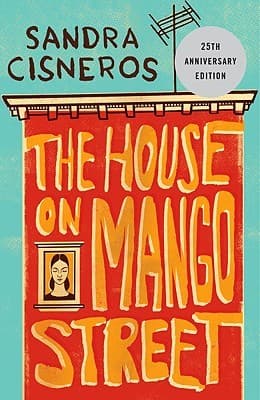
- The House on Mango Street
Sandra Cisneros
3.6 (126k) average on GoodreadsYoung AdultWhile both novels deal with the concept of 'home' and a sense of belonging, they approach it from vastly different angles. Cisneros's "The House on Mango Street" is a coming-of-age story told through vignettes, exploring identity, poverty, and cultural displacement from a young girl's perspective. Willett's "Indian Summer," in contrast, is a more traditional, plot-driven narrative focused on an established family unit in a rural English setting, dealing with inherited wealth and long-held secrets. Cisneros's work is celebrated for its lyrical, experimental prose and its socio-political commentary, which is largely absent in Willett's more conventional domestic fiction. The comparison highlights Willett's adherence to genre conventions versus Cisneros's groundbreaking stylistic and thematic contributions to literature.
- Nineteen Eighty-Four
George Orwell
4.2 (5.5M) average on GoodreadsFictionWinston Smith dreams of truth and rebellion in a world where Big Brother watches all, but he confronts the terrifying power of a regime that controls not just actions, but thoughts.
- The Frozen River
Ariel Lawhon
4.4 (600k) average on GoodreadsFictionIn 1789 Maine, a heroic midwife's diary helps her expose a murder and get justice in a town that wants to silence her.
- A Man Called Ove
Fredrik Backman
4.4 (569k) average on GoodreadsFictionA stubborn widower, who lives by strict rules, finds his quiet world changed by a lively new family next door, making him face his past and find happiness in human connection.





Enjoyed the summary?
A summary gives you the shape of the book. The book itself has the detail, the examples and the voice.
Find Indian Summer on AmazonAs an Amazon Associate, BookBrief earns from qualifying purchases. How we're funded