
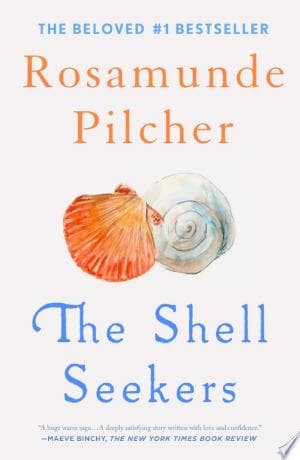
Synopsis
Covers the whole plot, including the ending.
- Difficulty
- Easy
- Pacing
- Moderate
- Mood
- Nostalgic, Heartwarming, Reflective, Gentle
- Read it if
- You enjoy sweeping family sagas, gentle romance, and introspective journeys through a woman's life, set against beautiful British backdrops.
- Skip it if
- You prefer fast-paced thrillers, high-stakes drama, or stories without extensive flashbacks and character introspection.
The Shell Seekers Plot Summary
Covers the whole plot, including the ending.
Penelope's Hospital Stay and Family Concerns
Penelope Keeling, a free-spirited woman in her sixties, is recovering in a London hospital after a mild heart attack. Her three adult children—Nancy, Olivia, and Noel—visit her. Each has their own personality and concerns. Nancy, practical and somewhat focused on money, manages a small hotel in the Cotswolds. Olivia, an independent and successful fashion editor, lives a busy life in London. Noel, an art dealer, cares mostly about money. During their visits, they talk about Penelope's father's paintings. Penelope’s father, Lawrence Stern, was a well-known artist. Noel wants to know their market value, which Penelope quietly dislikes. She values the paintings for their meaning, especially 'The Shell Seekers,' a large, bright work in her Cornwall cottage.
Return to Cornwall and Memories of Childhood
After leaving the hospital, Penelope goes back to her cottage, 'The House of the Shell Seekers,' in Porthkerris, Cornwall. She prefers this to staying with one of her children. The familiar surroundings and sea air comfort her and bring back many memories. She remembers her unconventional childhood living with her artist father, Lawrence Stern, and her kind mother, Sophie. Their home, a center for artists and thinkers, helped Penelope develop her artistic sense and independent spirit. She remembers the freedom and joy of those early years, which contrasts with her children's more conventional lives. Her father’s art process and his deep love for his family and the Cornish landscape are key to these early memories, especially how he painted 'The Shell Seekers' with her and her sister Antonia as young girls.
Unearthing the Value of Lawrence Stern's Art
Noel, always thinking about business, starts looking into the current market value of Lawrence Stern's paintings. He finds that his grandfather's work has recently become very popular, and prices for his pieces are going up. This excites Noel, who sees a big money opportunity in his mother's collection. He, along with Nancy, starts to subtly push Penelope to sell some of the paintings. Olivia, while less direct, also recognizes the financial side. Penelope, however, resists. She sees the paintings as family items, not things to sell. This growing disagreement over the art shows the different values and priorities in the family, setting up future conflict.
Recalling the War Years and Ambrose
Penelope's thoughts go back to World War II. She remembers her time in London during the Blitz, working for the Women's Royal Naval Service (Wrens). There, she met and fell in love with Ambrose Keeling, a charming naval officer. Their romance was strong and intense, a source of hope and joy in the harsh reality of war. They married quickly, and Penelope got pregnant with their first child, Noel. Ambrose's assignment at sea meant long times apart, filled with worry. These memories hold both the sweetness of young love and the fear of wartime loss, shaping Penelope's understanding of love, sacrifice, and strength.
The Tragic Loss of Ambrose and Moving On
The joy of Penelope's wartime marriage ended when Ambrose was reported missing and presumed dead. The news crushed Penelope, leaving her a young widow with a baby, Noel, and soon, pregnant with her second child, Nancy. She describes her deep sadness and the great challenge of rebuilding her life after the war. With help from her parents and friends, Penelope showed great strength. She moved to Cornwall to raise her children, finding comfort in the familiar area and the spirit of her family home. This time made her independent and strong, shaping her into the woman her children know, but also leaving a mark of loss.
The Birth of Olivia and a New Chapter
Penelope’s third child, Olivia, was born much later, from a brief, failed affair after Ambrose's death. She thinks about the challenges of raising her three children, each so different. Noel, her oldest, was always ambitious and driven by success. Nancy, practical and traditional, wanted security. Olivia, the youngest, had some of Penelope’s independent spirit and artistic talent, becoming a successful fashion editor. Penelope remembers her struggles and joys as a single mother, making ends meet and providing a loving home. Her memories show the sacrifices she made and her deep love for her children, even as their different views on life and art cause friction.
The Children's Demands and Penelope's Resolve
As Noel and Nancy continue to find out how much Lawrence Stern's art is worth, their pressure on Penelope to sell increases. Noel brings an art expert, hoping to value the collection, especially 'The Shell Seekers,' which he thinks could make a lot of money. Nancy, facing financial problems with her hotel, also sees the sale as a solution. They argue that the money would secure Penelope’s future and help them. Penelope feels trapped and upset by their focus on money. She believes 'The Shell Seekers' is not for sale, not just for its money value, but because it holds her family history, her father's spirit, and her own life story. This conflict brings the family's different values to a head.
Reconnecting with Richard and the Past
During this time of family tension, Penelope reconnects with Richard, an old friend from her youth and a past admirer. Richard, who has always cared for Penelope, offers her comfort and an outside view on her family's demands. Their talks let Penelope think about her past relationships, including her brief, more traditional marriage to Giles, which failed because they were not compatible. Richard's steady presence and understanding give Penelope needed emotional support. He reminds her of her own happiness and choices, strengthening her decision to protect her memories and her father's legacy.
Antonia's Story and a Family Secret
Penelope's memories include her younger sister, Antonia. Antonia was a delicate, artistic child who had mental health problems throughout her life. Penelope remembers the family's attempts to help Antonia, their sadness over her condition, and her eventual stay in an institution. This part of their family history is a source of quiet sorrow for Penelope. It shows the lasting effect of mental illness and the complexities of family love and responsibility. She remembers her father's deep love and concern for Antonia, and how he tried to show her fragile beauty in some of his lesser-known works. This memory adds to Penelope's understanding of her family's past and her father's character.
Penelope's Decision Regarding the Paintings
After much thought and outside pressure, Penelope decides about her father's paintings. She sells some of the less important works to an art gallery, mainly to help Nancy and Noel, who both need money. However, she refuses to sell 'The Shell Seekers.' This painting, a symbol of her family, her childhood, and her spirit, will stay with her. She makes it clear that its meaning is far more important than any money. She also says she wants Olivia to inherit 'The Shell Seekers' after her death, recognizing Olivia's artistic sense and understanding of its true worth.
A New Chapter and Enduring Legacy
With the decisions made and family tensions somewhat resolved, Penelope feels peaceful. She continues to live in her Cornwall cottage, enjoying her garden and friends like Richard. She finds comfort in her memories, which she now sees as precious parts of who she is. Selling some paintings lets her children move forward, while her refusal to sell 'The Shell Seekers' confirms her values. The novel ends with Penelope looking to the future, content that she has lived a full and real life, with love, loss, and an appreciation for beauty and family. The painting, 'The Shell Seekers,' is a symbol of her life and her father's art.
The Shell Seekers Characters
Penelope Keeling
Protagonist
Independent and artistic woman, reflecting on her life and family legacy.
Penelope is a free-spirited, resilient woman in her late sixties, recovering from a heart attack. She is the daughter of renowned artist Lawrence Stern and the mother of Noel, Nancy, and Olivia. Penelope cherishes memories of her bohemian childhood and her wartime romance with Ambrose, which shaped her independent spirit. She values sentimental worth over material gain, particularly regarding her father's paintings. Her journey involves navigating her children's differing expectations while staying true to her own values and preserving her family's artistic legacy. She is deeply connected to Cornwall and 'The Shell Seekers' painting.
Relationships: Lawrence Stern (Beloved father, artist); Sophie Stern (Loving mother); Ambrose Keeling (First husband, wartime love); Noel Keeling (Ambitious son, art dealer); Nancy Keeling (Practical, somewhat materialistic daughter); Olivia Keeling (Independent, artistic daughter); Richard (Long-time friend and confidant); Antonia (Younger sister)
Noel Keeling
Supporting
Penelope's eldest son, an ambitious and financially driven art dealer.
Noel is Penelope's firstborn, a successful but somewhat mercenary art dealer. He is driven by financial gain and sees his grandfather's paintings, especially 'The Shell Seekers,' primarily as valuable assets rather than sentimental objects. He puts significant pressure on Penelope to sell the collection, believing it will benefit the family financially. While he loves his mother, his ambition often overshadows his sensitivity to her emotional attachments. He represents the materialist perspective within the family, contrasting sharply with Penelope's values.
Relationships: Penelope Keeling (Mother); Nancy Keeling (Sister); Olivia Keeling (Sister)
Nancy Keeling
Supporting
Penelope's practical and conventional daughter, owner of a small hotel.
Nancy is Penelope's second child, a conventional and somewhat anxious woman who runs a small hotel in the Cotswolds. She is practical and often worries about financial security, both her own and her mother's. Like Noel, she pressures Penelope to sell the paintings, viewing the potential funds as a way to alleviate her own financial struggles and ensure her mother's comfort. She is less overtly materialistic than Noel but still struggles to understand Penelope's deep emotional connection to the artwork, often seeing it as impractical sentimentality.
Relationships: Penelope Keeling (Mother); Noel Keeling (Brother); Olivia Keeling (Sister)
Olivia Keeling
Supporting
Penelope's youngest daughter, an independent and artistic fashion editor.
Olivia is Penelope's youngest child, and in many ways, the most like her mother. She is an independent, successful fashion editor living in London, with a keen eye for beauty and an appreciation for art. While she acknowledges the financial value of her grandfather's paintings, she is less insistent on their sale than her siblings, understanding her mother's sentimental attachment. Olivia represents a bridge between her mother's bohemian past and the modern world, embodying a blend of independence and artistic sensibility. Penelope ultimately chooses Olivia to inherit 'The Shell Seekers'.
Relationships: Penelope Keeling (Mother); Noel Keeling (Brother); Nancy Keeling (Sister)
Lawrence Stern
Supporting
Penelope's deceased father, a renowned and beloved artist.
Lawrence Stern is Penelope's father, a highly respected and talented artist whose paintings form the central conflict of the story. Though deceased, he is a significant presence through Penelope's vivid memories. He was a loving, unconventional man who fostered an artistic and free-spirited environment for his family in Cornwall. His work, particularly 'The Shell Seekers,' embodies his love for his family and the Cornish landscape. His artistic legacy and the value of his work drive the plot, highlighting the contrast between artistic integrity and commercial value.
Relationships: Penelope Keeling (Daughter); Sophie Stern (Wife); Antonia (Daughter)
Ambrose Keeling
Supporting
Penelope's first husband and wartime love, tragically lost in the war.
Ambrose was Penelope's first husband and the great love of her youth, a dashing naval officer she met and married during World War II. Their romance was passionate and brief, ending tragically with his death in the war. He is the father of Noel and Nancy. Ambrose represents Penelope's lost youth, her capacity for deep love, and the indelible impact of wartime experiences. His memory continues to influence Penelope's life and her understanding of love and loss.
Relationships: Penelope Keeling (Wife); Noel Keeling (Son); Nancy Keeling (Daughter)
Richard
Supporting
Long-time friend and confidant of Penelope.
Richard is an old friend from Penelope's youth who re-enters her life later on. He is a kind, steady, and understanding presence, offering Penelope emotional support and an objective perspective during her family's disputes. He has always held a quiet affection for Penelope. Richard represents companionship, stability, and unconditional friendship, contrasting with the more demanding relationships Penelope has with her children. His presence helps Penelope reaffirm her values and find peace.
Relationships: Penelope Keeling (Friend and confidant)
Sophie Stern
Mentioned
Penelope's gentle and loving mother.
Sophie is Penelope's mother, a kind and supportive woman who created a warm home environment despite her husband's artistic eccentricities. Penelope remembers her as gentle and loving, a grounding force in their bohemian household. Although she is not present in the main narrative, her influence on Penelope's character and her memories of a happy childhood are significant.
Relationships: Penelope Keeling (Daughter); Lawrence Stern (Husband)
Antonia
Mentioned
Penelope's younger sister, who struggled with mental illness.
Antonia is Penelope's younger sister, whose life was marked by mental health struggles and eventual institutionalization. Her story is a source of quiet sadness for Penelope, highlighting the family's past pain and the challenges they faced. Antonia's delicate nature and her father's attempts to capture her essence in his art add a poignant layer to Penelope's memories of her family.
Relationships: Penelope Keeling (Sister); Lawrence Stern (Father); Sophie Stern (Mother)
The Shell Seekers Themes
Family and Legacy
The novel looks at the complexities of family relationships, especially between parents and adult children. Penelope's children have different values and expectations, causing tension over her father's art. The theme also looks at how a family's history, shared memories, and traits shape individual identities and relationships across generations. Penelope's thoughts about her parents, her children, and her sister show the lasting connections and occasional problems that define family.
“And it was then, standing in the studio with the sun streaming in, that Penelope suddenly understood what 'The Shell Seekers' meant to her.”
Memory and the Past
Memory is a main part of the story. Penelope's recovery from illness brings back many memories from her whole life, from her childhood to her wartime experiences and motherhood. These memories are not just nostalgic; they guide her current decisions, provide comfort, and explain her connection to her father's art. The past is shown as a part of the present, always shaping identity and understanding.
“Memory was a wonderful thing, a gift from God. It was a way of holding onto the things you loved, the things you lost, the things that made you who you were.”
Art and Value
The novel clearly contrasts the personal, sentimental value of art with its money worth. Lawrence Stern's paintings, especially 'The Shell Seekers,' are priceless to Penelope because of their deep personal meaning and connection to her family history. Her children, especially Noel, see them mainly as money assets. This theme explores the tension between art, emotional attachment, and money. It ultimately says that personal meaning is more important than money.
“It wasn't just a painting. It was a lifetime. It was Papa. It was home. It was everything.”
Independence and Resilience
Penelope shows a strong sense of independence and strength throughout her life. From her unusual upbringing to becoming a young widow during wartime and raising three children mostly alone, she always shows an ability to adapt, last, and be true to herself. Her refusal to be swayed by her children's demands about the paintings shows her strong spirit and her commitment to her own values and choices, even when old.
“She had lived her life her way, and she would continue to do so.”
Love and Loss
The story is filled with experiences of love and loss. Penelope's strong wartime romance with Ambrose, followed by his death, leaves a lasting mark on her. She also experiences the lasting love of her parents and the complexities of loving her adult children despite their different views. The theme explores how love, in its many forms, keeps life going, and how loss, though painful, shapes character and builds strength, becoming a part of one's personal history.
“The memory of Ambrose was still there, a soft, warm place in her heart, a constant reminder of a love that had been too brief but utterly true.”
Plot Devices & Literary Techniques
Flashbacks / Non-linear Narrative
Penelope's memories drive the story, weaving past and present.
The primary plot device is the extensive use of flashbacks, triggered by Penelope's recovery and her contemplation of her life. The narrative constantly shifts between the present day, with Penelope interacting with her children, and various periods of her past: her bohemian childhood, her wartime romance, and her experiences as a young mother. These flashbacks are vivid and detailed, gradually revealing Penelope's character and the complex history of her family, providing context for her current decisions and emotional attachments.
The Shell Seekers Painting
A central symbol of family, memory, and artistic legacy.
The painting 'The Shell Seekers' is not just an object but a powerful symbol that anchors the entire narrative. Painted by Penelope's father, Lawrence Stern, it depicts Penelope and her sister as young girls on a Cornish beach. It represents Penelope's idyllic childhood, her father's artistic genius, and the enduring love of her family. The painting becomes the focal point of conflict between Penelope and her children, embodying the clash between sentimental value and commercial worth, and ultimately serving as a tangible representation of Penelope's entire life story.
The Cornwall Setting
A significant setting reflecting comfort, memory, and artistic inspiration.
Cornwall, particularly Penelope's cottage in Porthkerris, acts as more than just a backdrop; it is a character in itself and a significant plot device. It is Penelope's spiritual home, a place of comfort, solace, and deep personal connection. Her memories are often tied to the Cornish landscape, the sea, and the cottage where her father painted. The return to Cornwall after her hospital stay triggers many of her flashbacks and reinforces her sense of identity and belonging, providing a stable, unchanging element amidst the changing dynamics of her family.
Contrasting Character Values
The differing values of Penelope and her children create narrative conflict.
The stark contrast in values between Penelope and her children (Noel, Nancy, and Olivia) serves as a crucial plot device to drive the central conflict. Penelope prioritizes sentiment, memory, and intrinsic worth, particularly concerning her father's art. Her children, to varying degrees, are more concerned with financial gain, practicality, and societal expectations. This divergence in values creates tension, arguments, and emotional struggle, forcing Penelope to reflect on her life and ultimately make a definitive stand for what she believes in, shaping the narrative's resolution.
The Shell Seekers Quotes
“It was a good life, and she had no complaints.”
“The only thing that matters is that you are happy.”
“You can't live your life through other people. You have to live it for yourself.”
“Memories are the only real possessions we have.”
“It's not the things you have, it's the people you love.”
“Sometimes the hardest thing in life is to know which bridge to cross and which to burn.”
“Home is not a place, it's a feeling.”
“We are all the sum of our memories.”
“The best things in life are not things.”
“You have to be brave enough to start over.”
“Love isn't about finding the perfect person, but seeing an imperfect person perfectly.”
“The past is always with us, but it doesn't have to define us.”
“Sometimes you have to let go to see what was meant to be.”
“Life is a collection of moments, not a destination.”
Quiz
10 questions on the plot and the characters. Each answer comes with a short explanation.
Question 1
What is the name of the painting that is central to the story of 'The Shell Seekers'?
- The Cornish Coast
- The Shell Seekers
- Penelope's Legacy
- Bohemian Dreams
Show answer
B. The Shell Seekers The painting 'The Shell Seekers' was created by Penelope's father, Lawrence Stern, and symbolizes her unconventional life and family heritage throughout the novel.
Question 2
Who is the protagonist of 'The Shell Seekers'?
- Olivia Keeling
- Nancy Chamberlain
- Penelope Keeling
- Noel Keeling
Show answer
C. Penelope Keeling Penelope Keeling is the central character whose life story, memories, and decisions about her father's painting drive the narrative of the book.
Question 3
Where is the primary setting of 'The Shell Seekers' that holds deep personal significance for Penelope?
- London
- Scotland
- Cornwall
- France
Show answer
C. Cornwall Cornwall is the beloved setting where Penelope's father painted 'The Shell Seekers' and where many key events in her life, including wartime memories, take place.
Question 4
Why do Penelope's grown children become interested in 'The Shell Seekers' painting?
- They want to donate it to a museum
- They discover it is worth a fortune
- They plan to sell it to pay off family debts
- They wish to restore it as a family heirloom
Show answer
B. They discover it is worth a fortune The children learn that their grandfather's artwork has increased in value, leading them to pressure Penelope about selling it for financial gain, which conflicts with her emotional attachment.
Question 5
Which of Penelope's children is most focused on financial gain from the painting?
- Olivia
- Nancy
- Noel
- Antonia
Show answer
C. Noel Noel Keeling is particularly materialistic and pushes Penelope to sell 'The Shell Seekers' to fund his lifestyle, highlighting the theme of greed versus sentimental value.
Question 6
What major life event from Penelope's past is recalled through her memories in the novel?
- Her career as a teacher
- Her wartime romance
- Her divorce from Richard Keeling
- Her travels across Europe
Show answer
B. Her wartime romance Penelope's memories of a passionate wartime romance during World War II are a key part of her backstory, influencing her perspectives on love and loss.
Question 7
How does Penelope ultimately decide to handle 'The Shell Seekers' painting?
- She sells it and divides the money among her children
- She donates it to an art gallery
- She gives it to her granddaughter, Antonia
- She destroys it to prevent family conflict
Show answer
C. She gives it to her granddaughter, Antonia Penelope chooses to pass the painting to Antonia, who appreciates its sentimental value, reflecting the theme of legacy and emotional connection over material wealth.
Question 8
What does 'The Shell Seekers' painting symbolize in the context of Penelope's life?
- Her financial security
- Her unconventional life and family heritage
- Her failed marriage
- Her desire for social status
Show answer
B. Her unconventional life and family heritage The painting represents Penelope's bohemian upbringing, her father's artistic legacy, and the personal memories and values that define her, contrasting with her children's materialistic views.
Question 9
Which character in the novel shares Penelope's appreciation for the painting's sentimental value rather than its monetary worth?
- Nancy Chamberlain
- Olivia Keeling
- Antonia
- Noel Keeling
Show answer
C. Antonia Antonia, Penelope's granddaughter, understands the emotional significance of 'The Shell Seekers', aligning with Penelope's values and leading to her inheritance of the painting.
Question 10
What broader theme does the conflict over 'The Shell Seekers' primarily explore in the novel?
- The importance of family unity at all costs
- The tension between material wealth and emotional legacy
- The challenges of aging in modern society
- The impact of war on personal relationships
Show answer
B. The tension between material wealth and emotional legacy The novel delves into how Penelope's children prioritize financial gain from the painting, while she values its sentimental and familial legacy, highlighting the clash between materialism and deeper human connections.
The Shell Seekers FAQ
What is 'The Shell Seekers' about?
The novel follows Penelope Keeling, an elderly woman reflecting on her life—from her bohemian childhood with her artist father to her wartime romance—while her adult children pressure her to sell her father's valuable painting, 'The Shell Seekers.' As she revisits her past, she must decide what to do with this symbol of her unconventional life.
Why should I read 'The Shell Seekers'?
It's a poignant exploration of family, memory, and legacy, blending historical fiction with romance. The rich character development and evocative descriptions of Cornwall make it a deeply emotional and immersive read about finding meaning in one's past.
What is the background/setting of 'The Shell Seekers'?
The story spans from the early 20th century to the 1980s, with key settings including Cornwall (where Penelope's father painted 'The Shell Seekers'), London during World War II, and the English countryside. The Cornwall setting is central, symbolizing Penelope's roots and emotional sanctuary.
What are the most memorable quotes?
Notable quotes include Penelope's reflection: 'The Shell Seekers is not just a painting; it is my life,' and her father's advice: 'Live each day as if it were your last, and one day you'll be right.' These lines capture the novel's themes of legacy and living authentically.
What writing style does the author use?
Rosamunde Pilcher employs a descriptive, nostalgic prose with a dual timeline—alternating between Penelope's present-day reflections and flashbacks to her youth. The style is warm and evocative, emphasizing emotional depth and atmospheric detail.
What minor details add significant meaning?
Small details like the seashells in the painting symbolize Penelope's connection to Cornwall and her father's artistic legacy. Penelope's wartime love letters and her simple cottage in Cornwall highlight her values of love and simplicity over materialism.
What are some subtle foreshadowing moments?
Early mentions of Penelope's father's artistic neglect foreshadow her children's later greed over the painting. Penelope's quiet resilience in flashbacks hints at her ultimate decision to prioritize personal meaning over financial gain.
What unexpected character connections exist?
Penelope's wartime lover, Richard, is later revealed to have influenced her artistic appreciation, linking her past romance to her present attachment to the painting. Her children's conflicting motives subtly mirror tensions from her own family history.
What are unspoken character motivations?
Penelope's son, Noel, is driven by financial insecurity and a desire for status, while her daughter, Nancy, seeks validation through social conformity. Penelope herself is motivated by a deep need to honor her father's memory and her own life choices.
What psychological complexities do characters exhibit?
Penelope shows a blend of nostalgia and pragmatism, grappling with aging and legacy. Her children display entitlement and insecurity, reflecting generational conflicts. Richard's wartime absence adds layers of loss and unresolved emotion to Penelope's psychology.
What are the major emotional turning points?
Key moments include Penelope revisiting Cornwall and realizing the painting's true value lies in memories, not money. The climax occurs when she defies her children's wishes, deciding to bequeath the painting to someone who appreciates its sentimental worth.
How do relationship dynamics evolve?
Penelope's relationships with her children become strained as their greed emerges, but she finds solace in reconnecting with her past through old friends and memories. Her bond with her father posthumously strengthens as she embraces his artistic legacy.
Which parts remain ambiguous or open-ended?
The exact fate of the painting after Penelope's decision is left somewhat open, inviting readers to ponder its impact on her family. Details of Richard's later life and Penelope's unresolved feelings for him add lingering emotional ambiguity.
What are controversial scenes or decisions?
Penelope's choice to potentially disinherit her children in favor of preserving the painting's sentimental value sparks debate about familial duty versus personal legacy. Her children's materialistic pressures are portrayed critically, raising questions about greed and entitlement.
'The Shell Seekers' ending explained: how it ends & what it means
Penelope decides not to sell the painting, instead planning to leave it to someone who values its emotional significance, possibly her friend or a museum. This ending emphasizes themes of authenticity and legacy, suggesting that true worth lies in memories, not monetary gain.
About the author
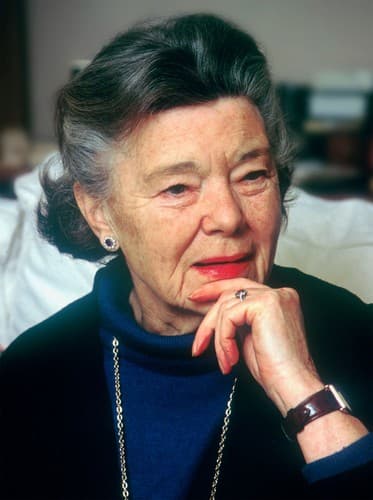
Rosamunde Pilcher, OBE was a British novelist, best known for her sweeping novels set in Cornwall. Her books have sold over 60 million copies worldwide. Early in her career she was published under the pen name Jane Fraser. In 2001, she received the Corine Literature Prize's Weltbild Readers' Prize for Winter Solstice.
Similar books
- The House of the Spirits
Isabel Allende
4.2 (190k) average on GoodreadsFantasyA multi-generational family saga with rich character development and a focus on memory and legacy, though with a different cultural setting.
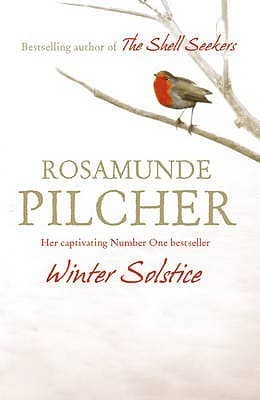
- Winter Solstice
Rosamunde Pilcher
4.2 (23k) average on GoodreadsRomanceFeatures interconnected lives, family dynamics, and a strong sense of place, characteristic of Pilcher's style.
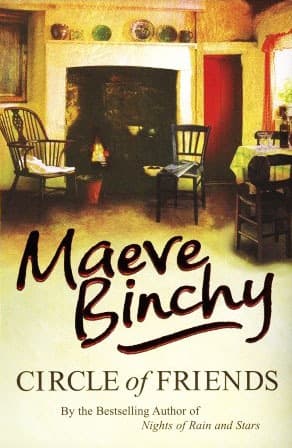
- Circle of Friends
Maeve Binchy
4.0 (59k) average on GoodreadsHistorical FictionBoth authors excel at character-driven narratives and exploring intergenerational relationships within communities. However, Binchy often tackles more overt social issues and class distinctions with a sharper, sometimes more cynical edge, whereas Pilcher prioritizes emotional warmth and the quiet triumph of the human spirit, with a generally more romanticized view.
- To Kill a Mockingbird
Harper Lee
4.3 (4.5M) average on GoodreadsHistorical FictionIn the 1930s Jim Crow South, Harper Lee writes about racial injustice, moral growth, and the quiet courage of a lawyer father, Atticus Finch, as seen through his young daughter's eyes.
- The Great Gatsby
F. Scott Fitzgerald
3.9 (3.8M) average on GoodreadsHistorical FictionIn the opulent Roaring Twenties, a mysterious millionaire's lavish parties hide his desperate, tragic pursuit of a lost love, exposing the emptiness within the American Dream.
- Pride and Prejudice
Jane Austen
4.3 (3M) average on GoodreadsHistorical FictionIn a society focused on status and money, Elizabeth Bennet navigates love and pride, challenging Mr. Darcy and social expectations to find true affection.




Enjoyed the summary?
A summary gives you the shape of the book. The book itself has the detail, the examples and the voice.
Find The Shell Seekers on AmazonAs an Amazon Associate, BookBrief earns from qualifying purchases. How we're funded