
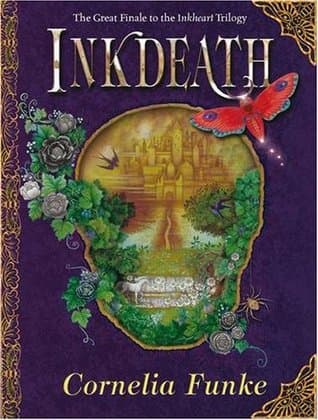
Synopsis
Covers the whole plot, including the ending.
- Difficulty
- Medium
- Pacing
- Variable
- Mood
- Epic, Magical, Melancholy, Hopeful, Suspenseful
- Read it if
- You love intricate fantasy worlds, stories about the power of books, and complex character arcs within a high-stakes adventure.
- Skip it if
- You prefer fast-paced thrillers or stories without a large cast of characters and extensive world-building.
Inkdeath Plot Summary
Covers the whole plot, including the ending.
The Aftermath of Dustfinger's Sacrifice
After Dustfinger's sacrifice to save Farid, the young fire-eater is heartbroken and wants to bring his master back. He travels with the sick Resa and the rest of the group, feeling Dustfinger's absence. Meanwhile, the Inkworld falls further into chaos under the Adderhead's cruel rule. He orders his Black Prince and men to hunt the Bluejay (Mo). The Adderhead's power grows, threatening to cover the land in eternal winter, a result of his deal with Death. The characters, including Fenoglio, realize their story is out of their control, and the author feels helpless.
Mo's Pact with Death
Mo, known as the legendary Bluejay, feels the weight of the Inkworld's suffering and his part in creating it. Death, a pale woman, offers him a dangerous trade: if Mo can rewrite the story to defeat the Adderhead and restore balance, Death will let Dustfinger live again. This deal comes with a high cost, as Mo must face great danger and possibly his own end. He begins to draw and write directly into the book, trying to guide the story away from the Adderhead's destructive path, all while being hunted by the Black Prince and his men.
Meggie's Growing Powers and Dilemmas
Meggie, now fully aware of her strong ability to read characters and objects in and out of books, faces a moral problem. She is torn between using her gift to help her father and the Inkworld, and the fear of the unexpected results that always come with her readings. She sees the suffering herself and understands the pressure on Mo. Her growing relationship with Farid is both a comfort and a conflict, as he is focused on bringing Dustfinger back, a task that seems to overshadow everything else. Meggie starts to understand the true weight of being a 'tongue' and its responsibility.
Farid's Desperate Quest for Dustfinger
Driven by grief and guilt over Dustfinger's death, Farid becomes obsessed with finding a way to bring him back. He seeks out Orpheus, the ambitious and self-serving 'tongue' who helped the Adderhead gain power. Orpheus, always looking to use situations for his own benefit, promises Farid a way to bring Dustfinger back, but at a high price. Farid agrees to a risky task, not fully understanding Orpheus's real plans or the dangers of interfering with life and death. His desperation blinds him to the chance of more tragedy, making him open to Orpheus's tricks.
The Adderhead's Reign of Terror
The Adderhead's rule over the Inkworld gets worse. He has set up a brutal system, with his loyal Black Prince carrying out his orders, burning villages, and punishing anyone who defies him or is thought to be helping the Bluejay. The Adderhead worries more and more about his own death, knowing his deal with Death is ending. He tries to cheat Death by finding the White Women, mythical beings said to grant eternal life. His desperate search for immortality leads him to even crueler acts, making him a strong and scary enemy who casts a long shadow over the entire Inkworld.
Elinor's Return and Fenoglio's Despair
Elinor, Mo's aunt, finally enters the Inkworld, a place she first did not believe in. Her arrival adds a different view and a needed sense of reality amid the fantasy chaos. She is shocked by the Inkworld and the dangers her family faces. Meanwhile, Fenoglio, the original author, feels more and more frustrated and sad. He sees his creations twisted and his plots changed by the Adderhead and other forces. He tries to regain control of his story, feeling like just a watcher of the tragedy he accidentally started. His inability to write new, powerful words leaves him feeling helpless and responsible for the suffering.
Mo's Artistic Struggle and the Book's Resistance
As Mo tries to rewrite the story by inking new words and drawings into the blank pages of 'Inkheart,' he faces strong resistance from the book itself. The story seems to have its own will, pushing back against his changes, making his task hard and dangerous. Each word he writes, each drawing he makes, drains him physically and mentally. He is constantly running from the Adderhead's forces, finding shelter in hidden places like the castle of Ombra. Mo's artistic struggle is not just against the Adderhead, but against the very story that seems determined to follow its tragic path, making his role as the Bluejay a huge burden.
The Gathering of Characters and the White Women
As the Adderhead's search for immortality brings him closer to the White Women, various characters come together. Mo, Meggie, Resa, and Elinor are drawn into the search, hoping to stop the Adderhead's plans. Farid, still influenced by Orpheus, also plays a part in this complex situation. The White Women, mysterious beings, hold the key to life and death in the Inkworld. Their presence brings both hope and fear. Secrets about the Inkworld's past and its true nature begin to unfold, showing the deeper magic and old forces at play, further complicating the fight against the Adderhead.
Clash at the Castle of Ombra
The story builds to a confrontation at the Castle of Ombra. Mo, as the Bluejay, finally faces the Adderhead and his Black Prince. The battle is fierce and desperate, with many characters involved. Meggie uses her reading powers, Farid fights with his fire, and even Elinor gets caught in the fight. Mo's efforts to rewrite the story peak during this battle, as he tries to ink the Adderhead's end and the Inkworld's salvation directly into the book, all while fighting for his life. The fate of the entire Inkworld rests on this struggle.
The Return of Dustfinger and the Resolution of the Adderhead
In the chaos of the final battle, Dustfinger returns, a result of Mo's deal with Death and Farid's desperate bargain with Orpheus. His return is a moment of great joy but also brings new problems. The Adderhead is defeated, meeting his end as Mo's inked words take effect, but not before causing more destruction. The ending is bittersweet, as the Inkworld is forever changed by the events. The results of interfering with life and death, and the power of words, are fully understood. The story explores the lasting impact of the characters' choices and the fragile nature of their reality.
The Aftermath and New Beginnings
With the Adderhead defeated and Dustfinger returned, the Inkworld slowly recovers from its long winter and tyranny. The characters find themselves in a new, still magical, reality. Mo continues as a bookbinder and a subtle influence on the story. Meggie, now more mature, understands the responsibility of her powers. Farid and Dustfinger navigate their complicated reunion. Fenoglio, though still frustrated, finds new purpose. The story ends with a feeling of peace, but also an acknowledgment that the magic and dangers of the Inkworld will always be present, and the lines between stories and reality remain fluid.
Inkdeath Characters
Mo Folchart (Bluejay)
Protagonist
A bookbinder with the magical ability to read characters out of books, now tasked with rewriting the Inkworld.
Mo, also known as the legendary Bluejay, is a skilled bookbinder and a 'tongue' with the unique ability to read characters and objects out of books. He is a loving father, deeply protective of Meggie and Resa. In Inkdeath, he shoulders the immense burden of saving the Inkworld from the Adderhead and eternal winter. He makes a dangerous pact with Death to bring Dustfinger back and rewrite the story, using his artistic talents to ink new words and illustrations directly into the book. He is courageous, self-sacrificing, and constantly battles the moral implications of his powers.
Relationships: Meggie Folchart (Daughter, shares his reading gift); Resa (Wife, rescued from the Inkworld); Dustfinger (Friend, whose death he seeks to undo); Adderhead (Arch-nemesis)
Meggie Folchart
Protagonist
Mo's daughter, who also possesses the gift of bringing characters to life from books.
Meggie is Mo's intelligent and brave daughter, who inherited his extraordinary ability to read characters and objects out of books. She is empathetic and deeply cares for her family and friends. In Inkdeath, Meggie grapples with the full extent of her powers and the moral dilemmas of using them. She is a loyal companion to her father and Farid, often caught between their differing desires and plans. She matures significantly, understanding the profound responsibility that comes with her unique gift and the unpredictable consequences of altering a story's reality.
Relationships: Mo Folchart (Father, shares his reading gift); Resa (Mother); Farid (Close friend, potential romantic interest); Elinor (Great-aunt, initially skeptical but later supportive)
Farid
Supporting
Dustfinger's apprentice, consumed by grief and a desperate quest to bring his master back.
Farid is Dustfinger's loyal and devoted apprentice, a fire-eater brought out of 'One Thousand and One Nights' by Meggie. He is passionate, impulsive, and deeply affected by Dustfinger's sacrifice. In Inkdeath, his character is largely driven by an all-consuming grief and guilt, making him desperate to resurrect Dustfinger. This desperation leads him to make dangerous deals with Orpheus, often without fully considering the consequences. He is skilled with fire and fiercely protective of those he cares about, but his single-minded focus on Dustfinger's return often puts him and others at risk. He struggles with the moral ambiguities of his actions.
Relationships: Dustfinger (Mentor and father figure, object of his resurrection quest); Meggie Folchart (Close friend, potential romantic interest); Orpheus (Manipulative ally in his quest)
Dustfinger
Supporting (initially deceased)
A fire-eater and Mo's friend, resurrected after his sacrifice.
Dustfinger is a complex character: a skilled fire-eater, a loyal friend, and a man deeply tied to the Inkworld. Having sacrificed himself at the end of Inkspell to save Farid, he is initially absent from much of Inkdeath. However, his presence is felt throughout the narrative as the driving force behind Farid's and partially Mo's actions. When he is resurrected, he struggles to come to terms with his return and the changes that have occurred in his absence. He is a character of contradictions – a trickster with a good heart, always seeking to return to his story but finding himself bound by new loyalties.
Relationships: Farid (Apprentice, like a son); Mo Folchart (Friend); Resa (Acquaintance)
The Adderhead
Antagonist
The cruel and tyrannical ruler of the Inkworld, obsessed with immortality.
The Adderhead is the primary antagonist, a ruthless and power-hungry ruler who plunges the Inkworld into a dark age. His face is scarred by a venomous snakebite, giving him his name and a fearsome appearance. He made a pact with Death that granted him power but also destined him for an early demise, driving his desperate quest for immortality. He commands a brutal army, including the Black Prince, and seeks to eradicate the Bluejay (Mo) and anyone who opposes him. He represents unchecked ambition and the corrupting influence of power, embodying the true villainy of the Inkworld.
Relationships: Mo Folchart (Arch-nemesis); Black Prince (Loyal, brutal enforcer); Death (Opponent in his quest for immortality)
Orpheus
Antagonist/Supporting
A manipulative 'tongue' who exploits others for his own gain.
Orpheus is another 'tongue' who possesses the ability to read characters out of books, but unlike Mo and Meggie, he uses his gift for selfish and manipulative purposes. He is ambitious, cunning, and has no moral qualms about altering stories or exploiting others' desires for his own benefit. He previously brought the Adderhead into power and now seeks to further his influence. He preys on Farid's grief, promising to resurrect Dustfinger in exchange for services that ultimately serve his own agenda. Orpheus embodies the dangerous potential of uncontrolled power and the corruption of a magical gift.
Relationships: Farid (Manipulator of his grief); Adderhead (Previous ally, now potential rival); Fenoglio (Rival 'tongue' and author)
Elinor Loredan
Supporting
Mo's wealthy and eccentric aunt, a lover of books who eventually enters the Inkworld.
Elinor is Mo's great-aunt, a formidable and eccentric woman with an immense love for books, though initially she views them as mere objects. She is pragmatic, sharp-witted, and often critical, but possesses a deep underlying affection for her family. After being left behind in the 'real world' in previous books, she eventually finds her way into the Inkworld. Her arrival brings a dose of reality and a different perspective to the fantastical world. She provides a grounding presence and, despite her initial skepticism about magic, quickly adapts to the bizarre circumstances, becoming a surprising source of strength and support.
Relationships: Mo Folchart (Nephew); Meggie Folchart (Great-niece)
Fenoglio
Supporting
The original author of 'Inkheart,' now trapped in his own story and struggling to regain control.
Fenoglio is the original author of the book 'Inkheart,' from which many of the characters originate. He is a verbose, somewhat pompous, but ultimately well-meaning man, now trapped within the very story he created. In Inkdeath, he is increasingly frustrated and despairing, seeing his beloved characters and plotlines twisted and subverted by the Adderhead and other forces. He struggles to regain his authorial control, feeling powerless as the narrative spirals out of his grasp. He often provides historical context and lore of the Inkworld, but his inability to write new, influential words leaves him feeling like a mere spectator to the tragedy.
Relationships: Mo Folchart (Reluctant collaborator); Meggie Folchart (Admirer of her powers); Adderhead (His twisted creation)
Resa
Supporting
Mo's wife and Meggie's mother, who was read into the Inkworld and lost her voice.
Resa is Mo's wife and Meggie's mother. She was read into the Inkworld years ago by Mo, and in the process, lost her voice. She is gentle, resilient, and deeply devoted to her family. Having spent years in the Inkworld, she possesses a quiet strength and understanding of its customs and dangers. While she cannot speak, her presence is a constant source of comfort and motivation for Mo and Meggie. She represents the innocent victims of the magical book's power and serves as a reminder of the personal stakes involved in their journey.
Relationships: Mo Folchart (Husband); Meggie Folchart (Daughter)
Death
Supporting/Antagonist
A personified entity who makes a pact with Mo and is a force in the Inkworld.
Death is personified in the Inkworld as a pale, ethereal woman. She is a powerful, ancient force that governs the balance of life and death within the story. She is not inherently evil, but rather a force of nature that maintains order. She makes a dangerous pact with Mo, offering him the chance to bring Dustfinger back and save the Inkworld, but at a severe cost. She is a mysterious and formidable entity, whose presence constantly reminds the characters of the fragile line between life and oblivion. Her influence is felt throughout the narrative, especially in the Adderhead's desperate quest for immortality.
Relationships: Mo Folchart (Pact-maker and challenger of her domain); Adderhead (Recipient of a limited pact, now seeking to defy her)
Inkdeath Themes
The Power and Responsibility of Storytelling
The main theme is about the great power of stories and the responsibility that comes with shaping them. Mo, as the Bluejay, literally rewrites the Inkworld, showing how words can create, destroy, and bring back to life. Fenoglio struggles with losing his authorship, showing that stories can take on a life of their own, beyond what their creator intended. Meggie's developing powers force her to face the moral issues of reading characters in and out. The novel constantly questions whether one has the right to change a story, even for good, and looks at the unpredictable results of such actions. This is clear in Mo's deal with Death and Farid's deal with Orpheus, both attempts to change a tragic story that lead to more problems.
“'Stories never really end, even if the books like to pretend they do. Stories always continue. They don't turn into ashes, but like people, they grow old and die and then are reborn.'”
Grief, Loss, and the Desire to Defy Death
Inkdeath looks deeply at the impact of grief and the human desire to defy death. Farid's main reason for acting is his intense grief for Dustfinger, leading him to make reckless choices with Orpheus. Mo, too, is willing to make a dangerous deal with Death to save the Inkworld and bring Dustfinger back. The Adderhead's rule is driven by his own fear of death and his search for immortality through the White Women. This theme shows the emotional cost of loss and the moral difficulties of trying to cheat fate, showing that even successful resurrections come with unexpected results and changes to the natural order.
“'Death is not the end, my child. It's just a different way of being.'”
The Nature of Reality and Fiction
The trilogy, especially Inkdeath, blurs the lines between reality and fiction. Characters from a book become real, and real-world characters enter the book. The Inkworld works as a real place, yet its existence depends on words and stories. The characters constantly question what is real and what is just a story. The book itself, 'Inkheart,' acts as a portal and a living thing that resists or accepts changes. This theme challenges the reader's idea of stories, suggesting they are not just entertainment but strong forces that can shape and define existence, making the lines between the 'real' world and the 'story' world very thin.
“'A book is a world in itself, a world that is born and dies and is reborn, just as the words that create it are.'”
The Corruption of Power and Tyranny
This theme appears mostly through the Adderhead, whose tyrannical rule causes suffering and despair in the Inkworld. His obsession with immortality and control leads to brutal oppression, persecution, and harm to the environment, shown by the spreading eternal winter. The Black Prince acts as his cruel enforcer, showing how power corrupts not only the leader but also those who serve him. Mo's struggle as the Bluejay, leading a rebellion against the Adderhead, represents the fight for freedom and justice against an oppressive government. This theme is a warning about the dangers of unchecked power and the importance of resistance.
“'Power makes people blind, and the stronger they are, the blinder they become.'”
Plot Devices & Literary Techniques
The Living Book (Inkheart)
The physical book 'Inkheart' that acts as a portal and a malleable narrative.
The book 'Inkheart' is not merely a story; it is a living, breathing entity. It serves as the primary gateway between the real world and the Inkworld. Its blank pages allow Mo to ink new words and illustrations, directly influencing the narrative and the fate of its inhabitants. However, the book also possesses a will of its own, sometimes resisting changes or having unpredictable reactions. It is the canvas for Mo's artistic struggle and the literal battleground for the story's resolution, embodying the theme of storytelling's power and its inherent resistance to absolute control.
The 'Tongues' (Word-readers)
Individuals with the magical ability to read characters and objects into or out of books.
The 'tongues' are characters like Mo, Meggie, and Orpheus, who possess the unique magical ability to bring characters and objects from books into the real world, or read real-world elements into books. This ability is the catalyst for all the events in the trilogy. In Inkdeath, their power is further explored as Mo attempts to actively rewrite the story by inking directly into the book, and Meggie's powers mature. The device highlights the power of words and imagination, but also the immense responsibility and unpredictable consequences that come with such a gift. It drives the plot and creates the core conflict of the series.
The Pact with Death
A magical agreement with the personified entity of Death that alters fate.
The pact with Death is a crucial plot device that drives Mo's actions and raises the stakes significantly. Mo makes a deal with the personified Death to bring Dustfinger back and save the Inkworld, but at a severe, unstated cost. Similarly, the Adderhead's initial power and his impending demise are consequences of his own pact with Death, fueling his quest for immortality. This device introduces a powerful, ancient, and morally ambiguous force into the narrative, forcing characters to confront their mortality and the ethical implications of trying to cheat fate, while also providing a supernatural mechanism for dramatic twists and resolutions.
The White Women
Mystical beings believed to grant immortality, sought by the Adderhead.
The White Women are mythical figures within the Inkworld lore, believed to hold the secret to immortality. They serve as a MacGuffin for the Adderhead, driving his desperate and cruel quest for eternal life. Their existence and the legends surrounding them add a layer of ancient magic and mystery to the Inkworld. As the Adderhead hunts them, various characters converge, leading to confrontations and revelations. This device externalizes the Adderhead's fear of death and his tyrannical ambition, providing a clear objective for the antagonist and a focal point for the narrative's climax.
Inkdeath Quotes
“Words can be like a poison.”
“Every story needs an ending, even if it's not the one we want.”
“Sometimes, the things we fear the most are the things we need to face.”
“Books are not just stories, they are living things.”
“A hero's journey is never easy, but it is always worth it.”
“Love is a dangerous thing in a story, it can change everything.”
“The past is never truly gone, it leaves its mark on everything.”
“Even the strongest walls can crumble if the foundations are weak.”
“To truly live a story, you must be willing to lose yourself in it.”
“Hope is a fragile thing, but it can grow in the darkest places.”
“Sometimes, the greatest magic is simply believing.”
“A good villain is just a hero of a different story.”
“The ink remembers everything, even what the writer forgets.”
“Death is not always the end, sometimes it's a new beginning.”
Quiz
10 questions on the plot and the characters. Each answer comes with a short explanation.
Question 1
Which character sacrificed their life for their apprentice Farid in 'Inkdeath'?
- Mo
- Dustfinger
- Fenoglio
- The Adderhead
Show answer
B. Dustfinger Dustfinger, the fire-eater, sacrificed his life for Farid, his apprentice, a pivotal event mentioned in the book's synopsis.
Question 2
Who is the 'evil' ruler of the fairy-tale land causing 'bloody chaos' in 'Inkdeath'?
- Fenoglio
- Mo
- The Adderhead
- Basta
Show answer
C. The Adderhead The synopsis clearly states that the fairy-tale land is under the rule of the evil Adderhead, leading to chaos.
Question 3
What is the primary threat facing the Inkworld under the Adderhead's rule, as mentioned in the synopsis?
- A devastating drought
- An invasion from another world
- The threat of eternal winter
- A plague of dragons
Show answer
C. The threat of eternal winter The synopsis highlights 'the threat of eternal winter' as a major peril facing the Inkworld, prompting Mo's dangerous deal.
Question 4
What 'dangerous deal' does Mo make in 'Inkdeath' to try and change the cursed story?
- A deal with the Adderhead for peace
- A deal with Death itself
- A deal with the Muses for inspiration
- A deal with a powerful sorcerer
Show answer
B. A deal with Death itself Mo 'inks a dangerous deal with Death itself' in a desperate attempt to alter the story, as stated in the synopsis.
Question 5
Why does Elinor believe her family is lost in 'Inkdeath'?
- They were captured by the Adderhead's men.
- They were written out of the book by Fenoglio.
- They are lost between the covers of a book.
- They returned to the real world without her.
Show answer
C. They are lost between the covers of a book. Elinor, left behind in the real world, believes her family is 'lost between the covers of a book,' referring to the Inkworld.
Question 6
What is Fenoglio's role in relation to the characters of the Inkworld in 'Inkdeath'?
- He is their benevolent king.
- He is their author, but they are now beyond his control.
- He is a powerful wizard who controls their destinies.
- He is a rebel leader fighting against the Adderhead.
Show answer
B. He is their author, but they are now beyond his control. Fenoglio is the author of the characters, but the synopsis notes that they are 'far beyond the control' of him in 'Inkdeath'.
Question 7
What is the specific event from 'Inkspell' that led to the tragic situation in 'Inkdeath'?
- The binding of the Adderhead into the book.
- The enchanted book Inkheart drawing Meggie and Mo into its chapters.
- The destruction of the original Inkheart manuscript.
- The creation of a new, more powerful villain by Fenoglio.
Show answer
B. The enchanted book Inkheart drawing Meggie and Mo into its chapters. The synopsis states, 'Ever since the extraordinary events of Inkspell, when the enchanted book Inkheart drew Meggie and her father, Mo, into its chapters, life in the Inkworld has been more tragic than magical.'
Question 8
What is the central theme implied by Mo's actions of 'inking a dangerous deal with Death itself' and trying to 'fill its pages fast enough'?
- The futility of fighting against fate.
- The power of storytelling and authorship to alter reality.
- The importance of accepting one's role in a story.
- The inevitable triumph of evil over good.
Show answer
B. The power of storytelling and authorship to alter reality. Mo's actions directly relate to the power of writing ('fill its pages fast enough') to change the 'cursed story,' emphasizing authorship's influence on reality.
Question 9
Given the description, what is the 'Inkworld' primarily characterized as in 'Inkdeath'?
- A utopian paradise where magic thrives.
- A world of science and logic, devoid of fantasy.
- A fairy-tale land plunged into tragic chaos and danger.
- A desolate wasteland, completely abandoned.
Show answer
C. A fairy-tale land plunged into tragic chaos and danger. The synopsis describes the Inkworld as a 'fairy-tale land' that is now in 'bloody chaos' and facing 'eternal winter,' indicating a tragic and dangerous state.
Question 10
What specific literary concept is at play when the characters are described as being 'far beyond the control of Fenoglio, their author'?
- Authorial intent
- Narrative perspective
- Metacognition in literature
- Characters gaining agency independent of their creator
Show answer
D. Characters gaining agency independent of their creator The idea that characters are 'far beyond the control' of their author speaks to them developing their own will and actions, independent of their creator's original design, a key meta-fictional concept in the series.
Inkdeath FAQ
What is the central conflict driving the plot of 'Inkdeath'?
The central conflict in 'Inkdeath' revolves around the tyrannical rule of the Adderhead, who is rapidly dying but refuses to relinquish power, plunging the Inkworld into chaos and a perpetual winter. Mo, as the White Prince and Silvertongue, must find a way to stop the Adderhead and rewrite the story to save the Inkworld from destruction and the encroaching death.
How does Dustfinger's death in 'Inkspell' impact the characters and plot of 'Inkdeath'?
Dustfinger's death profoundly affects Farid, who is consumed by grief and a desperate desire to bring him back, leading him to make deals with Orpheus and Death itself. His absence also leaves a void in the group's dynamic and removes a key figure who understood the magical intricacies of the Inkworld, forcing others like Mo and Meggie to take on more dangerous roles.
What role does the character of Death play in the story, and what is Mo's interaction with it?
Death appears as a tangible character, a woman who collects souls and maintains the balance between life and death in the Inkworld. Mo makes a dangerous deal with her: he will become Death's scribe, writing the names of the dying, in exchange for her assistance in saving the Inkworld and hopefully bringing back Dustfinger. This pact places a heavy burden on Mo, forcing him to confront mortality directly.
What is the significance of the 'eternal winter' threatening the Inkworld?
The eternal winter is a magical consequence of the Adderhead's dying state and his refusal to accept his demise, manifesting as a literal encroaching cold that freezes the land and its inhabitants. It symbolizes the stagnation and decay brought by his prolonged, unnatural hold on power, threatening to extinguish all life and hope in the Inkworld.
How does Elinor, left behind in the real world, contribute to the narrative?
Elinor, initially trapped in the real world, struggles with the belief that her family is lost forever within the book. Her eventual return to the Inkworld, facilitated by Orpheus, brings much-needed practicality, resilience, and a grounded perspective. She helps manage resources and provides emotional support, albeit often grumpily, to Meggie and the others during their desperate struggle.
What is the true identity and significance of the White Prince, and how does it relate to Mo?
The White Prince is a legendary figure within the Inkworld, a character from Fenoglio's original story destined to bring peace. It is revealed that Mo, the Silvertongue, is the White Prince, a twist that places immense pressure and responsibility on him to fulfill this heroic prophecy and save the Inkworld, requiring him to embrace a role beyond just a reader or writer.
How does Orpheus's character evolve from 'Inkspell' to 'Inkdeath,' and what are his ultimate motivations?
Orpheus, initially a mercenary Silvertongue, becomes increasingly desperate for power and recognition in 'Inkdeath,' seeking to control the Inkworld's narrative for his own gain. He acts as a chaotic force, making deals with various factions, including Death, and manipulating events to his advantage, ultimately driven by a desire to be the supreme author and escape his own mortality within the story.
What is the nature of the relationship between the written word and reality in the Inkworld, particularly concerning Fenoglio and Mo?
In the Inkworld, written words possess immense power to shape reality, directly influencing characters, events, and even the physical landscape. Fenoglio, as the original author, struggles to regain control of his story, while Mo, as the Silvertongue, can literally write characters and objects into existence or death. This highlights the fluid and dangerous boundary between fiction and actuality, where authors are both creators and prisoners of their own tales.
How do the various magical creatures and beings, like the fairy folk and the giants, fit into the larger narrative of the Inkworld's fate?
The various magical creatures, such as the fairy folk, giants, and even the fearsome Mirk, are integral parts of the Inkworld's ecosystem and narrative tapestry. Their well-being is directly tied to the health of the land; as the Adderhead's curse and the eternal winter spread, these beings suffer and dwindle, symbolizing the broader decay. Their fate underscores the urgency of Mo's mission to restore balance.
Analyze the psychological impact of Dustfinger's death on Farid and his subsequent actions.
Farid experiences profound grief and an overwhelming sense of guilt after Dustfinger's sacrifice, leading him into a deep depression and an obsessive quest to resurrect his mentor. This psychological torment makes him vulnerable to manipulation, particularly by Orpheus, and drives him to make desperate, often morally ambiguous choices, blurring the lines of his loyalty and personal ethics in his pursuit of bringing Dustfinger back.
How does Meggie's journey in 'Inkdeath' reflect a transition from childhood innocence to a more mature understanding of power and responsibility?
Meggie begins 'Inkdeath' still grappling with the dangers of the Inkworld but matures significantly as she takes on more active roles, including using her own Silvertongue powers. She witnesses immense suffering and death, forcing her to confront the brutal realities of the story and the heavy responsibilities that come with shaping it, moving her beyond a passive observer to an active participant in the fight for the Inkworld's survival.
Discuss Mo's internal conflict between his role as a loving father/husband and his destiny as the White Prince/Silvertongue.
Mo constantly battles the tension between his desire to protect his family and lead a normal life, and the inescapable destiny thrust upon him as the White Prince and a powerful Silvertongue. He is torn between his personal allegiances and the immense responsibility of saving an entire world, often making agonizing choices that risk his loved ones for the greater good, leading to significant internal struggle and self-doubt.
What psychological toll does the constant threat of death and the blurred lines between fiction and reality take on the characters?
The constant threat of death, both literal and narrative, coupled with the instability of reality in the Inkworld, creates immense psychological strain on the characters. They experience chronic fear, paranoia, and a sense of existential dread, as their lives and identities can be rewritten or erased at any moment. This environment fosters resilience in some but drives others to despair, madness, or ruthless self-preservation.
Is the ending of 'Inkdeath' truly a happy one, or does it carry a lingering sense of tragedy or unresolved issues?
While the immediate threat of the Adderhead and the eternal winter is resolved, the ending of 'Inkdeath' is bittersweet rather than purely happy. Dustfinger is resurrected, but the Inkworld is forever changed, and many characters bear the scars of their experiences. There's a lingering sense of the fragility of the peace and the sacrifices made, suggesting that even in victory, some losses are permanent and the 'happy ever after' is complex and hard-won.
How does the trilogy explore the concept of authorship and the power dynamic between creator and creation?
The trilogy deeply explores authorship by showcasing Fenoglio's struggle to control his creations, who develop lives and wills beyond his pen, and Mo's dangerous power to rewrite reality. It questions who truly holds power – the one who writes the words, or the characters who embody them – highlighting the ethical dilemmas and immense responsibility inherent in creation, and the ways stories can escape their creators.
What is the ultimate message or theme conveyed by the entire 'Inkheart' trilogy, culminating in 'Inkdeath'?
The 'Inkheart' trilogy, culminating in 'Inkdeath,' conveys powerful themes about the enduring power of stories, the blurred lines between fiction and reality, and the choices individuals make when faced with immense power. It suggests that stories can be both dangerous and redemptive, and that true heroism lies not just in wielding magic, but in the courage to face one's destiny, make sacrifices, and ultimately, to write a better ending, even for a cursed tale.
Does the book suggest that characters have free will, or are they ultimately bound by the author's narrative?
'Inkdeath' suggests a complex interplay between free will and narrative destiny. Characters like Dustfinger and Farid desperately try to defy or alter their fates, while others like the Adderhead are consumed by their written roles. Ultimately, while authors like Fenoglio and Mo can influence the story, the characters often exhibit agency and desires that push back against their creators, implying a form of emergent free will within the confines of their literary existence.
How does the final resolution of Dustfinger's fate reflect the themes of sacrifice and redemption?
Dustfinger's final resolution, his return to life, is a direct result of Farid's relentless efforts and the collective desire of the protagonists, underscoring themes of sacrifice and redemption. His initial death was a noble sacrifice for Farid, and his eventual resurrection, though hard-won and not without cost, offers a form of redemption for the grief and guilt it caused, reinforcing the idea that profound love can transcend even death in the Inkworld.
About the author

Cornelia Funke is a renowned German author celebrated for her imaginative fantasy novels for young readers. Her internationally acclaimed works include 'Inkheart,' 'Inkdeath,' and 'The Thief Lord,' which have captivated audiences worldwide. Funke's distinctive storytelling blends adventure, magic, and heartfelt characters, earning her a significant place in contemporary children's literature.
Similar books
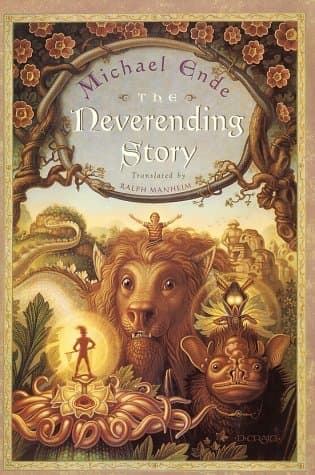
- The Neverending Story
Michael Ende
4.2 (162k) average on GoodreadsFantasyExplores the meta-narrative of a book's world bleeding into reality and the power of storytelling.
- A Wizard of Earthsea
Ursula K. Le Guin
4.0 (241k) average on GoodreadsFantasyFeatures a protagonist grappling with immense magical power and its consequences in a richly imagined world.
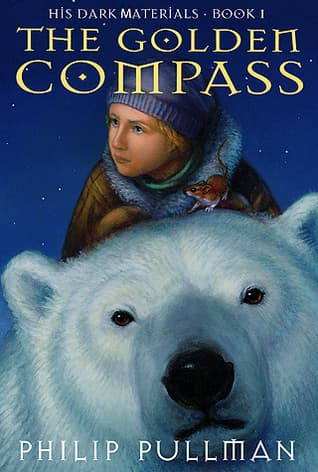
- The Golden Compass
Philip Pullman
4.0 (1.3M) average on GoodreadsFantasyA sprawling fantasy adventure with a young protagonist, moral dilemmas, and a fight against a powerful, oppressive force.
- Harry Potter and the Sorcerer's Stone
J.K. Rowling
4.5 (7M) average on GoodreadsFantasyRescued from a miserable life under the stairs, an orphaned boy discovers he's a wizard destined for a magical school, where he uncovers a dangerous secret tied to the dark wizard who murdered his parents.
- The Hunger Games
Suzanne Collins
4.3 (6.4M) average on GoodreadsFantasyIn a future where children fight to the death on live television, Katniss Everdeen volunteers for the arena, turning a death sentence into a fight for survival and a spark of rebellion.
- 1984
George Orwell
4.2 (3.1M) average on GoodreadsPoliticsIn a future where surveillance and thought control are absolute, a man's search for truth clashes with the Party, showing that hope can be a form of rebellion.




Enjoyed the summary?
A summary gives you the shape of the book. The book itself has the detail, the examples and the voice.
Find Inkdeath on AmazonAs an Amazon Associate, BookBrief earns from qualifying purchases. How we're funded