

Synopsis
Covers the whole plot, including the ending.
- Difficulty
- Medium
- Pacing
- Variable
- Mood
- Whimsical, Epic, Melancholic, Thought-provoking, Adventurous
- Read it if
- You love classic fantasy, stories about the power of imagination, and books that make you feel like you're part of the adventure. Ideal for those who enjoy allegorical tales about self-discovery and the importance of memory.
- Skip it if
- You prefer fast-paced action without much introspection, or if you dislike stories with philosophical undertones and a somewhat melancholic mood at times.
The Neverending Story Plot Summary
Covers the whole plot, including the ending.
Bastian Balthazar Bux Discovers a Mysterious Book
Bastian Balthazar Bux is a shy, often bullied boy who finds comfort in books. One rainy morning, running from bullies, he goes into Karl Konrad Koreander's antique bookstore. Mr. Koreander, a stern but observant man, is reading a strange book with an Auryn symbol on its cover, called 'The Neverending Story'. Bastian is fascinated and impulsively steals the book, leaving a note promising to return it. He takes the book to his school's dusty attic, a private place, and begins to read, not knowing the story will soon become his own.
Fantastica's Plight: The Spreading Nothing
As Bastian reads, he learns about Fantastica, a wonderful land with fantastic creatures. But this world is dying, slowly eaten by a force called the Nothing, which leaves only emptiness. All the creatures of Fantastica are scared and confused, unable to stop it. The Childlike Empress, Fantastica's kind ruler, is also very sick, and her illness is linked to her world's fate. The wise and powerful beings of Fantastica believe only a human child can save them by giving the Empress a new name.
Atreyu's Great Quest to Find a Cure
To find a cure for her illness and save Fantastica, the Childlike Empress calls the young Green-skinned warrior, Atreyu, from the Grassy Ocean. Despite his youth, Atreyu is known for his courage and skill. She gives him the Auryn, a powerful amulet also known as 'The Gem' or 'The Serpent Bite', which offers protection and guidance but no power. His quest is to find a human child to give her a new name, a task that seems almost impossible since no human has entered Fantastica in a long time. Atreyu, with his loyal horse Artax, begins his dangerous journey.
Tragedy and Trials on the Great Quest
Atreyu's quest takes him through dangerous lands. He asks the ancient Morla, the Giant Turtle, who sends him to the Southern Oracle. During his journey through the Swamps of Sadness, his horse Artax dies from the swamp's despair, leaving Atreyu heartbroken. He almost dies himself but is saved by the luckdragon Falkor, who becomes his loyal friend. Together, they reach the Southern Oracle, where Atreyu must pass through the Sphinx Gates and face the trials of Uyulala, the Oracle's voice, to learn the truth about the Empress's illness and the human savior.
The Prophecy and the Unseen Reader
Uyulala tells Atreyu that the Childlike Empress is dying because humans have stopped believing in Fantastica, and the Nothing comes from their forgotten dreams and stories. The only way to save her is for a human child to enter Fantastica and give her a new name. As Atreyu hears this, Bastian, reading in the attic, realizes the story is talking directly to him, and he is the human child meant to save Fantastica. His name is called out by the characters in the book, blurring the lines between reader and story.
Bastian Enters Fantastica
The Childlike Empress, near death, tells Atreyu his quest has failed because he did not bring the human. However, she reveals the human is present, reading their story. With her last strength, she sends Atreyu to find the Old Man of Wandering Mountain, who has the 'Neverending Story' itself. As the Nothing consumes the last parts of Fantastica, Bastian, scared but moved by the Empress's situation, finally shouts a new name: 'Moonchild'. With this, he is surrounded by a bright light and finds himself in the heart of Fantastica.
Bastian's New Identity and the Auryn's Power
Bastian wakes in the Garden of the Childlike Empress, who is now healthy. He gives her the new name, Moonchild, and she thanks him. She explains that the Auryn, which he now wears, lets him make wishes come true in Fantastica. Each wish, however, costs him a memory from his human world. Bastian, at first excited by his new power and identity as a hero, starts using the Auryn to change himself, get companions, and explore Fantastica, enjoying its endless possibilities.
The Price of Wishes and the Loss of Self
Bastian, with Falkor and Atreyu, goes on many adventures. He wishes for strength, courage, beauty, and even creates new creatures and places. With each wish granted by the Auryn, a memory of his past life in the human world disappears. He becomes more powerful, more confident, but also more arrogant and distant from his true self. Atreyu, seeing Bastian change and slowly lose his humanity, grows worried, recognizing the dangerous path Bastian is taking toward forgetting who he truly is.
Conflict with Atreyu and the City of Old Emperors
Bastian's growing power and fading memories lead to a serious fight with Atreyu. Bastian, influenced by the sorceress Xayide, starts to believe he should be the Emperor of Fantastica. He even hurts Atreyu in anger, causing a deep split between the former friends. Bastian, almost completely without his human memories, travels to the City of Old Emperors, a place where humans who have lost all their memories are trapped in Fantastica forever. He is close to becoming one of them, having forgotten his name and purpose.
The Journey to the Water of Life
With only a few memories left, Bastian is desperate. He realizes the Auryn's true purpose is not just to grant wishes, but to guide him back to his original world. He meets the Blind Miner, who helps him understand he must find the Water of Life to get his memories back and return home. With the remaining parts of his true self, Bastian takes a final, difficult journey through the House of Change and other symbolic places, shedding the false identities he made in Fantastica.
Reconciliation and Return to the Human World
Bastian finally reaches the Water of Life, guarded by the two serpents of the Auryn, who offer him a drink. He drinks, and all his lost memories and love return. He also finds Atreyu and Falkor waiting for him. They reconcile, and Atreyu helps Bastian gather the pieces of his imagination and creativity, which have been spread throughout Fantastica. With his identity fully back and a new sense of self, Bastian says goodbye to his friends and Fantastica, returning to his world through a portal, now changed and ready to face his life.
A New Beginning for Bastian
Bastian returns to the antique bookstore, where Mr. Koreander is waiting, seemingly aware of Bastian's journey. Bastian, now confident and open, tells Mr. Koreander about his adventures in Fantastica, and the bookseller says he has also visited Fantastica. Bastian then goes home, where he finally talks to his grieving and distant father about his experiences. His new courage and self-awareness begin to heal the divide between them, and Bastian, no longer bullied or lonely, finds new meaning in life, sharing the wonders of Fantastica with others.
The Neverending Story Characters
Bastian Balthazar Bux
Protagonist
A lonely, bullied boy who enters the magical world of Fantastica.
Bastian is initially a timid, overweight, and imaginative boy who is an outcast at school and struggles with the loss of his mother and a distant father. He seeks refuge in books, finding solace and adventure within their pages. His journey into Fantastica transforms him from a fearful child into a courageous, albeit sometimes arrogant, hero. He begins by using his wishes selfishly, losing his memories, but ultimately learns the true meaning of self-worth and love, returning to his world as a more confident and compassionate individual.
Relationships: Atreyu (Initially a role model and friend, later a rival, and finally a reconciled friend.); Childlike Empress (The benevolent ruler he saves and serves, who guides his journey.); Falkor (Loyal companion and friend.); Karl Konrad Koreander (The mysterious bookseller who provides him with 'The Neverending Story'.); Bastian's Father (Distant and grieving, their relationship begins to heal after Bastian's return.)
Atreyu
Protagonist/Supporting
A young Green-skinned warrior tasked with saving Fantastica.
Atreyu is a brave, selfless, and determined young hunter from the Grassy Ocean. Despite his youth, he is chosen by the Childlike Empress to undertake the Great Quest, a seemingly impossible task to find a human savior. He embodies courage, loyalty, and unwavering dedication. Throughout his journey, he faces profound losses and trials, always prioritizing the fate of Fantastica. He acts as a moral compass for Bastian, warning him of the dangers of unchecked power and the loss of self, even when it leads to conflict between them.
Relationships: Bastian Balthazar Bux (Initially a subject of his quest, then a friend, rival, and finally a reconciled companion.); Childlike Empress (His sovereign, whom he serves with utmost loyalty.); Falkor (His loyal and wise companion.); Artax (His beloved horse, lost to the Swamps of Sadness.)
The Childlike Empress (Moonchild)
Supporting
The ethereal, benevolent ruler of Fantastica, whose life is tied to its existence.
The Childlike Empress, also known as the Golden-Eyed Commander of Wishes, is the ancient and eternally young ruler of Fantastica. She embodies the very essence of the realm, and her illness directly mirrors Fantastica's decline due to the Nothing. She possesses immense wisdom and a gentle, otherworldly power. She does not rule through force but through love and inspiration. Her primary role is to bring humans into Fantastica to give her new names, thus renewing the realm with fresh imagination and stories. Her existence is crucial for Fantastica's survival.
Relationships: Bastian Balthazar Bux (The human child who saves her life and gives her a new name.); Atreyu (Her loyal servant and warrior, whom she tasks with the Great Quest.)
Falkor (Fúchur)
Supporting
A wise and lucky White Luckdragon, companion to Atreyu and Bastian.
Falkor is a magnificent and ancient White Luckdragon, characterized by his immense size, pearly scales, and the ability to fly swiftly and effortlessly. He is incredibly optimistic, wise, and possesses an uncanny knack for luck, often appearing at critical moments to save Atreyu and later Bastian. He provides invaluable counsel, transportation, and unwavering loyalty. Falkor represents hope and the unpredictable good fortune that can arise even in the darkest times. His presence adds a sense of wonder and comfort to the perilous journey.
Relationships: Atreyu (Loyal companion and friend, whom he rescues and aids.); Bastian Balthazar Bux (Companion and friend during Bastian's adventures in Fantastica.)
Karl Konrad Koreander
Supporting
The mysterious owner of the antique bookstore where Bastian finds 'The Neverending Story'.
Mr. Koreander is a gruff, seemingly ordinary bookseller with a deep understanding of Fantastica and its connection to the human world. He initially appears as a stern figure but is revealed to be a guardian of the boundary between the two worlds. He is aware of Bastian's actions and subtly guides him towards the book. His role is brief but pivotal, serving as the initial catalyst for Bastian's adventure and a wise, knowing presence upon Bastian's return, suggesting that he too has experienced Fantastica.
Relationships: Bastian Balthazar Bux (The bookseller who provides Bastian with 'The Neverending Story' and serves as a mentor figure.)
Xayide
Antagonist
A malevolent sorceress who manipulates Bastian for her own gain.
Xayide is a powerful and beautiful sorceress who embodies cunning and ambition. She has a heart of ice and delights in manipulating others. She seeks to use Bastian's power, granted by the Auryn, to establish herself as the ruler of Fantastica. She preys on Bastian's insecurities and growing arrogance, encouraging him to make more wishes and further lose his memories. Her influence drives a wedge between Bastian and Atreyu, representing the corrupting nature of unchecked power and the allure of false glory.
Relationships: Bastian Balthazar Bux (Manipulates Bastian, becoming his advisor and exploiting his power.)
Morla, the Ancient One
Supporting
A colossal, ancient turtle living in the Swamps of Sadness.
Morla is an ancient, mountain-sized turtle, so old that she has become indifferent to the suffering of Fantastica and even her own existence. She lives in the Swamps of Sadness and is one of the first beings Atreyu consults on his quest. Her wisdom is vast but tinged with apathy, believing that nothing truly matters. She directs Atreyu to the Southern Oracle, but her nihilistic outlook initially discourages him, highlighting the pervasive despair that Fantastica faces. She represents extreme age and the potential for resignation.
Relationships: Atreyu (Provides initial, albeit unenthusiastic, guidance for his quest.)
Uyulala, the Southern Oracle
Supporting
An ethereal voice dwelling in the Sphinx Gates, providing crucial information.
Uyulala is an invisible, disembodied voice living within the Sphinx Gates near the Southern Oracle. She speaks only in rhyming verse and possesses profound knowledge about Fantastica and the human world. She reveals to Atreyu the true nature of the Nothing, the Childlike Empress's illness, and the necessity of a human child's intervention. Her wisdom is essential for Atreyu to understand the deeper purpose of his quest, directly linking the fate of Fantastica to the imagination of humans.
Relationships: Atreyu (Reveals the key information regarding the Empress's illness and the need for a human savior.)
Artax
Mentioned
Atreyu's loyal horse, who dies in the Swamps of Sadness.
Artax is Atreyu's beloved horse and loyal companion at the beginning of the Great Quest. He is a symbol of loyalty, companionship, and the innocence of Fantastica. His death in the Swamps of Sadness, succumbing to the overwhelming despair of the place, is a poignant and heartbreaking moment for Atreyu, representing the profound losses and emotional toll of the spreading Nothing. His death deeply affects Atreyu and underscores the gravity of Fantastica's plight.
Relationships: Atreyu (His loyal and beloved horse.)
The Neverending Story Themes
The Power of Imagination and Storytelling
The main theme of 'The Neverending Story' is the importance of imagination and stories. Fantastica itself is made of human dreams, fantasies, and narratives. The Nothing, which threatens Fantastica, shows the loss of imagination, forgotten stories, and growing cynicism in the human world. Bastian's act of reading and entering the story shows how engaging with stories can bring worlds to life. His ability to create new creatures and places with his wishes directly demonstrates the power of a creative mind. The book, with its red and green text, invites the reader to become part of the story, like Bastian's journey.
“For Fantastica, whose life is born of the dreams and thoughts of humankind, was dying. And because Fantastica was dying, the dreams and thoughts of humankind were also dying.”
Identity and Self-Discovery
Bastian's journey explores identity. At first, he is an insecure boy who feels unseen. In Fantastica, he gains great power and confidence, but at the cost of losing his memories and forgetting his real self. The Auryn, while granting wishes, also takes away his past, making him face the danger of losing his humanity while seeking power and outside approval. His eventual quest to find the Water of Life is a symbolic journey to reclaim his true identity and integrate his experiences. It shows that real strength comes from knowing and accepting oneself, not from outside power or made-up identities.
“He had wanted to be a new person, but he had forgotten his old one. And that was the real danger.”
The Nature of Wishes and Consequences
The Auryn gives Bastian the power to make wishes, but this power has a cost: the loss of a memory from his human world. This theme explores the two sides of desire and the unexpected results of uncontrolled power. Bastian initially makes wishes for surface reasons, like strength or beauty, without understanding the deep impact on his identity. His journey shows that real fulfillment does not come from endless desires, but from understanding the value of what is lost and the responsibility that comes with power. The story warns about the dangers of escaping reality without learning from the experience.
“Every time you use the Auryn, you lose a piece of your old life. You forget something of your world.”
The Interconnectedness of Worlds
The book shows a connection between the human world and Fantastica. Fantastica is kept alive by human imagination, and it, in turn, inspires humans and gives them stories. The 'Nothing' is a sign of human indifference and forgotten dreams, directly affecting Fantastica's health. Bastian's ability to enter the story and the narrative talking directly to him (and the reader) blurs the lines between fiction and reality. This emphasizes that stories are not just passive entertainment but active forces that shape and are shaped by human experience. The novel suggests that ignoring or undervaluing imagination leads to a spiritual emptiness in both worlds.
“There are many ways to Fantastica. One of them is the Neverending Story. And I am only one of its messengers. For all the others are also in you. Fantastica can be created in a thousand ways. Each one of you has his own, but it is always the same Fantastica.”
Loss and Grief
The theme of loss and grief appears throughout the story. Bastian's initial loneliness and escape come from his unresolved grief over his mother's death and his father's emotional distance. Atreyu experiences deep grief when he loses his horse, Artax, in the Swamps of Sadness. The entire land of Fantastica grieves its slow end due to the Nothing. These elements highlight the emotional state of the characters and the world, suggesting that acknowledging and processing loss is important for healing and moving forward. Bastian's return home and reconciliation with his father show a step toward healing his own grief.
“Only those who are able to feel sadness can also feel joy.”
Plot Devices & Literary Techniques
The Auryn (The Gem / The Serpent Bite)
A magical amulet that grants wishes but consumes memories.
The Auryn is a powerful medallion depicting two intertwined serpents, one light and one dark, biting each other's tails. It serves as both a plot device and a central symbol. For Atreyu, it grants protection and guidance on his quest. For Bastian, it grants the power to make wishes and shape Fantastica, but at the cost of losing his memories from the human world. It represents unchecked power and the potential for self-destruction, but ultimately also the path to self-discovery and the balance between two worlds. Its dual nature reflects the cyclical themes of creation and destruction, life and death, and the interconnectedness of all things.
The Neverending Story (the book within the book)
A meta-fictional device that blurs the line between reader and story.
The book 'The Neverending Story' itself is a meta-fictional plot device. Bastian reads a story that eventually reveals him to be its protagonist, directly addressing him and pulling him into its narrative. This blurs the boundary between the reader and the fictional world, emphasizing the interactive and transformative power of storytelling. The book's unique physical appearance (two colors of text, special cover) further reinforces its magical nature and its role as a portal, inviting the actual reader to experience a similar immersion, mirroring Bastian's journey of becoming part of the story he is reading.
The Nothing
A mysterious void consuming Fantastica, representing loss of imagination.
The Nothing is the primary antagonist and a powerful symbolic plot device. It is not a creature or a force with malicious intent, but rather an absence, a void that devours Fantastica, leaving only emptiness. It symbolizes the loss of human imagination, dreams, and stories in the human world. Its relentless advance drives the entire plot of the first half of the book, forcing the characters to seek a human savior. Its existence highlights the symbiotic relationship between Fantastica and humanity, and the devastating consequences when that connection is severed or ignored.
Loss of Memory / The City of Old Emperors
A consequence of the Auryn's power, symbolizing the loss of self.
The gradual loss of Bastian's memories as he makes wishes with the Auryn is a crucial plot device that drives his character arc and highlights the dangers of unchecked power and escapism. This culminates in the introduction of the City of Old Emperors, a desolate place where humans who have completely lost their memories of the human world reside, trapped in Fantastica forever. This device serves as a stark warning to Bastian, forcing him to confront the ultimate price of his wishes and the importance of his true identity and connection to his original world. It underscores the theme of self-discovery and the perils of forgetting who you are.
The Water of Life
A magical substance that restores memories and connects worlds.
The Water of Life is a powerful symbolic and plot device that Bastian must find to restore his lost memories and return to the human world. It represents the source of all life, creativity, and memory, and it is guarded by the two serpents of the Auryn. Drinking from it not only restores Bastian's forgotten past but also imbues him with the capacity to bring the 'excess' of Fantastica's life (his wishes and creations) back to his own world. It signifies the integration of his two selves and the healing of his fragmented identity, allowing him to return as a whole person, capable of love and creation.
The Neverending Story Quotes
“But that is another story and shall be told another time.”
“Fantasia is the world of human fantasy. It is as big as the human imagination.”
“Do what you wish.”
“Nothing is lost. Everything is transformed.”
“People who have no hopes are easy to control; and whoever has the control has the power.”
“The more wishes one makes, the more one forgets the most important wish of all.”
“Only the right name gives beings and things their reality. A wrong name makes everything unreal.”
“He who has never been sick is not whole.”
“Every real story is a neverending story.”
“To have faith is to have wings.”
“The boundaries between the worlds are beginning to dissolve.”
“You have to be able to let go of everything you're clinging to.”
“Without love, no one can find the way back.”
Quiz
10 questions on the plot and the characters. Each answer comes with a short explanation.
Question 1
What is the name of the magical world that Bastian enters through the book?
- Narnia
- Fantastica
- Middle-earth
- Wonderland
Show answer
B. Fantastica The magical world in 'The Neverending Story' is called Fantastica, which is being consumed by the Nothing and needs Bastian's help to survive.
Question 2
What must Bastian do to save Fantastica and the Childlike Empress?
- Defeat the Nothing in battle
- Find a magical artifact called the Auryn
- Give the Childlike Empress a new name
- Destroy the book that brought him to Fantastica
Show answer
C. Give the Childlike Empress a new name Bastian must give the Childlike Empress a new name to save Fantastica from the Nothing, as her illness is causing the world to disappear.
Question 3
What is the name of the young warrior who initially goes on a quest to save Fantastica before Bastian's involvement?
- Atreyu
- Falkor
- Gmork
- Cairon
Show answer
A. Atreyu Atreyu is the young warrior from the Plains People who is sent by the Childlike Empress on a quest to find a cure for her illness, which leads him to discover that only a human child from the real world can save Fantastica.
Question 4
What is the name of the luckdragon that becomes Atreyu's companion during his quest?
- Smaug
- Falkor
- Draco
- Ignatius
Show answer
B. Falkor Falkor is the white, furry luckdragon who helps Atreyu on his journey, providing transportation and support through various dangers in Fantastica.
Question 5
What is the 'Nothing' that threatens Fantastica?
- A dark sorcerer seeking power
- A void that consumes imagination and stories
- A plague that turns creatures to stone
- An army of monsters from another dimension
Show answer
B. A void that consumes imagination and stories The Nothing is a void that represents the loss of imagination and hope in the human world, which causes Fantastica to disappear as people stop believing in and creating stories.
Question 6
What object does Bastian steal from the bookstore at the beginning of the story?
- A magical amulet
- A map of Fantastica
- The book 'The Neverending Story'
- A key to a hidden room
Show answer
C. The book 'The Neverending Story' Bastian steals the book 'The Neverending Story' from Mr. Coreander's bookstore, which draws him into the story of Fantastica and sets the entire plot in motion.
Question 7
What is the significance of the Auryn medallion in the story?
- It grants the wearer unlimited wishes
- It protects the wearer from the Nothing
- It symbolizes the authority of the Childlike Empress and guides the wearer
- It can transport the wearer between Fantastica and the real world
Show answer
C. It symbolizes the authority of the Childlike Empress and guides the wearer The Auryn is a medallion with two snakes biting each other's tails, given to Atreyu by the Childlike Empress. It symbolizes her authority and provides protection and guidance to the wearer on their quest.
Question 8
What happens to Bastian as he uses the power of wishes in Fantastica?
- He becomes immortal
- He gradually loses his memories of the real world
- He turns into a creature of Fantastica permanently
- He gains the ability to control the Nothing
Show answer
B. He gradually loses his memories of the real world After giving the Childlike Empress the name Moon Child, Bastian gains the power to reshape Fantastica with his wishes, but each wish causes him to forget a piece of his real-world identity, representing the danger of losing oneself in fantasy.
Question 9
Who is Gmork and what is his role in the story?
- A friendly giant who helps Atreyu cross mountains
- A servant of the Childlike Empress who guards the Southern Oracle
- A werewolf-like creature who serves the Nothing and hunts Atreyu
- A wise turtle who gives cryptic advice to travelers
Show answer
C. A werewolf-like creature who serves the Nothing and hunts Atreyu Gmork is a sinister, wolf-like creature who serves the Nothing. He hunts Atreyu and explains that the Nothing grows because humans have stopped believing in Fantastica, making him a key antagonist representing despair.
Question 10
What is the ultimate message about stories and imagination conveyed by 'The Neverending Story'?
- Fantasy worlds should be avoided as they are dangerous distractions
- Stories have the power to connect reality and fantasy, and both are essential for human fulfillment
- Only children can truly appreciate and create magical worlds
- Books are merely entertainment with no real impact on life
Show answer
B. Stories have the power to connect reality and fantasy, and both are essential for human fulfillment The book emphasizes that imagination and stories are vital—they give meaning to reality and help individuals grow. Bastian's journey shows that engaging with fantasy can heal real-world wounds, but balance is needed to not lose oneself.
The Neverending Story FAQ
What is 'The Neverending Story' about?
The novel follows Bastian Balthazar Bux, a lonely boy who steals a mysterious book titled 'The Neverending Story' and becomes immersed in the magical world of Fantastica. As Fantastica faces destruction by the Nothing, Bastian must help the warrior Atreyu on a quest to save the Childlike Empress by giving her a new name, ultimately entering Fantastica himself and discovering his own hidden desires and flaws.
Why should I read 'The Neverending Story'?
It's a profound meta-fictional adventure that explores themes of imagination, identity, and the power of stories. The book's unique structure—with Bastian reading about Fantastica while gradually becoming part of it—invites readers to reflect on their own relationship with fantasy and reality, making it a timeless tale for both children and adults.
What is the background/setting of 'The Neverending Story'?
The story alternates between the real world (where Bastian reads the book in his school attic) and Fantastica, a vast, imaginative realm with diverse regions like the Swamps of Sadness, the Ivory Tower, and the Silver City of Amarganth. Fantastica is threatened by the Nothing, a void that erases everything it touches.
What are the most memorable quotes?
Key quotes include 'But that's another story and shall be told another time' (recurring refrain), 'Fantastica is the land of stories' (highlighting its nature), and 'What is it that gives you the right to wish?' (a pivotal question to Bastian). These emphasize the book's themes of storytelling and personal responsibility.
What writing style does the author use?
Michael Ende employs a rich, descriptive style with nested narratives—the story within a story—where text color changes (red for Bastian's reality, green for Fantastica) in some editions. It blends epic fantasy adventure with philosophical introspection, creating a layered reading experience.
What minor details add significant meaning?
The Auryn, a talisman with the inscription 'Do What You Wish', symbolizes ultimate power and temptation. Bastian's gradual loss of memories from the real world as he uses wishes in Fantastica subtly shows the cost of escapism, tying his personal journey to the realm's fate.
What are some subtle foreshadowing moments?
Early on, the Nothing is described as spreading due to human neglect of imagination, hinting at Bastian's role. When Bastian first reads about Atreyu's quest, his emotional investment foreshadows his eventual entry into Fantastica, blurring the line between reader and character.
What unexpected character connections exist?
Bastian and Atreyu are revealed as two halves of a whole—Bastian represents the human imagination that can save Fantastica, while Atreyu embodies the heroic action within it. The Childlike Empress, who needs a new name, is intrinsically linked to Bastian's own identity and desires.
What are unspoken character motivations?
Bastian's initial loneliness and desire for escapism drive him to Fantastica, but deeper down, he seeks validation and love he lacks in reality. Atreyu's loyalty to the Childlike Empress stems from a sense of duty, but he also grapples with fear and vulnerability, especially after losing his horse Artax.
What psychological complexities do characters exhibit?
Bastian's arc shows how power corrupts—as he gains wishes in Fantastica, he becomes arrogant and forgets his true self, reflecting human tendencies toward greed and self-deception. Atreyu's resilience in face of despair, like in the Swamps of Sadness, highlights themes of hope and perseverance.
What are the major emotional turning points?
Key moments include Artax's death in the Swamps of Sadness (evoking grief), Bastian giving the Childlike Empress the name 'Moon Child' (a moment of redemption), and Bastian's realization that he must return to his world to reclaim his identity, leading to a bittersweet farewell from Fantastica.
How do relationship dynamics evolve?
Bastian and Atreyu start as separate entities (reader and character) but become allies and then conflicted figures when Bastian's wishes threaten Fantastica. Their eventual reconciliation symbolizes the balance between imagination and action. Bastian's relationship with the Childlike Empress shifts from distant savior to intimate connection as he names her.
Which parts remain ambiguous or open-ended?
The exact nature of the Nothing is left abstract—it represents loss of imagination but isn't fully explained. The ending, where Bastian returns to reality with a magic water drop, implies ongoing possibilities for Fantastica, leaving it open whether his adventures truly end or continue in subtle ways.
What are controversial scenes or decisions?
Bastian's use of wishes for selfish gains, such as becoming a tyrannical ruler in Fantastica, sparks debate about his morality. Some readers question if his redemption is earned, given the harm he causes. The Childlike Empress's passive role, relying on others to save her, also raises discussions about agency in the story.
'The Neverending Story' ending explained: how it ends & what it means
Bastian gives the Childlike Empress the name 'Moon Child', saving Fantastica, and drinks from the Water of Life, which allows him to return to his world with renewed confidence. The ending suggests that imagination and reality are interconnected—Bastian's experiences in Fantastica help him heal his real-life loneliness, emphasizing that stories have transformative power.
About the author

Michael Ende was a German author best known for his works of fantasy literature. His most notable book, The Neverending Story, explores themes of imagination and adventure, captivating readers of all ages. Ende's storytelling often blends reality with the fantastical, making his fiction both engaging and thought-provoking.
Similar books
- A Wrinkle in Time
Madeleine L'Engle
4.0 (1.1M) average on GoodreadsFantasyFeatures a young protagonist on an epic journey through fantastical realms to save a beloved figure, exploring themes of courage and self-discovery.
- Alice's Adventures in Wonderland
Lewis Carroll
4.0 (245k) average on GoodreadsFantasyInvolves a child protagonist entering a bizarre, dreamlike world with unique creatures and logic, often exploring deeper psychological themes.
- The Phantom Tollbooth
Norton Juster
4.2 (242k) average on GoodreadsFantasyA young boy goes on a quest in a magical land, encountering witty wordplay and philosophical concepts that teach him about the world and himself.
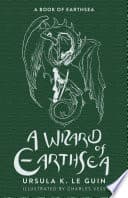
- A Wizard of Earthsea
Ursula K. Le Guin
4.0 (241k) average on GoodreadsFantasyBoth explore the consequences of power and the importance of balance, but Ende's work is more optimistic about individual imagination. Le Guin's Ged learns humility through confronting his shadow, while Bastian's journey emphasizes the responsibility of creative agency. Ende's world is more surreal and less grounded in specific mythologies than Earthsea.
- The Chronicles of Narnia
C.S. Lewis
4.3 (518k) average on GoodreadsFantasyWhile both feature children entering magical worlds, Ende's narrative offers a more universal and secular exploration of moral and existential questions, in contrast to Lewis's overt Christian allegories. The fantastical elements in Ende's book are often more surreal and less directly mythological, reflecting a different fantasy tradition.
- Harry Potter and the Sorcerer's Stone
J.K. Rowling
4.5 (7M) average on GoodreadsFantasyRescued from a miserable life under the stairs, an orphaned boy discovers he's a wizard destined for a magical school, where he uncovers a dangerous secret tied to the dark wizard who murdered his parents.




Enjoyed the summary?
A summary gives you the shape of the book. The book itself has the detail, the examples and the voice.
Find The Neverending Story on AmazonAs an Amazon Associate, BookBrief earns from qualifying purchases. How we're funded