

Synopsis
Covers the whole plot, including the ending.
- Difficulty
- Medium
- Pacing
- Moderate
- Mood
- Atmospheric, Suspenseful, Melancholy, Culturally Rich
- Read it if
- You enjoy atmospheric mysteries set in the harsh beauty of the American wilderness, featuring a flawed but determined protagonist with a rich cultural background.
- Skip it if
- You prefer fast-paced, urban thrillers with minimal focus on character introspection or cultural themes.
Iron Lake Plot Summary
Covers the whole plot, including the ending.
A Town in Turmoil: Judge Peder Pedersen's Murder
The novel begins in Aurora, Minnesota, with the murder of Judge Peder Pedersen. His decapitated body is found in his home, with a wolf's head nearby. This event disturbs the small community. Corcoran 'Cork' O'Connor, the former sheriff, now owns a diner and works as a private investigator. He struggles with his divorce from Jo and his relationship with his children. Cork is drawn into the investigation because of his experience and his ties to Aurora. The current sheriff, Wally Schanno, whom Cork does not trust, leads the case. Cork's intuition suggests the murder has more to it than what is apparent, especially given its unusual details.
The Disappearance of an Eagle Scout and Mounting Suspicions
Adding to the town's tension, a young Eagle Scout, Paul LeBeau, is reported missing shortly after Judge Pedersen's murder. Paul worked for Judge Pedersen, which connects him to the crime. Cork begins his own investigation, feeling responsible to his community and believing official channels are missing leads. He questions locals, including members of the Anishinaabe community, to whom he has ties. He starts to uncover secrets and old grudges. Town figures, like Mayor Robert Dunwoody and businessman Gerald Davis, seem to hinder the investigation, making Cork suspicious.
Whispers of the Wendigo and Ancient Legends
As Cork investigates, he finds that the brutal details of Pedersen's murder, the decapitation and wolf's head, match ancient Anishinaabe legends of the Wendigo, a spirit linked to greed. This cultural element adds a chilling layer to the mystery. Cork talks with his Anishinaabe relatives and elders, including his grandmother. They share stories and insights into their spiritual beliefs and historical grievances. These conversations lead Cork to consider that the murder might be rooted in deeper, perhaps generational, conflict and injustice, possibly involving land disputes or historical wrongs against the Anishinaabe people.
A Web of Corruption and Land Disputes
Cork's investigation increasingly points to a plan involving valuable land, possibly for a casino, and a group of corrupt individuals in Aurora. Judge Pedersen was involved in these land deals. Cork discovers that Mayor Dunwoody, Gerald Davis, and even Sheriff Schanno might be part of a conspiracy to acquire Anishinaabe land illegally. He finds documents and hears rumors suggesting Pedersen was a key player or was about to expose the illegal activities. The missing Paul LeBeau might have found evidence, making him a dangerous witness who needed to be silenced, linking his disappearance to the judge's murder.
The Discovery of Paul LeBeau and a Close Call
Paul LeBeau's body is found, confirming his murder. This discovery makes Cork's search for the killers more urgent. Cork himself becomes a target, facing threats from those trying to hide the truth. He narrowly escapes an attempt on his life, which strengthens his resolve. These events confirm Cork's belief that he is against a powerful and ruthless conspiracy, and his life, and possibly his family's, are in danger as he gets closer to exposing the truth behind Judge Pedersen's murder and Paul LeBeau's disappearance.
Confronting Old Demons and New Threats
As Cork investigates, he confronts the town's corruption and his own past, including his strained relationship with his ex-wife, Jo, and his children. He also deals with his identity as both Irish and Anishinaabe, trying to connect the two cultures. Threats against him increase, with his diner vandalized and direct warnings to stop. He realizes the conspiracy is extensive and involves people he has known for years, making the betrayal more intense. Cork wants justice for Pedersen and LeBeau, a personal quest tied to protecting his family and community from the pervasive evil.
The Role of Father Tom and the Church
Cork learns that Father Tom, the local priest, has information about the land deals and corruption. Father Tom is conflicted between his moral duty to tell the truth and his vow of confessional secrecy. Cork presses him, understanding the priest's dilemma but knowing lives are at stake. Father Tom eventually gives cryptic clues and indirect guidance, hinting at the involvement of prominent figures and their greed. His reluctance to break the seal of confession shows the moral complexities of the situation and the deep secrets protected by the church in the community.
The Revelation of the True Mastermind
Through investigation, piecing together clues from Father Tom, Anishinaabe elders, and his police instincts, Cork unmasks the person behind Judge Pedersen's murder and Paul LeBeau's death. Gerald Davis, a respected but ruthless businessman, orchestrated the murders to protect his illegal land acquisition schemes, especially concerning the proposed casino. Davis manipulated events and people, including Sheriff Schanno, for his financial gain, silencing anyone who threatened to expose his activities. The extent of his power and influence in Aurora becomes clear to Cork.
The Confrontation at Iron Lake
The novel's climax happens at Iron Lake, where Cork confronts Gerald Davis and his accomplices, including Sheriff Schanno, who is deeply involved. A tense and violent standoff occurs in the winter landscape. Cork, helped by his Anishinaabe friend and tracker, Henry Meloux, and eventually his ex-wife Jo, fights for his life and for justice. The confrontation is brutal, with Cork facing physical threats and the emotional weight of betrayal from people he once considered part of his community. The truth about the judge's murder and LeBeau's death comes out during this intense showdown.
Justice and Aftermath
In the chaotic confrontation, Gerald Davis and his henchmen are defeated. Sheriff Schanno is exposed and arrested, along with other corrupt officials. Justice is served for Judge Pedersen and Paul LeBeau, though the cost is high. Cork, though scarred, emerges as a hero, having risked everything to uncover the truth and protect his community. The events affect Aurora, breaking its image of small-town innocence. For Cork, the experience, while traumatic, starts a path toward reconciliation with his family and a new sense of purpose, solidifying his role as a protector of his community, even without official law enforcement.
Principal Figures
Corcoran "Cork" O'Connor
Protagonist
Former sheriff, diner owner, and private investigator, struggling with his past and identity.
Cork O'Connor is a man of dual heritage, part Irish and part Anishinaabe, which often puts him at odds with himself and his community. Formerly the sheriff of Aurora, he was voted out, leaving him embittered and grappling with a failed marriage to Jo and a strained relationship with his children, Stephen, Anne, and Jenny. He runs a diner, but his innate sense of justice and his sharp investigative mind pull him back into the world of crime when Judge Pedersen is murdered. Cork is driven by a deep moral compass, loyalty to his family and community, and a desire to uncover the truth, even when it puts him in grave danger. He is observant, intuitive, and resourceful, often relying on his Anishinaabe heritage for spiritual guidance and practical tracking skills.
Relationships: Jo O'Connor (Ex-wife, strained but deeply caring); Stephen O'Connor (Son, complex but loving); Anne O'Connor (Daughter, close bond); Jenny O'Connor (Daughter, close bond); Henry Meloux (Anishinaabe elder and mentor); Wally Schanno (Current sheriff, rival, and antagonist)
Jo O'Connor
Supporting
Cork's estranged wife and lawyer, protective of her family.
Jo O'Connor is Cork's estranged wife and a dedicated lawyer. She is strong-willed, intelligent, and fiercely protective of her children, Stephen, Anne, and Jenny. Despite her separation from Cork, she retains a deep concern for his safety and well-being, often offering legal advice and support, even if reluctantly. Her professional background gives her insight into the legal and political machinations of Aurora. While their relationship is fraught with past hurts and disagreements, her actions demonstrate a profound loyalty to Cork when he is in danger, ultimately playing a crucial role in the climactic confrontation.
Relationships: Corcoran "Cork" O'Connor (Ex-husband, strained but loving); Stephen O'Connor (Son); Anne O'Connor (Daughter); Jenny O'Connor (Daughter)
Henry Meloux
Supporting
Anishinaabe elder, spiritual guide, and tracker.
Henry Meloux is an elderly Anishinaabe healer, spiritual guide, and tracker, deeply connected to the land and the traditions of his people. He serves as a mentor and confidant to Cork, offering cryptic but profound advice and practical assistance rooted in his vast knowledge of the wilderness and Anishinaabe wisdom. Henry's presence grounds Cork in his heritage and provides crucial insights into the spiritual and cultural dimensions of the crimes. His tracking skills and understanding of human nature prove invaluable during Cork's investigation, especially in the treacherous winter environment.
Relationships: Corcoran "Cork" O'Connor (Mentor, friend, and relative (through Cork's mother's side))
Gerald Davis
Antagonist
Wealthy and corrupt businessman, mastermind behind the conspiracy.
Gerald Davis is a prominent and seemingly respectable businessman in Aurora, but beneath the surface, he is ruthless, greedy, and utterly corrupt. He is the mastermind behind the illegal land acquisition scheme and the murders of Judge Pedersen and Paul LeBeau, orchestrated to protect his financial interests, particularly a proposed casino development. Davis wields significant power and influence over local officials, including Sheriff Schanno and Mayor Dunwoody, using intimidation and violence to achieve his goals. He represents the dark side of ambition and the corrosive effect of greed on a small community.
Relationships: Corcoran "Cork" O'Connor (Primary antagonist); Wally Schanno (Accomplice, manipulated by Davis)
Wally Schanno
Antagonist
Current Sheriff of Aurora, corrupt and complicit in Davis's schemes.
Wally Schanno is the current Sheriff of Aurora, having replaced Cork O'Connor. He is portrayed as an incompetent and corrupt law enforcement officer, more interested in maintaining his position and benefiting from illegal activities than in upholding justice. Schanno is deeply entangled in Gerald Davis's land schemes and actively obstructs Cork's investigation, misdirecting leads and protecting the real culprits. His actions highlight the pervasive corruption within the town's official structures and serve as a foil to Cork's integrity and dedication to the truth.
Relationships: Corcoran "Cork" O'Connor (Rival, antagonist); Gerald Davis (Accomplice, manipulated by Davis)
Judge Peder Pedersen
Mentioned
The murdered judge whose death ignites the central mystery.
Judge Peder Pedersen is the victim whose brutal murder sets the entire plot in motion. Though he is dead at the beginning of the story, his past actions and involvement in local land deals are central to Cork's investigation. He is revealed to have been a key figure in the community, holding knowledge that made him a target for the corrupt elements of Aurora. His murder, characterized by the symbolic wolf's head, is not just a crime but a message, pointing to deeper, more sinister forces at play in the town.
Relationships: Corcoran "Cork" O'Connor (Victim whose case Cork investigates); Gerald Davis (Murderer (indirectly))
Paul LeBeau
Mentioned
Missing Eagle Scout, discovered to be a second murder victim.
Paul LeBeau is a young Eagle Scout who goes missing shortly after Judge Pedersen's murder. He was known to have worked for the judge, and his disappearance immediately links him to the central crime. Paul represents innocent youth caught in the crosshairs of adult corruption. His eventual discovery as a murder victim confirms the ruthless nature of the perpetrators and intensifies Cork's resolve to find justice. He is a tragic figure whose death underscores the stakes of the investigation and the extent of the evil Cork is fighting.
Relationships: Corcoran "Cork" O'Connor (Victim whose case Cork investigates); Judge Peder Pedersen (Employer)
Father Tom
Supporting
Local priest, bound by confessional secrecy, possessing crucial information.
Father Tom is the local Catholic priest in Aurora. He is a man of faith and integrity, but his role places him in a difficult position: he possesses crucial information related to the land deals and the corruption, likely gained through confession, but is bound by the sanctity of confessional secrecy. His internal struggle between his moral duty to help uncover the truth and his priestly vows adds a layer of ethical complexity to the narrative. He eventually provides Cork with indirect guidance, helping to steer him towards the truth without explicitly breaking his vows.
Relationships: Corcoran "Cork" O'Connor (Confidant, source of cryptic information)
Mayor Robert Dunwoody
Supporting
Mayor of Aurora, complicit in the corruption.
Mayor Robert Dunwoody is the mayor of Aurora and is shown to be complicit in the town's corruption, particularly the illegal land dealings orchestrated by Gerald Davis. He prioritizes his political standing and personal gain over the well-being of the community, actively hindering Cork's investigation and trying to suppress the truth. His character embodies the political corruption that Cork must fight against, representing how power can be abused within a small town.
Relationships: Corcoran "Cork" O'Connor (Political adversary); Gerald Davis (Associate in corruption)
Themes & Insights
Identity and Belonging
Cork O'Connor's mixed heritage (Irish and Anishinaabe) is a central idea. He deals with his place in both cultures. He feels alienated from the white community after losing his sheriff position and sometimes struggles to fully embrace his Anishinaabe roots, despite his respect for them. The murder investigation forces him to connect these two worlds, using his police instincts and the wisdom of his Anishinaabe elders. He works to reconcile these parts of himself to find his identity and belonging in his community.
“He was a man caught between two worlds, the white and the Anishinaabe, and sometimes it felt like he belonged to neither.”
Corruption and Greed
The novel explores corruption in the small town of Aurora. From the mayor to the sheriff and businessmen, greed for land and money drives a conspiracy that leads to murder and silenced witnesses. The desire for a casino development shows how economic opportunity can turn destructive, eroding moral values and trust. Cork's fight against this corruption is a central conflict, exposing the dark side of seemingly peaceful small-town life.
“Greed, Cork knew, was a sickness that infected the soul, turning good men into monsters.”
Justice and Vengeance
The search for justice for Judge Pedersen and Paul LeBeau drives the plot. The novel also touches on the line between justice and personal vengeance, especially given Cork's personal involvement and past grievances. Anishinaabe legends of the Wendigo, a spirit of greed and vengeance, suggest that unchecked desires can lead to monstrous acts. Cork seeks true justice, not just revenge, aiming to uncover the truth and restore balance to his community, even if it means confronting those he once knew.
“Justice wasn't always about the law, sometimes it was about balance, about setting things right.”
Family and Community
Despite his marital problems, Cork's love and loyalty to his family—his estranged wife Jo and his children Stephen, Anne, and Jenny—are important. His investigation is driven by a desire to protect them and keep Aurora safe. The novel also shows the dynamics of a small community, where everyone knows everyone, leading to strong bonds and hidden resentments. The corruption in town is a betrayal of this community, and Cork tries to heal these wounds and restore faith in a cohesive, trustworthy society.
“Family was the anchor, the one thing that held a man steady when the rest of the world spun out of control.”
Plot Devices & Literary Techniques
The Wendigo Legend
Anishinaabe myth reflecting the themes of greed and destruction.
The ancient Anishinaabe legend of the Wendigo, a cannibalistic spirit brought forth by extreme greed or starvation, serves as a powerful symbolic plot device. The brutal nature of Judge Pedersen's murder, particularly the symbolic wolf's head, evokes this myth, suggesting that the crimes are not just random acts but manifestations of a deeper, spiritual sickness rooted in insatiable human desire. It adds a layer of cultural depth and foreboding, connecting the modern-day corruption to ancient warnings about the destructive power of greed and the imbalance it creates in the world.
The Harsh Winter Landscape
Setting reflecting the cold, isolating nature of the crimes.
The severe winter conditions of northern Minnesota, with its heavy snows, frozen lakes, and biting cold, act as more than just a backdrop. The harsh landscape mirrors the cold-blooded nature of the crimes and the isolation Cork feels in his pursuit of justice. The blizzard conditions hinder the official investigation but also force Cork to rely on his wilderness skills and Anishinaabe knowledge, emphasizing his connection to the land. It creates a sense of claustrophobia and heightened danger, making escape difficult for both the hunter and the hunted.
Dual Heritage of Cork O'Connor
A character's background as a source of conflict and strength.
Cork O'Connor's mixed Irish and Anishinaabe heritage is a crucial plot device, providing him with unique perspectives and skills. His Anishinaabe roots connect him to the natural world and the wisdom of his elders, offering spiritual guidance and practical tracking abilities. His Irish background and experience as a Chicago cop give him a grounding in modern investigative techniques. This dual heritage allows him to navigate both the official and unofficial aspects of the investigation, providing a richer, more nuanced understanding of the crimes and the community's dynamics, while also being a source of internal conflict.
The Small-Town Setting
A seemingly idyllic setting masking deep-seated secrets and corruption.
Aurora, Minnesota, a seemingly peaceful small town, functions as a classic mystery setting where appearances are deceiving. The close-knit nature of the community means that everyone knows everyone, which can be both a blessing and a curse. It allows for hidden secrets and long-held grudges to fester beneath the surface, making the betrayal by trusted figures even more shocking. The small-town setting intensifies the feeling of being trapped with the criminals, highlighting how corruption can infiltrate every level of a community.
Iron Lake Quotes
“The past is never dead. It's not even past.”
“In a small town, everyone knows your business, but no one knows your heart.”
“Sometimes the only way to find the truth is to lose yourself in the search.”
“The lake holds its secrets like a clenched fist.”
“Justice isn't always found in a courtroom; sometimes it's in the quiet of the woods.”
“Fear is a poison that seeps into the soul, and once it's there, it's hard to purge.”
“A man's character is tested not by his successes, but by how he faces his failures.”
“The snow doesn't just cover the ground; it buries the truth.”
“Trust is a fragile thing, easily broken and hard to mend.”
“In the wilderness, you learn that survival depends on listening to more than just words.”
“Grief is a private storm that rages long after the world has moved on.”
“The line between good and evil isn't always clear; sometimes it's blurred by necessity.”
“Silence can be louder than any accusation.”
“Home isn't just a place; it's the memories that haunt its corners.”
Quiz
10 questions on the plot and the characters. Each answer comes with a short explanation.
Question 1
What is Corcoran 'Cork' O'Connor's former occupation in Aurora, Minnesota?
- Mayor
- Judge
- Sheriff
- Police Chief
Show answer
C. Sheriff Cork is explicitly described as the former sheriff of Aurora, Minnesota, which is central to his character and his embittered state at the beginning of the novel.
Question 2
What two events trigger Cork's investigation in the novel?
- A bank robbery and a car accident
- The murder of a judge and the disappearance of an Eagle Scout
- A political scandal and a missing hiker
- A drug bust and a kidnapping
Show answer
B. The murder of a judge and the disappearance of an Eagle Scout The plot begins with the brutal murder of the town's judge and the reported disappearance of a young Eagle Scout, which Cork takes on as a case despite no longer being sheriff.
Question 3
What is Cork's ethnic background?
- Fully Irish
- Part Irish and part Anishinaabe Indian
- Fully Anishinaabe Indian
- Part Swedish and part Irish
Show answer
B. Part Irish and part Anishinaabe Indian Cork is described as part Irish and part Anishinaabe Indian, which influences his identity and connection to the setting in northern Minnesota.
Question 4
What weather event occurs in Aurora as Cork investigates the case?
- A tornado
- A heatwave
- A lakeside blizzard
- A flood
Show answer
C. A lakeside blizzard A lakeside blizzard buries Aurora during the investigation, adding to the suspense and isolation of the setting, as mentioned in the book description.
Question 5
Why is Cork embittered at the start of the novel?
- He lost his job as sheriff and is separated from his children due to marital issues
- He was falsely accused of a crime
- He is struggling financially
- He has health problems
Show answer
A. He lost his job as sheriff and is separated from his children due to marital issues Cork is embittered by his former status as sheriff and the marital meltdown that has separated him from his children, which motivates his character and actions.
Question 6
What does Cork rely on to 'get by' according to the book description?
- Alcohol and gambling
- Caffeine, nicotine, and guilt
- Exercise and meditation
- Friends and family support
Show answer
B. Caffeine, nicotine, and guilt The description states that Cork gets by on heavy doses of caffeine, nicotine, and guilt, highlighting his coping mechanisms and troubled state.
Question 7
What type of enemies does Cork face during his investigation?
- Only external criminals from out of town
- Town officials who try to stop his investigation and a painful small-town secret
- Supernatural forces in the lake country
- His own family members
Show answer
B. Town officials who try to stop his investigation and a painful small-town secret Cork encounters town officials dead-set on stopping his investigation and a small-town secret that hits close to home, representing both external and internal conflicts.
Question 8
What is a key theme suggested by the book's setting and plot?
- The beauty of rural life overcoming all obstacles
- The dark side hidden beneath a serene, snow-covered landscape
- The importance of technology in modern investigations
- The triumph of law enforcement over crime
Show answer
B. The dark side hidden beneath a serene, snow-covered landscape The book reveals the dark side of northern Minnesota's snow-covered landscape, with themes of corruption and secrets lurking beneath the surface of a seemingly peaceful town.
Question 9
Where did Cork work as a cop before moving to Aurora?
- New York City
- Los Angeles
- Chicago's South Side
- Detroit
Show answer
C. Chicago's South Side Cork once worked as a cop on Chicago's South Side, which gives him experience that makes him hard to shock and informs his investigative skills.
Question 10
What does the book description imply about the nature of the conspiracy Cork uncovers?
- It is purely financial and involves bank fraud
- It involves corruption and scandal that are deeply personal to Cork
- It is related to international espionage
- It centers on environmental destruction in the lake country
Show answer
B. It involves corruption and scandal that are deeply personal to Cork The description mentions a mind-jolting case of conspiracy, corruption, and scandal, with a secret that hits painfully close to home, suggesting personal stakes for Cork.
Iron Lake FAQ
What is 'Iron Lake' about?
The novel follows former sheriff Corcoran 'Cork' O'Connor as he investigates two connected cases in Aurora, Minnesota: the brutal murder of Judge Robert Parrant and the disappearance of a young Eagle Scout named Paul LeBeau. As Cork digs deeper, he uncovers a web of conspiracy, corruption, and scandal involving town officials, all while confronting his own personal demons and a blizzard that isolates the community.
Why should I read 'Iron Lake'?
Readers should dive into 'Iron Lake' for its atmospheric setting in Minnesota's frozen lake country, which Krueger vividly brings to life, and for the compelling protagonist Cork O'Connor—a complex, flawed former sheriff grappling with his mixed heritage and personal failures. The tightly plotted mystery combines small-town secrets with high-stakes suspense, making it a standout debut in the thriller genre.
What is the background/setting of 'Iron Lake'?
Set in the fictional town of Aurora in northern Minnesota's lake country, the story unfolds during a harsh winter blizzard that physically and metaphorically isolates the community. The setting reflects the cultural tensions between the white townspeople and the Anishinaabe Native American population, with Cork's mixed Irish and Anishinaabe heritage placing him at the crossroads of these worlds.
What are the most memorable quotes?
Key quotes include Cork's reflection on his identity: 'Part Irish, part Anishinaabe, and all alone,' highlighting his internal conflict. Another is his grim observation about the case: 'In a small town, secrets don't stay buried; they just freeze over until someone digs them up,' which foreshadows the town's hidden corruption. The blizzard's description—'The snow didn't fall; it attacked'—also underscores the novel's tense atmosphere.
What writing style does the author use?
Krueger employs a crisp, descriptive prose style that vividly evokes the harsh Minnesota winter and the claustrophobic small-town setting. His writing blends hard-boiled detective elements with literary depth, focusing on Cork's internal monologues and the cultural nuances of the region, all while maintaining a fast-paced, suspenseful narrative that drives the mystery forward.
What minor details add significant meaning?
Small details like Cork's constant consumption of coffee and cigarettes symbolize his guilt and attempts to numb his pain from his failed marriage and lost sheriff position. The recurring imagery of ice and snow mirrors the frozen secrets of Aurora, while references to Anishinaabe folklore, such as the Windigo legend, subtly hint at the town's moral decay and the predatory nature of its corrupt figures.
What are some subtle foreshadowing moments?
Early mentions of Judge Parrant's 'ruthless' reputation and his ties to local business interests foreshadow his murder and the corruption behind it. Cork's strained interactions with town officials, like Sheriff Wally Schanno, hint at their later resistance to his investigation. The blizzard's gradual intensification parallels the uncovering of secrets, suggesting that the truth will erupt violently.
What unexpected character connections exist?
Unexpected links emerge between Judge Parrant and the missing Eagle Scout, Paul LeBeau, through a hidden scandal involving illegal activities and cover-ups by town elites. Cork's ex-wife, Jo, becomes indirectly involved due to her legal work, tying the personal stakes to the criminal case. Additionally, minor characters like local businessman Karl Lindstrom are revealed to have deeper, corrupt ties to the conspiracy.
What are unspoken character motivations?
Cork is driven not just by justice but by a need to reclaim his self-worth after losing his sheriff role and family. Judge Parrant's murder stems from his greed and involvement in shady deals, while town officials resist Cork's investigation to protect their power and secrets. Paul LeBeau's disappearance is motivated by his accidental discovery of these corrupt activities, putting him in danger.
What psychological complexities do characters exhibit?
Cork grapples with depression and identity crisis due to his mixed heritage and failed marriage, which fuels his dogged pursuit of the truth. Jo O'Connor struggles with balancing her career and family loyalty, reflecting the tension in their relationship. Antagonists like Sheriff Schanno show moral ambiguity, as their corruption is rooted in a desire to maintain order, however flawed, in their small town.
What are the major emotional turning points?
Key emotional moments include Cork's realization that the case hits 'close to home' when he uncovers ties to his own community, forcing him to confront his past. The discovery of Paul LeBeau's fate brings a mix of grief and rage, intensifying Cork's resolve. The climax, where Cork faces the conspirators during the blizzard, serves as a cathartic release of his pent-up guilt and anger.
How do relationship dynamics evolve?
Cork and Jo's relationship shifts from estrangement to a tentative reconciliation as they collaborate on the case, highlighting their unresolved feelings. Cork's interactions with his children become more strained yet poignant, reflecting his desire for redemption. His alliances with locals, like Anishinaabe friend Henry Meloux, deepen, emphasizing the theme of community versus corruption.
Which parts remain ambiguous or open-ended?
The novel leaves some ambiguity around the full extent of the town's corruption and whether all culprits are brought to justice, suggesting ongoing moral decay in Aurora. Cork's future with his family is unresolved, hinting at continued personal struggles. The impact of the Anishinaabe cultural elements on the plot, such as spiritual beliefs, is subtly woven in without explicit conclusions.
What are controversial scenes or decisions?
Controversial moments include Cork's morally gray methods, such as bypassing legal protocols in his investigation, which blur the line between justice and vengeance. The depiction of Native American stereotypes through secondary characters sparks debate about cultural representation. Additionally, the violent resolution of the conspiracy raises questions about the ethics of vigilante-style justice in a small-town setting.
'Iron Lake' ending explained: how it ends & what it means
The climax reveals that Judge Parrant was killed to cover up a corruption scheme involving local officials and business interests, with Paul LeBeau's disappearance linked to his accidental witness of these crimes. Cork confronts the conspirators during the blizzard, leading to a violent resolution where some are brought to justice, but others evade full accountability. The ending signifies that while Cork solves the case, the town's underlying secrets and his personal wounds remain partially unhealed, setting the stage for his ongoing journey in the series.
About the author

William Kent Krueger is an American author known for his fiction, particularly in the mystery and literary genres. His notable works include "Ordinary Grace," which explores themes of family and loss, "This Tender Land," a coming-of-age story set during the Great Depression, and "Iron Lake," the first in a series featuring the character Cork O'Connor.
Similar books
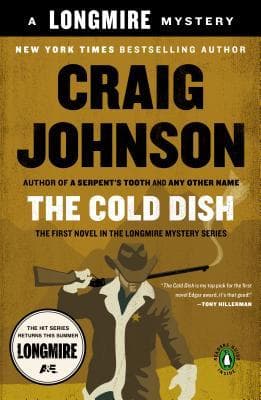
- The Cold Dish
Craig Johnson
4.1 (29k) average on GoodreadsThrillerFeatures a sheriff in a rural, atmospheric setting dealing with complex local crimes and personal struggles.
- Ordinary Grace
William Kent Krueger
4.2 (85k) average on GoodreadsLiterary FictionShowcases Krueger's strong sense of place and character-driven mystery, though set in a different era.
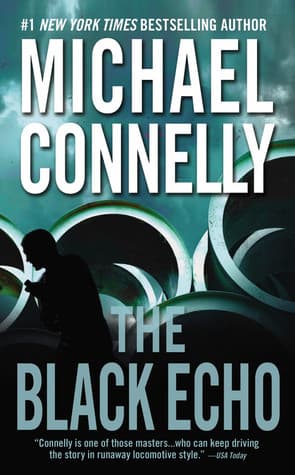
- The Black Echo
Michael Connelly
4.1 (155k) average on GoodreadsThrillerWhile both "Iron Lake" and Michael Connelly's Harry Bosch series feature a dedicated, often maverick detective as the central figure, their approaches diverge significantly. Connelly's Bosch operates primarily within the intricate, often corrupt, world of urban law enforcement, focusing on police procedure, forensic detail, and bureaucratic maneuvering. "Iron Lake," conversely, is set in a rural, culturally distinct environment, with Cork O'Connor acting as a more independent investigator whose methods are less about official protocol and more about community knowledge, intuition, and spiritual insight. Krueger's novel is less a police procedural and more a character-driven mystery deeply rooted in specific cultural and environmental contexts, whereas Connelly's strength lies in the gritty realism of police work in a major city.
- Angels & Demons
Dan Brown
3.9 (2.7M) average on GoodreadsThrillerA Harvard symbologist races through Rome's ancient sites, deciphering cryptic clues to unmask the Illuminati and stop a vengeful plot to destroy the Vatican with a stolen antimatter weapon.
- Gone Girl
Gillian Flynn
4.1 (2.3M) average on GoodreadsThrillerA wife's sudden disappearance on her fifth anniversary reveals a web of lies and psychological warfare, exposing the secrets within a seemingly perfect marriage.
- The Girl on the Train
Paula Hawkins
3.9 (2.1M) average on GoodreadsThrillerA woman’s fascination with a seemingly perfect couple she watches from her daily train commute leads her into a dark investigation when she witnesses something that shatters their idyllic image.




Enjoyed the summary?
A summary gives you the shape of the book. The book itself has the detail, the examples and the voice.
Find Iron Lake on AmazonAs an Amazon Associate, BookBrief earns from qualifying purchases. How we're funded