

Synopsis
Covers the whole plot, including the ending.
- Difficulty
- Medium
- Pacing
- Moderate
- Mood
- Atmospheric, Suspenseful, Melancholy, Thought-provoking
- Read it if
- You enjoy coming-of-age stories set against a backdrop of mystery and social commentary, exploring themes of racism, prejudice, and the loss of innocence.
- Skip it if
- You prefer lighthearted reads without dark themes, violence, or explicit discussions of racism and child abuse.
Jasper Jones Plot Summary
Covers the whole plot, including the ending.
The Secret of Jasper's Glade
On a sweltering summer night in 1965 in the rural Western Australian town of Corrigan, thirteen-year-old Charlie Bucktin is awakened by Jasper Jones, a local mixed-race outcast. Jasper, known for his rebellious nature and often blamed for the town's misfortunes, leads a terrified but intrigued Charlie deep into the bush to a secluded glade. There, Charlie sees the horrifying sight of Laura Wishart, the Shire President's daughter, hanging dead from a tree. Jasper, convinced he will be wrongly accused due to his reputation and race, asks Charlie for help in concealing the body and finding the real killer. Overwhelmed and afraid, Charlie reluctantly agrees. This marks the beginning of a summer that will change his life.
A Town Consumed by Grief and Suspicion
The discovery of Laura Wishart's body remains a secret between Jasper and Charlie. Soon after, Laura is reported missing, and Corrigan falls into grief and suspicion. Search efforts are extensive, with residents forming search parties, but no trace of Laura is found. The disappearance makes the town's existing prejudices worse. Jasper Jones quickly becomes the primary suspect for many, including the local police sergeant, even without any evidence. Charlie observes the town's descent into fear and its eagerness to find a scapegoat, all while carrying the heavy burden of the truth he knows.
The Search for Answers and the Case of Mad Jack Lionel
Haunted by the secret and wanting to help Jasper, Charlie begins to investigate potential suspects. Their initial suspicion falls on Mad Jack Lionel, an elderly recluse who lives on the outskirts of town and is rumored to have committed a crime in the past. Jasper believes Jack Lionel killed his own daughter, and that he might have been involved with Laura. During their investigation, Charlie and Jasper sneak onto Jack Lionel's property. Charlie, in a moment of fear, accidentally breaks Jack's window. This encounter, however, does not give any solid evidence linking Jack Lionel to Laura's death, but it deepens the mystery around him and his past.
Charlie's Turbulent Home Life and Budding Romance
While dealing with the murder mystery, Charlie's home life becomes tense. His mother, Ruth, is unhappy with her life in Corrigan and begins an affair with the Shire President, Laura's father. This strains her relationship with Charlie's gentle, intellectual father, Wesley. At the same time, Charlie finds himself drawn to Eliza Wishart, Laura's younger sister. Their shared grief and the mystery surrounding Laura create a unique bond between them, leading to a hesitant, tender romance. Eliza, deeply affected by her sister's disappearance, offers Charlie a different perspective on the town and its secrets.
Jeffrey Lu and the Resilience of Friendship
Throughout the summer, Charlie's best friend, Jeffrey Lu, a Vietnamese boy, deals with constant racial prejudice and bullying from the town's white residents, especially the local toughs. Despite this, Jeffrey maintains optimism and a passion for cricket, often surprising everyone with his skill. His family also faces discrimination, especially as the Vietnam War escalates. Jeffrey's resilience and good humor offer a contrast to the darkness Charlie is experiencing, reminding him of loyalty and the joys of friendship amidst the town's growing tensions and his own moral dilemmas.
The Town's Blame Game and Jasper's Past
As the search for Laura continues without success, the town's animosity towards Jasper Jones grows. This is fueled by racist assumptions and his outsider status. He is openly harassed and beaten by the police. Charlie learns more about Jasper's tragic past: his Aboriginal mother died when he was young, and his white father abandoned him, leaving him to fend for himself. This history makes Jasper an even easier scapegoat in Corrigan. Charlie sees firsthand the injustice Jasper faces, deepening his resolve to uncover the truth and clear his friend's name, despite the personal risk.
The Revelation of Mad Jack Lionel's Secret
Driven by his guilt and the desire for answers, Charlie decides to confront Mad Jack Lionel directly. During their conversation, Jack reveals the truth behind his reclusive life and the town's rumors: he accidentally killed his own son, Jasper's father, in a car accident years ago. His son was having an affair with an Aboriginal woman (Jasper's mother), and Jack, in a fit of rage, crashed their car, killing his son and leaving Jasper's mother to die later. Jack has lived with guilt and self-imposed isolation ever since, believing the town knew his secret. This revelation humanizes Jack Lionel and removes him as a suspect in Laura's death, but adds another layer of tragedy to Jasper's already difficult life.
Laura's Letter and the Truth Revealed
Eliza Wishart, unable to cope with the silence and her family's secrets, confides in Charlie. She reveals that she had been secretly meeting Laura in the glade and that Laura had given her a letter to keep safe. This letter, written by Laura before her death, reveals the truth: Laura had been systematically abused by her father, the Shire President. On the night she died, she had confronted him, and in her despair, she took her own life in the glade. She had left the letter for Eliza, hoping it would expose her father and bring justice.
Confronting the Truth and Its Consequences
With Laura's letter, the full, tragic truth comes to light. Laura had not been murdered, but had committed suicide due to the abuse she endured from her father. Jasper, upon learning this, is devastated. His initial anger and frustration at the injustice of the world give way to sadness for Laura and the futility of their secret-keeping. He and Charlie realize the depth of the town's hypocrisy and the way it protected powerful men while persecuting the vulnerable. The revelation of Laura's father's crimes also involves Charlie's mother, who was having an affair with him.
Justice, Farewell, and a New Beginning
Charlie and Eliza decide to expose Laura's father. Eliza, in an act of defiance, burns down her family home, symbolizing the destruction of the lies and abuse that had grown within it. This act brings the truth to light for the town. Jasper, having been cleared but still an outcast, decides to leave Corrigan for good, seeking a future free from prejudice. Charlie, though heartbroken by Jasper's departure, has matured significantly. He has learned about courage, injustice, and the complexities of truth. He resolves to write his own story, finding his voice and beginning to heal from the traumatic summer, forever changed by his friendship with Jasper and the secrets of Corrigan.
Principal Figures
Charlie Bucktin
Protagonist
A bookish and sensitive thirteen-year-old boy who becomes entangled in a murder mystery.
Charlie is an intelligent, observant, and somewhat timid boy who loves books and words. He is initially naive about the harsh realities of the world but is forced to confront prejudice, injustice, and moral ambiguity after Jasper Jones seeks his help. He is loyal to his friends and develops a strong sense of empathy. His internal monologue provides much of the story's emotional depth and philosophical reflection. He struggles with fear and guilt but ultimately finds the courage to seek truth and stand up for what is right.
Relationships: Jasper Jones (Close friend, co-conspirator in the mystery); Jeffrey Lu (Best friend, source of levity and loyalty); Eliza Wishart (Romantic interest, fellow seeker of truth); Wesley Bucktin (Supportive and intellectual father); Ruth Bucktin (Temperamental and unhappy mother)
Jasper Jones
Supporting
A mixed-race outcast in Corrigan, wrongly accused and deeply burdened by injustice.
Jasper is a seventeen-year-old Aboriginal boy who lives on the fringes of Corrigan society. He is tough, resourceful, and fiercely independent, but also deeply hurt by the pervasive racism and prejudice he faces. He is intelligent and perceptive, often seeing the truth of people and situations more clearly than the town's white residents. He carries the weight of a tragic past and is unjustly blamed for every misfortune in Corrigan. His friendship with Charlie is a rare source of trust and connection for him.
Relationships: Charlie Bucktin (Only trusted friend and confidant); Laura Wishart (Girlfriend, whose death he discovers); Mad Jack Lionel (Grandson (unbeknownst to Jasper for most of the story))
Jeffrey Lu
Supporting
Charlie's Vietnamese best friend, an optimistic and resilient cricket enthusiast.
Jeffrey is Charlie's best friend and a constant source of humor and unwavering optimism, despite facing severe racial discrimination and bullying in Corrigan. He is a passionate cricket player, often defying expectations with his skill. His family, Vietnamese immigrants, are also targets of prejudice, especially with the Vietnam War escalating. Jeffrey's resilience, loyalty, and ability to find joy amidst hardship provide a crucial emotional anchor for Charlie and highlight the themes of prejudice and perseverance.
Relationships: Charlie Bucktin (Best friend); Warwick Lu (Older brother, also facing discrimination); Jeffrey's Parents (Supportive and hardworking family)
Eliza Wishart
Supporting
Laura's younger sister, who shares Charlie's grief and quest for truth.
Eliza is the younger sister of the deceased Laura Wishart. She is intelligent, sensitive, and deeply affected by her sister's disappearance and death, as well as the dark secrets within her own family. She shares a unique bond with Charlie, drawn together by their shared grief and the mystery surrounding Laura. Eliza possesses a quiet strength and ultimately finds the courage to expose the truth about her father and sister, even at great personal cost. She represents the innocent victims of the town's hidden evils.
Relationships: Laura Wishart (Deceased older sister); Charlie Bucktin (Romantic interest and confidant); Shire President (her father) (Abusive father)
Ruth Bucktin
Supporting
Charlie's unhappy and tempestuous mother, trapped by her life in Corrigan.
Ruth is Charlie's mother, a beautiful but deeply dissatisfied woman who resents her life in the small, provincial town of Corrigan. She is often temperamental and prone to outbursts, reflecting her internal unhappiness and sense of being stifled. Her affair with the Shire President, Laura Wishart's father, further complicates Charlie's moral landscape and highlights the hypocrisy and hidden transgressions within the town's seemingly respectable facade. Her unhappiness eventually leads her to leave her family.
Relationships: Charlie Bucktin (Son, with whom she has a strained but loving relationship); Wesley Bucktin (Husband, whom she eventually leaves); Shire President (Pete Wishart) (Lover)
Wesley Bucktin
Supporting
Charlie's gentle and intellectual father, a quiet pillar of strength.
Wesley is Charlie's father, a kind, intelligent, and patient man who works as a school teacher. He is a stark contrast to his wife's volatility, often retreating into his books and a quiet contemplation of life. He provides Charlie with intellectual stimulation and moral guidance, encouraging his son's love of reading and critical thinking. Despite his gentle nature, he possesses an underlying strength, enduring his wife's unhappiness and affair with dignity, and offering unwavering support to Charlie.
Relationships: Charlie Bucktin (Son, with whom he shares a deep bond); Ruth Bucktin (Wife, from whom he is eventually separated)
Laura Wishart
Mentioned/Catalyst
The deceased daughter of the Shire President, whose death triggers the novel's mystery.
Laura Wishart is the Shire President's daughter, whose body is discovered by Jasper Jones at the beginning of the novel. Her death is the central mystery that drives the plot. She is portrayed as beautiful and popular, but beneath the surface, she carried a dark secret: she was being sexually abused by her father. Her despair ultimately led her to suicide. Her hidden suffering and subsequent death expose the hypocrisy and rot beneath Corrigan's respectable exterior.
Relationships: Jasper Jones (Boyfriend); Eliza Wishart (Younger sister); Shire President (Pete Wishart) (Abusive father)
Mad Jack Lionel
Supporting
A reclusive and feared old man, initially a suspect but later revealed to be Jasper's grandfather.
Mad Jack Lionel is an elderly recluse who lives on the outskirts of Corrigan and is feared and whispered about by the townspeople, who believe he committed a heinous crime. He is a figure of mystery and dread for Charlie and Jasper, who initially suspect him of Laura's murder. However, he is eventually revealed to be Jasper's grandfather, who accidentally killed his own son (Jasper's father) years ago. He lives with profound guilt and self-imposed isolation, his story serving as a parallel to the town's hidden sorrows and the weight of secrets.
Relationships: Jasper Jones (Grandfather); Jasper's Father (Deceased son)
Pete Wishart (Shire President)
Antagonist
Laura and Eliza's father, the powerful and respected Shire President who harbors a dark secret.
Pete Wishart is the outwardly respectable Shire President of Corrigan, a figure of authority and influence in the town. He is Laura and Eliza's father and Ruth Bucktin's lover. Beneath his facade of respectability, he is a monstrous figure who sexually abused his daughter, Laura, leading to her suicide. He embodies the hypocrisy and hidden depravity that can exist within seemingly upstanding members of a community. His power and status allow him to evade suspicion and accountability for a long time.
Relationships: Laura Wishart (Daughter, whom he abused); Eliza Wishart (Daughter); Ruth Bucktin (Lover)
Themes & Insights
Injustice and Prejudice
The novel portrays the injustice and prejudice in 1960s rural Australia, especially against Aboriginal people and Vietnamese immigrants. Jasper Jones is immediately and unfairly targeted as a suspect in Laura Wishart's disappearance solely because of his race and outsider status, despite a lack of evidence. Jeffrey Lu and his family also endure constant racist taunts and violence. The town's readiness to make Jasper a scapegoat shows how deep-seated prejudices can blind a community to the truth and allow real culprits to hide. This theme shows the impact of racial bias and the failures of justice.
“Jasper Jones has been in trouble since he was a child. He's been in and out of the lock-up for years. Everyone knows he's a menace. He's a half-caste. He's wild.”
The Loss of Innocence and Moral Awakening
Charlie Bucktin's journey is about the loss of his childhood innocence and a moral awakening. Before the summer's events, Charlie lives a sheltered and naive life. Witnessing Laura's dead body, participating in its concealment, and uncovering the town's dark secrets force him to confront the harsh realities of human cruelty, hypocrisy, and suffering. He deals with complex moral dilemmas, the weight of secrets, and the pain of injustice. This transforms him from a boy into a more mature and morally aware young man who can tell truth from falsehood.
“That night, I felt a shift. Like a gear slipping. And I knew it was the start of something terrible. Something I couldn't unsee or unhear.”
Truth vs. Appearance/Secrets
A central theme is the contrast between outward appearances and the hidden, often ugly, truths beneath. Corrigan appears as a quiet, respectable town, but it hides dark secrets: Laura Wishart's abuse, her father's depravity, Ruth Bucktin's affair, and Mad Jack Lionel's tragic past. The plot is about Charlie and Jasper's quest to uncover the truth of Laura's death, which is obscured by the town's prejudices and the powerful secrets kept by its most 'respectable' citizens. The novel explores how secrets can corrupt, protect the guilty, and burden the innocent, while the truth, though painful, ultimately brings liberation.
“The truth of a thing is a hard thing to know. It's like a big, solid brick in your belly. But it's even harder to hold in your heart.”
Courage and Resilience
The book shows different forms of courage and resilience. Jasper Jones, despite constant persecution, bravely takes responsibility for protecting Laura's secret and seeking justice. Jeffrey Lu shows resilience in the face of racial bullying, keeping his optimism and passion for cricket. Charlie, initially timid, finds the courage to help Jasper, confront Mad Jack Lionel, and support Eliza in exposing her father. Eliza herself shows courage by sharing Laura's letter and burning down her family home. This symbolizes defiance against the abuse and lies that defined her childhood.
“Courage is not the absence of fear, but rather the judgment that something else is more important than fear.”
Family and Belonging
The novel explores family dynamics and the desire for belonging. Charlie deals with his own family breaking apart due to his mother's unhappiness and affair, contrasting it with the support he finds in his father. Jasper Jones, an orphan, seeks a sense of belonging, which the prejudiced community of Corrigan denies him. Jeffrey Lu finds strength and belonging within his close-knit Vietnamese family, which stands together against discrimination. The theme shows how family can be a source of both pain and support, and how a lack of belonging can lead to isolation and vulnerability.
“I think family is the most important thing. Even when it's broken, it's still yours.”
Plot Devices & Literary Techniques
First-Person Narration (Charlie Bucktin)
Provides an intimate, reflective, and often naive perspective on the unfolding mystery.
The story is told entirely through the eyes of thirteen-year-old Charlie Bucktin. This narrative choice allows the reader to experience the events and emotions directly through Charlie's developing understanding. His internal monologues, filled with literary references and philosophical musings, offer insight into his grappling with moral dilemmas, fear, and the complexities of the adult world. The naive yet intelligent perspective highlights the shock of his loss of innocence and makes the revelations about Corrigan's dark underbelly more impactful.
Coming-of-Age Story (Bildungsroman)
Chronicles Charlie's psychological and moral growth over a pivotal summer.
The novel is a classic Bildungsroman, focusing on Charlie Bucktin's transition from childhood innocence to a more mature understanding of the world. The traumatic events of the summer, his involvement in the murder mystery, his first love, and the exposure to injustice and prejudice, all contribute to his profound personal growth. He learns about courage, loyalty, the harsh realities of life, and the complexities of truth and morality, marking a significant developmental arc for the protagonist.
Southern Gothic Elements
Utilizes a small-town setting, hidden depravity, and grotesque characters to create a dark, atmospheric tone.
The novel employs elements of Southern Gothic literature, despite its Australian setting. Corrigan, a seemingly idyllic rural town, harbors deep-seated prejudice, hidden secrets, and moral decay. Characters like the ostracized Jasper Jones, the reclusive Mad Jack Lionel, and the outwardly respectable but abusive Shire President fit the archetype of damaged or morally corrupt individuals. The oppressive summer heat and isolated setting contribute to a sense of unease and foreboding, underscoring the dark undercurrents beneath the town's surface.
Symbolism of Cricket
Represents hope, resilience, and a temporary escape from harsh realities for Jeffrey Lu.
Cricket serves as a powerful symbol, particularly for Jeffrey Lu. Despite facing relentless racial abuse, Jeffrey's unwavering passion and surprising skill for the sport represent his resilience, optimism, and refusal to be defeated by prejudice. On the cricket field, he transcends the town's bigotry, finding a space where his talent speaks louder than his race. It symbolizes a form of escapism and a testament to the human spirit's ability to find joy and purpose even in the most challenging circumstances, offering a stark contrast to the darkness surrounding Charlie and Jasper.
The Secret Glade
A recurring setting that symbolizes both sanctuary and a place of hidden trauma.
The secret glade in the bush is a significant symbolic location. Initially, it is Jasper's private sanctuary, a place of refuge from the judgmental town. However, it becomes the site of Laura Wishart's death, transforming it into a place of profound trauma, secrets, and moral reckoning for Charlie. It represents the hidden spaces where the town's darkest secrets are kept and where innocence is irrevocably lost, yet it also serves as a place where truths are eventually revealed and where characters confront their fears and moral obligations.
Jasper Jones Quotes
“See, the thing about a story is that you have to tell it, or it doesn't exist.”
“Sorry means you feel the pulse of another person's pain, your own heart beating in their body.”
“Courage is resistance to fear, mastery of fear, not absence of fear.”
“The more you read, the more things you will know. The more that you learn, the more places you'll go.”
“This is a town that's been waiting for something to happen for a long time. And now it has.”
“Because when you're a kid, you don't really understand death. You just understand that someone's gone.”
“Jasper Jones has a terrible reputation in Corrigan. He's a half-caste, an orphan, a runaway, a thief.”
“The truth is a kind of story, and stories are things we tell ourselves to make sense of the world.”
“Sometimes you have to be a little bit naughty to get what you want.”
“It's funny, the things you remember. The things that stick.”
“Life's not fair, Charlie. It just ain't. Never has been, never will be.”
“There are some questions that don't have answers. And some answers that you don't want to hear.”
“Silence can be a kind of violence.”
“Sometimes the safest place to hide is in plain sight.”
Quiz
10 questions on the plot and the characters. Each answer comes with a short explanation.
Question 1
What is the primary reason Jasper Jones seeks Charlie Bucktin's help on the night of Laura Wishart's disappearance?
- He needs help stealing food from the general store.
- He wants Charlie to help him hide Laura Wishart's body.
- He witnessed a crime and needs Charlie to be an alibi.
- He's being chased by the police and needs a place to hide.
Show answer
B. He wants Charlie to help him hide Laura Wishart's body. Jasper Jones finds Laura Wishart's body and, fearing he will be blamed due to his race and reputation, seeks Charlie's help in concealing her and investigating the truth.
Question 2
Which character is Charlie Bucktin's best friend and a talented cricketer?
- Jasper Jones
- Jeffrey Lu
- Warwick Trent
- Pete Wishart
Show answer
B. Jeffrey Lu Jeffrey Lu is Charlie's best friend, a Vietnamese-Australian boy who faces racism but maintains a positive spirit, especially through his love of cricket.
Question 3
What is the name of the town where the story 'Jasper Jones' is set?
- Perth
- Corrigan
- Mandurah
- Port Augusta
Show answer
B. Corrigan The story takes place in the fictional regional mining town of Corrigan, a setting that highlights the isolation and prejudices experienced by its inhabitants.
Question 4
What is the primary reason for Charlie's mother, Ruth Bucktin's, increasing tension and eventual departure from the family home?
- She discovers Charlie's involvement with Jasper Jones and Laura's death.
- She is having an affair with the shire president, Pete Wishart, and feels stifled by her life.
- She wants to move to a bigger city for better opportunities.
- She is being blackmailed by an unknown person.
Show answer
B. She is having an affair with the shire president, Pete Wishart, and feels stifled by her life. Ruth Bucktin is having an affair with Pete Wishart and is deeply unhappy with her life in Corrigan, leading to her emotional turmoil and temporary abandonment of her family.
Question 5
What significant social issue is highlighted through the character of Jasper Jones and the Lu family?
- Class inequality
- Religious discrimination
- Racism and xenophobia
- Gender inequality
Show answer
C. Racism and xenophobia Jasper, being mixed-race, and the Lu family, being Vietnamese, both experience significant racism and prejudice from the townspeople of Corrigan, reflecting the social attitudes of 1960s Australia.
Question 6
How does Charlie's relationship with Eliza Wishart develop throughout the novel?
- They become rivals due to family tensions.
- They develop a nervous, budding romance and a shared secret.
- They remain distant acquaintances.
- Eliza blames Charlie for her sister's death.
Show answer
B. They develop a nervous, budding romance and a shared secret. Charlie falls nervously in love with Eliza, Laura's sister. They bond over their shared grief and the secret of Laura's death, eventually sharing a kiss and a deeper understanding.
Question 7
What is the true cause of Laura Wishart's death?
- She was murdered by Mad Jack Lionel.
- She committed suicide after being abused by her father.
- She was accidentally killed by Jasper Jones during an argument.
- She drowned in the dam while swimming alone.
Show answer
B. She committed suicide after being abused by her father. Laura Wishart committed suicide by hanging herself in Jasper's glade after enduring repeated sexual abuse from her father, Pete Wishart. This truth is a central and tragic revelation.
Question 8
Why does the town of Corrigan largely suspect Mad Jack Lionel of Laura Wishart's murder?
- He has a known history of violence against children.
- He is a recluse with a fearsome reputation, fueled by a tragic past involving a car accident.
- He was seen near the glade on the night of her disappearance.
- Laura had recently reported him to the police for harassment.
Show answer
B. He is a recluse with a fearsome reputation, fueled by a tragic past involving a car accident. Mad Jack Lionel is an isolated figure in Corrigan with a fearsome, almost mythical reputation. The townspeople, prone to suspicion and gossip, easily pin their fears on him due to his reclusiveness and a past tragedy (killing his own daughter-in-law in a car accident) that made him an outcast.
Question 9
What does the 'secret like a brick in his belly' refer to for Charlie?
- His crush on Eliza Wishart.
- His knowledge of Laura Wishart's death and Jasper's involvement.
- His mother's affair with Pete Wishart.
- His own hidden desire to leave Corrigan.
Show answer
B. His knowledge of Laura Wishart's death and Jasper's involvement. This phrase refers to the heavy burden of knowing about Laura Wishart's body and Jasper's secret, which Charlie carries throughout the novel, causing him immense internal conflict and anxiety.
Question 10
At the climax of the story, what does Eliza Wishart do that reveals a deeper understanding of the truth and provides a form of closure?
- She publicly accuses her father, Pete Wishart, of Laura's murder.
- She sets fire to the Wishart house.
- She writes a confession letter detailing her sister's death.
- She leaves Corrigan without telling anyone.
Show answer
B. She sets fire to the Wishart house. Eliza sets fire to her family home, a symbolic act of destroying the place where her sister was abused and where so much pain resided. This act, while destructive, represents her coming to terms with the horrific truth and seeking a way to move forward.
Jasper Jones FAQ
What is Jasper Jones about?
Jasper Jones is a coming-of-age mystery set in the fictional Australian town of Corrigan in 1965. Thirteen-year-old Charlie Bucktin is drawn into a dark secret when the outcast, mixed-race Jasper Jones, shows him the body of Laura Wishart, a local girl. The story follows Charlie and Jasper's desperate attempts to solve Laura's murder while navigating racial prejudice, small-town secrets, and Charlie's own personal growth amidst a tumultuous summer.
Why should I read Jasper Jones?
You should read Jasper Jones for its compelling blend of mystery, social commentary, and a poignant coming-of-age narrative. It offers a powerful exploration of racism, injustice, and the loss of innocence through the eyes of a young protagonist, Charlie Bucktin, making it both a thrilling mystery and a deeply moving character study. The atmospheric setting of a 1960s Australian town adds rich historical context.
What is the background/setting of Jasper Jones?
The story is set in the fictional, isolated mining town of Corrigan, Western Australia, in the summer of 1965. The town is depicted as claustrophobic and insular, rife with racial prejudice against its Indigenous population and Vietnamese immigrants, particularly felt by characters like Jasper Jones and the Lu family. The oppressive heat of summer mirrors the simmering tensions and dark secrets beneath the town's surface.
What are the most memorable quotes?
Some memorable quotes include Jasper's observation, "Towns like Corrigan… they got their own law. They got their own way of doing things," highlighting the isolation and prejudice. Charlie's internal reflection, "The more you close your eyes, the more you are blind," speaks to his growing awareness of uncomfortable truths. Also, '“Sorry’ doesn't mean anything when you're still doing it' captures a child's understanding of superficial apologies.
What writing style does the author use?
Craig Silvey employs a lyrical and evocative writing style, rich with vivid descriptions that bring the oppressive heat and atmosphere of Corrigan to life. He uses a first-person perspective through Charlie Bucktin, blending youthful innocence with philosophical insights, often incorporating dry wit and a strong sense of place. The narrative balances suspenseful mystery with introspective coming-of-age reflections.
What minor details add significant meaning?
The repeated motif of Charlie's love for books and words, particularly his dictionary, highlights his intellectual nature and his struggle to find the right language to understand the complex world around him. The recurring image of the 'peach tree' and its fruit in Eliza Wishart's garden symbolizes both hidden beauty and the decay of innocence, mirroring the town's secrets.
What are some subtle foreshadowing moments?
The initial portrayal of Laura Wishart as the 'perfect' girl, juxtaposed with the town's undercurrent of gossip and judgment, subtly hints that her life was more complicated than it appeared. Also, the constant scrutiny and suspicion directed at Jasper Jones from the outset foreshadow the community's readiness to blame him for any misfortune, regardless of evidence.
What unexpected character connections exist?
One unexpected connection is between Eliza Wishart and Charlie, as Eliza, Laura's sister, confides in Charlie and shares her own knowledge of Laura's secret life and her father's abuse. Another is the tragic backstory connecting Jasper's mother to Jack Lionel, revealing a deeper, more painful history of the town's prejudices and the devastating consequences of past events.
What are unspoken character motivations?
Jasper Jones's unspoken motivation to protect Laura's reputation, even after her death, stems from his deep affection for her and his understanding of how the town would further condemn her if the truth of her abuse and suicide were known. Charlie's mother, Ruth, exhibits unspoken resentment towards her life in Corrigan and her husband, which fuels her affair and her eventual departure, driven by a desire for escape and personal fulfillment.
What psychological complexities do characters exhibit?
Charlie struggles with moral ambiguity and the burden of a terrible secret, forcing him to reconcile his innocent view of the world with its harsh realities. Eliza Wishart exhibits profound grief and survivor's guilt, coupled with a deep-seated anger towards her abusive father and a desperate need for the truth to be revealed, manifesting in her dramatic actions. Jasper carries the psychological weight of being an outcast, constantly battling the town's prejudice and the deep-seated trauma of his past.
What are the major emotional turning points?
A major emotional turning point is when Charlie first sees Laura's body, shattering his innocence and forcing him into a world of adult secrets and moral dilemmas. Another is when Eliza Wishart reveals the full truth about her father's abuse and Laura's suicide, which profoundly shifts Charlie's understanding of the tragedy and the town's hidden darkness. Charlie's evolving relationship with Jeffrey Lu, particularly after Jeffrey's family faces racist violence, marks a turning point in Charlie's loyalty and understanding of true friendship.
How do relationship dynamics evolve?
Charlie's relationship with Jasper evolves from fearful admiration to a bond of deep trust and shared burden, as they navigate the mystery together. His relationship with Eliza Wishart transforms from a distant crush to a confessional intimacy, as they share the dark truth of Laura's death. Charlie's relationship with his best friend, Jeffrey Lu, strengthens through adversity, becoming a testament to unwavering loyalty despite the racial prejudice they face.
Which parts remain ambiguous or open-ended?
While the mystery of Laura's death is resolved, the long-term consequences for some characters, particularly Jasper Jones, remain somewhat ambiguous. The novel hints at the ongoing struggle against prejudice in Corrigan, suggesting that while one secret is uncovered, the systemic issues persist. The future of Charlie's family, especially after his mother's departure, is also left with a sense of lingering uncertainty, focusing more on Charlie's immediate emotional processing than explicit resolution.
What are controversial scenes or decisions?
One controversial decision is Jasper's choice to hide Laura's body and not report it to the police immediately, fearing he would be wrongly blamed due to his race. This decision, though motivated by fear and past experience, sets in motion the central mystery and creates a moral dilemma for Charlie. Another controversial element is the graphic portrayal of Laura's father's abuse and its devastating impact, which is a difficult truth for Charlie and the reader to confront.
Jasper Jones ending explained: how it ends & what it means
The novel ends with the truth of Laura Wishart's death being revealed: she committed suicide after being sexually abused by her father, and Jasper found her body. Eliza Wishart sets fire to her house as a symbolic act of purging her family's dark secret. Charlie's mother leaves his father, seeking a different life. The ending signifies Charlie's loss of innocence but also his growth into a more discerning and empathetic individual, understanding the complexities of truth, justice, and the deep-seated prejudices within his town. It means that while individual acts of cruelty are exposed, the broader societal issues of racism and injustice remain a persistent challenge.
About the author

Craig Silvey is an Australian author celebrated for his critically acclaimed novel "Jasper Jones," which has been adapted into a film and stage play. He is also known for "Honeybee," a poignant story exploring themes of friendship and mental health. Silvey's work often delves into the complexities of adolescence and societal issues with a distinctive voice.
Similar books
- To Kill a Mockingbird
Harper Lee
4.3 (4.5M) average on GoodreadsHistorical FictionExplores racial injustice and childhood innocence in a small Southern town.
- The Great Gatsby
F. Scott Fitzgerald
3.9 (3.8M) average on GoodreadsHistorical FictionIn the opulent Roaring Twenties, a mysterious millionaire's lavish parties hide his desperate, tragic pursuit of a lost love, exposing the emptiness within the American Dream.
- Pride and Prejudice
Jane Austen
4.3 (3M) average on GoodreadsHistorical FictionIn a society focused on status and money, Elizabeth Bennet navigates love and pride, challenging Mr. Darcy and social expectations to find true affection.
- Angels & Demons
Dan Brown
3.9 (2.7M) average on GoodreadsThrillerA Harvard symbologist races through Rome's ancient sites, deciphering cryptic clues to unmask the Illuminati and stop a vengeful plot to destroy the Vatican with a stolen antimatter weapon.
- The Kite Runner
Khaled Hosseini
4.3 (2.4M) average on GoodreadsHistorical FictionIn pre-Taliban Afghanistan, a wealthy boy's betrayal of his servant's son during a kite-running tournament starts a lifelong journey for amends as his country collapses.
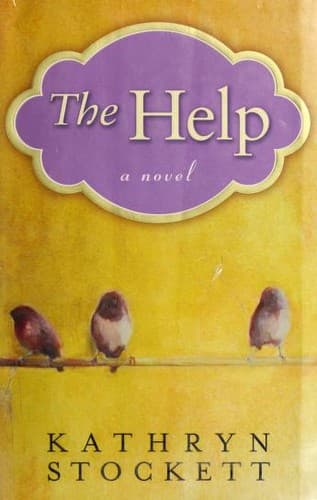
- The Help
Kathryn Stockett
4.5 (2.2M) average on GoodreadsHistorical FictionIn 1960s Mississippi, an aspiring writer and two Black maids risk everything to expose the harsh realities of their lives, defying societal norms with stories that start a quiet revolution.





Enjoyed the summary?
A summary gives you the shape of the book. The book itself has the detail, the examples and the voice.
Find Jasper Jones on AmazonAs an Amazon Associate, BookBrief earns from qualifying purchases. How we're funded