

Synopsis
Covers the whole plot, including the ending.
- Difficulty
- Easy
- Pacing
- Moderate
- Mood
- Empowering, Humorous, Reflective, Insightful
- Read it if
- You're looking for a raw, honest, and humorous story about a young queer woman of color navigating identity, feminism, and finding her voice.
- Skip it if
- You prefer stories with clear-cut heroes and villains, or aren't interested in critiques of white feminism.
Juliet Takes a Breath Plot Summary
Covers the whole plot, including the ending.
A Life-Altering Email and a Family Revelation
Juliet Milagros Palante, a nineteen-year-old Puerto Rican lesbian from the Bronx, is accepted for a summer internship with her literary hero, Harlowe Brisbane, a white feminist author living in Portland, Oregon. This news excites Juliet, as she is eager to explore her identity and gain guidance from Harlowe. At the same time, Juliet decides to come out to her family, specifically her mother, Lourdes. The revelation is met with an uncomfortable silence and a lack of immediate acceptance from Lourdes. Juliet feels isolated and uncertain about her family's future relationship with her. Her older brother, Mateo, offers some support, but her mother's silence weighs heavily as Juliet prepares to leave for Portland, hoping the summer will provide clarity.
Arrival in Portland and Initial Disillusionment
Juliet arrives in Portland, a city very different from the Bronx, and is picked up by Harlowe Brisbane. Harlowe is a charismatic but somewhat self-absorbed white woman who immediately introduces Juliet to her eclectic circle of friends, including the artistic Ava and the insightful Zaira. Juliet is initially star-struck but quickly begins to notice differences between Harlowe's public persona as a feminist guru and her actual interactions, particularly her tendency to center her own experiences. Juliet starts her internship, which involves organizing Harlowe's extensive library and assisting with her writing, but the initial glow of meeting her idol begins to fade as she observes Harlowe's less-than-inclusive behaviors.
Exploring Portland and New Relationships
As Juliet navigates her new surroundings, she spends more time with Ava and Zaira, who become important figures in her summer. Ava, a Black artist, introduces Juliet to the queer and art scenes in Portland, taking her to parties and community events. Zaira, a queer Black woman who works at a local bookstore, offers Juliet a more critical perspective on feminism and identity, challenging Juliet's ideas, particularly those influenced by Harlowe. Through these new friendships, Juliet begins to form her own understanding of community and belonging, separate from the direct mentorship she expected from Harlowe. She also starts developing a crush on Ava, adding another layer to her summer experience.
Harlowe's Workshop and Mounting Tensions
Juliet attends Harlowe's 'Radicalize Your Womyn' workshop, a cornerstone of Harlowe's public image. During the workshop, Harlowe's discussions on feminism and womanhood show a clear lack of intersectionality, often overlooking or simplifying the experiences of women of color and trans women. Juliet, along with Zaira and Ava, becomes increasingly uncomfortable with Harlowe's narrow definitions and privileged perspectives. The workshop shows the growing ideological gap between Harlowe's theoretical feminism and the lived realities and diverse needs of the attendees. This experience forces Juliet to re-evaluate her admiration for Harlowe and confront the limitations of her hero's teachings.
Confrontation and Disillusionment with Harlowe
Following the workshop and several other instances of Harlowe's insensitivity, Juliet, Zaira, and Ava decide to confront Harlowe directly. They express their concerns about her exclusionary feminism, particularly her inability to acknowledge her privilege and her dismissal of intersectional perspectives. The conversation is tense and difficult, with Harlowe initially defensive and resistant to their critiques. This confrontation is a turning point for Juliet, as she realizes that Harlowe, despite her intellectual contributions, is not the infallible guru she once believed her to be. The encounter creates a significant emotional distance between Juliet and Harlowe, solidifying Juliet's growing independence of thought.
Developing Feelings and Complexities with Ava
As Juliet spends more time with Ava, their connection deepens, and Juliet finds herself falling for Ava. Their relationship is a source of comfort and excitement for Juliet, offering a different kind of validation than she sought from Harlowe. However, their budding romance has its complexities. Ava, while caring and supportive, also has her own struggles and a history that occasionally surfaces, making their connection intense and sometimes challenging. Juliet grapples with her feelings for Ava, trying to understand what this new relationship means for her identity and her journey of self-discovery, especially after the emotional fallout with Harlowe.
Finding a Mentor in Zaira
With her disillusionment with Harlowe complete, Juliet increasingly turns to Zaira for guidance and intellectual mentorship. Zaira, with her sharp intellect and commitment to intersectional feminism, becomes the mentor Juliet initially sought in Harlowe. Zaira introduces Juliet to diverse authors, thinkers, and activists, helping Juliet understand race, class, gender, and sexuality in a way Harlowe never could. Zaira encourages Juliet to embrace her own unique voice and experiences as a queer Puerto Rican woman, empowering her to define feminism on her own terms. This shift in mentorship is important for Juliet's growth and understanding of herself and the world.
A Visit from Mateo and Family Reconciliation
Juliet receives a visit from her older brother, Mateo, who travels from the Bronx to see her. Mateo brings news from home, including updates on their mother, Lourdes. His visit provides Juliet with a much-needed connection to her family and a sense of grounding. Mateo reveals that Lourdes, though still struggling, is beginning to process Juliet's coming out and is starting to miss her. This conversation opens a tentative path towards reconciliation between Juliet and her mother, suggesting that while acceptance may not be immediate, it is possible. Mateo's presence reinforces Juliet's familial ties and offers emotional support during a period of intense personal growth.
The Community Gathering and Harlowe's Apology
Harlowe organizes a community gathering at her home, bringing together many of the people Juliet has met throughout the summer, including Ava and Zaira. During this event, Harlowe, having reflected on the previous confrontations and critiques, offers a public apology for her past insensitivities and her failure to fully embrace intersectionality. While the apology is not perfect, it is a significant step for Harlowe and shows a willingness to learn and grow. This moment allows for a tentative healing of the rift between Harlowe and her community, and Juliet witnesses the power of accountability and collective dialogue in creating true understanding.
Returning Home with a New Self
As the summer internship concludes, Juliet prepares to return to the Bronx. She has gained valuable experience and has undergone a transformation. She has learned to critically engage with ideas, forge her own path, and embrace her identity as a queer Puerto Rican woman. Her relationship with Ava has solidified, and she carries with her the wisdom and friendship of Zaira. With a clearer sense of self and a newfound confidence, Juliet is ready to face her family and continue the conversation about her identity, no longer seeking external validation but rooted in her own truth. The summer in Portland, though challenging, has empowered her to truly define her own narrative.
Principal Figures
Juliet Milagros Palante
Protagonist
A nineteen-year-old queer Puerto Rican woman finding her identity and voice.
Juliet is a passionate, intelligent, and initially somewhat naive nineteen-year-old from the Bronx. She is at a pivotal point in her life, having just come out as lesbian to her family and embarking on a journey to Portland to intern with her feminist idol, Harlowe Brisbane. Juliet is driven by a deep desire for self-discovery, to understand what it means to be a queer Puerto Rican woman, and to find a community where she belongs. Throughout the summer, she grapples with disillusionment, forms new relationships, and learns to critically examine the world around her, ultimately finding her own unique voice and strength. Her internal monologues and letters to Harlowe reveal her vulnerability and growth.
Relationships: Harlowe Brisbane (initial idol and mentor, later a figure of disillusionment); Ava (love interest and friend); Zaira (true mentor and friend); Lourdes Palante (mother, with whom she has a strained but evolving relationship); Mateo Palante (supportive older brother)
Harlowe Brisbane
Supporting
Juliet's feminist idol, a celebrated author with problematic views.
Harlowe Brisbane is a charismatic and successful white feminist author living in Portland, known for her influential books on women's bodies and liberation. She initially serves as Juliet's hero and mentor, but her character is revealed to be complex and often problematic. Harlowe embodies a brand of feminism that, while groundbreaking for some, lacks intersectionality and often centers her own privileged experiences, leading to unintentional exclusion and insensitivity towards women of color and other marginalized groups. She is initially resistant to critique but demonstrates a capacity for growth and self-reflection by the end of the novel.
Relationships: Juliet Palante (intern and mentee, later a critical voice); Ava (friend, but also a critic); Zaira (friend, but also a critic)
Ava
Supporting
A free-spirited Black artist and Juliet's love interest.
Ava is a vibrant, artistic, and free-spirited Black woman who becomes Juliet's love interest and a significant friend in Portland. She introduces Juliet to the city's queer community, art scene, and a more expansive understanding of identity and expression. Ava is warm, encouraging, and supportive of Juliet's journey, offering a different kind of connection than Harlowe. She also has her own complexities and past experiences that inform her perspective, making their relationship rich and sometimes challenging. Ava represents a more inclusive and lived experience of queer identity.
Relationships: Juliet Palante (love interest and friend); Harlowe Brisbane (friend); Zaira (friend)
Zaira
Supporting
A queer Black woman and insightful mentor to Juliet.
Zaira is a sharp, intelligent, and grounded queer Black woman who works at a local bookstore and is part of Harlowe's social circle. She quickly becomes a true mentor to Juliet, offering a critical and intersectional perspective on feminism, race, and identity. Zaira challenges Juliet's initial hero-worship of Harlowe and introduces her to a wider range of diverse thinkers and activists. She is direct, honest, and deeply committed to social justice, providing Juliet with the intellectual tools and emotional support needed to define her own feminism and embrace her multifaceted identity. Zaira's wisdom is instrumental in Juliet's growth.
Relationships: Juliet Palante (mentee and friend); Harlowe Brisbane (friend, but also a critic); Ava (friend)
Lourdes Palante
Supporting
Juliet's mother, struggling to accept her daughter's identity.
Lourdes Palante is Juliet's mother, a Puerto Rican woman from the Bronx. She is initially resistant and silent when Juliet comes out as lesbian, causing significant emotional pain and uncertainty for Juliet. Lourdes represents the traditional familial expectations and cultural norms that Juliet is challenging. While her initial reaction is one of discomfort and lack of immediate acceptance, the novel subtly suggests her eventual journey towards understanding and reconciliation, primarily through her son Mateo's updates. Her struggle highlights the generational and cultural gaps in accepting LGBTQ+ identities within some communities.
Relationships: Juliet Palante (daughter, with a strained but evolving relationship); Mateo Palante (son)
Mateo Palante
Supporting
Juliet's supportive older brother.
Mateo Palante is Juliet's older brother, who offers a crucial source of familial support and connection. While not physically present for most of Juliet's summer in Portland, his phone calls and eventual visit provide comfort and a bridge to her family back in the Bronx. Mateo is more accepting and understanding of Juliet's identity than their mother, and he acts as an intermediary, relaying messages and insights about Lourdes's evolving perspective. He embodies unconditional sibling love and provides a grounding presence for Juliet amidst her journey of self-discovery.
Relationships: Juliet Palante (sister); Lourdes Palante (mother)
Mrs. Ramona
Mentioned
A family friend from the Bronx.
Mrs. Ramona is a family friend from the Bronx, mentioned in Juliet's thoughts and letters. She represents the familiar, close-knit community Juliet leaves behind. While not a major character, her mention highlights Juliet's connection to her roots and the cultural backdrop of her upbringing. She serves as a touchstone for Juliet's reflections on her past and her identity within her Puerto Rican community.
Relationships: Juliet Palante (family friend); Lourdes Palante (friend)
Cher
Mentioned
A friend from Juliet's past.
Cher is a friend of Juliet's from the Bronx, briefly mentioned early in the novel. She represents Juliet's pre-Portland life and friendships, providing context for Juliet's departure and her initial feelings of isolation. Her presence in Juliet's thoughts helps to establish the contrast between Juliet's old life and her new experiences in Portland.
Relationships: Juliet Palante (friend)
Themes & Insights
Identity and Self-Discovery
The novel focuses on Juliet's journey to understand her multifaceted identity as a queer Puerto Rican woman. She grapples with what it means to be a lesbian, how her cultural heritage intersects with her sexuality, and how to define herself outside of others' expectations. Her move to Portland and her interactions with Harlowe, Ava, and Zaira force her to critically examine her beliefs and embrace her unique voice. This theme is evident as Juliet questions Harlowe's universalizing feminism and finds empowerment in Zaira's intersectional teachings, leading her to a more authentic sense of self.
“Maybe this whole summer was just a way for me to find my own voice. Not Harlowe's voice, not my mom's voice, not even Ava's voice. Just my own.”
Intersectional Feminism vs. White Feminism
A central theme is the critique of mainstream, white-centric feminism through Juliet's disillusionment with Harlowe Brisbane. Harlowe's 'Radicalize Your Womyn' workshop and her general discourse show a lack of awareness regarding race, class, and trans experiences. In contrast, Zaira and Ava introduce Juliet to intersectional feminism, which acknowledges how different forms of oppression intersect. Juliet learns that true feminism must be inclusive and consider the diverse experiences of all women, not just those from privileged backgrounds. This ideological clash drives Juliet's intellectual and emotional growth.
“Feminism isn't just about women. It's about intersectionality. It's about how race, class, gender, and sexuality all come together to make us who we are.”
Family and Acceptance
Juliet's relationship with her family, particularly her mother Lourdes, forms an emotional backdrop. Her coming out is met with silence and discomfort, creating a rift that Juliet hopes to heal. The novel explores the pain of familial non-acceptance and the slow, often difficult, process of reconciliation. Mateo's support acts as a bridge, and by the end, there is a hopeful indication that Lourdes is beginning to process Juliet's identity. This theme highlights the challenges many LGBTQ+ individuals face in securing acceptance from their loved ones and the importance of family.
“I wanted my mom to say something, anything, besides silence. Silence was the heaviest thing I'd ever felt.”
Mentorship and Disillusionment
The theme of mentorship is explored through Juliet's changing relationships with Harlowe and Zaira. Initially, Juliet idolizes Harlowe, seeking her as a mentor to guide her queer feminist journey. However, she experiences disillusionment as Harlowe's limitations and problematic views become apparent. This leads Juliet to find a more authentic and inclusive mentor in Zaira, who truly helps her grow. The novel suggests that mentorship is not about finding a perfect guru, but about learning to critically evaluate, absorb diverse perspectives, and ultimately, become one's own guide.
“Harlowe wasn't a god. She was just a woman, doing her best, but sometimes her best wasn't good enough for all of us.”
Community and Belonging
Juliet's journey involves finding a sense of belonging outside of her initial family and idol. In Portland, she discovers a queer community through Ava and Zaira, attending parties, art shows, and discussions that resonate with her. This newfound community provides her with support, understanding, and a place where her multiple identities are celebrated. The novel emphasizes the importance of chosen family and finding spaces where one feels seen and valued, especially when traditional familial structures may not offer immediate acceptance.
“This was what community felt like. Not just being around people, but being seen by them.”
Plot Devices & Literary Techniques
Epistolary Elements (Letters to Harlowe)
Juliet's internal thoughts and reflections expressed as unsent letters.
Throughout the novel, Juliet writes unsent letters to Harlowe Brisbane, her feminist idol. These letters serve as a powerful plot device, allowing the reader direct access to Juliet's evolving thoughts, feelings, and critical observations. They track her initial awe, her growing disillusionment, and her ultimate intellectual independence. The letters provide a deeply personal and intimate narrative voice, revealing Juliet's internal struggles and growth in real-time, functioning almost like a diary that she addresses to her changing perception of her hero.
Coming-of-Age Journey
The narrative structure follows Juliet's transition from adolescence to young adulthood.
The entire plot is framed as a coming-of-age story, focusing on Juliet's summer of self-discovery. Her journey from the Bronx to Portland symbolizes her transition from a familiar, somewhat sheltered existence to a more independent and challenging world. The narrative arc follows her grappling with identity, sexuality, family conflict, and intellectual disillusionment. This device allows for exploration of typical adolescent themes like first love and finding one's place, but through the specific lens of queer, Puerto Rican identity, making her growth multi-layered and impactful.
Symbolism of Portland vs. The Bronx
Geographical locations representing different stages of Juliet's identity.
The contrasting settings of the Bronx and Portland serve as significant symbolic plot devices. The Bronx represents Juliet's roots, family, cultural heritage, and the initial discomfort of her coming out. Portland, on the other hand, symbolizes new beginnings, self-exploration, queer community, and a more expansive, albeit sometimes problematic, understanding of feminism. The physical distance between the two places mirrors Juliet's emotional and intellectual journey away from her past assumptions and towards a more independent future, even as she carries her heritage with her.
The 'Radicalize Your Womyn' Workshop
A central event that exposes ideological clashes and drives character development.
Harlowe Brisbane's 'Radicalize Your Womyn' workshop acts as a pivotal plot device. It is initially presented as the culmination of Harlowe's wisdom, but instead becomes the catalyst for Juliet's disillusionment. The workshop scenes are where Harlowe's lack of intersectionality and privilege are most explicitly revealed, leading to the direct confrontation between Juliet, Zaira, Ava, and Harlowe. This event forces Juliet to critically examine her idol and actively seek out more inclusive forms of feminism, propelling her character arc forward and establishing Zaira as her true mentor.
Juliet Takes a Breath Quotes
“I was looking for a sign to quit my shitty job, to stop dating the same person I’d been dating since high school, to stop living in the same house I’d grown up in and the same town I’d always lived in. I was looking for a sign to make some moves and shake some things up.”
“There’s a freedom in knowing your own power, in knowing you don’t need anyone else to validate you.”
“Feminism isn’t just for white women. It’s for everyone. It needs to be for everyone. If it’s not, then it’s not really feminism.”
“Sometimes you have to break things to make them better.”
“It’s okay to be angry. It’s okay to feel everything. It’s okay to not be okay. Just don’t get stuck there.”
“Being a queer brown girl is a superpower. Don’t let anyone tell you otherwise.”
“The world isn’t just black and white. There are so many shades of gray, so many colors in between. And that’s where the magic happens.”
“You can’t fix everyone, and you can’t save everyone. Sometimes you just have to save yourself.”
“The people who love you will love you for exactly who you are, even when you’re still figuring that out.”
“Writing is breathing. It’s how I make sense of the world, how I put all the swirling thoughts and feelings into some kind of order.”
“Sometimes the biggest lessons come from the people you least expect.”
“Your voice matters. Your story matters. Don’t ever let anyone silence you.”
“Home isn't always a place. Sometimes it's a feeling. Sometimes it's a person. And sometimes, it's yourself.”
“It’s about showing up for yourself, even when it’s hard. Especially when it’s hard.”
Quiz
10 questions on the plot and the characters. Each answer comes with a short explanation.
Question 1
Where does Juliet Milagros Palante move to for her summer internship?
- New York City
- Portland, Oregon
- San Juan, Puerto Rico
- Los Angeles, California
Show answer
B. Portland, Oregon Juliet leaves the Bronx to intern with Harlowe Brisbane in Portland, Oregon, hoping to figure out her identity there.
Question 2
What is the primary reason Juliet is seeking an internship with Harlowe Brisbane?
- To learn about publishing and editing.
- To escape her family problems back in the Bronx.
- To figure out her identity as a Puerto Rican lesbian, inspired by Harlowe's work.
- To explore the Pacific Northwest's natural beauty.
Show answer
C. To figure out her identity as a Puerto Rican lesbian, inspired by Harlowe's work. Juliet is grappling with her identity as a Puerto Rican lesbian after coming out to her family and sees Harlowe Brisbane, an author on feminism and women's bodies, as an ultimate authority to help her navigate this.
Question 3
What is Juliet's biggest concern regarding her family when she leaves for Portland?
- Her siblings will miss her too much.
- Her father will disapprove of her career choice.
- Her mom might never speak to her again after she came out.
- They won't be able to afford her college tuition.
Show answer
C. Her mom might never speak to her again after she came out. The synopsis explicitly states that Juliet 'just came out to her family and isn’t sure if her mom will ever speak to her again,' highlighting this as a major unresolved issue.
Question 4
What does Juliet initially perceive Harlowe Brisbane to be?
- A close friend and confidante.
- An ultimate authority on feminism, women's bodies, and queer issues.
- A distant and unapproachable celebrity.
- A demanding and critical boss.
Show answer
B. An ultimate authority on feminism, women's bodies, and queer issues. Juliet views Harlowe as 'the ultimate authority on feminism, women’s bodies, and other gay-sounding stuff,' indicating a high level of respect and expectation for guidance.
Question 5
Which of the following best describes the central theme of Juliet's journey?
- The pursuit of a successful career in writing.
- The challenge of adapting to a new city and making friends.
- Self-discovery, identity formation, and confronting personal truths.
- Reconciling with estranged family members.
Show answer
C. Self-discovery, identity formation, and confronting personal truths. The synopsis emphasizes Juliet's internal struggle to 'figure out this whole 'Puerto Rican lesbian' thing' and 'takes on Portland, Harlowe, and most importantly, herself,' pointing to self-discovery as the core theme.
Question 6
What is the primary conflict Juliet faces during her summer in Portland?
- Struggling to manage her finances and living expenses.
- A clash with Harlowe Brisbane's personal beliefs and actions, challenging Juliet's initial idealization.
- Difficulty finding a community of queer people in Portland.
- Dealing with the cold and rainy weather of the Pacific Northwest.
Show answer
B. A clash with Harlowe Brisbane's personal beliefs and actions, challenging Juliet's initial idealization. The phrase 'Juliet takes on Portland, Harlowe, and most importantly, herself' hints at a challenge with Harlowe, suggesting that Harlowe might not live up to Juliet's expectations, leading to a re-evaluation of her 'ultimate authority' status.
Question 7
Which aspect of Juliet's identity is highlighted as a specific focus for her self-discovery?
- Her artistic talents.
- Her academic aspirations.
- Her Puerto Rican and lesbian identities.
- Her role within her extended family.
Show answer
C. Her Puerto Rican and lesbian identities. The text explicitly states Juliet's plan is 'going to help her figure out this whole 'Puerto Rican lesbian' thing,' making these two aspects central to her journey.
Question 8
The synopsis states Juliet 'just came out to her family.' What does this event signify for her journey?
- It resolves her family conflicts, allowing her to focus on her internship.
- It is a catalyst for her seeking external guidance and a new environment to process her identity.
- It ensures she has her family's full support for her move to Portland.
- It makes her feel more confident and secure in her identity before leaving.
Show answer
B. It is a catalyst for her seeking external guidance and a new environment to process her identity. Coming out to her family and the subsequent uncertainty about her mother's reaction ('isn’t sure if her mom will ever speak to her again') is a key unresolved issue that prompts Juliet's journey to Portland to find answers and understanding about her identity.
Question 9
What does the phrase 'Is that even possible? Or is she running away from all the problems that seem too big to handle?' imply about Juliet's summer plans?
- It suggests that her internship with Harlowe Brisbane is purely a professional opportunity.
- It highlights the internal conflict between genuine self-discovery and escapism.
- It questions the practicalities of living in Portland on an intern's salary.
- It indicates that her family fully supports her decision to move.
Show answer
B. It highlights the internal conflict between genuine self-discovery and escapism. This rhetorical question directly addresses the core tension of the narrative: whether Juliet's journey is a proactive step towards growth or a reactive flight from her difficulties. This internal debate is central to her character arc.
Question 10
How does Juliet's initial perception of Harlowe Brisbane contribute to the potential for her 'magical summer' to be more complex than expected?
- Harlowe's strict mentorship style will likely stifle Juliet's creativity.
- Harlowe's reputation as an 'ultimate authority' sets high, possibly unrealistic, expectations for Juliet, leading to potential disillusionment.
- Harlowe will introduce Juliet to a supportive community that immediately solves all her problems.
- Harlowe will provide Juliet with a direct path to reconciling with her mother.
Show answer
B. Harlowe's reputation as an 'ultimate authority' sets high, possibly unrealistic, expectations for Juliet, leading to potential disillusionment. By viewing Harlowe as an 'ultimate authority,' Juliet likely holds an idealized image. The narrative suggests that 'figuring out her life' might not be as straightforward as she hopes, implying that Harlowe, or the experience, might not live up to these high expectations, forcing Juliet to find answers within herself.
Juliet Takes a Breath FAQ
What is 'Juliet Takes a Breath' about?
'Juliet Takes a Breath' follows Juliet Milagros Palante, a recently out Puerto Rican lesbian from the Bronx, as she interns with her feminist idol, Harlowe Brisbane, in Portland, Oregon. Over the summer, Juliet grapples with her identity, family acceptance, complex feminist ideals, and navigating new relationships and self-discovery away from home.
Why should I read 'Juliet Takes a Breath'?
You should read this book for its honest and often humorous exploration of intersectional feminism, queer identity, and the messy process of self-discovery. It offers a refreshing perspective on finding community, challenging your idols, and understanding that personal growth is rarely linear, especially for young queer women of color.
What is the background/setting of 'Juliet Takes a Breath'?
The story is primarily set in Portland, Oregon, a stark contrast to Juliet's familiar Bronx neighborhood. Portland serves as a backdrop for Juliet's exploration of new communities, different facets of queer culture, and the often-unexamined privileges within white feminist spaces, all while she carries the weight of her family's reactions back home.
What are the most memorable quotes?
One memorable quote is, 'You're allowed to change your mind. You're allowed to be more than one thing.' This encapsulates Juliet's journey of self-acceptance and evolving perspectives. Another is, 'Feminism is not a finish line; it’s a journey,' which reflects her learning about the complexities and imperfections of the movement.
What writing style does the author use?
Gabby Rivera uses an engaging, conversational, and often witty first-person narrative voice through Juliet. The style is direct and authentic, incorporating Juliet's internal monologues, observations, and emotional responses, making the reader feel deeply connected to her journey and growth.
What minor details add significant meaning?
Juliet's consistent journaling and letter-writing to Harlowe, even before meeting her, highlight her deep yearning for guidance and validation, showing her initial idealized view of Harlowe. The recurring mention of her 'baby dyke' status subtly emphasizes her newness to the queer community and her learning curve.
What are some subtle foreshadowing moments?
Early on, Juliet's initial awe of Harlowe, bordering on hero-worship, subtly foreshadows her eventual disillusionment and the realization that her idol is a flawed human. Also, the brief mentions of Harlowe's past relationships or controversies hint at the deeper issues Juliet will uncover about her.
What unexpected character connections exist?
The unexpected connection between Juliet and Harlowe's ex-girlfriend, Leah, provides Juliet with crucial alternative perspectives on Harlowe and the broader feminist movement. This relationship allows Juliet to see beyond Harlowe's curated image and understand the nuances of her past actions.
What are unspoken character motivations?
Harlowe Brisbane's unspoken motivation seems to be a desire to maintain her image as a leading feminist authority, which sometimes overrides her willingness to engage in difficult conversations about intersectionality or acknowledge her own biases. She wants to be seen as the ultimate mentor, perhaps to fill a void in her own life.
What psychological complexities do characters exhibit?
Juliet exhibits the psychological complexity of navigating imposter syndrome and the pressure to 'perform' her identity, especially as a young, queer woman of color in predominantly white spaces. Harlowe shows the complexity of a public figure grappling with their own privilege and the evolving demands of the movements they champion, struggling to adapt.
What are the major emotional turning points?
A major emotional turning point is when Juliet discovers Harlowe's problematic past writings and her dismissive attitude towards critiques from women of color. This shatters Juliet's idealized view of her mentor, forcing her to re-evaluate her understanding of feminism and her own self-worth.
How do relationship dynamics evolve?
The relationship between Juliet and Harlowe evolves from pure admiration to disillusionment, then to a more nuanced understanding of flawed mentorship. Juliet's relationship with her mother also evolves from strained silence to tentative reconciliation, marked by growing understanding and acceptance, even if imperfect.
Which parts remain ambiguous or open-ended?
The full extent of Juliet's mother's acceptance by the end remains somewhat ambiguous; while there's progress, the journey of family reconciliation is clearly ongoing. Also, Juliet's long-term career path and her definitive place within the broader queer feminist movement are left open-ended, suggesting continued growth.
What are controversial scenes or decisions?
Harlowe Brisbane's controversial decision to publish a book that is critiqued for its lack of intersectionality and her subsequent defensiveness when confronted by Juliet and others is a key contentious point. This scene highlights the real-world debates within feminist circles about inclusivity and accountability.
'Juliet Takes a Breath' ending explained: how it ends & what it means
The book ends with Juliet returning to the Bronx, not with all the answers, but with a stronger sense of self and purpose. She has learned to critically engage with feminism, found new communities, and begun to heal her relationship with her mother. The ending signifies that self-discovery is a continuous process, and that true strength comes from within and from chosen community, not from external idols.
About the author

GabRivera is an author known for their work in fiction, particularly for the novel "Juliet Takes a Breath." The book explores themes of identity and self-discovery through the journey of a young Latina woman. Rivera's writing often addresses issues of race, sexuality, and feminism.
Similar books
- The Miseducation of Cameron Post
Emily M. Danforth
4.0 (38k) average on GoodreadsHistorical FictionExplores a young queer woman's coming-of-age and self-discovery in a new environment.
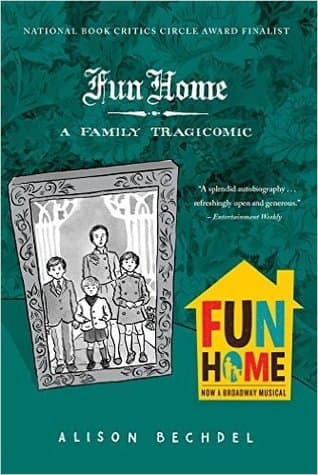
- Fun Home: A Family Tragicomic
Alison Bechdel
4.1 (130k) average on GoodreadsBiographyDeals with themes of coming out, family dynamics, and grappling with complex parental figures.
- The Hate U Give
Angie Thomas
4.5 (504k) average on GoodreadsYoung AdultBoth novels powerfully address racial injustice and activism. However, The Hate U Give focuses on the external pressures of systemic racism and police brutality, while Juliet Takes a Breath distinguishes itself by examining the internal struggles of a young woman grappling with the nuances of identity and belonging within a white-dominated progressive movement.
- Harry Potter and the Sorcerer's Stone
J.K. Rowling
4.5 (7M) average on GoodreadsFantasyRescued from a miserable life under the stairs, an orphaned boy discovers he's a wizard destined for a magical school, where he uncovers a dangerous secret tied to the dark wizard who murdered his parents.
- The Hunger Games
Suzanne Collins
4.3 (6.4M) average on GoodreadsFantasyIn a future where children fight to the death on live television, Katniss Everdeen volunteers for the arena, turning a death sentence into a fight for survival and a spark of rebellion.
- To Kill a Mockingbird
Harper Lee
4.3 (4.5M) average on GoodreadsHistorical FictionIn the 1930s Jim Crow South, Harper Lee writes about racial injustice, moral growth, and the quiet courage of a lawyer father, Atticus Finch, as seen through his young daughter's eyes.





Enjoyed the summary?
A summary gives you the shape of the book. The book itself has the detail, the examples and the voice.
Find Juliet Takes a Breath on AmazonAs an Amazon Associate, BookBrief earns from qualifying purchases. How we're funded