
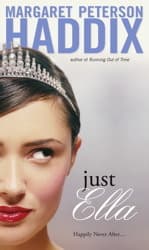
Synopsis
Covers the whole plot, including the ending.
- Difficulty
- Easy
- Pacing
- Moderate
- Mood
- Witty, Rebellious, Romantic, Humorous
- Read it if
- You enjoy a fresh, subversive take on classic fairy tales, strong female protagonists who defy expectations, and stories with a blend of romance and adventure.
- Skip it if
- You prefer traditional fairy tales with straightforward happy endings and don't enjoy stories that critique royal life or societal norms.
Just Ella Plot Summary
Covers the whole plot, including the ending.
Ella's Unwanted Engagement and Palace Life
After the ball and the glass slipper incident, Ella goes to the Royal Palace to prepare for her marriage to Prince Charming. She quickly finds that her new life is not the fairy tale she imagined. Instead of romance, she faces endless lessons in royal etiquette, history, and needlepoint, all to make her a 'proper lady.' Prince Charming, though handsome, is uninteresting and lacks any real connection with Ella. He seems more concerned with appearances and his royal duties than with Ella. Ella feels trapped and unhappy, missing her old life and the freedom she had, and starts to wonder if this marriage is what she truly wants.
Meeting Jed and the Seeds of Doubt
While struggling with her lessons, Ella meets Jed, a young palace scholar assigned to teach her royal history and genealogy. Unlike Prince Charming, Jed is intelligent, witty, and challenges Ella's ideas. They quickly become friends, discussing books and ideas, and Ella genuinely enjoys their conversations. Jed encourages Ella to think critically and question the palace's strict rules. This connection with Jed makes Ella's upcoming marriage to Prince Charming even less appealing, as she realizes what she is missing in terms of intellectual and emotional connection. Their bond grows, creating tension in the palace as Ella spends more time with Jed than with her fiancé.
The Proposal and Ella's Reluctance
Prince Charming officially proposes to Ella, but her response is not enthusiastic, which displeases the King. The King, a practical and controlling ruler, makes it clear to Ella that breaking the engagement is not an option. He explains the political and economic advantages of the marriage, especially how Ella's commoner background makes her a popular symbol of hope for the kingdom. Ella feels great pressure and understands the seriousness of the situation, realizing that her personal happiness is less important than the kingdom's stability and the royal family's image. Despite her doubts, she feels forced to accept, fearing the consequences of refusal and the King's subtle threats.
Jed's Secret and the Forbidden Kiss
Ella learns that Jed is not just a tutor but also the Royal Librarian, an important position in the palace, though still below her royal status. Their connection deepens, and one evening, while discussing a book, they share a passionate, forbidden kiss. This moment confirms Ella's feelings for Jed and her complete lack of interest in Prince Charming. The kiss is a turning point, solidifying Ella's desire to escape the unwanted marriage and seek her own happiness, even if it means defying the King and the entire royal court. The secret nature of their relationship adds to the excitement and risk of their growing affection.
The King's Revelation and Ella's Despair
The King, noticing Ella's growing disobedience, confronts her and reveals a shocking secret: Ella is not an orphan as she believed. Her parents were political dissidents executed by the crown, and the King arranged her rescue and placement with her stepmother to keep her whereabouts unknown. He implies that her survival and eventual marriage to Prince Charming are part of a larger, long-term plan to make his rule legitimate and prevent future rebellions. This revelation shatters Ella's sense of identity and increases her feeling of being a pawn in the King's plans. She feels completely trapped, realizing how much the King has manipulated her and how much her life has been controlled.
Jed's Plan for Escape
Jed, seeing Ella's despair and understanding the King's manipulative nature, creates a plan for her escape. He suggests that Ella fake an illness, specifically a contagious and incurable disease, to make her undesirable as a royal bride. His plan uses obscure historical texts and ancient remedies to create a convincing act. Jed's loyalty and cleverness give Ella hope, and she agrees to participate, seeing it as her only way to freedom. They begin to meticulously plan the details, gathering the necessary items and practicing their roles, knowing that failure could have serious consequences for both of them.
The Fake Illness and Royal Panic
Following Jed's instructions, Ella begins to show symptoms of a mysterious, weakening illness. She fakes weakness, develops strange rashes, and complains of internal pains, making herself appear increasingly sick. The royal physicians are confused, and the King and Queen grow more concerned about the potential contagion and the effect on the royal line. Prince Charming, though initially concerned, soon focuses more on his own image and the political implications of marrying a 'diseased' princess. Ella endures discomfort and isolation, but she keeps up her act, knowing that her freedom depends on convincing everyone of her worsening health.
The King's Desperate Measures
As Ella's 'illness' continues, the King, unwilling to let the beneficial marriage fail, brings in a known, but ruthless, physician known for his unusual and often painful methods. This new physician, Dr. Max, is determined to cure Ella, no matter the cost to her. He subjects Ella to various unpleasant treatments and closely watches her, making it much harder for her to keep up her act. The risks are higher, and Ella and Jed must be even more careful and clever to avoid being caught, knowing that Dr. Max's close watch could expose their deception and lead to severe punishment.
Jed's Exposure and Ella's Confession
Dr. Max, suspicious of Ella's changing symptoms and Jed's frequent presence, eventually exposes Jed's role in the deception. Faced with Jed's coming punishment and the threat of torture, Ella confesses the entire plot. In her confession, she also reveals the King's manipulative actions, including the truth about her parents and his long-term scheme. This public confession, made before the royal court and Dr. Max, exposes the King's true character and how much he controlled Ella's life. The revelation shocks the court, turning public opinion against the King and showing why Ella was so desperate to escape.
The Aftermath and Ella's Choice
After Ella's confession, the King, his reputation badly damaged, is forced to release Ella from her engagement. While there are still consequences for her disobedience and Jed's involvement, the public sympathy from Ella's story prevents severe punishment. Ella is given a choice: she can stay in the palace, without the pressure of marriage, or she can leave. She chooses to leave, embracing her freedom and the chance to make her own path. Jed, having shown his loyalty and intellect, is given a more respected position within the kingdom, allowing him to stay near Ella as they begin to explore a future together outside the royal family's control.
Principal Figures
Ella
Protagonist
A pragmatic and intelligent commoner forced into a royal engagement she desperately wants to escape.
Ella is the clever, spirited, and resourceful protagonist who, after the glass slipper incident, finds herself betrothed to Prince Charming. She is not a traditional damsel in distress; instead, she is highly intelligent, observant, and deeply values her freedom and intellectual stimulation. She quickly becomes disillusioned with palace life and the superficiality of her fiancé. Driven by a desire for genuine connection and self-determination, she actively seeks a way out of her unwanted marriage. Her journey is one of self-discovery and rebellion against societal expectations, culminating in her taking control of her own destiny.
Relationships: Prince Charming (Fiancé, unloved and uninteresting); Jed (Love interest, intellectual companion, co-conspirator); The King (Manipulative oppressor, adoptive guardian); The Queen (Indifferent, concerned with appearances); Dr. Max (Antagonistic physician, ultimately a catalyst for truth)
Prince Charming
Antagonist/Love Interest (initial)
Ella's handsome but dull and self-absorbed royal fiancé.
Prince Charming is presented as the archetypal fairy tale prince: handsome, regal, and expected to be the perfect match. However, from Ella's perspective, he is utterly boring, superficial, and more concerned with his royal image and duties than with any genuine connection with her. He lacks intellectual depth and emotional warmth, making him an unappealing partner for the intelligent Ella. His passivity and self-absorption make him an obstacle to Ella's happiness, rather than a romantic hero. He represents the restrictive and unfulfilling aspects of royal life that Ella despises.
Relationships: Ella (Fiancé, unloved); The King (Father, political ally); The Queen (Mother)
Jed
Love Interest/Supporting
A clever and loyal palace scholar who becomes Ella's confidant and co-conspirator.
Jed is the Royal Librarian and Ella's history tutor, initially appearing as a humble palace staff member. He is intelligent, witty, and shares Ella's love for books and critical thinking. Unlike Prince Charming, Jed sees and appreciates Ella for her mind and spirit, not just her royal status. He becomes her closest confidant and ultimately devises the elaborate plan for her escape. Jed is fiercely loyal to Ella, even risking his own safety and position to help her, and represents the intellectual and emotional connection that Ella craves. His resourcefulness and bravery are crucial to the plot.
Relationships: Ella (Love interest, intellectual companion, co-conspirator); The King (Employer, antagonist)
The King
Antagonist
The manipulative and pragmatic ruler who orchestrates Ella's marriage for political gain.
The King is the primary antagonist of the story, a shrewd and calculating ruler who views Ella as a political tool rather than a person. He is obsessed with maintaining power and stability, and he orchestrated Ella's upbringing and her marriage to Prince Charming to legitimize his rule and prevent future rebellions, particularly after her parents, who were political dissidents, were executed by the crown. He is cold, controlling, and willing to use deception and intimidation to achieve his goals. He represents the oppressive patriarchal power structure that Ella fights against.
Relationships: Ella (Manipulative guardian, political pawn); Prince Charming (Son, heir); The Queen (Wife)
The Queen
Supporting
The Prince's mother, more concerned with appearances and etiquette than genuine emotion.
The Queen is a largely passive but influential figure in the palace. She embodies the strict adherence to royal protocol and appearances. She is primarily concerned with Ella fitting into the role of a 'proper lady' and upholding the dignity of the crown. She lacks the King's manipulative cunning but shares his superficiality and disinterest in Ella's personal happiness. Her primary role is to reinforce the rigid expectations of royal life and to oversee Ella's transformation into a suitable princess, often contributing to Ella's feeling of suffocation.
Relationships: Ella (Future daughter-in-law, object of etiquette lessons); The King (Husband); Prince Charming (Son)
Dr. Max
Supporting
A renowned and ruthless physician brought in to cure Ella's 'illness'.
Dr. Max is a highly skilled but intimidating physician known for his unconventional and often painful methods. He is brought into the palace by the King when Ella's 'illness' proves intractable to the other royal doctors. Dr. Max's intense scrutiny and determination to find a cure pose a significant threat to Ella and Jed's deception. He is intelligent and observant, eventually uncovering Jed's involvement in Ella's charade. While an antagonist to Ella's plan, his persistence ultimately forces Ella's confession, inadvertently leading to her freedom and the exposure of the King's secrets.
Relationships: Ella (Patient, object of suspicion); Jed (Suspect); The King (Employer)
Ella's Stepmother
Mentioned
Ella's former guardian, who unknowingly participated in the King's scheme.
Ella's Stepmother is the woman who raised Ella and sent her to the ball. While not physically present in the palace, her past actions and relationship with Ella are significant. She is portrayed as somewhat vain and ambitious, pushing Ella towards the Prince, but she is ultimately revealed to be an unwitting pawn in the King's larger political game. She genuinely believed she was acting in Ella's best interest by securing a royal match, unaware of Ella's true parentage or the King's manipulative intentions.
Relationships: Ella (Stepmother, guardian)
Ella's Stepsisters
Mentioned
Ella's envious and less fortunate stepsisters.
Ella's Stepsisters are only briefly mentioned within the palace setting, serving as a reminder of Ella's past life and the initial, seemingly desirable escape from their household. They are envious of Ella's new royal status, unaware of the misery it brings her. They represent the superficial allure of royalty and the common misconception that being a princess automatically equates to happiness. Their fate, without a royal marriage, highlights the stark contrast to Ella's 'fortunate' escape, which Ella herself comes to question.
Relationships: Ella (Stepsisters)
Themes & Insights
Identity and Self-Determination
The novel explores Ella's struggle to define herself amidst societal expectations and royal manipulations. Stripped of her commoner identity and forced into a role she dislikes, Ella fights to reclaim her independence. Her discovery of her true parentage and the King's plan further complicates her sense of self, making her search for self-determination more urgent. She rejects the role of 'Princess' to make her own path, choosing freedom over a life of unhappiness, shown by her decision to leave the palace rather than remain a figurehead.
“I’m not a princess. I’m just Ella.”
The Illusion vs. Reality of Fairy Tales
Haddix changes the traditional Cinderella story, revealing the harsh realities behind the 'happily ever after.' Ella quickly learns that being a princess involves more strict etiquette, political maneuvering, and a dull fiancé than romance or freedom. The glass slipper, a symbol of magic and destiny in the original tale, becomes a symbol of her entrapment. The book challenges readers to look beyond the glamour of fairy tales and consider the true costs of such a life, especially for a spirited and intelligent young woman.
“Happily ever after wasn’t a destination, it was a decision.”
Love vs. Duty
A main conflict for Ella is choosing between her duty to the kingdom (as told by the King) and her personal desire for love and happiness with Jed. The King manipulates her into believing her marriage is necessary for political stability, framing it as a duty. However, Ella finds real emotional and intellectual connection with Jed, making her duty to Prince Charming feel like a betrayal of herself. Her decision to expose the King and break the engagement puts her true self and the possibility of real love first over a forced, loveless union for the sake of royal duty.
“I can’t marry him. Not if it means marrying a title and not a man.”
The Nature of Power and Manipulation
The King shows how power can corrupt and how far those in authority will go to keep it. He manipulates Ella's entire life, from her adoption to her engagement, for political gain. His actions show how power can control individuals and stories, twisting truth for selfish reasons. Ella's journey is a rebellion against this manipulation, as she seeks to expose the King's deceit and reclaim control over her own story and future, showing the importance of speaking truth to power.
“The King didn't want a princess; he wanted a symbol.”
Intellect and Education vs. Superficiality
The difference between Ella's love for learning and critical thinking, encouraged by Jed, and the superficial lessons of royal etiquette shows this theme. Palace life prioritizes appearances, lineage, and social graces over true intelligence or substance. Prince Charming shows this superficiality, while Jed represents the value of knowledge and depth. Ella's intellectual curiosity is what makes her ill-suited for the princess role and what connects her to Jed, showing that true fulfillment comes from using one's mind rather than following shallow societal norms.
“There were so many books, so many places to go without moving a single inch.”
Plot Devices & Literary Techniques
The Glass Slipper
A symbol of destiny and entrapment, ironically leading to Ella's misery.
The glass slipper, a classic fairy tale motif, is used ironically in 'Just Ella'. Instead of being a symbol of magical destiny and a gateway to happiness, it becomes the instrument of Ella's entrapment in an unwanted royal life. Its perfect fit seals her fate, but this fate is one of boredom and manipulation, not romance. The slipper represents the superficiality of the fairy tale ideal, as it focuses solely on external appearance and a 'perfect match' without considering the person beneath the finery, ultimately leading Ella to question the very notion of 'happily ever after'.
The Fake Illness
A strategic deception used by Ella and Jed to escape the unwanted marriage.
The fake illness is a crucial plot device that drives the climax of the story. It serves as Ella's only viable means of escape from the politically motivated marriage. This deception highlights Ella's intelligence and resourcefulness, as well as Jed's cleverness and loyalty. It creates suspense and tension as they meticulously carry out the plan under increasing scrutiny, particularly from Dr. Max. The 'illness' forces the King's hand and ultimately leads to Ella's confession, revealing the deeper truths of the King's manipulation and securing her freedom.
The Royal Palace
A gilded cage that symbolizes confinement and the illusion of grandeur.
The Royal Palace, initially appearing as a place of luxury and privilege, quickly transforms into a symbol of Ella's confinement. Its opulent halls, endless lessons, and rigid protocols represent the restrictive nature of royal life. It's a 'gilded cage' where personal freedom and genuine expression are sacrificed for appearances and political agendas. The palace setting emphasizes the contrast between the external splendor and Ella's internal misery, underscoring the theme that wealth and status do not equate to happiness or freedom.
Jed's Role as Librarian/Scholar
A symbol of intellect and genuine connection, providing Ella with an alternative to superficiality.
Jed's position as the Royal Librarian and Ella's tutor is a significant plot device. It allows him to interact with Ella on an intellectual level, providing her with the mental stimulation and genuine conversation that Prince Charming lacks. His access to obscure historical texts and his knowledge are crucial for devising the fake illness plan. More importantly, his role represents the value of knowledge, independent thought, and authentic connection, standing in stark contrast to the superficiality of the royal court and offering Ella a path towards a more fulfilling future.
Just Ella Quotes
“I wasn't going to be a princess who sat around waiting for someone else to solve my problems.”
“A prince is supposed to rescue you from a miserable life, not be the cause of it.”
“Sometimes the stories leave out the most important parts.”
“I'd rather scrub floors than be a prisoner in a palace.”
“Love isn't something that happens at first sight at a ball. It's something you build.”
“A crown doesn't make you wise, and a castle doesn't make you happy.”
“I was tired of being someone's project, someone's charity case.”
“The glass slipper was just a shoe. It didn't change who I was.”
“You can't dance your way out of every problem.”
“I wanted to be loved for my mind, not my manners.”
“Sometimes the bravest thing you can do is walk away.”
“Happily ever after isn't a destination. It's something you create every day.”
“They called me 'Cinderella' as if that was all I was—a girl in ashes.”
“A true prince would ask what I think, not just how I look.”
“Magic can get you to the ball, but it can't make you belong there.”
Quiz
10 questions on the plot and the characters. Each answer comes with a short explanation.
Question 1
What is the main reason Ella becomes disillusioned with her engagement to Prince Charming?
- She discovers he is already secretly married to someone else
- She finds royal life boring and the prince uninteresting
- She learns he is actually poor and the kingdom is bankrupt
- She realizes he is cruel and abusive toward servants
Show answer
B. She finds royal life boring and the prince uninteresting Ella's disillusionment stems from the tediousness of royal life (genealogy lessons, needlepoint) and Prince Charming's lack of personality—he's described as 'not the least bit interesting, and certainly not charming.'
Question 2
What skill does Ella secretly practice that helps her plan her escape from the palace?
- Forging official documents
- Picking locks with hairpins
- Climbing ropes and walls
- Disguising herself as a servant
Show answer
C. Climbing ropes and walls Ella practices climbing ropes and walls in secret, using skills she learned from her childhood, which becomes crucial for her escape plan from the palace.
Question 3
Who is the boy Ella develops feelings for in the palace?
- The palace gardener
- Prince Charming's younger brother
- A young man named Jed
- The royal tutor
Show answer
C. A young man named Jed Ella crushes on Jed, a young man she meets in the palace who is more genuine and interesting than Prince Charming, complicating her desire to escape.
Question 4
How does Ella originally get selected as the princess-to-be in the story?
- She wins a royal competition against other girls
- She is chosen by a magical fairy godmother
- She fits the glass slipper left at the ball
- She is the only noblewoman of marrying age in the kingdom
Show answer
C. She fits the glass slipper left at the ball The story follows the traditional Cinderella tale setup: Ella is selected because her foot fits the glass slipper from the ball, but the book explores the 'reality' after this fairy-tale beginning.
Question 5
What major theme does 'Just Ella' explore through Ella's experiences?
- The importance of following royal traditions without question
- The conflict between societal expectations and personal identity
- The dangers of magic and supernatural forces
- The necessity of war and political strategy for rulers
Show answer
B. The conflict between societal expectations and personal identity The book centers on Ella struggling with the rigid expectations of being a 'proper lady' and princess versus her own desires for independence and authenticity, highlighting themes of identity and societal pressure.
Question 6
Why is breaking off the royal engagement particularly difficult for Ella?
- She fears being executed for treason
- The prince threatens to harm her family if she leaves
- She is locked in a tower as punishment for trying to escape
- She risks being sent to a convent or disgraced socially
Show answer
D. She risks being sent to a convent or disgraced socially Ella faces severe consequences for breaking the engagement, such as being sent to a convent or suffering social disgrace, which adds pressure to her decision and escape plans.
Question 7
What does Ella realize about the 'happily ever after' narrative from fairy tales?
- It is always guaranteed if you marry a prince
- It requires sacrificing your own happiness for duty
- It is an unrealistic ideal that ignores personal compatibility
- It only works if you have magical assistance
Show answer
C. It is an unrealistic ideal that ignores personal compatibility Through her experiences, Ella learns that the fairy-tale ending is flawed because it doesn't account for real issues like boredom, lack of connection with Prince Charming, and the stifling nature of royal life.
Question 8
How does Ella's character demonstrate 'spunk' in the story?
- By openly defying the king and queen in public speeches
- By using her intelligence and determination to plan her escape
- By starting a rebellion among the palace servants
- By magically enchanting Prince Charming to change his behavior
Show answer
B. By using her intelligence and determination to plan her escape Ella shows spunk through her proactive efforts—using her wits, practicing climbing, and strategizing her escape—rather than passively accepting her fate, embodying the book's emphasis on agency.
Question 9
What role do 'ladylike behavior' and etiquette lessons play in Ella's struggle?
- They help her fit in and become popular at court
- They are tools of control that suppress her true self
- They prepare her for diplomatic missions as a future queen
- They are optional activities she enjoys in her free time
Show answer
B. They are tools of control that suppress her true self The strict etiquette lessons (e.g., needlepoint, acting 'proper') symbolize the constraints of royal life, forcing Ella to conform and highlighting her internal conflict between expectation and individuality.
Question 10
In what way does the book subvert the traditional Cinderella story?
- By making Ella a villain who betrays the prince
- By revealing that Prince Charming is actually a woman in disguise
- By focusing on the mundane realities after the 'happily ever after'
- By adding magical creatures that help Ella escape
Show answer
C. By focusing on the mundane realities after the 'happily ever after' 'Just Ella' subverts the fairy tale by exploring what happens after the ball, emphasizing the boring and restrictive aspects of princess life rather than the romantic fantasy, offering a more realistic and critical take.
Just Ella FAQ
What is 'Just Ella' about?
'Just Ella' is a realistic retelling of Cinderella's 'happily ever after' where Ella, after winning the prince's hand, struggles with royal life's stifling expectations. She finds Prince Charming dull, rebels against etiquette lessons like needlepoint, and falls for a commoner named Jed while plotting to break her engagement. The story follows her journey to reclaim her independence using intelligence rather than magic.
Why should I read 'Just Ella'?
This book offers a clever, feminist twist on a classic fairy tale, emphasizing self-reliance over romance. Ella's witty narration and relatable struggles with societal pressures make it engaging for readers who enjoy character-driven stories about defying expectations and finding one's own path.
What is the background/setting of 'Just Ella'?
Set in a medieval-inspired kingdom, the story takes place primarily in the royal palace after Ella's marriage to Prince Charming. The setting contrasts fairy-tale opulence with the grim reality of palace life, including strict etiquette, political maneuvering, and Ella's confinement in luxurious but oppressive quarters.
What are the most memorable quotes?
Notable quotes include Ella's reflection, 'Being a princess isn't all that...' and her defiant line, 'I'd rather be intelligent than ladylike.' These capture the book's themes of rejecting traditional roles and valuing self-worth over superficial appearances.
What writing style does the author use?
Margaret Peterson Haddix employs a first-person narrative from Ella's perspective, blending humor, sarcasm, and introspection. The prose is accessible yet thoughtful, with a conversational tone that highlights Ella's intelligence and frustration, making it suitable for young adult readers.
What minor details add significant meaning?
Ella's skill in reading and writing, which she hides from the palace, symbolizes her secret intelligence and rebellion. The glass slipper, now a painful reminder of her constrained life, represents how fairy-tale symbols can become burdens in reality.
What are some subtle foreshadowing moments?
Early scenes where Ella critiques palace routines and finds Prince Charming boring foreshadow her eventual rejection of royal life. Her casual interactions with Jed, the palace tutor, hint at their growing connection long before she acknowledges her feelings.
What unexpected character connections exist?
Jed, the humble tutor Ella falls for, is revealed to have his own secret knowledge of palace politics, subtly aiding her escape. The fairy godmother is absent, replaced by Ella's own resourcefulness, subverting the traditional support system in Cinderella tales.
What are unspoken character motivations?
Ella's desire for freedom stems from a deep need for intellectual fulfillment, not just romantic dissatisfaction. Prince Charming's blandness hints at his own pressure to conform to royal expectations, making him a passive participant in the system Ella rebels against.
What psychological complexities do characters exhibit?
Ella grapples with guilt over rejecting a 'perfect' life, showing internal conflict between duty and self-identity. Jed's cautious support reflects his fear of palace repercussions, adding layers to their relationship beyond simple romance.
What are the major emotional turning points?
Key moments include Ella's realization that she can't pretend to be happy in the palace, her confession of feelings for Jed, and her decision to publicly break the engagement. Each step involves overcoming fear and societal judgment to prioritize her own happiness.
How do relationship dynamics evolve?
Ella's relationship with Prince Charming deteriorates from superficial attraction to mutual disinterest, while her bond with Jed grows from intellectual friendship to romantic trust. Her interactions with palace staff shift from isolation to covert alliances as she plans her escape.
Which parts remain ambiguous or open-ended?
The book leaves Ella's future after leaving the palace somewhat open, focusing on her escape rather than a detailed 'happily ever after.' The fate of secondary characters, like Prince Charming's response to her departure, is not fully resolved, inviting reader interpretation.
What are controversial scenes or decisions?
Ella's choice to break a royal engagement and risk scandal challenges traditional values of duty and sacrifice. Some readers might debate whether her attraction to Jed is rushed or if her rejection of princesshood is portrayed as overly simplistic.
'Just Ella' ending explained: how it ends & what it means
The story ends with Ella successfully escaping the palace, leaving behind her royal life to pursue freedom and a potential future with Jed. This conclusion emphasizes that true happiness comes from self-determination and authenticity, rather than conforming to societal or fairy-tale expectations.
About the author

Margaret Peterson Haddix is an American author known for her works of children's and young adult fiction. Some of her notable books include "Among the Hidden," "Just Ella," "Among the Impostors," "Among the Betrayed," "Running Out of Time," and "Among the Brave." Her stories often explore themes of identity, freedom, and the consequences of societal rules.
Similar books
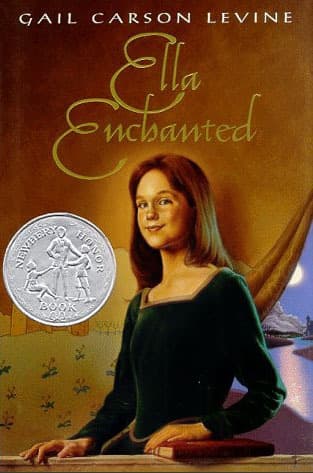
- Ella Enchanted
Gail Carson Levine
4.0 (387k) average on GoodreadsFantasyFeatures a strong, clever Ella who defies expectations and seeks her own freedom from a magical curse.
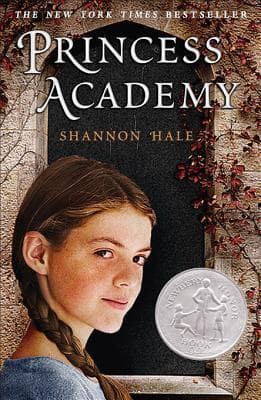
- Princess Academy
Shannon Hale
4.0 (105k) average on GoodreadsFantasyExplores a young girl's journey through a royal academy, questioning the true meaning of being a princess.
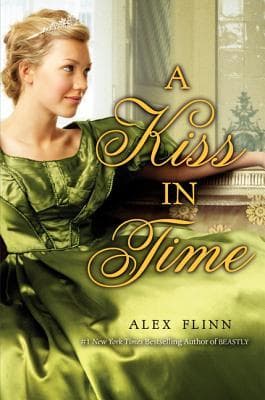
- A Kiss in Time
Alex Flinn
3.8 (19k) average on GoodreadsFantasyModern retelling of Sleeping Beauty with a twist, focusing on a princess finding her own way in a new world.
- Harry Potter and the Sorcerer's Stone
J.K. Rowling
4.5 (7M) average on GoodreadsFantasyRescued from a miserable life under the stairs, an orphaned boy discovers he's a wizard destined for a magical school, where he uncovers a dangerous secret tied to the dark wizard who murdered his parents.
- The Hunger Games
Suzanne Collins
4.3 (6.4M) average on GoodreadsFantasyIn a future where children fight to the death on live television, Katniss Everdeen volunteers for the arena, turning a death sentence into a fight for survival and a spark of rebellion.
- 1984
George Orwell
4.2 (3.1M) average on GoodreadsPoliticsIn a future where surveillance and thought control are absolute, a man's search for truth clashes with the Party, showing that hope can be a form of rebellion.



Enjoyed the summary?
A summary gives you the shape of the book. The book itself has the detail, the examples and the voice.
Find Just Ella on AmazonAs an Amazon Associate, BookBrief earns from qualifying purchases. How we're funded