

Estimated read time: 7 min read
One Sentence Summary
"Kane and Abel" by Jeffrey Archer follows the intertwined lives of two men from vastly different backgrounds who become lifelong rivals and friends through ambition, adversity, and fate.
Table of Contents
Introduction
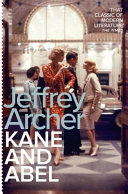
Imagine two men born worlds apart—one in the dusty streets of Poland, the other in the mansions of Boston—whose lives intertwine in a saga of ambition, rivalry, and fate. Kane and Abel by Jeffrey Archer is a literary rollercoaster that captures the explosive power of the American Dream, social class struggles, and the intricate dance of destiny. This novel, first published in 1979, has enthralled readers worldwide with its rich storytelling and unforgettable characters. It's a compelling narrative that explores themes of perseverance, revenge, and redemption, making it a must-read for college students and literature enthusiasts alike.
Historical Context
The Time Period and Major Historical Events
Set primarily in the 20th century, Kane and Abel spans several decades from the early 1900s through the 1970s. This period is marked by significant historical events including:
- The aftermath of World War I
- The Great Depression
- The rise of the American financial empire
- World War II and its global impact
- Post-war economic boom and capitalist expansion
These events shape the backdrop against which the lives of the protagonists unfold, influencing their decisions, opportunities, and conflicts.
Notable Figures and Inspirations
While the characters are fictional, Archer draws from real-life archetypes of self-made men and the titans of American industry. The narrative reflects the era's entrepreneurial spirit, reminiscent of figures like John D. Rockefeller and Andrew Carnegie, whose lives resonate with themes of ambition and rivalry explored in the novel.
Brief Synopsis
Plot Overview
Kane and Abel tells the parallel stories of two men born on the same day but in vastly different circumstances. William Lowell Kane is the heir to a Boston banking dynasty, groomed for success and privilege. Abel Rosnovski, born into poverty in Poland, fights unimaginable hardships to rise through sheer will and determination.
Their lives intersect in a web of competition and misunderstanding, leading to a fierce rivalry that spans decades. But beneath this conflict lies a surprising connection that challenges their perceptions and fate.
Setting
The story unfolds across multiple locations:
- Boston, Massachusetts: representing wealth, tradition, and established power
- Zakroczym, Poland: symbolizing hardship, survival, and resilience
- New York City: a bustling hub of opportunity and ambition
The atmosphere shifts from the opulence of high society to the grit of immigrant struggles, painting a vivid picture of 20th-century life on both sides of the Atlantic.
Main Characters
| Name | Role | Key Traits | Importance to the Plot |
|---|---|---|---|
| William Lowell Kane | Boston banking heir | Ambitious, principled, loyal | Central protagonist representing privilege and legacy |
| Abel Rosnovski | Polish immigrant, hotelier | Resilient, resourceful, determined | Central protagonist representing struggle and ambition |
| Richard Kane | William's father | Stern, traditionalist | Embodies old money values and expectations |
| Anne Kane | William's wife | Supportive, compassionate | Humanizes William and adds emotional depth |
| Zofia Rosnovski | Abel's mother | Protective, strong-willed | Drives Abel's early survival and motivation |
Plot Summary
Early Lives and Foundations
The novel opens by juxtaposing the births of William and Abel. William is born into privilege in Boston, destined for a life of wealth and influence. In contrast, Abel's birth in Poland is shadowed by tragedy—losing his parents and surviving extreme poverty.
This section vividly portrays the stark disparities in their origins, setting the stage for their later struggles and ambitions.
Rise to Power
William rises through the ranks of the banking world, inheriting his father's empire but facing the challenges of maintaining its legacy amid changing times. Abel, on the other hand, immigrates to America, where he starts as a dishwasher and eventually builds a hotel empire through grit and savvy.
Their parallel ascents illustrate contrasting paths to success—one inherited, one earned through hardship.
The Rivalry
A critical juncture in the story is when William's bank and Abel's hotel business become entangled in financial dealings, leading to misunderstandings and animosity. This rivalry is not just business; it becomes deeply personal, fueled by pride and the ghosts of past grievances.
Revelations and Resolution
As the story progresses, secrets surface, revealing unexpected connections between the two men. These revelations challenge their perceptions and force them to confront their shared humanity beyond rivalry.
Without spoiling the climax, this section emphasizes themes of forgiveness and the complexity of human relationships.
Themes and Motifs
Ambition and the American Dream
At its core, Kane and Abel explores the pursuit of success. William and Abel embody two sides of the American Dream—inheritance and self-made success—highlighting the varied paths toward achieving one’s goals.
Class and Social Mobility
The novel scrutinizes social stratification, contrasting old money with new wealth and immigrant struggles. It raises questions about fairness, opportunity, and the barriers to social mobility.
Fate and Free Will
Archer weaves a narrative that questions how much of life is determined by destiny versus personal choice. The intertwined lives of Kane and Abel underscore the tension between these forces.
Revenge and Forgiveness
The simmering rivalry drives the plot, but the novel ultimately advocates the power of forgiveness over vengeance, illustrating the emotional toll of grudges.
Literary Techniques and Style
Jeffrey Archer employs a compelling narrative structure, alternating chapters between the two protagonists' perspectives. This technique creates suspense and deepens character development.
Symbolism
- Kane and Abel: Their names allude to the biblical story of Cain and Abel, symbolizing rivalry, conflict, and eventual reconciliation.
- The hotel and the bank: Represent contrasting worlds—hospitality and finance, new and old money.
Realism and Detail
Archer’s meticulous attention to historical detail and business operations lends authenticity to the narrative, making readers feel immersed in the era.
Accessible Language
The writing style is clear and engaging, avoiding complex jargon while maintaining academic rigor, making it suitable for both casual readers and scholarly analysis.
Author's Background
Jeffrey Archer, a British author and former politician, is renowned for his storytelling prowess and ability to weave complex characters and intricate plots. His experience in politics and business informs his depiction of power dynamics and ambition.
Archer’s works often explore themes of destiny, morality, and human conflict, making him a significant figure in contemporary literature.
Key Takeaways
- Ambition drives human behavior, but its expression varies widely depending on circumstances.
- Social class deeply influences opportunities and perceptions, yet determination can transcend barriers.
- Rivalries often mask deeper connections, and understanding can bridge divides.
- Forgiveness is a powerful tool to overcome personal and social conflicts.
- The American Dream is multifaceted, encompassing both inherited privilege and self-made success.
Reader's Takeaway
Readers will find Kane and Abel both intellectually stimulating and emotionally resonant. The novel invites reflection on personal and societal values around success and rivalry. Its vivid characters and dramatic plot make it a memorable experience, encouraging empathy and critical thought.
Conclusion
Kane and Abel stands as a timeless saga that captures the essence of human ambition and the complexities of fate. Jeffrey Archer masterfully blends history, character, and theme into a narrative that speaks to the heart of the American experience and beyond. For college students, lecturers, and general readers, this novel offers rich material for discussion and insight into the forces that shape our lives. Dive into this epic tale and discover how two lives, though worlds apart, can reflect the universal quest for meaning and achievement.
Kane and Abel FAQ
What is the main plot of 'Kane and Abel'?
'Kane and Abel' follows the intertwined lives of two men, William Lowell Kane and Abel Rosnovski, born on the same day but into very different circumstances. The novel traces their parallel journeys of ambition, rivalry, and fate across decades.
Who are the main characters in 'Kane and Abel'?
The main characters are William Lowell Kane, a wealthy Boston banker, and Abel Rosnovski, a Polish immigrant who rises from poverty to become a hotel magnate. Their lives and fortunes become deeply connected over time.
What themes does 'Kane and Abel' explore?
The novel explores themes such as ambition, rivalry, destiny, social class, perseverance, and the impact of personal choices on life’s trajectory.
Is 'Kane and Abel' based on a true story?
No, 'Kane and Abel' is a work of fiction, though Jeffrey Archer drew inspiration from historical events and real-world business rivalries.
How does the rivalry between Kane and Abel develop throughout the book?
Their rivalry begins unknowingly as they come from different backgrounds but compete in business and society. Over time, their interactions grow more personal and complex, culminating in unexpected revelations.
What is the significance of the book's title 'Kane and Abel'?
The title alludes to the biblical story of Cain and Abel, symbolizing the intense rivalry and contrasting paths of the two protagonists.
Has 'Kane and Abel' been adapted into other media?
Yes, 'Kane and Abel' has been adapted into a television miniseries and radio dramas, bringing the story to a wider audience.
What is the writing style of Jeffrey Archer in 'Kane and Abel'?
Archer's writing is engaging and fast-paced, with a strong narrative drive, detailed character development, and cliffhanger chapter endings that encourage continued reading.
Is 'Kane and Abel' part of a series?
Yes, 'Kane and Abel' is the first book in a trilogy, followed by 'The Prodigal Daughter' and 'Shall We Tell the President?'.
What lessons can readers take away from 'Kane and Abel'?
Readers can learn about resilience, the effects of personal ambition, the importance of integrity, and how unexpected events can shape one’s life.



