
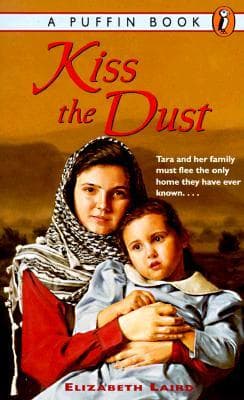
Synopsis
Covers the whole plot, including the ending.
- Difficulty
- Easy
- Pacing
- Moderate
- Mood
- Thought-provoking, Hopeful, Realistic, Educational
- Read it if
- You want a poignant and accessible story about the refugee experience, cultural assimilation, and the strength of family, suitable for young adult readers.
- Skip it if
- You prefer fantasy or sci-fi over realistic historical fiction with a focus on social issues.
Kiss the Dust Plot Summary
Covers the whole plot, including the ending.
A Normal Life in Kurdistan
Tara, a twelve-year-old Kurdish girl, lives a happy and secure life in a small town in Iraqi Kurdistan. She goes to school, helps her mother, Leila, with chores, and plays with friends, especially Zola. Her father, a respected teacher, is often busy with political meetings. Her younger brother, Jamil, is lively. The family's life blends Kurdish traditions with modern touches, and Tara dreams of being a doctor. However, political tension and the threat from the Iraqi government are always present, though not openly discussed with the children.
The First Threat
The political situation in Iraq quickly worsens. Tara's father, involved with the Peshmerga (Kurdish resistance fighters), becomes a target. One evening, a friend warns them that the Iraqi secret police are looking for him. The family must flee at once. This sudden departure shatters Tara's security. They leave their home, most possessions, and friends behind. The escape begins secretly in the dark, driven by fear. Tara struggles to grasp the danger, only knowing their lives are at risk and they cannot return.
Escape to the Mountains
Tara, Jamil, Leila, and their father begin a dangerous trek through the rugged Kurdish mountains. The journey is hard, marked by hunger, thirst, and exhaustion. They travel mostly at night to avoid being seen, enduring harsh weather. Tara sees the suffering of other refugees, which affects her deeply. Her father, despite his own tiredness, remains strong, guiding them through difficult terrain. Jamil, at first playful, becomes quiet from the hardships. Leila tries to keep things normal for her children, but her fear is clear. They eventually reach a refugee camp near the Iranian border, a temporary, basic relief.
Life in the Refugee Camp
Life in the refugee camp is harsh. The family lives in a tent, with little food, water, or sanitation. Sickness is common, and the lack of privacy takes its toll. Tara misses her old life, her friends, school, and home comforts. She tries to help her mother with daily chores and care for Jamil, but the constant uncertainty weighs on her. Her father continues to work with other Kurdish resistance members, trying to secure their future. The camp is a place of waiting, anxiety, and hope for a permanent solution, but also where despair can easily grow.
Decision to Seek Asylum
As Iraq's political situation remains unstable and the refugee camp offers no long-term solution, Tara's father decides to seek asylum in a Western country. After much discussion, they choose Britain, partly because some distant relatives live there. This decision brings mixed emotions: hope for safety and a new start, but also deep sadness at leaving Kurdistan forever and fear of the unknown. Tara struggles with leaving her heritage and starting over in an alien culture, but the promise of safety for her family outweighs her reluctance.
The Journey to Britain
The journey to Britain is long and difficult. The family travels through many countries, often with false papers and smugglers. They endure cramped conditions, long waits, and constant fear of capture or exploitation. Tara observes other refugees, each with their own story of hardship. The experience further exposes her to the realities faced by displaced people. Her father acts as protector, while Leila tries to keep the children's spirits up. This part of their journey ends with their arrival in London, a busy, overwhelming city, very different from their mountain home.
Arrival in London and Initial Struggles
In London, Tara and her family face the challenge of a new country with a different language, customs, and rules. They are first housed in temporary places, feeling isolated. The asylum process is complex and stressful, with interviews and uncertainty. Tara struggles with English, unfamiliar food, and cultural differences. She feels like an outsider at school, placed with other non-English speaking children. Jamil also finds it hard to adjust. Leila misses her family, while her father deals with past trauma and the pressure of supporting his family in a strange place.
School and Friendships
Despite initial difficulties, Tara slowly adjusts to her new school. She works hard to learn English. She meets a girl named Carol, who becomes her first British friend. Carol helps Tara with British school life and customs. Tara also befriends other refugee children, finding common ground in their shared experiences. While she still misses Zola and her life in Kurdistan, these new friendships provide connection and hope, helping her feel less isolated.
Cultural Clashes and Identity
Tara experiences a growing inner conflict about her identity. She wants to fit in with her British peers and embrace her new life, but she also feels a strong pull toward her Kurdish heritage. There are cultural clashes at home, as her parents try to maintain traditions while Tara and Jamil quickly adapt. Tara sometimes feels embarrassed by her parents' customs or their struggles with English. She also encounters casual racism and misunderstanding from some British people, which makes her feel like an outsider. This period shows the tension between her past and present, her desire to belong, and her need to hold onto who she is.
The Asylum Decision
The family lives under the constant shadow of the asylum decision. Each letter from the Home Office brings hope and dread. Her father spends hours with forms, interviews, and legal advice. The uncertainty weighs on everyone, affecting their ability to plan. Tara understands the decision's importance, knowing it will determine if they can build a new life or face more displacement. The waiting period tests their resilience, with the fear of refusal always threatening their fragile sense of security.
A Glimmer of Hope and Acceptance
Finally, after a long wait, the family receives the news: their asylum application is granted. Relief washes over them, mixed with tears of joy. This decision marks a turning point, allowing them to move from temporary housing to a more permanent home. Tara's father finds work, and Leila learns English more actively. While the scars of their past remain, and the longing for Kurdistan never fully disappears, they can now begin to build a new life in Britain. Tara feels a growing sense of belonging, understanding that she can embrace both her Kurdish heritage and her new British identity.
Looking to the Future
As time passes, Tara becomes more confident in her new life. She does well at school, her English improves, and her friendships with Carol and others deepen. She remembers Kurdistan clearly and shares stories of her past, helping her friends understand her journey. She recognizes her family's strength. While displacement trauma is part of her story, it does not define her. Tara looks forward to pursuing her dreams, perhaps becoming a doctor. She learns to navigate her dual identity, understanding that her experiences have made her stronger and more empathetic. The book ends with Tara embracing her future, a symbol of hope for refugees.
Principal Figures
Tara
Protagonist
A resilient young Kurdish girl forced to flee her home and adapt to a new life.
Tara is a twelve-year-old Kurdish girl who narrates the story. Initially, she is a typical child, enjoying school, friends, and family life in Iraq. She is observant and intelligent, with a growing awareness of the political tensions around her. Throughout her journey as a refugee, she displays remarkable resilience, adaptability, and a strong sense of family loyalty. She is driven by a desire to understand her experiences, protect her younger brother, and ultimately find a place where she belongs, while also holding onto her Kurdish identity.
Relationships: Leila (Mother) (Close, supportive, often leans on her mother for comfort and guidance.); Father (Respects and admires his strength and political commitment, but also feels the weight of his decisions.); Jamil (Brother) (Protective and caring older sister, responsible for his well-being during their struggles.); Zola (Best friend in Kurdistan, represents her lost past and childhood.); Carol (First British friend, helps her integrate and understand new culture.)
Leila
Supporting
Tara's mother, a strong and nurturing figure who holds the family together.
Leila is Tara's mother, a woman of immense strength and practicality. She is the emotional anchor of the family, constantly trying to provide comfort, stability, and a sense of normalcy for her children amidst unimaginable hardship. She is resourceful, resilient, and fiercely protective. Despite her own fears and sadness, she consistently puts her children's needs first, maintaining Kurdish traditions and values even in their new environment. Her quiet determination and unwavering love are crucial to the family's survival.
Relationships: Tara (Supportive mother-daughter bond, a source of comfort and guidance for Tara.); Father (Supportive wife, shares the burden of their struggles and decisions.); Jamil (Caring mother, provides comfort and stability.)
Tara's Father
Supporting
A dedicated Kurdish resistance fighter whose political involvement drives the family's displacement.
Tara's father is a respected teacher and a committed member of the Kurdish resistance (Peshmerga). He is intelligent, principled, and deeply devoted to the cause of Kurdish freedom, even at great personal cost. His decisions, while politically motivated, are ultimately driven by a desire for a better future for his people and, by extension, his family. He is a strong and protective figure, guiding his family through dangerous journeys and navigating the complexities of asylum. He carries the heavy burden of responsibility and the trauma of their displacement.
Relationships: Tara (Loving father, a source of strength and guidance, though his political activities cause their displacement.); Leila (Mother) (Supportive husband, relies on her strength and emotional stability.); Jamil (Protective father, ensures his safety and well-being.)
Jamil
Supporting
Tara's younger brother, who experiences the refugee journey through a child's eyes.
Jamil is Tara's younger brother, initially a playful and somewhat mischievous boy. His experience of the refugee journey is filtered through the lens of a younger child, often expressed through confusion, fear, and a need for comfort. He is more vulnerable to the hardships and relies heavily on Tara and Leila for reassurance. As the story progresses, he also shows adaptability, quickly picking up English and adjusting to new environments, often with less overt struggle than his older sister or parents.
Relationships: Tara (Younger brother, relies on her for comfort and protection.); Leila (Mother) (Needs his mother's care and stability.)
Zola
Supporting
Tara's best friend in Kurdistan, representing her lost childhood and home.
Zola is Tara's best friend in Kurdistan. She represents the carefree childhood Tara leaves behind and the deep connections she loses when her family flees. Zola is a symbol of Tara's past, her culture, and the life that was abruptly taken from her. Although Zola only appears briefly at the beginning of the book and in Tara's memories, her absence profoundly impacts Tara, highlighting the personal cost of displacement.
Relationships: Tara (Best friend in Kurdistan, a symbol of Tara's lost past.)
Carol
Supporting
Tara's first British friend, who helps her navigate a new culture.
Carol is a British girl who becomes Tara's first friend in London. Initially, there are some cultural misunderstandings between them, but Carol's open-mindedness and kindness allow their friendship to blossom. She helps Tara understand British customs, school life, and language nuances. Carol represents the possibility of connection and acceptance in a new, unfamiliar world. Her friendship is crucial for Tara's integration and emotional well-being, providing a bridge between her old and new lives.
Relationships: Tara (First British friend, a source of support and cultural understanding.)
Mr. Henderson
Mentioned
A kind teacher in Tara's British school.
Mr. Henderson is one of Tara's teachers in London. He is portrayed as understanding and patient, particularly with the refugee children who are struggling to learn English and adapt to a new educational system. He represents the supportive individuals Tara encounters who help ease her transition into British society. His presence offers a sense of security and encouragement in an otherwise overwhelming environment.
Relationships: Tara (Supportive teacher.)
The Smugglers
Mentioned
Individuals who facilitate the family's dangerous journey to Britain.
The smugglers are a shadowy group of individuals who aid Tara's family (and many other refugees) in their perilous journey across borders. They are not portrayed as overtly evil, but rather as pragmatic and often risky facilitators of illegal passage. Their presence highlights the desperate measures refugees must take to find safety and the dangers inherent in such journeys. They represent the illicit and often exploitative systems that arise from global displacement.
Relationships: Tara's Family (Facilitators of their illegal journey, a necessary but risky means to an end.)
Themes & Insights
The Trauma of Displacement and Loss
The book shows the deep trauma refugees experience. Tara and her family lose their home, possessions, security, community, and cultural identity. The constant fear, hard journeys, poor conditions in camps, and asylum uncertainty all contribute to a deep sense of loss. Tara grieves her friendship with Zola and her old life, while her parents struggle with the psychological scars of their experiences. This theme is clear from their sudden flight from Kurdistan to their emotional struggles adapting to an alien culture in Britain, where memories of their past are often sad.
“It was like kissing the dust, that day we left. Kissing goodbye to everything we knew.”
Resilience and Adaptation
Despite immense suffering, the characters show remarkable resilience. Tara, though initially scared, learns to navigate new languages, schools, and social norms. Her parents, especially Leila, show incredible strength in keeping family unity and hope amidst hardship. The family's ability to survive the dangerous journey, endure the refugee camp, and slowly build a new life in Britain highlights the human capacity to adapt to extreme situations. This theme is especially visible in Tara's efforts to learn English and make new friends, showing her determination to find a place in her new world without forgetting her origins.
“We were like weeds, my mother said. You could pull us up, but we'd grow again somewhere else.”
Identity and Belonging
A central theme is Tara's struggle to connect her Kurdish heritage with her new British identity. She feels like an outsider in London but also fears losing touch with her roots. The book explores the challenges of keeping cultural traditions in a new land, the difficulties of assimilation, and the search for belonging in a world that often sees refugees as 'other.' Tara's journey is about forming a mixed identity, where she learns to embrace both parts of who she is, eventually understanding that her past makes her unique and strong. This is clear in her interactions with Carol and her thoughts on being Kurdish in Britain.
“I was Kurdish. I was British. It was like having two names, two hearts, two homes.”
The Human Cost of Political Conflict
The novel clearly shows how political conflicts, often distant to those unaffected, have devastating consequences for ordinary families. Tara's father's involvement in the Kurdish resistance, a direct result of the oppression faced by the Kurdish people in Iraq, causes the family's displacement. The story highlights the injustice and violence that force people to become refugees, emphasizing that their flight is not a choice but a desperate need for survival. The constant threat from the Iraqi government and the lack of a safe homeland for the Kurds drives the entire story, showing the human cost of political conflict.
“They hated us because we were Kurds. We just wanted to be free.”
Plot Devices & Literary Techniques
First-Person Narration (Tara)
The story is told entirely from Tara's perspective.
The use of first-person narration allows the reader to experience the refugee journey intimately through the eyes of a young girl. This perspective makes the complex political situation more accessible and personal, focusing on the emotional and physical impact on a child. It allows for a gradual understanding of the unfolding events, mirroring Tara's own learning and processing of her traumatic experiences. The reader shares her fears, hopes, confusion, and eventual adaptation, fostering empathy and a deeper connection to her story.
Symbolism of 'Dust'
The title 'Kiss the Dust' symbolizes loss, hardship, and the physical reality of displacement.
The phrase 'Kiss the Dust' serves as a powerful symbol throughout the narrative. It literally refers to the arid, dusty landscapes Tara's family traverses during their escape and the harsh conditions of the refugee camp. Metaphorically, it represents the crushing defeat, the loss of everything, and the indignity faced by refugees. It evokes the idea of being brought low, forced to surrender to circumstances, but also, in its final interpretation, perhaps a reluctant farewell to a homeland. The title encapsulates the physical and emotional toll of their journey.
Contrast (Before and After)
The narrative frequently contrasts Tara's life in Kurdistan with her new life in Britain.
The author effectively uses contrast to highlight the drastic changes in Tara's life. Descriptions of her comfortable home, school, and friendships in Kurdistan are juxtaposed with the harsh realities of refugee camps, the unfamiliarity of London, and the challenges of cultural integration. This contrast emphasizes the profound loss experienced by the family and underscores the difficulty of their journey. It also serves to illustrate Tara's growth and adaptation as she learns to navigate these vastly different worlds, showcasing her resilience and the enduring impact of her past.
Journey as Metaphor
The physical journey from Kurdistan to Britain mirrors Tara's internal journey of self-discovery and adaptation.
The family's literal journey across mountains and continents functions as a powerful metaphor for Tara's emotional and psychological development. Each stage of the physical journey—the escape, the camp, the travel to Britain, the initial struggles—corresponds to a phase in Tara's internal growth. She moves from innocence to awareness, from fear to resilience, and from a singular identity to a more complex, hybrid one. The long, difficult road she travels physically is mirrored by the challenging path she takes to understand herself and her place in the world.
Kiss the Dust Quotes
“The wind was a living thing, whipping at their clothes, tugging at their hair, and whispering secrets in a language they couldn't understand.”
“Hope was a tiny spark, easily extinguished, but fiercely guarded.”
“You can lose everything, but you must never lose your mind.”
“The dust was everywhere. In their clothes, their hair, their food. It coated their very souls.”
“Home was not a place anymore, but a memory, a fragile dream that receded further with every step.”
“Sometimes, the only way to keep going was to pretend you weren't tired, weren't hungry, weren't afraid.”
“The mountains watched them, silent and indifferent, ancient witnesses to their modern sorrow.”
“A child's laughter, even in the midst of despair, was a powerful weapon against the darkness.”
“They were ghosts, moving across a land that didn't want them, leaving no trace but the dust they disturbed.”
“Every sunrise brought not just light, but the renewed burden of another day of walking.”
“The greatest kindness, sometimes, was simply to share what little you had.”
“War takes away everything, even the simple right to be a child.”
“The stars were the only constant, shining down on their plight with an ancient, unchanging brilliance.”
“She learned that courage wasn't about not being afraid, but about moving forward despite the fear.”
Quiz
10 questions on the plot and the characters. Each answer comes with a short explanation.
Question 1
What is the primary reason Tara's family is forced to flee Iraq?
- Her father received a promotion and they needed to move for his new job.
- They were seeking better educational opportunities for Tara and her siblings.
- Her father's involvement in the Kurdish resistance movement put their lives in danger.
- A natural disaster destroyed their home in Iraq.
Show answer
C. Her father's involvement in the Kurdish resistance movement put their lives in danger. Tara's father's political activities with the Kurdish resistance made it unsafe for the family to remain in Iraq, forcing them to flee.
Question 2
What country do Tara and her family eventually seek asylum in?
- Germany
- United States
- Canada
- Britain
Show answer
D. Britain After a long and arduous journey, Tara's family eventually seeks and finds asylum in Britain.
Question 3
What is the name of Tara's younger brother who often struggles with the displacement?
- Adnan
- Rebwar
- Jalal
- Kamal
Show answer
B. Rebwar Rebwar is Tara's younger brother, who is particularly affected by the upheaval and often acts out.
Question 4
Which of these objects does Tara carry with her as a reminder of home and her best friend, Layla?
- A small carved wooden bird.
- A piece of patterned fabric.
- A photograph in a locket.
- A book of Kurdish poetry.
Show answer
B. A piece of patterned fabric. Tara carries a piece of patterned fabric, a gift from her best friend Layla, as a tangible link to her past and home.
Question 5
What significant event occurs during their initial escape from Iraq that highlights the dangers they face?
- They are forced to cross a desert on foot with limited water.
- Their vehicle is attacked by government soldiers, forcing them to hide.
- Tara's mother falls seriously ill and requires immediate medical attention.
- They lose their passports and must find a way to replace them.
Show answer
B. Their vehicle is attacked by government soldiers, forcing them to hide. During their escape, their vehicle is ambushed by government forces, and they have to hide in the mountains, demonstrating the immediate threat to their lives.
Question 6
What is the main theme explored through Tara's initial experiences in the British school system?
- The warmth and immediate acceptance from all her new classmates.
- The ease of adapting to a completely new academic curriculum.
- The challenges of language barriers, cultural differences, and feeling like an outsider.
- Her immediate success in sports and extracurricular activities.
Show answer
C. The challenges of language barriers, cultural differences, and feeling like an outsider. Tara struggles significantly with the English language, unfamiliar customs, and the feeling of being an outsider in her new British school, highlighting themes of assimilation and cultural shock.
Question 7
What is the significance of the title 'Kiss the Dust'?
- It refers to a traditional Kurdish greeting ritual.
- It symbolizes the respect for the land Tara leaves behind.
- It is an expression of defeat or surrender, reflecting the family's loss of their home and status.
- It describes the dry, dusty landscape of Iraq.
Show answer
C. It is an expression of defeat or surrender, reflecting the family's loss of their home and status. 'Kiss the Dust' is an idiom meaning to be defeated or to surrender, reflecting the family's forced abandonment of their home, status, and way of life in Iraq.
Question 8
What is one of the distinct cultural differences Tara notices about British food compared to Iraqi food?
- British food is much spicier and uses more exotic ingredients.
- British food is often bland and served in smaller portions than she is used to.
- British people eat all their meals with chopsticks.
- British food relies heavily on fresh fruit and vegetables for every meal.
Show answer
B. British food is often bland and served in smaller portions than she is used to. Tara frequently comments on the blandness and smaller portions of British food, contrasting it with the rich, flavorful, and abundant meals she was accustomed to in Iraq.
Question 9
How does Tara's father's demeanor change over the course of their journey and resettlement?
- He becomes increasingly optimistic and cheerful, quickly adapting to new situations.
- He remains consistently strong and unwavering, never showing signs of stress.
- He becomes withdrawn and struggles with the loss of his status and purpose, though he tries to remain strong for his family.
- He becomes angry and resentful towards his family for forcing him to leave Iraq.
Show answer
C. He becomes withdrawn and struggles with the loss of his status and purpose, though he tries to remain strong for his family. Tara's father, once a respected figure, struggles deeply with the loss of his identity, profession, and status, becoming more withdrawn and burdened by their circumstances, despite his efforts to protect his family.
Question 10
What is the primary role of education in Tara's life, especially after arriving in Britain?
- It becomes a source of great frustration and she eventually drops out.
- It offers her a pathway to integration, understanding her new culture, and building a new future.
- It is irrelevant to her survival and she prioritizes finding work instead.
- She excels academically without any effort due to her prior schooling.
Show answer
B. It offers her a pathway to integration, understanding her new culture, and building a new future. Despite initial struggles, education becomes crucial for Tara, helping her learn English, understand British culture, and providing a sense of normalcy and hope for a future beyond their refugee status.
Kiss the Dust FAQ
What is the central conflict Tara faces in 'Kiss the Dust'?
Tara's central conflict revolves around the forced displacement from her beloved home in Iraq due to her father's involvement with the Kurdish resistance. She struggles to adapt to new cultures, first in the refugee camps and then in Britain, while grappling with the loss of her former life, friends, and a stable sense of identity.
Who are the key members of Tara's family, and what roles do they play?
Tara's family includes her father, a doctor deeply committed to the Kurdish cause; her mother, who tries to maintain normalcy amidst chaos; her younger sister, Shireen, who often provides moments of lightheartedness; and her older brother, Soran, who feels the responsibility of manhood and struggles with his own identity in exile. Each member reacts to their displacement differently, creating family tensions and support.
What prompts Tara's family to flee Iraq initially?
The family is forced to flee Iraq because Tara's father, a doctor, is actively involved in the Kurdish resistance movement against Saddam Hussein's regime. His work becomes too dangerous, and their lives are directly threatened, necessitating an urgent escape to avoid persecution or worse.
Describe the initial journey and the conditions the family endures after leaving Iraq.
After leaving Iraq, Tara and her family experience a harrowing journey, including trekking through mountains in harsh weather and living in crowded, unsanitary refugee camps on the Turkish border. They face hunger, cold, fear, and the constant uncertainty of their future, witnessing the suffering of many other displaced people.
How does Tara's perception of her Kurdish identity evolve throughout the story?
Initially, Tara's Kurdish identity is tied to her home and culture in Iraq, something she takes for granted. As she flees and lives in exile, she grapples with what it means to be Kurdish without a homeland, eventually embracing it as a source of strength and connection, even as she adapts to new cultures.
Are there any subtle indications of the political climate in Iraq beyond Tara's father's direct involvement?
Yes, the narrative subtly weaves in details about the broader political climate through news reports heard on radios, hushed conversations among adults, and the constant fear of government surveillance and oppression. These details highlight the pervasive danger and the reasons for the Kurdish resistance, even without explicit political lectures.
What is the significance of the 'dust' in the title, 'Kiss the Dust'?
The 'dust' in the title symbolizes the harsh realities of displacement, the physical hardships of the journey through arid landscapes, and the loss of their home and everything familiar. It also represents the humble, often brutal, ground they are forced to inhabit as refugees, a stark contrast to their comfortable life before.
Does the book hint at any future for Tara's family beyond the ending?
While the book concludes with the family finding a degree of stability and safety in Britain, it subtly suggests that their journey of integration and healing is far from over. There are hints that the emotional scars of their past will linger, and their connection to their Kurdish heritage will continue to shape their lives, implying ongoing challenges and adaptations.
How does the author use imagery to convey the stark contrast between Tara's life in Iraq and her life as a refugee?
The author uses vivid imagery to contrast the vibrant colors, smells, and sounds of Tara's home in Iraq – descriptions of markets, gardens, and family gatherings – with the muted, harsh, and often grey imagery of the refugee camps and later, the unfamiliar British landscape. This juxtaposition emphasizes Tara's sense of loss and alienation.
How does Tara's psychological state evolve from the beginning to the end of the novel?
Tara begins as a relatively carefree child, but the trauma of displacement quickly forces her to mature. She experiences fear, grief, anger, and loneliness, often struggling with a sense of helplessness. By the end, she develops resilience, a stronger sense of self, and a nuanced understanding of her identity, though the trauma leaves lasting marks.
What coping mechanisms does Tara employ to deal with the constant upheaval and loss?
Tara often copes by retreating into her memories of home, finding solace in small acts of kindness, and forming new friendships, like with Hassan. She also uses her imagination to escape, and sometimes, acts out in frustration or defiance, reflecting a normal adolescent response to overwhelming stress.
How does the psychological impact of exile differ between Tara and her older brother, Soran?
Tara primarily struggles with loss of home and identity, grappling with her place in new cultures. Soran, as the older brother, feels a greater burden of responsibility and loss of his masculine role. He often appears more withdrawn and resentful, struggling with the perceived emasculation of not being able to protect his family or fulfill his traditional duties.
What role does the sense of 'belonging' play in Tara's psychological development?
The search for belonging is central to Tara's psychological journey. Losing her initial sense of belonging in Iraq leaves her adrift. She constantly seeks to re-establish connections and find a place where she feels accepted and understood, which is a significant factor in her emotional well-being and identity formation in her new environments.
Is 'Kiss the Dust' primarily a story about political conflict or personal resilience?
'Kiss the Dust' is fundamentally a story about personal resilience, though it is deeply embedded within a political conflict. While the Kurdish struggle provides the backdrop and catalyst for the family's plight, the narrative's core focus is on Tara's individual experience of displacement, loss, adaptation, and her remarkable ability to endure and find hope amidst adversity.
How does the book challenge or reinforce stereotypes about refugees?
The book challenges stereotypes by portraying refugees not as a monolithic group, but as individuals with complex lives, emotions, and aspirations. It humanizes their experience, showing their strength, dignity, and cultural richness, while also depicting the immense challenges and prejudices they face, thus fostering empathy rather than reinforcing negative stereotypes.
Does the ending offer a definitive resolution, or does it leave room for ambiguity?
The ending offers a hopeful, but not entirely definitive, resolution. While the family has found asylum and a new home in Britain, the narrative acknowledges that their journey of healing and integration is ongoing. It leaves room for the lingering emotional scars and the complexities of forging a new identity, suggesting that true 'resolution' is a long-term process.
What message does the author convey about the importance of memory and cultural heritage for displaced individuals?
The author strongly conveys that memory and cultural heritage are vital anchors for displaced individuals. Tara's vivid memories of Iraq and her family's efforts to maintain Kurdish traditions, even in exile, highlight how these elements provide comfort, identity, and a connection to their past, preventing total cultural erasure and fostering a sense of self.
How does the book portray the concept of 'home' for Tara?
For Tara, 'home' evolves from a physical place in Iraq to a more fluid concept. Initially, it's the specific house and community she left behind. Later, it becomes an emotional state, a feeling of safety and belonging found within her family, and eventually, a complex blend of her Kurdish heritage and her new life in Britain, suggesting home can be carried within oneself.
Similar books
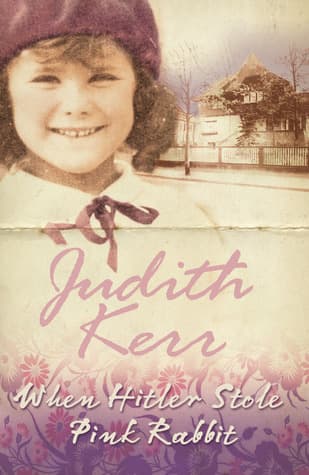
- When Hitler Stole Pink Rabbit
Judith Kerr
4.0 (14k) average on GoodreadsChildren'sA classic children's book about a family fleeing political persecution and adapting to new countries.
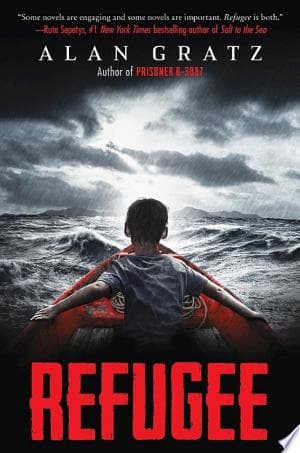
- Refugee
Alan Gratz
4.4 (84k) average on GoodreadsGratz's 'Refugee' uses a multi-perspective approach, interweaving three distinct refugee stories across different eras and locations, offering a broader comparative view. Laird's 'Kiss the Dust' maintains a singular focus on Tara's journey, allowing for a deeper, more intimate exploration of one child's specific experience and fostering a stronger sense of reader identification and empathy.
- Harry Potter and the Sorcerer's Stone
J.K. Rowling
4.5 (7M) average on GoodreadsFantasyRescued from a miserable life under the stairs, an orphaned boy discovers he's a wizard destined for a magical school, where he uncovers a dangerous secret tied to the dark wizard who murdered his parents.
- The Hobbit, or There and Back Again
J.R.R. Tolkien
4.3 (2.9M) average on GoodreadsFantasyA comfort-loving hobbit named Bilbo Baggins is whisked away by a mischievous wizard and a band of dwarves on an unexpected journey to reclaim stolen treasure from a fearsome dragon, discovering courage and a magical ring along the way.
- Harry Potter and the Goblet of Fire
J.K. Rowling
4.6 (2.6M) average on GoodreadsFantasyA bewildered Harry Potter, underage and thrust into a deadly Triwizard Tournament, must brave dragons, mermaids, and a resurgent dark magic to survive a year that will forever alter the wizarding world.
- Harry Potter and the Order of the Phoenix
J.K. Rowling
4.5 (2.5M) average on GoodreadsFantasyIn a year of oppressive secrets and the threat of Voldemort, Harry Potter and Dumbledore's Army secretly train for war, shown through Jim Kay and Neil Packer's dark illustrations.




Enjoyed the summary?
A summary gives you the shape of the book. The book itself has the detail, the examples and the voice.
Find Kiss the Dust on AmazonAs an Amazon Associate, BookBrief earns from qualifying purchases. How we're funded