

Synopsis
Covers the whole plot, including the ending.
- Difficulty
- Easy
- Pacing
- Moderate
- Mood
- Thought-provoking, Hopeful, Historical, Reflective
- Read it if
- You enjoy historical fiction told from a child's perspective, exploring themes of displacement, resilience, and family during wartime.
- Skip it if
- You prefer fast-paced thrillers or stories with minimal emotional depth.
When Hitler Stole Pink Rabbit Plot Summary
Covers the whole plot, including the ending.
The Urgent Departure from Berlin
Nine-year-old Anna and her older brother Max live a comfortable life in Berlin with their parents, writer Arthur Kemper and his wife. As the 1933 elections near, political tensions rise, and the family hears discussions about the growing threat of the Nazis. One day, Anna's mother disappears, only to return with news that their father has already left Germany for Switzerland because of his anti-Nazi writings. The children are told they must leave immediately to join him, taking only what they can carry. In the rush, Anna chooses between her new fluffy dog and her old pink rabbit; she chooses the dog, believing the rabbit is safe at home. This decision later symbolizes her lost childhood.
Arrival in Switzerland and Initial Adjustments
Anna, Max, and their mother travel by train to Switzerland, where they reunite with their father in a small guesthouse near Zurich. The family is relieved to be together but quickly realizes their new life is very different from their old one in Berlin. They have less money and fewer possessions. Anna and Max attend a local Swiss school where they struggle with the German dialect spoken by their classmates. Anna finds it hard to make friends at first, feeling like an outsider. Despite the challenges, the family tries to live normally, enjoying the Swiss landscape and finding small joys in their new, temporary home.
Struggles with Language and Belonging
In Switzerland, Anna and Max find their German is different from the Swiss-German dialect spoken by their schoolmates, leading to misunderstandings and feelings of not belonging. Anna, especially, struggles to fit in and make friends, often feeling lonely. Max, being older, adapts a bit better, but both children miss their old lives and friends in Berlin. Their parents encourage them to learn the local dialect and customs, stressing the importance of adapting to their new environment. Despite these efforts, Anna often feels like an outsider, constantly reminded of being a refugee and the life she left behind.
Financial Hardship and Papa's Work
Papa, a well-known writer in Germany, finds it hard to get work and have his anti-Nazi articles published in Switzerland. The family's money situation becomes difficult, forcing them to live very carefully. Mama tries to save money whenever possible, and the children become aware of their parents' worries. Papa often travels to Paris for meetings and to find publishing chances, leaving Mama to manage the house and children alone. The constant uncertainty about their income and future weighs heavily on the family, but they try to protect Anna and Max from the full extent of their worries, putting on a brave face.
Moving to Paris: A New Beginning
After a year in Switzerland, Papa's publishing prospects get worse, leading the family to decide on another move, this time to Paris, France. The idea of learning a new language and adapting to another new culture is daunting for Anna and Max. The journey to Paris is a mix of excitement and worry. On arrival, they find a small, cramped apartment, a contrast to their spacious home in Berlin. The city is lively and overwhelming, and the children immediately begin to face the challenges of understanding and speaking French.
Life in Paris and Learning French
In Paris, Anna and Max enroll in a French school. Learning French is a big hurdle, especially for Anna, who at first feels completely lost. The French children are sometimes unkind, making fun of their accents. However, with the help of a kind teacher and their own effort, the children slowly start to learn the language. Anna discovers a talent for drawing and finds comfort in art. The family's money problems continue, but they find joy in exploring Paris and experiencing French culture, including good food and museum visits.
Papa's Political Engagements and Danger
Papa's writing career gains some momentum in Paris, and he becomes more involved in anti-Nazi political groups. His articles are published in German-language newspapers in exile, and he even travels to England for speaking engagements. While this brings purpose and some income, it also highlights the constant danger they are in, as the Nazis continue to pursue their opponents. The children know the risks, but their parents try to shield them from the full weight of the political situation, focusing on their education and daily life.
The Yellow Star and Growing Awareness
Anna, still young, slowly begins to understand why they are in exile. She learns about the persecution of Jews in Germany, even though her family is not particularly religious. A moment occurs when she sees a picture of the Yellow Star in a newspaper and understands its terrifying meaning. This realization brings a deeper understanding of the injustice and danger they escaped, and why they cannot return home. It marks a shift in her innocence, as she deals with the harsh realities of the world and the specific threat to Jewish people.
A Trip to England and Future Hopes
Papa receives a job offer in England, writing for a newspaper. This news brings great relief and excitement to the family, promising a more stable future away from the immediate threat of Nazi expansion in Europe. The idea of learning yet another new language and culture is daunting, but the children are adaptable. They begin to prepare for their next move, packing their limited belongings once more. The move to England represents a fresh start and the hope of finally finding a safe and permanent home, free from constant fear and displacement.
Farewell to Paris and Onward to England
The family says goodbye to their friends in Paris and prepares for their journey to England. Anna feels a pang of sadness at leaving the city where she has made new friends and learned so much, but also looks forward to what lies ahead. The journey across the English Channel is another transition. As they arrive in England, the children again face a new language and customs, but they are more experienced now in adapting to change. The book ends with the family looking towards their new life in England, carrying memories of their past and hope for a secure future.
Principal Figures
Anna Kemper
Protagonist
A resilient young girl who experiences forced exile from Nazi Germany.
Anna is nine years old when the story begins, a sensitive and observant child. She loves drawing, tobogganing, and her toys, particularly her pink rabbit. Initially naive about politics, she gradually comprehends the gravity of her family's situation through their moves and financial struggles. She is adaptable, learning new languages and making friends in different countries, yet she deeply misses her old life and possessions. Her perspective shapes the narrative, providing an innocent yet increasingly aware view of the refugee experience.
Relationships: Max Kemper (Older brother, companion in exile); Arthur Kemper (Papa) (Loving father, intellectual, political target); Dorothea Kemper (Mama) (Caring mother, strong and resourceful); Omama & Opapa (Grandparents, left behind in Germany)
Max Kemper
Supporting
Anna's older brother, more pragmatic and quicker to adapt.
Max is Anna's older brother, about twelve years old. He is more practical and less emotionally expressive than Anna, often taking on a protective role. He adapts more easily to new schools and languages, though he also misses his old life. Max is intelligent and sometimes impatient with Anna's younger perspective, but he deeply cares for his sister. He represents the slightly older child's experience of exile, grappling with the loss of normalcy and the need to mature quickly.
Relationships: Anna Kemper (Younger sister, companion in exile); Arthur Kemper (Papa) (Father); Dorothea Kemper (Mama) (Mother)
Arthur Kemper (Papa)
Supporting
Anna's father, a respected anti-Nazi writer forced into exile.
Papa is an intelligent, principled, and well-known writer in Germany whose anti-Nazi views make him a target. He is the primary reason the family must flee. Throughout their exile, he works tirelessly to find publishing opportunities and support his family, often traveling and facing financial hardship. He is a loving father who tries to shield his children from the full weight of their precarious situation, while also instilling in them resilience and an appreciation for culture and learning.
Relationships: Anna Kemper (Daughter); Max Kemper (Son); Dorothea Kemper (Mama) (Wife, partner in navigating exile)
Dorothea Kemper (Mama)
Supporting
Anna's mother, a strong and resourceful woman who manages the family's moves.
Mama is the backbone of the family, resourceful, practical, and emotionally strong. She manages the difficult logistics of their multiple moves, from packing to budgeting, and tries to create a sense of normalcy and stability for her children amidst chaos. She is loving and supportive, often mediating between the children and their father. Mama's resilience and determination are crucial to the family's survival and emotional well-being throughout their refugee journey.
Relationships: Anna Kemper (Daughter); Max Kemper (Son); Arthur Kemper (Papa) (Husband, partner in navigating exile)
Omama & Opapa
Mentioned
Anna's grandparents, who remain in Germany.
Omama and Opapa are Anna and Max's paternal grandparents, who remain in Berlin when the family flees. They represent the family members left behind and the ties to their German heritage that are severed by the Nazi regime. Though not physically present for most of the story, their absence and the family's worries about their safety underscore the profound impact of the political situation. They symbolize the lost home and the people who could not escape.
Relationships: Anna Kemper (Granddaughter); Max Kemper (Grandson); Arthur Kemper (Papa) (Son)
Vreneli
Supporting
A Swiss girl who becomes Anna's first friend in Switzerland.
Vreneli is one of Anna's first friends in Switzerland. She is a kind and understanding Swiss girl who helps Anna navigate the new school and dialect. Her friendship offers Anna much-needed companionship and a sense of belonging during a challenging period of adaptation. Vreneli represents the kindness and acceptance Anna sometimes finds in her new environments.
Relationships: Anna Kemper (Friend)
Monsieur Dubois
Supporting
A kind French teacher who helps Anna learn French.
Monsieur Dubois is Anna's teacher in her first French school. He is patient and encouraging, recognizing Anna's struggles with the new language and helping her to overcome them. His support is instrumental in Anna's ability to adapt to her new school environment and gain confidence in speaking French. He represents the benevolent figures who ease the refugee children's transition.
Relationships: Anna Kemper (Student)
Corinne
Supporting
A French girl who befriends Anna in Paris.
Corinne is one of Anna's friends in Paris. She is a lively and friendly French girl who helps Anna integrate into her new school and understand French culture. Her friendship provides Anna with a sense of normalcy and enjoyment during their time in France, making the transition easier and more pleasant. Corinne represents the successful formation of new bonds despite linguistic and cultural barriers.
Relationships: Anna Kemper (Friend)
Themes & Insights
Loss of Innocence and Childhood
The main theme is Anna's gradual loss of childhood innocence as she faces the realities of political persecution and exile. Her decision to leave her pink rabbit in Berlin symbolizes this loss; she thinks it's safe, but it becomes a symbol for the childhood she can never fully get back. Each move, each new language, and each financial struggle takes away from her carefree life, forcing her to grow up faster. She slowly understands the danger her family faced and the reasons for their displacement, moving from unawareness to a deeper understanding of the world's injustices, especially about the Yellow Star and the persecution of Jews.
“What had it been like, to be a child who didn't know that her country was trying to kill her father?”
The Refugee Experience and Adaptation
The novel shows the many challenges of being a refugee: constant moving, money problems, language barriers, and the struggle to belong. The Kemper family's journey from Germany to Switzerland, then to France, and finally to England, highlights the continuous need to adapt. They must learn new languages, navigate different school systems, and adjust to various cultural norms. Despite the difficulties, the family's ability to recover and find joy in small moments, like exploring new cities or enjoying simple meals, shows the human ability to adapt when faced with hardship. Their experience shows the courage needed to rebuild a life from nothing.
“It was difficult to explain to a child that you had to be careful, even with your own family, because the country you loved was trying to kill your father.”
Family Unity and Resilience
Throughout their difficult journey, the Kemper family's strong bonds and support for each other are their greatest strengths. Despite money problems, constant moves, and underlying fear, Papa and Mama prioritize their children's well-being and education. They work together to maintain a sense of normalcy and hope, often shielding Anna and Max from the full extent of their worries. The children, in turn, rely on each other for friendship and understanding. Their shared experiences of displacement create a strong unity, showing how family love and resilience can last through even the hardest times and provide a stable core in an unstable world.
“But the most important thing was that they were all together. And as long as they were together, they could face anything.”
The Power of Storytelling and Identity
Papa's job as a writer is central to the family's identity and the reason for their exile. His anti-Nazi writings show the power of words to challenge oppression, but also their potential to cause danger. For Anna, storytelling, especially through drawing, becomes a way to process her experiences and express her changing understanding of the world. The act of telling their story, as Judith Kerr does semi-autobiographically, also helps preserve memory and record a historical period. It shows how personal stories shape individual and group identity, especially for those whose lives are uprooted.
“Papa used to say that the only way to fight evil was to tell the truth about it.”
Plot Devices & Literary Techniques
The Pink Rabbit
A symbolic lost toy representing Anna's lost childhood and innocence.
Anna's pink rabbit is a powerful symbol. Left behind in Berlin during the hasty escape, it represents the childhood Anna was forced to abandon. Initially, she dismisses it as unimportant compared to her new fluffy dog, but later, its loss signifies the irretrievable past and the innocence she shed. The rabbit embodies the tangible and intangible losses of exile, becoming a poignant reminder of her former life and the unrecoverable comfort of home.
Multiple Settings/Geographical Displacement
The constant change of countries and cities reflecting the refugee journey.
The narrative's progression through distinct geographical locations—Berlin, Switzerland, Paris, and England—is a key plot device. Each setting presents new challenges (language, culture, financial) and marks a stage in the family's adaptation. This constant movement underscores the instability and rootlessness inherent in the refugee experience, highlighting the psychological impact of never truly having a permanent home. It also allows the author to depict the broader political landscape of Europe on the eve of WWII through a child's eyes.
Child's Perspective
The story is told through the eyes of a young, initially naive protagonist.
Telling the story from Anna's nine-year-old perspective is a crucial device. It allows complex political events and personal hardships to be presented in a simplified, yet deeply impactful, way. Her initial innocence and gradual understanding of the dangers and reasons for their exile make the historical context accessible to young readers. This perspective emphasizes the personal cost of war and persecution, filtering grand historical narratives through the intimate lens of a child's experiences and emotions, making the story more relatable and poignant.
Foreshadowing (Political Posters)
Early glimpses of Nazi propaganda hint at the impending danger.
The presence of political posters and overheard adult conversations about Hitler and the Nazis in the initial Berlin scenes serve as subtle foreshadowing. These elements hint at the impending danger and the reasons for the family's sudden flight, even before Anna fully comprehends their meaning. This device builds tension and contextualizes the family's actions, demonstrating how political shifts begin subtly before erupting into life-altering events, viewed through the innocent, yet increasingly aware, eyes of a child.
When Hitler Stole Pink Rabbit Quotes
“It was very interesting to be a refugee. The best game she'd ever played.”
“The world was a safe place, and grown-ups were in charge, and they knew what they were doing.”
“It was much more difficult to be poor than she had imagined. It was a full-time job.”
“She suddenly understood that if you were a Jew, it was like having a secret name that people could find out.”
“It didn't matter where you were, as long as you were all together.”
“The trouble with being a refugee was that you had to be grateful for everything.”
“She loved her father more than anything in the world, and he was a genius, and he was brave.”
“It was almost as if the sun had gone out. As if the whole world had turned grey.”
“And the Pink Rabbit? Well, Hitler stole that.”
“Being a refugee meant learning to live in the present, because the past was gone and the future was uncertain.”
“She had thought that once they left Germany, they would be safe. But safety was a complicated thing.”
“It was a strange feeling, to be so happy and so worried at the same time.”
“She knew that her father wrote things that people wanted to read, and that was a very important job.”
Quiz
10 questions on the plot and the characters. Each answer comes with a short explanation.
Question 1
What is the main reason Anna and her family must leave Germany?
- Her father got a new job opportunity in Switzerland.
- They are Jewish, and Anna's father is a journalist critical of the Nazi regime.
- They want to travel the world before the war starts.
- Anna's mother wanted to move closer to her own family in Paris.
Show answer
B. They are Jewish, and Anna's father is a journalist critical of the Nazi regime. Anna's family is Jewish and her father, a prominent journalist, is on Hitler's wanted list for his outspoken criticism of the Nazis, making it dangerous for them to remain in Germany.
Question 2
What is the name of Anna's beloved toy rabbit that she has to leave behind in Germany?
- Pinky
- Bunny
- Pink Rabbit
- Hoppy
Show answer
C. Pink Rabbit Anna's most cherished toy, a pink rabbit, is left behind when the family makes their hasty escape, leading to the title of the book.
Question 3
Which country is the family's first destination after leaving Germany?
- France
- England
- Switzerland
- Austria
Show answer
C. Switzerland The family first flees to Switzerland, staying in a hotel near Zurich, before moving on to other countries.
Question 4
What is Anna's brother's name?
- Otto
- Max
- Hans
- Josef
Show answer
B. Max Anna's older brother, who accompanies her through their journey, is named Max.
Question 5
How does Anna's father initially communicate with the family after his sudden departure?
- He calls them on the phone every day.
- He sends secret coded messages through a friend.
- He sends a telegram telling them to meet him in Switzerland.
- He leaves a detailed letter for Anna's mother.
Show answer
C. He sends a telegram telling them to meet him in Switzerland. Anna's father sends a telegram to her mother, instructing them to leave Germany immediately and meet him in Switzerland.
Question 6
What challenge does Anna face with her schooling as they move from country to country?
- She struggles to make new friends in each school.
- She has to learn new languages for each country they reside in.
- The curriculum in other countries is too advanced for her.
- Her parents don't prioritize her education during their travels.
Show answer
B. She has to learn new languages for each country they reside in. A significant challenge for Anna is adapting to new schools and learning the local language in Switzerland, France, and eventually England.
Question 7
What is the primary source of income for Anna's father during their exile, despite his previous success?
- He works as a university professor in each new country.
- He inherits money from a distant relative.
- He continues to write articles and screenplays, though often for less pay and recognition.
- Anna's mother finds work as a seamstress.
Show answer
C. He continues to write articles and screenplays, though often for less pay and recognition. Anna's father, a renowned journalist and writer in Germany, continues to write to support his family, often facing financial struggles and having to accept less prestigious work in exile.
Question 8
What specific item does Anna's father receive that confirms he is a target of the Nazi regime?
- A letter from a friend warning him to leave.
- A notice that his German citizenship has been revoked and his property confiscated.
- A newspaper article openly criticizing his work.
- He sees his name on a public 'wanted' poster.
Show answer
B. A notice that his German citizenship has been revoked and his property confiscated. Anna's father receives official notification that his German citizenship has been revoked and his assets confiscated, solidifying the danger he faces and the permanence of their exile.
Question 9
How does Anna's perception of her 'home' evolve throughout the story?
- She continually longs for her old house in Berlin and never feels at home elsewhere.
- She learns that 'home' is less about a physical place and more about being with her family.
- She quickly adapts to each new country and forgets her German roots.
- Her concept of home becomes solely focused on material possessions she can acquire.
Show answer
B. She learns that 'home' is less about a physical place and more about being with her family. A central theme of the book is Anna's evolving understanding of home, realizing that despite losing her house and possessions, her true home is wherever her family is together.
Question 10
What is the significance of the 'pink rabbit' in the context of the family's flight?
- It represents the only valuable item Anna managed to save.
- It symbolizes the innocence and childhood Anna lost due to the war and exile.
- It is a coded message from her father to indicate their next destination.
- It is a gift from a new friend in Switzerland, symbolizing new beginnings.
Show answer
B. It symbolizes the innocence and childhood Anna lost due to the war and exile. The pink rabbit, left behind in Germany, becomes a poignant symbol of the childhood innocence and material comforts Anna had to abandon due to the family's flight from persecution.
When Hitler Stole Pink Rabbit FAQ
What is the central premise of 'When Hitler Stole Pink Rabbit'?
The book follows nine-year-old Anna and her family as they are forced to flee Germany in 1933 due to her father's anti-Nazi writings. They embark on a journey across Europe, seeking refuge in Switzerland, France, and eventually England, while Anna grapples with the loss of her familiar life and beloved possessions.
Who are the main characters in the story?
The main characters are Anna, the protagonist and narrator; her older brother Max; their mother, who is a supportive and resourceful figure; and their father, a renowned Jewish writer whose political views necessitate their escape from Nazi Germany.
What significant possession does Anna leave behind, and what does it symbolize?
Anna leaves behind her beloved pink rabbit toy, which she chooses not to take when the family flees. The pink rabbit symbolizes the innocence and stability of her childhood in Germany, its abandonment representing the abrupt and forced departure from her past life.
Where do Anna and her family seek refuge after leaving Germany?
After leaving Germany, the family initially settles in Switzerland, specifically in a small village near Zurich. They later move to Paris, France, where they face financial struggles, and eventually make their way to London, England, hoping for more stability and opportunities.
What is the family's primary motivation for leaving Germany so suddenly?
The family's primary motivation is to protect Anna's father, whose anti-Nazi articles have made him a target of the newly rising Nazi regime. They learn that the Nazis plan to confiscate his passport and assets, prompting their urgent and secret departure before he can be arrested.
How does the 'pink rabbit' incident subtly foreshadow Anna's future losses?
The choice to leave the pink rabbit behind, deemed less important than other items, subtly foreshadows the many subsequent losses Anna experiences: her home, school, friends, and a stable sense of belonging. It marks the first significant detachment from her past, setting a precedent for future emotional sacrifices.
What is the significance of the family's financial struggles in Paris compared to their previous life?
In Paris, the family's financial struggles are acute, contrasting sharply with their comfortable, upper-middle-class life in Berlin. This shift highlights the profound impact of their refugee status, forcing them to adapt to poverty and resourcefulness, and underscoring the sacrifices made for safety.
Are there any subtle hints about the wider political climate beyond what Anna directly understands?
While Anna doesn't fully grasp the political nuances, the adults' hushed conversations, the constant news from Germany, and her father's anxiety about his articles and reputation all subtly convey the escalating danger and the oppressive nature of the Nazi regime, even when not explicitly stated for a child's perspective.
How does Anna's experience of learning new languages reflect her adaptation process?
Anna's struggle and eventual success in learning French and then English mirror her broader adaptation to new cultures and environments. Initially daunting and isolating, mastering new languages becomes a key tool for integration, communication, and regaining a sense of agency and belonging in her new homes.
What psychological impact does constant displacement have on Anna and Max?
Constant displacement leads to a mix of resilience and underlying anxiety in both Anna and Max. While they adapt remarkably well, there's a recurring theme of uncertainty, a longing for permanence, and the psychological burden of being 'outsiders' repeatedly, affecting their sense of identity and belonging.
How does Anna cope with the loss of her friends and familiar social circles?
Anna copes by forming new, albeit temporary, friendships in each new location, such as with Vreneli in Switzerland and the French children. However, there's a persistent undercurrent of missing her old life, and her imagination often serves as a refuge, allowing her to process her feelings of loneliness and displacement.
In what ways does Anna's perspective as a child shape the narrative's emotional tone?
Anna's child's perspective imbues the narrative with a unique blend of innocence, wonder, and profound sadness. Her focus on immediate experiences, like new foods or school, contrasts with the adults' heavier burdens, making the story's emotional impact more poignant by filtering historical trauma through a lens of childhood resilience and vulnerability.
Is the title 'When Hitler Stole Pink Rabbit' an accurate representation of the book's themes?
The title is highly accurate, as 'Hitler' represents the political force that disrupts Anna's life, and the 'pink rabbit' symbolizes the stolen innocence and childhood she loses. It encapsulates the personal impact of a vast historical event on a child's world, making a political conflict deeply personal and understandable.
How does the book challenge the typical 'refugee story' narrative for young readers?
The book challenges typical refugee narratives by focusing less on overt persecution and more on the psychological and practical challenges of displacement and adaptation. It emphasizes resilience, the importance of family unity, and the subtle ways children process profound change, offering a nuanced and hopeful perspective rather than solely one of trauma.
What message does the ending of the book convey about finding a new home and identity?
The ending, with the family settling in London, conveys a message of hopeful adaptation and the possibility of forging a new identity. While the past is never forgotten, it suggests that 'home' can be found in family, resilience, and the willingness to integrate into a new culture, rather than being solely tied to a geographical location.
Could Anna's parents have made different choices to protect their family, and what does the book suggest about their decisions?
Given the rising threat of Nazism, the book strongly suggests that the parents' choices to flee were not only necessary but courageous. While they faced immense hardship, their decisions prioritized safety and freedom over material possessions or established lives, portraying them as proactive and loving protectors in an impossible situation.
How does the book implicitly comment on the nature of prejudice and acceptance through Anna's experiences?
Through Anna's experiences in different countries, the book implicitly comments on prejudice and acceptance. She encounters both kindness and subtle forms of xenophobia, highlighting how new arrivals are perceived. Her journey underscores the human need for belonging and the challenges faced when one is labeled an 'outsider' based on nationality or origin.
About the author
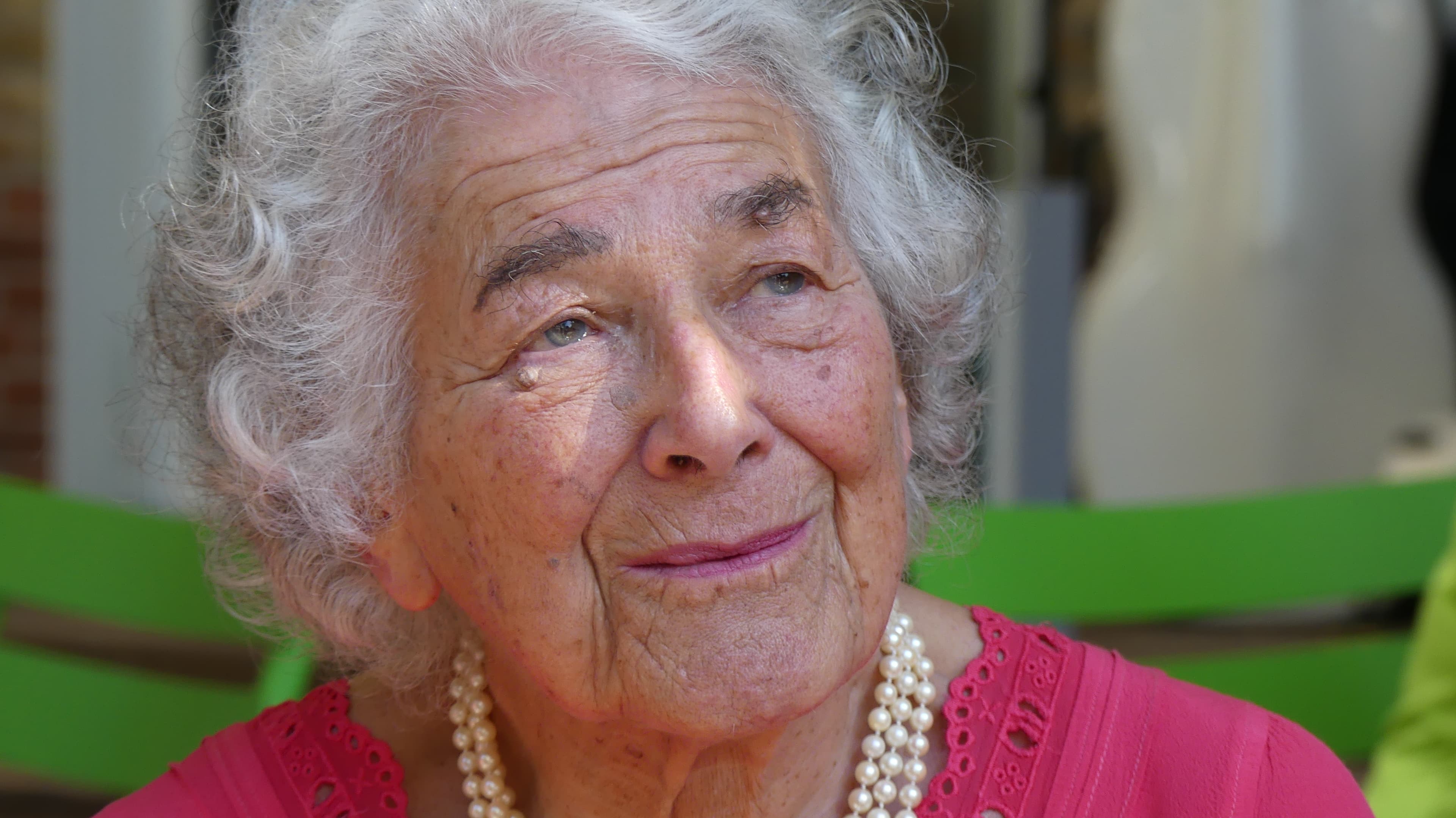
Judith Kerr was a British author and illustrator, known for her contributions to children's literature. Her notable work, "When Hitler Stole Pink Rabbit," is a semi-autobiographical novel that explores the experiences of a Jewish family fleeing Nazi Germany. Kerr's storytelling often reflects her own childhood experiences and has resonated with readers across generations.
Similar books
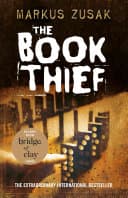
- The Book Thief
Markus Zusak
4.4 (1.8M) average on GoodreadsHistorical FictionExplores World War II from a unique perspective with a child protagonist, focusing on resilience and humanity amidst hardship.
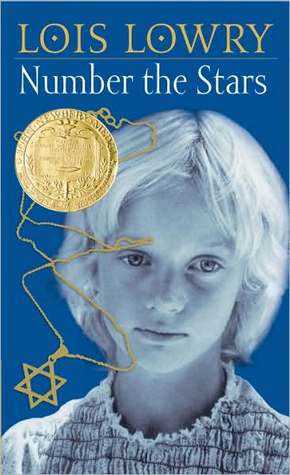
- Number the Stars
Lois Lowry
4.2 (448k) average on GoodreadsChildren'sA children's historical novel about a young girl helping her Jewish friend escape Nazi occupation, focusing on bravery and friendship.
- The Diary of a Young Girl
Anne Frank
4.2 (2.7M) average on GoodreadsBiographyWhile Frank's diary offers an intimate, immediate, and ultimately tragic account of life in hiding during the Holocaust, Kerr's book provides an external, pre-Holocaust perspective, focusing on the initial stages of displacement and the challenges of adapting to new countries as refugees. Kerr's work emphasizes the courage and resilience needed to rebuild a life, whereas Frank's highlights the terror and confinement of persecution.
- Harry Potter and the Sorcerer's Stone
J.K. Rowling
4.5 (7M) average on GoodreadsFantasyRescued from a miserable life under the stairs, an orphaned boy discovers he's a wizard destined for a magical school, where he uncovers a dangerous secret tied to the dark wizard who murdered his parents.
- The Hobbit, or There and Back Again
J.R.R. Tolkien
4.3 (2.9M) average on GoodreadsFantasyA comfort-loving hobbit named Bilbo Baggins is whisked away by a mischievous wizard and a band of dwarves on an unexpected journey to reclaim stolen treasure from a fearsome dragon, discovering courage and a magical ring along the way.
- Harry Potter and the Goblet of Fire
J.K. Rowling
4.6 (2.6M) average on GoodreadsFantasyA bewildered Harry Potter, underage and thrust into a deadly Triwizard Tournament, must brave dragons, mermaids, and a resurgent dark magic to survive a year that will forever alter the wizarding world.




Enjoyed the summary?
A summary gives you the shape of the book. The book itself has the detail, the examples and the voice.
Find When Hitler Stole Pink Rabbit on AmazonAs an Amazon Associate, BookBrief earns from qualifying purchases. How we're funded