
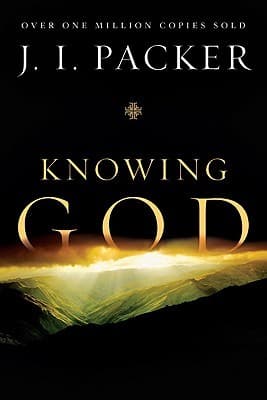
Core Idea
- Difficulty
- Medium
- Read it if
- You desire a deeper, more personal, and more reverent understanding of God's character and attributes, and want to cultivate a theology that fuels devotion and worship. This book is for those seeking spiritual growth through robust biblical teaching.
- Skip it if
- You are looking for a light, introductory read on spirituality, practical self-help tips, or a book that avoids theological depth and rigorous biblical exposition. This book is not for those averse to dense theological arguments.
Key Takeaways from Knowing God
Theology as Devotion
True knowledge of God isn't academic, but transformative and relational.
Packer says that seeking theological knowledge should not just be an intellectual exercise. Instead, it should be deeply devotional, leading to a big change in one's heart and life. He believes that truly understanding God's character and nature always leads to worship, humility, and trust. The goal is not just to know about God, but to know God personally, like knowing a friend. This difference is important, as many can learn facts about theology without ever having a personal, life-changing relationship with God. The 'knowing' he talks about is a close, personal acquaintance that reorients one's whole life around God.
“We are cruel to ourselves if we try to live in this world without knowing the God whose world it is and who runs it.”
In the book: Packer frequently contrasts the 'mere intellectual' apprehension of God with the 'personal, practical' knowledge, drawing on biblical figures like Job, who, after encountering God, declared, 'My ears had heard of you but now my eyes have seen you.'
Try this: Approach theological study with an attitude of prayer and expectation, seeking not just information, but revelation that will deepen your personal relationship with God. Regularly pause to reflect on how a particular truth about God impacts your daily life and worship.
Related ideas: theology, devotion, personal-knowledge-of-god
The Majesty of God
A proper understanding of God begins with His infinite greatness and our creaturely humility.
Packer highlights the main importance of understanding God's majesty and power. He believes that much of modern spirituality makes God seem small, turning Him into a cosmic therapist or a genie. This small view, he argues, leads to weaker faith and less true worship. Instead, we must face the sheer size of God's power, wisdom, and holiness, seeing our own smallness and dependence. This view creates a deep sense of awe, respect, and humility, which are necessary for real spiritual growth. Without acknowledging God's great power, we cannot truly appreciate His humble love.
“The world becomes a strange, mad, ghastly place, and life in it a ghastly, mad, meaningless business, if we forget God.”
In the book: Packer explores biblical descriptions of God's attributes, such as His omnipotence (all-powerful), omniscience (all-knowing), and omnipresence (ever-present), highlighting how these attributes evoke a sense of profound wonder and humility in biblical characters.
Try this: Regularly meditate on the attributes of God, deliberately focusing on His greatness and transcendence. Engage in practices that cultivate humility, such as silent reflection, confession, and acknowledging your dependence on God in daily decisions.
Related ideas: majesty-of-god, sovereignty, humility, awe
God's Unchanging Character
The immutability of God provides a steadfast anchor in a chaotic world.
A main part of Packer's theology is God's unchanging nature. In a world of constant change, uncertainty, and shifting values, the idea of an unchanging God offers great comfort and security. Packer states that God's character, His promises, and His plans stay the same forever. This means His love, justice, faithfulness, and truth are always reliable. Understanding God's unchanging nature allows believers to trust Him completely, knowing He will never go against Himself, break His word, or stop being who He is. This teaching provides the foundation for Christian hope and confidence.
“God is not like us. He does not change. He is not fickle. He does not waver. He does not forget.”
In the book: Packer references biblical passages like Malachi 3:6 ('For I the Lord do not change; therefore you, O children of Jacob, are not consumed') and James 1:17 ('Every good gift and every perfect gift is from above, coming down from the Father of lights, with whom there is no variation or shadow due to change').
Try this: When facing uncertainty or fear, intentionally recall God's unchanging nature. Remind yourself that His promises are steadfast and His character is reliable, providing a stable foundation for your faith and decisions.
Related ideas: immutability-of-god, faithfulness, security, divine-character
The Wisdom of God
God's perfect wisdom orchestrates all events for His glory and our good.
Packer looks at God's wisdom, explaining how it is different from just knowing a lot. God's wisdom is not just knowing everything, but knowing the best goals and the best ways to reach those goals. This means God always acts with perfect foresight and judgment, arranging all situations—good and bad—to fulfill His plan. This view is especially comforting when facing suffering or confusing events, as it encourages trust in God's ultimate design, even when it is beyond human understanding. Packer says that true wisdom for humans is found in matching our will with God's wise purposes, rather than trying to figure them out or tell Him what to do.
“God's wisdom is seen in the way He achieves His purposes, not just in the purposes themselves.”
In the book: He draws on the biblical narrative of Joseph, whose suffering and imprisonment ultimately led to the salvation of his family and nation, illustrating God's intricate and wise orchestration of seemingly negative events for a greater good.
Try this: When confronted with difficult or confusing situations, rather than succumbing to anxiety, pray for the wisdom to trust God's overarching plan. Practice relinquishing control and affirming that God's ways are higher and wiser than your own.
Related ideas: wisdom-of-god, providence, sovereign-plan, trust-in-god
God's Grace and Justice
The paradox of God's justice and grace is resolved in the cross of Christ.
Packer addresses the contrast between God's perfect justice and His great grace. He says that a simple understanding might see these qualities as conflicting, but they are perfectly brought together at the cross of Jesus Christ. God's justice demands punishment for sin, yet His grace offers undeserved favor and forgiveness. The cross shows that God is both 'just and the justifier of those who have faith in Jesus.' Christ's sacrifice met the demands of divine justice, allowing God to give grace without weakening His holy character. This deep truth is central to the Christian gospel and provides the basis for salvation.
“God's justice is not a blind force, but a holy principle, and His mercy is not a weak sentiment, but a sovereign choice.”
In the book: Packer extensively unpacks Romans 3:21-26, explaining how God 'presented Christ as a sacrifice of atonement, through faith in his blood... to demonstrate his justice at the present time, so as to be just and the one who justifies those who have faith in Jesus.'
Try this: Regularly reflect on the profound implications of the cross: that God's justice was fully satisfied, allowing you to receive His grace. This should cultivate deep gratitude, humility, and a renewed commitment to living a life that honors both His justice and His mercy.
Related ideas: grace, justice, atonement, cross-of-christ, gospel
The Fatherhood of God
Through Christ, believers are adopted into God's family, gaining intimate access and security.
Packer points to the teaching of adoption as a peak of the Christian experience. He states that knowing God as Father is not a general human right, but a special privilege given to those who are connected with Christ. Through adoption, believers move from being just creatures or even enemies to becoming beloved children of God, with all the rights and privileges that come with that status. This includes close access to God, the assurance of His love and care, and the promise of an eternal inheritance. This understanding deeply shapes one's identity, security, and prayer life, replacing fear with childlike confidence and joy.
“Adoption is the highest privilege that the gospel offers.”
In the book: He draws upon New Testament passages, particularly Galatians 4:4-7 and Romans 8:15-17, which speak of receiving 'the Spirit of adoption, by whom we cry, Abba, Father!' and being 'heirs of God and co-heirs with Christ.'
Try this: Embrace your identity as an adopted child of God. Approach prayer with the confidence of a child speaking to a loving Father. When facing challenges, remember your secure position in God's family and the promise of His unfailing care.
Related ideas: adoption, fatherhood-of-god, identity-in-christ, security-in-god
The Holy Spirit's Role in Knowing God
The Spirit illuminates divine truth and enables a personal relationship with God.
Packer emphasizes the important role of the Holy Spirit in helping believers truly know God. He explains that without the Spirit's inner light, divine truths remain just ideas. The Spirit helps us understand the Bible, shows us our sin, and gives us power to respond with faith and obedience. More than that, the Spirit creates the close, relational 'knowing' of God by confirming our adoption and helping us call out 'Abba, Father.' The Spirit is the divine agent who connects God's transcendence with our ability to experience His presence, making the abstract real and personal.
“The Holy Spirit does not come to make us independent of God, but dependent on Him.”
In the book: Packer refers to 1 Corinthians 2:10-12, which states, 'the Spirit searches all things, even the deep things of God... we have received the Spirit who is from God, that we may understand what God has freely given us.'
Try this: Actively pray for the Holy Spirit's guidance and illumination when reading Scripture or seeking to understand God. Cultivate a posture of dependence on the Spirit for spiritual insight, conviction, and empowerment in your daily life.
Related ideas: holy-spirit, illumination, spiritual-understanding, divine-guidance
The Benefits of Knowing God
Knowing God leads to peace, joy, humility, and strength for living.
Packer finishes by describing the changes that come from truly knowing God. This is not just about getting theological facts; it is about experiencing deep changes in one's inner life and outward actions. The benefits include a deep peace that goes beyond circumstances, a lasting joy based in God's character, a growing humility from understanding His majesty, and a strong ability to face life's difficulties. Knowing God also creates assurance of salvation, confidence in prayer, and a strong desire to honor Him in all things. These are not just abstract rewards but real experiences for those who seek this close knowledge.
“The more you know God, the more you will trust Him, and the more you trust Him, the more you will obey Him.”
In the book: He cites numerous Psalms that express the joy, peace, and security of those who trust in the Lord (e.g., Psalm 16:11, Psalm 23). He also points to the consistent testimony of believers throughout history whose lives were radically transformed by knowing God.
Try this: Regularly inventory the blessings in your life and consciously attribute them to God's character and presence. When facing difficulties, remind yourself of the peace and strength available through your relationship with Him, allowing these benefits to anchor your soul.
Related ideas: spiritual-benefits, peace-of-god, joy-in-god, spiritual-strength
The Danger of a Low View of God
Diminishing God's character leads to spiritual weakness and a distorted faith.
Packer gives a clear warning against the common tendency in modern Christianity to have a 'low view of God.' He argues that when God is made into an easily approached, undemanding figure, or just a way to achieve human goals, the result is weaker faith, shallow worship, and less moral seriousness. A low view of God always leads to a low view of sin, a low view of salvation, and a low view of the church's mission. This loss of divine majesty, he believes, is more dangerous than outside persecutions, as it hollows out the very core of Christian belief and practice, leaving believers unprepared for life or for sharing a convincing gospel.
“The greatest danger threatening the church today is not from without, but from within: a low view of God.”
In the book: Packer contrasts the robust, God-centered theology of the Puritans and early evangelicals with what he perceives as a more anthropocentric (human-centered) and consumer-driven spirituality prevalent in some contemporary churches.
Try this: Actively challenge any tendency to reduce God to a manageable or convenient deity. Prioritize studying His full character – including His holiness, justice, and sovereignty – even the aspects that may be uncomfortable, to cultivate a robust and awe-filled faith.
Related ideas: low-view-of-god, anthropocentrism, spiritual-decline, divine-majesty
Knowing God is Life's Chief End
The ultimate purpose of human existence is to know and glorify God.
Packer ends his book by stating that knowing God is not just one important part of life, but the very purpose and main goal of human existence. He echoes the Westminster Shorter Catechism's statement that humanity's chief end is 'to glorify God and to enjoy Him forever.' This knowledge gives ultimate meaning, direction, and satisfaction, far beyond any earthly achievement or pleasure. When one's life is centered on knowing God, all other parts of life fall into proper place, leading to a life of worship, obedience, and deep contentment. This ultimate purpose should drive all theological study and spiritual pursuit.
“The study of God, and the knowledge of God, is the highest and most noble of all pursuits.”
In the book: He connects this idea to Jesus' prayer in John 17:3, 'And this is eternal life, that they know you, the only true God, and Jesus Christ whom you have sent,' emphasizing that true life is found in this knowledge.
Try this: Reorient your priorities to place the pursuit of knowing God at the center of your life. Regularly ask how your daily activities, decisions, and aspirations contribute to or detract from this ultimate purpose. Seek to glorify God in every sphere of your life.
Related ideas: chief-end-of-man, glorify-god, purpose-of-life, eternal-life
Knowing God Quotes
“What is the mind of man, but a mirror, that can receive and reflect the image of its Maker?”
“If you want to judge how well a person understands Christianity, find out how much he makes of the thought of being God's child, and having God as his Father.”
“The only way to avoid the sin of presumption is to be sure that your hope is grounded in God's promise.”
“To be Christian is to be a student, a disciple, a learner. It is to be ever seeking to know more of God.”
“We are not saved by good works, but for good works.”
“The Christian's life is a life of paradox: weak yet strong, sorrowful yet always rejoicing, poor yet making many rich.”
“God's love is not a sentimental, mushy thing. It is a holy love, a righteous love, a sovereign love.”
“The greatest danger for the Christian is not failure, but success without God.”
“There is no point in trying to know God if you have no intention of obeying Him.”
“Prayer is the Christian's vital breath.”
“The more we know God, the more we love Him; the more we love Him, the more we desire to obey Him.”
“Truth matters, not just because it's true, but because it sets us free.”
“The Puritan aim was to glorify God by enjoying him forever.”
“God's wisdom is not merely the ability to know all things, but the ability to order all things rightly.”
Quiz
10 questions on the main ideas. Each answer comes with a short explanation.
Question 1
According to J.I. Packer in 'Knowing God,' what is the fundamental distinction he makes regarding knowledge of God?
- Knowing God through tradition vs. knowing God through personal experience.
- Knowing about God (intellectual assent) vs. knowing God (relational intimacy).
- Knowing God through the Old Testament vs. knowing God through the New Testament.
- Knowing God as Creator vs. knowing God as Redeemer.
Show answer
B. Knowing about God (intellectual assent) vs. knowing God (relational intimacy). Packer's central thesis in 'Knowing God' distinguishes between merely accumulating facts about God (knowing about God) and experiencing a deep, personal, and relational intimacy with Him (knowing God). This distinction is crucial for understanding the book's purpose.
Question 2
Which of the following best describes the overall structure of 'Knowing God' as outlined by the author?
- A chronological study of God's self-revelation throughout history.
- An examination of how and why we know God, His attributes, and the benefits of knowing Him.
- A practical guide to prayer, worship, and spiritual disciplines.
- A comparison of different theological perspectives on God's nature.
Show answer
B. An examination of how and why we know God, His attributes, and the benefits of knowing Him. The book is explicitly divided into three main sections: 'The first directs our attention to how and why we know God, the second to the attributes of God and the third to the benefits enjoyed by a those who know him intimately.' This structure guides the reader through the journey of knowing God.
Question 3
Packer emphasizes that true knowledge of God is not merely academic but should lead to what practical outcome for the Christian?
- Increased theological debate and apologetics.
- A transformed and enriched understanding of God and a closer relationship with Him.
- Greater intellectual superiority over non-believers.
- A focus solely on self-improvement and personal happiness.
Show answer
B. A transformed and enriched understanding of God and a closer relationship with Him. The book aims to 'transform and enrich the Christian understanding of God' and provide 'advice to gaining a closer relationship with him as a result.' This highlights the practical and relational goal of knowing God.
Question 4
Why does Packer spend significant portions of the book discussing the attributes of God?
- To provide an exhaustive list of all biblical descriptions of God.
- Because understanding who God is (His attributes) is foundational to truly knowing Him relationally.
- To demonstrate the philosophical complexity of God's nature.
- To primarily differentiate the Christian God from deities of other religions.
Show answer
B. Because understanding who God is (His attributes) is foundational to truly knowing Him relationally. The second section of the book is dedicated to 'the attributes of God' because knowing 'who God is' is essential for relating to Him. One cannot have an intimate relationship with someone without understanding their character and nature.
Question 5
Which of the following is NOT one of the key benefits Packer associates with knowing God intimately?
- A deeper sense of peace and security.
- Increased confidence in personal achievements.
- Greater understanding of life's purpose.
- Enhanced joy and wonder in the Christian life.
Show answer
B. Increased confidence in personal achievements. The third section of the book focuses on 'the benefits enjoyed by those who know him intimately.' While knowing God can influence all areas of life, Packer primarily emphasizes spiritual and existential benefits like peace, purpose, joy, and wonder, not primarily personal achievements.
Question 6
Packer argues that a superficial or distorted view of God leads to what in the Christian's life?
- An overemphasis on legalism and rules.
- Spiritual barrenness, lack of joy, and a weak faith.
- Excessive evangelistic zeal without proper theological grounding.
- A tendency towards intellectual pride and arrogance.
Show answer
B. Spiritual barrenness, lack of joy, and a weak faith. A central argument throughout the book is that inadequate knowledge of God leads to spiritual impoverishment. Packer seeks to correct this by presenting a robust and accurate picture of God, thereby enriching the believer's faith and experience.
Question 7
How does Packer primarily suggest readers can gain a 'closer relationship' with God?
- By engaging in more frequent and intense spiritual retreats.
- Through a deeper understanding of His nature and attributes, as revealed in Scripture, and responding in faith and obedience.
- By focusing on mystical experiences and subjective feelings.
- Primarily through acts of charity and social justice.
Show answer
B. Through a deeper understanding of His nature and attributes, as revealed in Scripture, and responding in faith and obedience. While 'Knowing God' is practical, its core method for fostering a closer relationship is through a profound theological understanding of who God is, derived from His revelation, which then naturally leads to a transformed life of faith and obedience. The book is fundamentally about intellectual and spiritual comprehension leading to relationship.
Question 8
What does Packer imply about the role of the person of Jesus Christ in 'Knowing God'?
- Jesus is primarily an example of moral living, but not central to knowing God's nature.
- Knowing God is achieved 'through the context of a close relationship with the person of Jesus Christ,' making Him central to the process.
- Jesus's role is mainly to forgive sins, separate from knowing God's character.
- Jesus represents one of many paths to understanding God.
Show answer
B. Knowing God is achieved 'through the context of a close relationship with the person of Jesus Christ,' making Him central to the process. The book explicitly states it brings together 'Knowing about God and Knowing God through the context of a close relationship with the person of Jesus Christ.' This highlights the indispensable and central role of Jesus in the Christian's journey to know God.
Question 9
Packer's approach in 'Knowing God' can be best characterized as primarily a call to:
- Emotional revival and subjective spiritual experiences.
- Deep theological reflection and humble submission to God's revealed truth.
- Philosophical inquiry into the existence and nature of God.
- Activism and social engagement as the primary means of expressing faith.
Show answer
B. Deep theological reflection and humble submission to God's revealed truth. Packer's work is rooted in 'profound theological knowledge' and aims to 'transform and enrich the Christian understanding of God.' This involves intellectual engagement with God's truth, leading to humble submission and worship, rather than solely emotional or activist pursuits.
Question 10
What is the significance of 'Knowing God' being voted one of the top 50 books that have shaped evangelicals by Christianity Today?
- It demonstrates the book's broad appeal across all Christian denominations.
- It indicates its significant influence on the theological and spiritual landscape of evangelical Christianity.
- It means the book is primarily a historical document about evangelicalism.
- It suggests the book is only relevant to academic theologians.
Show answer
B. It indicates its significant influence on the theological and spiritual landscape of evangelical Christianity. The recognition by Christianity Today signifies the book's profound and lasting impact on the thought, understanding, and spiritual formation within the evangelical movement over decades, shaping how many evangelicals understand God.
Knowing God FAQ
What is the main purpose of J.I. Packer's 'Knowing God'?
J.I. Packer's 'Knowing God' aims to help Christians deepen their understanding of God, not just intellectually, but through a transformative personal relationship with Jesus Christ. It explores both who God is and how individuals can relate to Him intimately.
Does 'Knowing God' offer practical advice for a closer relationship with God?
Yes, 'Knowing God' is written in an engaging and practical tone, providing guidance on how to move beyond merely knowing about God to truly knowing Him personally. It offers advice for gaining a closer relationship with God as a result of deeper understanding.
What are the three main sections of 'Knowing God'?
The book is divided into three sections: the first explores how and why we know God, the second focuses on the attributes of God, and the third delves into the benefits enjoyed by those who know Him intimately.
What is the 'knowing about God' versus 'knowing God' distinction in Packer's book?
Packer distinguishes between intellectual knowledge about God (facts and theology) and the experiential knowledge of God through a close, personal relationship with Jesus Christ. The book emphasizes moving from the former to the latter for a richer faith.
Is 'Knowing God' suitable for new Christians?
While deeply theological, 'Knowing God' is written in an accessible style that can benefit both new and seasoned Christians. Its focus on the wonder and joy of knowing God makes it a valuable resource for anyone seeking a deeper spiritual understanding.
How does 'Knowing God' differ from other books on Christian spirituality?
'Knowing God' uniquely synthesizes profound theological knowledge with a practical call to personal relationship, distinguishing it from books that might focus solely on theological concepts or devotional practices. It integrates knowing about God with knowing God through Christ.
What impact has 'Knowing God' had on evangelical Christianity?
'Knowing God' has been highly influential, voted by Christianity Today as one of the top 50 books that have shaped evangelicals. It has served as an important tool for over 40 years, helping countless Christians discover the wonder and glory of knowing God.
Does 'Knowing God' include updated language and a new preface?
Yes, the updated edition of 'Knowing God' features Americanized language and spelling, along with a new preface written by J.I. Packer himself. This ensures its continued relevance and accessibility to contemporary readers.
About the author

J.I. Packer was a British theologian known for his contributions to evangelical Christianity. He is best known for his book "Knowing God," which explores the nature of God and the importance of a personal relationship with Him. Packer's works primarily focus on Christian theology and spirituality.
Similar books
- Eat, Pray, Love
Elizabeth Gilbert
3.6 (1.5M) average on GoodreadsLifestyleA heartbroken writer leaves her conventional life for a year-long global search for pleasure in Italy, spiritual devotion in India, and unexpected love and balance in Bali.
- Educated
Tara Westover
4.5 (796k) average on GoodreadsBiographyRaised in the Idaho mountains by fundamentalist survivalists, a young woman forges her own path to education, battling fierce family loyalty and personal demons to discover a world beyond her isolated upbringing.
- The Poisonwood Bible
Barbara Kingsolver
4.1 (659k) average on GoodreadsLiterary FictionA zealous missionary's rigid faith clashes with the Belgian Congo's wilderness and people, unraveling his family through the eyes of his five unforgettable women.
- Siddhartha
Hermann Hesse
4.0 (583k) average on GoodreadsHistorical FictionSiddhartha leaves a life of privilege and piety, embracing asceticism, wealth, and love to find enlightenment not in dogma, but in the whispers of a river and the unity of all existence.
- The Five People You Meet in Heaven
Mitch Albom
3.9 (578k) average on GoodreadsFantasyAn amusement park mechanic, Eddie, dies saving a child and awakens in an afterlife where five souls, some familiar, some strangers, reveal the meaning of his ordinary life.
- The Shack
Young, William Paul Young
3.8 (538k) average on GoodreadsSpiritualityAfter his daughter's abduction and presumed murder, a father receives a note, seemingly from God, inviting him back to the shack where her last traces were found. There, he confronts his pain and questions divine love amid suffering.






Enjoyed the summary?
A summary gives you the shape of the book. The book itself has the detail, the examples and the voice.
Find Knowing God on AmazonAs an Amazon Associate, BookBrief earns from qualifying purchases. How we're funded