
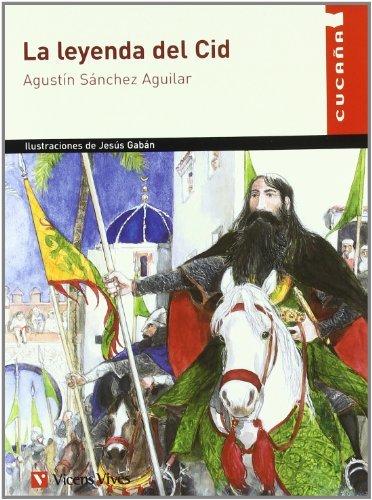
Synopsis
Covers the whole plot, including the ending.
- Difficulty
- Easy
- Pacing
- Moderate
- Mood
- Epic, heroic, adventurous, inspiring, historical
- Read it if
- you enjoy historical fiction, tales of chivalry, epic heroes, or want to learn about one of Spain's most iconic figures. It's also suitable if you appreciate simplified retellings of classic legends.
- Skip it if
- you prefer complex character development over heroic deeds, are looking for a strictly academic historical account, or dislike stories with a strong focus on warfare and medieval politics.
La leyenda del Cid Plot Summary
Covers the whole plot, including the ending.
El Joven Rodrigo
The story starts with a young Rodrigo Díaz de Vivar, known for his courage and skill. His father, Diego Laínez, is insulted by Count Lozano, whose arrogance wounds the family's honor. Though his father is too old to seek revenge himself, Diego Laínez challenges the Count. Rodrigo, despite his youth, feels the weight of his family's reputation and steps forward to defend it. This act of loyalty and early heroism sets him on a path that will shape his future. He confronts Count Lozano, leading to a duel that shows his growing combat ability and his strong commitment to justice and honor.
El Duelo y el Matrimonio
In a key duel, Rodrigo defeats and kills Count Lozano, avenging his father's honor. This act restores his family's pride, but it creates a problem: Jimena, the Count's daughter, now wants justice for her father's death. Instead of asking for Rodrigo's life, she asks King Fernando to order Rodrigo to marry her. She believes this union will end the cycle of revenge and bring peace. The King, seeing Rodrigo's bravery and Jimena's good sense, commands the marriage. This forced marriage is a turning point, linking their lives and setting up a relationship built on duty, respect, and eventually love.
La Conquista de Coimbra
Under King Fernando's order, Rodrigo leads the Castilian army in the siege of Coimbra, an important Moorish city. His military skill and leadership are clear as he plans and carries out a brilliant strategy, ending in the city's capture. This win strengthens his reputation as a strong warrior and a smart commander, earning him the respect of his peers and the King's thanks. His success in Coimbra is not just a military win, but also part of his growing legend, showing his ability to inspire his troops and achieve difficult feats against well-defended enemies.
El Rey Sancho y el Cerco de Zamora
After King Fernando dies and his kingdom is divided, Rodrigo serves King Sancho II of Castile. Sancho's ambition leads him to war against his siblings to unite the kingdom. Rodrigo, loyal to his king, takes part in the siege of Zamora, held by Sancho's sister, Urraca. During the siege, Bellido Dolfos murders King Sancho. This event leaves Rodrigo in a difficult spot, as he loses his lord and must deal with the complicated politics that follow. Sancho's death is a great shock, showing the harsh truth of power struggles and how easily even powerful rulers can fall.
La Jura de Santa Gadea
After Sancho's murder, his brother Alfonso VI becomes King of Castile. However, many suspect Alfonso was involved in Sancho's death. Rodrigo, always a man of honor and justice, confronts the new king in the church of Santa Gadea in Burgos. He makes Alfonso publicly swear three times that he had no part in his brother's murder. This bold act, known as the 'Jura de Santa Gadea,' shows Rodrigo's great moral authority and courage, even when facing royal power. While Alfonso takes the oath, the forced humiliation creates a lasting break between the two men, hinting at future conflicts.
El Destierro del Cid
The anger from the Jura de Santa Gadea, along with political plots and false accusations, leads King Alfonso VI to banish Rodrigo Díaz de Vivar from Castile. Stripped of his lands and titles, Rodrigo must leave his home and family, taking only a small group of loyal followers. This exile is a major change, turning Rodrigo from a loyal servant into an independent warrior. He now has to make his own way in foreign lands, offering his sword to anyone who will accept his service, all while keeping his honor and proving his worth against great odds. His departure is a sad moment of unfairness and hardship.
El Cid en Tierras Moras
In exile, Rodrigo, now called 'El Cid' (from the Arabic 'sidi' meaning lord), offers his services to various Moorish kings, mainly the Taifa of Zaragoza. He repeatedly proves his military skill, winning battles and collecting tribute. His campaigns are known for smart strategies, fairness, and a unique ability to earn respect from both Christian and Muslim forces. He gathers wealth and a strong reputation, attracting more followers and building a powerful independent force. This time shows his flexibility and leadership, as he navigates the complex politics of Al-Andalus, becoming a key power player himself.
La Conquista de Valencia
After years of fighting, El Cid focuses on Valencia, a rich and important city. He besieges the city for a long time, facing strong resistance and enduring hardship. His strategic skill, persistence, and his men's loyalty eventually lead to Valencia's fall. This huge victory is El Cid's greatest achievement, making him an independent ruler of a large territory. He rules Valencia fairly and wisely, creating a thriving Christian area among Moorish lands. The conquest of Valencia cements his legend as an unmatched warrior and a capable leader, fulfilling his goal of having his own realm.
Los Infantes de Carrión
To strengthen his position and gain acceptance from King Alfonso VI, El Cid agrees to marry his two daughters, Doña Elvira and Doña Sol, to the Infantes de Carrión, noblemen from Castile. Despite El Cid's doubts about their character, he agrees to the King's request. The marriages are celebrated grandly. However, the Infantes soon show their cowardice and greed. Humiliated by the Cid's men after an incident with a lion, and wanting to exploit the Cid's wealth, they begin to plot their revenge and scheme against his family, setting the stage for a tragic turn of events that tests the Cid's honor and patience.
La Afrenta de Corpes
On their journey back to Carrión, the Infantes, full of wounded pride and malice, commit a terrible act. In the oak forest of Corpes, they brutally beat and abandon El Cid's daughters, Doña Elvira and Doña Sol, leaving them for dead. This 'Afrenta de Corpes' is an unspeakable dishonor, not only to the daughters but to El Cid and his whole family line. One of El Cid's loyal followers eventually rescues the daughters. When El Cid learns of this atrocity, his grief turns to righteous anger, and he decides to seek justice, not through personal revenge, but through the legal system of the Cortes.
Las Cortes de Toledo y la Justicia
El Cid appeals to King Alfonso VI, demanding justice for the dishonor done to his daughters. The King, understanding the seriousness of the offense, calls the Cortes (court) in Toledo. In a strong and clear display of legal and moral authority, El Cid presents his case against the Infantes de Carrión. He demands the return of his dowry (his valuable swords, Colada and Tizona, and other riches) and then challenges the Infantes to a duel of honor. This legal battle shows El Cid's dedication to justice and his strong honor, proving that even an exiled lord can seek legal redress.
La Victoria Final y la Muerte del Cid
At the Cortes, the challenge is accepted, and three of El Cid's most loyal knights fight against the Infantes de Carrión and their relatives. El Cid's champions win, publicly shaming and defeating the Infantes, thus restoring the honor of El Cid and his daughters. His daughters later remarry the Infantes of Navarre and Aragón, raising their status. El Cid continues to rule Valencia fairly until his peaceful death. Even after death, his legend grows; his body is famously set on his horse, Babieca, to inspire his troops in a final, victorious charge against the Almoravides. El Cid dies a respected hero, his legacy secure.
La leyenda del Cid Characters
Rodrigo Díaz de Vivar (El Cid)
Protagonist
The legendary Castilian knight and lord of Valencia.
Rodrigo is depicted as the epitome of a medieval knight: brave, honorable, loyal, and deeply religious. He is an unparalleled warrior and a brilliant military strategist, capable of inspiring immense loyalty in his followers. Despite facing numerous injustices, including banishment by his king, he maintains his integrity and commitment to justice. He is also a caring family man, particularly devoted to his daughters, and a wise ruler, governing Valencia with fairness and efficiency. His resilience and unwavering moral compass define his character throughout his trials and triumphs.
Relationships: King Fernando I (liege lord (initially)); King Sancho II (loyal vassal); King Alfonso VI (liege lord (strained, then banished)); Jimena Díaz (wife); Doña Elvira (daughter); Doña Sol (daughter); Minaya Álvar Fáñez (loyal right-hand man and cousin)
Jimena Díaz
Supporting
El Cid's devoted and resilient wife.
Jimena is initially portrayed as the grieving daughter of Count Lozano, seeking justice for her father's death. However, her character quickly evolves into one of quiet strength and unwavering devotion to Rodrigo. She endures his banishment with grace and supports him through all his trials, raising their children and managing their household. She is a symbol of domestic stability and faith, providing a moral anchor for El Cid. Her resilience and loyalty are crucial to El Cid's ability to focus on his campaigns, knowing his family is secure in her care.
Relationships: Rodrigo Díaz de Vivar (husband); Count Lozano (father); Doña Elvira (daughter); Doña Sol (daughter)
King Alfonso VI
Antagonist/Supporting
The Castilian king who banishes El Cid.
Alfonso VI is a complex character. As king, he holds ultimate power, but he is also susceptible to courtly intrigues and personal pride. He initially supports Rodrigo but harbors resentment after being forced to swear the oath at Santa Gadea. His decision to banish El Cid, while politically motivated by accusations and jealousy, is a pivotal act that sets the stage for El Cid's independent rise. Despite his flaws, he eventually recognizes El Cid's value and allows for the reconciliation that leads to the marriage of El Cid's daughters.
Relationships: Rodrigo Díaz de Vivar (liege lord (antagonistic, then conciliatory)); King Fernando I (father); King Sancho II (brother); Urraca (sister)
Minaya Álvar Fáñez
Supporting
El Cid's loyal cousin and trusted captain.
Minaya Álvar Fáñez is El Cid's most trusted confidant and right-hand man. He is a brave warrior, a skilled commander, and a loyal friend who accompanies El Cid throughout his exile and campaigns. He acts as El Cid's ambassador to King Alfonso VI, carrying messages and representing his lord's interests. His unwavering loyalty and practical advice are invaluable to El Cid, providing both military support and emotional steadfastness during difficult times. He embodies the ideal of a loyal vassal and companion.
Relationships: Rodrigo Díaz de Vivar (cousin, loyal friend, and captain)
Infantes de Carrión (Diego and Fernando González)
Antagonist
Cowardly and greedy noblemen who marry El Cid's daughters.
The Infantes de Carrión are portrayed as arrogant, cowardly, and greedy noblemen. They seek to marry El Cid's daughters not out of love or respect, but to gain wealth and status by associating with the legendary warrior. Their actions, particularly their brutal assault on Doña Elvira and Doña Sol, reveal their deep-seated insecurity, cruelty, and lack of honor. They serve as a foil to El Cid's virtues, embodying the petty jealousies and vices of some of the Castilian nobility. Their ultimate defeat in the Cortes restores balance and justice.
Relationships: Doña Elvira (husband (Diego)); Doña Sol (husband (Fernando)); Rodrigo Díaz de Vivar (father-in-law (antagonistic))
Doña Elvira and Doña Sol
Supporting
El Cid's daughters, victims of the Infantes' treachery.
Elvira and Sol are portrayed as virtuous and obedient daughters, initially marrying the Infantes de Carrión out of duty to their father and king. They suffer immense physical and emotional trauma from the 'Afrenta de Corpes,' becoming symbols of the injustice and dishonor inflicted upon El Cid's family. Their suffering fuels El Cid's quest for justice and highlights the importance of family honor. Despite their ordeal, they eventually find new, more honorable husbands, signifying the restoration of their and their father's dignity.
Relationships: Rodrigo Díaz de Vivar (father); Jimena Díaz (mother); Infantes de Carrión (husbands (abusive))
King Fernando I
Supporting
The first king El Cid serves, who divides his kingdom.
King Fernando I is presented as a powerful and respected monarch who recognizes Rodrigo's early valor. His decision to divide his kingdom among his children upon his death, however, sets in motion the political instability and conflicts that profoundly impact Rodrigo's life. He represents the older order of kingship, under whom Rodrigo first establishes his reputation. His reign is a period of relative stability for Rodrigo, before the tumultuous reigns of his sons.
Relationships: Rodrigo Díaz de Vivar (liege lord); King Sancho II (son); King Alfonso VI (son); Urraca (daughter)
King Sancho II
Supporting
El Cid's loyal liege, assassinated during the siege of Zamora.
King Sancho II is portrayed as a strong but ambitious ruler, determined to reunite his father's divided kingdom. El Cid serves him loyally and distinguishes himself in his campaigns. Sancho's tragic and treacherous assassination at Zamora is a critical event, plunging El Cid into uncertainty and directly leading to Alfonso VI's ascension and El Cid's eventual banishment. His death highlights the brutal and unpredictable nature of medieval politics and the precariousness of even a powerful lord's position.
Relationships: Rodrigo Díaz de Vivar (liege lord (loyal vassal)); King Fernando I (father); King Alfonso VI (brother); Urraca (sister)
La leyenda del Cid Themes
Honor and Loyalty
A main theme is El Cid's strong commitment to honor (hidalguía) and loyalty, even when he faces betrayal and injustice. His actions always follow a strict moral code, whether defending his father's honor, serving his king (even an unfair one), or seeking justice for his daughters. His personal honor is connected to his family's reputation and his place in society. Even in exile, he earns respect and keeps his dignity through honorable conduct and keeping his word, eventually getting his honor back in the eyes of his king and the world.
“¡Dios, qué buen vasallo, si oviesse buen señor!”
Justice vs. Vengeance
The story looks at the difference between personal revenge and seeking justice through legal channels. While Rodrigo first avenges his father's honor in a duel, his later actions, especially after the 'Afrenta de Corpes,' show a clear choice to pursue justice through the Cortes instead of personal retaliation. This shows a more civilized way to solve conflicts, even in a society focused on war. El Cid's appeal to King Alfonso and his successful legal challenge against the Infantes highlight the importance of law and fair process in restoring honor and correcting wrongs.
“No quiero venganza, sino justicia, ante las Cortes del Rey.”
Exile and Resilience
El Cid's banishment by King Alfonso VI is a key event, forcing him into exile. This theme explores his toughness when facing trouble, as he not only survives but thrives in foreign lands. Stripped of his titles and lands, he builds a new life through his own merit, military skill, and leadership. His exile changes him from a vassal to an independent lord, showing his adaptability and strength of character. This difficult period ultimately shows his true greatness, as he achieves his biggest successes outside the usual power structures.
“Con dolor se apartó de sus tierras, pero con la cabeza alta y el corazón firme.”
Family and Legacy
The importance of family, ancestry, and the legacy one leaves is a repeated theme. Rodrigo's first actions are driven by the need to restore his father's honor. His love for his wife, Jimena, and especially his daughters, Doña Elvira and Doña Sol, is most important. The 'Afrenta de Corpes' is a deep attack on his family's honor, making him seek justice not just for them, but for the future of his family line. The successful remarriage of his daughters to royal heirs ensures the continuation and rise of his family's legacy, securing his place in history.
“Mis hijas son mi mayor tesoro, y su honra, la mía propia.”
Christianity vs. Islam (Reconquista)
The historical setting of the Reconquista, the long struggle between Christian kingdoms and Muslim states in the Iberian Peninsula, is a significant theme. While El Cid is a dedicated Christian warrior fighting against the Moors, the story also shows a complex reality where he sometimes allies with Muslim rulers and earns the respect of his Moorish enemies. This detailed portrayal avoids simple good-versus-bad descriptions, showing a world where alliances were often practical. Still, the overall context of Christian expansion and the eventual conquest of Valencia for Christendom remains a strong underlying factor.
“En el nombre de Dios, que nos dé la victoria sobre los moros.”
Plot Devices & Literary Techniques
The Oath of Santa Gadea
A public oath of innocence forced upon King Alfonso VI.
This pivotal scene serves as a dramatic confrontation between El Cid and King Alfonso VI. By forcing the king to publicly swear his innocence in his brother's murder, it highlights El Cid's immense moral authority and courage, even against royal power. However, it also creates an irreparable rift, leading directly to El Cid's banishment. This device is crucial for establishing the antagonism between the two men and setting El Cid on his path to independent heroism outside the royal court. It underscores the theme of justice versus political expediency.
The Afrenta de Corpes
The brutal assault and abandonment of El Cid's daughters.
This horrific act serves as the central catalyst for the story's climax and El Cid's quest for justice. It is a profound violation of honor, not just for the daughters but for El Cid's entire lineage. The 'Afrenta' (insult/outrage) is a powerful emotional hook, driving the narrative towards a legal and martial resolution. It underscores the themes of honor, family, and justice, demonstrating the depths of villainy of the Infantes and the strength of El Cid's resolve to right a terrible wrong, not through personal vengeance, but through the law.
El Cid's Swords (Colada and Tizona)
Symbolic weapons representing El Cid's valor and honor.
Colada and Tizona are more than just weapons; they are potent symbols of El Cid's martial prowess, his honor, and his acquired wealth. They are won in battle and become part of his legendary identity. When he gives them to the Infantes de Carrión as part of the dowry, it signifies a transfer of trust and honor. Their subsequent demand for their return after the 'Afrenta de Corpes' is not just about material possessions but a symbolic reclaiming of his family's dignity and a public denouncement of the Infantes' unworthiness. They represent the tangible manifestation of his legendary status.
The Lion in the Court
An incident revealing the Infantes' cowardice.
This seemingly minor incident, where a lion escapes in El Cid's court, serves as a crucial moment of character revelation. While El Cid calmly subdues the beast, the Infantes de Carrión display abject cowardice, hiding in fear. This event publicly shames them and exposes their true nature to El Cid's men, foreshadowing their later dishonorable actions. It's a dramatic irony, as the 'brave' nobles are terrified of a beast, while the exiled lord demonstrates true courage. This device effectively builds tension and justifies the later disdain for the Infantes, making their subsequent treachery more believable.
La leyenda del Cid Quotes
“Yo soy el Cid, Campeador, mío es el reino de Valencia.”
“No hay mayor honra que la que se gana con la espada.”
“La lealtad es un tesoro que vale más que todo el oro del mundo.”
“El destierro no me quita el valor, me lo afila.”
“Mis espadas cantan la gloria de Castilla.”
“Un caballero sin honor es un alma perdida.”
“La justicia es el pilar sobre el que se asientan los reinos.”
“El perdón es un acto de grandeza, no de debilidad.”
“La fe en Dios es el escudo del guerrero.”
“El miedo es un veneno que paraliza el alma.”
“La ambición sin control lleva a la perdición.”
“Los hijos son la herencia más preciada de un hombre.”
“El tiempo cura las heridas, pero las cicatrices quedan como testimonio.”
“Soy el Cid, y mi nombre resonará en la historia mientras haya hombres que escuchen.”
Quiz
10 questions on the plot and the characters. Each answer comes with a short explanation.
Question 1
¿Cuál es el nombre completo del protagonista de 'La leyenda del Cid'?
- Rodrigo Díaz de Vivar
- Alfonso VI
- Elvira de Vivar
- Jimena Díaz
Show answer
A. Rodrigo Díaz de Vivar El protagonista principal de la obra es Rodrigo Díaz de Vivar, conocido históricamente como El Cid Campeador.
Question 2
¿En qué ciudad se exilió el Cid tras ser desterrado por el rey Alfonso VI?
- Toledo
- Valencia
- Zaragoza
- Burgos
Show answer
C. Zaragoza Tras ser desterrado, el Cid se dirigió a la taifa de Zaragoza, bajo la protección de su emir.
Question 3
¿Qué título se le otorga a menudo al Cid, además de su nombre?
- El Conquistador
- El Campeador
- El Sabio
- El Noble
Show answer
B. El Campeador El apodo más conocido y asociado al Cid es 'El Campeador', que hace referencia a su habilidad en la batalla.
Question 4
¿Quién fue la esposa del Cid y madre de sus hijas?
- Doña Urraca
- Doña Elvira
- Doña Jimena
- Doña Teresa
Show answer
C. Doña Jimena Doña Jimena Díaz fue la esposa del Cid y madre de sus hijas, Doña Elvira y Doña Sol.
Question 5
¿Qué famosa batalla lideró el Cid y que consolidó su leyenda como conquistador de Valencia?
- Batalla de las Navas de Tolosa
- Batalla de Simancas
- Conquista de Valencia
- Batalla de Calatañazor
Show answer
C. Conquista de Valencia La conquista de Valencia fue uno de los hitos más importantes en la vida del Cid, donde estableció su propio señorío.
Question 6
¿Cómo se llamaban las espadas legendarias del Cid?
- Tizona y Colada
- Excalibur y Durandal
- Joyeuse y Almícar
- La Fores y Sagrada
Show answer
A. Tizona y Colada Las espadas legendarias del Cid se llamaban Tizona y Colada, y son elementos importantes en la mitología cidiana.
Question 7
¿Qué evento histórico se narra principalmente en 'La leyenda del Cid' de Agustín Sánchez Aguilar?
- La Reconquista completa de la Península Ibérica
- Las campañas militares y el destierro de Rodrigo Díaz de Vivar
- La formación del Reino de Castilla
- Las intrigas políticas de la corte visigoda
Show answer
B. Las campañas militares y el destierro de Rodrigo Díaz de Vivar La obra se centra en la vida de Rodrigo Díaz de Vivar, sus hazañas militares, su destierro y su posterior conquista de Valencia.
Question 8
¿Con qué noble musulmán tuvo una relación de respeto y alianza el Cid en varias ocasiones?
- Almotacín
- Abén Jáfiz
- Al-Mamún
- Yusuf ibn Tashfin
Show answer
B. Abén Jáfiz A pesar de ser un guerrero cristiano, el Cid a menudo demostró habilidad diplomática y forjó alianzas, incluso con nobles musulmanes como Abén Jáfiz.
Question 9
¿Cuál de estas afirmaciones sobre la figura del Cid en la obra es más precisa según la interpretación de Agustín Sánchez Aguilar?
- Es presentado únicamente como un héroe cristiano fanático
- Se enfatiza su complejidad como guerrero, estratega y hombre de honor en un contexto de conflicto religioso y político
- Se le retrata como un simple mercenario sin lealtades
- Su figura es puramente legendaria sin base histórica real
Show answer
B. Se enfatiza su complejidad como guerrero, estratega y hombre de honor en un contexto de conflicto religioso y político Agustín Sánchez Aguilar tiende a presentar una visión más matizada del Cid, resaltando su habilidad militar, su inteligencia política y su código de honor en una época compleja, alejándose de simplificaciones.
Question 10
¿Qué papel juegan las hijas del Cid, Doña Elvira y Doña Sol, en la trama de la obra?
- Son personajes secundarios sin influencia en la historia
- Sus matrimonios y las consecuencias de estos son un punto crucial que afecta al honor y la reputación del Cid y su linaje
- Participan activamente en las batallas junto a su padre
- Son figuras meramente decorativas para ambientar la época
Show answer
B. Sus matrimonios y las consecuencias de estos son un punto crucial que afecta al honor y la reputación del Cid y su linaje Las hijas del Cid, a través de sus matrimonios con los Infantes de Carrión y el posterior ultraje, juegan un papel fundamental en la trama, exponiendo la traición y la cobardía, y marcando un punto de inflexión en la narrativa.
La leyenda del Cid FAQ
Who is El Cid?
El Cid, also known as Rodrigo Díaz de Vivar, is the legendary Castilian knight and warlord who is the central figure of the epic poem Cantar de mio Cid. He is renowned for his military prowess and his complex relationship with the King of Castile.
What is the main theme of La leyenda del Cid?
The book explores the legend of El Cid, focusing on his life, his military campaigns, and the historical context of 11th-century Spain. It delves into themes of honor, loyalty, bravery, and the shifting political landscape of the Reconquista.
Is La leyenda del Cid a historical novel or a biography?
While based on historical events and figures, 'La leyenda del Cid' by Agustín Sánchez Aguilar is more of a historical novel. It takes the historical framework and enriches it with narrative storytelling, character development, and dramatic elements to bring the legend to life.
What historical period does the book cover?
The book is set during the Reconquista, a period in medieval Iberian history spanning from the 8th to the 15th century. Specifically, it focuses on the 11th century, the era in which Rodrigo Díaz de Vivar lived and achieved his fame.
What are the key events in El Cid's life depicted in the book?
The book likely covers major events such as El Cid's service under King Sancho II and Alfonso VI of León and Castile, his exile, his campaigns in Muslim-held territories, and his eventual legendary status as a hero of Christendom.
What is the significance of El Cid in Spanish culture?
El Cid is one of the most iconic figures in Spanish national identity and literature. He represents a blend of warrior hero, loyal vassal, and complex individual, embodying chivalric ideals and Spanish resilience.
What is the 'Cantar de mio Cid'?
The 'Cantar de mio Cid' (Song of my Cid) is an anonymous 12th-century epic poem, the oldest preserved Spanish epic. It is the primary literary source for the legend of El Cid and has heavily influenced how he is perceived.
How does Agustín Sánchez Aguilar portray El Cid?
Agustín Sánchez Aguilar likely portrays El Cid not just as a flawless hero, but as a nuanced character grappling with personal ambition, political pressures, and the complexities of war and peace in his time. The focus is on the legend built around the historical figure.
Is the book suitable for readers unfamiliar with Spanish history?
Yes, the book aims to bring the legend to life for a broad audience. While some historical context is helpful, the narrative is designed to be engaging and accessible, explaining key elements as the story unfolds.
What makes El Cid's legend enduring?
El Cid's legend endures because it combines thrilling tales of military conquest with profound themes of honor, betrayal, loyalty, and the struggle for identity in a divided land. He remains a powerful symbol of Spanish heroism and cultural heritage.
Similar books
- Harry Potter and the Sorcerer's Stone
J.K. Rowling
4.5 (7M) average on GoodreadsFantasyRescued from a miserable life under the stairs, an orphaned boy discovers he's a wizard destined for a magical school, where he uncovers a dangerous secret tied to the dark wizard who murdered his parents.
- The Hunger Games
Suzanne Collins
4.3 (6.4M) average on GoodreadsFantasyIn a future where children fight to the death on live television, Katniss Everdeen volunteers for the arena, turning a death sentence into a fight for survival and a spark of rebellion.
- Nineteen Eighty-Four
George Orwell
4.2 (5.5M) average on GoodreadsFictionWinston Smith dreams of truth and rebellion in a world where Big Brother watches all, but he confronts the terrifying power of a regime that controls not just actions, but thoughts.
- Pride & Prejudice
Jane Austen
4.3 (4.9M) average on GoodreadsElizabeth Bennet and Mr. Darcy navigate love and misunderstanding, learning that first impressions can be wrong.
- To Kill a Mockingbird
Harper Lee
4.3 (4.5M) average on GoodreadsHistorical FictionIn the 1930s Jim Crow South, Harper Lee writes about racial injustice, moral growth, and the quiet courage of a lawyer father, Atticus Finch, as seen through his young daughter's eyes.
- The Great Gatsby
F. Scott Fitzgerald
3.9 (3.8M) average on GoodreadsHistorical FictionIn the opulent Roaring Twenties, a mysterious millionaire's lavish parties hide his desperate, tragic pursuit of a lost love, exposing the emptiness within the American Dream.





Enjoyed the summary?
A summary gives you the shape of the book. The book itself has the detail, the examples and the voice.
Find La leyenda del Cid on AmazonAs an Amazon Associate, BookBrief earns from qualifying purchases. How we're funded