

Synopsis
Covers the whole plot, including the ending.
- Difficulty
- Medium
- Pacing
- Moderate
- Mood
- Witty, Romantic, Observational, Charming
- Read it if
- You enjoy classic romance with witty dialogue, social commentary, and a slow-burn enemies-to-lovers trope.
- Skip it if
- You prefer fast-paced plots with high stakes and explicit modern themes.
Pride & Prejudice Plot Summary
Covers the whole plot, including the ending.
Netherfield Park and First Impressions
The Bennet family, living in rural Longbourn, consists of Mr. and Mrs. Bennet and their five unmarried daughters: Jane, Elizabeth, Mary, Kitty, and Lydia. Mrs. Bennet wants to marry off her daughters well. News arrives that the wealthy Mr. Bingley has rented Netherfield Park, a nearby estate. He brings his two sisters, Caroline and Louisa, and his aristocratic friend, Mr. Darcy. At the first public ball in Meryton, Bingley likes the beautiful and kind Jane Bennet, dancing with her often. Mr. Darcy, despite his wealth, seems distant and proud, refusing to dance with Elizabeth Bennet and saying something negative about her appearance, which she overhears. This first meeting makes Elizabeth strongly dislike Darcy.
Developing Affections and Darcy's Snub
Bingley's liking for Jane grows quickly, and she is invited to Netherfield. During her visit, she gets sick from a rainstorm, causing Elizabeth to walk three miles through muddy fields to care for her. While at Netherfield, Elizabeth has lively discussions with Mr. Darcy. He becomes interested in her wit and spirit, which he finds different from the other women there. Miss Bingley, however, is very jealous of Darcy's attention to Elizabeth and tries to put her down. Darcy's continued proud manner and Elizabeth's knowledge of his negative remarks strengthen her bad opinion of him, creating tension between them. Jane gets better, and the sisters return home.
Mr. Collins's Proposal and Wickham's Tale
Mr. Collins, a self-important clergyman and heir to the Bennet estate (due to a legal rule), arrives in Longbourn looking for a wife from among the Bennet daughters. He first considers Jane but quickly turns his attention to Elizabeth. Meanwhile, the local militia arrives in Meryton, bringing the charming Mr. Wickham. Elizabeth is immediately attracted to Wickham. He, learning of her acquaintance with Darcy, tells a made-up story about how Darcy unfairly deprived him of his inheritance and a church position, further increasing Elizabeth's dislike for Darcy. Elizabeth rejects Mr. Collins's awkward proposal, upsetting her mother, but her practical friend Charlotte Lucas accepts him.
Bingley's Abrupt Departure and Jane's Heartbreak
Bingley and his group suddenly leave Netherfield for London, with no plans to return. Jane is heartbroken. Elizabeth believes Bingley's sisters, especially Caroline, and Mr. Darcy are responsible for separating the couple because of Jane's lower social status and lack of money. Jane later visits London hoping to see Bingley, but his sisters ignore her, and he does not try to contact her. This separation, combined with Wickham's story, confirms Elizabeth's belief in Darcy's arrogance and harmful interference, strengthening her resolve to dislike him. The Bennet family is disappointed by the loss of a good marriage prospect for Jane.
Elizabeth's Visit to Hunsford and Darcy's Proposal
Elizabeth visits Charlotte and Mr. Collins at Hunsford Parsonage in Kent, near Rosings Park, the estate of Lady Catherine de Bourgh, Mr. Darcy's demanding aunt. Darcy often visits Rosings and so sees Elizabeth frequently. Despite their past hostility, Darcy finds himself deeply in love with Elizabeth and, to her surprise, proposes marriage. He does so in a rude way, emphasizing her inferior connections and his own feelings of lowering himself by overcoming his objections to her family. Elizabeth, angry at his proposal and still believing Wickham's story and Darcy's role in separating Jane and Bingley, strongly rejects him. She accuses him of pride, arrogance, and bad behavior, and tells him she hates his character.
Darcy's Explanatory Letter and Elizabeth's Revelation
The day after his rejected proposal, Darcy gives Elizabeth a long letter. In it, he explains why he separated Jane and Bingley: he truly thought Jane was not interested in Bingley and that her family's social misbehavior would harm Bingley's reputation. More importantly, he reveals Wickham's real character, showing that Wickham is a dishonest gambler who tried to elope with Darcy's fifteen-year-old sister, Georgiana, to get her money, after having lost his own inheritance. Darcy also clarifies that Wickham was offered a generous amount of money instead of the promised church position, which he refused. Elizabeth feels deep shame and embarrassment for her own biased judgment and realizes how wrong she was about both men, recognizing Darcy's honesty and Wickham's bad nature.
A Tour of Pemberley and a Change of Heart
Months later, Elizabeth travels with her aunt and uncle, the Gardiners, through Derbyshire. They visit Pemberley, Darcy's grand estate, thinking he is away. Elizabeth is impressed by the beauty of the grounds and the good character of his housekeeper, who speaks highly of Darcy. To her surprise, Darcy suddenly appears. He acts politely and humbly, a contrast to his earlier pride. He introduces her to his younger sister, Georgiana, and treats the Gardiners with respect, further breaking down Elizabeth's earlier prejudices. This meeting at Pemberley significantly softens Elizabeth's feelings towards Darcy, as she sees his true character and kindness at his home.
Lydia's Elopement and Family Crisis
While Elizabeth is still at Pemberley, she receives two urgent letters from Jane, revealing a family scandal: her youngest sister, Lydia, has run off with Mr. Wickham. This news is terrible, as an elopement without marriage would bring permanent disgrace upon the entire Bennet family, making it impossible for any of the other daughters to marry well. Elizabeth immediately returns home to Longbourn, feeling guilty and fearing for her family's reputation. The Bennet household is in chaos, with Mrs. Bennet distraught and Mr. Bennet desperately searching for Lydia and Wickham, expecting the worst.
Darcy's Intervention and Lydia's Marriage
Mr. Gardiner eventually finds Lydia and Wickham in London. Wickham agrees to marry Lydia only after Mr. Gardiner promises him a small annual income, supposedly paid by Mr. Bennet. However, the truth is later revealed: Mr. Darcy, learning of Lydia's elopement, secretly found Wickham and Lydia himself. To save the Bennet family's honor and spare Elizabeth pain, he paid off Wickham's large debts, bought him an army commission, and arranged their marriage, all at great personal cost and without seeking recognition. This discovery greatly increases Elizabeth's gratitude and admiration for Darcy, confirming his noble character.
Bingley's Return and Jane's Engagement
Soon after Lydia's marriage, Mr. Bingley returns to Netherfield, with Mr. Darcy. This time, Bingley decides to pursue Jane. With Darcy's earlier interference gone and his own renewed conviction, Bingley proposes to Jane, who happily accepts. The Bennet family, especially Mrs. Bennet, is thrilled by this good match, which helps lessen the recent shame of Lydia's elopement. Jane's gentle nature and Bingley's kind disposition ensure their future happiness, and their engagement brings stability and joy back to Longbourn.
Lady Catherine's Confrontation
Rumors of Darcy's affection for Elizabeth reach Lady Catherine de Bourgh. She is horrified at the idea of her nephew marrying someone of lower social standing, especially since she wants him to marry her own daughter, Anne. She makes an unannounced, angry visit to Longbourn and confronts Elizabeth, demanding that she promise never to marry Darcy. Elizabeth, while respectful, firmly refuses to make such a promise, asserting her independence and right to choose. Lady Catherine leaves in a rage, unknowingly helping bring Darcy and Elizabeth together, as her report of Elizabeth's defiance makes Darcy hope that Elizabeth's feelings for him have changed.
Darcy's Second Proposal and Elizabeth's Acceptance
After Lady Catherine's visit, Darcy returns to Longbourn. He explains that his aunt's report gave him hope that Elizabeth's feelings had softened. He proposes again, this time expressing his love and respect for her without any of his former pride. Elizabeth, having completely overcome her prejudice and now deeply in love with Darcy, joyfully accepts. She admits her initial misjudgment and thanks him for his help in Lydia's affair. Mr. Bennet is at first surprised by Elizabeth's change of heart but becomes convinced of Darcy's worth. The novel ends with the double wedding of Jane and Bingley, and Elizabeth and Darcy, setting up their happy future.
Pride & Prejudice Characters
Elizabeth Bennet
Protagonist
The intelligent, witty, and independent second Bennet daughter, initially prejudiced against Darcy.
Elizabeth is the most intelligent and quick-witted of the Bennet sisters. She possesses a strong sense of independence, a sharp tongue, and a keen observational eye, often leading her to form quick, sometimes erroneous, judgments. She values integrity, genuine affection, and intellectual companionship above social status or wealth. Her journey throughout the novel is one of self-discovery, as she learns to overcome her initial prejudice and pride, realizing the complexity of human character. Her lively spirit and refusal to conform to societal expectations make her a compelling and admirable heroine.
Relationships: Mr. Darcy (Initially antagonistic, evolving into deep love and respect); Jane Bennet (Closest sister and confidante); Mr. Wickham (Initially charmed, then disillusioned); Mr. Bennet (Affectionate but sometimes exasperated father)
Fitzwilliam Darcy
Protagonist/Love Interest
The wealthy, proud, and initially arrogant master of Pemberley, who falls in love with Elizabeth.
Mr. Darcy is a wealthy, aristocratic gentleman, initially perceived as proud, aloof, and condescending due to his reserved nature and awareness of his social standing. Beneath his seemingly cold exterior, he possesses a strong moral compass, deep loyalty, and a capacity for profound love. His pride stems from his upbringing and social expectations, but he is capable of humility and self-reflection. He demonstrates his true character through acts of generosity and integrity, particularly in resolving Lydia's elopement and his genuine affection for Elizabeth, which transcends social barriers.
Relationships: Elizabeth Bennet (Initially disdainful, evolving into deep love and respect); Charles Bingley (Close, loyal friend); Georgiana Darcy (Protective older brother); Lady Catherine de Bourgh (Respected but domineering aunt)
Jane Bennet
Supporting
The eldest, most beautiful, and kind-hearted Bennet sister, who falls in love with Mr. Bingley.
Jane is renowned for her exceptional beauty, gentle disposition, and sweet nature. She is kind, optimistic, and always sees the best in people, sometimes to a fault, as she struggles to believe ill of anyone. Her serene temperament makes her a foil to Elizabeth's spirited nature. She falls deeply in love with Mr. Bingley, but her reserved expression of affection initially leads Darcy and Bingley's sisters to believe she is indifferent. Her quiet strength and unwavering goodness eventually win her the affection and respect she deserves.
Relationships: Elizabeth Bennet (Closest sister and confidante); Charles Bingley (Love interest and eventual husband)
Charles Bingley
Supporting
The amiable, wealthy, and easily influenced owner of Netherfield Park, in love with Jane Bennet.
Mr. Bingley is a wealthy, good-natured, and agreeable young man who is new to the neighborhood. He is easily charmed, friendly, and lacks the social snobbery of his sisters and Mr. Darcy. He is instantly attracted to Jane Bennet and genuinely falls in love with her. However, he is also easily swayed by the opinions of his friends, particularly Darcy and his sisters, which leads to his temporary separation from Jane. His lack of strong conviction is his primary flaw, but his genuine affection and kind heart ultimately prevail.
Relationships: Jane Bennet (Love interest and eventual husband); Mr. Darcy (Close friend); Caroline Bingley (Sister, who tries to manipulate him)
George Wickham
Antagonist
A charming but deceitful militia officer with a hidden past and mercenary intentions.
Mr. Wickham is a handsome and superficially charming militia officer who initially captivates Elizabeth and others with his agreeable manners and fabricated tale of injustice at Darcy's hands. He is, in reality, a dissolute and mercenary character, driven by greed and a lack of moral principle. He squandered his inheritance, attempted to elope with Georgiana Darcy for her fortune, and later elopes with Lydia Bennet, only agreeing to marry her after being financially coerced. He represents the danger of judging by first impressions and outward appearances.
Relationships: Elizabeth Bennet (Initially charmed, then disgusted); Mr. Darcy (Childhood acquaintance, now bitter enemy); Lydia Bennet (Elopes with, then marries for money)
Mrs. Bennet
Supporting
The frivolous and often embarrassing mother of the Bennet daughters, obsessed with marrying them off.
Mrs. Bennet is a woman of modest intellect and nervous temperament, whose primary life ambition is to see her five daughters married to wealthy men. She is often loud, tactless, and prone to hysterics, causing frequent embarrassment to her more sensible daughters, Elizabeth and Jane. Her behavior highlights the societal pressures on women in her era and the precarious financial situation of families without male heirs. Despite her flaws, she genuinely cares for her daughters' futures, albeit in a superficial and self-serving way.
Relationships: Mr. Bennet (Long-suffering husband); Elizabeth Bennet (Often exasperated by her independence); Lydia Bennet (Favors her frivolous youngest daughter)
Mr. Bennet
Supporting
The sarcastic and detached patriarch of the Bennet family, who finds amusement in his wife's follies.
Mr. Bennet is an intelligent and cynical man who finds refuge from his boisterous wife and foolish younger daughters in his library. He possesses a dry wit and a sarcastic sense of humor, often using it to mock his wife's follies. While he shares a special bond with Elizabeth, appreciating her intelligence, he is also somewhat detached and neglects his responsibilities as a father, particularly in guiding his younger daughters. His failure to instill proper conduct in Lydia contributes to the family crisis.
Relationships: Mrs. Bennet (Tolerates, often with sarcastic amusement); Elizabeth Bennet (Favors and respects her intelligence); Mary, Kitty, Lydia Bennet (Detached from their follies)
Lady Catherine de Bourgh
Supporting
Darcy's wealthy and imperious aunt, who attempts to control her nephew's life and marriage.
Lady Catherine de Bourgh is a formidable, arrogant, and extremely class-conscious noblewoman. As Darcy's aunt and patroness of Mr. Collins, she wields considerable power and influence in her sphere, expecting deference from everyone. She is obsessed with social propriety and lineage, believing her nephew should marry her own daughter, Anne. Her condescending and intrusive behavior, particularly her confrontation with Elizabeth, ironically serves to confirm Darcy's affection and solidify Elizabeth's resolve, demonstrating the folly of excessive pride and interference.
Relationships: Mr. Darcy (Dominating aunt); Mr. Collins (Patroness and employer)
Mr. Collins
Supporting
A pompous, obsequious clergyman and heir to the Bennet estate.
Mr. Collins is a sycophantic, conceited, and absurd clergyman whose only ambition is to please his patroness, Lady Catherine de Bourgh. As the entailed heir to Longbourn, he feels it his duty to marry one of the Bennet daughters. His proposals are formal, self-important, and devoid of genuine affection. He represents the ridiculousness of superficial social climbing and the absurdity of inherited status without intelligence or genuine character. His lack of self-awareness provides much of the novel's comic relief.
Relationships: Lady Catherine de Bourgh (Obsequious employee); Elizabeth Bennet (Rejected suitor); Charlotte Lucas (Husband)
Charlotte Lucas
Supporting
Elizabeth's pragmatic friend, who marries Mr. Collins for security rather than love.
Charlotte Lucas is Elizabeth's intelligent, sensible, and pragmatic friend. At twenty-seven, she faces the societal pressure of spinsterhood and accepts Mr. Collins's proposal, not out of love, but for the security and establishment it offers. Her decision highlights the limited options available to women of her time and serves as a foil to Elizabeth's idealistic views on marriage. She makes the best of her situation, finding contentment in her domestic arrangements, even if it means tolerating her absurd husband and his patroness.
Relationships: Elizabeth Bennet (Close friend); Mr. Collins (Husband)
Pride & Prejudice Themes
Pride and Prejudice
The central theme is in the title and shows how these two traits prevent understanding and cause misjudgment. Elizabeth's initial prejudice against Darcy, based on his arrogant manner and Wickham's lies, keeps her from seeing his real self. Darcy's pride in his social standing and family stops him from acting kindly and makes him initially look down on Elizabeth's family. Their journey is about overcoming these personal faults to see each other's true value, ending in love built on mutual respect. The novel suggests that both pride and prejudice block real connection and self-awareness.
“'I cannot tell what to say to it. I feel that I have been behaving in a most improper way, and I am ashamed of myself. But I must say, that I am not afraid of you, and I shall not be afraid of you, for all that you have said and done to me.'”
Social Class and Reputation
The novel carefully looks at the strict social structure of 19th-century England and the great importance of reputation, especially for women. The Bennet family's lower social standing and lack of money are constant problems, particularly for the younger daughters. Darcy's initial hesitation to associate with the Bennets and Lady Catherine's anger at his possible marriage to Elizabeth come directly from class prejudice. Lydia's elopement with Wickham threatens to ruin the whole family's reputation, showing how quickly social standing can be lost and the severe consequences for marriage prospects and future security. The novel ultimately criticizes the superficiality of class differences, valuing character over birthright.
“'It is a truth universally acknowledged, that a single man in possession of a good fortune, must be in want of a wife.'”
Love and Marriage
Austen explores different reasons for marriage: love, financial security, social advancement, and convenience. Mrs. Bennet shows the money-focused view, desperate to secure good marriages for her daughters. Charlotte Lucas marries Mr. Collins for security and a respectable home, acknowledging the practical needs for women without money. In contrast, Elizabeth and Jane look for partners they truly love and respect. The novel favors marriage based on mutual affection, understanding, and intellectual compatibility, as Elizabeth and Darcy, and Jane and Bingley, ultimately achieve. It contrasts this with the problems of marrying for superficial reasons or social pressure.
“'I am not to be intimidated into anything so horrid as marrying you.'”
Family and Duty
The Bennet family interactions are important to the story. Mrs. Bennet's constant search for husbands for her daughters, while often embarrassing, comes from a sense of duty to secure their futures. Mr. Bennet's distance and failure to properly supervise his younger daughters, especially Lydia, causes the family's biggest crisis. The novel shows the responsibility of parents in guiding their children and how individual actions affect the entire family's reputation and prospects. Darcy's help in Lydia's elopement is a deep act of duty and loyalty, not just to Elizabeth but to the social order threatened by scandal.
“'The death of your father, or the marriage of your mother, might have been a relief to you, but no such thing ever happened to them.'”
Female Agency and Independence
Despite the restrictive social rules for women in the Regency era, Elizabeth Bennet stands out for her strong independence and refusal to conform. She rejects two marriage proposals, one from Mr. Collins for financial security and another from Mr. Darcy because of his pride, putting self-respect and real affection before social expectations. Her lively discussions, love of walking, and intellectual curiosity challenge traditional female roles. While limited in her choices, Elizabeth makes her own decisions within those limits, finally choosing a partner who respects her intelligence and individuality, rather than just her status or beauty.
“'I am determined to be a rich widow, and if I can, I will have a rich husband.'”
Plot Devices & Literary Techniques
First Impressions
A narrative technique emphasizing the unreliability of initial judgments.
The novel's original title, 'First Impressions,' directly reflects this device. Austen masterfully uses initial encounters to establish strong, often misleading, perceptions of characters. Elizabeth's immediate dislike of Darcy due to his aloofness and her admiration for Wickham's charm are prime examples. The plot then unfolds by systematically dismantling these initial judgments, forcing both characters and readers to re-evaluate their understanding. This device highlights the theme of prejudice and the importance of looking beyond superficial appearances to discern true character, underscoring the novel's central message.
Epistolary Elements (Letters)
Letters used to reveal crucial plot details and character motivations.
Letters play a pivotal role in advancing the plot and revealing crucial information that would otherwise be inaccessible. Darcy's long letter to Elizabeth after his first proposal is the most significant example, serving as a turning point in the narrative. It clarifies his actions regarding Bingley and Jane, exposes Wickham's true villainy, and provides Elizabeth with the information needed to overcome her prejudice. Jane's letters about Lydia's elopement also drive the crisis. These letters allow characters to express their inner thoughts and provide exposition directly, often challenging previously held assumptions and changing the course of events.
Dramatic Irony
The audience's knowledge of events or truths that characters in the story are unaware of.
Austen frequently employs dramatic irony, particularly concerning Elizabeth's misjudgments. The reader often perceives Darcy's underlying good character or Wickham's deceit before Elizabeth does, creating tension and anticipation. For instance, the reader might infer Darcy's growing admiration for Elizabeth even as she actively despises him. This device allows Austen to subtly critique societal superficiality and highlight the dangers of relying solely on outward appearances or gossip. It also enhances the reader's engagement, as they anticipate the moment when the characters will finally gain the same understanding.
Foil Characters
Characters who highlight the qualities of other characters through contrast.
Foil characters are extensively used to emphasize the traits of the protagonists. Jane Bennet's gentle, unassuming nature serves as a foil to Elizabeth's spirited and independent personality, highlighting Elizabeth's wit and strength. Mr. Collins's obsequious and pompous character contrasts sharply with Darcy's genuine, albeit initially proud, integrity, making Darcy's eventual humility more striking. Similarly, the frivolous and imprudent Lydia and Kitty Bennet serve as foils to the more sensible Jane and Elizabeth, underscoring the dangers of unchecked youthful folly and lack of proper upbringing within the same family.
Pride & Prejudice Quotes
“It is a truth universally acknowledged, that a single man in possession of a good fortune, must be in want of a wife.”
“I cannot fix on the hour, or the spot, or the look, or the words, which laid the foundation. It is too long ago. I was in the middle before I knew that I had begun.”
“Happiness in marriage is entirely a matter of chance.”
“Obstinate, headstrong girl! I am ashamed of you! Is this your gratitude for my condescension?”
“You must allow me to tell you how ardently I admire and love you.”
“To be fond of dancing was a certain step towards falling in love.”
“There is a stubbornness about me that never can bear to be frightened at the will of others. My courage always rises at every attempt to intimidate me.”
“I could easily forgive his pride, if he had not mortified mine.”
“A lady's imagination is very rapid; it jumps from admiration to love, from love to matrimony, in a moment.”
“I have been a selfish being all my life, in practice, though not in principle.”
“The more I see of the world, the more am I dissatisfied with it; and every day confirms my belief of the inconsistency of all human characters, and of the little dependence that can be placed on the appearance of merit or sense.”
“Vanity and pride are different things, though the words are often used synonymously. A person may be proud without being vain. Pride relates more to our opinion of ourselves, vanity to what we would have others think of us.”
“We are all fools in love.”
“She is tolerable; but not handsome enough to tempt me; and I am in no humour at present to give consequence to young ladies who are slighted by other men.”
Quiz
10 questions on the plot and the characters. Each answer comes with a short explanation.
Question 1
At the Netherfield ball, what does Mr. Darcy say about Elizabeth Bennet that she overhears?
- That she is tolerable, but not handsome enough to tempt him.
- That her family connections are beneath him.
- That her wit is admirable, but her manners uncouth.
- That she dances with too much spirit for a lady.
Show answer
A. That she is tolerable, but not handsome enough to tempt him. Elizabeth overhears Mr. Darcy dismiss her as 'tolerable, but not handsome enough to tempt me,' which immediately fuels her prejudice against him and sets the tone for their initial interactions.
Question 2
Why does Mr. Collins propose to Elizabeth Bennet?
- He genuinely loves her and admires her independent spirit.
- He believes it is his duty as a clergyman and a sensible match for the Bennet family.
- He wants to secure the Bennet estate for himself through marriage.
- Lady Catherine de Bourgh advised him to marry one of the Bennet sisters.
Show answer
B. He believes it is his duty as a clergyman and a sensible match for the Bennet family. Mr. Collins proposes to Elizabeth out of a sense of duty, practicality, and the belief that it would be an advantageous match, particularly as he is the entailer of the Bennet estate. He does not propose out of love.
Question 3
What is the primary reason for Mr. Darcy's initial disapproval of Jane Bennet's relationship with Mr. Bingley?
- He believed Jane was too reserved and lacked strong feelings for Bingley.
- He considered the Bennet family's social standing and connections to be inferior.
- He suspected Jane was only interested in Bingley's wealth.
- He wanted Bingley to marry his sister, Georgiana.
Show answer
B. He considered the Bennet family's social standing and connections to be inferior. Mr. Darcy interfered with Jane and Bingley's relationship primarily due to his pride concerning the Bennet family's lower social status and their lack of 'propriety,' which he details in his letter to Elizabeth.
Question 4
What significant event causes Elizabeth to re-evaluate her opinion of Mr. Darcy?
- His generous offer to help Lydia and Wickham after their elopement.
- His polite behavior during her visit to Pemberley.
- His confession of love in his first proposal.
- His defense of Mr. Bingley against Miss Bingley's slanders.
Show answer
A. His generous offer to help Lydia and Wickham after their elopement. Elizabeth's re-evaluation of Darcy begins after reading his letter, but it's his secret intervention and financial assistance in resolving Lydia and Wickham's scandalous elopement that truly convinces her of his change of heart and inherent goodness.
Question 5
What societal expectation does Elizabeth Bennet frequently defy?
- The expectation that women should be educated in classical languages.
- The expectation that women should always defer to men's opinions.
- The expectation that women should prioritize marriage for financial security above all else.
- The expectation that women should engage in extensive social visits.
Show answer
C. The expectation that women should prioritize marriage for financial security above all else. Elizabeth consistently refuses to marry for convenience or status, as exemplified by her rejections of Mr. Collins and her initial rejection of Mr. Darcy, prioritizing genuine affection and respect over financial security.
Question 6
What is the entailment and how does it affect the Bennet family?
- It is a legal agreement allowing the Bennet daughters to inherit equally.
- It is a legal restriction preventing the Bennet daughters from inheriting their father's estate, which will pass to Mr. Collins.
- It is a dowry system that ensures each daughter receives a substantial sum upon marriage.
- It is a tax levied on the estate that reduces the family's income.
Show answer
B. It is a legal restriction preventing the Bennet daughters from inheriting their father's estate, which will pass to Mr. Collins. The entailment means that upon Mr. Bennet's death, his estate, Longbourn, will pass to the nearest male relative, Mr. Collins, leaving his wife and daughters without a home or financial support, which is a major source of anxiety for Mrs. Bennet.
Question 7
What is the primary theme explored through the character arcs of Elizabeth Bennet and Mr. Darcy?
- The importance of social status and wealth in marriage.
- The triumph of individual happiness over societal expectations.
- The dangers of gossip and rumor in a small community.
- The necessity of female accomplishments for securing a good husband.
Show answer
B. The triumph of individual happiness over societal expectations. Both Elizabeth and Darcy overcome their initial biases and societal pressures to find happiness together, choosing love and mutual respect over pride, prejudice, and external judgments. Their journey is about individual growth leading to a fulfilling union.
Question 8
How does Lady Catherine de Bourgh attempt to prevent Elizabeth from marrying Mr. Darcy?
- She threatens to disinherit Mr. Darcy if he marries Elizabeth.
- She spreads rumors about Elizabeth's character throughout the neighborhood.
- She visits Longbourn to demand Elizabeth promise not to marry Mr. Darcy.
- She arranges for Mr. Darcy to marry her own daughter, Anne.
Show answer
C. She visits Longbourn to demand Elizabeth promise not to marry Mr. Darcy. Lady Catherine makes a dramatic, unannounced visit to Longbourn to confront Elizabeth directly, demanding that she promise not to accept a proposal from Mr. Darcy, believing her nephew is destined for her own daughter.
Question 9
Which character serves as a foil to Elizabeth, highlighting the societal pressures on women to marry for security?
- Jane Bennet
- Lydia Bennet
- Charlotte Lucas
- Caroline Bingley
Show answer
C. Charlotte Lucas Charlotte Lucas, Elizabeth's friend, chooses to marry Mr. Collins out of practicality and for a secure home, despite not loving him. Her decision starkly contrasts with Elizabeth's refusal to marry without affection, highlighting the difficult choices women faced.
Question 10
What does Mr. Bennet's reaction to Elizabeth's engagement to Mr. Darcy reveal about his character?
- He is primarily concerned with the financial stability the marriage will bring.
- He initially doubts Darcy's character but trusts Elizabeth's judgment and seeks her happiness.
- He is indifferent to his daughters' romantic choices, as long as they marry.
- He is thrilled by the social elevation the marriage provides for his family.
Show answer
B. He initially doubts Darcy's character but trusts Elizabeth's judgment and seeks her happiness. Mr. Bennet, despite his often detached nature, genuinely cares for Elizabeth's happiness. He initially expresses surprise and concern about her choice, remembering her earlier dislike for Darcy, but ultimately trusts her judgment and desires her true contentment, telling her he won't allow her to be miserable.
Pride & Prejudice FAQ
What is Pride & Prejudice about?
Pride & Prejudice is a classic novel by Jane Austen that follows the tumultuous relationship between Elizabeth Bennet, a witty and independent young woman, and Mr. Darcy, a wealthy and proud aristocrat. Set in early 19th-century England, the story explores themes of love, class, reputation, and societal expectations as they navigate misunderstandings and personal growth to find love.
Why should I read Pride & Prejudice?
You should read Pride & Prejudice for its timeless exploration of human nature, sharp social commentary, and iconic characters. Austen's masterful use of wit, irony, and engaging dialogue makes the evolving romance between Elizabeth and Darcy incredibly satisfying, offering both entertainment and insightful critiques of societal pressures on women and marriage.
What is the background/setting of Pride & Prejudice?
The novel is set in rural England during the Regency era (early 19th century), primarily in Hertfordshire and later Derbyshire. It depicts the lives of the landed gentry and professional classes, focusing on the social customs, balls, visits, and the crucial importance of advantageous marriages for women in that period.
What are the most memorable quotes?
Some memorable quotes include 'It is a truth universally acknowledged, that a single man in possession of a good fortune, must be in want of a wife' and 'I cannot fix on the hour, or the spot, or the look, or the words, which laid the foundation. It is too long ago. I was in the middle before I knew that I had begun.' Also, 'My courage always rises with every attempt to intimidate me.'
What writing style does the author use?
Jane Austen employs a distinctive writing style characterized by free indirect discourse, allowing readers access to characters' thoughts and feelings while maintaining an omniscient narrator. Her prose is elegant, witty, and often ironic, filled with sharp observations of social manners and human foibles, particularly through dialogue and letters.
What minor details add significant meaning?
Lydia Bennet's elopement with Wickham, though seemingly a side plot, serves as a crucial catalyst. It forces Darcy to intervene and reveals his true character and generosity, indirectly paving the way for his reconciliation with Elizabeth and demonstrating his love extends beyond mere pride.
What are some subtle foreshadowing moments?
Early on, Mr. Bennet's dry wit and detachment foreshadow his eventual inability to manage his younger daughters effectively, particularly Lydia. Also, Darcy's initial awkwardness and pride at the Meryton assembly, while off-putting, subtly hint at a deeper shyness and social discomfort rather than pure disdain.
What unexpected character connections exist?
The most significant unexpected connection is Mr. Darcy's prior history with Mr. Wickham, revealing Wickham's true villainous nature and his attempts to defraud Darcy and seduce his sister, Georgiana. This backstory profoundly impacts Elizabeth's initial judgment of both men.
What are unspoken character motivations?
Mr. Darcy's unspoken motivation for his initial aloofness is often his deeply ingrained pride and social anxiety, rather than pure malice. For Elizabeth, her strong desire for independence and a genuine, loving marriage, in contrast to her sisters, subtly drives her rejection of Mr. Collins and early resistance to societal pressures.
What psychological complexities do characters exhibit?
Elizabeth exhibits a complex blend of independence and occasional rash judgment, her intelligence sometimes leading to prejudice. Mr. Darcy's complexity lies in his struggle to overcome his aristocratic pride and social awkwardness, revealing a deeply loyal and honorable character beneath his reserved exterior.
What are the major emotional turning points?
A major emotional turning point for Elizabeth is reading Darcy's letter after his first proposal, which clarifies Wickham's true character and explains Darcy's role in separating Jane and Bingley. This letter shatters her preconceived notions and initiates her self-reflection and re-evaluation of Darcy.
How do relationship dynamics evolve?
The relationship dynamics between Elizabeth and Darcy evolve from mutual disdain and misunderstanding to respect, admiration, and ultimately, deep love. Their journey is marked by overcoming their individual pride and prejudice, learning to see beyond surface impressions, and appreciating each other's true character.
Which parts remain ambiguous or open-ended?
While the main couples find happiness, the long-term prospects of some secondary characters, like Mary Bennet's intellectual pursuits or Kitty Bennet's continued social development without Lydia's negative influence, are left somewhat open-ended, allowing readers to imagine their future lives.
What are controversial scenes or decisions?
Mr. Darcy's initial interference in Jane and Bingley's relationship, though explained in his letter, can be seen as a controversial decision, as it causes significant heartache. Similarly, Elizabeth's initial, vehement rejection of Darcy's first proposal, while understandable, is a pivotal and dramatic moment that some might debate as overly harsh.
Pride & Prejudice ending explained: how it ends & what it means
The novel ends with Elizabeth Bennet accepting Mr. Darcy's second proposal, and Jane Bennet marrying Mr. Bingley, ensuring the happiness and financial security of the two eldest Bennet sisters. This ending signifies the triumph of love, mutual understanding, and personal growth over societal prejudices and individual pride, affirming that true affection can bridge social divides.
About the author
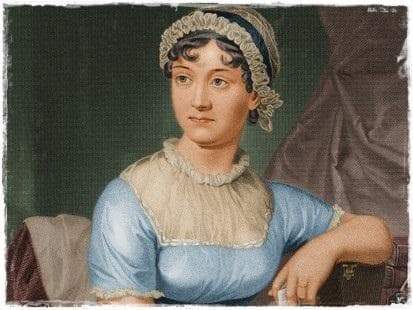
Jane Austen was an English novelist known primarily for her six major novels, which implicitly interpret, critique, and comment upon the British landed gentry at the end of the 18th century. Austen's plots often explore the dependence of women on marriage for the pursuit of favourable social standing and economic security. Her works are an implicit critique of the novels of sensibility of the second half of the 18th century and are part of the transition to 19th-century literary realism. Her deft use of social commentary, realism and biting irony have earned her acclaim among critics and scholars.
Similar books
- Sense and Sensibility
Jane Austen
4.1 (958k) average on GoodreadsHistorical FictionExplores societal pressures on women and class distinctions in Georgian England.
- North and South
Elizabeth Gaskell
4.2 (57k) average on GoodreadsHistorical FictionPresents a strong, independent female protagonist and a compelling 'opposites attract' romance against a backdrop of social commentary.
- Harry Potter and the Sorcerer's Stone
J.K. Rowling
4.5 (7M) average on GoodreadsFantasyRescued from a miserable life under the stairs, an orphaned boy discovers he's a wizard destined for a magical school, where he uncovers a dangerous secret tied to the dark wizard who murdered his parents.
- The Hunger Games
Suzanne Collins
4.3 (6.4M) average on GoodreadsFantasyIn a future where children fight to the death on live television, Katniss Everdeen volunteers for the arena, turning a death sentence into a fight for survival and a spark of rebellion.
- Nineteen Eighty-Four
George Orwell
4.2 (5.5M) average on GoodreadsFictionWinston Smith dreams of truth and rebellion in a world where Big Brother watches all, but he confronts the terrifying power of a regime that controls not just actions, but thoughts.
- To Kill a Mockingbird
Harper Lee
4.3 (4.5M) average on GoodreadsHistorical FictionIn the 1930s Jim Crow South, Harper Lee writes about racial injustice, moral growth, and the quiet courage of a lawyer father, Atticus Finch, as seen through his young daughter's eyes.




Enjoyed the summary?
A summary gives you the shape of the book. The book itself has the detail, the examples and the voice.
Find Pride & Prejudice on AmazonAs an Amazon Associate, BookBrief earns from qualifying purchases. How we're funded