

Synopsis
Covers the whole plot, including the ending.
- Difficulty
- Medium
- Pacing
- Moderate
- Mood
- Epic, Melancholy, Adventurous, Gritty, Reflective
- Read it if
- You love epic sagas of the American West, rich character development, and stories of adventure, friendship, and the vanishing frontier. Perfect for those who enjoy long, immersive reads.
- Skip it if
- You prefer fast-paced thrillers, dislike historical fiction set in the American West, or are put off by detailed descriptions of harsh frontier life and violence.
Lonesome Dove Plot Summary
Covers the whole plot, including the ending.
A Lazy Life in Lonesome Dove
The novel opens in Lonesome Dove, Texas, where former Texas Rangers Captain Woodrow Call and Captain Augustus 'Gus' McCrae operate the Hat Creek Cattle Company. Their days are spent in relative idleness, drinking, gambling, and remembering past adventures. They live with their small crew: Deets, a silent, skilled Black scout; Pea Eye Parker, a loyal but simple-minded former Ranger; and Newt, Call's illegitimate son, whom Call refuses to acknowledge publicly. Their peace is interrupted by the arrival of Jake Spoon, another former Ranger, who has fled Arkansas after accidentally killing a dentist. Jake’s tales of the untouched, fertile lands of Montana spark an idea in Gus: to drive a cattle herd north and establish the first ranch in that territory.
The Grand Plan and Gathering the Herd
Gus, captivated by Jake Spoon's description of Montana's vast plains, proposes the plan of driving a cattle herd all the way from Texas to Montana. Call is at first reluctant but is eventually swayed by the ambition and challenge of the endeavor, seeing it as a final adventure. They decide to steal a large herd of cattle and horses from Mexican bandits across the Rio Grande, believing it is faster than buying them. Gus also tries to persuade Lorena Wood, a kind-hearted prostitute from Lonesome Dove, to join them, promising her a new life away from her current profession. She agrees, hoping for a better future. Jake Spoon also likes her, adding to the group's tensions.
The Journey Begins and Early Hardships
With a stolen herd of 2,500 cattle and 100 horses, the Hat Creek outfit begins its hard journey north. The first part through the desolate South Texas plains is difficult, with dust, heat, and constant rattlesnakes. Gus tries to court Lorena, much to Jake Spoon's annoyance. Call remains stoic and focused on the drive, keeping his distance from Newt, who diligently performs his duties. The early days show the grueling pace and dangers of the trail, and the resilience needed for such a task. The men quickly learn that the dream of Montana will come at a high cost, physically and emotionally.
Lorena's Abduction and Gus's Pursuit
As the drive continues through rougher territory, Jake Spoon, tired of the cattle drive and Lorena's lack of interest in him, leaves the group, heading north alone. Soon after, Lorena, who was left behind with a small guard, is abducted by the Comanche bandit, Blue Duck, a brutal outlaw. Gus, upon discovering her disappearance, immediately sets out alone in pursuit, leaving Call and the rest of the crew to manage the cattle. His loyalty and affection for Lorena drive him through treacherous lands, showing his commitment to those he cares about, even at great personal risk.
The Rescue and Blue Duck's Fate
Gus's solo pursuit of Lorena leads him through dangerous landscapes and encounters with various characters. He eventually tracks Blue Duck to a remote canyon and, with the unexpected help of an old acquaintance, saves Lorena after she has endured horrific abuse. Gus then brings Blue Duck to justice, hanging him from a tree, a grim act that shows the brutal realities of the frontier. Lorena is deeply traumatized by her ordeal, becoming withdrawn and silent, but Gus's presence provides some comfort. He then begins the long journey back to rejoin Call and the herd, bringing the shaken Lorena with him.
Meeting Clara Allen and New Challenges
The cattle drive presses onward, encountering more challenging terrain, including flash floods, stampedes, and encounters with hostile Indians. Call continues to drive the men relentlessly, pushing them and the herd towards Montana. Along the way, Gus and Lorena eventually rejoin the main group. As they reach Nebraska, Gus decides to visit his former love, Clara Allen, who now runs a ranch with her three daughters. Their reunion is bittersweet, filled with rekindled affection but also the pain of past choices. Clara offers Lorena a place to stay, seeing her trauma and offering her a chance at healing and a stable life away from the trail.
Jake Spoon's Reckoning and Deets's Death
Jake Spoon, having joined a group of murderous outlaws, is eventually caught by Call and his men. After a brief trial, Call, following the law and his strict moral code, personally hangs Jake for his involvement in the murder of a family. This difficult act weighs heavily on Call. Later, while scouting ahead, the scout Joshua Deets is killed by a group of renegade Indians. His death is a profound blow to the entire company, especially Gus and Call, who respected his skills and quiet loyalty. Deets's burial marks a turning point, showing the high cost of their ambitious journey.
Gus's Injury and Last Wishes
As the drive enters Montana, Gus, an adventurous man, rides ahead alone. He is ambushed by a group of renegade Indians and is severely wounded, taking several arrows to his leg. He manages to ride back to the main group, but his injuries are bad. A doctor is found, who recommends amputation to save Gus's life. Despite the crude conditions, Gus undergoes the procedure, but gangrene sets in. On his deathbed, Gus makes Call promise to carry his body all the way back to Lonesome Dove, Texas, for burial. Gus's death is a devastating loss for Call and the entire crew, ending an era and a long friendship.
Call's Grim Promise and the Return Journey
True to his word, and despite the practical difficulties, Woodrow Call sets out to fulfill Gus's dying wish. He builds a makeshift coffin and begins the thousands-of-miles journey back to Lonesome Dove, carrying Gus's body. This solitary, grueling trip shows Call's loyalty and his way of grieving. He faces ridicule, hardship, and the physical toll of the journey, but his resolve never wavers. This final act defines Call's character, showing his deep, if often unexpressed, love for his lifelong friend and partner.
Newt's Inheritance and Call's Despair
During the return journey, Call finally acknowledges Newt as his son, a long-overdue recognition that brings both relief and sorrow. He also encounters Clara Allen again, who confronts him about his emotional distance and his treatment of Newt, forcing him to face his own shortcomings. Eventually, Call reaches Lonesome Dove, Texas, and buries Gus on a hill overlooking the town, fulfilling his promise. The completion of this monumental, solitary task leaves Call a broken man, changed by the loss of his friend and the weight of his journey. He continues to wander, a solitary figure haunted by the past and the ghosts of his adventures, but with a new, if painful, understanding of love and family.
Lonesome Dove Characters
Augustus 'Gus' McCrae
Protagonist
Charismatic former Texas Ranger, dreamer, and loyal friend
Gus is a verbose, philosophical, and charming former Texas Ranger. He loves whiskey, women, and storytelling, often reflecting on life's meaning and the nature of courage. Unlike the stoic Call, Gus is open with his emotions and makes friends easily. He is the instigator of the cattle drive to Montana, driven by a desire for one last grand adventure and a romantic vision of the West. His loyalty to his friends, particularly Call and Lorena, is fierce and unwavering, even leading him to great personal risk. He often acts as the moral compass and emotional heart of the Hat Creek outfit.
Relationships: Woodrow Call (Lifelong best friend and partner, a complex bond of deep loyalty and contrasting personalities.); Lorena Wood (Protector and admirer, offering her kindness and a chance at a new life.); Clara Allen (Former love interest and enduring affection, a 'what-if' relationship.); Newt (Affectionate mentor, often offering paternal advice that Call withholds.)
Woodrow Call
Protagonist
Stoic, driven former Texas Ranger, burdened by duty and unexpressed emotions
Call is a man of few words, driven by a profound sense of duty, honor, and a relentless work ethic. He is a formidable leader and a skilled frontiersman, but emotionally repressed and distant, particularly from his illegitimate son, Newt. His stoicism often makes him appear cold, yet he possesses deep, unexpressed loyalties. The cattle drive is, for him, a final challenge to conquer, a way to prove himself against the wilderness. He struggles with understanding and expressing affection, often manifesting his care through actions rather than words, as seen in his grim determination to fulfill Gus's last wish.
Relationships: Augustus 'Gus' McCrae (Lifelong best friend and partner, a complex bond of deep loyalty and contrasting personalities.); Newt (Illegitimate son, whom he struggles to acknowledge or show affection to, though he eventually does.); Clara Allen (Acquaintance, with whom he has a strained but respectful relationship, and who often challenges his emotional rigidity.); Deets (Respected and trusted scout, essential to the success of the drive.)
Lorena Wood
Supporting
Prostitute seeking a new life, enduring immense trauma and finding resilience
Lorena is a young, beautiful prostitute in Lonesome Dove, initially drawn to the promise of a new life in Montana by Gus and Jake. She is quiet and observant, possessing an inner strength that is tested beyond imagination. Her abduction and abuse by Blue Duck leave her deeply traumatized and withdrawn. Gus's unwavering protection and Clara Allen's compassionate care help her slowly begin to heal. She represents the vulnerability of women on the frontier and the profound impact of violence, but also the capacity for survival and finding peace.
Relationships: Augustus 'Gus' McCrae (Protector and kind benefactor, offering her respect and a chance at a better life.); Jake Spoon (Brief, unrequited interest, leading to her abandonment and abduction.); Clara Allen (Caretaker and friend, offering her a safe haven and support during her recovery.)
Newt
Supporting
Call's illegitimate son, striving for recognition and a sense of belonging
Newt is a diligent, quiet, and hardworking young man who is Call's illegitimate son, though Call refuses to acknowledge him publicly. He idolizes Call and strives to earn his father's approval, often observing him from a distance. Newt is a loyal and capable cowboy, learning quickly and performing his duties without complaint. His yearning for paternal recognition is a central emotional thread, and his journey is one of quiet perseverance and coming to terms with his identity, both with and without Call's direct affirmation. Gus often acts as a surrogate father figure, offering the affection Call withholds.
Relationships: Woodrow Call (Father whom he idolizes and seeks recognition from.); Augustus 'Gus' McCrae (Kind mentor and surrogate father figure.); Deets (Fellow cowboy and a quiet influence.)
Clara Allen
Supporting
Strong-willed, independent ranch owner and Gus's former love
Clara Allen is a formidable, intelligent, and independent woman who runs a successful ranch in Nebraska. She was Gus's great love, but she chose to marry another man due to Gus's wandering nature. Clara is sharp-tongued, pragmatic, and possesses a keen understanding of human nature, often seeing through the facades of men like Call. She offers a stark contrast to the rough-and-tumble lives of the cowboys, representing a more settled, domestic strength, yet she is equally capable of resilience and compassion, as shown by her care for Lorena and her confrontation with Call.
Relationships: Augustus 'Gus' McCrae (Former love interest and enduring deep affection.); Woodrow Call (Acquaintance, whom she respects but also criticizes for his emotional distance.); Lorena Wood (Caretaker and friend, providing her a home and support.)
Joshua Deets
Supporting
Silent, highly skilled Black scout and integral member of the Hat Creek outfit
Deets is a quiet, observant, and exceptionally skilled Black scout and tracker for the Hat Creek Cattle Company. He is invaluable to the success of the cattle drive, possessing an uncanny ability to read the land, track, and anticipate danger. Deets rarely speaks but communicates effectively through his actions and his deep understanding of the natural world. He is intensely loyal to Call and Gus, and his death is a profound loss for the entire group, highlighting the dangers of the frontier and the irreplaceable contributions of its unsung heroes. He often acts as a quiet moral observer.
Relationships: Woodrow Call (Respected and trusted employee and scout.); Augustus 'Gus' McCrae (Respected and trusted employee and scout.); Newt (Fellow cowboy, often sharing quiet moments.)
Jake Spoon
Supporting
Charming but unreliable former Ranger, whose weakness leads to his downfall
Jake Spoon is a charming, handsome former Texas Ranger who lives a life of aimless wandering and self-preservation. He is charismatic but ultimately weak-willed and irresponsible, often running from his problems rather than facing them. His arrival in Lonesome Dove, fleeing a murder charge, instigates the idea of the Montana cattle drive. He is attracted to Lorena but lacks the commitment to protect her, eventually abandoning her and falling in with a gang of outlaws. His character serves as a foil to Call and Gus, representing the darker, less honorable aspects of frontier life and the consequences of moral failings.
Relationships: Augustus 'Gus' McCrae (Old friend from Ranger days, whose tales inspire the drive.); Woodrow Call (Old friend from Ranger days, who ultimately enforces justice upon him.); Lorena Wood (Brief, superficial interest, which he abandons.)
Pea Eye Parker
Supporting
Loyal, simple-minded former Ranger, devoted to Call
Pea Eye Parker is another former Texas Ranger and a loyal, if somewhat dim-witted, member of the Hat Creek outfit. He is utterly devoted to Woodrow Call, following his orders without question and enduring hardships with a simple, enduring spirit. Pea Eye is a good-natured man, often providing comic relief, but he is also capable of great courage and loyalty when needed. His unwavering commitment to Call, even when Call is harsh, highlights the strong bonds forged among the Rangers and the simplicity of some frontier lives.
Relationships: Woodrow Call (Utterly devoted and loyal subordinate.); Augustus 'Gus' McCrae (Fellow former Ranger and friend.); Newt (Fellow cowboy and friend.)
Blue Duck
Antagonist
Notorious and brutal Comanche outlaw, a symbol of frontier savagery
Blue Duck is a notorious Comanche outlaw, known for his extreme cruelty and cunning. He is the son of a Comanche chief and a white woman, making him a figure who exists between two worlds but belongs to neither. His abduction and brutalization of Lorena represent the darkest, most terrifying aspects of the untamed frontier. He is a primary antagonist, embodying the arbitrary violence and lawlessness that the Rangers once fought to contain. His capture and execution by Gus serve as a stark reminder of the harsh justice of the West.
Relationships: Lorena Wood (Abductor and tormentor.); Augustus 'Gus' McCrae (Nemesis, who ultimately brings him to justice.)
Lonesome Dove Themes
The End of the Frontier
The novel explores the fading era of the American West. Gus and Call, from the Ranger days, embark on a final adventure that proves to be the last of its kind. The journey to Montana, a 'promised land,' is filled with the dangers of a vanishing wilderness, but also hints at the coming civilization. The characters constantly remember the past, realizing that their way of life is slowly disappearing. Gus's death and Call's solitary return symbolize the closing of the frontier and the end of an era of untamed freedom and individualism.
“It ain't the life, it's how you live it. And I ain't got no regrets.”
Friendship and Loyalty
At its heart, 'Lonesome Dove' is an exploration of the friendship between Gus and Call. Despite their different personalities and constant arguments, their bond is one of loyalty and deep affection. This theme is shown by Call's hard journey to fulfill Gus's dying wish, carrying his body thousands of miles for burial. Their loyalty extends to their crew, especially Deets and Pea Eye, forming a unit against the harsh wilderness. The novel suggests that such bonds are important for survival and meaning in a brutal world.
“I promised him. I just promised him.”
Duty Versus Desire
The conflict between duty and personal desire is central, especially for Woodrow Call. He is a man driven by duty and a strict moral code, often suppressing his emotions and personal relationships, especially with his son, Newt. Gus, by contrast, is driven by adventure, love, and a full life. The cattle drive itself is a blend of both: Call's sense of purpose and Gus's romantic vision. Call's final act of carrying Gus's body, a painful duty, forces him to confront his own desires and his capacity for grief, blurring the lines between obligation and love.
“It's a wonder men ain't all crazy, living the way we live. We're always chasing something, and half the time we don't know what it is.”
The Harsh Realities of the American West
McMurtry shows the brutal, unforgiving nature of the American West, removing romanticized ideas. The cattle drive is a constant struggle against the elements—dust, heat, floods, blizzards—and the dangers of human and animal predators. Characters endure physical hardship, violence, and loss, such as Lorena's abduction and Deets's death. The narrative shows that survival often requires harsh justice (e.g., Jake Spoon's hanging) and that life is often short and brutal. This realism grounds the epic adventure in a stark, often tragic, reality.
“It's an odd thing, but you can be a man of great courage and still be afraid.”
Identity and Self-Discovery
Many characters deal with their identities throughout the journey. Newt constantly tries to understand his parentage and earn his father's love, defining himself through his actions. Call, through Gus's death and the burden of his promise, must confront his own emotional repression and the true nature of his relationships, leading to a painful self-discovery. Lorena, after her trauma, must rebuild her identity and find a sense of self beyond her past. The vast, untamed landscape often forces characters to remove pretenses and understand who they truly are.
“I guess if you want to see what a man's made of, you just take him out on the trail.”
Plot Devices & Literary Techniques
The Cattle Drive
The central narrative device, propelling the plot and revealing character
The epic cattle drive from Lonesome Dove, Texas, to Montana serves as the primary plot device, providing the narrative structure and propelling all major events. It's not merely a journey but a crucible that tests the characters' physical and emotional limits, forcing them to confront their pasts, make difficult decisions, and reveal their true natures. The changing landscapes encountered along the drive also reflect the evolving challenges and the vastness of the American West, symbolizing the characters' own internal journeys and the closing of the frontier era.
Gus's Last Wish
A powerful catalyst for Call's character development and the novel's poignant ending
Gus's dying request for Call to bury him in Lonesome Dove, Texas, is a crucial plot device. It transforms the narrative from an outward journey of expansion into an inward, mournful pilgrimage. This promise forces Call, a man of duty and stoicism, into an act of profound, if awkward, love and grief. It is the ultimate test of their friendship, driving Call's character arc and providing the poignant, reflective conclusion to the novel. The seemingly absurd nature of the task underscores the deep, complex bond between the two men.
The Hat Creek Cattle Company Sign
A recurring symbol representing the characters' past, present, and future
The sign for the Hat Creek Cattle Company, frequently mentioned and eventually carried to Montana, serves as a potent symbol. Initially, it represents their idle, nostalgic existence in Lonesome Dove. As it's carried across the continent, it symbolizes their ambition, their attempt to transplant their identity, and the weight of their past. Its eventual placement in Montana signifies their claim on the new land, but also the transient nature of their endeavors. It's a tangible link to their origins and a marker of their epic, ultimately tragic, journey.
Flashbacks and Reminiscences
Used to deepen character backstories and provide historical context
McMurtry frequently employs flashbacks and the characters' reminiscences, particularly Gus's storytelling, to enrich the narrative. These moments provide crucial backstory for the characters, revealing their past as Texas Rangers, their relationships, and the historical context of the vanishing frontier. They deepen the reader's understanding of the motivations and shared history of Gus and Call, highlighting the bonds forged in earlier, wilder times. This technique allows the author to explore themes of nostalgia, regret, and the changing West without disrupting the forward momentum of the cattle drive.
Lonesome Dove Quotes
“The older the violin, the sweeter the music.”
“Yesterday's gone on down the river and you can't get it back.”
“If you want any one thing too badly, it's likely to turn out to be a disappointment.”
“It ain't dying I'm talking about, it's living.”
“The sun looks down on nothing half so good as a household laughing together over a meal.”
“I'd rather be a walking fool than a sitting wise man.”
“A man who wouldn't cheat for a poke don't want one bad enough.”
“The earth is mostly just a boneyard.”
“Life in San Francisco is still just life.”
“You can't avoid dying, but you can avoid being unprepared for it.”
“I hate rude behavior in a man. I won't tolerate it.”
“It's not the goin' that's hard, it's the leavin'.”
“A man that will run from a fight ain't worth much.”
“The only healthy way to live life is to learn to like all the little everyday things.”
Quiz
10 questions on the plot and the characters. Each answer comes with a short explanation.
Question 1
What is the name of the cattle company that Gus McCrae and Woodrow Call run at the beginning of the novel?
- The Rio Grande Cattle Company
- The Hat Creek Cattle Company
- The Lonesome Dove Ranch
- The Montana Trail Company
Show answer
B. The Hat Creek Cattle Company The novel begins with Gus McCrae and Woodrow Call operating The Hat Creek Cattle Company on the Rio Grande in Texas, which sets the stage for their epic cattle drive northward.
Question 2
What tragic event involving Blue Duck occurs during the cattle drive that devastates the group?
- He steals all their cattle
- He kidnaps and murders Lorena Wood
- He leads an attack that results in the death of Newt's love interest
- He burns down their camp in Montana
Show answer
C. He leads an attack that results in the death of Newt's love interest Blue Duck, a notorious outlaw and killer, leads an attack on the cattle drive where he kidnaps and murders Lorena Wood, who had developed a relationship with Newt. This event deeply affects Newt and the entire group.
Question 3
Why does Woodrow Call decide to undertake the cattle drive from Texas to Montana?
- To escape law enforcement in Texas
- To find new grazing land and start a ranch in unspoiled territory
- To deliver cattle to the U.S. Army
- To search for gold in Montana
Show answer
B. To find new grazing land and start a ranch in unspoiled territory Call is motivated by a desire to establish a cattle ranch in the untouched grasslands of Montana, seeing it as a final great adventure and business opportunity, which convinces the more reluctant Gus to join him.
Question 4
What is the significance of the character Jake Spoon in the novel?
- He is a skilled tracker who guides the cattle drive
- He is a former Texas Ranger who joins the drive but brings trouble due to his associations
- He is a banker who finances the cattle drive
- He is an Indian chief who negotiates safe passage for the drive
Show answer
B. He is a former Texas Ranger who joins the drive but brings trouble due to his associations Jake Spoon is a former Texas Ranger and old friend of Gus and Call who joins the cattle drive. His involvement with outlaws like Blue Duck leads to conflicts and tragic events, highlighting themes of loyalty and betrayal.
Question 5
How does Gus McCrae's character contrast with Woodrow Call's in terms of their approach to life?
- Gus is reckless and impulsive, while Call is cautious and strategic
- Gus is jovial and enjoys life's pleasures, while Call is stern and duty-bound
- Gus is a skilled fighter, while Call is a peacemaker
- Gus is wealthy, while Call is poor
Show answer
B. Gus is jovial and enjoys life's pleasures, while Call is stern and duty-bound Gus McCrae is portrayed as charismatic, humorous, and hedonistic, often seeking enjoyment in company and comfort, whereas Woodrow Call is more reserved, disciplined, and focused on responsibility and honor, creating a dynamic central to the novel.
Question 6
What major theme is explored through the characters' interactions with the changing American West?
- The inevitability of technological progress
- The conflict between civilization and the untamed wilderness
- The importance of political alliances in frontier life
- The decline of the cattle industry in the late 1800s
Show answer
B. The conflict between civilization and the untamed wilderness The novel delves into the tension between the encroaching civilization (represented by settlements and law) and the wild, dangerous frontier, as characters navigate this transition during their journey.
Question 7
What happens to Gus McCrae at the end of the novel?
- He settles down in Montana as a rancher
- He returns to Texas alone
- He dies from injuries sustained in a conflict
- He becomes a sheriff in a new town
Show answer
C. He dies from injuries sustained in a conflict Gus McCrae is fatally wounded in a skirmish with Native Americans during the drive. His death is a poignant moment that underscores the harsh realities of frontier life and affects Call deeply.
Question 8
Which character serves as a symbol of innocence and growth throughout the cattle drive?
- Lorena Wood
- Newt Dobbs
- Deets
- July Johnson
Show answer
B. Newt Dobbs Newt Dobbs, the young cowboy who is likely Call's son, starts the journey inexperienced and grows through the hardships of the drive, representing the loss of innocence and coming of age in the West.
Question 9
What role does the character of Lorena Wood play in the novel's exploration of relationships?
- She is a symbol of unattainable love for all the cowboys
- She represents the civilizing influence of women on the frontier
- Her experiences as a prostitute and her relationships with multiple men highlight themes of love, survival, and redemption
- She is a minor character who only appears briefly
Show answer
C. Her experiences as a prostitute and her relationships with multiple men highlight themes of love, survival, and redemption Lorena Wood, a prostitute in Lonesome Dove, forms complex relationships with characters like Gus, Jake, and Newt. Her journey reflects the struggles of women in the West and ties into broader themes of love and human connection.
Question 10
In what way does the novel's ending reflect its central themes of heroism and the American experience?
- By showing the cowboys achieving wealth and fame in Montana
- Through Call's solitary return to Texas, emphasizing the cost of ambition and the fleeting nature of glory
- With a celebratory reunion of all surviving characters
- By depicting the establishment of a successful new town
Show answer
B. Through Call's solitary return to Texas, emphasizing the cost of ambition and the fleeting nature of glory The novel concludes with Woodrow Call returning alone to Texas, having buried Gus in Montana. This underscores themes of sacrifice, the bittersweet nature of frontier heroism, and the personal toll of the American expansion, leaving a lasting impact on readers.
Lonesome Dove FAQ
What is 'Lonesome Dove' about?
The novel follows former Texas Rangers Augustus 'Gus' McCrae and Woodrow Call as they organize a massive cattle drive from the dusty Texas border town of Lonesome Dove to the unsettled Montana territory. Along the 3,000-mile journey, they face harsh wilderness, hostile Native American tribes, outlaws, and internal conflicts among their diverse crew of cowboys, including young Newt Dobbs, the cook Bolivar, and the prostitute Lorena Wood.
Why should I read 'Lonesome Dove'?
It's considered the definitive Western novel that transcends genre with its epic scope, complex characters, and unflinching portrayal of frontier life. McMurtry's masterpiece explores universal themes of friendship, loyalty, ambition, and mortality against the backdrop of America's westward expansion, earning its Pulitzer Prize through rich storytelling that balances adventure with profound human drama.
What is the background/setting of 'Lonesome Dove'?
Set in the late 1870s post-Civil War era, the story begins in the remote Texas border town of Lonesome Dove along the Rio Grande, where former Rangers run a struggling cattle company. The journey traverses the Great Plains through Kansas, Nebraska, and the Dakota territories, ending in the rugged wilderness of Montana—capturing the fading frontier as civilization encroaches on the untamed West.
What are the most memorable quotes?
Key quotes include Gus's philosophical 'The older the violin, the sweeter the music' about aging, and his warning 'Yesterday's gone on down the river and you can't get it back' about living in the present. Call's pragmatic 'It ain't dying I'm talking about, it's living' reflects the novel's focus on survival, while Clara Allen's poignant 'I'd rather be by myself than with somebody I can't respect' underscores themes of integrity.
What writing style does Larry McMurtry use?
McMurtry employs a straightforward, descriptive prose that blends historical realism with lyrical moments, avoiding romanticized Western tropes. His style features sparse dialogue that reveals character depth, vivid depictions of landscape and hardship, and an episodic structure that mirrors the arduous cattle drive, creating an immersive sense of time and place through meticulous detail.
What minor details add significant meaning?
The Hat Creek Cattle Company's sign, which reads 'U.S. Marshal' on one side and 'Sheriff' on the other, symbolizes Gus and Call's ambiguous roles between lawmen and outlaws. Newt's unacknowledged paternity by Call is hinted at through subtle interactions, like Call giving him a watch, while the constant presence of blue pigs in Lonesome Dove represents the mundane absurdity of frontier life.
What are some subtle foreshadowing moments?
Early scenes of Gus complaining about his sore feet foreshadow his eventual leg amputation and death from gangrene. Call's obsession with reaching Montana hints at his inability to settle down, leading to his lonely fate. Lorena's trauma with outlaws like Blue Duck predicts her later resilience, while Deets's skilled tracking subtly sets up his tragic death during the journey.
What unexpected character connections exist?
Jake Spoon's past involvement with Gus and Call as Rangers resurfaces when he joins the drive, linking to his eventual hanging for murder. Clara Allen, Gus's former love, reappears in Nebraska as a widow running a stagecoach station, providing emotional closure. Blue Duck, the vicious Comanchero, connects multiple storylines through his attacks on Lorena and the crew, embodying the West's brutality.
What are unspoken character motivations?
Woodrow Call's drive to Montana stems from unacknowledged guilt over abandoning his son Newt and a desire to prove himself beyond his Ranger past. Gus McCrae joins the cattle drive partly to escape boredom and seek adventure, but deeper down to reconnect with Clara and confront his mortality. Lorena Wood's journey is motivated by a hidden hope to find stability and escape her traumatic life as a prostitute.
What psychological complexities do characters exhibit?
Gus balances humor and wisdom with a deep-seated fear of irrelevance, while Call embodies stoic repression, struggling to express emotion even toward his son Newt. Lorena shows PTSD from abuse yet develops quiet strength, and Newt grapples with coming-of-age insecurities amid paternal ambiguity. Jake Spoon's charm masks cowardice and moral weakness, leading to his downfall.
What are the major emotional turning points?
Deets's death during a skirmish with Native Americans shatters the crew's innocence and bonds them in grief. Gus's amputation and subsequent death in Miles City forces Call to confront his own emotions and failures. Newt learning the truth about his parentage from Clara after Gus's funeral marks his transition to manhood, while Lorena finding peace with Clara represents healing from trauma.
How do relationship dynamics evolve?
Gus and Call's friendship deepens from competitive banter to mutual dependence, with Gus's death leaving Call emotionally adrift. Newt grows from a naive boy to a respected cowboy, earning Call's tacit approval. Lorena moves from victimized dependence on men to independence under Clara's mentorship. The crew's initial disjointedness transforms into a familial unit through shared hardship on the trail.
Which parts remain ambiguous or open-ended?
Call's final decision to bury Gus in Texas and wander alone in Montana is left unresolved, symbolizing his eternal restlessness. Newt's future after inheriting the Hat Creek outfit is uncertain, reflecting the next generation's challenges. The novel doesn't clarify if Lorena fully overcomes her trauma or if Clara finds lasting peace, leaving their emotional journeys subtly open.
What are controversial scenes or decisions?
Call's refusal to acknowledge Newt as his son, even after Gus's death, sparks debate about parental responsibility versus personal honor. The hanging of Jake Spoon for accidental murder raises questions about frontier justice versus mercy. Gus's romanticized view of Native Americans clashes with brutal depictions like Blue Duck's raids, challenging stereotypes of the 'noble savage' in Westerns.
'Lonesome Dove' ending explained: how it ends & what it means
The novel ends with Call burying Gus in Texas as promised, then returning alone to Montana, where he aimlessly wanders the wilderness—symbolizing the futility of his quest and the loneliness of the frontier myth. Newt takes over the Hat Creek Cattle Company, representing generational continuity, while Lorena finds solace with Clara. The ending underscores themes of loss, legacy, and the harsh reality that the American West's expansion came at great personal cost.
What deeper themes does the cattle drive symbolize?
The grueling drive from Texas to Montana represents the American frontier spirit—ambition, survival, and the pursuit of elusive dreams. It serves as a metaphor for life's journey, with characters confronting their pasts, mortality, and relationships along the way. The physical hardship mirrors internal struggles, highlighting how the West's myth of opportunity often led to sacrifice and disillusionment.
How does McMurtry subvert traditional Western tropes?
Instead of glorifying gunfights and heroism, McMurtry focuses on mundane hardships like boredom, sore feet, and dysentery. Characters like Gus and Call are flawed, aging men rather than dashing heroes, and women like Lorena and Clara have complex agency beyond damsels in distress. The novel emphasizes community and emotional depth over action, presenting the West as a place of both beauty and brutal realism.
About the author
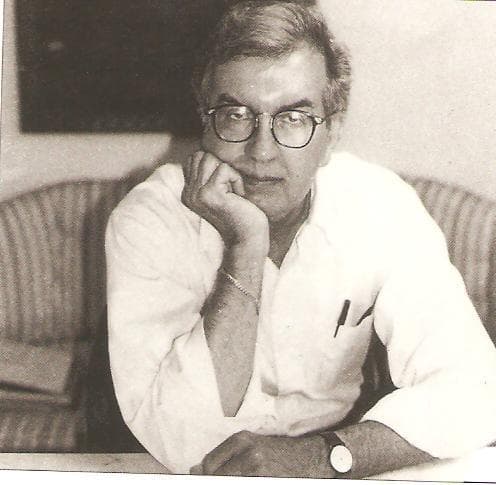
Larry Jeff McMurtry was an American novelist, essayist, prominent book collector, bookseller and screenwriter whose work was predominantly set in either the Old West or contemporary Texas. His novels included Horseman, Pass By (1962), The Last Picture Show (1966), and Terms of Endearment (1975), which were adapted into films. Films adapted from McMurtry's works earned 34 Oscar nominations.
Similar books
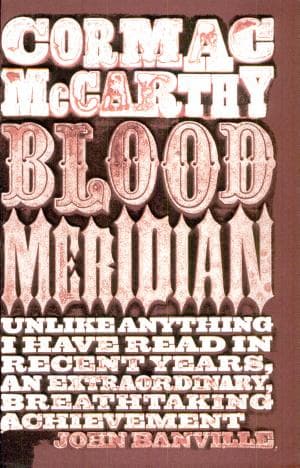
- Blood Meridian
Cormac McCarthy
4.2 (227k) average on GoodreadsFictionExplores the violent and brutal nature of the American West with a focus on historical realism.
- To Kill a Mockingbird
Harper Lee
4.3 (4.5M) average on GoodreadsHistorical FictionIn the 1930s Jim Crow South, Harper Lee writes about racial injustice, moral growth, and the quiet courage of a lawyer father, Atticus Finch, as seen through his young daughter's eyes.
- The Great Gatsby
F. Scott Fitzgerald
3.9 (3.8M) average on GoodreadsHistorical FictionIn the opulent Roaring Twenties, a mysterious millionaire's lavish parties hide his desperate, tragic pursuit of a lost love, exposing the emptiness within the American Dream.
- Pride and Prejudice
Jane Austen
4.3 (3M) average on GoodreadsHistorical FictionIn a society focused on status and money, Elizabeth Bennet navigates love and pride, challenging Mr. Darcy and social expectations to find true affection.
- Angels & Demons
Dan Brown
3.9 (2.7M) average on GoodreadsThrillerA Harvard symbologist races through Rome's ancient sites, deciphering cryptic clues to unmask the Illuminati and stop a vengeful plot to destroy the Vatican with a stolen antimatter weapon.
- The Kite Runner
Khaled Hosseini
4.3 (2.4M) average on GoodreadsHistorical FictionIn pre-Taliban Afghanistan, a wealthy boy's betrayal of his servant's son during a kite-running tournament starts a lifelong journey for amends as his country collapses.





Enjoyed the summary?
A summary gives you the shape of the book. The book itself has the detail, the examples and the voice.
Find Lonesome Dove on AmazonAs an Amazon Associate, BookBrief earns from qualifying purchases. How we're funded