

Synopsis
Covers the whole plot, including the ending.
- Difficulty
- Medium
- Pacing
- Moderate
- Mood
- Romantic, Melancholy, Philosophical, Humorous, Reflective
- Read it if
- You enjoy epic, unconventional love stories that span decades, exploring themes of aging, passion, and the many forms of love and obsession.
- Skip it if
- You prefer fast-paced plots or are uncomfortable with detailed descriptions of infidelity and the complexities of human desire.
Love in the Time of Cholera Plot Summary
Covers the whole plot, including the ending.
Dr. Urbino's Demise
On Pentecost Sunday, Dr. Juvenal Urbino, a respected physician in a Caribbean port city, tries to get his pet parrot from a mango tree. The parrot had flown into the tree to escape a dog. Dr. Urbino, old and weak, falls from the ladder and dies from a head injury. His wife, Fermina Daza, and their children, América Vicuña and Marco Aurelio, see him fall. The city mourns its public figure, known for his work against cholera and his efforts to modernize the city. His funeral is a large event, attended by many, including Florentino Ariza, who had waited over fifty years for this moment.
Florentino's Declaration
After Dr. Urbino's funeral, while Fermina Daza is still grieving, Florentino Ariza arrives at her home. He means to keep the promise he made decades ago: to tell her he loves her the moment her husband died. He approaches her and, with a shaky voice, repeats his eternal devotion, saying, "Fermina, I have waited for this opportunity for fifty-one years, nine months, and four days. I have loved you since the first moment I saw you and I will love you until I die." Fermina is shocked and angry at his lack of sensitivity, calling him a 'ghost' and a 'senile old man,' and ordering him to leave.
The First Love Affair
The story goes back to young Fermina Daza, a beautiful and lively girl living with her father, Lorenzo Daza, who was indulgent but watchful. Florentino Ariza, a telegraph operator, sees her one day and is instantly smitten. He begins to pursue her tirelessly, sending her countless passionate letters, often delivered by Fermina's aunt, Escolástica. Their letters turn into an intense, secret love affair, full of promises of eternal devotion and plans for their future. Fermina, at first hesitant, eventually gives in to his charm and poetic words, believing he is her true love. They promise to marry and spend their lives together.
Lorenzo Daza's Intervention
Lorenzo Daza, a practical and ambitious man, finds out about his daughter's secret letters with Florentino Ariza. He thinks Florentino is beneath their social class and not a good match for Fermina. Angry, he confronts Fermina and forbids her from seeing or writing to Florentino. To separate them and make Fermina forget her young love, Lorenzo takes her on a long trip to the country, visiting relatives and showing her new experiences and potential husbands, hoping she will broaden her views and forget Florentino.
The 'Revelation' and Betrayal
After her long trip, Fermina Daza returns to the city, seemingly more mature and changed. She meets Florentino Ariza in the marketplace. At that moment, seeing him in person after their idealized romance through letters, she suddenly realizes: the love she felt for him was an illusion, a childish fantasy. She is put off by his looks and declares, "No, please. Forget it." This sudden rejection, said in one sentence, crushes Florentino, who had been waiting faithfully for her return, sure their love would last through their separation. This scene marks the abrupt end of their youthful romance.
Fermina's Marriage to Dr. Urbino
Soon after rejecting Florentino, Fermina Daza meets Dr. Juvenal Urbino, a brilliant, sophisticated, and well-traveled doctor who had recently returned from studying in Paris. He is admired for his intelligence, social standing, and modern ideas, especially his work in public health. Dr. Urbino is persistent and charming in his courtship, offering Fermina a life of stability, respect, and social importance that Florentino could not. Despite some early doubts and a wish for independence, Fermina eventually accepts Dr. Urbino's proposal, marries him, and they start a long, outwardly successful marriage, raising two children and becoming important members of their community.
Florentino's Life of Love and Lust
Crushed by Fermina's rejection, Florentino Ariza dedicates his life to two things: his career at the River Company of the Caribbean, where he eventually becomes president, and a relentless search for love, or rather, desire. He has countless affairs, carefully recording each one in a ledger, totaling 622 different lovers throughout his life. These relationships range from brief encounters to long-term ones, including with the Widow Nazaret, his landlady, and Leona Cassiani, his loyal assistant. Despite this extensive romantic and sexual history, Florentino never truly loves anyone but Fermina, keeping her memory as the main force in his life.
The Waiting Game
For over fifty years, Florentino Ariza lives a life marked by his unwavering, though obsessive, devotion to Fermina Daza. He watches her from afar, tracks her life, and patiently waits for the day Dr. Urbino will die, believing their love is meant to be rekindled. He builds his fortune and reputation at the River Company, improving his social standing, not for himself, but to be worthy of Fermina. He improves his poetic skills and holds onto a romantic ideal of their future together, even as he has many physical relationships. His life shows the lasting power of a singular, unrequited love.
Fermina's Grief and Reassessment
After Dr. Urbino's death, Fermina Daza goes through a period of deep grief and adjustment to being a widow. At first, she is outraged by Florentino's insensitive declaration. She thinks about her long marriage to Dr. Urbino, acknowledging its comforts, stability, and mutual respect, but also its occasional difficulties and the compromises she made. She finds comfort in her family, especially her daughter América Vicuña, and deals with the loneliness of old age. During this time, she receives a series of persistent, but more polite, letters from Florentino, expressing his condolences and his lasting love, which she first ignores but eventually starts to read.
The Resumption of Correspondence
After months of Florentino's persistent, and now more respectful, letters, Fermina Daza, still mourning, finds herself drawn to his words. She first replies with formal acknowledgments, but slowly, their letters become deeper. Florentino, now a successful and influential businessman, uses his poetic writing to express his lasting love, reminding her of their youth. Fermina, feeling a new loneliness and a desire for connection, starts to open up. Their letters become a bridge across the decades, allowing them to reconnect emotionally and intellectually, recalling shared memories and finding new aspects of each other's personalities.
The First Meeting
After a year of renewed letters, Florentino Ariza and Fermina Daza arrange to meet in person. Their first meeting is awkward, with two elderly people trying to match their youthful memories with their current selves. Florentino is nervous, and Fermina is careful, still wary of his intensity. However, as they talk, they find a comfortable rhythm, sharing stories and thoughts about their lives. The initial shock of seeing each other after so long gives way to a sense of familiarity and a rekindled emotional closeness, showing that their connection, though inactive, was not completely gone.
The River Journey
To escape society's prying eyes and fully embrace their rediscovered love, Florentino Ariza, now president of the River Company, arranges a private riverboat trip up the Magdalena River. He makes sure the boat is set up for their comfort and privacy. Fermina Daza, despite her children's disapproval and society's judgment, agrees to join him. This journey becomes their safe place, where they can truly be themselves, free from the rules of their past lives. On the river, they fully express their love, physically and emotionally, experiencing a deep and gentle intimacy in their old age.
The Cholera Flag
As their river journey nears its end, Florentino Ariza and Fermina Daza realize they cannot return to a world that would judge their unusual love. Florentino, with a smart idea, orders the captain to raise the yellow flag of cholera, a sign that the ship is infected and cannot dock. This act effectively quarantines them indefinitely on the river, letting them continue their journey upstream, away from society. The flag, once a sign of disease and death, becomes for them a sign of freedom, eternal love, and a chosen isolation, allowing them to live out their remaining days together, always moving.
Love in the Time of Cholera Characters
Florentino Ariza
Protagonist
The hopeless romantic who waits over fifty years for his true love, Fermina Daza.
Florentino is a man defined by his obsessive and unwavering love for Fermina Daza. From a young age, he is a poet, a dreamer, and intensely emotional, almost to the point of being sickly. He works his way up from a telegraph operator to the president of the River Company of the Caribbean, driven by a desire to be worthy of Fermina. Despite engaging in hundreds of sexual affairs, he never truly loves anyone but her, meticulously recording his conquests while maintaining a sacred ideal of Fermina. He is persistent, patient, and ultimately, triumphant in his pursuit.
Relationships: Fermina Daza (Lifelong unrequited love, eventually reciprocated); Tránsito Ariza (His mother, supportive and understanding); Leona Cassiani (His loyal assistant and long-term mistress); Lorenzo Daza (His romantic rival and obstacle); Aunt Escolástica (Facilitator of his youthful romance with Fermina)
Fermina Daza
Protagonist
The spirited and beautiful woman who rejects youthful passion for a life of stability, only to rediscover love in old age.
Fermina is headstrong, proud, and fiercely independent. As a young woman, she is initially swept away by Florentino's romantic declarations but later realizes her youthful love was an illusion. She chooses a life of stability and social standing with Dr. Juvenal Urbino, becoming a respected matriarch. Though her marriage is largely conventional and respectful, she experiences moments of restlessness and asserts her will within it. In her old age, after Urbino's death, she grapples with loneliness and eventually opens herself to Florentino's renewed advances, finding a profound and unexpected second love.
Relationships: Florentino Ariza (Youthful love, then decades of rejection, finally rekindled love); Dr. Juvenal Urbino (Husband of over fifty years, a marriage of respect and comfort); Lorenzo Daza (Her father, domineering but ultimately cares for her well-being); América Vicuña (Her daughter, with whom she has a complex relationship); Marco Aurelio Urbino (Her son)
Dr. Juvenal Urbino
Supporting Character / Catalyst
Fermina Daza's respected and intellectual husband, whose death sets the main plot in motion.
Dr. Urbino is a distinguished and progressive physician, a pillar of his community, and a symbol of modernity and European sophistication. He is committed to public health, fighting cholera, and bringing civility to his city. His marriage to Fermina is one of mutual respect, comfort, and shared social standing, though not always intense passion. He is a rational, orderly man, contrasting sharply with Florentino's romantic impulsiveness. His accidental death, occurring early in the novel, serves as the catalyst for Florentino's renewed pursuit of Fermina, despite his pervasive presence in the characters' memories.
Relationships: Fermina Daza (Husband of over fifty years); América Vicuña (His daughter); Marco Aurelio Urbino (His son); Florentino Ariza (Unbeknownst rival for Fermina's affection)
Lorenzo Daza
Supporting Character / Antagonist
Fermina Daza's pragmatic and ambitious father, who actively thwarts her youthful romance with Florentino.
Lorenzo Daza is a shrewd and ambitious man, primarily concerned with social status and financial security. He makes his fortune through somewhat dubious means and strives to elevate his family's standing. He fiercely disapproves of Fermina's youthful romance with Florentino Ariza, deeming him unsuitable due to his lack of wealth and social standing. He actively intervenes to separate the young lovers, even sending Fermina away on a long journey. While his actions are driven by what he believes is best for his daughter's future, he is an obstacle to true love in the early part of the story.
Relationships: Fermina Daza (Her father, controlling but ultimately wants her to succeed); Florentino Ariza (His romantic rival and deemed unsuitable suitor)
Tránsito Ariza
Supporting Character
Florentino Ariza's supportive and understanding mother.
Tránsito Ariza is Florentino's mother, a kind and somewhat indulgent woman who runs a small shop. She is aware of her son's intense romantic nature and his deep love for Fermina. She provides him with emotional support and practical advice throughout his life, often acting as a confidante. She doesn't always approve of his many affairs but understands the underlying reason for his behavior. Her presence offers a grounding influence in Florentino's otherwise tumultuous emotional life.
Relationships: Florentino Ariza (His mother, highly supportive); Fermina Daza (Florentino's love interest, whom she knows about)
Leona Cassiani
Supporting Character
Florentino Ariza's loyal and intelligent assistant, who also becomes his long-term mistress.
Leona Cassiani is a dark-skinned, intelligent, and fiercely loyal woman who rises through the ranks of the River Company to become Florentino's indispensable assistant. She is devoted to him, both professionally and personally, managing his affairs with efficiency and discretion. She eventually becomes one of his long-term mistresses, enduring his emotional unavailability and his constant obsession with Fermina Daza. Leona represents a different kind of love and fidelity, one that is practical, enduring, and unglamorous, yet deeply significant to Florentino's life.
Relationships: Florentino Ariza (His assistant, confidante, and long-term mistress); América Vicuña (Her niece, whom she cares for)
América Vicuña
Supporting Character
Fermina and Juvenal's daughter, who eventually becomes Florentino's young lover.
América Vicuña is the daughter of Fermina Daza and Dr. Juvenal Urbino. She is a bright and sensitive young woman, often seeking her mother's approval and affection. After her father's death, she lives with Fermina and becomes a recipient of Florentino's letters. Unbeknownst to Fermina, Florentino engages in a sexual relationship with América, a disturbing detail that highlights his complex and sometimes morally ambiguous character. Her tragic fate underscores the consequences of Florentino's self-centered pursuit.
Relationships: Fermina Daza (Her mother); Dr. Juvenal Urbino (Her father); Florentino Ariza (Her lover, who abandons her)
Aunt Escolástica
Supporting Character
Fermina's aunt and early confidante, who facilitates her youthful romance with Florentino.
Aunt Escolástica is Fermina's aunt and a key figure in her early life. She is a romantic at heart and secretly supports Fermina's passionate, clandestine correspondence with Florentino Ariza. She acts as a go-between, delivering letters and encouraging their secret love. Her role is crucial in allowing the initial romance to flourish, despite Lorenzo Daza's strictures. She represents the romantic ideal that Fermina initially embraces.
Relationships: Fermina Daza (Her aunt and romantic confidante); Florentino Ariza (Facilitator of his courtship with Fermina)
Love in the Time of Cholera Themes
The Enduring Nature of Love and Obsession
The novel shows Florentino Ariza's extraordinary persistence in loving Fermina Daza, which lasts over fifty years. This is not just love, but a deep obsession that guides his entire life, from his career to his many sexual encounters, which are only distractions from his main goal. The theme appears in Florentino's careful records of his affairs and his steady belief that Fermina will one day be his. It questions usual ideas of romantic love by showing it as a force that can last through time, social expectations, and even loyalty, finally finding fulfillment in old age.
“He had learned to be solitary by force of will, and by then he was used to it. But he still loved her, and he still waited for her.”
Love in Different Forms
García Márquez explores different kinds of love: the idealized, passionate, and somewhat naive love of youth (Florentino and young Fermina); the practical, respectful, and comfortable love of a long marriage (Fermina and Dr. Urbino); and the physical, almost clinical love of Florentino's many affairs. Ultimately, the novel ends with a mature, tender, and unusual love between two elderly people who have lived full lives apart. The riverboat journey, where they finally find comfort and closeness, symbolizes this unique, late-blooming connection, free from social judgment and youthful fantasies.
“It was the time of their lives when they loved each other best, without either of them having to confess it.”
Aging and Mortality
The novel clearly shows the realities of aging, decay, and death. Dr. Urbino's death, caused by a fall, highlights how fragile life is. Fermina and Florentino's physical decline is described in detail, contrasting with their lasting emotional and spiritual energy. Their eventual love affair, starting in their seventies, goes against the social idea that love and passion belong only to youth. The theme explores how people come to terms with dying, find meaning in their later years, and how love can offer great comfort and defiance against the inevitable.
“He knew that in the end, love was more important than anything else.”
Social Class and Hypocrisy
The novel subtly criticizes the strict social structures and expectations of Caribbean society. Lorenzo Daza's disapproval of Florentino comes from class differences, and Fermina's marriage to Dr. Urbino raises her social standing. Florentino's rise in the River Company is partly driven by a wish to be 'worthy' of Fermina in social terms. The town's gossip and judgment about Florentino's many affairs, and later, the elderly couple's unusual relationship, show the hypocrisy and limits placed on individuals by public opinion. The final act of flying the cholera flag is a deliberate rejection of these social judgments.
“He had always believed that the only way to be happy was to be married, but he had also learned that the only way to be married was to be in love.”
The Power of Memory and Nostalgia
Memory plays a key part in shaping the characters' thoughts and actions. Florentino's love for Fermina is kept alive by an idealized memory of their youthful romance, which he carefully holds onto. Fermina, too, revisits her memories of both Florentino and Urbino after her husband's death, rethinking her past choices. The novel often moves between present and past, blurring the lines of time and showing how the past constantly affects the present. Nostalgia is both a driving force and a possible trap, as characters sometimes struggle to match their idealized past with their current realities.
“She had always thought that love was a disease, but she had never known that it was a disease that could be cured.”
Plot Devices & Literary Techniques
Epistolary Romance
The use of letters as a primary means of communication and expression of love.
Letters are central to the novel's depiction of love. The youthful romance between Florentino and Fermina flourishes almost entirely through passionate correspondence, allowing for an idealized, poetic expression of their feelings. Later, Florentino's persistent letters to the widowed Fermina rekindle their connection, bridging decades of separation. This device highlights the power of written words to convey deep emotions, build intimacy, and sustain hope over vast stretches of time, often contrasting with the more mundane realities of face-to-face interaction.
Foreshadowing (The Scent of Bitter Almonds)
The recurring scent of bitter almonds, linked to unrequited love and death.
The novel opens with Dr. Urbino's investigation into the suicide of a man who died from ingesting cyanide, which smells of bitter almonds. This scent becomes a powerful, recurring motif, immediately linking unrequited love and death. The narrator explicitly states, 'It was inevitable: the scent of bitter almonds always reminded him of the fate of unrequited love.' This foreshadows the intensity of Florentino's lifelong devotion and the near-fatal despair he experiences after Fermina's initial rejection, setting a melancholic and dramatic tone for the story of his enduring, obsessive love.
Circular Narrative / Flashback Structure
Beginning with the end of a life and then recounting the past to explain the present.
The novel begins with Dr. Urbino's death, which immediately propels Florentino's renewed pursuit of Fermina. It then extensively flashbacks to their youth and the intervening fifty years, gradually revealing the full scope of their individual lives and the context of their enduring connection. This structure allows the reader to understand the profound weight of Florentino's wait and Fermina's choices, making their eventual reunion in old age all the more poignant and earned. It emphasizes the cyclical nature of time and love, with the end of one chapter creating the beginning of another.
Symbolism of the Magdalena River
The river as a metaphor for life's journey, escape, and eternal love.
The Magdalena River is more than just a setting; it is a profound symbol throughout the novel. Initially, it represents Florentino's professional success as he rises in the River Company. More importantly, it becomes the ultimate sanctuary for Florentino and Fermina's rekindled love. The final riverboat journey, with the cholera flag flying, symbolizes their escape from societal judgment, their chosen isolation, and their indefinite, eternal voyage together. The river's constant flow mirrors the relentless passage of time and the enduring, ever-changing nature of their love, carrying them towards an unknown, but shared, future.
Love in the Time of Cholera Quotes
“It was the time when they both loved each other with a frantic love and no matter how much they tried to hide it, their eyes, their hands, their breath, their very presence betrayed them.”
“He discovered that his childhood sweetheart, who was so beautiful, was now a woman with the bones of an old woman, with the skin of an old woman, with the smell of an old woman.”
“He learned to perfection the art of waiting, of observing, of listening, of being invisible.”
“She had never stopped loving him, not really. She had simply buried it, like a dead dog, and forgotten it.”
“The only thing that hurt him was that he could not die of love.”
“It is the triumph of life over death, of love over time, of the will to live over the will to die.”
“He was still too young to know that the heart's memory eliminates the bad and magnifies the good, and that thanks to this artifice we manage to endure the burden of the past.”
“She refused to surrender to the evidence of her senses, which insisted that he was a man like any other, with a bald spot and a paunch and the smell of mothballs.”
“But a woman's heart is a wretched thing, and it can be broken by a single word.”
“He repeated to himself that he would not die of love, but that he would die of rage, of the desire to possess her, of the impossibility of possessing her.”
“She knew that her husband was a good man, but she also knew that he was a man who did not know how to love.”
“He knew that the most difficult thing was not to love, but to know how to love.”
“It was as if they had been waiting for each other for a lifetime, and now they had found each other again, in the last years of their lives, when they were both old and tired and full of memories.”
“The greatest glory of love is to conquer death.”
“Human beings are not born once and for all on the day their mothers give birth to them, but that life obliges them over and over again to give birth to themselves.”
Quiz
10 questions on the plot and the characters. Each answer comes with a short explanation.
Question 1
What event immediately precedes Florentino Ariza's renewed declaration of love to Fermina Daza?
- Fermina Daza's grand-niece marries Florentino's nephew.
- Dr. Juvenal Urbino dies trying to retrieve his pet parrot from a mango tree.
- Florentino Ariza inherits a large sum of money and retires.
- Fermina Daza sends Florentino Ariza a letter after decades of silence.
Show answer
B. Dr. Juvenal Urbino dies trying to retrieve his pet parrot from a mango tree. The novel explicitly states that Florentino seizes his chance to declare his enduring love when Fermina's husband is killed trying to retrieve his pet parrot from a mango tree.
Question 2
For how long, according to the synopsis, have Florentino Ariza's advances been rebuffed by Fermina Daza before her husband's death?
- Fifty-one years, nine months and four days
- Forty-nine years, eleven months and two days
- Sixty years, three months and one day
- Fifty-five years, six months and ten days
Show answer
A. Fifty-one years, nine months and four days The synopsis clearly states: 'Fifty-one years, nine months and four days have passed since Fermina Daza rebuffed hopeless romantic Florentino Ariza's impassioned advances'.
Question 3
What object's scent is mentioned at the beginning of the synopsis as a reminder of unrequited love?
- Roses
- Bitter almonds
- Jasmine
- Sea salt
Show answer
B. Bitter almonds The opening line of the synopsis sets the scene: 'It was inevitable: the scent of bitter almonds always reminded him of the fate of unrequited love'.
Question 4
What is Dr. Juvenal Urbino's profession, as implied by his title and role in society?
- Lawyer
- Politician
- Doctor
- Merchant
Show answer
C. Doctor He is referred to as 'Dr Juvenal Urbino', indicating his profession as a doctor.
Question 5
During the half-century that Fermina is married, what is Florentino Ariza's approach to romantic relationships?
- He remains celibate, waiting solely for Fermina.
- He marries multiple times but remains unhappy.
- He falls into the arms of many women, but loves none but Fermina.
- He dedicates his life to philanthropy and avoids all romantic entanglements.
Show answer
C. He falls into the arms of many women, but loves none but Fermina. The synopsis states: 'During that half-century, Florentino has fallen into the arms of many delighted women, but has loved none but Fermina.'
Question 6
What does Florentino Ariza swear to Fermina Daza, indicating his long-term devotion?
- His loyalty to her family.
- His eternal love to her.
- His financial support.
- His commitment to remaining single.
Show answer
B. His eternal love to her. The text says, 'Having sworn his eternal love to her, he lives for the day when he can court her again.'
Question 7
The central theme explored by the novel, as suggested by the title and synopsis, is:
- The destructive nature of societal expectations.
- The enduring power of love, even unrequited, over time.
- The inevitable decline of passion with age.
- The importance of social status in romantic relationships.
Show answer
B. The enduring power of love, even unrequited, over time. The synopsis focuses on Florentino's half-century long 'eternal love' and his 'enduring love' for Fermina, even after her marriage, highlighting the persistence of love over time.
Question 8
The phrase 'young love find new life in the twilight of their lives' suggests what about the protagonists' age when their romance potentially rekindles?
- They are in their early twenties, despite the long separation.
- They are elderly, having lived most of their lives apart.
- They are middle-aged, facing a mid-life crisis.
- They are children, experiencing first love.
Show answer
B. They are elderly, having lived most of their lives apart. 'Twilight of their lives' is a metaphor for old age, indicating that Fermina and Florentino are elderly when their love might rekindle after decades apart.
Question 9
Given the title 'Love in the Time of Cholera' and the genre 'Historical Fiction', what can be inferred about the setting of the story?
- It takes place in a dystopian future where disease is rampant.
- It is set in a specific historical period where cholera was a significant public health concern.
- The 'cholera' is a metaphor for a widespread emotional sickness.
- The story occurs in a modern hospital during a pandemic.
Show answer
B. It is set in a specific historical period where cholera was a significant public health concern. The combination of 'Historical Fiction' and 'Cholera' in the title strongly suggests the story is set in a historical period when cholera was a prevalent disease, influencing the social and medical context.
Question 10
What does the description of Florentino Ariza as a 'hopeless romantic' primarily convey about his character?
- He is pragmatic and realistic about love.
- He is cynical and dismissive of romantic gestures.
- He possesses an idealistic, persistent, and perhaps impractical belief in love.
- He is only interested in fleeting, casual relationships.
Show answer
C. He possesses an idealistic, persistent, and perhaps impractical belief in love. A 'hopeless romantic' typically refers to someone who holds an idealistic, often impractical, view of love and romance, consistent with Florentino's half-century long devotion despite being rebuffed.
Love in the Time of Cholera FAQ
What is the central premise of 'Love in the Time of Cholera'?
The novel revolves around Florentino Ariza's unwavering, lifelong love for Fermina Daza, who initially rejects him to marry Dr. Juvenal Urbino. After Urbino's death fifty-one years later, Florentino resurfaces to declare his enduring devotion, hoping to rekindle their romance in their old age.
Who are the three main characters, and what are their primary roles in the narrative?
The main characters are Florentino Ariza, the persistent romantic; Fermina Daza, the pragmatic and independent woman he loves; and Dr. Juvenal Urbino, Fermina's esteemed husband whose conventional life offers her stability and social standing. Their intertwined lives form the core of the story's exploration of love and aging.
How long does Florentino Ariza wait for Fermina Daza after her marriage to Dr. Urbino?
Florentino Ariza waits precisely 'fifty-one years, nine months, and four days' for Fermina Daza. This exact duration underscores his relentless devotion and the extraordinary patience that defines his character throughout the novel.
What event finally allows Florentino Ariza to act on his long-held desire for Fermina Daza?
Florentino's opportunity arises after Dr. Juvenal Urbino dies in a rather undignified accident, falling from a mango tree while trying to retrieve his pet parrot. This death clears the path for Florentino to re-enter Fermina's life and declare his love once more.
What role does the 'scent of bitter almonds' play in the novel's opening?
The 'scent of bitter almonds' is a powerful motif that opens the novel, immediately linking to the fate of Jeremiah de Saint-Amour, Dr. Urbino's friend who commits suicide. This scent foreshadows themes of unrequited love, death, and the melancholic undertones of passion that permeate the story.
How does the cholera epidemic serve as more than just a historical backdrop?
The cholera epidemic functions as a metaphor for the 'sickness' of love itself, particularly Florentino's all-consuming, almost pathological devotion. It also provides a context for the characters' fears, isolation, and the eventual journey upriver, where the flag of cholera grants them freedom from social scrutiny.
What is the significance of the parrot that Dr. Urbino tries to retrieve?
The parrot represents Dr. Urbino's final, seemingly trivial act, which ironically leads to his death. It symbolizes the unexpected and often absurd ways fate intervenes, highlighting the fragility of life and the sudden shifts that can alter human destinies, setting the stage for Florentino's return.
Describe Florentino Ariza's journey of 'learning to love' during his long wait for Fermina.
During his decades-long wait, Florentino Ariza engages in countless affairs, meticulously documenting each encounter. This period is less about true love and more about accumulating experiences, refining his understanding of desire, and perhaps dulling the pain of Fermina's absence, though none of these women ever replace her in his heart.
How does Fermina Daza's perspective on love evolve throughout her life?
Fermina initially experiences a youthful, idealized infatuation with Florentino, which she later dismisses as an 'illusion.' Her marriage to Dr. Urbino is founded on respect and companionship, and only in her old age, after Urbino's death, does she cautiously re-evaluate the possibility of a passionate, albeit unconventional, love with Florentino.
What psychological factors contribute to Florentino Ariza's obsessive devotion?
Florentino's devotion stems from a blend of romantic idealism, a deep-seated need for an anchor, and perhaps a touch of arrested development regarding his first love. His inability to truly connect with other women on a profound level reinforces his singular fixation on Fermina, making her the ultimate object of his life's pursuit.
How does the novel portray the difference between youthful infatuation and mature love?
The novel contrasts Florentino and Fermina's intense, almost feverish adolescent passion with the more measured, companionate love shared by Fermina and Dr. Urbino. Ultimately, it suggests that mature love can encompass both passion and companionship, evolving and adapting over decades, as seen in Florentino and Fermina's eventual reunion.
Is Florentino Ariza's love for Fermina Daza truly 'love,' or is it an obsession?
This is a central debate. While Florentino's devotion borders on obsession, the novel ultimately frames it as a unique, enduring form of love, albeit one that is often selfish and idealized. Márquez challenges readers to consider the various manifestations of love, even those that appear extreme or unconventional.
What is the significance of the final line, 'Forever and ever,' and the idea of 'Love in the Time of Cholera'?
The final line, 'Forever and ever,' spoken by Florentino, signifies their decision to remain on the riverboat, embracing an eternal, isolated love. The title implies that their love, like cholera, is a powerful, consuming force that defies societal norms and can endure even in the face of disease, decay, and death.
Does the novel present a hopeful or cynical view of love and aging?
The novel offers a complex, bittersweet view. While it celebrates the enduring power of love to find new life in old age, it also acknowledges the compromises, heartbreaks, and social judgments that accompany such a journey. Ultimately, it leans towards hope, suggesting that love can transcend time and mortality.
How does the author use magical realism in a story that is largely historical fiction?
While less overt than in 'One Hundred Years of Solitude,' magical realism appears subtly through elements like Florentino's almost supernatural patience, the parrot's unusual intelligence, and the almost dreamlike quality of the final river voyage. These elements infuse the realistic narrative with a sense of wonder and heightened emotional reality.
About the author
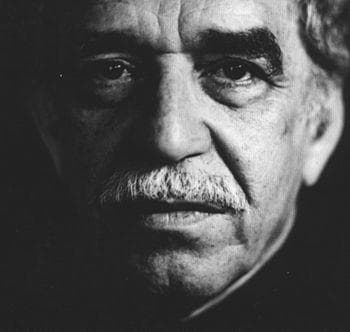
Gabriel José de la Concordia García Márquez was a Colombian novelist, short-story writer, screenwriter, and journalist, known affectionately as Gabo or Gabito throughout Latin America. Considered one of the most significant authors of the 20th century, particularly in the Spanish language, he was awarded the 1972 Neustadt International Prize for Literature and the 1982 Nobel Prize in Literature. He pursued a self-directed education that resulted in leaving law school for a career in journalism. From early on he showed no inhibitions in his criticism of Colombian and foreign politics. In 1958, he married Mercedes Barcha Pardo; they had two sons, Rodrigo and Gonzalo.
Similar books
- One Hundred Years of Solitude
Gabriel García Márquez
4.1 (753k) average on GoodreadsLiterary FictionShares the same author's magical realism, rich prose, and multi-generational scope in a Latin American setting.
- The House of the Spirits
Isabel Allende
4.2 (190k) average on GoodreadsFantasyFeatures an epic, multi-generational family saga with strong romantic and political themes in a Latin American context.
- Doctor Zhivago
Boris Pasternak
4.0 (82k) average on GoodreadsHistorical FictionExplores a grand, sweeping love story set against a backdrop of historical upheaval and personal sacrifice.
- Pride and Prejudice
Jane Austen
4.3 (3M) average on GoodreadsHistorical FictionWhile both novels explore societal constraints on love and marriage, Pride and Prejudice operates within a purely realistic framework with sharp social commentary, whereas Love in the Time of Cholera incorporates magical realism and a more epic, almost mythical, scope of enduring love over decades.
- Anna Karenina
Leo Tolstoy
4.0 (682k) average on GoodreadsHistorical FictionBoth Anna Karenina and Love in the Time of Cholera delve into passionate love affairs and societal judgment. However, Tolstoy's novel maintains a stark, often tragic realism, focusing on the destructive power of illicit love within rigid social structures, contrasting with García Márquez's more hopeful, transcendent, and ultimately redemptive portrayal of a lifelong, unconventional devotion.
- The Old Man and the Sea
Ernest Hemingway
3.8 (831k) average on GoodreadsLiterary FictionA Cuban fisherman's long struggle with a giant marlin becomes a story of endurance and dignity, now retold for young adults with illustrations, phonetic guides, and writing prompts in Traditional Chinese.






Enjoyed the summary?
A summary gives you the shape of the book. The book itself has the detail, the examples and the voice.
Find Love in the Time of Cholera on AmazonAs an Amazon Associate, BookBrief earns from qualifying purchases. How we're funded