

Synopsis
Covers the whole plot, including the ending.
- Difficulty
- Easy
- Pacing
- Moderate
- Mood
- Realistic, Thought-provoking, Empathetic, Hopeful
- Read it if
- You appreciate powerful, character-driven stories about resilience and social issues, told through unique literary styles.
- Skip it if
- You prefer fast-paced plots with complex twists or are not interested in realistic portrayals of poverty and struggle.
Make Lemonade Plot Summary
Covers the whole plot, including the ending.
A New Job
Fourteen-year-old LaVaughn wants to be the first in her family to go to college. She looks for a job to save money. She answers a flyer for a babysitter and arrives at the apartment of Jolly, a seventeen-year-old mother of two, Jeremy and Jilly. Jolly's apartment is small and messy, showing her struggle to manage her life. LaVaughn immediately feels responsible and wants to help, despite her first worries about Jolly's age and the demanding job. This first meeting shows the contrast between LaVaughn's hopeful world and Jolly's difficult reality, setting up their changing relationship.
First Impressions and Growing Pains
LaVaughn starts babysitting Jeremy and Jilly regularly. She quickly learns about Jolly's problems: little money, unreliable fathers for her children, and the constant pressure of caring for two young kids while still a teenager. LaVaughn notices Jolly's tiredness, her occasional frustration, and her deep love for her children, even in the chaos. LaVaughn helps with feeding, changing diapers, and playing with the children, often doing more than typical babysitting. These early experiences help LaVaughn understand poverty and the realities of single parenthood, making her face parts of life far from her own.
The Weight of Responsibility
LaVaughn learns more about Jolly's past, including her own difficult childhood and how she became a mother so young. Jolly's mother is often absent, and her relationship with the children's fathers is tense or non-existent. LaVaughn sees Jolly's struggle to find steady work, often taking low-paying, hard jobs that barely cover costs. Some days Jolly is overwhelmed, leaving LaVaughn to take on more responsibility than she expected, sometimes skipping her own schoolwork to make sure the children are cared for. LaVaughn's empathy for Jolly grows, but so does the emotional toll of seeing such hardship.
A Crisis of Care
One day, Jolly leaves Jeremy and Jilly alone for a long time. Jeremy, a toddler, is found playing with an electrical outlet. LaVaughn arrives to find the children unsupervised and possibly in danger. This event deeply troubles LaVaughn, showing the insecurity of Jolly's situation and the risks her children face. LaVaughn confronts Jolly, sharing her concern and fear. This incident marks a turning point, making both LaVaughn and Jolly see how serious Jolly's struggles are and the need for more help, moving their relationship into a more serious, though difficult, phase.
Seeking Help
After the incident with Jeremy, LaVaughn urges Jolly to seek help from social services or other community resources. Jolly is at first against it, feeling ashamed and fearing judgment or losing her children. However, LaVaughn's steady encouragement and support eventually convince Jolly to ask for help. LaVaughn even goes with Jolly to appointments, offering moral support and helping her through the paperwork. This period shows LaVaughn's growth in advocating for others and her commitment to Jolly's well-being, moving beyond just a paid babysitter to a true friend.
Small Victories and Setbacks
With LaVaughn's help, Jolly starts to get resources. She finds a better job, gets a more stable place to live, and begins parenting classes. There are moments of hope and small victories, like Jolly proudly showing LaVaughn her new apartment or feeling confident in caring for her children. Yet, setbacks happen. The children's fathers remain unreliable, money problems return, and Jolly sometimes struggles under the pressure. LaVaughn learns that progress is not constant and that bigger issues contribute to Jolly's challenges, showing the complexity of poverty and social mobility.
A Glimmer of Hope
Despite the difficulties, Jolly's resolve to improve her life and give Jeremy and Jilly a better future grows. She starts to see the value in education and stability, partly inspired by LaVaughn's own dedication to her studies and future goals. Jolly begins to make more thoughtful choices, putting her children's needs and her own growth first. LaVaughn continues to be a steady presence, offering practical help and emotional encouragement, celebrating Jolly's successes and supporting her through failures. The dynamic changes from LaVaughn simply babysitting to a mutual exchange of support and understanding.
The Power of Education
Seeing Jolly's struggles and her efforts to improve her life strengthens LaVaughn's own commitment to education. She understands, more deeply than before, how important schooling is for creating opportunities and breaking cycles of poverty. LaVaughn continues to do well in her studies, motivated by her experiences with Jolly. The novel highlights the contrast between the choices and opportunities available to LaVaughn because of her focus on education, and the limited options Jolly faces due to her circumstances. LaVaughn's college dream becomes not just a personal goal but a symbol of hope and self-control.
Lemonade Out of Lemons
Toward the end of the story, Jolly has made big progress. She is more independent, more confident in her parenting, and has a clearer sense of direction for her life. While her situation is still hard, she has learned to handle it with more resilience. The idea of 'making lemonade' becomes clear as Jolly turns her difficult experiences into lessons and motivation. LaVaughn observes Jolly's growth with pride, recognizing the impact of her own friendship and support in Jolly's journey. Jolly truly begins to 'make lemonade' from the 'lemons' of her life.
Looking Forward
As the story ends, LaVaughn thinks about her journey. Her time with Jolly has taught her valuable life lessons that no classroom could. She has learned about empathy, resilience, social inequality, and complex human relationships. LaVaughn is more mature, more compassionate, and more determined than ever to go to college. While her direct babysitting duties may decrease as Jolly becomes more self-sufficient, their bond remains. LaVaughn understands that her future, though different from Jolly's, has been deeply shaped by their shared experiences, preparing her for what is ahead.
Make Lemonade Characters
LaVaughn
Protagonist
A determined and empathetic teenager aspiring for college.
Fourteen-year-old LaVaughn is intelligent, observant, and deeply committed to her education. She is driven by a strong desire to attend college and break cycles of poverty. Initially naive about the harsh realities of life outside her own experience, she possesses a profound capacity for empathy and a strong moral compass. She is reliable, responsible, and often goes above and beyond her duties, demonstrating a budding sense of social justice. Her internal monologues, presented in free verse, reveal her thoughtful nature and her struggle to reconcile her own aspirations with the suffering she witnesses.
Relationships: Jolly (Babysitter to employer, evolving into a supportive friend and mentor); Jeremy (Caregiver to young child); Jilly (Caregiver to infant)
Jolly
Supporting
A struggling seventeen-year-old single mother of two.
Jolly is a seventeen-year-old single mother grappling with immense challenges. She is often overwhelmed, exhausted, and emotionally volatile due to poverty, lack of support, and the demands of raising two young children, Jeremy and Jilly. Despite her struggles, she possesses a deep, if sometimes inarticulate, love for her children. She is initially defensive and proud but eventually becomes open to help. Her resilience and determination to improve her life, once she finds the right support, are central to her character.
Relationships: LaVaughn (Employer to babysitter, evolving into a mentee and friend); Jeremy (Mother to son); Jilly (Mother to daughter)
Jeremy
Supporting
Jolly's energetic and curious toddler son.
Jeremy is Jolly's older child, a toddler full of energy and curiosity. He is often rambunctious and requires constant supervision, reflecting the challenges of raising a young child in a stressful environment. His innocent actions, like playing near an electrical outlet, highlight the dangers of Jolly's precarious situation. He represents the vulnerability of children caught in cycles of poverty and the immense responsibility placed on his young mother.
Relationships: Jolly (Son to mother); LaVaughn (Child cared for by babysitter); Jilly (Older brother to sister)
Jilly
Supporting
Jolly's infant daughter.
Jilly is Jolly's infant daughter, the younger of her two children. As a baby, she is largely dependent and represents the most vulnerable aspect of Jolly's life. Her basic needs—feeding, changing, comforting—are a constant reminder of the demands on Jolly and the care provided by LaVaughn. Jilly's presence underscores the sheer volume of work and responsibility involved in raising two children, particularly for a single, young mother with limited resources.
Relationships: Jolly (Daughter to mother); LaVaughn (Infant cared for by babysitter); Jeremy (Younger sister to brother)
LaVaughn's Mom
Supporting
LaVaughn's supportive and hardworking mother.
LaVaughn's mother is a hardworking and supportive figure who encourages LaVaughn's academic aspirations. She provides a stable and loving home environment, contrasting sharply with Jolly's chaotic life. While she doesn't directly interact with Jolly, her values and the secure foundation she provides for LaVaughn are instrumental in shaping LaVaughn's outlook and her ability to help others. She represents the importance of a strong family unit and parental guidance in fostering a child's potential.
Relationships: LaVaughn (Mother to daughter)
Auntie Mary
Mentioned
A relative who offers some limited support to Jolly.
Auntie Mary is a relative of Jolly's who occasionally provides some assistance, though her help is not always consistent or sufficient. She represents the fragmented and often insufficient support networks available to individuals like Jolly. Her presence highlights the challenges Jolly faces in finding reliable help from her own family, pushing LaVaughn into a more central supportive role.
Relationships: Jolly (Aunt to niece (distant relative))
Make Lemonade Themes
The Power of Empathy and Compassion
The novel explores how empathy can connect people and lead to action. LaVaughn, at first an outsider, develops deep care for Jolly and her children. This empathy makes her go beyond her paid duties, helping Jolly and offering emotional support. For example, LaVaughn's choice to go with Jolly to social services, despite her own discomfort, comes from her growing understanding of Jolly's situation. This theme shows that true connection comes from understanding and sharing in another's struggles.
“What does a person do when they have to do what they have to do?”
The Importance of Education and Opportunity
Education is shown as a way to break cycles of poverty and become self-sufficient. LaVaughn's dedication to her college dreams contrasts with Jolly's limited chances due to early motherhood and lack of schooling. The novel suggests that education provides choices and control. LaVaughn's experiences with Jolly strengthen her belief in the power of learning, motivating her to work harder for her future, as seen when she balances babysitting with schoolwork, understanding its long-term value.
“I'm going to college. I just am.”
The Harsh Realities of Poverty and Single Parenthood
The novel shows the daily struggles of those in poverty, especially single mothers. Jolly's story highlights the constant fight with money problems, poor housing, unreliable childcare, and the emotional stress of raising children alone. Scenes showing Jolly's exhaustion, her reliance on public aid, and the dangers her children sometimes face (like Jeremy with the electrical outlet) clearly illustrate these challenges. The theme emphasizes that poverty is a complex issue, often caused by larger problems rather than individual failures, and that even with love, survival is a constant battle.
“Some days it's like trying to hold water in your hands.”
Resilience and the Human Spirit
Despite huge obstacles, both LaVaughn and Jolly show great resilience. Jolly's ability to keep going, to seek help, and to slowly improve her situation, even after many setbacks, shows her inner strength. LaVaughn's resilience is clear in her continued commitment to her goals and her willingness to face hard truths. The 'make lemonade' idea relates directly to this theme, suggesting that even from the hardest circumstances, one can find strength and create something positive. This is especially true for Jolly, who gradually learns to handle her difficult life with more determination and hope.
“You got to make lemonade out of the lemons, LaVaughn.”
Plot Devices & Literary Techniques
Free Verse Narrative
The entire novel is written in free verse poetry.
The use of free verse is a primary stylistic device that shapes the reader's experience. It allows for a raw, intimate, and immediate portrayal of LaVaughn's thoughts and observations. The broken lines, varied stanza lengths, and lack of traditional punctuation create a sense of directness and emotional intensity, mimicking the rhythm of natural speech and thought. This form makes the heavy themes more accessible and personal, drawing the reader directly into LaVaughn's internal world and the stark realities she encounters, enhancing the emotional impact of her journey and observations of Jolly's life.
First-Person Perspective (LaVaughn)
The story is told entirely through LaVaughn's eyes.
The entire narrative is filtered through LaVaughn's fourteen-year-old perspective. This allows the reader to experience Jolly's struggles and the broader issues of poverty and social inequality as LaVaughn herself understands and processes them. Her initial naiveté and subsequent growth are central to the story's impact. This subjective viewpoint creates a strong sense of empathy and allows for a gradual unfolding of complex issues, as LaVaughn's understanding deepens over time. It limits the reader's knowledge to only what LaVaughn observes or infers, making her journey of discovery the reader's own.
Symbolism of 'Lemonade'
The phrase 'making lemonade' symbolizes resilience and hope.
The central metaphor of 'making lemonade out of lemons' is a powerful symbol of resilience, resourcefulness, and optimism in the face of adversity. It encapsulates Jolly's journey from being overwhelmed by her difficult circumstances to actively working to improve them. For LaVaughn, it symbolizes the life lessons she learns outside of school, understanding that even the hardest situations can yield valuable growth. The phrase recurs throughout the narrative, serving as a reminder of the characters' enduring spirit and the possibility of finding strength and purpose amidst hardship.
Foil Characters (LaVaughn and Jolly)
LaVaughn and Jolly serve as contrasting characters.
LaVaughn and Jolly function as foil characters, highlighting each other's traits and circumstances through contrast. LaVaughn represents aspiration, education, and a stable home life, while Jolly embodies the harsh realities of poverty, limited opportunities, and early motherhood. This contrast underscores the societal inequalities and the different paths available to young women. By juxtaposing their lives, the novel illuminates the challenges faced by Jolly and strengthens LaVaughn's resolve, while also demonstrating how their differing experiences can lead to a profound and mutually beneficial relationship.
Make Lemonade Quotes
“I hope you have a nice life. I hope you make good choices.”
“It's hard to be good when nobody's good to you.”
“You gotta make lemonade out of lemons.”
“I'm just trying to get through this day. That's all I can do.”
“Sometimes you just gotta do what you gotta do, even if you don't want to.”
“I'm not a kid anymore. I'm a mother.”
“It's like a chain, one thing leads to another.”
“You can't save everybody, LaVaughn. You can only help who you can help.”
“I just want my kids to have a better life than I had.”
“Being smart is good, but being kind is better.”
“The world don't stop for nobody, not even for babies.”
“Sometimes you just got to listen, that's all. Not fix, just listen.”
“I got to find my way, too.”
“It's not just about the money, it's about the respect.”
Quiz
10 questions on the plot and the characters. Each answer comes with a short explanation.
Question 1
What is LaVaughn's primary motivation for taking the babysitting job?
- She wants to make new friends.
- She needs money for college.
- She enjoys spending time with young children.
- Her parents forced her to find a job.
Show answer
B. She needs money for college. LaVaughn explicitly states that she needs money to attend college, which is why she seeks out the babysitting job.
Question 2
How old is Jolly when LaVaughn first meets her?
- Fourteen
- Sixteen
- Seventeen
- Nineteen
Show answer
C. Seventeen The book description states that Jolly is a seventeen-year-old single mother.
Question 3
What is the primary literary style in which 'Make Lemonade' is written?
- Traditional prose
- Rhyming couplets
- Free verse
- Epistolary (letter format)
Show answer
C. Free verse The novel is described as being written in free verse, which is a key stylistic element.
Question 4
What is the name of Jolly's first child?
- Jeremy
- Jilly
- Keesha
- Michael
Show answer
C. Keesha Jolly's first child, a daughter, is named Keesha.
Question 5
Which of the following best describes LaVaughn's initial feelings toward Jolly and her situation?
- Disgusted and judgmental
- Overwhelmed but compassionate
- Indifferent and detached
- Excited by the challenge
Show answer
B. Overwhelmed but compassionate LaVaughn is initially taken aback by Jolly's living conditions and responsibilities, but her underlying empathy and desire to help shine through.
Question 6
What specific 'lemon' does Jolly try to make 'lemonade' out of, beyond just her poverty?
- Her inability to find a job.
- Her lack of formal education.
- Her abusive relationship with the father of her second child.
- Her struggle to connect with her own mother.
Show answer
C. Her abusive relationship with the father of her second child. A significant plot point involves Jolly's efforts to escape the abusive relationship with the father of her second child, Jeremy, and build a safer life for her children.
Question 7
What does LaVaughn learn about Jolly's past that contributes to Jolly's struggles?
- Jolly dropped out of high school due to a learning disability.
- Jolly ran away from home at a young age.
- Jolly herself was a victim of child neglect and abuse.
- Jolly was involved in gang activities.
Show answer
C. Jolly herself was a victim of child neglect and abuse. Through their interactions, LaVaughn learns about Jolly's difficult childhood, including neglect and abuse, which helps explain her current circumstances.
Question 8
How does LaVaughn's perspective on her own future change as a result of her experience with Jolly?
- She decides college is no longer her priority.
- She becomes more determined to pursue a career in social work.
- She gains a deeper appreciation for education and the choices it offers.
- She becomes cynical about the possibility of overcoming hardship.
Show answer
C. She gains a deeper appreciation for education and the choices it offers. While LaVaughn was always motivated for college, her experiences with Jolly underscore the importance of education and the doors it opens, contrasting with Jolly's limited choices.
Question 9
What is the symbolic significance of the 'lemonade' metaphor in the novel?
- It represents the simple pleasures of childhood.
- It symbolizes the transformation of adversity into something positive.
- It refers to the financial profits LaVaughn hopes to make.
- It highlights the bitterness of life's challenges.
Show answer
B. It symbolizes the transformation of adversity into something positive. The phrase 'make lemonade out of lemons' directly relates to the theme of resilience and finding positive outcomes despite difficult circumstances, which both LaVaughn and Jolly strive for.
Question 10
How does the author use the free verse format to enhance the reader's understanding of LaVaughn's internal experience?
- It creates a formal, academic tone that reflects LaVaughn's intelligence.
- It allows for a direct, unfiltered expression of her thoughts and observations.
- It makes the narrative feel distant and objective, mirroring LaVaughn's initial detachment.
- It emphasizes the rhythmic, song-like quality of her everyday life.
Show answer
B. It allows for a direct, unfiltered expression of her thoughts and observations. Free verse often allows for a more intimate and immediate portrayal of a character's internal monologue, capturing the raw, unpolished nature of thoughts and feelings, which is effective for LaVaughn's narrative.
Make Lemonade FAQ
What is the central premise of 'Make Lemonade'?
The novel centers on fourteen-year-old LaVaughn, who takes a babysitting job to earn money for college. She becomes deeply involved in the life of Jolly, a seventeen-year-old single mother struggling to raise her two young children, Jeremy and Annie, in poverty.
Who are the main characters in the story?
The primary characters are LaVaughn, a determined and observant high school student; Jolly, the young mother she works for; and Jolly's two children, Jeremy and Annie. The narrative primarily focuses on the evolving relationship between LaVaughn and Jolly.
What significant challenges does Jolly face throughout the book?
Jolly struggles with extreme poverty, lack of stable housing, an abusive ex-boyfriend (Calvin, Jeremy's father), and the immense pressure of raising two young children alone. Her past trauma and limited education also present significant barriers to self-sufficiency.
How does LaVaughn's perspective change from the beginning to the end of the novel?
Initially, LaVaughn is somewhat naive and views her babysitting as a simple transaction. By the end, she has gained a profound understanding of systemic poverty, the complexities of human resilience, and the deep emotional bonds that can form outside of traditional family structures, maturing significantly.
What is the significance of the novel being written in free verse?
The free verse structure allows for a raw, immediate, and intimate portrayal of LaVaughn's thoughts and observations, mirroring the fragmented and often overwhelming reality of the characters' lives. It gives the narrative a conversational, almost diary-like quality, enhancing its emotional impact.
What is the implied fate of Calvin, Jeremy's father, and how does it affect Jolly?
Calvin is arrested after a violent incident where he injures Jolly. His removal from Jolly's life, while traumatic, ultimately frees her from his abuse and allows her to begin rebuilding her life without constant fear, though the psychological scars remain.
Are there any subtle clues about the fathers of Jolly's children?
The book explicitly states that Jeremy's father is Calvin, who is abusive. Annie's father is mentioned as another man, distinct from Calvin, highlighting Jolly's complex past and the different relationships she has had, contributing to her difficult circumstances.
What is the significance of Jolly's 'lemonade' metaphor?
The 'make lemonade' metaphor signifies Jolly's struggle and eventual triumph in finding strength and hope amidst adversity. It represents her efforts to transform her bitter life circumstances into something positive, often with LaVaughn's help and encouragement.
How does LaVaughn's mother influence her decisions and worldview?
LaVaughn's mother, though not a central character, provides a stable, loving home environment and instills in LaVaughn the value of education and hard work. Her quiet support allows LaVaughn the emotional space to engage deeply with Jolly's world.
How does Jolly's attachment style affect her parenting and relationships?
Jolly exhibits an insecure attachment style, likely due to her own traumatic past, which manifests in moments of emotional volatility and difficulty trusting others. However, her deep love for her children drives her to protect and care for them despite her struggles.
What psychological impact does poverty have on Jolly and her children?
Poverty creates chronic stress, impacting Jolly's mental health, decision-making, and self-worth. For Jeremy and Annie, it manifests as developmental delays, anxiety, and a constant state of instability, though their resilience shines through.
How does LaVaughn cope with the vicarious trauma of witnessing Jolly's struggles?
LaVaughn processes the vicarious trauma through reflection, writing (implied by the free verse), and her internal monologue. She struggles with feelings of helplessness but ultimately finds strength in her ability to offer practical help and emotional support, maintaining her own boundaries.
What role does community play in the lives of Jolly and LaVaughn?
Community, though sometimes fragmented, offers crucial support, particularly through figures like the social worker and, most significantly, LaVaughn herself. It highlights the importance of human connection and intervention in overcoming systemic challenges, providing a safety net for Jolly.
Is the ending of 'Make Lemonade' optimistic or realistic?
The ending is realistically optimistic. While Jolly has made significant strides towards stability—getting an apartment, attending classes, and having her children in daycare—the novel doesn't present a fairytale resolution. It acknowledges the ongoing challenges but emphasizes her newfound agency and hope.
What is the novel's stance on social welfare programs?
The novel subtly advocates for the necessity of social welfare programs and support systems, as Jolly's progress is directly tied to receiving assistance like housing and childcare. It portrays these services as vital lifelines rather than handouts, highlighting their role in empowering individuals.
How does the book challenge stereotypes about young single mothers?
The book humanizes Jolly, portraying her not as a stereotype but as a complex individual driven by love for her children and a desire for a better life. It reveals the systemic barriers and personal traumas she faces, fostering empathy rather than judgment.
Could LaVaughn have done more for Jolly, or did she maintain appropriate boundaries?
LaVaughn maintained appropriate boundaries for a fourteen-year-old, offering significant emotional and practical support without taking on full responsibility for Jolly's life. Her actions demonstrate a mature understanding of what she could realistically provide, while still being deeply empathetic.
What is the lasting message or theme of 'Make Lemonade'?
The lasting message is one of resilience, empathy, and the profound impact of human connection in the face of adversity. It emphasizes that even small acts of kindness and support can empower individuals to overcome immense challenges and 'make lemonade' from difficult lives.
About the author

Virginia Euwer Wolff is an American author known for her contributions to children's and young adult literature. Her notable work, "Make Lemonade," explores themes of responsibility and growth through the story of a young girl navigating challenges in her life. Wolff's writing often focuses on the complexities of adolescence and personal development.
Similar books
- Out of the Dust
Karen Hesse
3.8 (69k) average on GoodreadsChildren'sBoth are award-winning YA novels written in free verse, exploring hardship and resilience during difficult times.
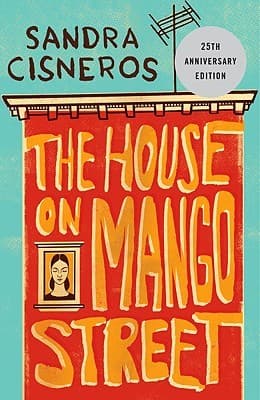
- The House on Mango Street
Sandra Cisneros
3.6 (126k) average on GoodreadsYoung AdultExplores themes of poverty, coming-of-age, and the lives of young women in challenging urban environments.
- Speak
Laurie Halse Anderson
4.0 (485k) average on GoodreadsPsychologyFeatures a strong young female protagonist navigating complex personal and social challenges in a realistic setting.
- Push
Sapphire
3.8 (48k) average on GoodreadsYoung Adult"Push" (later adapted as Precious) also depicts extreme poverty, abuse, and illiteracy, but its narrative is more explicitly graphic and confrontational. Wolff's "Make Lemonade" uses free verse to convey similar emotional weight through implication and observation, making its impact more internal and less overtly visceral, yet equally potent. "Make Lemonade" focuses more on the cycle of care and responsibility, while "Push" delves deeper into the horrors of systemic abuse.
- A Tree Grows in Brooklyn
Betty Smith
4.3 (388k) average on GoodreadsHistorical FictionBetty Smith's classic also explores poverty and coming-of-age, but uses traditional prose and a broader historical context. "Make Lemonade" is more contemporary in its focus and narrative style, using free verse to create an immediate, intense psychological portrait of its characters. "A Tree Grows in Brooklyn" offers a more expansive view of community and aspiration, whereas "Make Lemonade" is tightly focused on the interpersonal dynamics and immediate struggles of a few characters.
- Harry Potter and the Sorcerer's Stone
J.K. Rowling
4.5 (7M) average on GoodreadsFantasyRescued from a miserable life under the stairs, an orphaned boy discovers he's a wizard destined for a magical school, where he uncovers a dangerous secret tied to the dark wizard who murdered his parents.





Enjoyed the summary?
A summary gives you the shape of the book. The book itself has the detail, the examples and the voice.
Find Make Lemonade on AmazonAs an Amazon Associate, BookBrief earns from qualifying purchases. How we're funded