
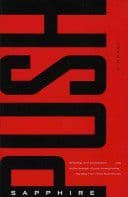
Synopsis
Covers the whole plot, including the ending.
- Difficulty
- Hard
- Pacing
- Moderate
- Mood
- Gritty, Hopeful, Challenging, Raw
- Read it if
- You are looking for a raw, unflinching, and ultimately hopeful story of survival, resilience, and the transformative power of education against immense adversity.
- Skip it if
- You are sensitive to graphic depictions of child abuse, sexual assault, and extreme poverty, as the book contains very disturbing content.
Push Plot Summary
Covers the whole plot, including the ending.
The Brutal Reality of Precious's Life
Clareece 'Precious' Jones, a sixteen-year-old, morbidly obese, illiterate Black girl living in Harlem, is pregnant with her second child by her father. Her first child, 'Mongo,' who has Down syndrome, lives with Precious's abusive mother, Mary. Precious endures relentless physical and emotional abuse from Mary, who often blames Precious for her own misfortunes and for the incest. The social worker, Ms. Weiss, visits the home. After seeing the dire conditions and Precious's clear distress, she recommends that Precious be transferred from her regular school to an alternative school called Each One Teach One. This change might offer Precious a chance at a different future and address her illiteracy. Precious feels a mix of fear and a faint flicker of hope at the prospect of leaving her current, oppressive environment.
A New Beginning at Each One Teach One
Precious arrives at Each One Teach One, a small, unconventional alternative school. She is initially shy, withdrawn, and self-conscious about her appearance and inability to read or write. Her new teacher, Ms. Rain, is a compassionate yet firm Black woman who immediately recognizes Precious's potential and the deep trauma she carries. Ms. Rain introduces Precious to the other students – Jo Ann, Rhonda, Jermaine, and Rita – a diverse group of young women with their own struggles. The classroom environment is different from anything Precious has experienced; it is safe, supportive, and encourages open expression. Ms. Rain stresses the importance of learning to read and write as a way to gain control over their lives and voices.
The First Steps Towards Literacy
Under Ms. Rain's patient guidance, Precious begins to learn to read and write. She struggles, often feeling frustrated and ashamed of her limitations, but Ms. Rain's unwavering belief in her keeps her going. A part of the curriculum involves journaling, where students are encouraged to write about their lives, thoughts, and feelings, regardless of grammar or spelling. Precious starts by drawing pictures and slowly progresses to writing simple words and then sentences. This journaling becomes a lifeline, a private space where she can articulate the horrors of her past and the confusion of her present. Her entries reveal the depths of her abuse and her inner world.
The Birth of Abdul and Revelation of Abuse
Precious goes into labor and gives birth to a healthy baby boy, whom she names Abdul. During the delivery, medical staff discover that Precious has advanced cervical cancer, likely a result of the ongoing sexual abuse she has endured. This medical diagnosis leads to a more thorough investigation by social services. It is confirmed that Precious's father is the perpetrator of the incest, not only of Precious but also of Mongo. The revelation is devastating, but it also provides evidence for authorities to intervene. Precious's mother, Mary, continues to deny her husband's culpability and blames Precious, further isolating her daughter.
Confrontation and Consequences
Following the medical findings and Precious's testimony, her father is arrested and charged with sexual assault. This event is a significant turning point, bringing justice and an end to the direct abuse. Due to the confirmed abuse and Mary's complicity and continued neglect, Precious is removed from her mother's care by Child Protective Services. She is placed in a group home, a new environment that offers safety and stability she has never known. This separation, while necessary, is emotionally complex for Precious, who has been deeply involved in her dysfunctional family despite the suffering it caused her.
Building a New Life and Family
Settled in the group home with Abdul, Precious finds a sense of peace and security. She is able to focus more on her studies at Each One Teach One, her literacy skills improving rapidly. She begins to form bonds with the other girls in her class and with Ms. Rain, who becomes a maternal figure. Precious also starts to visit Mongo at the facility where he resides, slowly building a relationship with her first child. These visits are emotionally challenging but important, as Precious reclaims her role as a mother to both her children. She also starts to receive therapy, beginning to process her trauma with professional help.
The Power of Her Voice
As Precious's literacy progresses, her journaling evolves into powerful, raw narratives about her experiences. Her writing becomes a primary outlet for her anger, pain, and burgeoning hope. Ms. Rain recognizes the talent and emotional depth in Precious's work and encourages her to share it. Eventually, a public reading is organized for the Each One Teach One students, where Precious bravely stands before an audience and reads her story. This act of public vulnerability is a monumental step in her healing and self-empowerment. It shows her resilience and the strength of her voice. It signifies her transition from a silent victim to a courageous survivor.
A Future Unfolding
By the end of the book, Precious has made remarkable strides. She is fully literate, articulate, and has begun to understand her self-worth. She is still living in the group home with Abdul, and her relationship with Mongo is growing stronger. She continues to attend Each One Teach One, now not just as a student but as a budding writer and a source of inspiration for others. While her past trauma will always be a part of her, Precious has developed the tools and the inner strength to confront it and build a meaningful life. She holds onto the hope of eventually living independently with both of her children, showing the power of education and self-discovery.
Principal Figures
Clareece 'Precious' Jones
Protagonist
A sixteen-year-old Black girl in Harlem who overcomes severe abuse and illiteracy.
Precious is initially portrayed as an illiterate, obese, and deeply traumatized teenager, a victim of incest and severe physical and emotional abuse from her parents. She is withdrawn, suffers from low self-esteem, and is pregnant with her second child by her father. Despite her horrific circumstances, Precious possesses an inner resilience, a sharp observational mind, and a deep desire for a better life. Her journey is one of radical transformation, as she learns to read and write, finds her voice, and begins to heal. She is fiercely protective of her children, Mongo and Abdul.
Relationships: Mary Jones (abusive mother); Carl Jones (abusive father); Mongo (son (by father)); Abdul (son (by father)); Ms. Rain (teacher, mentor, maternal figure); Ms. Weiss (social worker); Jo Ann (classmate, friend)
Ms. Rain
Supporting
Precious's compassionate and radical teacher at Each One Teach One.
Ms. Rain is a dedicated and unconventional teacher at the alternative school, Each One Teach One. She is a Black woman who creates a safe and nurturing environment for her students, many of whom come from similarly traumatic backgrounds as Precious. Ms. Rain is patient, empathetic, and firm, using innovative teaching methods like journaling to help her students find their voices. She sees beyond Precious's physical appearance and illiteracy, recognizing her intelligence and potential. Ms. Rain acts as a crucial mentor and a surrogate maternal figure, providing the unconditional support and belief Precious desperately needs to heal and grow.
Relationships: Clareece 'Precious' Jones (student, mentee); Jo Ann (student); Rhonda (student)
Mary Jones
Antagonist
Precious's abusive, neglectful, and manipulative mother.
Mary is Precious's mother, a deeply disturbed and abusive woman who is complicit in her husband's incest and inflicts severe physical and emotional cruelty on Precious. She is manipulative, often blaming Precious for her own problems and for the abuse she suffers. Mary is also deeply neglectful, prioritizing her own needs and grievances over her daughter's safety and well-being. She is a complex character, a victim of her own circumstances and systemic failures, but her actions towards Precious are consistently cruel and destructive. She denies the reality of the abuse even when confronted with undeniable evidence.
Relationships: Clareece 'Precious' Jones (abused daughter); Carl Jones (husband, co-abuser); Mongo (grandson, neglected)
Carl Jones
Antagonist
Precious's father and the perpetrator of incest.
Carl Jones is Precious's biological father and the man responsible for her pregnancies and the ongoing sexual abuse she endures. He is largely a shadowy figure in the narrative, his presence felt primarily through the horrific trauma he inflicts upon Precious. His actions are the root cause of much of Precious's suffering, both physically and psychologically. He also fathered Precious's first child, Mongo, and is implied to have abused him as well. His eventual arrest provides a crucial turning point for Precious, allowing her to begin the process of healing and escaping his shadow.
Relationships: Clareece 'Precious' Jones (abused daughter); Mary Jones (wife, complicit); Mongo (son); Abdul (son)
Mongo
Supporting
Precious's first son, who has Down syndrome.
Mongo is Precious's first child, born with Down syndrome as a result of the incestuous relationship with her father. He lives with Mary, Precious's mother, and is often neglected. Mongo represents the tangible consequence of the abuse Precious has suffered, but also serves as a source of deep, if complicated, love for her. As Precious heals, she actively seeks to build a relationship with Mongo, asserting her role as his mother and eventually hoping to care for him herself. His presence motivates Precious to fight for a better future for both her children.
Relationships: Clareece 'Precious' Jones (mother); Mary Jones (grandmother, caregiver); Carl Jones (father)
Abdul
Supporting
Precious's second son, born during the narrative.
Abdul is Precious's second son, also conceived through incest with her father. His birth occurs early in the narrative and is a significant event, leading to the discovery of Precious's cervical cancer and the subsequent intervention by social services. Abdul's presence provides Precious with an immediate and tangible reason to fight for her survival and a better future. He is a symbol of new beginnings and the hope that Precious can break the cycle of abuse. Precious's love for Abdul is fierce and unwavering, and he becomes a central figure in her journey towards independence and self-sufficiency.
Relationships: Clareece 'Precious' Jones (mother); Carl Jones (father)
Ms. Weiss
Supporting
Precious's social worker who recommends the alternative school.
Ms. Weiss is Precious's social worker. She plays a pivotal role in the early stages of the narrative by recognizing the severity of Precious's home situation and recommending her transfer to Each One Teach One. While her interactions with Precious are limited, her initial intervention sets Precious on the path to education and escape from her abusive environment. She represents the potential for external systems to offer help, even if imperfectly, to those in desperate need. Her persistent efforts to ensure Precious's safety are key to the unfolding plot.
Relationships: Clareece 'Precious' Jones (client); Mary Jones (client's mother)
Jo Ann
Supporting
One of Precious's classmates and friends at Each One Teach One.
Jo Ann is a student in Ms. Rain's class at Each One Teach One. She is one of the first classmates Precious truly connects with. Jo Ann comes from her own challenging background but is more outspoken and confident than Precious initially. She offers Precious friendship and a sense of belonging within the school community. Her presence helps Precious feel less isolated and provides a supportive peer dynamic, which is essential for Precious's social and emotional development outside of her abusive family.
Relationships: Clareece 'Precious' Jones (classmate, friend); Ms. Rain (teacher)
Themes & Insights
The Transformative Power of Education and Literacy
The novel shows how education, specifically literacy, gives Precious the tools to escape her abusive past and forge a new future. Learning to read and write allows Precious to articulate her trauma, understand her experiences, and develop a sense of self-worth and agency. Her journals become a space for self-discovery and a weapon against the silence imposed by her abusers. Ms. Rain's teaching methods, focused on self-expression and critical thinking, are central to this transformation. Education is not just about academics but about empowerment and liberation.
“I write down all the things that happen in my life. I write down what I think. I write down what I feel. I write down what I want. I write down what I need. I write down what I hate. I write down what I love. I write down what I want to be. I write down what I want to do. I write down what I want to have. I write down what I want to give. I write down what I want to change. I write down what I want to keep. I write down what I want to let go.”
Abuse, Trauma, and Resilience
The novel depicts the impact of severe child abuse, including incest, physical violence, and emotional neglect, on Precious's psyche and body. It explores the cycle of violence and the psychological effects of trauma, such as Precious's initial withdrawal, low self-esteem, and difficulty expressing herself. However, the book also highlights Precious's resilience and inner strength. Despite the horrific circumstances, she finds the will to survive, to protect her children, and to seek a better life. This shows the human capacity to endure and heal even from profound suffering.
“I don't know why I keep living. I don't know why I don't die. I don't know why I don't run away. I don't know why I don't fight back. I don't know why I don't scream. I don't know why I don't tell.”
Motherhood and Breaking Cycles
Motherhood is a central and complex theme. Precious's own mother, Mary, represents a destructive, abusive form of motherhood that perpetuates a cycle of trauma. In contrast, Precious struggles to become a loving and protective mother to her own children, Mongo and Abdul, despite her young age and traumatic past. Her love for them motivates her to seek help, learn, and create a safer environment. The theme explores the possibility of breaking intergenerational cycles of abuse and neglect, as Precious actively chooses a different path for her children, striving to give them the love and care she never received.
“I want to be a good mother. I want to be a good mother to Mongo. I want to be a good mother to Abdul. I want to be a good mother to me. I want to be a good mother to myself.”
Identity and Self-Discovery
Precious's journey is one of identity formation and self-discovery. Initially, her identity is defined by her abuse, her illiteracy, and her mother's derogatory labels. Through learning to read and write, engaging in therapy, and forming supportive relationships, Precious begins to shed these imposed identities. She discovers her intelligence, her voice, her worth, and her capacity for love. Her writing becomes a mirror through which she sees and understands herself. She moves from invisibility to a strong sense of self, culminating in her ability to confidently share her story and claim her place in the world.
“I am Precious. I am smart. I am beautiful. I am strong. I am a survivor. I am a mother. I am a writer. I am a person. I am me.”
Plot Devices & Literary Techniques
First-Person Narrative (Journal Entries)
Provides direct access to Precious's thoughts and experiences in her own evolving voice.
The novel is told entirely through Precious's first-person perspective, primarily in the form of her journal entries. This device is crucial as it allows readers to witness Precious's internal world, her struggles with literacy, and her emotional development directly. The initial entries are often misspelled, grammatically incorrect, and fragmented, reflecting her illiteracy and trauma. As she learns, her writing becomes more articulate and coherent, mirroring her personal growth and empowerment. This narrative choice immerses the reader in her raw, unfiltered experience, making her journey of finding her voice incredibly impactful and authentic.
Each One Teach One (Alternative School)
A symbolic and literal safe haven for Precious's transformation.
The alternative school, 'Each One Teach One,' functions as a crucial plot device by serving as a catalyst for Precious's transformation. It is not just a school but a sanctuary from her abusive home, offering a supportive community and a nurturing environment. Its name itself reflects its mission of mutual empowerment and learning. The school provides the physical space, the pedagogical methods (like journaling), and the compassionate figures (Ms. Rain, classmates) necessary for Precious to break free from her past, learn to read and write, and ultimately discover her self-worth. It represents hope, opportunity, and the possibility of a different future.
Literacy as a Metaphor for Freedom
The act of learning to read and write directly correlates with Precious gaining control over her life.
Literacy in 'Push' is more than just an academic skill; it is a powerful metaphor for freedom, agency, and self-empowerment. Precious's inability to read or write initially renders her voiceless and trapped, unable to articulate her experiences or understand the world around her. As she gains literacy, she literally finds her voice, enabling her to write her story, comprehend legal documents, and communicate her needs. This growing ability to articulate and understand directly parallels her increasing control over her life, her body, and her future, symbolizing her liberation from the confines of her abuse and ignorance.
The Children (Mongo and Abdul)
Motivators for Precious's survival and symbols of her capacity for love.
Precious's two children, Mongo and Abdul, serve as significant plot devices and symbols. They are both direct results of her father's abuse, representing the tangible and tragic consequences of her trauma. However, they also become the primary motivators for Precious's survival and her fierce determination to build a better life. Her love for them, particularly Abdul, fuels her desire to escape her abusive home, learn to read, and become a responsible mother. They symbolize her capacity for unconditional love and her hope for breaking the cycle of violence, pushing her towards self-preservation and transformation.
Push Quotes
“I was left back when I was twelve because I had a baby for my fahver.”
“I'm gonna break through or somebody gonna break through to me.”
“I want to be somebody. I want to be a person.”
“Sometimes I wish I was not alive. But I don't know how to die.”
“The tesses. I see the tesses. The letters. I see the letters.”
“I'm Precious. I'm Precious. I'm Precious.”
“My name is Claireece Precious Jones. I can read. I can write.”
“Love ain't done nothing for me but get me hurt.”
“I got two babies by my father. One is Mongoloid.”
“I'm learning. And the world is opening up.”
“Sometimes I feel like I'm not here. Like I'm a ghost.”
“I want to say I am somebody.”
“My baby love me. She do.”
“I'm not dumb. I just never had no chance.”
Quiz
10 questions on the plot and the characters. Each answer comes with a short explanation.
Question 1
What is the name of the alternative school Precious attends after being expelled from her regular school?
- Harlem Literacy Center
- Each One Teach One
- Second Chance Academy
- New Beginnings School
Show answer
B. Each One Teach One Precious attends 'Each One Teach One,' an alternative school where she meets Ms. Rain, her determined teacher who helps her learn to read and write. This school becomes a crucial turning point in her life.
Question 2
What is the name of Precious's first child, born when she was twelve?
- Little Mongo
- Junior
- Baby Girl
- Angel
Show answer
A. Little Mongo Precious's first child is named 'Little Mongo,' a nickname derived from 'Mongoloid,' which reflects the derogatory language used about him due to his Down syndrome. He lives with Precious's grandmother.
Question 3
Why is Precious expelled from her regular school at the beginning of the book?
- For fighting with another student
- For being pregnant with her second child
- For stealing from the school cafeteria
- For failing all her classes
Show answer
B. For being pregnant with her second child Precious is expelled because she is pregnant with her second child, fathered by her own father. The school authorities see her as a problem rather than offering support, highlighting the systemic neglect she faces.
Question 4
What is the name of the teacher who becomes a mentor to Precious at Each One Teach One?
- Ms. Johnson
- Ms. Rain
- Ms. Blue
- Ms. Greene
Show answer
B. Ms. Rain Ms. Rain is the radical and compassionate teacher who helps Precious learn to read and write. She encourages Precious to express her experiences through writing, playing a key role in her empowerment.
Question 5
What does Precious name her second child, born during the story?
- Abdul Jamal Louis Jones
- Muhammad Ali Jones
- Malcolm X Jones
- Jamal Abdul Jones
Show answer
A. Abdul Jamal Louis Jones Precious names her second child 'Abdul Jamal Louis Jones.' The name reflects her growing sense of identity and hope, as she chooses names with cultural and personal significance, unlike the derogatory nickname of her first child.
Question 6
How does Precious's mother, Mary, primarily abuse her?
- By forcing her to do excessive household chores
- By verbally insulting and physically beating her
- By locking her in a closet for days
- By stealing money from her
Show answer
B. By verbally insulting and physically beating her Mary abuses Precious through verbal insults and physical beatings, in addition to enabling the sexual abuse by Precious's father. This abuse contributes to Precious's initial sense of invisibility and low self-worth.
Question 7
What major health issue does Precious discover she has, which adds to her struggles?
- Diabetes
- HIV
- Cancer
- Tuberculosis
Show answer
B. HIV Precious tests positive for HIV, contracted from her father who raped her. This revelation is a devastating blow but also becomes part of her journey as she learns to cope and seek support.
Question 8
What is a key theme explored through Precious's journey of learning to read and write?
- The importance of economic success in overcoming poverty
- The power of literacy as a tool for self-expression and empowerment
- The necessity of formal education for social mobility
- The role of technology in modern learning
Show answer
B. The power of literacy as a tool for self-expression and empowerment A central theme is the transformative power of literacy. As Precious learns to read and write, she gains a voice to articulate her trauma, reclaim her identity, and assert control over her life, moving from invisibility to self-ownership.
Question 9
Which of the following best describes how Precious's father is portrayed in the book?
- As a distant but caring figure who provides for the family
- As a victim of societal pressures who regrets his actions
- As an absent parent who abandoned the family
- As a perpetrator of repeated rape and sexual abuse
Show answer
D. As a perpetrator of repeated rape and sexual abuse Precious's father is depicted as a perpetrator who repeatedly rapes her, resulting in her two pregnancies. His actions, along with her mother's complicity, are central to the abuse and trauma Precious endures.
Question 10
What role does the support group at the hospital play in Precious's development?
- It provides her with financial assistance for her children
- It helps her find a job and gain economic independence
- It offers a space for her to share her story and connect with other survivors
- It teaches her practical skills like cooking and budgeting
Show answer
C. It offers a space for her to share her story and connect with other survivors The support group at the hospital allows Precious to share her experiences of abuse and HIV with other women, fostering a sense of community and reducing her isolation. This complements her literacy journey by providing emotional support.
Push FAQ
What is 'Push' by Sapphire about?
'Push' follows Precious Jones, an illiterate 16-year-old in Harlem who endures horrific abuse from her parents—including rape by her father and physical violence from her mother. The story chronicles her journey toward self-discovery and empowerment after enrolling in an alternative school, where a radical teacher helps her learn to read, write, and reclaim her life.
Why should I read 'Push'?
This novel offers a raw, unflinching look at systemic oppression, resilience, and the transformative power of education. Through Precious's unique voice and brutal honesty, it sheds light on issues like illiteracy, abuse, and poverty while celebrating human dignity and the possibility of change.
What is the background/setting of 'Push'?
Set in late 1980s Harlem, New York, the story unfolds in a world of urban poverty, where Precious faces neglect from social services, attends a dysfunctional public school, and later finds refuge in an alternative education program called Each One Teach One.
What are the most memorable quotes from 'Push'?
Key quotes include Precious's declaration, 'I'm gonna break through this shit,' reflecting her determination, and her teacher Ms. Rain's advice, 'You have to learn to read and write, Precious. It's the only way out.' These lines capture the novel's themes of struggle and hope.
What writing style does Sapphire use in 'Push'?
Sapphire employs a first-person narrative written in Precious's broken, phonetic English, which evolves as she gains literacy. This stylistic choice immerses readers in her inner world, making her growth in language skills a central part of the story's emotional impact.
What minor details add significant meaning to 'Push'?
Small details like Precious's obsession with food and weight symbolize her search for control and comfort in a life of deprivation. Her initial inability to spell simple words like 'love' highlights her emotional isolation, which gradually changes as she learns to express herself.
What are some subtle foreshadowing moments in 'Push'?
Early scenes where Precious daydreams about being a celebrity or having a loving family foreshadow her eventual self-empowerment through writing. Her initial resistance to school hints at the deep trauma she must overcome to trust others and embrace education.
What unexpected character connections exist in 'Push'?
Precious forms a surrogate family with her classmates at Each One Teach One, including HIV-positive Rita Romero and transgender woman Jermaine. These bonds contrast with her biological family's abuse, showing how chosen communities can provide healing and support.
What are the unspoken character motivations in 'Push'?
Precious's mother, Mary, is driven by jealousy and a desire to maintain control over Precious, masking her own victimhood. Precious's father, Carl, uses rape as an assertion of power in a life where he feels emasculated by poverty and addiction.
What psychological complexities do characters exhibit in 'Push'?
Precious displays a mix of resilience and deep-seated shame, often dissociating through fantasies to cope with trauma. Ms. Rain, while compassionate, grapples with her own biases and the limits of her radical teaching methods in a broken system.
What are the major emotional turning points in 'Push'?
Key moments include Precious's decision to attend Each One Teach One, her first written confession about the abuse, learning she is HIV-positive, and confronting her mother in a climactic scene. Each step marks her progression from victimhood to agency.
How do relationship dynamics evolve in 'Push'?
Precious's relationships shift from exploitative (with her parents) to transformative (with Ms. Rain and her classmates). Her bond with her children, especially her daughter Abdul, becomes a source of motivation, contrasting with the neglect she experienced.
Which parts of 'Push' remain ambiguous or open-ended?
The novel leaves Precious's future uncertain—while she gains literacy and self-worth, her HIV diagnosis and economic struggles persist. The fate of her abusive parents is also unresolved, reflecting the ongoing nature of her battle against systemic issues.
What are controversial scenes or decisions in 'Push'?
Graphic depictions of incestuous rape and violence have sparked debate over their necessity. Some critics argue these scenes are exploitative, while others defend them as essential for portraying Precious's reality and the urgency of her empowerment.
'Push' ending explained: how it ends & what it means
The novel ends with Precious writing her story, having learned to read and assert her identity, though she faces an uncertain future with HIV. This conclusion emphasizes that empowerment is an ongoing process, with education as a tool for survival rather than a simple fix.
How does Precious's literacy development mirror her emotional growth?
As Precious learns to spell and write coherently, she gains the ability to name her abuse and articulate her desires. Her journal entries progress from fragmented thoughts to poetic reflections, symbolizing her journey from silence to self-expression and ownership of her narrative.
What role does fantasy play in Precious's coping mechanisms?
Precious frequently escapes into fantasies of being a famous, loved celebrity—a stark contrast to her reality. These daydreams initially serve as a survival tactic to dissociate from trauma, but later diminish as she builds real connections and self-worth through education.
How does the novel address systemic failures in education and social services?
Through Precious's experiences in a neglectful public school and with indifferent social workers, 'Push' critiques institutions that perpetuate cycles of poverty and abuse. Her success at Each One Teach One highlights the need for personalized, compassionate alternatives to traditional systems.
About the author
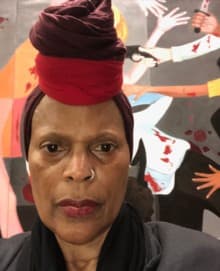
Sapphire is an American author known for her impactful fiction. She gained significant recognition for her debut novel, Push, which explores the struggles of a young African American girl facing adversity. The book was later adapted into the film "Precious," further highlighting her powerful storytelling.
Similar books
- The Color Purple
Alice Walker
4.2 (521k) average on GoodreadsHistorical FictionExplores themes of abuse, resilience, and finding one's voice through writing and strong female relationships.
- The House on Mango Street
Sandra Cisneros
3.6 (126k) average on GoodreadsYoung AdultA coming-of-age story about a young Latina girl finding her voice and identity through writing in a challenging urban environment.
- Harry Potter and the Sorcerer's Stone
J.K. Rowling
4.5 (7M) average on GoodreadsFantasyRescued from a miserable life under the stairs, an orphaned boy discovers he's a wizard destined for a magical school, where he uncovers a dangerous secret tied to the dark wizard who murdered his parents.
- The Hunger Games
Suzanne Collins
4.3 (6.4M) average on GoodreadsFantasyIn a future where children fight to the death on live television, Katniss Everdeen volunteers for the arena, turning a death sentence into a fight for survival and a spark of rebellion.
- To Kill a Mockingbird
Harper Lee
4.3 (4.5M) average on GoodreadsHistorical FictionIn the 1930s Jim Crow South, Harper Lee writes about racial injustice, moral growth, and the quiet courage of a lawyer father, Atticus Finch, as seen through his young daughter's eyes.
- The Fault in Our Stars
John Green
4.2 (3.6M) average on GoodreadsYoung AdultA girl with a terminal illness finds her story rewritten when a charming boy with a similar past enters her life at a cancer support group, leading to a star-crossed romance.





Enjoyed the summary?
A summary gives you the shape of the book. The book itself has the detail, the examples and the voice.
Find Push on AmazonAs an Amazon Associate, BookBrief earns from qualifying purchases. How we're funded