

Synopsis
Covers the whole plot, including the ending.
- Difficulty
- Medium
- Pacing
- Moderate
- Mood
- Darkly Comic, Satirical, Observational, Absurdist
- Read it if
- You enjoy dark humor, sharp social satire, and a deep dive into the absurdities of modern American life and family dynamics.
- Skip it if
- You prefer straightforward, heartwarming family dramas or are sensitive to themes of violence and domestic dysfunction.
May We Be Forgiven Plot Summary
Covers the whole plot, including the ending.
The Thanksgiving Disaster
Harry Silver, a meticulous Richard Nixon scholar, and his wife, Jane, host Thanksgiving dinner. His charismatic but volatile brother, George, a successful television producer, arrives with his wife, Marina, and their two children, Ashley and Nate. The evening is tense, with sibling rivalry and George's anger. After small provocations, George explodes, attacking Marina and then Harry. The violence is shocking, especially for Harry, who has always lived an orderly academic life. This event changes Harry's life, pushing him into a chaotic new reality.
George's Arrest and Hospitalization
After the Thanksgiving assault, George is arrested and hospitalized in a psychiatric facility. His violent outburst is a severe mental break, and he is observed. This leaves Marina and her children, Ashley and Nate, without their main provider and with emotional trauma. Harry, still recovering from the attack and the sudden collapse of his brother's life, feels a reluctant responsibility towards Marina and the kids, despite his strained relationship with George. This unexpected turn forces Harry to face his old resentments and take on a role he never imagined.
Jane's Departure and Harry's Isolation
After George's breakdown, Harry's wife, Jane, reveals her long-standing affair with a colleague and announces she is leaving him. This second, equally devastating blow leaves Harry completely lost. His carefully built life, focused on academic pursuits and quiet domesticity, shatters. Alone in his house, Harry struggles to process the rapid traumatic events, feeling isolated and confused. He must reconsider his identity and purpose outside his marriage and his brother's shadow.
Assuming Responsibility for Marina and the Children
With George in the hospital and Jane gone, Harry becomes more involved in the lives of Marina, Ashley, and Nate. He visits George in the hospital, acting as a go-between for Marina. More importantly, he starts providing financial and emotional support to Marina and the children, moving into their house to help with household management and care for his niece and nephew. This unexpected role forces Harry out of his academic world and into the demanding realities of family life, a role he is unprepared for but determined to fulfill.
Navigating a New Domesticity
Living with Marina, Ashley, and Nate, Harry struggles to adapt to their household. He tries to bring order to their chaotic lives, helping with homework, meals, and childcare, often with awkward and funny results. He also tries to understand the complex emotions of his niece and nephew, who are dealing with their father's absence and their mother's distress. This period shows Harry's clumsy attempts at domesticity and his growing, though reluctant, affection for the children, as he slowly learns what it means to be a caregiver.
Marina's Grief and Recovery
While Harry focuses on the children, Marina deals with the aftermath of George's violence and the end of her marriage. She experiences deep grief and anger but slowly finds her footing. She seeks therapy and starts to rediscover her own interests and desires, separate from George. Her journey involves exploring her sexuality and seeking emotional connections, sometimes in unexpected ways. Harry sees her change, which in some ways mirrors his own changing understanding of life and relationships.
Harry's Forays into Online Dating
Encouraged by friends and his own loneliness, Harry cautiously tries online dating. His experiences are often comical and confusing, showing him the strange rituals and superficiality of modern connection. He meets a variety of eccentric people, highlighting his social awkwardness and his intellectual, rather than emotional, approach to intimacy. These encounters, though often unsuccessful, force Harry to confront his own desires and what he seeks in a relationship, moving him further from his previous isolated existence.
The Children's Adaptation and Growth
Ashley and Nate, initially traumatized and confused by their father's actions and absence, slowly adapt to their new family structure with Harry. Ashley, a perceptive and somewhat cynical teenager, navigates her adolescence and family complexities. Nate, younger and more vulnerable, finds stability in Harry. Harry's consistent, if sometimes clumsy, care helps them both process their grief and find a sense of normalcy amid the upheaval. Their growth shows Harry's changing capacity for love and responsibility.
George's Recovery and Release
After treatment, George is stable enough to be released from the psychiatric facility. His return home is tense and uncertain. He expresses remorse for his actions but struggles to fully rejoin the family he shattered. Harry, Marina, and the children must navigate their feelings towards George, balancing forgiveness with the lasting impact of his violence. This reunion forces them to face unresolved issues from their past and decide what kind of future, if any, they can build together.
A New Kind of Family
After George's return, the family does not simply go back to its old form. Instead, Harry, Marina, George, Ashley, and Nate create a new, unconventional family. Harry remains a central figure, having become an important part of the children's lives and a support for Marina. The boundaries of their relationships are redefined, moving beyond traditional expectations. They learn to co-exist, forgive, and find new ways to connect, showing the resilience and adaptability of human relationships in the face of great change.
Harry's Transformation and Acceptance
By the novel's end, Harry Silver is a vastly different man from the detached academic he once was. He has shed his rigid intellectualism and accepted the messiness of human connection and responsibility. He finds a deep sense of purpose and belonging in his unconventional family, having discovered his capacity for love, care, and even joy. His change is complete; he accepts his new role, not as a replacement for George, but as a vital and beloved member of a reformed family, finding forgiveness for himself and others.
Principal Figures
Harry Silver
Protagonist
A meticulous Richard Nixon scholar whose life is upended by family trauma.
Harry Silver is a middle-aged academic, specializing in Richard Nixon, characterized by his intellectualism, meticulous habits, and emotional detachment. He values order and routine, preferring the quiet solitude of research to the unpredictable nature of human relationships. He is initially awkward and socially inept, particularly in domestic and romantic settings. Despite his intellectual prowess, he lacks practical life skills and emotional intelligence, making his forced immersion into family life a steep learning curve. He carries a history of sibling rivalry and a deep-seated insecurity.
Relationships: George Silver (Sibling rivalry, complex love-hate dynamic); Marina (Sister-in-law, later a co-parent and potential romantic interest); Ashley (Niece, whom he cares for and grows to love); Nate (Nephew, whom he cares for and grows to love); Jane (Ex-wife, distant and unfaithful)
George Silver
Antagonist/Supporting
Harry's volatile and charismatic brother, a successful TV producer.
George is Harry's older brother, a successful and charismatic television producer with a deeply unstable and violent temper. He is impulsive, self-centered, and prone to dramatic outbursts, often fueled by alcohol and resentment. Despite his outward charm and professional success, he struggles with profound emotional issues and a history of mental instability. His actions serve as the catalyst for the novel's plot, forcing Harry to confront his own life and responsibilities. He embodies the destructive potential of unexamined anger and sibling rivalry.
Relationships: Harry Silver (Sibling rivalry, complex love-hate dynamic); Marina (Wife (later estranged), victim of his violence); Ashley (Daughter, strained and complex relationship); Nate (Son, strained and complex relationship)
Marina
Supporting
George's wife, who seeks to rebuild her life after his breakdown.
Marina is George's long-suffering wife, a woman who has endured years of her husband's volatility. She is initially presented as somewhat passive and overwhelmed, but through the course of the novel, she demonstrates resilience, strength, and a growing desire for independence. She is a devoted mother to Ashley and Nate and, after George's institutionalization, forms an unexpected bond with Harry. She is open to new experiences and relationships, embodying the theme of personal reinvention and finding agency after trauma.
Relationships: George Silver (Husband, source of trauma); Harry Silver (Brother-in-law, co-parent, potential romantic interest); Ashley (Daughter, close bond); Nate (Son, close bond)
Ashley
Supporting
George and Marina's perceptive and often cynical teenage daughter.
Ashley is George and Marina's teenage daughter, a smart, observant, and somewhat jaded adolescent. She is deeply affected by her father's actions and her parents' fractured relationship, often expressing her feelings through sarcasm and a detached demeanor. She is navigating the complexities of adolescence while dealing with significant family trauma. Despite her cynicism, she is capable of deep affection and ultimately finds stability and comfort in Harry's presence, even if she initially finds him baffling.
Relationships: George Silver (Father, complex and painful relationship); Marina (Mother, close but sometimes strained); Harry Silver (Uncle, initially bewildered by, later fond of); Nate (Younger brother, typical sibling relationship)
Nate
Supporting
George and Marina's younger son, who looks to Harry for stability.
Nate is George and Marina's younger son, a sensitive and somewhat vulnerable child. He is deeply impacted by his father's violent outburst and subsequent absence. Nate seeks stability and reassurance, and he quickly latches onto Harry as a reliable and comforting figure. His innocence and straightforward needs often provide a grounding force for Harry, highlighting Harry's growing capacity for nurturing and unconditional love. Nate's presence helps to soften Harry's more rigid personality.
Relationships: George Silver (Father, confusing and absent figure); Marina (Mother, close bond); Harry Silver (Uncle, surrogate father figure); Ashley (Older sister, typical sibling relationship)
Jane
Mentioned/Supporting
Harry's estranged wife, who leaves him early in the novel.
Jane is Harry's wife at the beginning of the novel, an academic colleague with whom he has a distant and somewhat passionless marriage. She is revealed to be having an affair and leaves Harry shortly after George's breakdown. Her departure, while painful, ultimately frees Harry to embark on his journey of self-discovery and transformation. She represents the comfortable but ultimately unfulfilling life Harry was living before the narrative's inciting incidents.
Relationships: Harry Silver (Wife, estranged)
Themes & Insights
The Reinvention of the Family
The novel shows how traditional family structures can break apart and then re-form in unconventional, yet meaningful, ways. After George's breakdown and Harry's divorce, a new 'family' emerges: Harry, Marina, Ashley, and Nate. They deal with shared trauma, create new routines, and develop deep bonds that go beyond blood or marriage. Harry's change from a detached uncle to a devoted caregiver, and Marina's embrace of a new life with Harry's support, show this theme. Love and connection can create family where it's least expected, as when Harry awkwardly but diligently helps Nate with homework or comforts Ashley.
“What they were doing, what they had become, was a family. Not the family they had been, but a family nonetheless.”
Personal Transformation and Redemption
At its core, the book is a story of personal change, especially for Harry. Stripped of his marriage, his brother's sanity, and his academic comfort zone, Harry must confront his own emotional shortcomings and engage with life's messy realities. He goes from being emotionally distant and socially awkward to becoming a compassionate, responsible, and loving person. George's journey, though more difficult, also explores the possibility of redemption after serious mistakes. This is clear in Harry's clumsy but persistent efforts to care for Ashley and Nate, and his willingness to take on a role he never imagined, learning to forgive and connect.
“He had thought his life was over, but it was only just beginning.”
The Chaos and Absurdity of Modern Life
Homes satirizes contemporary American culture, highlighting its absurdities, from the superficiality of online dating to the passive-aggressive nature of institutions and the widespread use of technology. Harry's bewildered attempts to navigate dating apps, his interactions with various quirky characters, and the bureaucratic hurdles around George's mental health treatment all show this theme. The novel uses dark humor to expose the gap between people's desperate desire for intimacy and their often-ineffective ways of seeking it, showing the confusing world of 21st-century social interaction.
“Everyone was searching for something, a way to connect, a way to be seen. But mostly they just bumped into each other, like pinballs in a giant, absurd machine.”
Forgiveness and Acceptance
The title itself points to this central theme. The characters, especially Harry, must learn to forgive George for his violent actions, forgive themselves for past mistakes, and accept the unpredictable turns their lives have taken. Forgiveness is not a simple act but a complex, ongoing process, especially with deep-seated family trauma. It means letting go of expectations and embracing imperfect reality. Harry's eventual acceptance of his new, unconventional life and his growing understanding of George's vulnerabilities show this, as does Marina's journey to move past the trauma of her marriage.
“Forgiveness wasn't a single act, but a slow, persistent unfolding.”
Plot Devices & Literary Techniques
Inciting Incident: The Thanksgiving Assault
George's violent outburst that shatters Harry's ordinary life.
The Thanksgiving dinner scene, where George violently attacks Marina and Harry, serves as the primary inciting incident. This explosive event immediately disrupts Harry's predictable academic existence, forcing him out of his comfort zone and setting in motion all subsequent plot developments. It's a sudden, shocking catalyst that propels Harry into a new reality where he must confront family responsibilities, personal trauma, and a complete re-evaluation of his life.
Fish Out of Water Protagonist
Harry's placement in unfamiliar domestic and social roles.
Harry Silver, a meticulous academic specializing in Richard Nixon, is inherently a 'fish out of water' when thrust into the chaotic domestic life of his brother's family and the bewildering world of modern dating. His intellectual and detached nature makes him comically ill-suited for these roles, highlighting his personal growth as he awkwardly but earnestly learns to navigate emotional connections, childcare, and social interactions. This device generates both humor and pathos, emphasizing his transformation.
Dark Humor and Satire
The use of comedic elements to critique contemporary society and human behavior.
A.M. Homes employs dark humor and biting satire to comment on modern American life, relationships, and institutions. Harry's awkward online dating experiences, his detached observations of therapy sessions, and the general absurdity of the situations he encounters provide comedic relief while simultaneously offering sharp critiques of societal norms, technology, and the search for connection in a fragmented world. This device allows the novel to tackle serious themes with a distinctive, often uncomfortable, wit.
Sibling Rivalry as a Catalyst
The long-standing tension between Harry and George as a driver of conflict.
The deep-seated sibling rivalry between Harry and George, simmering since childhood, is a crucial underlying force. George's jealousy of Harry's perceived intellectual superiority and Harry's resentment of George's charisma and success contribute to the volatile atmosphere that culminates in George's breakdown. This rivalry not only fuels the initial conflict but also shapes Harry's reluctance and eventual embrace of responsibility, as he grapples with his complex feelings towards his brother.
May We Be Forgiven Quotes
“Life is a series of adjustments. You just keep making them. You keep trying to improve things, or you keep trying to make them work.”
“Sometimes you have to break things to fix them.”
“The past is never dead. It's not even past.”
“You don't know what you've got until it's gone. And then sometimes, you still don't know.”
“Everyone has a narrative, and it's always shifting, always being rewritten.”
“We are all just trying to make sense of the chaos, to find some order in the disorder.”
“There are things you never recover from, and then there are things you simply learn to live with.”
“Family is a given. Everything else is a choice.”
“The greatest luxury is not having to explain yourself.”
“Sometimes the best way to get over someone is to get under someone else.”
“You can't go home again, but you can always go somewhere else.”
“Forgiveness is a complicated thing. It's not just about letting go; it's about understanding.”
“We all make mistakes. The trick is to make new ones, not the same old ones.”
“The world keeps turning, whether you're ready or not.”
Quiz
10 questions on the plot and the characters. Each answer comes with a short explanation.
Question 1
What is Harry's primary academic focus at the beginning of the novel?
- The Cold War
- Richard Nixon
- Modern American Literature
- Post-war American foreign policy
Show answer
B. Richard Nixon Harry is explicitly described as a 'Richard Nixon scholar' who leads a quiet, regular life before the dramatic events unfold.
Question 2
What is George's profession?
- Investment Banker
- High School Teacher
- TV Producer
- Real Estate Agent
Show answer
C. TV Producer George is characterized as a 'high-flying TV producer' whose volatile temper eventually precipitates Harry's new life.
Question 3
What event directly triggers Harry's life transformation?
- Harry's divorce from his wife
- George's extravagant loss of control
- A major financial crisis
- Harry winning the lottery
Show answer
B. George's extravagant loss of control The synopsis states that 'George's loses control so extravagantly that he precipitates Harry into an entirely new life,' making George's actions the direct catalyst.
Question 4
Which of the following themes is NOT explicitly mentioned as being explored in the novel?
- Adultery
- Space exploration
- Divorce
- Personal transformation
Show answer
B. Space exploration The novel explicitly mentions themes of adultery, divorce, accidents, death, and personal transformation. Space exploration is not listed.
Question 5
How does the novel characterize the relationship between Harry and George prior to George's breakdown?
- Deeply affectionate and supportive
- Indifferent and distant
- Uneasy rivals since childhood
- Professionally collaborative
Show answer
C. Uneasy rivals since childhood The text states, 'They have been uneasy rivals since childhood,' highlighting the long-standing tension between the brothers.
Question 6
What specific aspect of contemporary America does the novel satirize, in addition to domestic life?
- Its agricultural policies
- Its educational system
- Its strange jargons of language and passive aggressive institutions
- Its foreign relations with developing nations
Show answer
C. Its strange jargons of language and passive aggressive institutions The novel is described as a 'savage and dizzyingly inventive satire on contemporary America,' penetrating 'the strange jargons of its language, its passive aggressive institutions, its inhabitants' desperate craving for intimacy and their pushing it away with litigation, technology, paranoia.'
Question 7
What does the phrase 'contemporary orphans' refer to within the context of the novel's themes?
- Children who have lost their biological parents
- Adults who feel disconnected and are seeking new connections and identities
- Individuals who refuse to conform to societal norms
- People who have been abandoned by their spouses
Show answer
B. Adults who feel disconnected and are seeking new connections and identities The novel 'explores contemporary orphans losing and finding themselves anew,' suggesting adults who are metaphorically orphaned from their previous lives or societal structures, seeking re-formation.
Question 8
How does the novel specifically describe the nature of personal transformation?
- Always straightforward and predictable
- Solely inspiring and uplifting
- Simultaneously terrifying and inspiring
- Primarily a source of regret
Show answer
C. Simultaneously terrifying and inspiring The text states the novel 'speaks above all to the power of personal transformation — simultaneously terrifying and inspiring,' indicating its dual nature.
Question 9
What paradox is highlighted regarding the inhabitants' craving for intimacy in contemporary America?
- They crave intimacy but achieve it through traditional community gatherings.
- They crave intimacy but push it away with litigation, technology, and paranoia.
- They crave intimacy but are too busy with work to pursue it.
- They crave intimacy but only find it in online forums.
Show answer
B. They crave intimacy but push it away with litigation, technology, and paranoia. The novel explores 'its inhabitants' desperate craving for intimacy and their pushing it away with litigation, technology, paranoia,' highlighting a contradictory behavior.
Question 10
What is considered to be at the 'heart' of the novel, concerning family dynamics?
- The unbreakable bonds of traditional nuclear families.
- The complete dissolution of family structures.
- The spaces in between, where the modern family comes together to re-form itself.
- The historical origins of American family values.
Show answer
C. The spaces in between, where the modern family comes together to re-form itself. The text explicitly states, 'At the novel's heart are the spaces in between, where the modern family comes together to re-form itself,' emphasizing the dynamic and evolving nature of family.
May We Be Forgiven FAQ
What is the central premise of 'May We Be Forgiven'?
The novel follows Harry, a quiet Nixon scholar, whose life is upended after his volatile brother, George, commits a horrific act. Harry is forced to take responsibility for George's family and navigate a chaotic new existence filled with unexpected relationships, legal battles, and personal transformation, all while grappling with the complexities of modern American life.
How does Harry's life change after George's actions?
Harry's meticulously ordered life as a Nixon scholar is shattered when he becomes the de facto guardian of George's children, Ashley and Nate, and responsible for George's wife, Jane, who is in a coma. He moves into George's suburban home, deals with the aftermath of violence, and unexpectedly finds himself in a series of new relationships and experiences, including an affair with Jane's sister, Sarah.
Who are the key members of George's family that Harry interacts with?
Harry primarily interacts with George's children, Ashley and Nate, who are traumatized and rebellious, and George's wife, Jane, who is in a coma for much of the novel. He also forms a significant relationship with Jane's sister, Sarah, and deals with various medical and legal professionals connected to George's crime and Jane's recovery.
What role does Richard Nixon play in Harry's character and the novel's themes?
Harry's obsession with Richard Nixon is a cornerstone of his identity, reflecting his need for order, control, and a focus on historical narratives. Nixon serves as a lens through which Harry initially views the world, and his shift away from this singular focus parallels his personal transformation and embrace of the unpredictable, messy reality of human relationships.
What is the significance of the title, 'May We Be Forgiven'?
The title speaks to the pervasive guilt, regret, and the search for absolution that many characters experience throughout the novel. It encompasses the need for forgiveness for past mistakes, both personal and societal, and reflects on the possibility of redemption and moving forward despite profound flaws and difficult circumstances. It also hints at the satirical critique of American culture.
How does the novel satirize contemporary American institutions and language?
Homes satirizes institutions through the absurdities of the healthcare system, the legal system's passive-aggressive nature, and the superficiality of suburban life. She highlights the 'strange jargons' of therapy-speak, corporate communication, and media, revealing how these modes of language often obscure genuine emotion and human connection, creating a sense of alienation.
What is the nature of the rivalry between Harry and George?
The rivalry between Harry and George is deeply rooted in childhood and fueled by contrasting personalities: Harry's quiet intellectualism versus George's flamboyant, aggressive ambition. It's an 'uneasy' competition for parental approval and life success, culminating in George's violent act that irrevocably binds them through its consequences, even as George is incarcerated.
How does the novel explore the concept of the 'modern family' re-forming itself?
The novel depicts the disintegration of George's traditional family unit and its subsequent, unconventional re-formation under Harry's care. It shows how individuals, though not biologically related or initially connected, come together to create a new, fluid support system, challenging conventional notions of family structure and demonstrating resilience in the face of tragedy.
What role do technology and litigation play in the characters' lives?
Technology, from online dating to constant communication, contributes to both connection and isolation, while litigation becomes a constant presence, reflecting the litigious nature of contemporary society. These elements highlight the characters' 'desperate craving for intimacy' alongside their tendency to 'push it away with litigation, technology, paranoia,' creating barriers to genuine human interaction.
How does Harry's affair with Sarah impact his personal growth?
Harry's affair with Sarah, Jane's sister, is a significant departure from his previously repressed life and catalyzes his emotional awakening. It forces him to confront his own desires, vulnerabilities, and capacity for intimacy, moving him beyond his intellectual detachment and into the messy, unpredictable realm of human relationships and responsibility.
What is the significance of the 'spaces in between' in the novel?
The 'spaces in between' refer to the unspoken emotions, the ambiguities of relationships, and the liminal states of the characters' lives—between tragedy and recovery, past and future, intention and consequence. These are the crucial, often overlooked moments where transformation occurs, and where new connections, however unconventional, are forged.
How does the novel portray the 'dark heart' of contemporary America?
Homes penetrates the 'dark heart' by exposing the undercurrents of violence, emotional repression, consumerism, and the desperate search for meaning in a fragmented society. She reveals the anxieties and absurdities of a culture obsessed with image and superficial connection, where deep-seated psychological issues often manifest in bizarre or destructive ways.
Discuss the psychological impact of George's actions on Ashley and Nate.
Ashley and Nate are profoundly traumatized by their father George's violence and their mother Jane's subsequent coma. They exhibit various coping mechanisms, including rebellion, withdrawal, and acting out, reflecting their struggle to process the sudden loss of their family structure and the psychological burden of their father's crime, leading them to search for new forms of stability.
How does Harry's character evolve from a detached observer to an active participant?
Initially, Harry is an emotionally detached observer, focused on the past through his Nixon scholarship. However, George's actions force him into active participation in the present, requiring him to care for others, make difficult decisions, and confront his own emotional landscape. This transformation is central to the novel's theme of personal growth and finding oneself anew.
What is the ultimate message about personal transformation in 'May We Be Forgiven'?
The novel suggests that personal transformation, while often 'terrifying and inspiring,' is possible even amidst chaos and tragedy. It emphasizes that individuals can adapt, find new purpose, and forge unexpected connections when faced with life-altering events, ultimately leading to a more authentic and engaged existence, even if it's messy and imperfect.
How does the author use dark humor in the face of tragic events?
A.M. Homes employs dark humor to highlight the absurdity of human behavior and societal norms, even in the most dire circumstances. This comedic approach serves to underscore the novel's satirical edge, making the difficult themes more palatable while simultaneously sharpening the critique of contemporary life and the characters' often bizarre reactions to trauma.
What is the significance of Harry's interactions with other parents and school officials?
Harry's interactions with other parents and school officials expose the often superficial and judgment-laden dynamics of suburban communities and institutional bureaucracy. These encounters highlight his awkwardness in his new role and the societal pressures placed on families, further emphasizing the novel's satirical take on contemporary American domestic life and its passive-aggressive institutions.
How does the novel challenge traditional gender roles and expectations?
The novel challenges traditional gender roles by placing Harry, a man previously focused on intellectual pursuits, in a primary caregiving role for children and a comatose wife. This forces him to confront emotional labor and domestic responsibilities typically associated with women, subverting expectations and exploring the complexities of modern masculinity and nurturing.
About the author

A.M. Homes is an American writer of fiction, known for her provocative and often transgressive novels. Her acclaimed works include 'The End of Alice,' 'May We Be Forgiven,' which won the Orange Prize for Fiction, and 'This Book Will Save Your Life.' Homes' writing is characterized by its unflinching exploration of identity, family, and societal norms.
Similar books
- The Corrections
Jonathan Franzen
3.8 (156k) average on GoodreadsLiterary FictionExplores the dysfunctional dynamics of a contemporary American family with a satirical edge.
- Pastoralia
George Saunders
4.1 (18k) average on GoodreadsLiterary FictionFeatures a unique blend of dark humor, social commentary, and a critical look at American culture.
- A Visit From the Goon Squad
Jennifer Egan
3.7 (175k) average on GoodreadsLiterary FictionExamines interconnected lives and the complexities of modern relationships with an innovative structure.
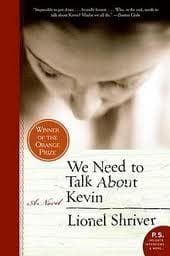
- We Need to Talk About Kevin
Lionel Shriver
4.0 (162k) average on GoodreadsLiterary FictionWhile Shriver's novel also deals with the aftermath of familial violence and responsibility, it focuses tightly on a mother's internal struggle and the origins of evil. Homes' "May We Be Forgiven" is more about the haphazard, often comical, process of rebuilding life after catastrophe and navigating a new, bewildering domesticity from an external, male perspective.
- The Old Man and the Sea
Ernest Hemingway
3.8 (831k) average on GoodreadsLiterary FictionA Cuban fisherman's long struggle with a giant marlin becomes a story of endurance and dignity, now retold for young adults with illustrations, phonetic guides, and writing prompts in Traditional Chinese.
- One Hundred Years of Solitude
Gabriel García Márquez
4.1 (753k) average on GoodreadsLiterary FictionThrough the multi-generational story of the Buendía family, a mythical town deals with the repeating patterns of time, love, and solitude, as the extraordinary mixes with the ordinary.





Enjoyed the summary?
A summary gives you the shape of the book. The book itself has the detail, the examples and the voice.
Find May We Be Forgiven on AmazonAs an Amazon Associate, BookBrief earns from qualifying purchases. How we're funded