
Synopsis
Covers the whole plot, including the ending.
- Difficulty
- Easy
- Pacing
- Moderate
- Mood
- Heartwarming, Reflective, Educational
- Read it if
- You enjoy historical fiction for young readers, particularly stories about Native American culture and themes of responsibility.
- Skip it if
- You prefer complex plots, adult themes, or stories with high-stakes action.
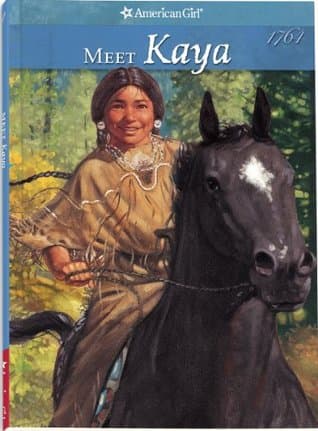
Meet Kaya Plot Summary
Covers the whole plot, including the ending.
A Dream of Racing
Kaya, a young Nez Perce girl, wakes early, wanting to ride her mare, Steps High. She hopes to race, sure that Steps High is the fastest horse in the village. Her father, a leader, sees her excitement but warns that Steps High is not yet ready for racing. He stresses patience and proper training and reminds her of reckless acts' dangers. Kaya, however, wants to prove Steps High's speed and her own skill, often ignoring her father's advice. She spends her days practicing with Steps High, imagining winning races, driven by a youthful urge to achieve her goals.
The Challenge
While riding Steps High, Kaya meets Badger, a boy from a nearby village known for being mischievous. Badger, seeing Kaya's pride in her horse, teases her, saying Steps High is slow compared to his pony. He challenges Kaya to a race, mocking her and her mare. Despite her father's earlier warnings about racing Steps High too soon, Kaya's pride is hurt by Badger's insults. She cannot resist the challenge and accepts it, determined to defend Steps High's honor and prove Badger wrong. This sets the stage for a critical choice.
The Race Begins
The race between Kaya and Badger starts quickly. Kaya, focused only on winning and beating Badger, pushes Steps High to her limits. Her two younger brothers, whom she was supposed to be watching, have followed her, wanting to see the race. They trail behind, trying to keep up with the galloping horses. Kaya's attention is entirely on the competition. She does not notice her brothers or their struggle to keep pace. Her single-minded pursuit of victory overrides her responsibilities, putting her siblings in a dangerous situation.
Lost in the Chase
As the race continues, Kaya and Badger ride further from the village. Kaya's competitive nature completely takes over. She urges Steps High to go even faster. In her effort to win, she loses awareness of her surroundings, especially where her younger brothers are. They fall behind, unable to match the racing horses' speed, and soon disappear from Kaya's sight. Her focus stays on Badger and the finish line, blinding her to the possible danger her brothers might be in. This shows her immaturity and lack of foresight.
The Realization
Kaya, triumphant but out of breath, crosses the finish line, just beating Badger. She feels a surge of pride, having shown Steps High's speed and silenced Badger's taunts. However, her joy is short-lived. As she looks around, expecting to see her brothers cheering, she finds no sign of them. A cold wave of fear comes over her as she realizes: her brothers are gone. The excitement of victory quickly turns to dread as she understands the seriousness of her carelessness and her impulsive actions' possible results.
Searching for the Lost
Panicked, Kaya immediately turns Steps High around and frantically rides back, calling her brothers' names. Her heart pounds with fear, and a heavy guilt settles on her. Every rustle in the bushes, every shadow, brings hope and then despair. The landscape, which moments before was a blur of victory, now seems vast and threatening. She blames herself for her recklessness, for ignoring her father's warnings, and most of all, for forgetting her duty to her younger siblings. The joy of winning the race is completely overshadowed by the desperate search.
The Return to the Village
After what feels like an endless, fruitless search, Kaya, tired and heartbroken, must return to the village without her brothers. Her failure weighs heavily on her. She approaches her family with a heavy heart, her face stained with tears and dust. With a shaky voice, she confesses what happened, admitting her carelessness and the impulsive race. Her parents, though worried, listen with concern and disappointment. The entire village is told, and a search party quickly forms to find the missing boys, showing the communal responsibility within the Nez Perce tribe.
The Boys are Found
The search party, including villagers and her father, goes out into the darkening land. After a tense period of searching, filled with anxiety for Kaya and her family, a shout echoes. The search party has found Kaya's brothers! They are safe, though scared and a little lost, having wandered off the path while trying to keep up. Relief washes over Kaya and the entire village. Her brothers are brought back, unharmed, to everyone's gratitude. The event shows the community's strength and the relief after a crisis.
A New Nickname
Though her brothers are safe, the incident affects Kaya. Her friends, who saw what happened and the search, begin to call her 'Careless.' This nickname, though not mean, is a constant, painful reminder of her impulsive actions and the distress she caused. Each time she hears it, she remembers her father's warnings, her own recklessness, and the fear she felt when her brothers were lost. The nickname becomes a significant lesson, making her think about responsibility and foresight, forcing her to face her immaturity.
Learning Patience and Responsibility
The 'Careless' nickname and the traumatic experience of losing her brothers change Kaya. She begins to understand her father's wisdom about patience, preparation, and responsibility. She spends more time listening to his advice and observing her elders. Her focus shifts from only proving Steps High's speed to truly caring for her mare and understanding her actions' impact. This painful lesson marks a turning point in Kaya's character, as she starts to mature and adopt thoughtfulness and accountability, moving past her initial impulsiveness.
Principal Figures
Kaya
Protagonist
A spirited young Nez Perce girl who learns the hard way about responsibility.
Kaya is a vibrant and impetuous Nez Perce girl with a deep love for her mare, Steps High. She is initially driven by a youthful desire for glory and recognition, particularly through racing. Her eagerness often overrides her judgment, leading her to disregard her father's wise counsel. She is proud, sometimes to a fault, and easily provoked when her horse or abilities are challenged. Her journey is marked by a significant mistake that forces her to confront her own carelessness and grow into a more responsible individual.
Relationships: Kaya's Father (Mentor and authority figure); Steps High (Beloved mare and companion); Badger (Rival and instigator); Kaya's Brothers (Younger siblings, her responsibility)
Steps High
Supporting
Kaya's beautiful and fast mare, central to Kaya's racing dreams.
Steps High is Kaya's prized mare, described as beautiful and possessing great speed. She is not just a pet but a significant part of Kaya's identity and aspirations. Steps High embodies Kaya's dreams of freedom and accomplishment. While naturally gifted, she is still young and requires further training and patience, a detail Kaya initially overlooks. The mare's performance in the race, though successful, ultimately becomes secondary to the lessons Kaya learns about responsibility.
Relationships: Kaya (Owner and rider)
Kaya's Father
Supporting
A wise and patient Nez Perce leader who guides Kaya.
Kaya's father is a respected and sagacious leader within the Nez Perce community. He embodies traditional wisdom and patience, consistently offering Kaya guidance and warnings about the dangers of impulsiveness and the importance of responsibility. While firm, he is also understanding and provides a steady moral compass for Kaya. His initial warnings about Steps High not being ready for racing prove prophetic, and he is instrumental in helping Kaya process her mistake and learn from it, demonstrating both authority and compassion.
Relationships: Kaya (Father and mentor)
Badger
Supporting
A mischievous boy who challenges Kaya to a race.
Badger is a boy from a neighboring village who serves as the instigator of the central conflict. He is portrayed as mischievous and somewhat taunting, using insults to provoke Kaya into racing. His role is primarily to challenge Kaya's pride and force her hand, setting in motion the chain of events that leads to her brothers getting lost. He represents the external temptation that Kaya, in her impulsiveness, cannot resist, ultimately leading to her critical learning experience.
Relationships: Kaya (Rival and instigator of conflict)
Kaya's Brothers
Supporting
Kaya's younger siblings, whose safety is jeopardized by her carelessness.
Kaya's two younger brothers are minor characters who represent Kaya's responsibility. They are curious and eager, following Kaya to watch the race, unknowingly placing themselves in danger. Their disappearance is the direct consequence of Kaya's single-minded focus on winning and her neglect of her duties. Their safety, when found, brings immense relief and serves as the most potent lesson for Kaya about the real-world impact of her actions and the importance of looking out for others.
Relationships: Kaya (Older sister, their guardian)
Themes & Insights
The Consequences of Impulsiveness
Kaya's story shows how impulsive choices can lead to serious consequences. Her eagerness to race Steps High, despite her father's warnings, and her quick acceptance of Badger's challenge, directly cause her to lose track of her younger brothers. The fear and guilt she feels when they are lost highlight that quick, thoughtless actions can endanger herself and those she is responsible for. This theme is central to her character's growth, and the nickname 'Careless' serves as a constant reminder of this lesson.
“A good rider knows when to wait, Kaya. Patience is a strong medicine.”
Responsibility and Duty
A main theme is Kaya's growing understanding of responsibility. At first, Kaya puts her desires (winning the race) before her duty to watch her younger brothers. The traumatic experience of losing them makes her face her neglect and accept her responsibilities. The story emphasizes that true maturity means recognizing and fulfilling one's duties, especially to family and community. Her journey is about learning that freedom comes with the obligation to care for others.
“You forgot your brothers, Kaya. They depend on you.”
The Value of Patience and Wisdom
Kaya's father often gives advice about patience and preparation, which Kaya initially ignores in her youthful enthusiasm. His warnings about Steps High not being ready and the dangers of recklessness are proven right by the race. The story shows that true strength and skill are not just about speed or immediate satisfaction, but about careful planning, understanding limits, and listening to elders' experienced guidance. Kaya's growth is marked by her eventual acceptance of these qualities.
“Steps High is fast, yes, but speed is not enough. A horse, like a person, needs time to be truly ready.”
Community and Support
While Kaya's mistake is personal, the response to her brothers' disappearance shows the strong sense of community within the Nez Perce tribe. When Kaya confesses, the entire village mobilizes to search for the lost boys, showing their collective care and support. This communal effort to keep its members safe reinforces the idea that individuals are not alone in their struggles and that shared responsibility is a foundation of their society. The relief when the boys are found is a shared village experience.
“We will find them, Kaya. We will search together.”
Plot Devices & Literary Techniques
Foreshadowing
Kaya's father's warnings predict the consequences of her actions.
Kaya's father repeatedly warns her about Steps High not being ready for racing and the dangers of recklessness. These warnings serve as clear foreshadowing that Kaya's impulsive actions will lead to negative outcomes. The reader is primed to anticipate trouble, making Kaya's subsequent mistake of losing her brothers a direct fulfillment of the father's earlier wisdom. This device effectively builds tension and underscores the theme of the importance of heeding advice.
The Nickname 'Careless'
A constant reminder of Kaya's mistake and a catalyst for her growth.
The nickname 'Careless' that Kaya earns from her friends after her brothers are lost is a powerful plot device. It acts as a continuous external reminder of her past mistake, forcing her to confront her actions and the consequences. This persistent label prevents her from easily forgetting the incident and serves as a catalyst for her personal growth, pushing her towards greater responsibility and thoughtfulness. It symbolizes the lasting impact of her actions on her reputation and self-perception.
The Race
The central event that triggers Kaya's mistake and subsequent learning.
The impromptu race between Kaya and Badger is the pivotal plot device around which the entire story revolves. It is the direct cause of Kaya's distraction and the subsequent loss of her brothers. The race serves as a powerful symbol of Kaya's impulsive nature and her initial disregard for her father's wisdom. By placing her in a high-stakes, competitive situation, the race exposes her character flaws and ultimately leads to the critical lesson she must learn about responsibility and patience.
Meet Kaya Quotes
“When she was hungry, her stomach rumbled like a bear waking from winter sleep.”
“The wind was a playful spirit, tugging at her braids, whispering secrets in her ears.”
“Her grandmother often said that a good story was like a warm fire on a cold night.”
“A true leader listens to the whispers of the wind and the wisdom of the elders.”
“Every rock, every tree, every stream had a spirit, and it was important to honor them.”
“Fear was a shadow that could grow large if you let it, but it could also be chased away by courage.”
“The river was a living thing, always moving, always changing, yet always the same river.”
“She learned that patience was a hunter's best friend.”
“The stars were like tiny holes poked in the blanket of night, letting the light of other worlds shine through.”
“To forget where you came from was like a salmon forgetting the stream where it was born.”
“Even the smallest seed held the promise of a mighty tree.”
“Her heart beat like a drum, keeping time with the rhythm of the earth.”
“Kindness was a gift that never ran out, the more you gave, the more you had.”
“The past was like a river, flowing behind them, but always shaping the land ahead.”
Quiz
10 questions on the plot and the characters. Each answer comes with a short explanation.
Question 1
What is the name of Kaya's beloved mare that she dreams of racing?
- Swiftwind
- Steps High
- Morning Star
- Sky Dancer
Show answer
B. Steps High Kaya's beautiful mare, which she dreams of racing, is named Steps High.
Question 2
What is Kaya's father's initial warning to her about Steps High?
- The horse is too old to race.
- The horse is not fast enough.
- The horse isn't ready.
- The horse is too wild to control.
Show answer
C. The horse isn't ready. Kaya's father warns her that Steps High isn't ready for racing.
Question 3
What event prompts Kaya to accept the challenge to race Steps High?
- Her father finally gives her permission.
- A pesky boy insults Steps High.
- Her friends dare her to race.
- She sees another girl racing her horse.
Show answer
B. A pesky boy insults Steps High. Kaya accepts the race challenge after a pesky boy insults Steps High.
Question 4
What specific consequence does Kaya face during the race due to her carelessness?
- Steps High gets injured.
- She falls off her horse.
- She loses sight of her little brothers.
- She gets lost in the woods.
Show answer
C. She loses sight of her little brothers. During the race, Kaya's carelessness leads her to lose sight of her little brothers.
Question 5
What is the primary theme explored through Kaya's actions in the story?
- The importance of winning at all costs.
- The consequences of impulsiveness and carelessness.
- The joy of competitive sports.
- The bond between a girl and her horse.
Show answer
B. The consequences of impulsiveness and carelessness. Kaya's actions, particularly accepting the race despite warnings and losing her brothers, highlight the theme of the consequences of impulsiveness and carelessness.
Question 6
How do Kaya's friends react to her carelessness after the race?
- They praise her for her bravery.
- They help her find her brothers.
- They give her a nickname that they won't let her forget.
- They ignore her for her mistake.
Show answer
C. They give her a nickname that they won't let her forget. Kaya's friends give her a nickname she can't forget, which is a direct consequence of her carelessness.
Question 7
What does Kaya's father's warning about Steps High reveal about his character?
- He is overly cautious and doesn't trust Kaya's judgment.
- He prioritizes safety and readiness over impulsive desires.
- He underestimates Steps High's abilities.
- He wants Kaya to lose the race to teach her a lesson.
Show answer
B. He prioritizes safety and readiness over impulsive desires. His warning suggests he prioritizes safety and proper preparation, indicating a responsible and caring character.
Question 8
Given the story's outcome, what lesson does Kaya likely learn about making decisions?
- Always trust her instincts, even if others disagree.
- It's important to win races to gain respect.
- Considering consequences and advice before acting is crucial.
- Friends' opinions are more important than family warnings.
Show answer
C. Considering consequences and advice before acting is crucial. The negative consequences of her impulsive race and losing her brothers indicate she learns the importance of considering consequences and advice.
Question 9
How does the 'pesky boy' function as a plot device in the story?
- He serves as a rival who ultimately helps Kaya.
- He represents an external temptation that challenges Kaya's judgment.
- He is a symbol of unfair competition.
- He offers a valuable lesson about sportsmanship.
Show answer
B. He represents an external temptation that challenges Kaya's judgment. The pesky boy's insult acts as a catalyst, tempting Kaya to disregard her father's warning and race impulsively, thus challenging her judgment.
Question 10
What does the detail of Kaya's friends not letting her forget her nickname suggest about the community or social aspect of the story?
- It shows that her friends are mean-spirited and unsupportive.
- It emphasizes the lasting impact of one's actions and the role of social memory.
- It implies that nicknames are a sign of affection in their culture.
- It indicates a lack of forgiveness within her peer group.
Show answer
B. It emphasizes the lasting impact of one's actions and the role of social memory. The friends' continuous use of the nickname highlights how actions can have lasting social consequences and become part of one's reputation within a community.
Meet Kaya FAQ
What is the central conflict Kaya faces at the beginning of the story?
Kaya dreams of racing her mare, Steps High, but her father believes the horse is not yet ready for such a challenge. This creates an internal conflict between Kaya's aspirations and her father's wisdom, which she ultimately ignores to her detriment.
Who challenges Kaya to the fateful race, and what motivates her to accept?
A pesky boy, whose name is not explicitly stated in the summary, insults Steps High, prompting Kaya to defend her mare's honor and prove her capabilities. This personal attack on her beloved horse fuels Kaya's impulsive decision to race, despite her father's earlier warning.
What are the immediate consequences of Kaya's decision to race?
During the race, Kaya becomes so focused on winning that she loses sight of her younger brothers, leaving them unattended and potentially in danger. This act of carelessness directly leads to the negative nickname she receives from her friends, highlighting her lapse in responsibility.
How does the 'nickname' impact Kaya's social standing and self-perception?
The nickname serves as a constant reminder of her irresponsibility and rash decision-making during the race, affecting how her friends perceive her and likely causing her personal shame. It's a public symbol of her mistake, making it difficult for her to move past the incident easily.
What role does Steps High play beyond being a racehorse?
Steps High represents Kaya's aspirations, her pride, and her connection to her family's values and equestrian traditions. The mare is not just an animal but a symbol of Kaya's coming-of-age and the responsibilities that come with her dreams.
Are there any subtle foreshadowing elements regarding Kaya's impulsiveness?
Her father's initial warning about Steps High not being ready subtly foreshadows Kaya's own lack of readiness for the responsibility and consequences of her actions. His wisdom, though dismissed, serves as an early indicator of the potential pitfalls of her youthful eagerness.
What might the 'pesky boy' represent in the narrative?
The 'pesky boy' could represent external pressures or temptations that challenge Kaya's judgment and lead her astray from her father's guidance. He acts as a catalyst, pushing Kaya to make an impulsive decision she might otherwise have avoided.
How does the historical setting influence the themes of responsibility and family?
In a historical setting, the consequences of carelessness, especially regarding younger siblings, might have been more severe and community-centric, emphasizing the importance of family and collective well-being. This context likely amplifies the weight of Kaya's mistake and the public nature of her nickname.
What psychological state leads Kaya to lose sight of her brothers?
Kaya's intense focus on winning the race and proving herself, fueled by pride and a desire to silence the 'pesky boy,' causes her to develop a tunnel vision. This psychological state of hyper-focus on a singular goal leads her to neglect her other responsibilities, specifically her brothers' safety.
How does Kaya's impulsivity develop and manifest throughout the story?
Kaya's impulsivity is evident from her immediate decision to accept the race challenge despite her father's warning, showing a lack of foresight and an inability to resist provocation. This trait then culminates in her losing track of her brothers, demonstrating how her rashness directly leads to negative outcomes.
What is the psychological impact of the 'nickname' on Kaya?
The nickname likely causes Kaya significant shame, embarrassment, and potentially guilt, forcing her to confront the consequences of her actions publicly. It serves as a constant external reminder of her internal failure, potentially impacting her self-esteem and future decision-making.
How does Kaya's relationship with her father evolve after the incident?
While not explicitly stated, the incident likely creates a moment of reflection for Kaya, potentially fostering a deeper understanding and appreciation for her father's wisdom and warnings. Her father's initial concern is validated, which could lead to a more mature and respectful dynamic between them.
Is the 'nickname' intended as a punishment or a lesson for Kaya?
The nickname functions as both a social punishment and a crucial lesson, serving as a public consequence for her carelessness that her friends will not let her forget. It's a harsh but effective method for the community to reinforce the importance of responsibility and attentiveness.
Does the story imply that Kaya should give up her dreams of racing?
The story does not suggest Kaya should abandon her dreams of racing, but rather that she needs to mature and learn to balance her aspirations with her responsibilities. The incident highlights the importance of judgment and foresight, not the inherent wrongness of her ambition.
How does the book explore the theme of responsibility in children's literature?
The book explores responsibility by presenting a clear cause-and-effect scenario where Kaya's lack of responsibility leads to immediate and memorable negative consequences. It teaches young readers that personal desires should not override the safety and well-being of others, especially those under one's care.
What larger societal values might the story be subtly promoting through Kaya's experience?
The story subtly promotes values such as humility, listening to elders, prioritizing the welfare of family members, and understanding the consequences of impulsive actions. It reflects a societal emphasis on community and collective well-being over individual pride, especially within a historical context.
Could the 'pesky boy' be seen as a mirror for Kaya's own immaturity?
Yes, the 'pesky boy' could be interpreted as a reflection of Kaya's own youthful impulsiveness and lack of mature judgment. His challenge, though seemingly external, taps into Kaya's internal insecurities and pride, leading her to make a decision that mirrors his own potential for thoughtlessness.
What is the significance of 'Steps High' as the mare's name?
The name 'Steps High' could symbolize the lofty ambitions and high expectations Kaya has for herself and her horse, or perhaps the 'high steps' of pride and overconfidence that lead to her downfall. It adds a layer of symbolic meaning to the mare's role in Kaya's journey.
Similar books
- Little House on the Prairie
Laura Ingalls Wilder
4.2 (256k) average on GoodreadsChildren'sHistorical setting, focus on family life and childhood lessons in a specific cultural context.
- Caddie Woodlawn
Carol Ryrie Brink
4.0 (48k) average on GoodreadsChildren'sFeatures a spirited young girl learning lessons about growing up and responsibility in a historical frontier setting.
- Island of the Blue Dolphins
Scott O'Dell
3.8 (292k) average on GoodreadsChildren'sHistorical fiction with a focus on a young girl's resilience and connection to nature.
- Harry Potter and the Sorcerer's Stone
J.K. Rowling
4.5 (7M) average on GoodreadsFantasyRescued from a miserable life under the stairs, an orphaned boy discovers he's a wizard destined for a magical school, where he uncovers a dangerous secret tied to the dark wizard who murdered his parents.
- The Hobbit, or There and Back Again
J.R.R. Tolkien
4.3 (2.9M) average on GoodreadsFantasyA comfort-loving hobbit named Bilbo Baggins is whisked away by a mischievous wizard and a band of dwarves on an unexpected journey to reclaim stolen treasure from a fearsome dragon, discovering courage and a magical ring along the way.
- Harry Potter and the Goblet of Fire
J.K. Rowling
4.6 (2.6M) average on GoodreadsFantasyA bewildered Harry Potter, underage and thrust into a deadly Triwizard Tournament, must brave dragons, mermaids, and a resurgent dark magic to survive a year that will forever alter the wizarding world.





Enjoyed the summary?
A summary gives you the shape of the book. The book itself has the detail, the examples and the voice.
Find Meet Kaya on AmazonAs an Amazon Associate, BookBrief earns from qualifying purchases. How we're funded