
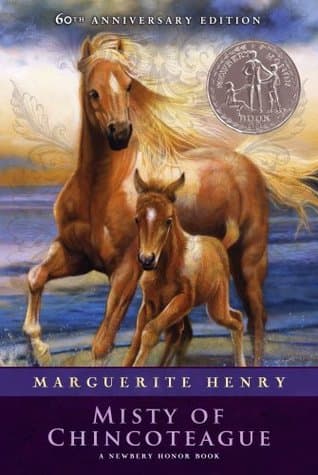
Synopsis
Covers the whole plot, including the ending.
- Difficulty
- Easy
- Pacing
- Moderate
- Mood
- Nostalgic, Adventurous, Heartwarming, Hopeful
- Read it if
- You love classic animal stories, tales of children's perseverance, and the magic of wild horses, set against a charming historical backdrop.
- Skip it if
- You prefer fast-paced fantasy or contemporary realistic fiction without a strong focus on animals.
Misty of Chincoteague Plot Summary
Covers the whole plot, including the ending.
Life on Chincoteague and the Legend of the Phantom
Paul and Maureen Beebe, orphaned siblings, live with their grandparents, Grandpa and Grandma Beebe, on Chincoteague Island, Virginia. Their lives center on the sea, fishing, and the island's culture. The children are especially drawn to the wild ponies that live on nearby Assateague Island. They often watch the ponies from a distance, particularly the legendary mare known as 'The Phantom,' a wild horse said to be very fast. The Phantom is known for avoiding capture during the yearly Pony Penning Day roundup, making her a symbol of wildness and freedom that impresses the children.
The Desire for the Phantom
Paul and Maureen want to own the Phantom. They imagine what it would be like to ride her. Knowing that the wild ponies are rounded up once a year and sold at auction during Pony Penning Day, they begin saving all their money. Paul takes extra fishing jobs, and Maureen helps with chores, all to earn enough to bid on the Phantom. Their grandparents support them but are doubtful, reminding them that the Phantom is known for being uncatchable and untamable. This only makes the children more determined.
Pony Penning Day Approaches
As Pony Penning Day gets closer, excitement grows on Chincoteague Island. Plans for the yearly event, where the wild ponies swim across the channel from Assateague to Chincoteague, start. Paul and Maureen's anticipation grows, mixed with worry about whether they can catch and afford the Phantom. They keep saving diligently, hoping their money will be enough. Islanders discuss the coming roundup, sharing stories of past events and guessing if the Phantom will escape again.
The Roundup and a Surprising Discovery
The day of the roundup comes. Paul joins other islanders in the hard work of herding the wild ponies across the channel. During the exciting event, the Phantom is finally caught. Everyone is surprised, especially Paul, when they find the Phantom is not alone. Running beside her is a tiny, silvery-gray newborn foal, barely a day old, whom Paul names Misty. This unexpected arrival adds a new challenge and wonder to their dream of owning the wild mare.
Bidding for the Phantom and Misty
At the Pony Penning Day auction, Paul and Maureen, with their saved money, bravely bid for the Phantom and her foal, Misty. The bidding is strong, and the children are nervous, but their resolve is steady. With their own savings and some help from their grandparents, they outbid other buyers. The crowd, touched by the children's earnestness and the bond already forming with the wild mare and her unique foal, cheers as the Phantom and Misty are sold to Paul and Maureen Beebe.
Taming the Wild Ones
Bringing the wild Phantom and her foal, Misty, back to their small stable on Chincoteague is a big challenge. The Phantom, true to her reputation, is jumpy and avoids human touch. Misty, though young, has her mother's wild spirit. Paul and Maureen are patient and gentle. They spend hours simply being near the ponies, offering food, and slowly building trust. Paul focuses on the Phantom, knowing that if he can gain her confidence, Misty will follow. Their efforts test their patience and understanding of animals.
Misty's Progress and the Phantom's Reluctance
Under Paul and Maureen's gentle care, Misty slowly adjusts to her new life. She shows signs of being smart and responsive, learning to accept touch and even a halter. However, the Phantom stays mostly untamed. She is very protective of Misty and keeps a careful distance from the children, always ready to run. This difference creates a problem: how can they fully tame Misty if her mother's wildness constantly influences her? Paul and Maureen understand they must earn the Phantom's trust for both ponies to do well with them.
The Race and a Difficult Decision
Paul enters Misty in a local race, hoping to show her speed and spirit. Everyone is happy when Misty proves to be a fast and agile pony, winning the race and getting noticed for her unique qualities. Her win attracts a rich pony buyer from the mainland who offers a lot of money for Misty. This puts Paul and Maureen in a hard spot. While they love Misty, the money could greatly help their family and give the foal a good future. They are torn between their feelings and practical needs.
The Phantom's Escape and Return
One day, the Phantom, still wild, escapes her enclosure and returns to Assateague Island. Paul and Maureen are sad, fearing they have lost her for good. However, the bond between the mare and her foal is stronger than the call of the wild. The Phantom, driven by her mother's instinct, eventually returns to Chincoteague, drawn back by Misty's whinnies. This event shows the children the deep connection between the two ponies and strengthens their commitment to keeping them together.
The Decision to Keep Misty
After much thought and struggle, Paul and Maureen decide not to sell Misty. They realize their love for the pony and the bond they have with both Misty and the Phantom are worth more than any money. They put the ponies' happiness and well-being first, choosing to keep them together on Chincoteague. This decision shows their maturity and deep understanding of the wild spirit they have come to love, committing to a future where Misty and the Phantom remain part of their family.
A Future for Misty and the Phantom
With the decision made, Paul and Maureen continue to work with Misty, who becomes a loved and spirited riding pony. The Phantom, while never fully losing her wildness, stays a constant and cherished part of their lives. She eventually lets Paul and Maureen care for her, seeing them as part of her herd. The story ends with the Beebe children having successfully brought the wild ponies into their lives, celebrating Chincoteague's spirit and the lasting bond between humans and animals. Misty represents the island and the children's dream come true.
Principal Figures
Paul Beebe
Protagonist
Orphaned boy, determined to capture and tame the wild ponies.
Paul is a resourceful and determined young boy, living with his grandparents on Chincoteague. He is an experienced fisherman for his age and takes his responsibilities seriously, often taking the lead in their pony-related adventures. He is the primary rider and trainer of Misty, showing great patience and understanding with the wild animals. Paul's drive to capture the Phantom stems from a deep admiration for her wild spirit and a desire to prove his capabilities. He is practical but also deeply emotional, especially when it comes to the ponies.
Relationships: Maureen Beebe (Sister, co-owner of the ponies); Grandpa Beebe (Grandfather, guardian, mentor); Grandma Beebe (Grandmother, guardian, supportive figure); Misty (His pony, partner, object of his affection); The Phantom (Misty's mother, a wild mare he admires and eventually tames to a degree)
Maureen Beebe
Protagonist
Paul's younger sister, sharing his dream and love for the ponies.
Maureen is Paul's younger sister, equally enthusiastic and passionate about the wild ponies. She is gentle and nurturing, often displaying a softer approach to the ponies compared to Paul's more active role. Maureen is diligent in saving money and helps with the care and taming of Misty and the Phantom. She shares Paul's determination but often voices the emotional side of their decisions, particularly regarding selling Misty. Her quiet strength and unwavering love for the ponies are central to their success.
Relationships: Paul Beebe (Brother, co-owner of the ponies); Grandpa Beebe (Grandfather, guardian); Grandma Beebe (Grandmother, guardian); Misty (Her pony, beloved companion); The Phantom (Misty's mother, a wild mare she adores)
Grandpa Beebe
Supporting
Paul and Maureen's wise and experienced grandfather.
Grandpa Beebe is Paul and Maureen's guardian, a seasoned Chincoteague islander with a deep knowledge of the sea and the wild ponies. He is initially skeptical of the children's ability to capture and tame the Phantom, often reminding them of her legendary wildness. However, he is ultimately supportive, offering practical advice and, crucially, helping them secure the funds to buy the ponies at auction. His wisdom and grounded perspective provide a balance to the children's youthful idealism, guiding them with a gentle hand.
Relationships: Paul Beebe (Grandson, mentee); Maureen Beebe (Granddaughter); Grandma Beebe (Wife, partner in raising the children)
Grandma Beebe
Supporting
Paul and Maureen's kind and nurturing grandmother.
Grandma Beebe is the warm and nurturing matriarch of the Beebe household. She is supportive of Paul and Maureen's dreams, often offering encouragement and comfort. While she shares Grandpa's practical concerns, her primary role is to provide a loving and stable home environment. She contributes to their pony-saving efforts and expresses immense pride in the children's accomplishments. Her gentle nature and unwavering belief in her grandchildren's capabilities are a constant source of strength for them.
Relationships: Paul Beebe (Grandson); Maureen Beebe (Granddaughter); Grandpa Beebe (Husband, partner in raising the children)
The Phantom
Supporting
A legendary, untamable wild mare from Assateague Island.
The Phantom is a magnificent, elusive wild mare from Assateague Island, renowned for her speed and her ability to evade capture during Pony Penning Day. She is initially a symbol of untamed wilderness and a challenge for Paul and Maureen. Her unexpected capture, revealing her with her newborn foal Misty, transforms her role. She remains wary and wild, but her deep maternal bond with Misty eventually leads her to accept a degree of human care, proving that love and patience can bridge the gap between wildness and domestication.
Relationships: Misty (Her foal, the reason for her eventual acceptance of humans); Paul Beebe (Her owner, the one who earns her trust); Maureen Beebe (Her owner, gentle caregiver)
Misty
Protagonist
The Phantom's silvery-gray foal, born wild but destined for domestication.
Misty is the enchanting, silvery-gray foal of the legendary Phantom. Born wild on Assateague, she is discovered alongside her mother during the roundup. Misty quickly becomes the central focus of Paul and Maureen's efforts, as she is more amenable to taming due to her youth. She is spirited, intelligent, and fast, qualities that make her a beloved riding pony and attract attention. Misty represents the hope and future of the wild ponies, embodying the successful bridging of the wild and domestic worlds through love and care.
Relationships: The Phantom (Her mother); Paul Beebe (Her primary trainer and rider); Maureen Beebe (Her primary caregiver and companion)
The Pony Buyer
Mentioned
Wealthy mainland buyer interested in purchasing Misty.
The Pony Buyer is a wealthy individual from the mainland who expresses a keen interest in purchasing Misty after she wins the local race. His offer of a substantial sum of money creates a significant moral dilemma for Paul and Maureen, forcing them to confront the practical versus emotional value of their beloved pony. He serves as a catalyst for the children's decision to prioritize their bond with Misty over financial gain, highlighting the theme of true wealth.
The Chincoteague Islanders
Supporting
The community of islanders who participate in Pony Penning Day.
The Chincoteague Islanders represent the vibrant community and culture that surrounds Paul and Maureen. They are skilled fishermen, pony wranglers, and supportive neighbors. They participate in the annual Pony Penning Day, sharing traditions, stories, and a collective pride in their unique heritage. Their presence provides a backdrop of local color and helps to contextualize the children's experiences within the broader island life. They cheer Paul and Maureen's success and offer tacit approval of their bond with the ponies.
Relationships: Paul Beebe (Community members); Maureen Beebe (Community members); Grandpa Beebe (Fellow islander); Grandma Beebe (Fellow islander)
Themes & Insights
The Call of the Wild vs. Domestication
This theme looks at the tension between nature's wildness and the human desire to tame it. The Phantom shows the untamed spirit, always resisting domestication, while Misty, her foal, is a link between these two worlds. Paul and Maureen's journey is about respecting wildness while building a loving connection, as when the Phantom escapes but returns due to her bond with Misty, showing that even the wild can choose connection.
“You'll never catch the Phantom," says Grandpa. "That horse is fast as the wind. She's escaped from every roundup on the island!”
Patience and Perseverance
The children's steady work to catch and tame the Phantom and Misty shows how important patience and determination are. From saving money to spending hours building trust with the shy ponies, Paul and Maureen show that big goals need steady effort and a gentle way. Their success with Misty, and partly with the Phantom, is a direct result of their consistent and understanding care, showing that real bonds take time.
“Paul didn't try to touch the Phantom. He just stood there, quiet and still, letting her get used to his presence.”
Love and Responsibility
The strong love Paul and Maureen have for Misty and the Phantom comes with much responsibility. This is clear in their hard work to care for the ponies, their difficult decision not to sell Misty for money, and their commitment to keeping the mother and foal together. Their actions show that real love for an animal means putting its well-being first, showing a mature understanding of care and the sacrifices that come with deep affection.
“We can't sell Misty, Paul. She's part of us. And the Phantom needs her.”
The Power of Dreams and Determination
Paul and Maureen's dream of owning the Phantom drives the whole story. Despite doubts from their grandparents and the challenge of catching a legendary wild mare, their determination never stops. Their efforts, from saving money to joining the dangerous roundup, show that with enough resolve, even big dreams can happen. Getting Misty and the Phantom shows the children's strong spirit.
“"I'm going to capture her myself," says Paul.”
Community and Tradition
The yearly Pony Penning Day and life on Chincoteague Island are central to the story. They show the strong community and the keeping of unique traditions. The islanders' part in the roundup and auction, their shared stories of the wild ponies, and their support for Paul and Maureen highlight the importance of cultural history. This theme shows how traditions connect a community and provide a background for individual stories.
“Pony Penning Day was the most important day of the year on Chincoteague.”
Plot Devices & Literary Techniques
Pony Penning Day
The annual event that drives the plot and provides cultural context.
Pony Penning Day is both a real-life tradition on Chincoteague and a central plot device in the book. It serves as the primary mechanism for the children to acquire the wild ponies, creating the initial conflict and opportunity. Beyond its plot function, it provides rich cultural and historical context, showcasing the unique customs of the island and the deep connection between the islanders and the wild ponies of Assateague. It's the climax of the first act and a recurring motif representing the cycle of life on the islands.
The Phantom's Legend
A symbol of wildness and the primary object of the children's desire.
The legend of The Phantom, an untamable wild mare, serves as a powerful symbol throughout the story. She represents the allure of the wild, the seemingly impossible dream, and a challenge to human dominance. Her legendary status elevates the stakes for Paul and Maureen, making her capture and eventual partial taming a testament to their extraordinary determination and patience. Her wildness sets a high bar for their efforts and makes Misty's taming even more significant.
Misty's Birth
An unexpected twist that deepens the narrative and characters' commitment.
Misty's sudden appearance alongside the Phantom during the roundup is a significant plot twist. It transforms the children's goal from merely capturing a wild mare to caring for a mother and her vulnerable foal, adding layers of emotional depth and responsibility to their quest. Misty's birth makes the Phantom's capture more dramatic and provides a more approachable subject for the children's taming efforts, while also strengthening the emotional bond between the wild mare and the human characters, particularly when the Phantom returns for her foal.
Financial Struggle vs. Emotional Value
A moral dilemma that tests the characters' values.
The children's financial struggle to save money for the ponies, contrasted with the wealthy pony buyer's offer for Misty, creates a significant moral dilemma. This device forces Paul and Maureen to weigh material gain against the emotional value of their beloved ponies and the bond they've formed. Their ultimate decision to keep Misty, despite the financial benefits of selling her, highlights the theme of love and responsibility over monetary wealth, reinforcing the core values of the story.
Misty of Chincoteague Quotes
“A horse is worth more than riches.”
“The Phantom was not a horse to be owned. She was a creature of the wind and the sea.”
“It's the trying that counts.”
“Every living thing has a right to its own freedom.”
“The island was a world of its own, with its own laws and its own magic.”
“You don't break a wild thing; you gentle it.”
“Misty was the color of a wild duck's wing.”
“Sometimes the hardest thing and the right thing are the same.”
“The roundup was like a page out of history.”
“A horse remembers kindness longer than anything else.”
“The sea and the sky were one, and the ponies were part of it all.”
“It's not the price you pay, but the love you give.”
“The wind carried the sound of hoofbeats like a promise.”
“To understand a horse, you must think like a horse.”
Quiz
10 questions on the plot and the characters. Each answer comes with a short explanation.
Question 1
What is the name of the wild mare that Paul and Maureen want to capture?
- Misty
- The Phantom
- Silver
- Wind Dancer
Show answer
B. The Phantom The Phantom is the elusive wild mare that Paul and Maureen are determined to capture, as described in the book's summary where Grandpa says, 'You'll never catch the Phantom.' Misty is her colt, not the mare herself.
Question 2
Where does the story primarily take place?
- Chincoteague Island
- Assateague Island
- Virginia mainland
- Maryland coast
Show answer
A. Chincoteague Island The story is set on Chincoteague Island, as indicated by the book's title 'Misty of Chincoteague.' While Assateague Island is nearby and home to wild horses, the main events occur on Chincoteague.
Question 3
Who are the two main children characters trying to capture the Phantom?
- Paul and Maureen
- Paul and Misty
- Maureen and Grandpa
- Paul and his sister
Show answer
A. Paul and Maureen Paul and Maureen are the siblings who dream of owning the Phantom, as stated in the summary: 'But Paul and Maureen want the beautiful wild mare for their very own.'
Question 4
What surprising discovery does Paul make when he finally overtakes the Phantom?
- The Phantom is injured
- The Phantom has a colt named Misty
- The Phantom is actually tame
- The Phantom has escaped again
Show answer
B. The Phantom has a colt named Misty Upon capturing the Phantom, Paul finds that she has a new colt, Misty, running by her side, as described in the summary: 'Running at her side is a brand-new, silvery-gray colt - Misty!'
Question 5
Why does Grandpa believe the Phantom cannot be caught?
- She is too aggressive
- She is protected by other horses
- She has escaped from every roundup on the island
- She is invisible in the mist
Show answer
C. She has escaped from every roundup on the island Grandpa doubts the Phantom can be captured because she has a history of evading all previous roundups, as he says in the summary: 'She's escaped from every roundup on the island!'
Question 6
What is a key theme explored in 'Misty of Chincoteague'?
- The importance of technology in farming
- The bond between humans and wild animals
- The dangers of city life
- The history of space exploration
Show answer
B. The bond between humans and wild animals The book centers on themes of connection and perseverance, particularly the relationship between Paul, Maureen, and the wild horses, highlighting the challenges and rewards of taming and caring for wild animals.
Question 7
How does Paul plan to capture the Phantom?
- By setting traps with food
- By himself, as he declares in the summary
- With a large group of helpers
- By waiting for her to come to the farm
Show answer
B. By himself, as he declares in the summary Paul is determined to capture the Phantom on his own, as shown in the summary where he says, 'I'm going to capture her myself,' demonstrating his independence and resolve.
Question 8
What historical event is the Pony Penning Day in the book based on?
- A fictional celebration created for the story
- An annual roundup and auction of wild Chincoteague ponies
- A harvest festival on the island
- A memorial for lost sailors
Show answer
B. An annual roundup and auction of wild Chincoteague ponies The book incorporates the real-life Pony Penning Day, an event where wild ponies from Assateague are rounded up, swum to Chincoteague, and auctioned, which is central to the plot of capturing the Phantom.
Question 9
In the context of the book, what does the Phantom symbolize?
- The inevitability of death
- The wild, untamable spirit of nature
- The corruption of wealth
- The simplicity of rural life
Show answer
B. The wild, untamable spirit of nature The Phantom represents freedom and the elusive beauty of the wild, challenging the children's dreams of ownership and highlighting themes of nature versus domestication.
Question 10
What practical challenge do Paul and Maureen face in keeping the Phantom and Misty?
- Finding enough food for them
- Paying for their purchase at the auction
- Training them to pull a plow
- Protecting them from predators
Show answer
B. Paying for their purchase at the auction A key plot point involves the children needing to earn money to buy the Phantom and Misty at the Pony Penning auction, reflecting themes of hard work and responsibility.
Misty of Chincoteague FAQ
What is 'Misty of Chincoteague' about?
The story follows siblings Paul and Maureen Beebe, who live on Chincoteague Island and dream of owning the Phantom, a legendary wild mare that has eluded capture for years. During the annual Pony Penning Day, Paul manages to capture the Phantom and discovers she has a newborn foal named Misty, leading to their efforts to tame and care for both horses.
Why should I read 'Misty of Chincoteague'?
It's a heartwarming classic that combines adventure, family bonds, and the beauty of human-animal relationships. Based on real events and locations, it offers an engaging glimpse into the unique tradition of the Chincoteague pony roundup while celebrating determination and compassion.
What is the background/setting of 'Misty of Chincoteague'?
Set in the mid-20th century on Chincoteague and Assateague Islands off the coast of Virginia, the story draws from the real-life annual Pony Penning Day where wild ponies are rounded up from Assateague and swum across the channel to Chincoteague for auction.
What are the most memorable quotes?
Key quotes include Grandpa's warning, 'You'll never catch the Phantom... She's escaped from every roundup on the island!' and Paul's determined declaration, 'I'm going to capture her myself.' These lines highlight the central conflict and the children's unwavering resolve.
What writing style does the author use?
Marguerite Henry employs a descriptive, accessible narrative with vivid imagery of the coastal landscape and pony behavior. Her style blends factual details about the Chincoteague tradition with emotional storytelling, making it appealing to both children and adults.
What minor details add significant meaning?
The Phantom's consistent evasion of roundups symbolizes wild freedom, while Misty's silvery-gray coat represents new beginnings and innocence. Small moments, like the children saving money in a tin can, underscore their dedication and the value of hard work.
What are some subtle foreshadowing moments?
Grandpa's skepticism about catching the Phantom foreshadows the difficulty of the task, while mentions of the Phantom's elusive nature hint at her eventual capture being tied to a greater purpose—protecting her foal, Misty.
What unexpected character connections exist?
The deep bond between the Phantom and Misty mirrors Paul and Maureen's sibling relationship, emphasizing themes of family and protection. Additionally, the community's involvement in Pony Penning Day connects the Beebe family to the island's heritage and collective efforts.
What are unspoken character motivations?
Paul's drive to capture the Phantom stems from a desire to prove himself and gain respect, while Maureen's support reflects her nurturing nature and shared dream. The Phantom's fierce protectiveness of Misty reveals her maternal instincts, overriding her wild independence.
What psychological complexities do characters exhibit?
Paul balances stubborn determination with growing empathy as he learns to care for the horses beyond mere ownership. The Phantom embodies the conflict between wild instincts and maternal love, making her capture a poignant moment of vulnerability.
What are the major emotional turning points?
Key moments include Paul's triumphant capture of the Phantom, the discovery of Misty which shifts the focus from conquest to care, and the children's struggles to tame the horses, culminating in a heartfelt connection that transforms their initial goal.
How do relationship dynamics evolve?
Paul and Maureen's partnership strengthens through shared challenges, while their relationship with the Phantom and Misty evolves from pursuit to mutual trust. The community's role shifts from doubters to supporters, highlighting collective growth.
Which parts remain ambiguous or open-ended?
The Phantom's ultimate acceptance of captivity is left somewhat open, suggesting a ongoing tension between wildness and domestication. The future beyond the story, such as how Misty adapts to life on Chincoteague, invites reader imagination.
What are controversial scenes or decisions?
Some readers debate the ethics of capturing wild animals like the Phantom, questioning whether human desire for ownership overrides the horses' natural freedom. The roundup itself can be seen as a cultural tradition versus an intrusion on wildlife.
'Misty of Chincoteague' ending explained: how it ends & what it means
The story concludes with Paul and Maureen successfully keeping the Phantom and Misty, symbolizing the triumph of patience and compassion over brute force. It emphasizes that true ownership involves understanding and respect, rather than mere possession, leaving a message of harmony between humans and nature.
About the author
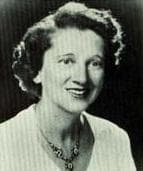
Marguerite Henry was an American author known for her children's books, particularly those featuring horses. She is best known for "Misty of Chincoteague," which tells the story of a wild pony and the children who love her. Henry's works often blend fiction with real-life experiences and settings, capturing the bond between humans and animals.
Similar books
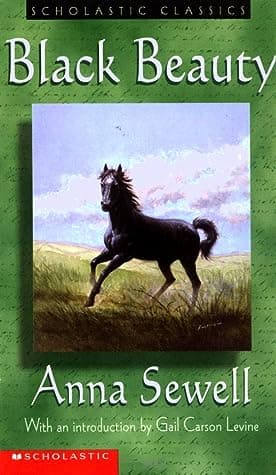
- Black Beauty
Anna Sewell
4.0 (239k) average on GoodreadsChildren'sA classic animal story told from the horse's perspective, focusing on the human-animal bond.
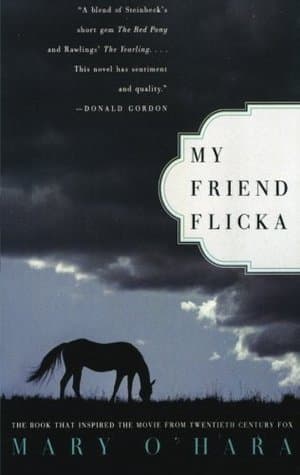
- My Friend Flicka
Mary O'Hara
4.2 (28k) average on GoodreadsChildren'sExplores the deep, challenging bond between a boy and a wild horse on a ranch.
- Harry Potter and the Sorcerer's Stone
J.K. Rowling
4.5 (7M) average on GoodreadsFantasyRescued from a miserable life under the stairs, an orphaned boy discovers he's a wizard destined for a magical school, where he uncovers a dangerous secret tied to the dark wizard who murdered his parents.
- The Hobbit, or There and Back Again
J.R.R. Tolkien
4.3 (2.9M) average on GoodreadsFantasyA comfort-loving hobbit named Bilbo Baggins is whisked away by a mischievous wizard and a band of dwarves on an unexpected journey to reclaim stolen treasure from a fearsome dragon, discovering courage and a magical ring along the way.
- Harry Potter and the Goblet of Fire
J.K. Rowling
4.6 (2.6M) average on GoodreadsFantasyA bewildered Harry Potter, underage and thrust into a deadly Triwizard Tournament, must brave dragons, mermaids, and a resurgent dark magic to survive a year that will forever alter the wizarding world.
- Harry Potter and the Order of the Phoenix
J.K. Rowling
4.5 (2.5M) average on GoodreadsFantasyIn a year of oppressive secrets and the threat of Voldemort, Harry Potter and Dumbledore's Army secretly train for war, shown through Jim Kay and Neil Packer's dark illustrations.




Enjoyed the summary?
A summary gives you the shape of the book. The book itself has the detail, the examples and the voice.
Find Misty of Chincoteague on AmazonAs an Amazon Associate, BookBrief earns from qualifying purchases. How we're funded