
Synopsis
Covers the whole plot, including the ending.
- Difficulty
- Medium
- Pacing
- Moderate
- Mood
- Picaresque, Social Commentary, Survivalist, Reflective
- Read it if
- You enjoy classic historical fiction with a strong female protagonist who defies societal norms, tales of survival against odds, and a detailed look at 17th-century English society.
- Skip it if
- You prefer fast-paced modern narratives, or find detailed historical accounts of social climbing and moral ambiguities tiresome.
Moll Flanders Plot Summary
Covers the whole plot, including the ending.
Birth and Early Life in Colchester
Moll Flanders is born in Newgate Prison. Her mother is transported to Virginia shortly after her birth. Abandoned, Moll is left to the care of the Colchester parish. A kind woman takes Moll in as a foster child, and Moll grows up wanting to be a 'gentlewoman' rather than a servant. She gets a basic education, learning to read and sew, spending her early years in a respectable, if simple, home. Her beauty and ambition appear early, setting up her future attempts to secure a better life through marriage and intelligence.
First Seduction and Marriage
After her foster mother dies, Moll is taken in by a wealthy family as a companion to their daughters. The elder son soon seduces her, promising marriage but only offering money. Desperate to escape her uncertain position, Moll eventually marries the younger brother, Robin, who truly loves her. This marriage gives her social respectability and financial stability, letting her live as the 'gentlewoman' she always wanted. However, the marriage is short; Robin dies within five years, leaving Moll a widow with two children.
Widowhood and Second Marriage
After Robin's death, Moll is in a difficult financial situation, having spent most of her inheritance. She leaves her children with her late husband's family and moves to London, determined to find another husband to keep her gentlewoman status. She meets a draper she believes is wealthy, and they marry quickly. However, she soon finds he is as financially ruined as she is, leading to their mutual disappointment and the marriage's end. This teaches Moll a harsh lesson about the deceptions in the marriage market.
The Virginia Episode
After the draper flees to France to avoid debt, Moll is alone again. She meets a seemingly wealthy man and agrees to marry him, believing he owns a large estate in Virginia. They travel to the colony, where she discovers her mother, whom she thought dead, is alive and her new husband's mother. This means she has unknowingly married her own half-brother, a shocking act of incest. Distraught, Moll separates from him and returns to England, leaving behind her children and a deeply upsetting experience.
Return to England and a New Lover
Back in England, Moll is in dire straits, having lost her fortune and social standing. She begins a relationship with a married banker who truly likes her and provides financial support. This period has affection and stability, but also moral compromises and constant fear of discovery. The banker eventually falls ill and, upon his wife's death, proposes marriage. Moll, always practical, declines due to his declining health and the potential for a difficult inheritance situation.
Fifth Marriage and The Lancashire Husband
Moll, still seeking a respectable and financially secure marriage, meets a man she believes is a wealthy gentleman. They fall in love and marry, but soon after, they discover both misrepresented their wealth; he is a highwayman, and she has no fortune. This discovery, though initially shocking, creates a strange bond between them. They live together for a time, sharing secrets, but Moll eventually leaves him, unwilling to fully embrace his criminal life, though she has learned much about the underworld from him.
Embracing a Life of Crime
After running out of marriage options and finding herself in extreme poverty, Moll, driven by need and a desire for independence, turns to professional thievery. She starts with petty shoplifting, gradually becoming more skilled and bold. She works in London, using her wit and charm to avoid detection. This marks a big change in her character, as she loses her previous moral concerns and becomes good at navigating the criminal underworld, finding a strange freedom and self-sufficiency in her illegal acts.
Success and Near Capture
Moll's career as a thief thrives. She becomes very good, gathering a lot of money through various thefts, including pickpocketing, shoplifting, and housebreaking. She uses different disguises and plans to avoid capture, often working alone. However, the risks of her job are always there. She has several close calls with the law, barely escaping arrest many times. These experiences show how uncertain her life is and the constant threat of discovery and punishment.
Arrest and Imprisonment in Newgate
After a long and successful career as a thief, Moll is finally caught and sent to Newgate Prison, the very place she was born. Her imprisonment is a stark reminder of her beginnings and the harsh realities of justice in 18th-century England. Facing execution or transportation, Moll feels deep despair and regret for her past life of crime. It is during this time in Newgate that she has a significant spiritual change, thinking about her sins and seeking repentance.
Reunion and Transportation
While in Newgate, Moll unexpectedly reunites with her 'Lancashire husband,' James, who has also been arrested and imprisoned. They confess their true identities and past lives to each other, finding comfort and a renewed connection. Both are sentenced to transportation to the American colonies. This shared fate lets them leave England together, offering a chance for a new beginning away from their criminal pasts. The idea of transportation, initially dreaded, now seems like an opportunity for redemption.
Life in Virginia and Reconciliation
Moll and James are transported to Virginia. Using the considerable fortune Moll had gathered from her thievery, they buy land and become respected planters. Moll also uses this chance to find her son from her incestuous marriage, who is now a prosperous gentleman. She tells him who she is, and he, surprisingly, receives her kindly and offers her half of his inheritance. This reunion allows Moll to make peace with her past and find a measure of peace and family connection she had long missed.
Prosperity and Repentance
Moll Flanders and James live out their days in Virginia as wealthy and respected landowners. They continue to prosper, managing their estates and living a life free from the worries and dangers of their former criminal existence. Moll often reflects on her past actions, expressing true repentance for her sins. She and James eventually return to England in their old age, having lived a full and eventful life, finally finding a peaceful and morally good end to their tumultuous journey. Her story ends with a strong focus on her repentance and the lessons learned.
Moll Flanders Characters
Moll Flanders
Protagonist
A resourceful and pragmatic woman driven by a desire for independence and social status.
Moll Flanders is a complex character, driven by an almost singular focus on self-preservation and social advancement in a society that offers few opportunities for women without means. She is intelligent, adaptable, and possesses a strong will to survive. While often morally ambiguous, engaging in deceit, seduction, and eventually thievery, she is also capable of affection and remorse. Her pragmatism often overrides her moral compass, yet she frequently expresses a desire for respectability and a longing for genuine connection. She is a survivor, constantly reinventing herself to navigate the harsh realities of her world.
Relationships: Foster Mother (Caring guardian in her youth); Elder Brother (first seducer) (Seducer and betrayer); Robin (first husband) (First legitimate husband, kind but short-lived marriage); Draper (second husband) (Mutually deceptive marriage for money); Virginia Husband (half-brother) (Incestuous and traumatic marriage); Banker (Long-term lover and financial supporter); James ('Lancashire husband') (Fellow criminal and eventual lifelong partner)
James ('Lancashire husband')
Supporting/Love Interest
Moll's fifth husband and fellow criminal who becomes her partner in repentance.
James, often referred to as Moll's 'Lancashire husband,' is a charming and adventurous man who, like Moll, lives by his wits and engages in criminal activities (specifically, highway robbery). He is initially deceptive about his wealth, leading to a mutually surprising revelation with Moll. Despite his criminal past, he shows genuine affection and loyalty towards Moll. He is resourceful and resilient, demonstrating a similar drive for survival as Moll. His reunion with Moll in Newgate marks a turning point for both, as they decide to seek a new, honest life together.
Relationships: Moll Flanders (Fifth husband, fellow criminal, and eventual lifelong partner)
Moll's Foster Mother
Supporting
The kind woman who raises Moll and instills in her a desire for a better life.
Moll's foster mother is a benevolent and responsible woman who takes Moll in as a child. She provides Moll with a stable home, a basic education, and a sense of belonging during her formative years. Her kindness and respectable lifestyle inadvertently plant the seeds of ambition in Moll, as Moll observes the difference between her own humble origins and the status of those around her. The foster mother represents a brief period of innocence and stability in Moll's otherwise tumultuous early life. Her death leaves Moll vulnerable and forces her to seek her own way in the world.
Relationships: Moll Flanders (Foster mother and early guardian)
The Elder Brother
Supporting/Antagonist
Moll's first seducer, whose betrayal introduces her to the harsh realities of social standing.
The elder brother is a wealthy and manipulative young man who seduces Moll with promises of marriage, only to reveal his true intentions of keeping her as a mistress. He represents the predatory nature of men in a society where women's social and financial security is tenuous. His actions are a pivotal moment in Moll's development, as they strip her of her innocence and force her to confront the limitations and dangers of her social position. He teaches her a harsh lesson about the deceptive nature of appearances and the power dynamics between genders and classes.
Relationships: Moll Flanders (Seducer and first significant betrayer)
Robin (The Younger Brother)
Supporting
Moll's first legitimate husband, who offers her a brief period of stability.
Robin is the younger brother of Moll's seducer and her first legitimate husband. He is genuinely in love with Moll and provides her with a period of respectability and financial comfort. His character is somewhat naive and less worldly than Moll, but he is kind and sincere. His marriage to Moll allows her to achieve her desired status as a 'gentlewoman,' albeit temporarily. His early death leaves Moll a widow, once again forcing her to navigate the precarious social landscape on her own and seek new means of support.
Relationships: Moll Flanders (First legitimate husband)
The Virginia Son
Supporting
Moll's son from her incestuous marriage, who later offers her reconciliation and wealth.
Moll's son from her incestuous marriage in Virginia is a prosperous and respected gentleman in the colonies. Unaware of his mother's true identity for most of his life, he represents the consequences of Moll's past mistakes. When Moll reveals herself, he reacts with surprising kindness and generosity, offering her half of his inheritance. His character embodies forgiveness and provides Moll with a crucial opportunity for reconciliation and a secure future, highlighting the possibility of redemption and familial connection despite a deeply troubled past.
Relationships: Moll Flanders (Son from incestuous marriage)
The Banker
Supporting
A married man who becomes Moll's long-term lover and provides her with financial support.
The Banker is a wealthy, married man who enters into a long-term relationship with Moll. He is genuinely fond of her and provides her with significant financial support, allowing her to live comfortably for an extended period. Despite the illicit nature of their affair, he represents a source of relative stability and affection for Moll. His eventual illness and the death of his wife lead to a proposal of marriage, which Moll pragmatically declines. He illustrates Moll's ability to attract and maintain the devotion of men, even when her circumstances are morally compromised.
Relationships: Moll Flanders (Long-term lover and financial patron)
Moll Flanders Themes
Social Mobility and Class
The novel focuses on Moll's constant search for social advancement and her desperate attempts to escape poverty and become a 'gentlewoman.' From her birth in Newgate to her final wealth in Virginia, Moll's actions are largely driven by her desire to improve her social standing. She uses marriage, cleverness, and eventually crime to navigate the strict class structure of 18th-century England. Her journey shows the limited ways women could achieve independence and respectability without inherited wealth, forcing them into practical, often morally difficult, choices. For example, her first marriage to Robin is only to secure a respectable position.
“'I was born in Newgate, and might be an honest woman, if I would.'”
Survival and Pragmatism
Moll Flanders is a survivor, adapting to every misfortune and taking every chance. Her practicality drives her decisions, whether choosing a husband for his perceived wealth, leaving her children for better prospects, or turning to thievery when all other options fail. She always puts her own well-being and independence first, often ignoring traditional morality. Her resilience in the face of abandonment, poverty, and social exclusion shows a strong will to live and succeed, even if it means acting outside societal norms, as seen in her calculated approach to her many marriages.
“'Necessity was the mother of invention.'”
Crime and Redemption
The novel explores how a life of crime can result from societal neglect and limited opportunities, followed by a journey toward repentance and redemption. Moll's career as a thief is shown not as inherent evil, but as a practical response to extreme poverty and a lack of other choices. Her detailed accounts of her crimes offer a look into the criminal underworld of the time. However, her eventual imprisonment in Newgate and subsequent transportation lead to a true spiritual awakening. Her confession, remorse, and eventual honest prosperity in Virginia show that one can change their life, even after a long history of wrongdoing.
“'I was now become a complete thief, and wanted nothing but to be discovered, and to be hanged, to be as famous as any of them.'”
Gender and Economic Independence
A main theme is the uncertain position of women in 18th-century society and their struggle for economic independence. Moll's repeated marriages, her reliance on male support, and her eventual turn to crime are all direct results of her gender and lack of inherited wealth. Without secure money, marriage becomes a business deal, and self-sufficiency often means breaking societal rules. Her story shows how women were often forced into limited roles, and how a desire for independence could lead to unconventional and dangerous paths. Her final success as a planter in Virginia, achieved with her own money, represents her ultimate victory over these limitations.
“'A woman should never be without money, if she could help it.'”
Plot Devices & Literary Techniques
First-Person Narration
The entire story is told from Moll Flanders's perspective.
The novel is presented as Moll Flanders's autobiography, written in the first person. This device allows for an intimate and subjective portrayal of her experiences, thoughts, and justifications. It gives the reader direct access to her pragmatic worldview, her moral struggles, and her eventual repentance. The narrative voice is candid and often self-serving, but also capable of profound reflection, inviting the reader to empathize with her despite her questionable actions. This narrative choice also contributes to the novel's realism, making Moll's extraordinary life feel believable and immediate.
Picaresque Structure
A series of episodic adventures centered around a roguish protagonist.
Moll Flanders follows a picaresque structure, presenting a series of loosely connected episodes chronicling Moll's journey through various social strata and geographical locations. Each 'adventure' (marriage, affair, or criminal enterprise) leads to a new set of challenges and lessons, without a strict overarching plot arc in the traditional sense. This episodic nature emphasizes Moll's adaptability and resilience, as she continually reinvents herself to survive. It also allows Defoe to explore different facets of 18th-century English society, from domestic life to the criminal underworld and colonial America.
Moralizing Introduction and Conclusion
The author provides a preface and an epilogue that frame the story as a moral tale.
Defoe includes a preface (attributed to 'The Editor') and an epilogue that explicitly state the novel's moral purpose: to instruct readers on the dangers of a life of vice and the rewards of repentance. These framing devices attempt to legitimize the potentially scandalous content of Moll's story, presenting it as a cautionary tale rather than a celebration of immorality. While Moll's actions throughout the novel are often far from virtuous, the final redemption arc and the explicit moralizing aim to guide the reader's interpretation towards a didactic message about sin and salvation.
Irony and Satire
The novel uses subtle irony to critique societal norms and hypocrisy.
Defoe employs irony and satire throughout the novel, particularly in Moll's justifications for her actions and her observations on society. While Moll often presents her choices as born of necessity, there's an underlying irony in her relentless pursuit of respectability through dishonest means. The novel satirizes the hypocrisy of a society that condemns poverty while offering few legitimate paths out of it for women, and the transactional nature of marriage. This irony allows Defoe to critique social structures and moral pretenses without directly preaching, letting Moll's experiences speak for themselves while subtly shaping the reader's understanding.
Moll Flanders Quotes
“Being at a Loss for a Livelihood, and wanting Bread, I was at length reduc'd to the Necessity of going out to Service.”
“I was not above fifteen Years old when I made this false Step; but I was a Woman for all that.”
“It is not possible to express the Anguish of my Mind, when I came to reflect upon this Horrid Fact, and to think what a Hell of Guilt I had plung'd myself into.”
“I was now become a compleat Thief, and a Person of Quality too, for I had learnt all the Arts and Devices of the Trade.”
“Wherever God Erects a House of Prayer, The Devil always Builds a Chapel there: And 'twill be found upon Examination, The latter has the largest Congregation.”
“Money, they say, makes the Man; and it is certain it makes the Woman too.”
“I learned to curse, swear, lie, and cheat, as well as the worst of them.”
“It is the easiest thing in the world to call a Woman a Whore, and the hardest to prove her one.”
“Necessity is the Mother of Invention, it is true; but it is also the Mother of Mischief.”
“I was now grown a great Lady, and had a great deal of Money, and was courted by abundance of Gentlemen.”
“I was now, as I thought, compleatly Miserable, for I had no Friend, no Money, no Home, and no Hope.”
“My Case was such, that I was not to be talk'd out of it, or to be perswaded to be Honest, for I had no Way to Live.”
“Thus all my Fortunes ran in a Circle; after I had been a Whore, and a Thief, and a Whore again, and then a Thief again, I was at last a rich Woman, and a penitent.”
“I found that the best way to avoid being cheated was to cheat first myself.”
Quiz
10 questions on the plot and the characters. Each answer comes with a short explanation.
Question 1
Where was Moll Flanders born?
- In a debtor's prison
- In a convent
- In a workhouse
- In a wealthy merchant's home
Show answer
A. In a debtor's prison Moll Flanders was born in Newgate Prison, where her mother was incarcerated for theft.
Question 2
What is Moll Flanders' primary motivation throughout most of the novel?
- To find true love
- To achieve financial independence and gentility
- To exact revenge on those who wronged her
- To become a respected member of the clergy
Show answer
B. To achieve financial independence and gentility Moll's driving force is almost always the desire for financial security and to maintain a respectable appearance, even if achieved through illicit means.
Question 3
Which of Moll's 'husbands' was also her half-brother?
- The elder brother of the Colchester family
- The gentleman in Virginia
- The banker
- Jemy, the 'Lancashire husband'
Show answer
B. The gentleman in Virginia While living in Virginia, Moll married a planter who was later revealed to be her half-brother, the son of her biological mother.
Question 4
What is the profession Moll adopts after her various marriages fail to secure her financial stability?
- Governess
- Seamstress
- Thief
- Actress
Show answer
C. Thief After exhausting her options with marriage, Moll turns to a life of professional thievery to support herself.
Question 5
What is the name of the woman who becomes Moll's accomplice and mentor in crime?
- Mrs. Chatwood
- Mrs. Riordan
- The Governess (or Mother Midnight)
- Lady Betty
Show answer
C. The Governess (or Mother Midnight) The Governess, also known as Mother Midnight, is a key figure who instructs Moll in the art of thievery and helps her manage her illicit gains.
Question 6
How does Moll manage to escape the death penalty after being caught and imprisoned in Newgate?
- She pays a substantial bribe to the judge.
- She feigns insanity to avoid execution.
- She is granted a reprieve and transported to the colonies.
- Her long-lost father intervenes on her behalf.
Show answer
C. She is granted a reprieve and transported to the colonies. Moll, along with Jemy, is sentenced to death but granted a reprieve, leading to their transportation to the American colonies.
Question 7
What significant moral transformation, if any, does Moll undergo by the end of the novel?
- She becomes a devout nun, dedicating her life to charity.
- She expresses genuine repentance for her past sins and commits to an honest life.
- She decides to continue her life of crime in the colonies.
- She founds a new criminal enterprise in America.
Show answer
B. She expresses genuine repentance for her past sins and commits to an honest life. After being transported and reuniting with Jemy, Moll claims to have found genuine repentance and resolves to live a virtuous life with her remaining wealth.
Question 8
What is the primary narrative style employed by Defoe in 'Moll Flanders'?
- Third-person omniscient narration
- Epistolary (told through letters)
- First-person autobiography
- Dramatic monologue
Show answer
C. First-person autobiography The novel is presented as Moll Flanders' own account of her life, written in the first person, giving it the feel of an autobiography.
Question 9
How does Moll Flanders ultimately acquire lasting wealth and security?
- Through a large inheritance from a distant relative.
- By discovering a hidden treasure in the colonies.
- By recovering property left by her mother in Virginia and through her accumulated ill-gotten gains.
- By inventing a successful new trade in London.
Show answer
C. By recovering property left by her mother in Virginia and through her accumulated ill-gotten gains. In Virginia, Moll inherits land and wealth left by her mother and combines this with the money she had accumulated through her thieving, allowing her to live comfortably.
Question 10
What particular social critique is most evident in Defoe's portrayal of Moll Flanders' early life and struggles?
- The corruption within the English monarchy.
- The restrictive roles and limited opportunities for women in 18th-century society, particularly those without inherited wealth.
- The dangers of overseas colonization.
- The inefficiency of the British legal system.
Show answer
B. The restrictive roles and limited opportunities for women in 18th-century society, particularly those without inherited wealth. Moll's early life highlights the dire circumstances faced by women without family or fortune, often forcing them into desperate measures like marriage for money or crime.
Moll Flanders FAQ
What is the central premise of 'Moll Flanders'?
The novel follows Moll, a woman abandoned at birth, as she navigates 17th-century English society. Driven by a desire for independence and gentility, she employs various means—including seduction, marriage, and eventually crime—to secure her financial and social standing, often with morally ambiguous results.
Who are Moll's most significant husbands and what does each represent?
Moll marries several men, each representing a different aspect of her quest for security. Her first husband, Robin, offers a brief taste of respectability; her brother-in-law, a period of incestuous sin; the Virginia planter, a shocking discovery of her true family; and Jemy, the 'Lancashire husband,' a genuine but ultimately criminal connection, highlighting her evolving priorities from status to companionship.
How does Moll's early life in Colchester shape her later decisions?
Moll's upbringing among the gentry in Colchester, particularly her education and exposure to genteel society, instills in her a strong desire to maintain or achieve that status. This early experience fuels her ambition and fear of falling into poverty or service, directly influencing her subsequent choices of partners and her eventual turn to crime as a means of survival.
What role does the 'Governess' play in Moll's life?
The Governess (also known as Mother Midnight) becomes Moll's confidante and accomplice, particularly during her time as a thief and receiver of stolen goods. She facilitates Moll's criminal enterprises, provides a safe house for her activities, and helps her manage the consequences, including the disposal of her children, essentially becoming her mentor in the underworld.
What is the significance of Moll's journey to Virginia?
Moll's journey to Virginia is pivotal as it leads to her marriage to a wealthy planter, only for her to discover he is her half-brother and his mother is her biological mother. This shocking revelation forces her to flee, marking a profound turning point where her past literally catches up to her, emphasizing themes of incest and the consequences of her rootless existence.
Are there any subtle indications of Moll's true parentage before the Virginia revelation?
Defoe provides subtle hints, primarily through Moll's lack of known family and her mother's past as a convict transported to Virginia. While not explicitly stated, the narrative consistently emphasizes Moll's 'gentle' origins despite her circumstances, hinting at a background that is more complex than simple abandonment, preparing the reader for the eventual dramatic reveal.
How does Defoe use Moll's internal monologue to convey her moral ambiguity?
Defoe masterfully uses Moll's internal monologue to present her rationalizations for her morally questionable actions. She often expresses remorse or religious reflection after a transgression, but these are frequently followed by pragmatic justifications or plans for future schemes, revealing a constant tension between her professed conscience and her drive for self-preservation.
What is the underlying social commentary regarding marriage in the novel?
The novel subtly critiques the institution of marriage in 17th-century England, portraying it often as a financial transaction rather than a union of love. Moll's repeated marriages, driven by economic necessity and a desire for status, highlight the limited options available to women without independent means and the societal pressure to secure a husband for survival.
How does Moll's 'gentlewoman' aspiration evolve throughout the narrative?
Initially, Moll's aspiration for a 'gentlewoman' status is tied to leisure and respectability, as seen in her early Colchester years. Over time, it transforms into a more pragmatic pursuit of financial independence and the ability to live without labor, even if achieved through criminal means. By the end, it becomes a desire for secure, comfortable retirement, divorced from its initial moral connotations.
How does Moll's experience with motherhood impact her psychological state?
Moll's experiences with motherhood are largely detached and pragmatic, often driven by necessity rather than deep emotional connection. The frequent abandonment or loss of her children, while sometimes regretted, is often framed as a means of survival. This detachment reveals a psychological coping mechanism, allowing her to prioritize her own existence in a harsh world, though moments of sadness do surface.
What psychological factors drive Moll's relentless pursuit of wealth and status?
Moll's relentless pursuit is primarily driven by an ingrained fear of poverty and a deep-seated desire for social acceptance, stemming from her abandoned origins. Her early exposure to genteel life in Colchester creates a psychological imperative to avoid falling into service or destitution, leading her to prioritize financial security above almost all else.
How does Moll rationalize her criminal activities to herself?
Moll rationalizes her criminal activities by framing them as a necessary means of survival in a society that offers few legitimate opportunities for women like her. She often views her victims as having more than enough to spare, and her actions as a form of self-preservation, frequently invoking a sense of desperation and lack of choice to justify her transgressions.
Is Moll a truly repentant character by the end of the novel?
The extent of Moll's repentance is debatable. While she expresses remorse and turns to religion during her imprisonment and transportation, her 'conversion' often coincides with moments of extreme distress or the prospect of a new, secure life. Some argue her repentance is genuine, while others view it as another pragmatic adaptation to her circumstances, ensuring her future comfort in Maryland.
Does Defoe condemn or subtly endorse Moll's rebellious spirit?
Defoe's stance is complex. On one hand, the novel's subtitle and Moll's eventual 'repentance' suggest condemnation of her sins. On the other, the narrative often portrays her ingenuity, resilience, and success in overcoming adversity with a certain admiration. It can be argued that Defoe, through Moll, explores the limits of societal morality and implicitly critiques the conditions that force individuals into such lives.
What is the significance of Moll Flanders's anonymity regarding her true name?
Moll's decision to withhold her true name emphasizes her journey as a representative figure of women navigating a harsh patriarchal society, rather than a singular individual. It also underscores themes of reinvention and the fluidity of identity, as she constantly adopts new roles and personas to survive and thrive, shedding her past as needed.
How does the ending in Maryland contribute to the overall message of the novel?
The ending in Maryland, where Moll and Jemy settle into a respectable, wealthy life, suggests that redemption and stability are possible, even for those with a criminal past, if they remove themselves from the corrupting influences of English society. It offers a sense of closure and a somewhat ambiguous 'happy ending,' implying that new beginnings are possible through hard work and the right environment, even if built on past transgressions.
Is Moll Flanders a feminist character, despite her morally questionable actions?
Moll Flanders can be seen as an proto-feminist character in her relentless pursuit of independence and self-sufficiency in a male-dominated world with limited options for women. While her methods are often unethical, her determination to control her own destiny, manage her finances, and resist becoming a mere appendage to a man reflects a powerful, if flawed, assertion of female agency.
How does the novel's first-person narrative affect the reader's perception of Moll?
The first-person narrative allows the reader direct access to Moll's thoughts, rationalizations, and experiences, fostering a complex mix of sympathy and judgment. It encourages readers to understand the motivations behind her actions, even when morally repugnant, making her a more relatable and human figure despite her transgressions. This intimacy often blurs the lines between condemnation and complicity.
About the author
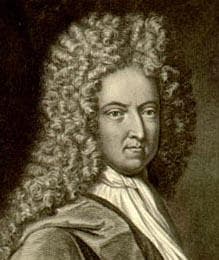
Daniel Defoe was an English writer, trader, journalist, pamphleteer and spy. He is most famous for his novel Robinson Crusoe, published in 1719, which is claimed to be second only to the Bible in its number of translations. He has been seen as one of the earliest proponents of the English novel, and helped to popularise the form in Britain with others such as Aphra Behn and Samuel Richardson. Defoe wrote many political tracts, was often in trouble with the authorities, and spent a period in prison. Intellectuals and political leaders paid attention to his fresh ideas and sometimes consulted him.
Similar books
- Robinson Crusoe
Daniel Defoe
3.7 (248k) average on GoodreadsHistorical FictionShares Defoe's detailed narrative style, focus on individual survival, and themes of resourcefulness and repentance.
- To Kill a Mockingbird
Harper Lee
4.3 (4.5M) average on GoodreadsHistorical FictionIn the 1930s Jim Crow South, Harper Lee writes about racial injustice, moral growth, and the quiet courage of a lawyer father, Atticus Finch, as seen through his young daughter's eyes.
- The Great Gatsby
F. Scott Fitzgerald
3.9 (3.8M) average on GoodreadsHistorical FictionIn the opulent Roaring Twenties, a mysterious millionaire's lavish parties hide his desperate, tragic pursuit of a lost love, exposing the emptiness within the American Dream.
- Pride and Prejudice
Jane Austen
4.3 (3M) average on GoodreadsHistorical FictionIn a society focused on status and money, Elizabeth Bennet navigates love and pride, challenging Mr. Darcy and social expectations to find true affection.
- Angels & Demons
Dan Brown
3.9 (2.7M) average on GoodreadsThrillerA Harvard symbologist races through Rome's ancient sites, deciphering cryptic clues to unmask the Illuminati and stop a vengeful plot to destroy the Vatican with a stolen antimatter weapon.
- The Kite Runner
Khaled Hosseini
4.3 (2.4M) average on GoodreadsHistorical FictionIn pre-Taliban Afghanistan, a wealthy boy's betrayal of his servant's son during a kite-running tournament starts a lifelong journey for amends as his country collapses.






Enjoyed the summary?
A summary gives you the shape of the book. The book itself has the detail, the examples and the voice.
Find Moll Flanders on AmazonAs an Amazon Associate, BookBrief earns from qualifying purchases. How we're funded