

Synopsis
Covers the whole plot, including the ending.
- Difficulty
- Easy
- Pacing
- Fast
- Mood
- Creepy, Suspenseful, Spooky, Nostalgic, Eerie
- Read it if
- You enjoy short, classic, and genuinely creepy horror stories, especially urban legends and folklore, presented in a format suitable for younger audiences or for sharing around a campfire.
- Skip it if
- You prefer complex narratives, character-driven horror, or stories with deep psychological scares over quick, atmospheric, and often jump-scare-oriented tales.
More Scary Stories to Tell in the Dark Plot Summary
Covers the whole plot, including the ending.
The Big Toe
A young boy digging for vegetables finds a severed human toe. He ignores his mother's advice to rebury it and takes it inside. Later that night, as the family eats, a monstrous voice from outside chants, 'Who's got my big toe?' The voice gets closer and louder, moving from the garden, to the porch, and then into the house. The terrified boy confesses he has the toe. The voice then demands, 'You've got it, now give it to me!' The story typically ends with the teller lunging at the audience for a jump scare.
The Little Black Dog
A man murders his wife and buries her in the cellar. He tells neighbors she left him to avoid suspicion. A small black dog, which belonged to his wife, keeps digging at the burial spot. The man tries to get rid of the dog by drowning it, then by hanging it, but each time the dog reappears. Each time it returns, it is dirtier and more persistent, always digging at the same spot. Eventually, the man's frantic attempts to get rid of the dog, along with its uncanny returns, lead neighbors to investigate. They uncover the wife's body and the man's crime.
The Viper
A woman working in her garden sees what she believes is a venomous viper. Panicked, she calls to her husband inside the house. Before he can reach her, she faints, convinced she has been bitten. Her husband rushes out and finds her unconscious. He quickly kills the snake, then, believing his wife is dying, tries to suck venom from her supposed wound. He then realizes she was not bitten at all, and the snake was harmless. However, the shock and her husband's misguided attempt to save her cause her actual death.
The Hearse Song
This is a rhyming song, not a story. It describes in graphic detail the process of decomposition after death and burial. The lyrics paint gruesome images of worms, falling eyes, peeling skin, and the body slowly turning to goo. It emphasizes the inevitability and unpleasantness of bodily decay, serving as a chilling reminder of mortality. The song is often used to set a morbid atmosphere, highlighting the physical end awaiting everyone.
The Dead Man's Brains
A group of medical students dares a classmate to spend a night in the dissection room, where a cadaver lies. Another student hides in the room as a prank, intending to scare the dare-taker. In the middle of the night, the student hears a noise and sees a shadowy figure. Believing it to be a ghost, he throws a preserved human brain at it. The hidden student, startled and injured, screams. The first student, thinking he hit a real ghost, dies of fright. The prankster is left with the horrific realization that his joke caused his friend's death.
The Window
Two terminally ill men share a hospital room. One man, Mr. Jones, is propped by a window. The other, Mr. Smith, is confined to his bed on the opposite side. Mr. Jones regularly describes the beautiful world outside his window: children playing, boats sailing, a bustling park. Mr. Smith, unable to see it, becomes envious and resentful of Mr. Jones's ability to witness such beauty. One night, Mr. Jones has a coughing fit. Mr. Smith, instead of calling for help, lets him die. The next morning, Mr. Smith eagerly asks to be moved to the window. When he is, he discovers the window looks out onto a blank brick wall.
The Bride
During a wedding, the bride suggests a game of hide-and-seek. She hides in an old chest in the attic, thinking it a clever spot. The chest has a spring lock, and once she climbs inside, the lid snaps shut, trapping her. Her husband and guests search for her for hours, then days, but she is not found. The wedding becomes a tragic mystery. Years later, a servant discovers the old chest in the attic. Opening it, they find a skeleton in a decaying wedding dress, revealing the bride's horrifying fate.
The Babysitter
A teenage girl is babysitting two young children in a large, unfamiliar house. She receives unsettling phone calls from a man who repeatedly asks, 'Have you checked the children?' Initially, she dismisses them as a prank or wrong number. Growing unnerved, she calls the police. The police trace the call and tell her to leave the house immediately, revealing that the calls are coming from an extension *inside* the house. The implication is that the caller is already inside, or has been, and the children are in danger.
The Hook
A teenage couple, Bill and Mary, are parked in a secluded spot. The radio plays in the background, interrupted by a news bulletin about an escaped mental patient, a man with a hook for a hand, who targets young couples. Mary becomes frightened and urges Bill to leave. Bill, annoyed by her fear, tries to reassure her, but Mary insists. As they argue, Mary hears a scraping sound outside the car. Bill finally gives in and speeds away. When they arrive back at Mary's house, they find a bloody hook hanging from the car's door handle, proving the killer was right outside their car.
The Thing
A greedy man, passing a graveyard late at night, notices a newly dug grave. He sees a hand sticking out of the ground, clutching a bag of money. Overcoming his fear, he pries the money from the dead hand and takes it. As he walks away, he hears a voice behind him whisper, 'Give me my money!' He tries to run, but the voice follows, getting closer and closer, repeating the demand. No matter how fast he runs or where he hides, the chilling voice and dragging footsteps pursue him, suggesting the spectral owner will never let him rest until his stolen goods are returned.
The Drum
A poor young girl desperately wants a drum for Christmas, but her family cannot afford one. On Christmas Eve, she sees a ghostly figure, a woman in white, appear in her room. The ghostly woman asks the girl what she wants for Christmas. The girl, unafraid, says she wants a drum. The next morning, the girl wakes up to find a new drum beside her bed. She plays it joyfully, but her parents are disturbed, as they did not buy it and do not know where it came from. The story often ends with the implication that the ghost was benevolent, but its origin remains mysterious and slightly eerie.
The Girl Who Stood On A Grave
A group of teenagers dares a brave girl to go into a graveyard at midnight and stick a knife into a particular grave to prove she was there. The girl agrees. She walks alone to the graveyard. When she reaches the designated grave, she kneels and plunges the knife into the ground. As she tries to stand, she feels a tug and cannot move. Convinced a ghost has grabbed her, she screams in terror and collapses. The next morning, her friends find her dead on the grave. They discover that in her panic, she had accidentally stabbed the knife through her own skirt, pinning herself to the ground.
The Room
A family moves into an old house. The children find a peculiar room at the top of the stairs. The room is always locked, and the parents forbid them from entering. One day, the children pick the lock and sneak inside. The room is empty except for a large, dusty mirror. As they look into the mirror, they see not their own reflections, but shadowy figures moving behind them. The children flee in terror. When they tell their parents, the parents become agitated, hinting at a past tragedy associated with the room, leaving the true horror to the imagination.
Principal Figures
The Narrator/Teller
Implicit Protagonist/Storyteller
The voice delivering the tales, often with an interactive element.
While not a character within a specific story, the 'teller' is the central figure in the experience of these tales. They are the voice that guides the audience through the suspense, the fear, and the occasional humor. Their role is to build atmosphere, control pacing, and deliver the final punchline or jump scare. The effectiveness of the stories relies heavily on the teller's performance, making them an active participant in the horror. They are often assumed to be a campfire storyteller or a friend sharing urban legends.
The Boy (The Big Toe)
Protagonist
A curious boy who finds and keeps a severed toe.
This young boy is driven by curiosity and a touch of defiance, choosing to keep the grisly toe despite his mother's warning. His initial bravado quickly turns to abject terror as the unseen entity relentlessly demands its property back. He represents youthful recklessness and the consequences of meddling with the unknown. His fear is palpable and relatable, making him an effective conduit for the audience's dread.
Relationships: His Mother (parental, offers advice he ignores)
The Murderer (The Little Black Dog)
Antagonist
A man haunted by a dog after murdering his wife.
This man is driven by malice and a desire to escape the consequences of his heinous act. He murders his wife and attempts to cover it up, but his guilt and the supernatural persistence of the black dog unravel his composure. His escalating attempts to eliminate the dog reflect his desperation and mounting paranoia. He is a classic villain whose crime is ultimately exposed by an uncanny force.
Relationships: His Wife (victim); The Little Black Dog (supernatural avenger)
The Wife (The Viper)
Protagonist/Victim
A woman who dies from fright after a perceived snakebite.
The wife is a character who succumbs to the power of suggestion and fear. She is an ordinary person in an everyday situation, but her mind plays a trick on her, convincing her of a danger that isn't real. Her tragic demise highlights the psychological aspect of fear and how belief can manifest physical consequences, even in the absence of an actual threat. She is driven by self-preservation, but her panic ultimately leads to her undoing.
Relationships: Her Husband (concerned spouse, inadvertently causes her death)
Mr. Smith (The Window)
Antagonist/Protagonist
A dying man whose envy leads to a selfish act and a grim revelation.
Mr. Smith is a man consumed by envy and self-pity, exacerbated by his terminal illness. He fixates on what he perceives Mr. Jones has—a beautiful view and a connection to the outside world—and lets his resentment fester. His inaction during Mr. Jones's distress reveals a dark selfishness. He is driven by a desperate desire for something he believes will bring him comfort, only to face a stark, empty reality.
Relationships: Mr. Jones (roommate, object of envy)
The Bride (The Bride)
Protagonist/Victim
A playful bride who meets a tragic end during hide-and-seek.
The bride is characterized by her youthful exuberance and playful spirit on her wedding day. Her desire for a clever hiding spot leads her to an old, dangerous chest. She embodies innocence and joy that are tragically cut short by an unforeseen accident. Her story serves as a cautionary tale about seemingly harmless games and the hidden dangers in old places.
Relationships: Her Husband (newlywed, mourns her disappearance)
The Babysitter (The Babysitter)
Protagonist
A teen girl terrorized by phone calls while babysitting.
This young woman is a typical teenager entrusted with responsibility, but she finds herself in a terrifying situation. She is initially dismissive and a bit annoyed by the calls, but her growing unease and eventual terror are relatable. She is driven by a sense of duty to the children and eventually, by pure self-preservation as the threat becomes clear. Her vulnerability in an unfamiliar house makes her an effective character for generating suspense.
Relationships: The Children (her charges)
The Man (The Thing)
Protagonist/Antagonist
A greedy man who steals from a corpse and is relentlessly pursued.
This man is driven by avarice, unable to resist the temptation of money even when it's clutched by a dead hand. His initial fear is overridden by greed, leading him to commit a sacrilegious act. He then becomes a victim of his own transgression, haunted by an unseen, persistent entity. He represents the consequences of disrespecting the dead and the inescapable nature of retribution.
Relationships: The Dead Man (victim of his theft, supernatural pursuer)
Themes & Insights
The Consequences of Transgression
Many stories show that violating norms, whether social, moral, or supernatural, leads to bad outcomes. Characters who steal from the dead ('The Thing'), murder ('The Little Black Dog'), or ignore warnings ('The Big Toe') face terrifying retribution. This theme reinforces a sense of justice, even if delivered by uncanny forces, suggesting that certain boundaries should never be crossed. The horror often comes directly from the character's initial misdeed.
“You've got it, now give it to me!”
The Power of Fear and Suggestion
Several tales explore how fear itself can be as dangerous, or more dangerous, than the actual threat. In 'The Viper,' a woman dies purely from believing she has been bitten, not from an actual snakebite. Similarly, in 'The Girl Who Stood On A Grave,' the girl dies of fright, convinced a ghost has pinned her, when it was her own skirt. This theme highlights the psychological aspect of horror, showing how the mind can create its own terrifying realities and fatal outcomes.
“She was dead, not from the snake, but from fear.”
The Uncanny and the Supernatural
A core theme is the intrusion of the supernatural into everyday life, often without clear explanation. Ghosts, reanimated body parts, and relentlessly pursuing entities defy natural laws, creating unease and dread. The horror is not always about gore, but about the inexplicable and unsettling. Stories like 'The Little Black Dog' and 'The Thing' feature entities that cannot be reasoned with or destroyed, emphasizing human powerlessness against such forces and the idea that the dead do not always stay buried.
“No matter what he did, the dog always came back.”
The Dark Side of Human Nature
Beyond supernatural threats, many stories explore the darkness within people, such as greed, envy, and malice. The murderer in 'The Little Black Dog' and the envious Mr. Smith in 'The Window' are driven by selfish and harmful impulses. Even pranks, as seen in 'The Dead Man's Brains,' can have gruesome, unintended consequences. This theme suggests that humans themselves can be sources of horror, sometimes leading to outcomes as terrifying as any ghost or monster.
“He just let him choke. He didn't call for the nurse.”
Plot Devices & Literary Techniques
The Jump Scare
A sudden, intense moment designed to startle the audience.
This device is frequently employed, especially in stories like 'The Big Toe' and 'The Hook,' where the ending involves a sudden reveal or a physical lunge from the storyteller. It relies on building tension and then releasing it with an unexpected, loud, or visually shocking element. The jump scare is effective for its immediate impact, eliciting a visceral reaction of fright from the audience, making the stories particularly memorable for oral telling.
The Unexplained Phenomenon
Events or entities that defy logical explanation, leaving a lingering sense of dread.
Many stories feature elements that have no rational basis, such as a dog that cannot be killed and constantly reappears ('The Little Black Dog') or a voice that follows a thief from a grave ('The Thing'). This device is crucial for creating an atmosphere of uncanny horror, as the lack of explanation makes the threat feel more pervasive and uncontrollable. It forces the audience to confront the limits of their understanding, making the unknown inherently terrifying.
The Irony of Fate
Situations where a character's actions or desires lead to an unexpected, often tragic, outcome.
This device is prominent in tales like 'The Bride,' where her playful hiding leads to her death, or 'The Window,' where Mr. Smith's envy for a view turns out to be for nothing. In 'The Girl Who Stood On A Grave,' the girl's bravado leads her to accidentally pin herself, dying of fright. Irony of fate highlights the unpredictability of life and the often cruel twists of destiny, making the horror more poignant as characters often become victims of their own choices or desires.
Foreshadowing/Ominous Warnings
Subtle hints or explicit advice that portend future danger or consequences.
In 'The Big Toe,' the mother's warning to rebury the toe foreshadows the terrifying visitation. In 'The Hook,' the radio report about the escaped killer explicitly sets up the impending danger. This device builds suspense by letting the audience know that something bad is likely to happen, increasing their anticipation and dread. It also makes the eventual horror feel earned and inevitable, rather than random, reinforcing the idea of cause and effect in the scary narratives.
More Scary Stories to Tell in the Dark Quotes
“He took a bite of the liver. It tasted like liver, but as he chewed, it felt like it was growing larger in his mouth.”
“She opened the door. There on the porch stood a tall, skinny woman dressed in black. Her face was pale, and her eyes were like two burning coals.”
“He kept hearing it, over and over again: 'Somebody's on the roof! Somebody's on the roof!'”
“The wind howled. The house groaned. And then the door slowly, slowly opened.”
“She looked down at her feet. They were not her feet. They were the feet of a pig.”
“And then he saw them. Two eyes, glowing red in the darkness, staring at him from under the bed.”
“He reached out and touched it. It was cold. Colder than anything he had ever felt.”
“The coffin was empty. But then they heard a scratching sound coming from inside the wall.”
“She saw a hand waving at her from the window. But there was no one there.”
“He looked in the mirror. His reflection was smiling. But he wasn't.”
“The ground began to shake. And then a giant, hairy arm burst out of the earth.”
“She heard a whisper, right next to her ear: 'I'm coming to get you.'”
“And then, in the darkness, he saw them. Hundreds of them. Crawling. Crawling everywhere.”
Quiz
10 questions on the plot and the characters. Each answer comes with a short explanation.
Question 1
In the story 'The Dead Man's Face,' what unusual item does the young man try to steal from the corpse?
- A gold watch
- A silver ring
- A pair of new shoes
- A silk scarf
Show answer
C. A pair of new shoes The young man in 'The Dead Man's Face' attempts to steal the new shoes from the corpse, leading to a chilling encounter.
Question 2
What is the primary characteristic of the creature in the story 'The Thing'?
- It has glowing red eyes and sharp fangs.
- It is an invisible entity that whispers.
- It is a headless, shambling figure.
- It is a giant spider with human-like hands.
Show answer
C. It is a headless, shambling figure. In 'The Thing,' the creature is described as a headless figure that follows a boy home.
Question 3
In the story 'The Girl Who Cried Flowers,' what does the girl cry instead of tears?
- Diamonds
- Flower petals
- Tiny insects
- Raindrops
Show answer
B. Flower petals The title of the story directly states that the girl cries flower petals, a unique and fantastical detail.
Question 4
The story 'The Hearse Song' is a popular rhyming song featured in the book. What is the central macabre theme of this song?
- The joy of a ghostly reunion.
- The inevitable decay of a buried body.
- The struggle of a soul in the afterlife.
- The fear of being buried alive.
Show answer
B. The inevitable decay of a buried body. 'The Hearse Song' graphically details the decomposition of a body after burial, emphasizing the grim reality of death.
Question 5
In 'The Drum,' what does the young boy repeatedly hear, leading to a terrifying discovery?
- A faint scratching sound from inside his closet.
- A rhythmic drumming sound coming from under his bed.
- Whispers calling his name from outside his window.
- A child's laughter echoing in the empty house.
Show answer
B. A rhythmic drumming sound coming from under his bed. The boy in 'The Drum' is tormented by the sound of a drum beating under his bed, which turns out to be a severed head.
Question 6
What is the consequence for the boy who ignores his mother's warning not to go into the cellar in 'The Attic'?
- He finds a hidden treasure chest.
- He is captured by a monster.
- He disappears without a trace.
- He encounters something that screams 'You got me!'
Show answer
D. He encounters something that screams 'You got me!' The boy in 'The Attic' (often confused with 'The Cellar' from the first book, but a similar premise is used) finds a gruesome surprise that shouts 'You got me!' when he disobeys.
Question 7
In the story 'The Big Toe,' what happens to the boy who finds and eats a big toe in his garden?
- He becomes incredibly ill and dies.
- He gains superhuman strength.
- The original owner of the toe comes looking for it.
- He develops an insatiable craving for toes.
Show answer
C. The original owner of the toe comes looking for it. The classic scary story 'The Big Toe' features the ghastly return of the toe's original owner, demanding its return.
Question 8
The story 'The Viper' is a classic example of a 'jump scare' story designed for oral telling. What is the final, shocking line that delivers the scare?
- 'It was only a dream!'
- 'And then he felt a cold hand on his shoulder!'
- 'I'VE GOT YOU!'
- 'The door slowly creaked open...'
Show answer
C. 'I'VE GOT YOU!' 'The Viper' builds suspense about a creature in a chest, culminating in the storyteller yelling 'I'VE GOT YOU!' to surprise the audience.
Question 9
In 'The Guests,' a man stays at an old house and keeps hearing a voice. What is the voice demanding?
- More food and drink.
- To be let out of the room.
- For the man to leave.
- To be covered up.
Show answer
D. To be covered up. The voice in 'The Guests' repeatedly asks to be covered up, revealing a gruesome secret about the other 'guests' in the room.
Question 10
Many stories in 'More Scary Stories to Tell in the Dark' feature themes of comeuppance or poetic justice. Which story most explicitly demonstrates a thief receiving a grisly punishment for their greed?
- 'The Babysitter'
- 'The Caller'
- 'The Dead Man's Face'
- 'The Ghost with the Bloody Fingers'
Show answer
C. 'The Dead Man's Face' In 'The Dead Man's Face,' the young man who tries to steal the shoes from the corpse is severely punished when the corpse's face 'comes off' and sticks to his own, a direct consequence of his thievery.
More Scary Stories to Tell in the Dark FAQ
What is the overall theme or purpose of 'More Scary Stories to Tell in the Dark'?
'More Scary Stories to Tell in the Dark' serves as a chilling anthology designed to entertain and frighten young readers with a collection of macabre, humorous, and fantastical tales. Its primary purpose is to provide ready-made material for storytelling sessions, particularly in the dark, and to introduce children to various folk tales and urban legends with a spooky twist.
How does this book differ from the first 'Scary Stories to Tell in the Dark' volume?
While maintaining the same spirit of spooky storytelling and featuring Stephen Gammell's distinctive illustrations, this second volume introduces an entirely new set of over two dozen tales and even a scary song. It expands on the types of fears explored, delving into themes like premature burial, interaction with the dead, and the consequences of practical jokes, offering fresh chills for fans of the original.
What kind of stories can readers expect to find in this collection?
Readers can expect a diverse range of scary stories, including those about supernatural occurrences, vengeful spirits, mistaken identities, and the gruesome outcomes of human folly. Examples include tales of people being buried alive, thieves encountering reanimated corpses, and practical jokes turning deadly, alongside more traditional ghost stories and cautionary tales.
Who is the primary audience for 'More Scary Stories to Tell in the Dark'?
The primary audience for this book is children and young adults, particularly those who enjoy a good scare and the tradition of oral storytelling. Its accessible language and intriguing plots make it suitable for readers who enjoyed the first volume and are looking for more spooky adventures, whether reading alone or with friends.
What role do Stephen Gammell's illustrations play in the book's impact?
Stephen Gammell's illustrations are integral to the book's impact, perfectly capturing and enhancing the mood of each story with their unique blend of creepiness and artistry. His grotesque, shadowy, and often unsettling drawings provide a strong visual component that amplifies the fear factor and helps to embed the stories in the reader's imagination, becoming almost as iconic as the tales themselves.
Are there any recurring motifs or types of creatures/entities that appear across multiple stories?
While specific characters don't recur, common motifs include reanimated corpses or ghosts seeking revenge ('The Bride'), premature burial ('The Hearse Song'), and the consequences of interacting disrespectfully with the dead ('A Man Who Lived in Leeds'). These themes highlight a fascination with death, the unknown, and the boundaries between life and afterlife, tying many disparate stories together through shared anxieties.
How does Alvin Schwartz's research into folklore influence the stories in this collection?
Alvin Schwartz meticulously researched American and international folklore, urban legends, and oral traditions to compile these stories, often adapting them for a younger audience while retaining their core fright. His deep understanding of folk tales ensures that many stories, like 'The Big Toe' or 'The Hook,' resonate with established cultural fears and narrative structures, giving them an authentic, timeless quality.
Are there any subtle connections between stories that hint at a larger shared universe, or are they entirely standalone?
The stories in 'More Scary Stories to Tell in the Dark' are generally standalone tales, each presenting its own self-contained narrative and set of characters. There isn't an overarching shared universe or interconnected plot lines; rather, they are unified by their genre, tone, and the common themes of fear and the supernatural, functioning as individual entries in a broader anthology.
What psychological fears does 'More Scary Stories to Tell in the Dark' primarily tap into?
The book primarily taps into primal psychological fears such as the fear of death, the unknown, and helplessness, particularly through scenarios like premature burial or encounters with vengeful spirits. It also explores anxieties about violating social taboos (robbing the dead), the consequences of one's actions, and the terror of losing control, making the reader confront their own vulnerabilities.
How do the stories use suspense and atmosphere to create fear, rather than just jump scares?
The stories masterfully use suspense and atmosphere through vivid descriptions, slow builds, and the implication of dread rather than relying solely on sudden frights. For instance, tales often set a chilling scene with unsettling details or build tension through repetitive phrases, allowing the reader's imagination to fill in the most terrifying gaps, making the fear more pervasive and psychological.
In what ways do some stories subtly explore themes of morality or justice?
Many stories subtly explore themes of morality and justice by presenting situations where characters face consequences for their wrongdoings. Tales like 'A Man Who Lived in Leeds,' where a thief robs a corpse, or stories of murderers whose victims return, illustrate a supernatural form of retribution. These narratives often suggest that immoral actions, even when hidden, will eventually lead to a gruesome or terrifying comeuppance.
How might the 'scary song' included in the book contribute to the overall psychological effect?
The inclusion of a 'scary song' like 'The Hearse Song' adds another layer to the psychological effect by engaging the auditory sense and inviting active participation. Songs are easily memorized and recited, allowing the chilling imagery and themes of decay and death to linger in the mind long after reading, making the experience more immersive and unforgettable, especially when sung aloud.
Do the stories offer any deeper commentary on societal anxieties or cultural fears of the time they were collected?
Yes, many stories reflect timeless societal anxieties, but also some specific to the era they were popularized. For instance, fears of premature burial tap into a historical medical anxiety, while tales of vengeful spirits reflect cultural beliefs about justice and the afterlife. The collection also subtly touches on fears of rural isolation and the dangers lurking in seemingly ordinary places, common tropes in American folklore.
How do the 'practical jokes' and 'initiations' stories contribute to the book's message about human nature?
Stories involving practical jokes and initiations often highlight the darker, more reckless aspects of human nature, showing how innocent fun can quickly turn gruesome or tragic. They serve as cautionary tales, illustrating the dangers of peer pressure, thoughtless cruelty, and the unforeseen, often fatal, consequences of actions taken without considering the full impact, revealing a chilling side to human folly.
Is there a consensus on which story is the most terrifying or impactful in this collection?
While 'The Big Toe' is often cited from the first book, in 'More Scary Stories to Tell in the Dark,' 'The Bride' (about a woman buried alive) or 'The Hearse Song' are frequently mentioned for their unsettling imagery and themes. However, individual impact varies greatly, as the effectiveness of a scary story is deeply personal, depending on what specific fears resonate most with the reader.
What is the significance of the book's title, 'If You Dare!'?
The phrase 'If You Dare!' serves as an enticing challenge, daring the reader to confront their fears and delve into the macabre tales within. It creates an immediate sense of intrigue and forbidden pleasure, setting the tone for a thrilling and potentially unsettling experience. This direct address also fosters a personal connection, making the act of reading feel like a brave and adventurous undertaking.
How does the book balance humor with horror, if at all?
While primarily focused on horror, the book does occasionally balance it with dark humor, often found in the absurdity of a situation or the ironic comeuppance of a character. This blend is subtle; the humor isn't for outright laughs but rather to momentarily relieve tension or highlight the strange and unexpected elements of the macabre, making the scares that follow even more impactful.
About the author
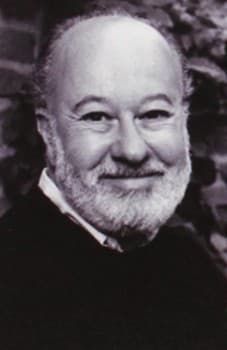
Alvin Schwartz was a renowned American author celebrated for his collections of folklore and urban legends, most notably the "Scary Stories to Tell in the Dark" series. These books, filled with chilling tales and accompanied by memorable illustrations, became a staple for young readers seeking spooky adventures. Schwartz's work tapped into traditional storytelling, making him a significant figure in children's literature.
Similar books
- Scary Stories to Tell in the Dark
Alvin Schwartz
4.0 (56k) average on GoodreadsFantasyThe first volume in the same series, offering a similar collection of short, classic scary tales and illustrations.
- Harry Potter and the Sorcerer's Stone
J.K. Rowling
4.5 (7M) average on GoodreadsFantasyRescued from a miserable life under the stairs, an orphaned boy discovers he's a wizard destined for a magical school, where he uncovers a dangerous secret tied to the dark wizard who murdered his parents.
- The Hunger Games
Suzanne Collins
4.3 (6.4M) average on GoodreadsFantasyIn a future where children fight to the death on live television, Katniss Everdeen volunteers for the arena, turning a death sentence into a fight for survival and a spark of rebellion.
- 1984
George Orwell
4.2 (3.1M) average on GoodreadsPoliticsIn a future where surveillance and thought control are absolute, a man's search for truth clashes with the Party, showing that hope can be a form of rebellion.
- Divergent
Veronica Roth
4.2 (2.9M) average on GoodreadsFantasyIn a society divided by virtues, a sixteen-year-old's difference from the norm starts a rebellion that threatens her world.
- The Hobbit, or There and Back Again
J.R.R. Tolkien
4.3 (2.9M) average on GoodreadsFantasyA comfort-loving hobbit named Bilbo Baggins is whisked away by a mischievous wizard and a band of dwarves on an unexpected journey to reclaim stolen treasure from a fearsome dragon, discovering courage and a magical ring along the way.






Enjoyed the summary?
A summary gives you the shape of the book. The book itself has the detail, the examples and the voice.
Find More Scary Stories to Tell in the Dark on AmazonAs an Amazon Associate, BookBrief earns from qualifying purchases. How we're funded