
Core Idea
- Difficulty
- Easy
- Read it if
- You want heartwarming, true stories about the deep bond between humans and dogs, or if you appreciate memoirs that highlight the formative influence of animals on a person's life.
- Skip it if
- You prefer highly structured narratives with a linear plot, or if you are not interested in anecdotal accounts centered on animal companionship.
Key Takeaways from My Life in Dog Years
Unconditional Loyalty, Unspoken Understanding
Dogs offer a profound, non-verbal bond that transcends human communication.
Paulsen shows that the connection with a dog often goes beyond words. It is an intuitive understanding, a shared awareness of the surroundings and each other's feelings. Dogs like Ike, the hunting companion, or Cookie, the lead sled dog, often know what is needed, warn of danger, or offer comfort without a sound. This deep, non-verbal empathy highlights a core part of the human-animal bond, suggesting that some of the most important relationships are built on shared experiences and mutual respect rather than complex talk. It challenges the idea that only humans have complex intelligence, implying that dogs have a wisdom and loyalty that enriches human lives in often unseen ways.
“Dogs are not people, they are something else, something more. They are a connection to a part of the world we have forgotten.”
In the book: The story of Ike, the hunting dog, who would subtly guide Paulsen to game, anticipating his movements and needs without verbal commands. Cookie's heroic act of leading the sled team to safety during a blizzard, instinctively knowing the way and protecting Paulsen from freezing.
Try this: Spend time observing your dog's non-verbal cues and body language. Try to communicate with them through actions, gestures, and tone rather than relying solely on verbal commands. This can deepen your bond and reveal a richer layer of understanding.
Related ideas: interspecies-communication, nonverbal-bond, animal-empathy
The Silent Protectors
Many dogs take on the role of guardian, offering unwavering protection to their humans.
Paulsen's life, often lived in harsh wilderness or tough situations, was frequently protected by his dogs. Dogs like Dirk and Rex were not just pets; they were watchful guardians, aware of threats and ready to step in. This protective instinct seems to come from deep loyalty and territoriality. They act as an extension of their human's defenses, providing security that lets their owners face dangerous situations with more confidence. The book shows that this protective role often has its own challenges, as these dogs can be formidable to outsiders, reflecting their focus on their human's safety.
“He was always there, a shadow, a presence, a promise that nothing would ever get to me.”
In the book: Dirk, the family's protector, who would stand guard over Paulsen as a child, his mere presence deterring bullies and ensuring safety. Rex, the dog in the Philippines, who protected Paulsen from a snake, demonstrating an immediate and fearless response to danger.
Try this: Acknowledge and appreciate your dog's protective instincts. While training is important for control, understand that their vigilance often comes from a place of deep care. Provide a secure environment where they feel confident in their role.
Related ideas: canine-guardianship, instinctive-protection, loyalty-in-dogs
Dogs as Life Teachers
Each dog in Paulsen's life imparted unique lessons about survival, empathy, and resilience.
Beyond just companionship, Paulsen's dogs were important teachers. Cookie taught him about leadership, perseverance, and the raw power of instinct in nature. Josh, the Border Collie, showed intelligence, dedication, and the joy of a true working team. Even brief times with dogs like Snowball, the puppy in the Philippines, left lasting impressions, shaping his understanding of life and loss. These lessons were not always direct; often, they were learned through shared struggles and wins, showing that wisdom can come from unexpected places. Paulsen's stories suggest that by truly watching and interacting with dogs, humans can learn basic truths about existence, humility, and the connection of all living things.
“Every dog I ever had taught me something new, something about myself, something about life.”
In the book: Cookie's ability to lead the sled team through a whiteout, saving Paulsen's life, taught him to trust instinct and the power of a dog's innate knowledge. Josh's unwavering focus and intelligence in herding sheep illustrated the beauty of a dedicated working relationship and mutual respect.
Try this: Approach your interactions with animals with an open mind, looking for the lessons they might be offering. Pay attention to their natural behaviors and instincts, as these often reflect essential truths about the world.
Related ideas: animal-mentorship, life-lessons-from-dogs, interspecies-learning
The Working Dog's Spirit
Dogs find purpose and fulfillment in their natural roles, often excelling in demanding tasks.
Paulsen's experiences with sled dogs like Cookie and her team, and herding dogs like Josh, show the deep satisfaction dogs get from doing what they are naturally meant to do. These are not just pets; they are athletes, navigators, and partners in demanding tasks. Their joy is clear when they are working, whether pulling a sled across frozen land or guiding sheep. This idea questions the modern trend to keep dogs only as companions, suggesting that denying them chances to use their natural instincts can lead to unfulfilled lives. Paulsen's respect for the working dog is clear in his descriptions of their intelligence, endurance, and dedication, reminding us of the long history of dog partnership in human work.
“A working dog is a happy dog, a dog with a purpose, a reason to be.”
In the book: The entire sled dog team, particularly Cookie, demonstrates incredible endurance, intelligence, and a clear joy in pulling the sled and navigating treacherous terrain. Josh's intense focus and skill in herding sheep, showcasing her innate talent and dedication to her work.
Try this: Identify your dog's breed-specific or individual instincts and provide outlets for them. Whether it's fetch for a retriever, scent games for a hound, or agility for a high-energy breed, engaging their natural drives can greatly improve their well-being and happiness.
Related ideas: working-canines, breed-instincts, canine-purpose
Resilience in the Face of Adversity
Dogs, like their human counterparts, demonstrate remarkable adaptability and fortitude.
Paulsen's dogs often faced tough conditions, from the cold of Alaskan winters to the dangers of the Philippine jungle. Yet, they met these challenges with amazing resilience and a steady spirit. Cookie and the sled dogs pushed through blizzards, enduring extreme temperatures and exhaustion. Even dogs like Snowball, who had a hard early life, showed joy and connection. This resilience is not just physical; it is also emotional, as many of Paulsen's dogs adapted to new homes, new tasks, and even the loss of their human companions with quiet strength. Their ability to 'keep going' is a powerful example of life's enduring spirit, offering a strong lesson for humans facing their own difficulties.
“They simply kept going, no matter what. It was a lesson in resilience.”
In the book: The sled dogs' ability to continue pulling and navigating through a severe blizzard, despite the bitter cold and difficult conditions, demonstrating immense physical and mental toughness. The story of Rex adapting to a new home and environment after being rescued in the Philippines.
Try this: When facing personal challenges, reflect on the simple perseverance of animals. Embrace a mindset of 'just keep going,' focusing on one step at a time, and trust in your own capacity to adapt and overcome.
Related ideas: animal-resilience, endurance-spirit, adaptability-in-nature
The Profound Impact of Childhood Dogs
Early canine companions leave an indelible mark, shaping identity and offering solace.
Paulsen's earliest dog experiences, especially with Snowball and Dirk, highlight the unique role dogs play in a child's life, particularly one without stability. In a difficult childhood with neglect and frequent moves, these dogs offered unconditional love, stability, and a sense of belonging often missing from his human relationships. They were confidantes, protectors, and silent witnesses to his struggles, providing a safe space for emotions. This shows how dogs can be important emotional anchors, helping to build empathy, responsibility, and security during childhood. Their memory often stays clear and valued, showing their fundamental impact on a person's emotions and view of the world.
“In the chaos of my youth, they were the anchors, the constants, the only ones who truly understood.”
In the book: Dirk's unwavering presence and protection during Paulsen's difficult childhood, acting as a silent guardian against bullies and loneliness. Snowball, the puppy in the Philippines, who offered simple, pure companionship in a confusing and often frightening new environment.
Try this: If you have children, consider the profound benefits of a family dog for their emotional development and sense of security. Encourage responsible interaction and foster the unique bond between child and pet.
Related ideas: childhood-pets, emotional-support-animals, formative-relationships
Beyond Domestication: The Wildness Within
Even domesticated dogs retain a powerful connection to their primal instincts and the natural world.
Paulsen often mentions the wildness that remains in even the most domesticated dogs. Whether it is the raw instinct of sled dogs to run and survive in the wilderness, or Ike's strong connection to hunting, he sees dogs as links to a more primal existence. This is not a negative trait but a source of their strength, intuition, and unique way of seeing things. It reminds us that dogs are not just furry humans, but creatures with their own ancient history and ways of knowing. Respecting this 'wildness' means understanding their needs for exercise, mental challenges, and chances to express natural behaviors, rather than trying to force them into purely human ways. It is a call to appreciate their animal nature, not just their domesticated charm.
“There was always a part of them that belonged to the wild, a part we could never truly tame, only respect.”
In the book: Ike's profound, almost spiritual connection to the hunt, his ability to sense game and move through the woods with an ancient wisdom. Cookie's powerful instinct to lead and survive in the harsh Alaskan wilderness, showcasing an untamed spirit necessary for survival.
Try this: Provide your dog with opportunities to engage their natural instincts safely and appropriately. This could mean off-leash walks in secure areas, scent work, or activities that mimic hunting or herding behaviors, respecting their inherent animal nature.
Related ideas: canine-instincts, wildness-in-dogs, primal-connection
The Fleeting Nature of Life and Love
The book is a poignant reminder of the brevity of a dog's life and the enduring pain of loss.
While celebrating the joy and companionship dogs bring, Paulsen's memoir also includes the sad reality of their shorter lives. Each chapter about a dog eventually leads to their death, whether from age, accident, or necessary separation. This constant cycle of love and loss is a main theme, highlighting the intense grief that comes with losing a beloved pet. Paulsen does not avoid the pain, but acknowledges it as an unavoidable part of the deep bond shared. The book shows the depth of love humans can feel for their animal companions and the lasting impact these relationships have, even after they are gone. It is a reminder to value every moment.
“They come into our lives, leave paw prints on our hearts, and then they are gone too soon.”
In the book: The recurring theme of saying goodbye to each dog, from the necessary departure of Rex in the Philippines to the eventual passing of older dogs like Ike and Josh, each moment marked by profound sadness and an acknowledgment of their irreplaceable presence.
Try this: Actively practice mindfulness and gratitude for the time you have with your pets. Create lasting memories, document your experiences, and allow yourself to fully embrace the love, knowing that the pain of loss is a testament to the depth of the bond.
Related ideas: pet-loss, grief-and-pets, transience-of-life
Dogs as Mirrors of Humanity
Through their simple existence, dogs often reflect our best and worst traits, and our fundamental needs.
Paulsen's interactions with his dogs often reflect his own character, his ability to love, and sometimes his faults. Dogs respond to kindness with loyalty, to neglect with resilience, and to fear with either protection or apprehension. Their reactions are often direct and immediate, giving clear feedback on human actions. For Paulsen, especially during his difficult youth, dogs offered a steady, non-judgmental presence that allowed him to explore and understand his own emotions. This takeaway suggests that by observing how we interact with and care for animals, we can learn a lot about our own humanity, our capacity for empathy, and the basic needs for connection and belonging that we share across species.
“They held up a mirror, showing me parts of myself I didn't always want to see, but needed to.”
In the book: The way Dirk's protectiveness mirrored Paulsen's own need for security during a difficult childhood. The trust and bond with Josh reflected Paulsen's dedication and patience as a handler and friend, showcasing a mutually respectful relationship.
Try this: Pay attention to how your dog responds to your moods, actions, and energy. Use their reactions as a tool for self-reflection, understanding how your behavior impacts those around you, both human and animal.
Related ideas: human-animal-mirror, self-reflection-through-pets, interspecies-empathy
My Life in Dog Years Quotes
“They have to live with us. They have to put up with us. And they do. It is that simple.”
“Dogs teach us to live in the moment, to love unconditionally, and to take a nap whenever possible.”
“He was just a dog. But in his eyes, I was a god.”
“A dog will teach you unconditional love. If you can have that in your life, things won't be too bad.”
“The dog was a perfect companion, always there, never complaining, always ready to go.”
“They don't know about money, or possessions, or status. They know about love, and loyalty, and being there.”
“There is no such thing as 'just a dog.' Every dog is an individual, with a personality, with feelings, with a soul.”
“The greatest joy of a dog is to make his master happy.”
“I think I would have been lost without them. They grounded me.”
“Dogs are not our whole life, but they make our lives whole.”
“They don't care if you're rich or poor, smart or dumb. They just care that you're there.”
“Each one, in its own way, taught me something important about life.”
“The loyalty of a dog is something that human beings can only aspire to.”
“Dogs don't have a past or a future. They just have now. And that's a pretty good way to live.”
Quiz
10 questions on the main ideas. Each answer comes with a short explanation.
Question 1
Which dog is described as a sled dog who saved Gary Paulsen's life by warning him of thin ice?
- Josh
- Ike
- Cookie
- Dirk
Show answer
C. Cookie Cookie was the lead sled dog who exhibited incredible intelligence and loyalty, notably saving Paulsen from falling through thin ice by refusing to cross.
Question 2
What kind of dog was Josh, Paulsen's "true friend" and a "brilliant companion"?
- Golden Retriever
- Border Collie
- German Shepherd
- Labrador
Show answer
B. Border Collie Josh is described as a Border Collie, known for his remarkable intelligence, loyalty, and deep understanding of Paulsen.
Question 3
Which dog did Gary Paulsen own as a boy in the Philippines, described as a small, white, fluffy puppy?
- Snowball
- Fred
- Rex
- Pal
Show answer
A. Snowball Snowball was the puppy Paulsen owned as a child in the Philippines, a poignant memory from his early life.
Question 4
What distinctive characteristic did Ike, the hunting companion, possess that made him particularly effective?
- He could retrieve birds from extremely deep water.
- He had an uncanny ability to find game that Paulsen himself couldn't see.
- He was exceptionally fast and could outrun any other hunting dog.
- He could silently point out prey without barking.
Show answer
B. He had an uncanny ability to find game that Paulsen himself couldn't see. Ike was a mysterious and highly skilled hunting companion, whose unique ability was to perceive and point out game that Paulsen's human eyes would miss, often from a distance.
Question 5
Dirk is characterized as a 'grim protector.' What specific incident highlights Dirk's protective nature towards Paulsen?
- He fought off a pack of wolves that threatened Paulsen's camp.
- He defended Paulsen from a group of aggressive men at a bar.
- He protected Paulsen's sled from a bear attack.
- He guarded Paulsen's food supply from other hungry dogs.
Show answer
B. He defended Paulsen from a group of aggressive men at a bar. Dirk's fierce loyalty and protective instincts are clearly shown when he defends Paulsen from a group of men who were threatening him in a bar, demonstrating his 'grim protector' role.
Question 6
What overarching theme does Paulsen explore through his relationships with these diverse dogs?
- The challenges of dog training and obedience.
- The practical utility of dogs in various human endeavors.
- The profound bond, intelligence, and unspoken understanding between humans and dogs.
- The biological evolution of domestic dogs.
Show answer
C. The profound bond, intelligence, and unspoken understanding between humans and dogs. The book consistently highlights the deep, often spiritual, connection Paulsen shares with his dogs, emphasizing their intelligence, loyalty, and their ability to communicate and understand beyond words.
Question 7
How does Paulsen typically structure the narrative for each dog in the book?
- He provides a detailed genealogical history of each dog's breed.
- He presents a series of short, anecdotal stories highlighting the dog's unique personality and key moments.
- He focuses on the scientific aspects of canine behavior and psychology.
- He outlines the specific training methods he used for each dog.
Show answer
B. He presents a series of short, anecdotal stories highlighting the dog's unique personality and key moments. Each chapter is dedicated to a specific dog, featuring a collection of vivid anecdotes and memories that collectively paint a picture of that dog's character and their impact on Paulsen's life.
Question 8
What distinguishes Paulsen's relationship with Josh compared to his other dogs, making Josh his 'true friend'?
- Josh was the only dog Paulsen owned from puppyhood to old age.
- Josh possessed an almost human-like empathy and the ability to anticipate Paulsen's moods and needs without instruction.
- Josh was the most skilled hunting dog Paulsen ever had.
- Josh was the only dog that traveled with Paulsen on all his adventures.
Show answer
B. Josh possessed an almost human-like empathy and the ability to anticipate Paulsen's moods and needs without instruction. Paulsen describes Josh as having a profound, almost telepathic connection with him, understanding his thoughts and emotions, making their bond uniquely deep and making Josh his 'true friend.'
Question 9
Through the stories of dogs like Cookie, Ike, and Dirk, what broader message does Paulsen convey about animal intelligence?
- Animal intelligence is primarily a result of extensive human training.
- Animals possess an intuitive, often superior, understanding of their environment and specific tasks, sometimes surpassing human capabilities.
- Dogs are only intelligent when performing tasks directly beneficial to humans.
- Animal intelligence is limited to basic instincts and learned behaviors.
Show answer
B. Animals possess an intuitive, often superior, understanding of their environment and specific tasks, sometimes surpassing human capabilities. Paulsen consistently illustrates how his dogs, through their actions (like Cookie saving him, Ike finding game, or Dirk protecting him), demonstrate an innate intelligence, problem-solving ability, and awareness that often goes beyond what he, as a human, could achieve or even perceive.
Question 10
What is the primary purpose of Paulsen recounting his varied experiences with these numerous dogs throughout his life?
- To provide a comprehensive guide on how to raise and train different dog breeds.
- To document the historical evolution of working dogs in various settings.
- To reflect on how each dog contributed to shaping his character and understanding of life, making the book a memoir through the lens of his canine companions.
- To advocate for specific animal welfare policies and dog rescue efforts.
Show answer
C. To reflect on how each dog contributed to shaping his character and understanding of life, making the book a memoir through the lens of his canine companions. The book is a memoir, and Paulsen uses the stories of his dogs to reflect on his own life experiences, growth, and the profound lessons he learned about loyalty, survival, and companionship through his relationships with them.
My Life in Dog Years FAQ
What is 'My Life in Dog Years' about?
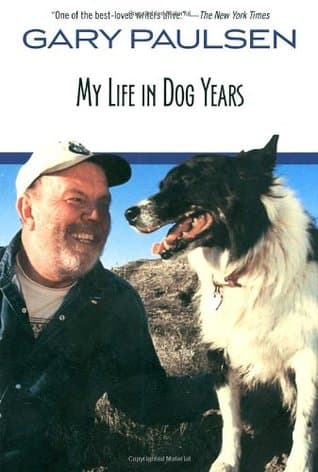
'My Life in Dog Years' is a memoir by Gary Paulsen, where he shares heartwarming and adventurous stories about the various dogs that have been significant companions throughout his life, from his childhood to his adult years as an author and outdoorsman.
Who are some of the notable dogs featured in the book?
The book features several memorable dogs, including Cookie, the heroic sled dog; Snowball, a puppy from Paulsen's time in the Philippines; Ike, his loyal hunting companion; Dirk, a protective presence; and Josh, a brilliant border collie.
Does Gary Paulsen share personal anecdotes beyond just the dogs?
Yes, while the dogs are central, Paulsen weaves in personal anecdotes about his own life experiences, adventures, and challenges, providing a richer context for the relationships he shared with his canine friends.
Is 'My Life in Dog Years' suitable for all ages?
The book is generally considered suitable for a wide range of ages, particularly children and young adults, due to its engaging storytelling and themes of companionship, loyalty, and adventure. It's often categorized as a children's book.
How does this book differ from other dog-related memoirs?
'My Life in Dog Years' stands out due to Gary Paulsen's unique voice as an acclaimed author of wilderness and adventure stories, offering a rugged yet tender perspective on the profound impact dogs have had on his survival and emotional well-being.
What kind of life lessons can readers take away from the book?
Readers can learn about loyalty, perseverance, the unspoken bond between humans and animals, and the simple joys and profound impacts that pets can have on our lives, often in unexpected and life-saving ways.
Does the book focus more on specific breeds or the individual personalities of the dogs?
While some breeds are mentioned, the book primarily focuses on the individual personalities, quirks, and unique contributions of each dog to Gary Paulsen's life, highlighting their distinct roles and unforgettable characteristics.
Does 'My Life in Dog Years' work as an introduction to Gary Paulsen's other works?
Yes, 'My Life in Dog Years' can serve as an excellent introduction to Gary Paulsen's writing style, his love for the outdoors, and his ability to tell compelling stories, often featuring themes of survival and deep connection with nature and animals.
About the author

Gary Paulsen is an American author known for his contributions to young adult literature, particularly in the adventure and survival genres. His notable works include "Hatchet," which follows a boy's struggle for survival in the wilderness, and "The River," a sequel that continues this theme. Other significant titles include "Dogsong," "Harris and Me," "Nightjohn," and "The Transall Saga."
Similar books
- A Dog's Purpose
W. Bruce Cameron
4.3 (114k) average on GoodreadsFantasyExplores the deep emotional connection and life lessons learned from multiple dogs throughout a human's life.
- The Art of Racing in the Rain
Garth Stein
4.2 (452k) average on GoodreadsFictionNarrated by a dog, this book offers insights into human life and relationships from a canine perspective.
- The Diary of a Young Girl
Anne Frank
4.2 (2.7M) average on GoodreadsBiographyDuring the Nazi occupation, a teenage girl's diary, written from a secret annex, shares observations on humanity, hope, and the wait for freedom.
- Eat, Pray, Love
Elizabeth Gilbert
3.6 (1.5M) average on GoodreadsLifestyleA heartbroken writer leaves her conventional life for a year-long global search for pleasure in Italy, spiritual devotion in India, and unexpected love and balance in Bali.
- Night
Elie Wiesel
4.3 (970k) average on GoodreadsBiographyIn the darkness of Auschwitz and Buchenwald, a teenage Elie Wiesel faces the extermination of his family, the loss of his faith, and the lasting scars of humanity's deepest cruelty.
- Steve Jobs
Walter Isaacson
4.1 (957k) average on GoodreadsBusinessSteve Jobs was a visionary who fused creativity and technology to revolutionize six industries and shape our digital world.






Enjoyed the summary?
A summary gives you the shape of the book. The book itself has the detail, the examples and the voice.
Find My Life in Dog Years on AmazonAs an Amazon Associate, BookBrief earns from qualifying purchases. How we're funded