
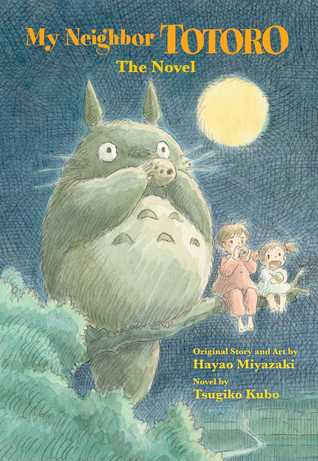
Synopsis
Covers the whole plot, including the ending.
- Difficulty
- Easy
- Pacing
- Slow
- Mood
- Whimsical, Nostalgic, Heartwarming, Serene
- Read it if
- You love heartwarming stories about childhood wonder, nature, and the power of imagination, especially if you're a fan of Studio Ghibli's gentle magic.
- Skip it if
- You prefer fast-paced plots with high stakes and clear antagonists; this book is more about mood and discovery.
My Neighbor Totoro Plot Summary
Covers the whole plot, including the ending.
A New Home in the Countryside
Eleven-year-old Satsuki and her four-year-old sister Mei, along with their father, Professor Tatsuo Kusakabe, move into an old, somewhat run-down house in rural Japan. Their mother, Yasuko, is recovering from tuberculosis in a nearby hospital. The move is meant to shorten their father's commute to visit her and for the girls to be closer to her. The sisters immediately like the house, which they find is full of 'soot sprites' (dust bunnies or 'makkuro kurosuke'), tiny, shadowy creatures that scatter when disturbed. Their father encourages their imagination, saying the sprites are real. They explore the surrounding forest and rice paddies, enjoying their new, rustic environment with curiosity.
Mei's First Encounter with Totoro
While Satsuki is at school and their father is working, Mei wanders into the garden and follows two small, white, rabbit-like creatures, which she calls 'Totoros.' They lead her through a tunnel of camphor trees to a giant, sleeping creature she identifies as a much larger 'Totoro.' This large, gray, furry being has a wide grin and a soft belly. Mei falls asleep on its stomach, only to wake up a short while later to find it gone. She tries to explain her magical encounter to Satsuki and her father, but they only find a small, undisturbed hollow in the trees. Despite no physical evidence, her father believes her story, reinforcing the magic of their new home.
The Bus Stop and the Rain
One rainy evening, Satsuki and Mei wait at the bus stop for their father to return from work. Satsuki has Mei on her back, shielding her from the rain with a single umbrella. Suddenly, a giant Totoro appears next to them, holding a large leaf over its head to block the rain. Satsuki, at first surprised, offers Totoro her father's spare umbrella. Totoro likes the sound of raindrops on the umbrella and gives Satsuki a small bundle of seeds as a thank you before boarding a huge, multi-legged Catbus that glows and has glowing eyes for headlights. This shared experience confirms the sisters' belief in Totoro and their connection with the forest spirits.
Growing the Seeds and the Night Flight
Satsuki and Mei plant the seeds Totoro gave them, waiting for them to sprout. One night, they are woken by Totoro and two smaller Totoros dancing in their garden. The girls join them, doing a magical dance. As they dance, the seeds sprout and quickly grow into an enormous tree, reaching into the sky. The Totoros then invite Satsuki and Mei onto a magical spinning top, and they fly through the night sky, soaring over the countryside and seeing the world from above. The next morning, the giant tree is gone, but the seeds have indeed sprouted into small seedlings, confirming their dream-like adventure.
A Visit to the Hospital
The sisters continue their daily routines, enjoying their new life in the countryside. They visit their mother, Yasuko, at the hospital, bringing her an ear of fresh corn they picked from a nearby field. Yasuko is happy to see them and is recovering well. The family shares a warm moment, showing their love and hope for Yasuko's return home. This visit provides a sense of normalcy and comfort amidst their magical encounters and worries about their mother's illness.
Disturbing News and Mei's Disappearance
Satsuki receives a telegram from the hospital saying her mother's condition has worsened and her discharge is delayed. Overwhelmed with fear, Satsuki tries to be strong for Mei, but Mei, already upset and missing her mother, feels ignored. In her distress, Mei decides to walk to the hospital by herself to give her mother the ear of corn she believes will cure her. Satsuki finds Mei is missing and frantically searches for her, asking neighbors like Granny for help. The whole village helps find the lost girl.
Satsuki Seeks Totoro's Help
As the search for Mei fails and night approaches, Satsuki becomes more desperate. She returns to the camphor tree where Mei first met Totoro and where they had their magical flight. Overwhelmed with worry, she tearfully asks Totoro for help. Totoro, understanding her situation, roars loudly, summoning the Catbus. The Catbus, a large, grinning, cat-shaped vehicle, arrives, its eyes glowing as headlights, ready to take Satsuki to find her sister.
The Catbus Journey and Reunion
Satsuki gratefully boards the Catbus, which speeds through the countryside, its glowing eyes looking at the surroundings. The Catbus quickly finds Mei, who is sitting alone and sad by the side of the road, holding the ear of corn. Satsuki hugs her sister, relieved to find her safe. The Catbus then takes both girls to their mother's hospital window. From a distance, they see their mother laughing with their father, seemingly well and recovering, easing their fears. They leave the ear of corn on the windowsill, a silent message of their love.
Mother's Recovery and Family Togetherness
Soon after, Yasuko fully recovers and returns home, to the joy of Satsuki and Mei. The family is reunited, and life in the countryside continues happily. The soot sprites eventually leave their house, moving to another old building, showing the girls' growing comfort in their new home. The film ends with the family settled, surrounded by nature, with the subtle presence of the forest spirits, especially Totoro, watching over them from the forest. The girls have learned to trust each other and find magic in their everyday lives.
My Neighbor Totoro Characters
Satsuki Kusakabe
Protagonist
The responsible and imaginative elder sister, coping with family challenges.
Satsuki is an eleven-year-old girl who, despite her young age, takes on a significant amount of responsibility. She is observant, caring, and protective of her younger sister, Mei. Her imagination allows her to believe in the magical creatures of the forest, though she is initially more skeptical than Mei. Satsuki is deeply concerned about her mother's illness and tries to remain strong for her family, often suppressing her own fears. Her journey involves balancing her childhood wonder with the anxieties of adult responsibilities.
Relationships: Mei Kusakabe (Younger sister, whom she deeply loves and protects); Tatsuo Kusakabe (Father, whom she trusts and respects); Yasuko Kusakabe (Mother, whose illness causes her great worry); Totoro (Magical forest spirit, a source of comfort and adventure)
Mei Kusakabe
Protagonist
The curious and adventurous younger sister, first to discover Totoro.
Mei is a four-year-old girl, full of boundless energy, curiosity, and an unshakeable belief in magic. She is the first to encounter Totoro and the smaller Totoros, accepting their existence without question. Mei is deeply attached to her mother and struggles with her absence, often expressing her feelings directly. Her innocent perspective and unwavering belief in the unseen are central to the story, often pulling Satsuki into the magical world. Her determination, though sometimes leading to trouble, is driven by love.
Relationships: Satsuki Kusakabe (Older sister, her primary caregiver and playmate); Tatsuo Kusakabe (Father, with whom she shares a playful bond); Yasuko Kusakabe (Mother, whom she misses dearly); Totoro (Magical forest spirit, her first magical friend)
Totoro
Supporting
The giant, benevolent forest spirit, guardian of the woods.
Totoro is the large, grey, furry forest spirit, a creature of pure benevolence and wonder. He is ancient and powerful but gentle and playful, only revealing himself to those with pure hearts, like Satsuki and Mei. Totoro doesn't speak in human language but communicates through roars, growls, and gestures. He embodies the magic and mystery of nature, offering comfort, adventure, and a sense of guardianship to the girls during their difficult time. His presence is a reminder of the hidden beauty and protective spirits in the world.
Relationships: Satsuki Kusakabe (Friend and magical guide); Mei Kusakabe (Friend and magical guide); Smaller Totoros (Fellow forest spirits, his companions)
Tatsuo Kusakabe
Supporting
The understanding and supportive father, a university professor.
Tatsuo is Satsuki and Mei's father, a university professor who is kind, patient, and deeply understanding. He encourages his daughters' imaginations and believes their stories about the soot sprites and Totoro, fostering a sense of wonder and safety in their new home. Despite the stress of his wife's illness and moving, he remains a calm and loving presence. His open-mindedness allows the girls to embrace the magic around them, and his gentle guidance provides a stable foundation for the family.
Relationships: Satsuki Kusakabe (Daughter, whom he supports and trusts); Mei Kusakabe (Daughter, whom he supports and cherishes); Yasuko Kusakabe (Wife, whom he deeply loves and cares for)
Yasuko Kusakabe
Supporting
The ailing mother, recovering from illness in the hospital.
Yasuko is Satsuki and Mei's mother, who is recovering from tuberculosis in a hospital near their new home. Though mostly absent from the physical setting of the house, her presence and well-being are central to the girls' emotional journey and motivations. She is loving and gentle, and her eventual recovery brings immense relief and joy to her family. Her illness serves as the primary source of real-world anxiety for Satsuki, highlighting the contrast between childhood wonder and adult worries.
Relationships: Satsuki Kusakabe (Daughter, whom she loves dearly); Mei Kusakabe (Daughter, whom she loves dearly); Tatsuo Kusakabe (Husband, whom she deeply loves)
Granny (Kanta's Grandmother)
Supporting
The kind and helpful elderly neighbor who assists the Kusakabe family.
Granny is an elderly woman who lives near the Kusakabe family and becomes a kind and supportive neighbor. She helps the girls settle in, offering practical assistance and a warm, maternal presence when their mother is in the hospital. She often helps with chores and looks after Mei when Satsuki is at school. Her wisdom and community spirit are invaluable, especially during the search for Mei, mobilizing the villagers to help. She represents the traditional, close-knit rural community.
Relationships: Satsuki Kusakabe (Neighbor, a source of comfort and help); Mei Kusakabe (Neighbor, a source of comfort and help); Kanta (Grandson)
Kanta Ōgaki
Supporting
The shy boy neighbor who eventually befriends the sisters.
Kanta is a boy from the village who is initially shy and somewhat awkward around Satsuki and Mei. He often teases Satsuki, but his actions usually stem from shyness and a desire for attention. Despite his initial gruffness, he is kind-hearted and concerned, eventually helping in the search for Mei. He represents a local peer connection for Satsuki and a glimpse into the local community's children. His character highlights the typical childhood dynamics of teasing and eventual friendship.
Relationships: Satsuki Kusakabe (Neighbor and eventual friend); Mei Kusakabe (Neighbor); Granny (Grandmother)
Catbus
Supporting
The magical, multi-legged bus-cat that transports Satsuki and Mei.
The Catbus is a fantastical, sentient creature resembling a giant cat that functions as a magical bus. It has glowing eyes, a wide grin, and multiple legs, and it can move at incredible speeds, appearing and disappearing at will. The Catbus is summoned by Totoro and serves as the ultimate magical transportation, allowing Satsuki to find Mei and for both sisters to visit their mother at the hospital from a distance. It embodies the whimsical and benevolent nature of the forest's magic, a truly unique and memorable character.
Relationships: Totoro (Associated with and summoned by); Satsuki Kusakabe (Transporter and helper); Mei Kusakabe (Transporter and helper)
Soot Sprites (Makkuro Kurosuke)
Mentioned
Tiny, shadowy creatures inhabiting old, dusty houses.
The Soot Sprites, or Makkuro Kurosuke, are small, black, fuzzy, dust-like creatures with large eyes that inhabit old, abandoned, or dusty houses. They scatter when disturbed and are harmless, though initially startling. Satsuki and Mei are fascinated by them, and their father confirms their existence, encouraging the girls' imagination. The sprites eventually leave the Kusakabe house once it is cleaned and lived in, moving on to another old place. They represent the initial layer of magic and the transition of the house from abandoned to lived-in.
My Neighbor Totoro Themes
The Wonder and Magic of Childhood
The film captures childhood imagination, where everyday life has magic. Satsuki and Mei's ability to see and interact with Totoro, the Soot Sprites, and the Catbus comes from their innocent and open minds. Their father encourages this wonder, believing their stories and creating an environment where magic can grow. The film suggests that the world has hidden marvels, available to those with a childlike sense of awe and belief, turning a stressful situation (moving, mother's illness) into an adventure.
“Maybe it's a dream, but you can never forget a dream.”
Nature as a Source of Comfort and Healing
The natural world around the Kusakabe's new home is a powerful, kind force. The giant camphor tree where Totoro lives is a spiritual anchor, and the forest spirits are guardians of this nature. In moments of fear and distress, especially when Mei is lost, Satsuki instinctively turns to the forest and Totoro for help, finding comfort and aid there. Nature provides a safe place and a sense of wonder that helps the girls cope with their mother's illness, implying nature's ability to heal and support.
“Trees and people used to be good friends.”
Family Love and Resilience
The story is about the love and strength of the Kusakabe family. Despite their mother's illness and moving to a new place, the family remains strong, supported by the father's understanding and the sisters' bond. Satsuki's protective feelings for Mei, and Mei's deep desire for her mother, drive much of the plot. Their shared experiences, both ordinary and magical, strengthen their ties, showing how love and support help them navigate difficulties and keep hope.
“Don't worry, Mom will be fine. She'll be home soon.”
Coping with Anxiety and Loss (Implicit)
While not directly a theme of loss, the underlying worry of the mother's illness is always present, especially for Satsuki. The magical encounters with Totoro are a coping mechanism, offering escape and comfort during a difficult time. The film shows how children deal with fear and uncertainty, often through imagination and connection to the world around them. The reunion with their mother resolves this worry, but the journey shows how resilience comes from inner strength, family support, and a bit of magic.
“(After Mei goes missing) "Please, Totoro... help me find Mei!"”
Plot Devices & Literary Techniques
Magical Realism
Seamless integration of fantastical elements into an ordinary, grounded setting.
The film masterfully employs magical realism by presenting fantastical elements, such as Totoros, Soot Sprites, and the Catbus, as natural parts of the characters' world, particularly for the children. These magical beings are not questioned or explained away but accepted as real by Satsuki and Mei, and even their father. This device allows the audience to experience the wonder through the children's eyes, blurring the line between imagination and reality and making the magical encounters feel authentic and emotionally resonant within the mundane countryside setting.
Child's Perspective
Narrative filtered primarily through the experiences and perceptions of young children.
The entire story is presented largely from the perspective of Satsuki and Mei. Their innocence, curiosity, and boundless imagination shape how the audience perceives the world and its magical inhabitants. Adult concerns, like their mother's illness, are filtered through the children's understanding and emotional responses. This device allows for a sense of wonder and uncritical acceptance of the fantastical, making the magical elements more believable and emotionally impactful, as well as highlighting the unique ways children cope with challenging situations.
The Totoro as a Spirit Guide/Comfort Figure
Totoro acts as a benevolent, non-verbal guide and source of comfort for the girls.
Totoro functions less as a character with a defined personality and more as a symbolic spirit guide or comfort figure. He doesn't offer advice or actively solve problems through dialogue, but his presence, the magical adventures he instigates (like the seed growth and the night flight), and his intervention with the Catbus provide the girls with emotional support, a sense of wonder, and ultimately, a means to overcome their anxieties. He is a silent guardian of the forest and of the children's spirits, offering solace and hope through his magical gifts.
Symbolism of the Camphor Tree
The ancient camphor tree as a sacred, protective hub of nature and magic.
The giant camphor tree is a significant symbol in the film. It is the home of Totoro and the smaller Totoros, marking it as a sacred and ancient place. The tree represents the deep connection between the human world and the spiritual world of nature. It's a place of solace, power, and magic. The girls instinctively turn to it in times of need, understanding its importance. Its sheer size and age symbolize the enduring power and wisdom of nature, a silent guardian over the land and its inhabitants.
My Neighbor Totoro Quotes
“I think I saw a Totoro!”
“When you're scared or sad, close your eyes and think of Totoro. He'll be there.”
“The wind is blowing, let's go meet it.”
“Trees and people used to be good friends.”
“To be happy, you need to be a little bit crazy.”
“We're going to live here for a while and get used to the country.”
“What do you think, Totoro? Do you like our house?”
“He's the keeper of the forest. He's very old.”
“It's a little scary, but it's exciting!”
“I hope Mom gets better soon.”
“We'll go visit her every day.”
“Don't worry, your sister is fine. She's with Totoro.”
“Let's laugh a lot, then the scary things will go away.”
“Thank you, Catbus!”
Quiz
10 questions on the plot and the characters. Each answer comes with a short explanation.
Question 1
Why do Satsuki and Mei move to the countryside?
- Their father got a new job in the country.
- To be closer to their ailing mother.
- They wanted to live in a bigger house.
- Their old house was destroyed in a storm.
Show answer
B. To be closer to their ailing mother. The story explicitly states that Satsuki and Mei move to the country to be closer to their ailing mother, who is in a nearby hospital.
Question 2
What is the name of Satsuki's younger sister?
- Kiki
- Chihiro
- Mei
- Yubaba
Show answer
C. Mei The book description clearly identifies Satsuki's younger sister as Mei, who is described as 'sassy little Mei'.
Question 3
What kind of creature is Totoro?
- A mischievous house spirit
- A friendly river monster
- A magical forest spirit
- A wise old owl
Show answer
C. A magical forest spirit Totoro is introduced in the book description as 'a magical forest spirit' that Satsuki and Mei discover.
Question 4
Who wrote the novel adaptation of 'My Neighbor Totoro'?
- Hayao Miyazaki
- Tsugiko Kubo
- Studio Ghibli
- Yasuko Natsukawa
Show answer
B. Tsugiko Kubo While Hayao Miyazaki directed the original film and provided illustrations for this novel, the story itself was written by 'veteran children's book author Tsugiko Kubo'.
Question 5
What is one of the key lessons Totoro teaches Satsuki and Mei?
- The importance of hard work
- How to fly with an umbrella
- The value of trusting one another
- How to grow giant trees instantly
Show answer
C. The value of trusting one another The book description states that Totoro 'teaches them a lesson about trusting one another', highlighting a central theme of the story.
Question 6
What is Satsuki's age at the beginning of the story?
- Seven years old
- Nine years old
- Eleven years old
- Thirteen years old
Show answer
C. Eleven years old The novel's description explicitly states, 'Eleven-year-old Satsuki and her sassy little sister Mei have moved to the country...'
Question 7
What specific type of adventures do Satsuki and Mei have with Totoro?
- Underground expeditions and cave explorations
- Fantastic adventures through the trees and the clouds
- Deep-sea dives and encounters with marine life
- Time travel to different historical periods
Show answer
B. Fantastic adventures through the trees and the clouds The text describes Totoro taking them on 'fantastic adventures through the trees and the clouds', indicating their magical journeys in the natural world.
Question 8
What role did Hayao Miyazaki play in this novel edition of 'My Neighbor Totoro'?
- He wrote the entire story and provided the illustrations.
- He directed the original film and provided original illustrations for the novel.
- He was the executive producer and editor of the novel.
- He composed the musical score that accompanies the book.
Show answer
B. He directed the original film and provided original illustrations for the novel. The description states, 'This prestige, hardcover edition features original illustrations by Miyazaki himself, accompanying a story written by veteran children's book author Tsugiko Kubo.' It also notes he is the 'legendary Studio Ghibli director' of the original animation.
Question 9
Beyond the family's personal reasons for moving, what broader setting detail is provided about their new home?
- They moved to a bustling city suburb.
- They moved to a house near the ocean.
- They moved to the country, exploring a sprawling old house and surrounding forest and fields.
- They moved to a remote mountain cabin.
Show answer
C. They moved to the country, exploring a sprawling old house and surrounding forest and fields. The text explicitly mentions, 'Satsuki and Mei have moved to the country... the girls explore their sprawling old house and the forest and fields that surround it.' This sets the pastoral and adventurous tone of their new environment.
Question 10
What characteristic is used to describe Mei in the book's synopsis?
- Shy and introverted
- Quiet and observant
- Sassy and little
- Brave and fearless
Show answer
C. Sassy and little The synopsis describes Mei as 'sassy little sister Mei', giving a specific character trait for her.
My Neighbor Totoro FAQ
What is My Neighbor Totoro about?
My Neighbor Totoro tells the story of two young sisters, Satsuki and Mei, who move to the Japanese countryside with their father to be closer to their ailing mother in a nearby hospital. In their new, old house and the surrounding forest, they encounter magical forest spirits, most notably the giant, friendly creature named Totoro, who takes them on whimsical adventures and helps them cope with their mother's illness.
Why should I read My Neighbor Totoro?
You should read My Neighbor Totoro for its heartwarming depiction of childhood wonder, the beauty of nature, and the strength of sisterly bonds. It offers a gentle escape into a world where magic coexists with everyday life, providing comfort and a sense of awe, especially for readers who appreciate Studio Ghibli's unique blend of fantasy and emotional depth.
What is the background/setting of My Neighbor Totoro?
The story is set in rural Japan during the 1950s, specifically in a picturesque countryside village. This historical setting, characterized by traditional Japanese houses, lush forests, and a slower pace of life, provides a nostalgic backdrop for the girls' adventures and contrasts with the modern world, emphasizing a connection to nature and folklore.
What are the most memorable quotes?
While the novel form allows for more internal narration, the spirit of memorable quotes from the film, like Mei's excited 'Totoro!' or Satsuki's reassuring 'Don't worry, Mei, everything will be alright,' resonate throughout, capturing the sisters' innocence and the magical encounters. The book emphasizes the unspoken wonder and simple joys found in their discoveries.
What writing style does the author use?
Tsugiko Kubo employs a warm, evocative, and straightforward writing style, perfectly suited for a children's book. The narrative is rich in descriptive language that brings the Japanese countryside and the magical creatures to life, while maintaining an accessible tone that captures the innocence and perspective of Satsuki and Mei.
What minor details add significant meaning?
The presence of the 'susuwatari' or soot sprites in their old house adds a subtle layer of folklore and mystery, hinting at the magical world that Satsuki and Mei are about to discover. Their initial fear, followed by acceptance, symbolizes their openness to the unknown and sets the stage for their encounters with Totoro and other spirits.
What are some subtle foreshadowing moments?
The initial creaks and strange sounds in their new home, dismissed by their father as 'ghosts,' subtly foreshadow the magical beings the girls will soon encounter. Mei's independent exploration of the garden and her determination to follow the acorn trail also hint at her adventurous spirit and her destiny to be the first to meet Totoro.
What unexpected character connections exist?
Beyond the immediate family and the Totoros, the connection between the girls and Granny, a kind elderly neighbor, proves vital. Granny helps look after the girls, offers comfort, and her deep understanding of the local area and its customs bridges the gap between their new, unfamiliar life and the community, providing a sense of security and belonging.
What are unspoken character motivations?
While not explicitly stated, Satsuki's increasing maturity and responsibility stem from an unspoken desire to protect Mei and ease their father's burden, especially with their mother's illness. She strives to be strong and capable, often sacrificing her own childhood innocence to maintain a sense of normalcy for her family.
What psychological complexities do characters exhibit?
Satsuki exhibits the psychological complexity of a child forced to grow up quickly. She balances her own fears and anxieties about her mother's health with the need to be a responsible older sister, experiencing moments of frustration with Mei, yet always returning to a place of loving protection and empathy.
What are the major emotional turning points?
A major emotional turning point occurs when Mei gets lost trying to find her mother at the hospital, causing Satsuki immense distress and fear. This event highlights Satsuki's deep love and concern for her sister, and it's the moment when the Totoros intervene to help them, solidifying their magical bond and providing comfort during a crisis.
How do relationship dynamics evolve?
The relationship dynamics between Satsuki and Mei evolve from typical sisterly squabbles to a profound bond of mutual reliance and understanding. Through their shared magical experiences with Totoro and the stress of their mother's illness, they learn to trust and support each other unconditionally, strengthening their connection significantly.
Which parts remain ambiguous or open-ended?
The exact nature of the Totoros and other forest spirits remains delightfully ambiguous. It's unclear whether they are purely figments of the girls' imagination, guardians only children can see, or genuine magical beings. This ambiguity allows readers to interpret the magic in a way that resonates most with them, adding to the story's charm.
What are controversial scenes or decisions?
While 'My Neighbor Totoro' is largely uncontroversial, some discussions revolve around the interpretation of the Totoros' existence – are they real or a coping mechanism for the girls? This isn't a 'controversy' in a negative sense, but rather a point of gentle debate among fans regarding the story's magical realism versus pure fantasy elements.
My Neighbor Totoro ending explained: how it ends & what it means
The story ends with Satsuki and Mei successfully finding their way to the hospital with the help of the Catbus, confirming their mother is recovering. They see her from a distance and leave an ear of corn for her, a gift from Totoro. The ending signifies the enduring power of family love, the comforting presence of nature's magic during difficult times, and the girls' journey toward accepting their mother's illness while maintaining their childlike wonder and hope.
Similar books
- When Marnie Was There
Joan G. Robinson
4.3 (3k) average on GoodreadsFantasyFocuses on a lonely girl's mysterious friendship and self-discovery in a rural setting, with a touch of the fantastical.
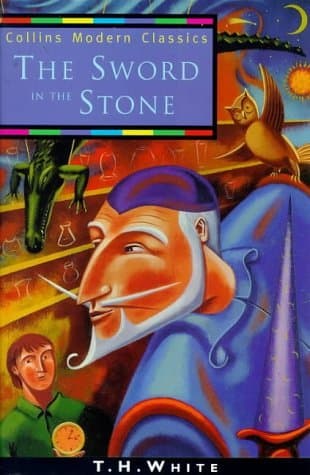
- The Sword in the Stone
T.H. White
3.9 (23k) average on GoodreadsFantasyWhile both explore themes of childhood and the magic found in nature, 'My Neighbor Totoro' focuses on domestic wonder and coping with familial challenges, whereas 'The Sword in the Stone' is a grander narrative of destiny, mentorship, and the making of a king. Kubo's book is more intimate and less allegorical.
- Harry Potter and the Sorcerer's Stone
J.K. Rowling
4.5 (7M) average on GoodreadsFantasyRescued from a miserable life under the stairs, an orphaned boy discovers he's a wizard destined for a magical school, where he uncovers a dangerous secret tied to the dark wizard who murdered his parents.
- The Hunger Games
Suzanne Collins
4.3 (6.4M) average on GoodreadsFantasyIn a future where children fight to the death on live television, Katniss Everdeen volunteers for the arena, turning a death sentence into a fight for survival and a spark of rebellion.
- 1984
George Orwell
4.2 (3.1M) average on GoodreadsPoliticsIn a future where surveillance and thought control are absolute, a man's search for truth clashes with the Party, showing that hope can be a form of rebellion.
- Divergent
Veronica Roth
4.2 (2.9M) average on GoodreadsFantasyIn a society divided by virtues, a sixteen-year-old's difference from the norm starts a rebellion that threatens her world.





Enjoyed the summary?
A summary gives you the shape of the book. The book itself has the detail, the examples and the voice.
Find My Neighbor Totoro on AmazonAs an Amazon Associate, BookBrief earns from qualifying purchases. How we're funded