
Synopsis
Covers the whole plot, including the ending.
- Difficulty
- Medium
- Pacing
- Fast
- Mood
- Thought-provoking, Suspenseful, Cautionary, Bizarre
- Read it if
- You enjoy Crichton's signature blend of cutting-edge science, multiple intertwining plots, and a cautionary tale about technological overreach.
- Skip it if
- You prefer a single, focused narrative or are easily overwhelmed by a large cast of characters and numerous subplots.
Next Plot Summary
Covers the whole plot, including the ending.
The Curious Case of Alex
The story begins with the Parsons family—Sarah, Michael, and their young son Alex—facing a frightening situation. Alex, who has severe autism, has unknowingly become part of a rogue gene therapy experiment by the company BioGen. Sarah and Michael find this out when Alex starts showing strange, non-human behaviors and physical changes, including growing fur and a tail. They learn that Alex’s DNA was taken without their permission from a discarded biopsy, and his genes were changed using a chimpanzee retrovirus. The Parsons family, desperate and horrified, tries to sue but gets caught in a complex web of corporate secrets and legal loopholes, showing the dangers of unregulated genetic research.
Gerard and the Genetic Theft
Gerard, a seemingly normal man, finds his life changed when BioGen, a shadowy company, targets him. He doesn't know he has a unique gene sequence that makes him resistant to a rare cancer, a gene BioGen wants to patent and use. BioGen agents start following him, trying to get his DNA through secret samples and direct force. Gerard has to run, becoming a fugitive in his own country, always looking over his shoulder as he tries to understand why he is being pursued and how to protect his genetic privacy from a powerful group that sees his very being as property.
Frankie and the Human-Chimp Hybrid
Frankie is a unique and sad character, a human-chimpanzee hybrid made through advanced genetic engineering. Raised in secret, Frankie shows a mix of human intelligence and primate instincts, leading to deep identity problems and loneliness. A group of sympathetic scientists care for him, trying to protect him from being used and studied. His existence brings up deep ethical and legal questions about personhood, species limits, and the moral duties of scientific progress. Frankie's story shows the extreme results of uncontrolled genetic manipulation, as he moves through a world that doesn't know how to classify or accept him, making him a sad symbol of the novel's main ideas.
The Vanishing Blondes
A strange and unsettling event begins to happen around the world: a genetic condition making blond hair slowly darken and eventually disappear. This seemingly small change causes widespread panic and social unrest, especially in cultures that value blond hair. Scientists struggle to find the cause, while conspiracy theories and fear spread quickly. The 'vanishing blondes' situation is a chilling example of how small genetic changes can have big social effects, showing humanity's superficiality and the chance for genetic engineering to accidentally (or on purpose) change human groups and looks, creating unexpected social and economic problems.
Gary and the Talking Parrot
Gary is not just any parrot; he is a genetically enhanced parrot that can have complex conversations and even write poetry, making him a conscious being to his owner. This amazing ability puts Gary into a legal fight over his ownership and intellectual property rights. A research group claims ownership of Gary’s unique genetic code and the 'intellectual property' of his speech, arguing he is a result of their research. Gary’s case challenges current laws about animal rights, consciousness, and the definition of intellectual property in a world where genes can be patented and life forms engineered for specific traits.
The Biotech Boardroom Battle
The inner workings of BioGen, a powerful biotech company, are revealed, showing a harsh environment of corporate spying, betrayal, and unethical practices. Executives constantly compete for power and control over profitable patents, often using illegal methods to gain an advantage. This internal conflict shows the huge financial stakes in genetic research and the moral compromises made for profit. The boardroom battles highlight the novel's criticism of corporate greed and the lack of ethical oversight in the fast-growing biotechnology industry, showing how profit motives can override scientific honesty and human well-being.
The Genetic Cure for Addiction
Scientists create a new gene therapy meant to cure drug addiction by changing specific brain pathways. At first called a miracle cure, the therapy soon shows troubling side effects, including personality changes, emotional dullness, and even violent tendencies in some people. The 'cure' becomes potentially worse than the disease, forcing society to face the ethical problems of messing with human nature and the unexpected results of seemingly good genetic interventions. This storyline explores human arrogance in changing complex biological systems and the chance for unintended harm when scientific progress moves faster than ethical thought.
The Pursuit of Gerard
As Gerard continues to avoid BioGen, the company intensifies its pursuit. They use advanced surveillance, legal threats, and even physical intimidation to find him. Gerard becomes more isolated, unable to trust anyone, as BioGen's reach seems to be everywhere. His journey becomes a desperate fight for survival and genetic freedom, showing the huge power difference between an individual and a large company in the age of genetic exploitation. This intense chase highlights the urgent need for strong legal protections for genetic privacy.
Frankie's Escape and Search for Identity
Frankie, the human-chimpanzee hybrid, escapes his isolated sanctuary, driven by a deep need to understand his origins and find his place. His journey is full of danger and confusion as he meets a society not ready to understand his existence. He struggles with his dual nature, feeling both human emotions and animal instincts. Frankie's search for identity makes society face its ideas about species, humanity, and the ethical limits of genetic experiments, making his story a central emotional part of the novel.
The Legal Showdown
Several legal battles come together, including the cases of Alex, Gerard, and Gary. Lawyers, ethicists, and scientists argue in court, discussing the deep effects of genetic patents, human genetic privacy, and the legal status of genetically engineered organisms. The lawsuits question if human genes can be owned, if genetically modified beings have rights, and what counts as informed consent when genes can be changed. This legal showdown is the climax for many of the novel's intertwined plots, forcing a public reckoning with the ethical mess created by uncontrolled biotechnological progress.
The Whistleblower
Amid growing legal and public scrutiny, a disillusioned scientist or executive from BioGen decides to become a whistleblower. This person leaks many damaging documents and data, exposing the full extent of BioGen's unethical research, illegal human trials, and aggressive patenting strategies. The leaked information provides key evidence for the ongoing lawsuits and creates public outrage, finally putting significant pressure on the company and forcing a reevaluation of existing genetic rules. This brave act is a turning point, offering hope for accountability against corporate power.
Alex's Uncertain Future
Even with legal wins and public awareness, the Parsons family faces an uncertain future. Alex's genetic changes are permanent, and the long-term effects on his health, development, and identity are unknown. The family deals with the emotional and practical challenges of raising a child who is fundamentally altered and who may never fully fit into human society. Their story is a sad reminder of the lasting and often tragic results of scientific overreach and the ongoing personal cost of genetic exploitation, leaving readers to think about what humanity and normalcy truly mean.
Gerard's New Life
After BioGen's misdeeds are made public and the legal consequences follow, Gerard can finally come out of hiding. While the immediate danger is gone, he remains very aware of how vulnerable his unique genetic makeup is. He seeks a quiet life, but the experience has changed him forever, giving him a deep distrust of corporations and a strong desire to protect genetic privacy. Gerard's ending is not a complete victory, but a careful peace, showing the ongoing fight for individual control in a world where one's genes can be a product.
Frankie's Search for Belonging
Frankie, the human-chimpanzee hybrid, eventually finds a small, caring community of scientists and ethicists who accept him. He begins to learn and grow, finding a fragile sense of belonging. However, his existence continues to raise deep philosophical and ethical questions for humanity. His story does not end with a simple solution but with the ongoing challenge he presents to our understanding of species, consciousness, and what 'human' means. Frankie's life becomes a symbol of the new frontier of genetic ethics and the need for more empathy and understanding.
The Dawn of Genetic Regulation
The combination of these connected stories—the Parsons family's trouble, Gerard's pursuit, Frankie's existence, and the public outcry against BioGen—finally makes governments and international groups address the urgent need for complete genetic regulation. The widespread controversies start a global movement for stricter laws about genetic patenting, human experiments, and the rights of genetically modified organisms. While the future of genetic science is still uncertain, the events of the novel set the stage for a more ethically aware approach to biotechnology, recognizing the deep social effects of scientific progress.
Next Characters
Gerard
Protagonist
An ordinary man targeted for his extraordinary genes.
Gerard is an unassuming individual who suddenly finds himself in the crosshairs of a powerful biotech corporation, BioGen. He possesses a unique genetic sequence that grants him immunity to a rare form of cancer, making his DNA incredibly valuable. Initially confused and terrified, Gerard is forced to become resourceful and resilient as he goes on the run, fighting for his genetic privacy and autonomy. His journey transforms him from an ordinary citizen into an accidental activist, embodying the individual's struggle against corporate power.
Alex Parsons
Supporting
A young autistic boy whose genes are illegally manipulated.
Alex is a young boy with autism whose life, and the lives of his parents, are irrevocably altered when he is illegally subjected to a gene therapy trial by BioGen. His genetic manipulation leads to bizarre physical and behavioral changes, including developing fur and a tail, making him a poignant symbol of the dangers of unregulated genetic experimentation. Alex's story highlights the vulnerability of individuals to corporate exploitation and the profound ethical questions surrounding human genetic modification, particularly without consent.
Relationships: Sarah Parsons (mother); Michael Parsons (father)
Frankie
Supporting
A human-chimpanzee hybrid struggling with identity and existence.
Frankie is a genetically engineered human-chimpanzee hybrid, a living embodiment of the ethical dilemmas posed by advanced biotechnology. He possesses a unique blend of human intelligence and primate characteristics, leading to an existential crisis as he tries to understand his place in the world. Raised in secrecy, Frankie's eventual escape and search for identity force society to confront its definitions of humanity, species, and personhood. His narrative explores themes of otherness, acceptance, and the moral boundaries of scientific creation.
Sarah Parsons
Supporting
Alex's mother, fighting for justice and her son's future.
Sarah Parsons is Alex's devoted mother, who discovers the horrific truth about her son's illegal gene therapy. She becomes a fierce advocate for Alex, tirelessly battling BioGen through legal channels and public appeals. Her character embodies maternal love and unwavering determination in the face of corporate power and scientific hubris. Sarah's struggle highlights the emotional toll of genetic exploitation and the desperate fight for justice when the very essence of one's child has been tampered with without consent.
Relationships: Alex Parsons (son); Michael Parsons (husband)
Gary
Supporting
A genetically enhanced talking parrot, subject of an intellectual property dispute.
Gary is a genetically modified parrot capable of complex human speech and even creative expression. His extraordinary abilities make him a central figure in a legal battle over intellectual property rights, challenging the very definition of ownership and consciousness. Gary serves as a clever narrative device to explore the legal and ethical implications of patenting genes and the creations that result from genetic engineering, blurring the lines between animal and sentient being.
Dr. Kenner
Supporting
An ethical scientist within BioGen, wrestling with corporate morality.
Dr. Kenner is a scientist working for BioGen who becomes increasingly disillusioned with the corporation's unethical practices and aggressive pursuit of profits over ethics. He represents the internal conflict within the scientific community, torn between the potential for groundbreaking discoveries and the moral imperative to conduct research responsibly. Though initially complicit, Dr. Kenner eventually plays a role in exposing some of BioGen's misdeeds, embodying the potential for moral awakening within corrupt systems.
BioGen CEO (Various)
Antagonist
The ruthless head of a powerful biotech corporation.
The CEO of BioGen (often represented by various figures throughout the narrative) embodies the ruthless, profit-driven nature of unchecked corporate power in the biotechnology industry. They prioritize financial gain and market dominance above all else, sanctioning illegal human trials, genetic theft, and aggressive patenting strategies. This character (or collective of characters) serves as the primary antagonist, representing the systemic corruption and ethical void that can arise when scientific advancement is solely dictated by commercial interests.
Michael Parsons
Supporting
Alex's father, supporting his wife in the fight for their son.
Michael Parsons is Alex's father, who stands by his wife, Sarah, in their harrowing battle against BioGen. While Sarah often takes the lead in the more confrontational aspects of their fight, Michael provides steadfast support, emotional strength, and practical assistance. He represents the quieter, yet equally important, role of a partner in a crisis, highlighting the profound impact of genetic exploitation on the entire family unit and the importance of unified resistance against powerful adversaries.
Relationships: Alex Parsons (son); Sarah Parsons (wife)
Next Themes
The Ethics of Genetic Engineering
The novel constantly explores the moral and ethical problems of fast-developing genetic technology. It questions the limits of scientific manipulation, especially when used on humans, and the chance of unexpected results. From illegal gene therapy trials on children (Alex) to creating human-animal hybrids (Frankie), the book makes readers consider what it means to be human and where to draw the line in changing life itself. It shows the dangers of putting scientific progress and profit before ethical concerns and informed consent.
“Just because we can, doesn't mean we should.”
Genetic Privacy and Corporate Ownership
A main idea is how vulnerable individual genetic information is and the worrying trend of companies patenting and owning genes. Gerard's story shows this as his unique cancer-resistant genes make him a target for BioGen, who wants to use his DNA for profit. The book asks important questions about who owns our genes once they are sequenced or changed, and the legal loopholes that let companies claim ownership over parts of our biological identity. It criticizes the turning of life into a product and the loss of personal freedom in the age of biotechnology.
“Your genes are no longer your own. They belong to whoever patented them.”
The Definition of Humanity and Personhood
Through characters like Frankie, the human-chimpanzee hybrid, and Gary, the talking parrot, the novel challenges common ideas of humanity and personhood. It asks if intelligence, consciousness, or genetic makeup are the only things that decide rights and moral standing. Frankie's fight for identity and acceptance, and Gary's legal battle for intellectual property, force a new look at species boundaries and how to ethically treat genetically modified organisms. The book suggests that our understanding of 'life' and 'being' must change as science pushes new limits.
“If he can think, if he can feel, if he can love, what makes him less than us?”
Corporate Greed vs. Scientific Ethics
The novel strongly criticizes the uncontrolled power and greed of biotechnology companies like BioGen. It shows a world where the pursuit of profit often overrides scientific ethics, leading to illegal human experiments, intellectual property theft, and a disregard for public safety. The internal boardroom fights and the actions of the BioGen CEO show how financial incentives can corrupt scientific honesty. The theme highlights the need for strong regulation and ethical oversight to stop companies from using genetic advances purely for money, often at great human cost.
“In this business, ethics are a luxury we can't afford.”
Unforeseen Consequences of Scientific Advancement
A repeated idea is that every scientific discovery, especially in genetics, can have unexpected and often terrible results. The 'cure' for addiction that causes personality changes, the vanishing blondes, and Alex's permanent genetic changes all serve as clear warnings. The novel argues that humanity often rushes into new science without fully understanding the long-term environmental, social, or personal consequences, showing human arrogance in changing complex biological systems.
“We tinker with nature at our peril.”
Plot Devices & Literary Techniques
Interweaving Storylines
Multiple, seemingly disparate narratives converge to illustrate a larger theme.
Crichton masterfully employs interweaving storylines, presenting several distinct plot threads – Gerard's pursuit, Alex's genetic manipulation, Frankie's existence, the vanishing blondes, Gary the talking parrot – that initially appear disconnected. As the novel progresses, these narratives subtly connect through shared themes, character overlaps, and the overarching antagonist of BioGen. This device allows for a comprehensive exploration of the multifaceted impacts of genetic technology on individuals, society, and the legal system, building a complex picture of the 'next' genetic world.
Factual Integration
Blending real scientific facts and research with fictional narrative.
A hallmark of Crichton's style, 'Next' extensively integrates real or plausible scientific facts, current research, and existing legal precedents into its fictional narrative. This device lends a chilling sense of realism and urgency to the story, making the speculative elements feel immediately relevant and possible. By grounding the fiction in scientific reality, Crichton enhances the thriller aspect and effectively warns readers about the potential near-future implications of genetic advancements, blurring the line between what is imagined and what is already happening.
The MacGuffin (Gerard's Genes)
A plot device that drives the main conflict without being the core focus.
Gerard's unique cancer-resistant genes serve as a MacGuffin, a plot device that drives the relentless pursuit by BioGen and fuels much of the novel's tension. While the specific genetic sequence itself is important, its true function is to propel Gerard's story and, by extension, highlight the broader themes of genetic ownership, corporate greed, and individual privacy. The value of the genes motivates the antagonist's actions, allowing the narrative to explore the ethical implications of commodifying human biology without getting bogged down in overly technical scientific explanations.
The Unreliable Narrator (Subtle)
Implicit biases in presented 'facts' or character perspectives.
While not a traditional unreliable narrator in terms of character voice, Crichton subtly uses this device by presenting scientific 'facts' and legal interpretations that, while seemingly authoritative, are often skewed by corporate interests or societal biases within the narrative. The reader is constantly challenged to question the information presented, particularly regarding the 'benefits' of certain genetic procedures or the legal justifications for corporate actions. This encourages critical thinking about how scientific information is disseminated and manipulated in the real world.
Next Quotes
“The problem with science is that it's all true.”
“We are still in the dark ages of biology.”
“Every new technology creates its own new problems.”
“It’s not what you know, it’s what you can prove.”
“The future is already here—it’s just not very evenly distributed.”
“Humans are just another animal, but with better marketing.”
“The government is not your friend, especially when it comes to your genes.”
“You can never solve a problem on the level on which it was created.”
“The greatest dangers are not always the most obvious ones.”
“Biology is the new physics.”
“Every living thing is a patent waiting to happen.”
“The line between therapy and enhancement is blurring.”
“Ignorance is not bliss when it comes to your own DNA.”
“The world is full of people who want to tell you what to do with your body.”
Quiz
10 questions on the plot and the characters. Each answer comes with a short explanation.
Question 1
What is the primary legal issue central to the plot involving Frank Burnet and his family?
- Frank is accused of stealing patented genetic material from a research facility.
- Frank's family is being pursued because they possess valuable genes that are owned by a corporation.
- Frank is being sued for illegal human cloning experiments he conducted.
- Frank is implicated in a scandal involving the black market sale of human organs.
Show answer
B. Frank's family is being pursued because they possess valuable genes that are owned by a corporation. The synopsis explicitly states, 'an unsuspecting person and his family can be pursued cross-country because they happen to have certain valuable genes within their chromosomes.' This highlights the core conflict around gene ownership.
Question 2
Which of the following best describes the novel's overarching theme regarding scientific advancement?
- Science always provides clear solutions to societal problems.
- Scientific leaps, particularly in genetics, are happening rapidly and raise complex ethical and legal questions.
- The future of genetics will primarily focus on eradicating all diseases.
- Genetic research is inherently dangerous and should be stopped.
Show answer
B. Scientific leaps, particularly in genetics, are happening rapidly and raise complex ethical and legal questions. The description emphasizes 'momentous scientific leaps' and the 'new world where nothing is what it seems,' challenging 'notions of morality' due to genetic possibilities, directly addressing the complex ethical implications of rapid scientific progress.
Question 3
What unusual characteristic is mentioned regarding the chimpanzee, Dave, in the novel?
- Dave is capable of advanced mathematics.
- Dave is able to speak fluent human language.
- Dave is legally recognized as a human being.
- Dave is an ape that is trying to sue for his freedom.
Show answer
D. Dave is an ape that is trying to sue for his freedom. The novel features Dave, a chimpanzee who, due to genetic modifications, is intelligent enough to attempt to sue for his freedom, blurring the lines of species and legal rights.
Question 4
How does the novel portray the concept of 'gene ownership'?
- It's a futuristic concept that will only become relevant in centuries.
- It's a current reality where a significant portion of human genes are owned by corporations.
- It refers to individuals owning their own unique genetic code.
- It's a metaphor for personal responsibility for one's health.
Show answer
B. It's a current reality where a significant portion of human genes are owned by corporations. The synopsis explicitly states, 'We live in a time when one fifth of all our genes are owned by someone else,' indicating that gene ownership by entities other than the individual is a present-day reality in the book's context.
Question 5
What is the role of the character Henry Kendall in the narrative?
- He is a government agent investigating genetic crimes.
- He is a lawyer specializing in intellectual property rights for genetic material.
- He is a scientist who inadvertently creates a genetically modified organism that escapes.
- He is a man whose company holds the patent to a valuable gene found in Frank Burnet's family, leading to their pursuit.
Show answer
D. He is a man whose company holds the patent to a valuable gene found in Frank Burnet's family, leading to their pursuit. Henry Kendall is a key antagonist whose company, BioGen, holds patents on genes, driving the pursuit of Frank Burnet's family due to their valuable genetic makeup.
Question 6
The book mentions a 'new genetic cure for drug addiction.' What ethical question does the synopsis imply about it?
- Whether it is financially accessible to everyone.
- Whether it is more effective than traditional treatments.
- Whether the cure itself might be worse than the disease.
- Whether it should be mandatory for all addicts.
Show answer
C. Whether the cure itself might be worse than the disease. The synopsis directly poses the question: 'There's a new genetic cure for drug addiction --- is it worse than the disease?' highlighting the ethical dilemma of potentially harmful 'cures'.
Question 7
Which character is involved in the storyline concerning a missing body part and its connection to genetic research?
- Gerard, a man whose missing toe contains valuable genetic material.
- Alex, a patient who undergoes an experimental organ transplant.
- Sarah, a researcher who accidentally loses a critical tissue sample.
- Dr. Miller, a surgeon facing charges for malpractice.
Show answer
A. Gerard, a man whose missing toe contains valuable genetic material. The character Gerard is central to a subplot where his missing toe is sought after due to its unique and valuable genetic properties, linking to the question 'Is a loved one missing some body parts?' in the synopsis.
Question 8
The concept of 'framing someone for a genetic crime' suggests what about the nature of evidence in the book's world?
- Genetic evidence is always infallible and cannot be manipulated.
- Genetic evidence can be fabricated or altered, making it unreliable for legal purposes.
- Genetic crimes are so rare they are almost impossible to prove.
- Only highly trained geneticists can commit genetic crimes.
Show answer
B. Genetic evidence can be fabricated or altered, making it unreliable for legal purposes. The phrase 'even frame someone for a genetic crime' implies that genetic evidence, despite its perceived accuracy, can be manipulated or misused to falsely incriminate individuals, challenging its reliability.
Question 9
What does the novel imply about the distinction between humans and other species, particularly chimpanzees?
- The genetic differences are vast, making interspecies comparisons irrelevant.
- Despite superficial similarities, humans are fundamentally distinct from all other species.
- The genetic differences are surprisingly small (400 genes), raising questions about species boundaries and human uniqueness.
- Humans are evolving away from chimpanzees at an accelerating rate.
Show answer
C. The genetic differences are surprisingly small (400 genes), raising questions about species boundaries and human uniqueness. The synopsis directly asks, 'Humans and chimpanzees differ in only 400 genes; is that why an adult human being resembles a chimp fetus? And should that worry us?' This highlights the blurring lines and the implications of minimal genetic differences.
Question 10
One of the bizarre elements mentioned is whether 'blondes are becoming extinct.' What does this detail exemplify about the book's genetic themes?
- The natural selection process is accelerating due to environmental changes.
- It represents trivial genetic traits being impacted by unforeseen consequences of genetic manipulation or societal trends.
- It's a metaphor for the loss of cultural diversity in a globalized world.
- It suggests a deliberate effort by a shadowy organization to eliminate certain genetic traits.
Show answer
B. It represents trivial genetic traits being impacted by unforeseen consequences of genetic manipulation or societal trends. The question 'Are blondes becoming extinct?' points to how seemingly minor or aesthetic genetic traits can be affected by the complex, often unpredictable, dynamics of a genetically altered or aware society, blending the 'comic and bizarre with the genuinely frightening.'
Next FAQ
What is the central premise of 'Next' and how does it explore the theme of genetic manipulation?
'Next' explores the immediate, often chaotic implications of advanced genetic science on society, focusing on how biotechnology impacts individuals, corporations, and legal systems. It presents a world where genetic ownership, human-animal chimeras, and gene therapy are not futuristic concepts but current realities, often with unforeseen and troubling consequences.
Who are some of the main characters, and how do their individual stories intertwine?
The book follows multiple seemingly disparate storylines: Alex, a man trying to retrieve his lost parrot, Gerard, a human-chimp hybrid struggling with his identity, Frank Burnet, a researcher whose genes are stolen, and Henry Kendall, a lawyer navigating genetic ownership. These narratives eventually converge to expose the widespread ethical and legal dilemmas of genetic science, particularly concerning corporate greed and individual rights.
What role does the character of Frank Burnet play in highlighting the dangers of genetic patenting?
Frank Burnet is crucial as he becomes a victim of genetic patenting when his own cells, obtained during a routine medical procedure, are patented by a company without his consent. His struggle to reclaim ownership of his genetic material underscores the very real threat of corporations exploiting individuals' biological data for profit, raising questions about bodily autonomy in the age of biotechnology.
How does the novel depict the scientific community and their ethical responsibilities?
The novel portrays the scientific community with a mix of idealism and moral ambiguity. While some scientists like Henry Kendall strive for ethical applications and legal clarity, others are driven by ambition or corporate pressure, leading to experiments with questionable ethics, such as the creation of human-animal hybrids or the development of dangerous gene therapies without sufficient oversight.
What is the significance of the human-chimpanzee hybrids, like Gerard, in the narrative?
Gerard and other human-chimp hybrids serve as a stark illustration of the blurred lines between species created by genetic engineering. Their existence challenges traditional definitions of humanity and personhood, forcing characters and readers to confront complex ethical questions about the rights and welfare of genetically altered beings, especially when they possess advanced cognitive abilities.
Are there any subtle clues suggesting the true nature of some characters or their connections early on?
Yes, for instance, the unusual intelligence and human-like behaviors of some animals, particularly Alex's parrot, hint at the widespread genetic tampering that permeates society. Also, the seemingly random legal cases Henry Kendall handles often touch upon themes of genetic ownership or modified organisms, subtly connecting the various plot threads before their explicit convergence.
How does the seemingly unrelated storyline of the missing parrot connect to the broader genetic themes?
Alex's search for his parrot, which can speak multiple languages and display advanced cognition, initially appears to be a lighthearted subplot. However, it gradually reveals that the parrot is genetically engineered, making it a valuable commodity and a target for those seeking to exploit advanced genetics. This storyline subtly introduces the concept of genetically modified animals as intellectual property.
What is the significance of the recurring motif of 'missing body parts' mentioned in the synopsis?
The 'missing body parts' motif alludes to the clandestine trade in human biological materials, such as cells or organs, which are often harvested and patented without the donor's knowledge or consent. This detail highlights the dark underbelly of the biotechnology industry, where human biology can be commodified and exploited, as seen in Frank Burnet's case.
How does the novel use humor and satire to critique the scientific and legal landscapes?
'Next' employs dark humor and satire, particularly through absurd legal battles and the outlandish behavior of some genetically modified animals, to critique the often-unprepared legal system and the unchecked ambition of the scientific community. This comic relief often underscores the genuinely frightening implications of the science, making the disturbing aspects more palatable and impactful.
How does the character of Alex's personal journey reflect broader societal anxieties about identity and belonging?
Alex's journey, initially driven by the mundane task of finding his pet, evolves into a quest for understanding and justice in a world where genetic manipulation blurs the lines of identity. His encounters with genetically altered beings and the legal complexities of genetic ownership force him, and by extension the reader, to confront anxieties about what it means to be human and where one belongs in a genetically fluid society.
Discuss the psychological impact of being a human-animal hybrid like Gerard. How does he cope with his identity crisis?
Gerard experiences profound psychological distress due to his hybrid nature, struggling with his identity as neither fully human nor fully chimpanzee. He grapples with feelings of alienation, confusion, and a desperate desire for acceptance, often exhibiting aggressive outbursts born from frustration. His struggle highlights the severe psychological burden placed on individuals created through radical genetic experimentation.
How does the novel explore the psychology of corporate greed and its influence on scientific ethics?
The novel delves into the psychology of corporate greed by portraying companies driven solely by profit, viewing genetic material and life forms as commodities. This mindset leads to a disregard for ethical boundaries, human rights, and long-term consequences, as seen in the relentless pursuit of genetic patents and the exploitation of individuals like Frank Burnet, illustrating how financial incentives can corrupt scientific integrity.
What psychological motivations drive the scientists who create controversial genetic modifications, despite ethical concerns?
The scientists creating controversial modifications are often driven by a mix of intellectual curiosity, the pursuit of groundbreaking discoveries, and sometimes, a desire for fame or financial reward. They may rationalize their actions by focusing on potential benefits, downplaying risks, or operating within legal loopholes, highlighting how ambition and a lack of robust ethical oversight can lead to morally ambiguous research.
Does 'Next' ultimately offer a hopeful or pessimistic view of humanity's future with genetic technology?
'Next' presents a largely pessimistic, cautionary view. While it acknowledges the potential for medical advancement, the overwhelming narrative focuses on the dangers of unchecked corporate power, ethical breaches, and the unforeseen societal chaos stemming from genetic manipulation. It suggests that humanity is ill-prepared to manage the profound implications of its own scientific prowess.
How does the book challenge traditional notions of 'species' and 'humanity'?
The book fundamentally challenges traditional notions of 'species' by introducing human-animal chimeras and genetically enhanced animals that blur conventional biological boundaries. It questions 'humanity' by exploring the rights and personhood of these altered beings, forcing readers to consider if genetic makeup or cognitive ability defines what it means to be human, and how to treat those who fall outside established categories.
What is the book's stance on intellectual property rights concerning genetic material and living organisms?
The book critiques the current framework of intellectual property rights as applied to genetic material, arguing that it leads to exploitation and injustice. By depicting individuals like Frank Burnet losing ownership of their own genes, and companies patenting entire species, the novel suggests that existing laws are inadequate and ethically problematic, favoring corporate interests over individual autonomy and the natural world.
Could the events in 'Next' realistically occur in our current scientific landscape, or is it pure fiction?
Michael Crichton was known for grounding his fiction in current scientific trends, making the events in 'Next' disturbingly plausible. While some elements are exaggerated for dramatic effect, the core issues—genetic patenting, human-animal chimeras, gene therapy, and the ethical dilemmas of biotechnology—are active areas of scientific research and legal debate today, making the book a cautionary tale for the present.
What is the ultimate message Crichton conveys about the relationship between science, law, and morality?
Crichton argues that science, law, and morality are dangerously out of sync. Science advances rapidly, often driven by profit or curiosity, while law struggles to keep pace, leading to ethical vacuums and exploitation. The novel implicitly calls for a more proactive and morally informed legal and regulatory framework to guide scientific progress, emphasizing that technological capability does not equate to moral permissibility.
About the author
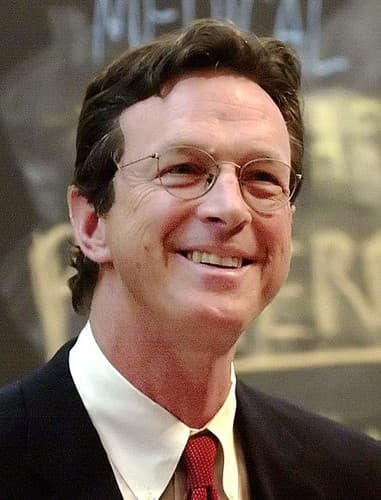
Michael Crichton was an American author and filmmaker known for his contributions to the science fiction genre. His notable works include Jurassic Park, The Andromeda Strain, Timeline, Sphere, Congo, and State of Fear, many of which explore themes of technology and its impact on society. Crichton's writing often blends scientific concepts with thrilling narratives, making him a significant figure in contemporary literature.
Similar books
- Jurassic Park
Michael Crichton
4.0 (803k) average on GoodreadsThrillerExplores the dangers of unchecked genetic engineering and corporate hubris through a thrilling, multi-perspective narrative.
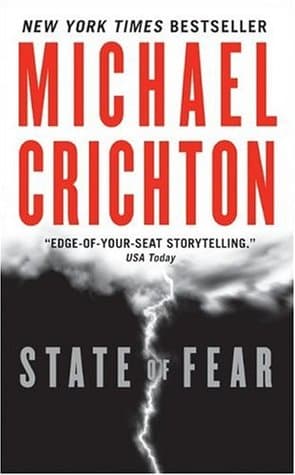
- State of Fear
Michael Crichton
3.7 (81k) average on GoodreadsPoliticsFeatures a complex plot with multiple locations, a large cast, and a focus on scientific controversy and conspiracy.
- The Andromeda Strain
Michael Crichton
3.9 (223k) average on GoodreadsThrillerA fast-paced scientific thriller dealing with the potential catastrophic consequences of biological research.
- Brave New World
Aldous Huxley
4.0 (1.4M) average on GoodreadsFantasyWhile Next and Brave New World both critique the ethical implications of genetic manipulation and societal control through science, their approaches differ significantly. Huxley's work is a dystopian classic, offering a philosophical and sociological exploration of a world engineered for stability, focusing on themes of identity, freedom, and happiness. Crichton, in Next, adopts a more immediate, action-oriented thriller style, dealing with contemporary legal and corporate battles over genetic property. Brave New World provides a more profound and enduring philosophical commentary on human nature and engineered societies, while Next offers a more accessible, albeit less cohesive, warning about the near-term dangers of unchecked biotech.
- Never Let Me Go
Kazuo Ishiguro
3.8 (471k) average on GoodreadsLiterary FictionBoth Next and Never Let Me Go delve into the ethical quagmires of genetic engineering, specifically the creation and exploitation of human-like beings. However, Ishiguro's novel offers a profoundly introspective, character-driven exploration of identity, memory, and dignity through the eyes of clones raised for organ donation. The emotional depth and subtle horror of Never Let Me Go stand in stark contrast to Crichton's more explicit, plot-driven, and often sensationalistic approach in Next. Ishiguro's work provides a more nuanced and heartbreaking meditation on what it means to be human in a world capable of genetic manipulation, whereas Crichton prioritizes the scientific and legal thriller aspects.
- Angels & Demons
Dan Brown
3.9 (2.7M) average on GoodreadsThrillerA Harvard symbologist races through Rome's ancient sites, deciphering cryptic clues to unmask the Illuminati and stop a vengeful plot to destroy the Vatican with a stolen antimatter weapon.





Enjoyed the summary?
A summary gives you the shape of the book. The book itself has the detail, the examples and the voice.
Find Next on AmazonAs an Amazon Associate, BookBrief earns from qualifying purchases. How we're funded