
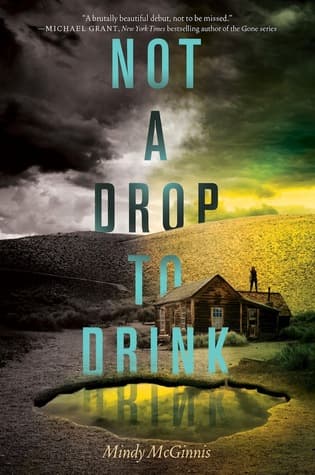
Synopsis
Covers the whole plot, including the ending.
- Difficulty
- Medium
- Pacing
- Moderate
- Mood
- Gritty, Suspenseful, Bleak, Hopeful (eventually)
- Read it if
- You enjoy gritty, survivalist YA fiction with a strong, resourceful female protagonist and a focus on resource scarcity and the human cost of survival.
- Skip it if
- You prefer lighthearted stories, or find themes of extreme scarcity, violence, and a bleak world-state too intense.
Not a Drop to Drink Plot Summary
Covers the whole plot, including the ending.
A Life Defined by Water and Vigilance
Lynn lives a hard, isolated life with her Mother, guarding their pond, the only fresh water in a world with little rain. They live by strict survival rules: every stranger is a threat, and every drop of water is defended with force. Lynn is a good shot, taught by her Mother to shoot first. They constantly watch, hunt for food, and keep their home hidden. One day, Lynn meets a boy named Stebbs. She shoots him in the leg and leaves him after he tries to take water. This act shows the brutal reality of their life and Lynn's belief that survival means protecting their water at any cost.
The Arrival of Strangers and a New Threat
Smoke on the horizon and footprints around the pond alert Lynn and her Mother to new threats. Someone is scouting their location. The tension grows when a woman, Lucy, appears, saying she is lost and needs water. Though Mother is suspicious, Lucy stays for a short time, always watched. Lucy offers companionship and a look at an outside world Lynn has not known. However, Lucy's real goals are unclear, adding to the unease. Lynn remains careful, remembering Mother's lessons about strangers.
Tragedy Strikes and Lynn is Left Alone
The threats lead to a violent attack on their home. Raiders, led by Stebbs (the same boy Lynn shot, now seeking revenge), ambush them. In the fight, Mother is killed defending the pond. Lynn, sad but driven by instinct, fights off the attackers, getting hurt and seeing her only family die. With Mother gone, Lynn is alone, dealing with grief and the big job of protecting the pond. This event breaks her world and makes her rely only on her skills and Mother's harsh lessons.
Eli's Arrival and a Tentative Alliance
After the attack, a boy named Eli appears near the pond. Unlike other strangers, Eli is not aggressive; he is quiet, good at finding things, and seems lost and in need. Lynn, wary and still grieving Mother's death, lets him stay, seeing his potential usefulness and perhaps a need for companionship. Eli hunts well and is a calm presence. Their relationship is based on need and survival, slowly changing from suspicion to trust. Eli helps Lynn with daily survival, and his presence starts to soften Lynn, showing her a different way to live.
The Return of Lucy and the Revelation of a Community
Lucy returns, this time with a more urgent request. She says she is part of a community, a struggling settlement called 'The Grove,' some distance away. Their water source has dried up, and they are desperate. Lucy explains her earlier visit was to scout the pond for her people. This news challenges Lynn's isolated view, making her think about other people trying to survive, not just as threats, but as possible neighbors. Lucy's return also brings the problem of sharing their water, an idea against everything Mother taught Lynn. Lynn struggles with the moral issues and dangers of helping others.
A Journey to The Grove and a Glimpse of Another Life
Driven by curiosity, duty, and a new desire for connection, Lynn agrees to go with Lucy and Eli to The Grove. The journey is hard and dangerous, but it shows Lynn the dry land beyond her familiar woods. At The Grove, Lynn sees many people living together, sharing resources, and trying to rebuild society. She meets people like the kind healer, Mrs. Montgomery, and sees children playing. This experience is a big change for Lynn, who has only known isolation and violence. She sees the community's struggles and their great need for water, which makes her conflict about her pond stronger.
The Threat of Stebbs and His Raiders Looms
Even at The Grove, Stebbs and his raiders are a threat. News reaches the community that Stebbs is looking for water sources and attacking anyone in his way. Lynn realizes her pond is not just her own, but a possible target for Stebbs, who wants revenge on her. The Grove community is also vulnerable, and their low water supply makes them an easy target. This shared enemy creates a bond between Lynn and the people of The Grove, as they realize their survival is linked. Stebbs's threat makes Lynn think about group defense instead of just protecting herself.
The Plan to Defend the Pond and The Grove
Lynn, with her knowledge of the land and her survival skills, helps plan how to defend her pond and The Grove. She trains some community members in basic defense and ambush tactics, using her skills with guns and wilderness survival. Eli, with his quiet strength and tracking abilities, is her partner. The plan involves setting traps, placing lookouts, and preparing for a coordinated defense. Lynn thinks about the irony of teaching others to fight for a resource she once guarded for herself, showing a change in her view from isolation to community responsibility.
The Final Confrontation with Stebbs
The fight with Stebbs and his raiders happens near Lynn's pond. It is a brutal fight. Lynn, Eli, Lucy, and the armed members of The Grove fight to protect their lives and the water. Lynn uses her shooting skills effectively, targeting Stebbs. The fight is intense, with people hurt on both sides. In a key moment, Lynn faces Stebbs, ending his attacks and avenging her Mother's death. The battle shows Lynn's growth, as she fights not just for herself, but for the community she is now part of. The victory is hard-won, but it secures their future, for now.
A New Beginning and the Promise of Community
After the battle, peace settles over the land. Stebbs and his raiders are defeated, and the pond is safe. Lynn, though still affected by her past, begins to heal. She decides to live with The Grove, no longer isolated. She and Eli, whose bond grew during their time together, become important members of the community. Lynn teaches others her survival skills, changing from a lone protector to a valuable leader. The pond, once a symbol of isolation, becomes a symbol of shared survival and hope for a future where people can live together and rebuild, showing Lynn's journey from fierce independence to interdependence.
Principal Figures
Lynn
Protagonist
A fiercely independent and skilled survivor tasked with guarding her family's only water source.
Lynn is a young woman raised in a post-apocalyptic world where fresh water is the most valuable commodity. She is a skilled marksman, hunter, and tracker, taught by her Mother to be ruthless in defending their isolated pond. Her life is defined by vigilance, suspicion of strangers, and a deep understanding of the wilderness. Initially hardened and emotionally closed off, Lynn's journey forces her to confront her isolation and re-evaluate her understanding of survival, community, and humanity. She is pragmatic and lethal, but beneath her tough exterior lies a capacity for loyalty and a yearning for connection.
Relationships: Mother (mentor, sole family, co-protector); Eli (romantic interest, survival partner, confidante); Lucy (initial suspect, later ally and friend); Stebbs (primary antagonist, personal enemy)
Mother
Supporting
Lynn's strict and pragmatic mother, who instills in her the brutal rules of survival.
Mother is Lynn's primary guardian and teacher, responsible for shaping Lynn's worldview and survival skills. She is an unyielding figure, driven by the absolute necessity of protecting their water at all costs. Her lessons are harsh, emphasizing distrust of strangers and the readiness to use lethal force. Though her methods are brutal, they stem from a deep love for Lynn and a desire to ensure her survival in a dangerous world. Her death is a pivotal moment, forcing Lynn to confront the world on her own and re-evaluate the lessons she was taught.
Relationships: Lynn (daughter, student)
Eli
Supporting
A quiet, resourceful boy who becomes Lynn's companion and a romantic interest.
Eli is a young boy who appears at Lynn's pond after Mother's death. He is quiet, observant, and surprisingly resourceful, quickly proving his worth as a hunter and companion. Unlike many characters, he is not initially aggressive, which allows Lynn to slowly develop a fragile trust in him. He brings a sense of calm and stability to Lynn's life and challenges her ingrained isolation. His bond with Lynn deepens into a quiet romance, and he becomes her steadfast partner in both survival and the fight against Stebbs. Eli represents the possibility of connection and a future beyond solitary survival.
Relationships: Lynn (romantic interest, survival partner, friend)
Lucy
Supporting
A woman from a struggling community who seeks water and later becomes an ally.
Lucy is the first stranger Lynn allows to stay, albeit under intense scrutiny. She initially appears as a lost, vulnerable woman, but later reveals her true purpose: scouting for her dying community, The Grove. Lucy is resourceful and persistent, driven by the needs of her people. She acts as a bridge between Lynn's isolated world and the larger, struggling communities. Her presence forces Lynn to consider the broader human struggle for survival and eventually leads Lynn to The Grove. Lucy is a complex character who embodies both the desperation and the resilience of humanity.
Relationships: Lynn (initial suspect, later ally and friend); Eli (acquaintance, fellow community member)
Stebbs
Antagonist
A vengeful raider who targets Lynn and her pond, driven by a past injury.
Stebbs is the primary human antagonist of the story. He is first encountered as a young boy whom Lynn shoots in the leg for trying to take water. He returns later as the ruthless leader of a gang of raiders, seeking revenge on Lynn and desperate for water. Stebbs embodies the brutal, opportunistic side of humanity in this post-apocalyptic world. His relentless pursuit of Lynn and her pond drives much of the conflict, representing the constant external threat to their survival. He is a cruel and determined adversary, whose actions force Lynn to hone her combat skills and eventually unite with others.
Relationships: Lynn (mortal enemy)
Mrs. Montgomery
Supporting
A kind and wise healer from The Grove.
Mrs. Montgomery is an elder and healer within The Grove community. She embodies compassion, wisdom, and a more nurturing approach to survival than Lynn has ever known. She tends to the injured and offers comfort, representing the softer, yet equally vital, aspects of rebuilding society. Her kindness helps Lynn to see that not all strangers are threats and that there is value in caring for others. She provides a maternal figure for Lynn in the absence of her own Mother, offering a different perspective on strength and resilience.
Relationships: Lynn (mentor, maternal figure); Lucy (community member)
The Grove Community
Mentioned/Collective Supporting
A struggling settlement of survivors representing a nascent attempt at rebuilding society.
The Grove is a community of survivors that Lucy belongs to, representing a collective effort to live beyond mere individual survival. They are desperate for water and face constant threats from raiders and the harsh environment. They are a diverse group, including children, elders, and fighters, all striving for a semblance of normalcy and safety. Their existence challenges Lynn's isolated worldview and ultimately provides her with a place to belong and a purpose beyond just guarding her pond. They represent hope for a future where humanity can rebuild and cooperate.
Relationships: Lynn (new member, protector); Lucy (member); Eli (new member)
Themes & Insights
Survival and Adaptation
The novel's main theme is the realities of survival in a world without clean water. Lynn's life is shaped by the need to adapt to scarcity, danger, and the harsh environment. This appears in her hunting and shooting skills, her ability to use few resources, and her defense of the pond. The novel shows how people and communities change their morals and methods to survive, often at a high personal cost. The Grove community's struggle for water and protection is another part of this theme.
“Regret was for people with nothing to defend, people who had no water.”
Isolation vs. Community
Lynn's life starts in extreme isolation with her Mother, where every stranger threatens their only resource. This isolation creates deep distrust of others and a belief that self-reliance is the only way to survive. However, through her interactions with Eli and Lucy, and her journey to The Grove, Lynn must face the limits and emotional cost of total isolation. The novel explores the conflict between the perceived safety of being alone and the human need for connection, cooperation, and strength in numbers. Lynn's change shows the power of community.
“The pond was hers. It was everything. And sometimes, everything wasn't enough.”
Loss and Grief
Loss is everywhere in the story. The world itself has suffered great loss, leading to water scarcity. More personally, Lynn feels deep grief after her Mother, her only family, dies. This loss makes her grow up fast and face the world alone, while also shaping her choices and feelings. The novel shows the raw pain of loss and how it can both harden and motivate someone. The collective loss felt by the people of The Grove, especially their dwindling water supply and loved ones, also highlights this theme.
“The silence was the loudest thing in the world, now that Mother was gone.”
Morality and Ethics in Desperation
Water scarcity forces characters to make hard, often morally unclear choices. Lynn and her Mother's 'shoot first' rule, leaving people to die of thirst, challenges common ethics. The novel asks readers to consider what lines are crossed when survival is most important. Characters like Lucy and Stebbs also operate within their own desperate moral rules. The story explores whether compassion is a luxury in a dying world, or if it is needed to rebuild society. Lynn's journey involves re-evaluating her inherited moral code and finding a balance between protection and humanity.
“Water meant life. And life meant killing to keep it.”
Coming of Age
At its core, the novel is a coming-of-age story for Lynn. She begins as a girl following her Mother's teachings, but through traumatic events and new relationships, she becomes her own person. She learns to make her own decisions, question old beliefs, and define her own morals. Her journey from a solitary, tough protector to a leader in a community marks her change from childhood dependence to adult responsibility and self-discovery. She learns about love, loss, and the complexities of human connection.
“She was alone. She was free. She was terrified.”
Plot Devices & Literary Techniques
The Pond as a Symbol
Represents life, scarcity, and the central conflict of survival.
The pond is not just a geographical location but a powerful symbol in the novel. It represents life itself in a parched world, the ultimate resource to be defended at all costs. Its scarcity drives all conflict and shapes the characters' moral choices. For Lynn, it initially symbolizes her isolation and the brutal lessons of her Mother. As the story progresses, it evolves to also symbolize hope, the potential for shared future, and the reason for community. Its protection is the driving force behind every major plot point and decision.
First-Person Limited Perspective
Allows deep insight into Lynn's isolated and hardened mindset.
The story is told entirely from Lynn's perspective, providing an intimate look into her thoughts, fears, and observations. This narrative choice immerses the reader in her harsh reality and allows for a nuanced understanding of her internal struggles as she grapples with her Mother's teachings, the arrival of strangers, and the concept of community. It highlights her transformation as her worldview gradually expands beyond her isolated existence, making her emotional journey more impactful and personal.
Post-Apocalyptic Setting
Creates a backdrop of extreme scarcity and danger, shaping character motivations.
The novel's setting is a world devastated by drought, where environmental collapse has led to extreme resource scarcity, particularly water. This setting is crucial as it creates the high stakes for every action and decision. It justifies the characters' ruthless behavior and the constant threat of violence. The barren landscape, dried-up rivers, and the desperate search for water are not just scenery but active forces that drive the plot, define character motivations, and underscore the novel's themes of survival and morality.
Foreshadowing (e.g., Mother's warnings)
Builds tension and prepares the reader for inevitable conflicts and tragedies.
The novel frequently uses foreshadowing, particularly through Mother's constant warnings about strangers and the dangers of the outside world. These warnings, often delivered with a grim certainty, build a pervasive sense of dread and prepare the reader for the inevitable attacks and betrayals. For example, Mother's insistence on constant vigilance and her lessons on shooting first strongly hint at the violent confrontations to come, making events like her own death feel both tragic and, in a way, anticipated within the established rules of their world.
Not a Drop to Drink Quotes
“When you have nothing, you have nothing to lose.”
“Water is life. Life is water.”
“You can't save everyone, Lynn. Sometimes you just have to save yourself.”
“Fear is a weapon. Use it.”
“The world doesn't care about your feelings. It only cares if you can survive.”
“Sometimes the hardest choices are the only choices.”
“Hope is a dangerous thing in a world with no water.”
“A promise is only as good as the person who makes it.”
“The silence was louder than any scream.”
“We are all just trying to make it to tomorrow.”
“Love can be a weakness, or it can be the strongest thing you have.”
“Every drop counts. Every single one.”
“You learn to read the land, to read the sky. They tell you everything you need to know.”
“The past is gone. There's only now, and what you do with it.”
Quiz
10 questions on the plot and the characters. Each answer comes with a short explanation.
Question 1
What is Lynn's primary responsibility and the most valuable resource she defends?
- Her family's farm
- A hidden cache of food supplies
- A freshwater pond
- A well-protected shelter
Show answer
C. A freshwater pond The book explicitly states Lynn's main duty is to protect her pond, which is the only source of water in their barren world.
Question 2
Who taught Lynn the skills necessary to protect her home and its resources?
- Her father
- Her grandmother
- Her mother
- A former soldier
Show answer
C. Her mother The synopsis mentions, 'something Mother taught her well during their quiet hours on the rooftop, rifles in hand,' indicating her mother was her primary teacher in survival and defense.
Question 3
What is Lynn's initial perspective on the world beyond her immediate surroundings?
- She is curious and eager to explore it.
- She has no use for it, preferring self-reliance.
- She fears it but knows she must eventually venture out.
- She believes it holds the key to a better life.
Show answer
B. She has no use for it, preferring self-reliance. The text states, 'Confident in her own abilities, Lynn has no use for the world beyond the nearby fields and forest,' highlighting her self-sufficient and isolated mindset.
Question 4
What event signals the immediate threat to Lynn's isolated existence?
- A sudden, severe drought
- A large animal attacking their livestock
- Wisps of smoke on the horizon
- A message left by a passing trader
Show answer
C. Wisps of smoke on the horizon The synopsis explicitly states, 'But wisps of smoke on the horizon mean one thing: strangers,' indicating the arrival of external threats.
Question 5
What is the primary motivation for the strangers who begin to appear near Lynn's pond?
- To establish trade routes
- To seek refuge from a larger conflict
- To find a source of fresh water
- To recruit Lynn for their community
Show answer
C. To find a source of fresh water The text clearly states, 'Lynn has exactly what they want, and they won’t stop until they get it…' and earlier mentions 'people looking for a drink,' implying water is their primary objective.
Question 6
The world in 'Not a Drop to Drink' is depicted as being in what state?
- Technologically advanced but socially fragmented
- Recovering from a past war with abundant resources
- Barren and scarce, especially regarding water
- A lush, untamed wilderness thriving without human interference
Show answer
C. Barren and scarce, especially regarding water The phrase 'barren world not so different than our own' and the constant struggle for water strongly suggest a post-apocalyptic or dystopian setting with extreme scarcity.
Question 7
What does the line 'Regret was for people with nothing to defend, people who had no water' imply about Lynn's character and the book's themes?
- Lynn is apathetic and lacks empathy for others' suffering.
- Survival is paramount, and emotional luxuries like regret are secondary to defending vital resources.
- Lynn believes that those without water are inherently weak and deserve their fate.
- The story will focus on Lynn's internal struggle with past mistakes.
Show answer
B. Survival is paramount, and emotional luxuries like regret are secondary to defending vital resources. This quote establishes a core theme: in a world of extreme scarcity, survival and the defense of resources override personal feelings or past grievances. Regret is a luxury when existence is a constant battle.
Question 8
Which of the following is NOT listed as an immediate threat to Lynn's pond?
- Drought
- Coyotes
- Wildfires
- People looking for a drink
Show answer
C. Wildfires The text lists 'drought, a snowless winter, coyotes, and, most importantly, people looking for a drink' as threats. Wildfires are not explicitly mentioned in the synopsis.
Question 9
How does Lynn ensure that visitors to her pond 'leave thirsty, or doesn't leave at all'?
- By setting traps around the perimeter
- By poisoning the water to deter them
- Through aggressive defense, including potential lethal force
- By negotiating strict terms for water access
Show answer
C. Through aggressive defense, including potential lethal force The phrase 'or doesn't leave at all' combined with 'rifles in hand' and the overall tone of constant vigilance and defense strongly implies Lynn is willing to use lethal force to protect her water source.
Question 10
The synopsis suggests the book will explore themes of survival, danger, and romance. How does the initial description of Lynn's life set up the potential for romance?
- It highlights her loneliness and desire for companionship.
- Her isolation and focus on survival create a contrast that makes the introduction of romance a significant, transformative element.
- Her mother encourages her to find a partner to help defend the pond.
- The 'quiet hours on the rooftop' are implied to be a setting for romantic encounters.
Show answer
B. Her isolation and focus on survival create a contrast that makes the introduction of romance a significant, transformative element. Lynn's initial characterization as fiercely independent, isolated, and solely focused on survival ('no use for the world beyond') sets up a strong contrast. Any romance introduced would therefore be a significant shift, challenging her established worldview and creating dramatic tension, as promised by the synopsis.
Not a Drop to Drink FAQ
What is Not a Drop to Drink about?
Not a Drop to Drink is a dystopian young adult novel set in a world ravaged by a severe water shortage. It follows Lynn, a teenage girl living with her mother by a hidden pond, their sole source of fresh water. Their existence revolves around protecting this vital resource from desperate outsiders, leading to a harsh and isolated life focused on survival and the constant threat of those seeking their water.
Why should I read Not a Drop to Drink?
You should read Not a Drop to Drink for its gritty, realistic portrayal of survival in a post-apocalyptic world, its exploration of the human cost of resource scarcity, and its compelling character development. The novel offers a unique perspective on family, loyalty, and the brutal decisions required to protect what's yours, all wrapped in spare, evocative prose.
What is the background/setting of Not a Drop to Drink?
The story is set in a near-future, post-apocalyptic rural America, where a global drought has rendered most water sources toxic or dried up. Society has collapsed into scattered, desperate communities and lone survivors. Lynn's home is a secluded farmstead, with her pond being a rare, uncontaminated oasis amidst vast, barren landscapes, making it a constant target.
What are the most memorable quotes?
One memorable quote is, 'Regret was for people with nothing to defend, people who had no water,' which encapsulates Lynn's harsh philosophy. Another is, 'Every drop of blood cost a drop of water,' highlighting the direct link between violence and the precious resource. These lines underscore the brutal realities of their existence.
What writing style does the author use?
Mindy McGinnis employs a spare, economical writing style characterized by short sentences and direct language. This minimalist approach enhances the grim atmosphere and highlights the characters' pragmatic, survival-driven mindset. The prose is often stark and raw, reflecting the harshness of Lynn's world.
What minor details add significant meaning?
The repeated mention of Lynn's mother teaching her to shoot from the rooftop, emphasizing precision and patience, underscores the generational knowledge of survival. Also, the description of the 'snowless winter' highlights the severity of the drought, indicating that even natural cycles have been disrupted, deepening the sense of an irrevocably changed world.
What are some subtle foreshadowing moments?
Early descriptions of Lynn's mother's increasing frailty and cough subtly foreshadow her eventual illness and death, hinting at the vulnerability even the most prepared survivors face. The initial sighting of smoke on the horizon and mysterious footprints by the pond are direct foreshadowing of the escalating threats and arrival of strangers.
What unexpected character connections exist?
An unexpected connection forms between Lynn and Stebbs, a boy she initially views as a potential threat, and later, a romantic interest. Their shared understanding of survival and the harshness of their world creates a bond that transcends their initial mistrust. Additionally, the eventual discovery of Lucy's hidden family connection to Stebbs's group adds an unexpected layer to the narrative.
What are unspoken character motivations?
Lynn's mother's unspoken motivation is to ensure Lynn's survival and self-sufficiency, even at the cost of her own life and Lynn's emotional well-being. She pushes Lynn to be ruthless because she understands the brutal reality Lynn will face alone. Stebbs's initial motivations are driven by his group's desperation for water, but his actions are also subtly influenced by a desire for a more stable, less violent existence, hinted at through his interactions with Lynn.
What psychological complexities do characters exhibit?
Lynn exhibits complex psychological traits, including a deep-seated paranoia born from constant threat and a struggle to reconcile her learned ruthlessness with burgeoning empathy. Her initial inability to grieve her mother immediately showcases a survival mechanism, prioritizing action over emotion. Stebbs, too, grapples with the morality of his group's actions versus his own sense of right and wrong, showing a conflict between loyalty and personal conscience.
What are the major emotional turning points?
A major emotional turning point is Lynn's mother's death, which forces Lynn to confront true solitude and take full responsibility for her survival and the pond. Another is Lynn's decision to trust Stebbs and allow him to stay, marking a shift from absolute isolation to tentative connection. The birth of Lucy's baby also signifies a profound emotional shift, introducing a new life and hope into a seemingly hopeless world.
How do relationship dynamics evolve?
The relationship between Lynn and her mother evolves from a mentor-apprentice dynamic, focused on survival skills, to one where Lynn must assume the role of protector as her mother weakens. Lynn's relationship with Stebbs transforms from wary adversaries to tentative allies, then to a romantic bond built on mutual respect and shared struggle. The arrival of Lucy and her baby further expands Lynn's understanding of family and community beyond just blood relatives.
Which parts remain ambiguous or open-ended?
The ultimate fate of the wider world beyond Lynn's immediate vicinity remains largely ambiguous. While the drought is global, the scale of societal collapse and any potential for recovery are left unclear. The long-term stability of Lynn's new, expanded 'family' at the pond, and the continued threats they might face from other desperate groups, are also open-ended, leaving readers to ponder their future.
What are controversial scenes or decisions?
One controversial aspect is Lynn's mother's unwavering ruthlessness, teaching Lynn to kill without hesitation to protect their water, which can be seen as both pragmatic and morally grey. Lynn's own early decisions to eliminate threats, even those who seem less aggressive, are also controversial, forcing readers to question the line between self-preservation and cruelty in extreme circumstances.
Not a Drop to Drink ending explained: how it ends & what it means
The book ends with Lynn, Stebbs, Lucy, and the baby forming a new, fragile family unit at the pond. They have survived the immediate threats, and Stebbs has committed to staying with Lynn. The ending signifies a shift from isolated, brutal survival to the beginning of building a small community based on trust and shared responsibility. It means that even in a devastated world, hope for connection and a future, however precarious, can emerge from the ruins.
Similar books
- The Road
Cormac McCarthy
4.0 (716k) average on GoodreadsScience FictionShares a similar bleak, post-apocalyptic survival theme with a strong focus on resource scarcity and constant danger.
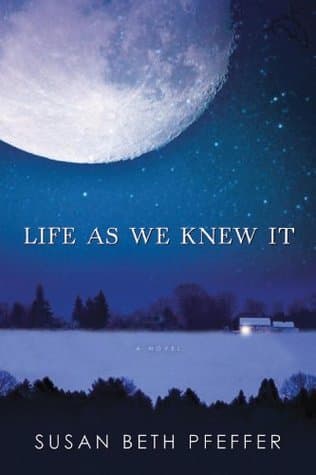
- Life As We Knew It
Susan Beth Pfeffer
3.9 (113k) average on GoodreadsFantasyFeatures a young female protagonist dealing with the collapse of society and the struggle for basic resources in a diary format.
- Harry Potter and the Sorcerer's Stone
J.K. Rowling
4.5 (7M) average on GoodreadsFantasyRescued from a miserable life under the stairs, an orphaned boy discovers he's a wizard destined for a magical school, where he uncovers a dangerous secret tied to the dark wizard who murdered his parents.
- The Hunger Games
Suzanne Collins
4.3 (6.4M) average on GoodreadsFantasyIn a future where children fight to the death on live television, Katniss Everdeen volunteers for the arena, turning a death sentence into a fight for survival and a spark of rebellion.
- 1984
George Orwell
4.2 (3.1M) average on GoodreadsPoliticsIn a future where surveillance and thought control are absolute, a man's search for truth clashes with the Party, showing that hope can be a form of rebellion.
- Divergent
Veronica Roth
4.2 (2.9M) average on GoodreadsFantasyIn a society divided by virtues, a sixteen-year-old's difference from the norm starts a rebellion that threatens her world.





Enjoyed the summary?
A summary gives you the shape of the book. The book itself has the detail, the examples and the voice.
Find Not a Drop to Drink on AmazonAs an Amazon Associate, BookBrief earns from qualifying purchases. How we're funded