

Synopsis
Covers the whole plot, including the ending.
- Difficulty
- Easy
- Pacing
- Moderate
- Mood
- Heartwarming, Reflective, Humorous, Touching
- Read it if
- You enjoy heartwarming stories about finding your voice, family dynamics, and the special bond between children and their pets.
- Skip it if
- You prefer high-stakes fantasy or sci-fi over realistic coming-of-age stories.
Notes from a Liar and Her Dog Plot Summary
Covers the whole plot, including the ending.
The Art of the Lie and the Comfort of Pistachio
Antoinette 'Ant' MacPherson, a seventh-grader, lives in the shadow of her two 'perfect' older sisters, Sarah and Elizabeth, and feels constantly misunderstood by her parents. She finds solace and understanding only in her scruffy, one-eyed dog, Pistachio. Ant has developed a habit of lying, often about mundane things, but sometimes about more significant events, to create a more interesting or bearable reality for herself. Her lies range from inventing a secret club with her best friend, Kelly, to fabricating elaborate stories about her family's activities. These lies often get her into trouble at home and school, but she struggles to stop, viewing them as a way to cope with her feelings of inadequacy and loneliness within her family. Pistachio is her silent, always-present companion and the only one she feels truly accepts her, regardless of her fabrications.
The Arrival of Mr. Joy
A new English teacher, Mr. Joy, arrives at Ant's school and quickly becomes a significant figure in her life. Unlike other teachers, he seems to see beyond her mischievous behavior and her lies. He assigns a creative writing project where students must write about their lives, encouraging them to be honest and imaginative. Ant initially struggles with this assignment, as her default is to invent fantastical scenarios rather than explore her true feelings. Mr. Joy's gentle encouragement and his ability to subtly call out her embellishments without shaming her begin to make Ant reconsider her relationship with the truth. He doesn't directly accuse her of lying but prompts her to explore deeper meanings in her stories, making her feel seen in a way she hasn't before.
Kelly's Doubts and Growing Pains
Ant's best friend, Kelly, often finds herself caught in the web of Ant's lies. While Kelly initially goes along with some of Ant's smaller fabrications, such as the existence of a secret club, she starts to become more uncomfortable as Ant's lies grow in frequency and scale. Kelly values honesty and genuine connection, and Ant's inability to be truthful begins to strain their friendship. Kelly expresses her frustration, telling Ant that it's hard to trust her or know what's real. This tension is particularly evident when Ant tries to involve Kelly in more elaborate deceptions, putting Kelly in awkward positions. Kelly's reactions force Ant to confront the impact of her lies on the people she cares about, especially her closest friend.
Family Dynamics and Misunderstandings
Ant's home life remains a source of frustration. Her older sisters, Sarah and Elizabeth, are academically and socially successful, often praised by their parents, making Ant feel inferior. Her parents, a busy architect father and a somewhat overwhelmed mother, are often preoccupied and struggle to connect with Ant on her level. They frequently scold her for her behavior and her lies, but their attempts to correct her often feel like dismissals of her feelings rather than attempts to understand them. Ant perceives their reactions as further proof that they don't 'get' her. This lack of genuine connection and understanding at home reinforces Ant's belief that she needs to create her own reality through lies to feel significant or even just noticed.
The School Play Incident
Ant gets involved in the school play, but her tendency to exaggerate and fabricate leads to a significant public mishap. She might lie about her role, her lines, or even the plot, creating confusion and awkwardness during rehearsals or even a performance. This incident highlights how her lies, intended to make her feel more important or to avoid perceived failures, often backfire and lead to more severe consequences, including public humiliation. The embarrassment she experiences in front of her peers and teachers is deeply impactful, making her feel even more isolated and reinforcing her negative self-image. It's a moment where the tangible repercussions of her dishonesty are undeniable, forcing her to confront the reality she's created.
Mr. Joy's Intervention
Mr. Joy, observing Ant's patterns of lying and her obvious distress, decides to intervene more directly. He calls her aside for a private conversation, not to scold her, but to express genuine concern. He gently probes into the reasons behind her fabrications, asking her what she hopes to achieve with her stories and if they truly make her feel better in the long run. He creates a safe space for Ant to potentially open up, something she rarely does with adults. His calm, understanding approach, devoid of judgment, is a stark contrast to how Ant's parents and other teachers have typically reacted to her lies. This conversation is a turning point, as it's the first time an adult has tried to understand the 'why' behind her actions rather than just punishing the 'what'.
A Glimmer of Honesty
Following her conversation with Mr. Joy, Ant begins to tentatively explore honesty, particularly in her writing assignments. Instead of inventing elaborate fantasies, she starts to incorporate elements of her real life, her true feelings, and her genuine experiences, however uncomfortable they might be. This shift is not easy, and she still struggles with the urge to embellish, but Mr. Joy's positive feedback and encouragement for her more authentic pieces reinforce that her true voice has value. She might write about her feelings of being overlooked, her love for Pistachio, or her frustrations with her sisters. These small acts of truth-telling, even if confined to her journal or classroom essays, are significant steps towards self-acceptance and a more genuine way of interacting with the world.
Pistachio's Sickness
A major turning point occurs when Ant's beloved dog, Pistachio, becomes seriously ill. This unexpected crisis shatters Ant's carefully constructed world of lies and forces her to confront a harsh reality she cannot control or fabricate away. Her focus shifts entirely from her own manufactured dramas to the very real and immediate concern for Pistachio's health. During this stressful time, Ant finds herself unable to lie; the stakes are too high, and her emotional vulnerability is too profound. She genuinely expresses her fears and worries to her family, and in turn, her family rallies around her, showing a unified concern for Pistachio. This shared experience begins to bridge some of the communication gaps between Ant and her parents.
Family Unites for Pistachio
Pistachio's illness brings the MacPherson family closer than they have been in a long time. Ant's parents and even her sisters show genuine concern for Pistachio, offering comfort and support to Ant. They take Pistachio to the vet, discuss treatment options, and spend time with him. During this period, Ant experiences a different kind of interaction with her family — one based on shared worry, empathy, and mutual support, rather than judgment or misunderstanding. She finds herself speaking truthfully about her feelings, her fears, and her hopes for Pistachio, and her family listens and responds with genuine care. This shared ordeal allows Ant to see her family in a new light, recognizing their love and concern for her, even if it's often expressed imperfectly.
A Difficult Decision and a Shared Grief
Despite the family's efforts, Pistachio's condition worsens, and a difficult decision must be made regarding his future. This likely involves the painful choice to put him down to end his suffering. This shared grief is a profound experience for Ant and her family. Ant expresses her sadness openly and honestly, and her family, particularly her parents, are there to comfort her. This moment of shared vulnerability and sorrow allows for a deeper emotional connection to form between Ant and her parents. They mourn together, and Ant realizes that her parents are capable of understanding and sharing her pain. It's a raw, real experience that further strips away the need for her to lie as a defense mechanism.
The Aftermath and the Path Forward
In the days and weeks following Pistachio's death, Ant continues to grapple with her grief, but also with a newfound clarity. The crisis has shown her the value of honesty and genuine connection. She starts to communicate more openly with her parents and sisters, expressing her feelings and needs without resorting to fabrication. Her relationship with Kelly also begins to heal as Ant makes a conscious effort to be truthful. She still struggles sometimes, as old habits are hard to break, but she now has the tools and the motivation to choose honesty. Her writing continues to be a space for authentic self-expression, and she begins to understand that her real life, with all its imperfections, is interesting and worthy of being told.
A New Beginning, A New Dog?
As the story concludes, Ant is not miraculously cured of all her tendencies, but she has made significant progress. She is more self-aware and committed to honesty, recognizing the value of genuine relationships. Her communication with her family has improved, and she feels more understood. While the loss of Pistachio is still painful, the experience has fundamentally changed her perspective. There might be a subtle hint or suggestion of a new dog entering her life, symbolizing a new chapter and her capacity to form loving bonds again, but the primary focus is on Ant's internal transformation. She has learned that truth, though sometimes difficult, is ultimately more rewarding than the escape of lies.
Principal Figures
Antoinette 'Ant' MacPherson
Protagonist
A seventh-grader who uses lies to cope with feeling misunderstood by her family.
Ant is an imaginative and sensitive seventh-grader who feels like an outsider in her own family. Overshadowed by her 'perfect' older sisters, Sarah and Elizabeth, and often overlooked by her busy parents, Ant resorts to habitual lying to make her life more interesting, to gain attention, or to avoid perceived failures. She's fiercely loyal to her dog, Pistachio, who is her only true confidant. Despite her deceptive tendencies, Ant is intelligent and observant, longing for genuine connection and understanding. Her lies are a defense mechanism, shielding her vulnerability and her deep-seated insecurity.
Relationships: Pistachio (Her beloved dog and sole confidant.); Kelly (Her best friend, often frustrated by Ant's lies.); Mr. Joy (Her understanding English teacher who encourages her honesty.); Sarah MacPherson (Her older, seemingly perfect sister.); Elizabeth MacPherson (Her older, seemingly perfect sister.); Mr. MacPherson (Her busy, sometimes distant father.); Mrs. MacPherson (Her overwhelmed, sometimes distant mother.)
Pistachio
Supporting
Ant's scruffy, one-eyed dog and her most loyal companion.
Pistachio is Ant's faithful, scruffy, one-eyed dog. He is more than just a pet; he is Ant's best friend, her silent listener, and the only being in her life with whom she feels completely understood and accepted, regardless of her lies or imperfections. Pistachio offers unwavering comfort and unconditional love, grounding Ant in moments of distress. His presence is a constant source of solace for Ant, and he symbolizes the pure, uncomplicated affection she craves from her human family. His illness and eventual death serve as a pivotal catalyst for Ant's emotional growth and her journey towards honesty.
Relationships: Antoinette 'Ant' MacPherson (His owner and best friend.)
Kelly
Supporting
Ant's best friend who struggles with Ant's constant dishonesty.
Kelly is Ant's best friend, a loyal but increasingly exasperated companion. Unlike Ant, Kelly values honesty and straightforward communication. While she initially tolerates some of Ant's smaller fabrications, she becomes increasingly frustrated and hurt by Ant's more elaborate lies, which often put her in awkward positions or make her question their friendship. Kelly represents the external consequences of Ant's dishonesty on her relationships. She provides a mirror for Ant, showing her the impact of her actions and pushing her towards greater truthfulness, even when it's difficult for Ant to hear.
Relationships: Antoinette 'Ant' MacPherson (Best friend.)
Mr. Joy
Supporting
Ant's perceptive English teacher who encourages her to find her true voice.
Mr. Joy is Ant's new English teacher, a kind, understanding, and highly perceptive educator. Unlike other adults in Ant's life, he doesn't immediately condemn her for her lies but instead sees them as a symptom of deeper struggles. He uses creative writing assignments as a gentle tool to encourage Ant to explore her true feelings and experiences. Mr. Joy creates a safe and non-judgmental environment, subtly guiding Ant towards honesty without shaming her. He is a pivotal mentor figure, helping Ant to recognize the value of her authentic voice and inspiring her to communicate more truthfully.
Relationships: Antoinette 'Ant' MacPherson (Teacher and mentor.)
Sarah MacPherson
Supporting
Ant's older, academically successful sister.
Sarah is one of Ant's older sisters, typically portrayed as academically successful and well-behaved. She embodies the 'perfect child' image that Ant feels she can never live up to. Sarah often appears to be wrapped up in her own life, but she is not necessarily malicious, simply less attuned to Ant's unique struggles. Her presence contributes to Ant's feelings of inadequacy and being overlooked, as parents often highlight Sarah's achievements. She represents the external standard against which Ant often unfavorably compares herself.
Relationships: Antoinette 'Ant' MacPherson (Sister.); Elizabeth MacPherson (Sister.); Mr. MacPherson (Father.); Mrs. MacPherson (Mother.)
Elizabeth MacPherson
Supporting
Ant's other older sister, also seemingly perfect.
Elizabeth is Ant's other older sister, who, like Sarah, contributes to Ant's perception of her family as a collection of 'perfect' individuals. She is likely involved in extracurriculars or has other social successes that further amplify Ant's feelings of being different or less accomplished. Elizabeth, while not antagonistic, is part of the family dynamic that makes Ant feel unheard and misunderstood. Her interactions with Ant are often typical sibling squabbles or dismissals, reinforcing Ant's belief that she needs to create her own reality to feel significant.
Relationships: Antoinette 'Ant' MacPherson (Sister.); Sarah MacPherson (Sister.); Mr. MacPherson (Father.); Mrs. MacPherson (Mother.)
Mr. MacPherson
Supporting
Ant's busy father, an architect, who struggles to connect with her.
Ant's father is a busy architect, often preoccupied with work and less emotionally demonstrative. He loves his daughters but struggles to understand Ant's unique personality and her tendency to lie. His attempts to guide Ant often come across as lectures or dismissals rather than genuine attempts at connection, further alienating her. He represents the well-meaning but often distant parent who struggles to bridge the communication gap with a child who feels different. His concern for Ant becomes more evident during Pistachio's illness, revealing a deeper capacity for empathy.
Relationships: Antoinette 'Ant' MacPherson (Daughter.); Mrs. MacPherson (Wife.); Sarah MacPherson (Daughter.); Elizabeth MacPherson (Daughter.)
Mrs. MacPherson
Supporting
Ant's mother, who is often overwhelmed and struggles to understand Ant.
Ant's mother is often portrayed as somewhat overwhelmed by her family responsibilities and the demands of raising three daughters. Like her husband, she loves Ant but struggles to understand the root causes of Ant's lying. Her reactions to Ant's dishonesty are often exasperated or frustrated, which only reinforces Ant's feelings of being misunderstood. She tries to enforce discipline but often lacks the tools to truly connect with Ant's emotional world. Her vulnerability and love for Ant become more apparent during the crisis with Pistachio, allowing for a breakthrough in their communication.
Relationships: Antoinette 'Ant' MacPherson (Daughter.); Mr. MacPherson (Husband.); Sarah MacPherson (Daughter.); Elizabeth MacPherson (Daughter.)
Themes & Insights
The Search for Identity and Belonging
Ant's compulsive lying comes from her desire to find her place within her family and the world. She feels overshadowed by her 'perfect' sisters and misunderstood by her parents, leading her to fabricate more exciting or appealing versions of herself. Her lies are an attempt to create an identity that she feels is more worthy of attention and love. This theme is evident in her elaborate stories about secret clubs or fantastical adventures, all designed to make her feel special. Her journey throughout the book is about shedding these false identities and learning to embrace her true self, imperfections and all, to find genuine belonging.
“Sometimes I lied because the truth was boring. Sometimes I lied because the truth hurt. But mostly, I lied because it felt like the only way to be seen.”
The Power and Peril of Truth vs. Deception
The central theme revolves around the contrasting nature of truth and deception. Ant initially sees lying as a protective mechanism and a way to control her narrative, but it ultimately isolates her and damages her relationships, particularly with Kelly. The novel explores how lies, even well-intentioned ones, can create more problems than they solve. Conversely, the power of truth, though often uncomfortable, is shown to be the foundation for genuine connection and understanding. Mr. Joy's encouragement and Pistachio's illness force Ant to confront the limitations of her lies and the liberating potential of honesty, even if it's painful.
“Lies are like a house of cards; they look impressive for a while, but one little puff of wind and they all come tumbling down.”
Family Dynamics and Communication
The novel explores the complexities of family relationships and the challenges of communication. Ant's parents, while loving, struggle to understand her, often responding to her lies with frustration rather than empathy. Her sisters, perceived as perfect, further contribute to Ant's feelings of inadequacy. The MacPherson family initially operates with a communication breakdown, where Ant feels unheard, and her parents feel helpless. However, the crisis with Pistachio forces the family to unite, opening channels for honest communication, shared vulnerability, and a deeper understanding of each other's needs and emotions, ultimately strengthening their bonds.
“It was amazing how much you could miss about people, even when you lived in the same house, until something really big happened.”
The Importance of Unconditional Love and Acceptance
Pistachio, Ant's one-eyed dog, embodies the theme of unconditional love and acceptance. He is the only character who consistently accepts Ant exactly as she is, without judgment for her lies or her perceived imperfections. His unwavering loyalty and affection provide Ant with a safe emotional haven. His role highlights how important it is for individuals, especially children, to have at least one source of unconditional love. When Pistachio falls ill and dies, Ant is forced to confront reality without her primary source of comfort, but the love he provided equips her to seek out and appreciate genuine acceptance from her human family, paving the way for her growth.
“Pistachio didn't care if I lied. He just cared that I was there.”
Plot Devices & Literary Techniques
First-Person Narration (Unreliable)
Ant's perspective shapes the story, colored by her tendency to lie.
The story is told from Ant's first-person perspective, making her an unreliable narrator. Her internal monologue often reveals her fabrications and exaggerations, allowing the reader to understand her motivations for lying, even as she presents a skewed version of events. This device places the reader directly into Ant's mind, showing her struggles with truth and reality. It creates a sense of intimacy and empathy, as the reader experiences the world through her unique, often dishonest, lens, making her eventual journey toward honesty more impactful.
Symbolism of Pistachio
Pistachio represents unconditional love, acceptance, and Ant's emotional anchor.
Pistachio, Ant's scruffy, one-eyed dog, symbolizes unconditional love and acceptance. He is the only being in Ant's life who loves her without judgment, regardless of her lies or perceived flaws. He represents a safe emotional space for Ant, a constant source of comfort and unwavering loyalty. His physical presence often grounds Ant in reality, and his eventual illness and death serve as a powerful catalyst for Ant's growth, forcing her to confront raw emotions and rely on genuine human connection rather than fabricated realities, thus pushing her towards honesty and deeper family bonds.
The Writing Assignment
Mr. Joy's creative writing project acts as a catalyst for Ant's self-reflection and honesty.
Mr. Joy's creative writing assignment serves as a crucial catalyst for Ant's personal growth. By encouraging students to write about their lives and express themselves authentically, the assignment provides Ant with a structured outlet for self-reflection. Initially, she struggles, reverting to her usual lies, but Mr. Joy's gentle guidance pushes her to delve deeper into her true feelings and experiences. The act of writing, particularly when encouraged to be honest, becomes a therapeutic tool for Ant, allowing her to process her emotions and tentatively experiment with truth-telling in a low-stakes environment before applying it to her real life.
Foil Characters (Sisters)
Ant's 'perfect' sisters highlight her feelings of inadequacy and drive her to lie.
Ant's older sisters, Sarah and Elizabeth, act as foil characters. They are consistently portrayed as successful, well-behaved, and praised by their parents, creating a stark contrast to Ant's perceived failures and misbehavior. Their 'perfection' exacerbates Ant's feelings of inadequacy and being overlooked, fueling her need to create an alternate, more exciting reality through lies. Their presence underscores the family dynamic that makes Ant feel like an outsider, highlighting her struggle for identity and attention within her own home. Their contrasting characteristics emphasize Ant's unique journey.
Notes from a Liar and Her Dog Quotes
“Every time I hear the song 'Tomorrow' from Annie, I want to punch someone. With my bare fists.”
“Lying is a lot like having a dog. Once you have one, everyone expects you to have another.”
“The truth is a lot like a runaway train. Once it gets going, it's hard to stop.”
“Sometimes the best way to get people to believe you is to tell them something so outlandish, they couldn't possibly make it up.”
“My dog, Big Macs, understands me better than most humans. He never asks questions, he just licks.”
“Being a liar is exhausting. You have to remember everything you said, and to whom, and when.”
“Grown-ups are always telling you to be yourself, but then they get mad when 'yourself' isn't exactly who they want you to be.”
“There are two kinds of people in the world: those who love dogs and those who are wrong.”
“You can't really run away from your problems, because your problems have legs too.”
“It's funny how the things you try hardest to hide are the very things that end up defining you.”
“Sometimes the biggest lies are the ones we tell ourselves.”
“Honesty is like a really bad hair day. You know it's there, everyone else knows it's there, and you just want to cover it up.”
“The world is full of people who are too busy looking for what's wrong to notice what's right.”
“A good lie is like a good story: it has a beginning, a middle, and an end, and it makes people feel something.”
Quiz
10 questions on the plot and the characters. Each answer comes with a short explanation.
Question 1
What is the name of Ant MacPherson's dog?
- Peanut
- Pistachio
- Pickle
- Pepper
Show answer
B. Pistachio Ant's beloved dog, her only true confidant, is named Pistachio.
Question 2
Why does Ant MacPherson find it easier to lie?
- She enjoys the thrill of deception.
- Her parents and perfect sisters don't seem to understand her.
- She wants to impress her friends at school.
- She is trying to protect her family from bad news.
Show answer
B. Her parents and perfect sisters don't seem to understand her. Ant feels misunderstood and unappreciated by her 'perfect' family, leading her to create a different reality through lies.
Question 3
Who is the first person to recognize the truth behind Ant's lies and try to help her?
- Her older sister
- Her best friend
- A concerned teacher
- Her father
Show answer
C. A concerned teacher The synopsis explicitly states that a concerned teacher sees through Ant's lies and initiates a change.
Question 4
What is a central theme explored in 'Notes from a Liar and Her Dog'?
- The importance of competitive sports.
- The struggle for self-acceptance and genuine connection.
- The benefits of living a solitary life.
- The dangers of owning pets.
Show answer
B. The struggle for self-acceptance and genuine connection. Ant's journey revolves around her difficulty in being herself and her longing for someone to truly 'get' her, making self-acceptance and connection key themes.
Question 5
How does Ant primarily cope with feeling overlooked by her family?
- She excels in school to gain their attention.
- She withdraws into her own world of fabricated stories.
- She confronts her parents directly about her feelings.
- She seeks solace with her extended family.
Show answer
B. She withdraws into her own world of fabricated stories. Ant's coping mechanism is to lie and create an alternate reality where she feels more significant, as indicated by the title and synopsis.
Question 6
What role does Pistachio play in Ant's life?
- Pistachio is a source of constant trouble for Ant.
- Pistachio is Ant's only non-judgmental confidant and source of unconditional love.
- Pistachio is a tool Ant uses to get attention from her parents.
- Pistachio helps Ant make new friends at school.
Show answer
B. Pistachio is Ant's only non-judgmental confidant and source of unconditional love. The synopsis highlights that Pistachio is the 'only one who appreciates her,' signifying the dog's role as her trusted companion and emotional anchor.
Question 7
What is the primary internal conflict Ant faces throughout the story?
- Her desire to be popular versus her academic struggles.
- Her struggle between maintaining her elaborate lies and yearning for genuine connection.
- Her fear of public speaking versus her dream of becoming an actress.
- Her loyalty to her family versus her desire to leave home.
Show answer
B. Her struggle between maintaining her elaborate lies and yearning for genuine connection. Ant's core struggle is the tension between the comfort and control her lies provide, and the deeper need for someone to see and accept the real her, leading to a genuine connection.
Question 8
How do Ant's 'perfect' sisters contribute to her feelings of inadequacy?
- They constantly tease and bully her.
- Their perceived flawlessness makes Ant feel like she can't measure up, reinforcing her need to lie.
- They ignore her completely, making her feel invisible.
- They actively encourage her to lie to their parents.
Show answer
B. Their perceived flawlessness makes Ant feel like she can't measure up, reinforcing her need to lie. The description 'two perfect sisters' implies a contrast that highlights Ant's feelings of not fitting in or being good enough, driving her to create a different persona through lies.
Question 9
What significant change is implied to occur in Ant's life after the teacher's intervention?
- She gets a new dog.
- She moves to a new school.
- She begins a journey towards honesty and self-discovery.
- Her family becomes even more distant.
Show answer
C. She begins a journey towards honesty and self-discovery. The phrase 'it seems as though she might be in for a change' after the teacher sees the truth strongly implies a positive shift towards addressing her lying and finding her true self.
Question 10
The title 'Notes from a Liar and Her Dog' suggests what about the narrative style?
- It will be told from the dog's perspective.
- It implies an intimate, possibly first-person, account of Ant's thoughts and experiences.
- It will be a series of letters exchanged between Ant and her teacher.
- The story will primarily feature dialogue between characters.
Show answer
B. It implies an intimate, possibly first-person, account of Ant's thoughts and experiences. The word 'Notes' often suggests a personal, reflective, and possibly journal-like or inner monologue style, giving insight into the character's mind.
Notes from a Liar and Her Dog FAQ
What is the central conflict Ant MacPherson faces throughout the story?
Ant's central conflict stems from her feeling misunderstood and overlooked within her family, leading her to fabricate elaborate lies to gain attention and create a more exciting reality for herself. She struggles with the tension between her desire for acceptance and the comfort of her own imaginative world, often alienating those who try to help her.
Who is Pistachio, and what role does he play in Ant's life?
Pistachio is Ant's beloved dog and her most loyal companion. He represents unconditional love and acceptance in Ant's life, serving as her confidante and the only being she feels truly understands her without judgment. His presence is a constant source of comfort and stability amidst her turbulent emotions.
How do Ant's parents and sisters perceive her, initially, and how does this affect her behavior?
Ant's parents and older sisters, Mary and Margaret, often see her as a troublesome child who is constantly seeking attention through her outlandish stories. They struggle to connect with her genuine self, which reinforces Ant's belief that she needs to lie to be interesting or to avoid their perceived disapproval, further isolating her.
Which teacher becomes a significant figure in Ant's journey, and what is their approach?
Mrs. Bixby, Ant's concerned teacher, plays a pivotal role in recognizing Ant's distress behind her lies. Instead of punishing Ant, Mrs. Bixby tries to understand the root cause of her behavior, offering her empathy, guidance, and a safe space, which is crucial for Ant to begin opening up.
What is the 'change' alluded to in the synopsis that Ant might be in for?
The 'change' refers to Ant's journey of self-discovery and learning to confront her habit of lying. Through Mrs. Bixby's intervention and her own introspection, Ant begins to understand the consequences of her fabrications and starts to seek genuine connections, slowly moving towards honesty and accepting her true self.
Are there any subtle clues early in the book that hint at the underlying reasons for Ant's compulsive lying, beyond just seeking attention?
Early in the narrative, subtle clues include Ant's detailed descriptions of her fantastical internal world and her strong emotional reactions when her lies are challenged, suggesting a deeper need for control or escape. Her difficulty articulating her true feelings also points to lying as a coping mechanism rather than just a mischievous act.
Does the book ever reveal a specific traumatic event or 'reason' for Ant's lying, or is it more of a developed coping mechanism?
The book does not pinpoint a single traumatic event as the sole cause for Ant's lying. Instead, it portrays her lying as a deeply ingrained coping mechanism developed over time due to feeling overlooked and misunderstood within her family dynamics, particularly in contrast to her 'perfect' sisters.
Is there a symbolic significance to Pistachio's name or his breed (if mentioned)?
While Pistachio's specific breed isn't heavily emphasized, his name could subtly symbolize something small and unassuming that holds unexpected value and provides comfort, much like a pistachio nut. He is a constant, steady presence that Ant can rely on, contrasting with the instability of her own fabricated world.
How does Ant's internal monologue differ from her outward interactions, and what does this reveal about her?
Ant's internal monologue is rich with vivid imagination, anxieties, and a longing for connection, often revealing her true vulnerability and desire for understanding. Outwardly, she presents a façade of confidence and often defiance through her lies, indicating a protective mechanism to shield her sensitive inner world from perceived judgment or disappointment.
What psychological needs is Ant attempting to fulfill through her elaborate lies?
Ant attempts to fulfill needs for attention, control, and a sense of self-importance through her lies. She also uses lying as a way to escape feelings of inadequacy and loneliness, creating a more exciting and significant identity for herself when she feels invisible in her real life.
How does Ant's relationship with her sisters, Mary and Margaret, contribute to her psychological state?
Ant's relationship with her seemingly 'perfect' older sisters, Mary and Margaret, exacerbates her feelings of inferiority and fuels her need to stand out. Their achievements and parents' apparent approval create a contrast that makes Ant feel less valued, contributing to her insecurity and driving her to seek attention through less conventional means.
In what ways does Mrs. Bixby's approach to Ant demonstrate effective psychological intervention for a child?
Mrs. Bixby's approach demonstrates effective intervention by prioritizing empathy, active listening, and building trust over immediate punishment. She creates a non-judgmental space, validates Ant's feelings, and gently guides her towards self-reflection, addressing the underlying emotional needs rather than just the problematic behavior.
Is Ant truly a 'liar' in the malicious sense, or is her behavior rooted in something else?
Ant is not presented as a malicious liar. Her behavior is deeply rooted in her emotional needs and a struggle for self-expression and validation. Her lies are more often a coping mechanism, a cry for attention, and a way to navigate a world where she feels misunderstood, rather than an attempt to intentionally harm others.
How does the book challenge typical perceptions of 'good' and 'bad' behavior in children?
The book challenges typical perceptions by showing that 'bad' behavior, like lying, often stems from unmet emotional needs and internal struggles, rather than inherent malice. It encourages readers to look beyond the surface actions to understand the underlying motivations, promoting empathy and a nuanced view of childhood behavior.
What message does the ending convey about family understanding and communication?
The ending conveys a hopeful message about the importance of open communication and active listening within families. It suggests that while change is gradual, genuine effort to understand and connect with each other, rather than judging or dismissing, can lead to healing and stronger bonds.
Could Ant's vivid imagination be seen as a strength rather than just the source of her lies?
Absolutely. Ant's vivid imagination is undeniably a strength, showcasing her creativity, intelligence, and capacity for rich internal worlds. While it initially fuels her lies, the story implies that once harnessed and understood, this imagination can become a powerful tool for storytelling, problem-solving, and genuine connection.
How does the book suggest that adults can better support children who resort to lying?
The book suggests adults can better support children by looking beyond the lie itself to understand the child's underlying emotional needs. It advocates for empathy, creating a safe space for honesty, and fostering open communication rather than resorting to immediate punishment, mirroring Mrs. Bixby's compassionate approach.
About the author

Gennifer Choldenko is an American author known for her works of children's fiction. She is best known for "Al Capone Does My Shirts," which explores life on Alcatraz Island, and "Notes from a Liar and Her Dog," a story about friendship and honesty. Her writing often addresses themes of family and identity.
Similar books
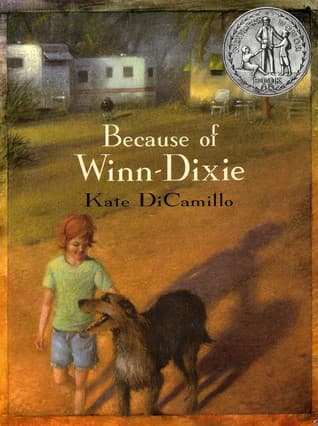
- Because of Winn-Dixie
Kate DiCamillo
4.0 (206k) average on GoodreadsChildren'sFeatures a lonely girl, a dog, and themes of finding connection and truth.
- Walk Two Moons
Sharon Creech
4.0 (151k) average on GoodreadsChildren'sExplores themes of family, grief, and self-discovery through a young girl's journey.
- Bridge to Terabithia
Katherine Paterson
4.0 (445k) average on GoodreadsFantasyWhile both novels deal with profound themes of childhood and loss, they approach them differently. Paterson's classic explores friendship, imagination, and the devastating impact of grief, with the children's fantasy world providing an escape and a foundation for their bond. Choldenko's book, while also touching on grief with Pistachio's sickness, is more grounded in realistic fiction and the internal struggle with truth-telling as a coping mechanism. "Notes from a Liar" focuses on the individual's journey towards honesty and self-acceptance within a realistic family setting, whereas "Bridge to Terabithia" emphasizes the power of shared imagination and the processing of sudden, tragic loss through friendship.
- Harry Potter and the Sorcerer's Stone
J.K. Rowling
4.5 (7M) average on GoodreadsFantasyRescued from a miserable life under the stairs, an orphaned boy discovers he's a wizard destined for a magical school, where he uncovers a dangerous secret tied to the dark wizard who murdered his parents.
- The Hobbit, or There and Back Again
J.R.R. Tolkien
4.3 (2.9M) average on GoodreadsFantasyA comfort-loving hobbit named Bilbo Baggins is whisked away by a mischievous wizard and a band of dwarves on an unexpected journey to reclaim stolen treasure from a fearsome dragon, discovering courage and a magical ring along the way.
- Harry Potter and the Goblet of Fire
J.K. Rowling
4.6 (2.6M) average on GoodreadsFantasyA bewildered Harry Potter, underage and thrust into a deadly Triwizard Tournament, must brave dragons, mermaids, and a resurgent dark magic to survive a year that will forever alter the wizarding world.





Enjoyed the summary?
A summary gives you the shape of the book. The book itself has the detail, the examples and the voice.
Find Notes from a Liar and Her Dog on AmazonAs an Amazon Associate, BookBrief earns from qualifying purchases. How we're funded