

Synopsis
Covers the whole plot, including the ending.
- Difficulty
- Easy
- Pacing
- Moderate
- Mood
- Inspiring, Gritty, Authentic, Hopeful, Tense
- Read it if
- You love stories about aspiring artists, the music industry, and powerful narratives about overcoming adversity and finding your voice.
- Skip it if
- You prefer fantasy or lighthearted romance, or are not interested in contemporary realistic fiction with themes of poverty and systemic challenges.
On the Come Up Plot Summary
Covers the whole plot, including the ending.
Bri's Rap Battle Debut and Family Struggles
Sixteen-year-old Bri Jackson, an aspiring rapper and daughter of the late underground legend Lawless, gets ready for her first big rap battle at the Ring. Her aunt Pooh, who is her manager, and her best friends Malik and Sonny support her. Bri performs well but loses. The excitement ends quickly when Bri goes home and finds her mother, Jay, has lost her job. This puts their family in worse financial trouble. Her older brother Trey works two jobs, and Jay struggles with sadness and bills. Bri feels the weight of her family's unstable situation in Garden Heights, which makes her want to succeed in rap even more.
The 'On the Come Up' Track and School Suspension
Bri is upset by her family's problems and a racist incident at school where security guards Mr. Evans and Long question her about selling candy. She uses her anger to write a new song. With Sonny's help on the beat and Malik's encouragement, she records 'On the Come Up' at a local studio. The song is raw and angry, describing her experiences with poverty and racism, including a line about 'gats in the garden.' When the song becomes popular online, it causes problems, especially at Midtown School of the Arts, where the school thinks the lyrics are a threat. Bri is suspended, which further separates her from the school and her mother, who does not understand her daughter's art.
Aunt Pooh's Drug Dealing and Family Intervention
As Bri's song gets more attention, she learns that her Aunt Pooh is selling drugs to make money, a secret Pooh tries to hide. This news bothers Bri, reminding her of the dangers her father and other family members faced. Jay and Trey confront Pooh about her drug dealing. This leads to a tense family talk where Pooh says she is desperate to help the family financially. Despite their pleas, Pooh continues, believing it is her only choice. The family tries to find a lawyer to help Pooh with an old charge, showing the systemic problems many in their community face.
Meeting Supreme and the Record Deal Offer
Bri gets noticed by Supreme, her late father Lawless's former manager, who now runs a big record label. Supreme sees potential in Bri and offers her a record deal, promising fame and money. However, he pressures her to act more aggressive, like a 'gangsta,' believing that sells. He also tricks her into signing a contract that gives him a lot of control over her music and image. He suggests she needs to distance herself from her current friends, especially Sonny, whom he calls an amateur producer. This offer gives Bri a moral problem, making her think about how much of herself she will change for success.
The 'Fake Thug' Controversy and Supreme's Influence
During an interview, Bri's honest answers about her life and problems are twisted by the interviewer. This leads to critics online calling her a 'fake thug.' This public criticism affects Bri deeply, making her question who she is and if she is being real. Instead of defending her, Supreme tells her to embrace the 'thug' image, seeing it as a way to sell her music. He pressures her to record a new, even more aggressive song, 'Might as Well.' This further separates her from Sonny and Malik, who feel she is losing herself and giving up her true artistic voice for money. Bri feels torn between being true to herself and getting the success her family badly needs.
Tensions with Friends and Family
Bri's relationship with Sonny becomes more difficult as he feels ignored and unappreciated by Supreme, who dismisses his production skills. Malik, worried about Bri's changing personality and Supreme's bad influence, also shares his concerns. Jay, still looking for a job and dealing with the family's money problems, tries to guide Bri but often feels pushed away by her daughter's growing independence and the appeal of the music business. These tensions lead to arguments, leaving Bri feeling alone despite her growing music career. She struggles with the pressure to support her family while keeping her honesty and relationships.
Supreme's Manipulation and Pooh's Arrest
Supreme's manipulative actions get worse. He quietly ruins Bri's relationships and pushes her further into the made-up 'thug' image. He tries to separate her from her loyal friends, especially Sonny, by making him feel bad about his skills. The family's situation gets worse when Aunt Pooh is arrested for drug possession. This is a big blow that makes Bri feel very guilty and responsible. This event, along with the threat of eviction, makes Bri even more desperate to succeed in rap. This makes her more likely to fall under Supreme's control, even as she starts to see how harmful his influence is and the compromises she is making.
The Battle for Authenticity and the Final Rap Battle
Realizing how much Supreme has manipulated her and the harm it is doing to her relationships and her spirit, Bri decides to take control of her story. She confronts Supreme, rejecting the 'thug' persona he forced on her. With Sonny's help, who creates a new beat, and Malik's help writing, Bri gets ready for a new rap battle. She is determined to perform as her true self. In a powerful, emotional performance, she raps about her real experiences, her family's problems, the pressures she faced, and her journey to accepting herself. She wins the battle, not just against her opponent, but against the expectations and stereotypes put on her.
Reconciliation and a New Path Forward
After her winning rap battle, Bri makes up with her mother, who says she is proud of her daughter's strength and honesty. She fixes her relationships with Sonny and Malik, making their bond and shared artistic vision strong again. While the family's money problems are not immediately solved, Bri's new confidence and clear sense of self give them hope. She decides to keep making music, but on her own terms, free from Supreme's unfair contract. The novel ends with Bri embracing who she is: Bri Jackson, an artist with a strong voice, ready to face life's challenges and her career with honesty and her community's steady support.
On the Come Up Characters
Bri Jackson
Protagonist
An aspiring sixteen-year-old rapper fighting for her dreams and family.
Bri is a fierce and talented rapper, determined to follow in her late father's footsteps and make it big in the music industry. She is deeply loyal to her family and friends, but also fiercely independent and prone to acting out when frustrated. Her journey is marked by her struggle to find her authentic voice amidst societal pressures, financial hardship, and the manipulative tactics of the music industry. She uses rap as an outlet for her anger, pain, and aspirations, often blurring the lines between her artistic persona and her true self. Her passion for music is intertwined with her desire to save her family from poverty.
Relationships: Jay Jackson (Mother, often strained but loving); Trey Jackson (Older brother, supportive and protective); Aunt Pooh (Aunt and manager, deeply supportive but involved in dangerous activities); Malik (Best friend and confidant); Sonny (Best friend and producer, complicated by artistic differences); Lawless (Deceased father, underground rap legend, inspiration and burden); Supreme (Father's former manager, manipulative antagonist)
Jay Jackson
Supporting
Bri's mother, struggling to keep her family afloat after losing her job.
Jay is Bri's mother, a resilient but exhausted woman trying to navigate single parenthood and financial hardship after being laid off from her job. She is a former addict, a past she works hard to overcome and protect her children from. Jay is loving and protective but often clashes with Bri over her daughter's choices and aggressive rap persona, fearing Bri will repeat the mistakes of her father. She wants Bri to succeed but prioritizes her safety and education, often misunderstanding the depth of Bri's artistic drive and the systemic racism Bri faces.
Relationships: Bri Jackson (Daughter, often strained but loving); Trey Jackson (Son, reliable and responsible); Aunt Pooh (Sister, worried about her choices); Lawless (Deceased husband, source of past pain and current inspiration for Bri)
Trey Jackson
Supporting
Bri's older brother, working multiple jobs to support the family.
Trey is Bri's responsible older brother, a college graduate working two jobs to help his family stay afloat. He is a grounded and calming presence, often acting as a mediator between Bri and their mother. Trey is intelligent, practical, and deeply caring, offering Bri advice and support while also holding her accountable. He understands the realities of their financial situation and the systemic challenges they face but tries to steer Bri towards safer, more stable paths, often clashing with her impulsive decisions and artistic risks. He represents the path of hard work and education as a means of escape from Garden Heights.
Relationships: Bri Jackson (Sister, supportive and protective); Jay Jackson (Mother, helps carry the family burden); Aunt Pooh (Aunt, concerned about her actions)
Aunt Pooh
Supporting
Bri's aunt and manager, fiercely loyal but involved in drug dealing.
Aunt Pooh is Bri's fiercely loyal aunt and unofficial manager, always in Bri's corner. She is a strong, no-nonsense woman who believes in Bri's talent unconditionally and encourages her to be tough. However, Pooh is also involved in drug dealing, a dangerous path she takes to help her family financially. Her past includes a criminal record that makes legitimate employment difficult, trapping her in a cycle she desperately tries to break. She represents the difficult choices and limited options faced by many in Garden Heights, and her actions highlight the systemic inequalities that impact the community.
Relationships: Bri Jackson (Niece, manager, deeply supportive); Jay Jackson (Sister, worried about her choices); Lawless (Brother, shared history in the streets)
Malik
Supporting
Bri's best friend, a loyal and thoughtful confidant.
Malik is one of Bri's two best friends, a thoughtful and academically inclined young man who often acts as Bri's conscience and emotional support. He is observant, sensitive, and protective of Bri, often expressing concern over her choices and the direction of her music career under Supreme's influence. Malik is consistently loyal and tries to keep Bri grounded and true to herself, even when it means challenging her. His quiet strength and moral compass provide a contrast to Bri's more impulsive nature, and he represents the importance of staying true to one's values.
Relationships: Bri Jackson (Best friend, confidant); Sonny (Friend)
Sonny
Supporting
Bri's best friend and talented music producer.
Sonny is Bri's other best friend and a gifted music producer, responsible for creating the beats for many of her songs, including 'On the Come Up.' He is passionate about music and sees himself as an integral part of Bri's artistic team. Sonny is initially excited about Bri's potential but becomes increasingly hurt and disillusioned when Supreme dismisses his talents and pushes him aside. He feels betrayed when Bri seemingly prioritizes Supreme's vision over their shared artistic integrity. Sonny represents the artistic collaboration and authenticity that Bri risks losing in her pursuit of fame.
Relationships: Bri Jackson (Best friend, artistic collaborator, strained by Supreme's influence); Malik (Friend)
Supreme
Antagonist
Bri's father's former manager, a manipulative record executive.
Supreme is the manipulative record executive who offers Bri a deal. He was also her father Lawless's former manager. Supreme is cunning, opportunistic, and prioritizes profit and image over artistic integrity. He preys on Bri's desperation and her family's financial vulnerability, pushing her to adopt a 'thug' persona he believes will sell records, regardless of whether it aligns with her true self. He uses subtle psychological tactics to isolate Bri from her support system and control her narrative, embodying the exploitative side of the music industry. He represents the systemic forces that try to define and commodify Black artists.
Relationships: Bri Jackson (Client, manipulative business relationship); Lawless (Former client, exploited his talent)
Lawless
Mentioned
Bri's deceased father, an underground rap legend.
Lawless is Bri's deceased father, an underground rap legend whose career was cut short by violence. He is a significant figure in Bri's life, serving as both an inspiration and a source of pressure. Bri feels she has big shoes to fill, often comparing herself to him and striving to achieve the success he never fully realized. His legacy is complex, representing both artistic passion and the dangers of street life. His memory influences Bri's choices, particularly her initial willingness to embrace a 'thug' persona, but also serves as a cautionary tale about losing oneself in the industry.
Relationships: Bri Jackson (Daughter, inspiration, and burden); Jay Jackson (Wife, source of past trauma); Aunt Pooh (Brother, shared history); Supreme (Former manager, exploitative business relationship)
On the Come Up Themes
Identity and Authenticity vs. Perception
This theme looks at Bri's fight to define herself among outside pressures. At first, Bri deals with her father Lawless's legacy and the 'thug' image the music business, especially Supreme, tries to put on her. Her song 'On the Come Up' is an honest expression of her truth, but her school and the media misinterpret and use it against her. Bri learns to tell the difference between her real self and the image people want to sell. This ends with her deciding to rap her true story, even if it means saying no to fame. The book asks who gets to define a young Black artist and shows the danger of letting others control one's story.
“I’m not a thug. I’m a rapper. There’s a difference.”
The American Dream and Socioeconomic Inequality
The novel clearly shows the difficult realities of poverty and unfair systems in a community like Garden Heights. Bri's family constantly faces eviction and hunger, and her mother losing her job pushes them to their limit. This desperation drives Bri's ambition in rap, as she sees it as her only way out of their situation. The lack of opportunities and the criminalization of survival methods (like Aunt Pooh selling drugs or Bri selling candy at school) show the systemic problems faced by poor and working-class Black families. The book questions the idea of the American Dream, showing how for many, the 'dream' needs great sacrifice, compromise, or even dangerous choices.
“Funny how everybody wants to talk about how you can just pull yourself up by your bootstraps, but nobody wants to acknowledge that some people don’t have boots.”
The Power and Misinterpretation of Hip-Hop
Hip-hop is both Bri's escape and her battleground. It is a strong way for her to express her anger, pain, and experiences with racism and poverty. However, the novel also shows how rap, especially from Black artists, is often misunderstood and seen as bad by mainstream society and institutions. Bri's lyrics in 'On the Come Up' are seen as threatening by her school, leading to her suspension. This shows how artistic expression can be controlled and treated as a crime. The theme also looks at how hip-hop is used for money, where honesty is often traded for a manufactured, marketable image, forcing artists to fit stereotypes.
“Sometimes you gotta be able to laugh at the pain, or you’ll drown in it.”
Family, Loyalty, and Community
Despite their problems, the Jackson family and their close community in Garden Heights are the foundation of Bri's life. The loyalty among Bri, her mother, Trey, and Aunt Pooh is strong, even when arguments and hard choices strain it. Her best friends, Malik and Sonny, give important support and artistic help, acting as her moral guides. The community supports each other in times of trouble, showing strength and mutual help. The theme highlights that while outside forces try to divide and define, the strength of family and community bonds is necessary for survival and self-discovery.
“Family ain’t always blood, but the ones you love are.”
Plot Devices & Literary Techniques
Rap Battles
A recurring narrative structure that serves as a crucible for Bri's artistic and personal growth.
Rap battles are central to the plot, serving as pivotal moments for Bri's character development and narrative progression. They are not just competitions but arenas where Bri tests her skills, expresses her emotions, and confronts her fears. Her initial battle loss fuels her ambition, while her final, triumphant battle represents her reclaiming her authentic voice and identity. These battles allow Bri to literally 'speak her truth' in a public forum, showcasing her lyrical prowess and emotional vulnerability. They also highlight the competitive and often brutal nature of the hip-hop world she aspires to join.
The 'On the Come Up' Song
A symbolic and literal turning point that encapsulates Bri's struggles and aspirations.
The song 'On the Come Up' is more than just a track; it's a plot device that drives much of the narrative. Its creation stems from Bri's immediate frustrations and desperation, making it a raw, authentic expression. The song's viral spread and subsequent misinterpretation by the school and media serve as a catalyst for major conflicts, including Bri's suspension and the public's perception of her. It forces Bri to confront the power of her words and the responsibility that comes with them, ultimately pushing her to fight for her own narrative against those who seek to define her.
Lawless's Legacy
A powerful, guiding, and sometimes suffocating presence that influences Bri's path.
Bri's deceased father, Lawless, acts as a significant symbolic and narrative device. His legacy as an underground rap legend creates both inspiration and immense pressure for Bri. She constantly measures herself against his achievements and struggles, leading her to initially embrace a 'thug' image she believes will honor him and help her succeed. His past association with Supreme and the dangers of street life also serve as a cautionary tale. Lawless's legacy forces Bri to grapple with her own identity, ultimately realizing she must forge her own path rather than simply following in his footsteps.
Garden Heights Setting
A vivid and realistic backdrop that shapes characters' experiences and opportunities.
Garden Heights is more than just a location; it's a character in itself, functioning as a plot device that defines the characters' struggles and motivations. The neighborhood's socioeconomic realities—poverty, systemic racism, limited opportunities, and the ever-present threat of violence and criminalization—directly impact Bri's family and her drive to 'make it.' It provides the context for Jay's job loss, Aunt Pooh's drug dealing, and Bri's experiences with racial profiling at school. The setting emphasizes that Bri's personal struggles are deeply intertwined with broader societal issues, making her ambition not just a personal dream but a fight for survival and dignity for her community.
On the Come Up Quotes
“Sometimes I think being different is the loneliest feeling in the world.”
“My voice is my weapon. My voice is my power.”
“People see what they want to see. They hear what they want to hear.”
“The world ain't giving nothing to nobody. You gotta take it.”
“I'm not a stereotype. I'm a person.”
“Sometimes the hardest thing and the right thing are the same.”
“You can't let fear stop you from doing what you love.”
“Home isn't a place. It's the people who make you feel like you belong.”
“Words have power. They can build you up or tear you down.”
“Success ain't just about money. It's about staying true to yourself.”
“The system is designed to keep us down, but we don't have to let it.”
“Every scar tells a story. Every struggle makes you stronger.”
“You don't have to be loud to be heard. Sometimes silence speaks volumes.”
“Dreams are worth fighting for, even when the world tries to crush them.”
Quiz
10 questions on the plot and the characters. Each answer comes with a short explanation.
Question 1
What is the name of Bri's older brother who is away at college?
- Trey
- Jay
- Malik
- Curtis
Show answer
A. Trey Bri's older brother is named Trey, who is away at college. This is mentioned early in the book as part of Bri's family dynamics, with her mother Jayda and Trey being key figures in her life.
Question 2
What event triggers Bri's family's financial crisis at the start of the book?
- Bri's father dies unexpectedly
- Bri's mother loses her job
- Their house is damaged in a storm
- Bri gets expelled from school
Show answer
B. Bri's mother loses her job Bri's mother, Jayda, unexpectedly loses her job, which plunges the family into financial hardship. This sets off the central conflict as Bri feels pressured to succeed in rap to help support her family.
Question 3
What is the name of the rap battle competition that Bri enters?
- The Ring
- The Cypher
- Battle Royale
- Freestyle Frenzy
Show answer
A. The Ring Bri enters a rap battle competition called 'The Ring,' which is a key event in the book where she showcases her skills and faces challenges that propel the plot forward.
Question 4
Why does Bri write the controversial song 'On the Come Up'?
- To express her anger after being unfairly suspended from school
- To win a recording contract with a major label
- To honor her father's legacy as a rapper
- To criticize her friends for betraying her
Show answer
A. To express her anger after being unfairly suspended from school Bri writes 'On the Come Up' after being unfairly suspended from school following an altercation with security guards. The song channels her frustration and becomes a pivotal moment in her career and personal growth.
Question 5
Who is Bri's father, and what is his significance in the story?
- Lawless, an underground rap legend who died before achieving mainstream success
- A famous producer who abandoned the family
- A teacher who inspired her love for poetry
- A community activist who fought for social justice
Show answer
A. Lawless, an underground rap legend who died before achieving mainstream success Bri's father is Lawless, an underground rap legend who died before hitting big. His legacy looms large over Bri, as she feels pressure to live up to his reputation while carving out her own identity.
Question 6
What major theme does Bri's experience with the school security guards highlight?
- The importance of family support in tough times
- The struggle against systemic racism and stereotyping
- The challenges of balancing school and a rap career
- The power of music to heal emotional wounds
Show answer
B. The struggle against systemic racism and stereotyping Bri's altercation with school security guards, who unfairly target her based on stereotypes, underscores the theme of systemic racism and the ways black youth are often criminalized in society.
Question 7
How does Bri's relationship with her mother, Jayda, evolve throughout the book?
- It deteriorates due to constant arguments about Bri's rap career
- It strengthens as they navigate financial struggles and support each other's dreams
- It remains distant because Jayda disapproves of hip-hop culture
- It ends with Bri moving out to pursue her career independently
Show answer
B. It strengthens as they navigate financial struggles and support each other's dreams Despite tensions, Bri and Jayda's relationship deepens as they face financial hardships together. Jayda initially worries about Bri's rap career but ultimately supports her, highlighting themes of family resilience.
Question 8
What is the significance of the Garden Heights neighborhood in the story?
- It represents a safe haven where Bri can escape her problems
- It symbolizes both the constraints of poverty and the community that shapes Bri's identity
- It is where Bri's father achieved his greatest success as a rapper
- It serves as the primary setting for all the rap battles in the book
Show answer
B. It symbolizes both the constraints of poverty and the community that shapes Bri's identity Garden Heights is Bri's home neighborhood, embodying the economic struggles and systemic issues she faces, while also being a source of cultural richness and personal connection that influences her music and growth.
Question 9
How does Bri's rap persona, 'Lil' Law,' relate to her internal conflicts?
- It allows her to completely escape her real-life problems and create a fictional identity
- It represents her struggle to honor her father's legacy while asserting her own voice and authenticity
- It is a stage name she adopts to avoid discrimination in the music industry
- It symbolizes her rejection of hip-hop culture in favor of more mainstream pop music
Show answer
B. It represents her struggle to honor her father's legacy while asserting her own voice and authenticity Bri uses the persona 'Lil' Law' to navigate expectations tied to her father's legacy. This reflects her internal battle between living up to his name and defining herself on her own terms, a key aspect of her character development.
Question 10
What practical lesson does Bri learn about the music industry through her experiences?
- That success requires compromising artistic integrity for commercial appeal
- That having a strong support system and staying true to oneself are crucial amidst exploitation and pressure
- That rap battles are the only reliable way to gain recognition as an artist
- That financial stability should always take precedence over creative pursuits
Show answer
B. That having a strong support system and staying true to oneself are crucial amidst exploitation and pressure Through dealings with managers and industry figures, Bri realizes the importance of authenticity and having trustworthy allies. She learns to balance ambition with self-respect, avoiding pitfalls that could undermine her values.
On the Come Up FAQ
What is 'On the Come Up' about?
'On the Come Up' follows sixteen-year-old Bri Jackson, an aspiring rapper from Garden Heights who dreams of becoming a hip-hop legend like her late father, Lawless. When her mother loses her job, Bri faces mounting financial pressures that force her to balance artistic integrity with commercial success, navigating school conflicts, family tensions, and the exploitative music industry while staying true to her roots.
Why should I read 'On the Come Up'?
This book offers a raw, authentic portrayal of a Black teenager's struggle with poverty, artistic ambition, and systemic barriers, wrapped in Angie Thomas's signature hip-hop-inspired storytelling. It explores themes of economic survival, racial profiling, and the commercialization of art while delivering memorable characters, sharp social commentary, and a powerful narrative about resilience and self-definition.
What is the background/setting of 'On the Come Up'?
The story is set in Garden Heights, the same fictional neighborhood from Thomas's debut 'The Hate U Give,' though it focuses on new characters. Bri lives in a working-class Black community where poverty, gang violence, and police surveillance are daily realities, contrasting with the affluent, predominantly white Midtown School she attends, highlighting the racial and economic divides shaping her experiences.
What are the most memorable quotes?
Key quotes include Bri's defiant rap line 'I am the truth, the whole truth, nothing but the truth' from her viral song 'On the Come Up,' and her reflection 'Sometimes you have to be your own hero.' Another standout is her mother's advice: 'Don't let nobody make you into something you're not,' emphasizing the book's theme of authenticity versus external expectations.
What writing style does the author use?
Angie Thomas employs a first-person narrative from Bri's perspective, blending conversational, hip-hop-infused prose with vivid descriptions of Garden Heights. The writing incorporates rap lyrics, slang, and rhythmic dialogue to mirror Bri's artistic voice, creating an immersive, contemporary feel that captures the energy and urgency of her world.
What minor details add significant meaning?
Small details like Bri's worn-out sneakers symbolize her family's financial strain, while her father's old mixtapes hidden in her room represent her legacy and artistic inspiration. The recurring mentions of food banks and utility shutoffs subtly underscore the desperation driving her choices, making her eventual compromises in the music industry more poignant and understandable.
What are some subtle foreshadowing moments?
Early scenes where Bri freestyles about 'selling her soul' for success hint at her later deal with Supreme Records, which forces her to adopt a 'gangsta' persona. Her initial conflicts with security at the Ring—a local rap battle venue—foreshadow the racial profiling she faces after her song goes viral, linking personal ambition to systemic oppression.
What unexpected character connections exist?
Bri's mentor, Malik, is revealed to have been a close friend of her father, Lawless, tying her present struggles to her father's unfinished legacy. Additionally, her rival-turned-ally, Sonny, shares a hidden history with Bri's brother, Trey, showing how Garden Heights' interconnected relationships influence Bri's journey and support network.
What are unspoken character motivations?
Bri's mother, Jay, hides her fear of Bri repeating her father's tragic path—Lawless died from gang violence—which drives her overprotectiveness. Bri herself is motivated not just by fame but by a deep-seated need to provide for her family and escape poverty, often masking this vulnerability with bravado in her raps and interactions.
What psychological complexities do characters exhibit?
Bri grapples with impostor syndrome, feeling pressured to live up to her father's legend while doubting her own talent. Her friend Malik struggles with guilt over surviving Garden Heights when others, like Lawless, did not. These layers reveal how trauma, legacy, and community expectations shape their decisions and self-perception.
What are the major emotional turning points?
Key moments include Bri's humiliation after being racially profiled and handcuffed at school, which fuels her angry rap 'On the Come Up'; her decision to sign with Supreme Records to save her family from eviction; and the climax where she publicly rejects the 'gangsta' image imposed on her, reclaiming her authentic voice in a powerful performance.
How do relationship dynamics evolve?
Bri's bond with her mother shifts from conflict over career risks to mutual understanding as Jay acknowledges Bri's strength. Her friendship with Sonny grows from competitive rivalry to genuine support, while her romance with Curtis deepens as he challenges her to stay true to herself. These evolutions highlight themes of trust and solidarity.
Which parts remain ambiguous or open-ended?
The book leaves Bri's long-term career success uncertain, focusing instead on her personal growth and integrity. It also doesn't fully resolve systemic issues like poverty or racism in Garden Heights, suggesting these are ongoing battles. Bri's future with Curtis and her family's financial stability are hinted at but not guaranteed, emphasizing realism over tidy conclusions.
What are controversial scenes or decisions?
Bri's choice to sign with Supreme Records—which markets her as a 'gangsta' rapper against her values—sparks debate about artistic compromise versus economic necessity. Her viral song 'On the Come Up' is criticized for perpetuating stereotypes, leading to discussions on whether her anger justifies potentially harmful messaging, reflecting real-world tensions in hip-hop.
'On the Come Up' ending explained: how it ends & what it means
The novel ends with Bri performing an unfiltered rap at a community event, rejecting Supreme's exploitative contract and embracing her true self. This signifies her prioritization of authenticity over fame, showing that success is redefined as staying loyal to her roots and values. It underscores the book's message that resilience and self-expression are victories in themselves.
About the author

Angie Thomas is an American young adult author, best known for writing The Hate U Give (2017). Her second young adult novel, On the Come Up, was released on February 25, 2019.
Similar books
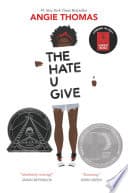
- The Hate U Give
Angie Thomas
4.5 (504k) average on GoodreadsYoung AdultShares a similar setting and themes of social justice, family, and finding one's voice in a challenging world.
- Concrete Rose
Angie Thomas
4.4 (68k) average on GoodreadsRomanceAnother book set in Garden Heights, exploring the complexities of young Black lives and family dynamics.
- Long Way Down
Jason Reynolds
4.3 (58k) average on GoodreadsYoung AdultFeatures a young protagonist grappling with difficult choices and societal pressures, told with a strong, distinct voice.
- Dear Martin
Nic Stone
4.4 (45k) average on GoodreadsYoung AdultBoth address racial injustice and identity. Stone's book focuses on academic pressure and police brutality with a more direct social commentary, while Thomas's is uniquely centered on the hip-hop industry and artistic struggles, offering a different lens on systemic issues.
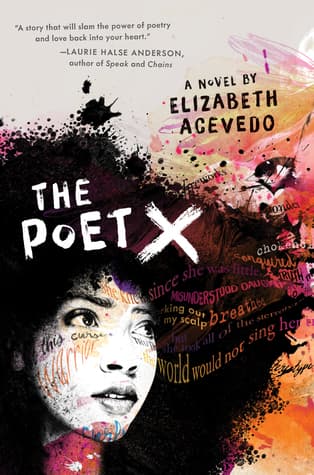
- The Poet X
Elizabeth Acevedo
4.4 (62k) average on GoodreadsYoung AdultBoth feature young women finding their voice through art (poetry/slam vs. rap). Acevedo's novel uses verse for an intimate, internal narrative of personal discovery. Thomas's prose allows for a broader scope, exploring external pressures of the music industry and community dynamics, providing a wider look at societal forces shaping an artist's path.
- Harry Potter and the Sorcerer's Stone
J.K. Rowling
4.5 (7M) average on GoodreadsFantasyRescued from a miserable life under the stairs, an orphaned boy discovers he's a wizard destined for a magical school, where he uncovers a dangerous secret tied to the dark wizard who murdered his parents.



Enjoyed the summary?
A summary gives you the shape of the book. The book itself has the detail, the examples and the voice.
Find On the Come Up on AmazonAs an Amazon Associate, BookBrief earns from qualifying purchases. How we're funded