
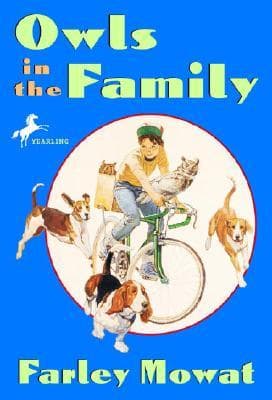
Synopsis
Covers the whole plot, including the ending.
- Difficulty
- Easy
- Pacing
- Moderate
- Mood
- Humorous, Heartwarming, Nostalgic, Whimsical
- Read it if
- You love heartwarming stories about mischievous animals, enjoy classic children's literature with a touch of humor, or are looking for a quick, charming read about the unique bond between a boy and his pets.
- Skip it if
- You prefer fast-paced, action-driven plots, or are not a fan of animal-centric stories.
Owls in the Family Plot Summary
Covers the whole plot, including the ending.
Billy Finds Wol, the Great Horned Owl
The story begins with Billy, a young boy in Saskatoon, Saskatchewan, talking about how much he has always loved animals. One spring, while exploring the ravines near his home with his dog, Mutt, Billy finds a small, fluffy baby Great Horned Owl that has fallen from its nest. Even though he is unsure about touching a wild creature, Billy decides to take the owlet home. He names it Wol. His parents are not happy about having a wild bird in their house, especially his mother, who worries about the mess and trouble the owl might cause. Billy, though, is set on caring for Wol, and the owl soon becomes part of the family, often in its own disruptive way.
Wol's Early Antics and Family Integration
Wol quickly proves to be a handful. He eats a lot and likes to bring unusual 'gifts' to the family, such as dead skunks, gophers, and snakes, which his mother hates. These offerings often end up on the dinner table or in unexpected places. Wol also likes to perch on people's heads, using his claws to grip, which can be quite surprising. Despite the mess, Billy's father finds Wol's actions funny, and even his mother slowly starts to accept the owl, seeing the bond between Billy and his pet. Wol's presence adds something unpredictable to their daily lives, making every day an adventure.
Introducing Weeps, the Scared Little Owl
Some time after Wol is settled, Billy finds another owl, a tiny, very hungry Screech Owl, in a similar situation—fallen from its nest. This new owlet is completely different from Wol; it is very scared, easily frightened, and constantly makes a soft, crying sound, which leads Billy to name him Weeps. Weeps is a delicate creature, and Billy works hard to help him get well. At first, Weeps is afraid of everything, including Wol, and struggles to eat by himself. Billy's patience and care slowly help Weeps get stronger and more confident, though he remains a much more fragile and nervous bird than his lively counterpart.
The Unlikely Friendship of Weeps and Mutt
Weeps, while generally afraid, forms a special and unlikely friendship with Billy's dog, Mutt. While other animals and even people often scare Weeps, he finds comfort and safety when Mutt is around. Weeps often sits on Mutt's head or back, and the dog seems to accept, and even enjoy, the owl's company. This unusual bond makes Billy and his family laugh and wonder. Mutt, known for his own personality, becomes Weeps's protector and friend, showing a gentle side that is different from his usual playful nature. This relationship shows the many ways animals can connect.
Wol's Reign of Terror on the Neighborhood
As Wol grows, his hunting instincts become stronger, and he often hunts beyond the family's yard. This leads to many funny and sometimes scary meetings with people in the neighborhood. The local postman, the minister, and Billy's French teacher all become targets of Wol's playful (or maybe territorial) swoops and attacks. Wol likes to perch on their heads or hats, causing them to drop mail, trip, or yell in surprise. These events, though disruptive, are always shown lightly, displaying Wol's wild spirit and the mess he brings to the otherwise quiet Saskatoon neighborhood. Billy often has to step in, but not always successfully.
Weeps's Persistent Inability to Fly
One of Weeps's most lovable traits is that he cannot fly. Even though he is an owl, he seems to lack the natural ability to fly. Billy and his friends try different ways to teach Weeps to fly, from gentle encouragement to throwing him into the air, but nothing works. Weeps prefers to walk, waddle, or ride on Mutt or Billy's shoulder. His inability to fly makes him more vulnerable and reliant, a sharp contrast to Wol's powerful flight. This becomes a running joke in the story, emphasizing Weeps's unique and lovable personality.
The Owls' Impact on Household Life
Having Wol and Weeps greatly changes the Mowat household. The house is not just a human home; it becomes a busy, messy place. Wol's hunting trophies (dead animals) often appear in unexpected places, and both owls leave droppings wherever they want. The family learns to live with the constant hooting, sudden swoops, and general disarray that comes with having two wild owls as pets. While difficult, these experiences add a special richness to their lives, showing that the owls are not just pets, but important, though unruly, family members. The house is full of laughter, frustration, and endless stories.
Summer Adventures and Escapades
During the summer, Wol and Weeps go with Billy on many of his adventures around Saskatoon. They go to the creek, explore the ravines, and even visit friends' houses. These outings often result in funny events, such as Wol 'hunting' for gophers in a neighbor's garden or Weeps getting into a situation that needs Billy's help. The owls become known in the area for their personalities and their strong bond with Billy. Their presence turns ordinary childhood explorations into special stories, further establishing their roles as beloved, if unusual, friends.
The Owls and the School Play
One memorable event involves Wol making an unplanned appearance during Billy's school play. Billy had brought Wol to school, and the owl, as expected, escapes and goes onto the stage during a dramatic moment. Wol's sudden entrance causes a funny uproar, with actors breaking character and the audience laughing. This scene perfectly shows Wol's disruptive yet endearing nature and how he brings chaos to even the most formal settings. It is another example of how the owls are not just at home but are a part of Billy's public life, always ready to create a memorable show.
Leaving Saskatoon and the Owls' Future
Near the end of the story, Billy's family plans to move from Saskatoon. This news creates a problem: what will happen to Wol and Weeps? Billy is sad at the idea of leaving his owls. However, a solution is found. A kind professor at the university, who studies birds, agrees to care for Wol and Weeps. Billy visits them often, making sure they are adjusting well. The story ends with Billy thinking about how much Wol and Weeps affected his childhood, remembering his two special owl companions and the unique, wild happiness they brought to his life.
Principal Figures
Billy
Protagonist
A young boy with a deep love for animals, particularly his owls, Wol and Weeps.
Billy is the young, imaginative, and compassionate protagonist of the story. He possesses an innate curiosity about the natural world and a strong desire to care for animals. His determination is evident when he brings Wol and Weeps home despite his parents' initial reservations, and he tirelessly cares for them, nursing Weeps back to health and tolerating Wol's mischievous behavior. Billy is also the narrator, offering a charming and often humorous perspective on the chaos his pets create. He is fiercely loyal to his animals and finds joy and adventure in their unique personalities.
Relationships: Wol (Beloved pet owl, source of chaos and joy); Weeps (Beloved pet owl, timid but affectionate); Mutt (Loyal dog and companion); Mother (Initially skeptical, later tolerant and amused parent); Father (Supportive and often amused parent)
Wol (Wolfrick)
Major Character
A boisterous and mischievous Great Horned Owl, Billy's first owl.
Wol is a Great Horned Owl with a dominant, untamed personality. From the moment Billy finds him, Wol is portrayed as a creature of strong instincts and a playful, albeit sometimes aggressive, nature. He is an excellent hunter, constantly bringing home 'presents' for the family, and enjoys perching on people's heads. Wol is intelligent, curious, and fearless, often terrorizing neighborhood figures like the postman and the minister. Despite the chaos he brings, Wol is deeply loved by Billy and becomes an integral, if disruptive, member of the family, embodying the wild spirit within the domestic setting.
Relationships: Billy (Owner and primary companion); Weeps (Fellow owl, tolerated but sometimes bullied); Mutt (Fellow pet, often a target of pranks); Mother (Frequent recipient of his 'gifts' and source of exasperation)
Weeps
Major Character
A tiny, timid Screech Owl who forms an unlikely bond with Mutt.
Weeps is a small, perpetually frightened Screech Owl, a stark contrast to Wol. He is introduced as a weak, starved owlet and remains timid throughout the story, often whimpering and easily startled. Weeps struggles to fly and prefers to walk or hitch rides. His most striking characteristic is his unique bond with Mutt, Billy's dog, on whom he finds comfort and security. Weeps's vulnerability and gentle nature make him endearing, and despite his fears, he is a loyal and affectionate companion. He represents the quieter, more dependent side of the wild, finding a safe haven in Billy's care.
Relationships: Billy (Rescuer and primary caretaker); Mutt (Best friend and protector); Wol (Fellow owl, often intimidated by him)
Mutt
Supporting
Billy's loyal and intelligent dog, known for his unique personality and friendship with Weeps.
Mutt is Billy's faithful dog, an intelligent and resourceful canine with a distinct personality. He is a key companion to Billy in his adventures and plays a crucial role in the owls' lives. Mutt is tolerant of Wol's antics and forms an especially tender and protective bond with the timid Weeps, often allowing the small owl to perch on his head or back. He is a clever dog, known for his ability to solve problems and his generally good-natured demeanor, despite occasional mischief. Mutt's loyalty and his unusual relationships with the owls highlight the capacity for interspecies friendship.
Relationships: Billy (Owner and close companion); Weeps (Best friend and protector); Wol (Fellow pet, often annoyed by his antics)
Mother
Supporting
Billy's mother, initially exasperated by the owls but eventually tolerating and even appreciating them.
Billy's mother is initially the most resistant to having wild owls in the house. She is concerned about the mess, the smell, and the potential for chaos, especially when Wol brings dead animals indoors. Her reactions often provide a comedic counterpoint to Billy's enthusiasm. Despite her initial exasperation, she gradually softens, learning to tolerate the owls' presence and even finding amusement in their antics. She represents the practical, domestic perspective, trying to maintain order amidst the delightful pandemonium created by Wol and Weeps. Her journey reflects a grudging acceptance that evolves into affection.
Relationships: Billy (Son, whose love for animals she supports); Wol (Source of domestic chaos and dead animal 'gifts'); Weeps (Another source of mess, but less disruptive)
Father
Supporting
Billy's father, often amused by the owls' antics and supportive of Billy's love for animals.
Billy's father is generally more relaxed and amused by the owls' presence than his mother. He often finds Wol's mischievous behavior and Weeps's timidity entertaining, and he supports Billy's passion for animals. While he sometimes has to intervene in the owls' more disruptive activities, he largely takes them in stride, often sharing a laugh with Billy about their latest escapades. He represents a more laid-back, understanding parental figure, providing a balance to the mother's more practical concerns. His calm demeanor helps to normalize the extraordinary situation of living with owls.
Relationships: Billy (Son, whose interests he encourages); Wol (Source of amusement and occasional trouble); Mother (Wife, whose exasperation he sometimes shares, sometimes offsets)
The Postman
Mentioned
A neighborhood figure frequently targeted by Wol's playful attacks.
The postman is one of several neighborhood figures who frequently falls victim to Wol's playful, yet startling, attacks. He is often ambushed by Wol, who swoops down from the roof to perch on his head or hat, causing him to drop mail or stumble. These encounters are always portrayed comically, highlighting Wol's untamed nature and the unexpected disruptions he brings to the mundane routines of the neighborhood. The postman's reactions, usually a mix of fear and exasperation, add to the humor of Wol's character.
Relationships: Wol (Frequent target of his playful attacks)
The Minister
Mentioned
Another neighborhood figure who experiences Wol's unexpected attentions.
Similar to the postman, the minister is another unwitting victim of Wol's antics. He is subject to Wol's sudden swoops and perching habits, often during his visits or walks around the neighborhood. These encounters are a source of humor, demonstrating how Wol indiscriminately 'interacts' with anyone who enters his perceived territory. The minister's reactions, often dignified surprise quickly turning to alarm, further emphasize the disruptive yet comical presence of Wol in the community.
Relationships: Wol (Occasional target of his playful attacks)
The French Teacher
Mentioned
Billy's teacher, also subjected to Wol's surprise encounters.
Billy's French teacher is another adult who encounters Wol's playful but startling behavior. Like the postman and the minister, the teacher becomes a target for Wol's head-perching antics. This incident contributes to the running gag of Wol's interactions with adults in the neighborhood, showing how the owl's wildness transcends the family home and affects the broader community. The teacher's surprised reaction adds another layer of humor to the narrative, showcasing the widespread impact of Wol's unique personality.
Relationships: Wol (Occasional target of his playful attacks); Billy (Student)
Themes & Insights
The Wildness of Nature in a Domestic Setting
This theme looks at the fun chaos and unexpected good that happens when wild animals live in a human home. Wol and Weeps, though pets, keep their basic wild ways, from Wol's hunting skills and 'gifts' of dead animals to Weeps's natural fear. The Mowat home is often disrupted by these natural behaviors, forcing the family to adjust and find humor in the unexpected. This theme shows that nature cannot be fully controlled and that accepting its wildness can lead to richer, more adventurous lives, as seen in the family's eventual acceptance and love for their unruly companions.
“Animals, and especially wild animals, are not really very different from people. They have their own ways of being good, and they have their own ways of being bad. But mostly they are just themselves.”
Unconditional Love and Acceptance
The story clearly shows the power of strong love, especially between Billy and his owls. Despite the constant mess, the 'gifts' of dead animals, and the general disruption from Wol and Weeps, Billy's love for them never changes. His parents, at first unwilling, also grow to accept and even cherish the owls, seeing the strong bond Billy shares with them. This theme also includes the unusual friendship between the scared Weeps and the loyal dog, Mutt, showing how love and acceptance can go beyond species and differences, creating a special and warm family unit.
“My mother never did get used to having a dead skunk on the dinner table, but she always pretended she did.”
Childhood Adventure and Imagination
The book is deeply rooted in the spirit of childhood adventure. Billy's world in Saskatoon becomes an exciting place of discovery and wonder because Wol and Weeps are there. Ordinary walks become hunting trips, and daily life is filled with the chance for unexpected escapes. The owls are not just pets; they help create adventure, letting Billy experience the world through a lens of wildness and excitement. This theme celebrates the joy of innocent curiosity and how children can find magic and friendship in the most unusual places.
“Having Wol and Weeps was a bit like having a perpetually exciting circus in our backyard, only better, because they were all ours.”
The Beauty of the Unconventional
This theme explores the charm and value found in things that do not fit common expectations. Wol and Weeps are far from typical pets; they are messy, disruptive, and often do not cooperate, yet they bring great joy and unique experiences to Billy's family. Weeps's inability to fly, rather than being a fault, becomes a defining and lovable trait. The story supports the idea that true richness in life often comes from accepting the unusual and celebrating individuality, whether in a person or an animal. It encourages readers to look past surface expectations and appreciate the unique qualities of every creature.
“Weeps never did learn to fly properly, and that was just fine by us. He was perfect just the way he was.”
Plot Devices & Literary Techniques
First-Person Narrative (Child Narrator)
The story is told from the perspective of young Billy, offering a charming and often humorous viewpoint.
The use of a first-person narrative, specifically from the perspective of young Billy, is central to the book's charm. This allows the reader to experience the world, and especially the owls' antics, through the eyes of a child who is deeply connected to his pets and possesses a vivid imagination. The child narrator's voice lends an innocent, enthusiastic, and often humorous tone to the storytelling, making the extraordinary events feel natural and endearing. It fosters a sense of intimacy and allows for a direct connection to Billy's emotions and his unique understanding of his animal companions.
Anthropomorphism (Subtle)
Attributing human-like personalities and intentions to the owls and dog.
While not overtly anthropomorphic in a fantastical sense, the narrative subtly attributes distinct, human-like personalities and intentions to Wol, Weeps, and Mutt. Wol is described as mischievous, proud, and playful; Weeps as timid, affectionate, and easily frightened; and Mutt as loyal and intelligent. This device helps readers connect emotionally with the animal characters, understanding their motivations and behaviors within a relatable framework. It allows for a deeper appreciation of their individual quirks and strengthens the emotional bonds portrayed in the story, making them feel like integral members of the family with their own unique wills.
Comic Relief
Utilizing humor to lighten the narrative and highlight the owls' disruptive charm.
Comic relief is a pervasive plot device throughout the book, primarily generated by the owls' antics and the adults' reactions to them. Wol's 'gifts' of dead animals, his attacks on the postman and minister, and Weeps's inability to fly all provide moments of laughter. The contrast between the wild, unpredictable behavior of the owls and the attempts of the human family to maintain order creates inherent humor. This device ensures the story remains lighthearted and entertaining, even when describing the challenges of living with wild animals, making the owls' disruptive presence endearing rather than frustrating.
Symbolism (Wol and Weeps)
The two owls symbolize contrasting aspects of nature and personality.
Wol and Weeps function as symbolic counterparts, representing different facets of nature and personality. Wol, the powerful Great Horned Owl, symbolizes untamed wildness, independence, and a boisterous, disruptive force. He embodies the raw, predatory instincts of nature. Weeps, the tiny Screech Owl, symbolizes vulnerability, timidity, and a gentle, dependent side of nature that still finds its place. Together, they represent the diverse spectrum of the natural world, from the fierce hunter to the fragile creature, and how both can coexist and be cherished within a single home, reflecting the complexity and balance of life.
Owls in the Family Quotes
“Don't ever let anyone tell you there's nothing you can do about anything.”
“The only way to have a friend is to be one.”
“It's a strange thing, but the things you most want to happen rarely do, and the things you least expect often turn out to be the best.”
“There are some things in this world that are just too good to be true, and yet they are.”
“You can learn a lot from an animal if you just take the time to watch and listen.”
“Life is a great adventure, and you never know what's around the next corner.”
“It was impossible to be sad when you had such magnificent creatures for company.”
“Sometimes the best way to get what you want is to not want it too much.”
“Even the smallest creature has its own unique way of looking at the world.”
“A true friend doesn't care what you are, only who you are.”
“There's a special kind of freedom that comes from being out in the wild, with only the animals for company.”
“You can't really own an animal; you can only be its friend.”
“It's a good thing to have a little bit of wildness in your life.”
“The world is full of wonders, if you just take the time to look for them.”
Quiz
10 questions on the plot and the characters. Each answer comes with a short explanation.
Question 1
What are the names of the two owls Billy brings home?
- Hoot and Toot
- Wol and Weeps
- Skree and Squawk
- Feather and Flap
Show answer
B. Wol and Weeps The two main owl characters in the book, found by Billy, are named Wol and Weeps.
Question 2
Which of the following describes Wol's typical behavior?
- He was shy and hid from everyone.
- He brought dead animals, like skunks, to the family dinner table.
- He loved to sing loudly at night, keeping everyone awake.
- He was very neat and tidy, always cleaning his perch.
Show answer
B. He brought dead animals, like skunks, to the family dinner table. Wol is known for his mischievous and somewhat gross habits, including bringing dead skunks to the dinner table, much to the family's dismay.
Question 3
What is unique about Weeps' ability to fly?
- He could fly faster than any other owl.
- He only flew at night.
- He never learned how to fly.
- He could only glide, not truly fly.
Show answer
C. He never learned how to fly. Weeps is characterized as a comical bird who, despite being an owl, never actually learns how to fly, making him quite unique.
Question 4
Which character is described as the 'dog hero of The Dog Who Wouldn't Be' and interacts with the owls?
- Rex
- Buddy
- Mutt
- Fido
Show answer
C. Mutt Mutt is the dog hero from another of Mowat's books, 'The Dog Who Wouldn't Be,' and is mentioned as interacting with the owls, particularly Weeps who isn't afraid of him.
Question 5
What is the primary setting for the adventures of Wol and Weeps?
- A remote forest cabin in the wilderness.
- A bustling city apartment building.
- A house and its surrounding neighborhood in Saskatchewan.
- A zoo where Billy volunteers.
Show answer
C. A house and its surrounding neighborhood in Saskatchewan. The book explicitly states that the owls are from Saskatchewan and cause chaos in Billy's house and the neighborhood.
Question 6
Which of the following adults did Wol NOT terrorize, according to the book's description?
- The minister
- The postman
- Billy's mother
- The French teacher
Show answer
C. Billy's mother The book specifically mentions Wol terrorizing the minister, the postman, and the French teacher, but not Billy's mother in that context.
Question 7
What is a central theme explored in 'Owls in the Family'?
- The challenges of urban development.
- The unique bond between humans and wild animals, and the chaos it can create.
- The importance of strict rules and order in a household.
- The dangers of bringing wild animals into a home.
Show answer
B. The unique bond between humans and wild animals, and the chaos it can create. The story is a heartwarming account of a boy adding two wild owls to his family, highlighting the humor and challenges of such a relationship, making the unique bond and ensuing chaos a central theme.
Question 8
How do the owls primarily affect the household and neighborhood?
- They bring peace and quiet to the house.
- They cause everything to be turned 'tops-turvy' and shape up the neighborhood.
- They help the family with household chores.
- They attract many new friends for Billy.
Show answer
B. They cause everything to be turned 'tops-turvy' and shape up the neighborhood. The book states that the owls 'shape up a whole neighbourhood' and 'turn a house topsy-turvy,' indicating their disruptive yet entertaining influence.
Question 9
Why is Weeps afraid of most things, but not Mutt, the dog?
- Mutt is a very small, harmless dog.
- Weeps has a unique and unexplained bond of friendship with Mutt.
- Mutt brings Weeps food.
- Weeps is actually afraid of Mutt, but hides it well.
Show answer
B. Weeps has a unique and unexplained bond of friendship with Mutt. The book specifically highlights that Weeps is 'afraid of everything except Mutt,' implying a special, unexplained dynamic or friendship between the two animals.
Question 10
What distinguishes 'Owls in the Family' as Farley Mowat's 'funniest book' according to the description?
- Its detailed scientific observations of owl behavior.
- The serious and thought-provoking philosophical discussions.
- The humorous adventures and antics of the owls and their impact on the family and community.
- Its tragic ending that evokes deep emotion.
Show answer
C. The humorous adventures and antics of the owls and their impact on the family and community. The description explicitly states it's Mowat's 'funniest book' and details the 'adventures' and 'comical' nature of the owls, indicating humor derived from their antics and interactions.
Owls in the Family FAQ
What is "Owls in the Family" about?
"Owls in the Family" is a heartwarming and humorous children's book by Farley Mowat, chronicling the adventures of a boy named Billy and his two pet owls, Wol and Weeps, in Saskatchewan. The story details the chaos and joy these unique birds bring to Billy's family and neighborhood, often involving his dog, Mutt, and various unsuspecting adults.
Why should I read "Owls in the Family"?
You should read "Owls in the Family" for its delightful humor, charming characters, and nostalgic portrayal of childhood adventures with unusual pets. It's a testament to the bond between humans and animals, offering laugh-out-loud moments as Wol and Weeps disrupt daily life, providing an escape into a world of innocent mischief and unconditional affection.
What is the background/setting of "Owls in the Family"?
The book is set in the Canadian prairies of Saskatchewan during Farley Mowat's childhood. It vividly describes the natural landscape where Billy finds Wol and Weeps, contrasting it with the domestic setting of his home, which becomes the owls' playground and often their unwitting target for mischief, affecting neighbors and local figures alike.
What are the most memorable quotes?
While not heavily reliant on profound quotes, the book's memorable moments often come from Mowat's vivid descriptions of the owls' antics, such as Wol's 'dead skunk' offerings or Weeps's comical inability to fly. The humor is more situational and descriptive, like 'Wol, with his enormous appetite for mischief, brought a new dimension to our household.'
What writing style does the author use?
Farley Mowat employs a simple, evocative, and highly humorous narrative style, perfectly suited for young readers. He uses vivid descriptions and an anecdotal structure to recount Billy's experiences, making the owls' personalities distinct and the comedic situations genuinely funny, often with a touch of affectionate exaggeration.
What minor details add significant meaning?
The specific details of Wol's 'gifts' of dead skunks and gophers, while seemingly just gross, highlight his natural predatory instincts and his misguided attempts to contribute to the family's 'hunt,' underscoring the clash between wild nature and domestic life. Weeps's persistent fear of heights, despite being an owl, adds a layer of endearing vulnerability and makes his bond with Mutt even more unique.
What are some subtle foreshadowing moments?
Early descriptions of Wol's intense gaze and powerful talons subtly foreshadow the havoc he will wreak on the minister's hat or the postman's uniform. Similarly, Weeps's initial clumsiness and reluctance to leave the ground hint at his ongoing struggle with flight, setting up future comedic situations where he relies on others, like Mutt, to get around.
What unexpected character connections exist?
One of the most unexpected and heartwarming connections is between Weeps, the timid, flightless owl, and Mutt, the family dog hero from 'The Dog Who Wouldn't Be'. Weeps, afraid of nearly everything, forms a unique bond of trust and companionship with Mutt, often riding on his back, showcasing an unlikely interspecies friendship that defies their natural roles.
What are unspoken character motivations?
While Billy's motivation is clearly a boy's love for animals, the owls' motivations are more instinctual. Wol's mischievous acts, like terrorizing the minister, are driven by a combination of owl instincts and a playful, almost territorial, assertion of his place in the household, rather than malice. Weeps's desire for comfort and safety is unspoken but evident in his attachment to Mutt and his reluctance to venture far.
What psychological complexities do characters exhibit?
The characters, particularly the animals, exhibit simple but distinct psychological traits. Wol displays a dominant, mischievous, and slightly anarchic personality, while Weeps is characterized by his timidity, dependency, and a surprising resilience in forming bonds despite his fears. Billy, as a child, navigates the complexities of responsibility and unconditional love for his unconventional pets.
What are the major emotional turning points?
A major emotional turning point is when Billy first finds the young, helpless Wol and Weeps, establishing the initial bond. Another is the growing acceptance and even affection the family and some neighbors develop for the owls, despite their antics. The bittersweet ending, where the owls eventually leave or are released, marks a significant emotional shift from daily chaos to a quiet appreciation of their memory.
How do relationship dynamics evolve?
Relationship dynamics evolve significantly, particularly between the humans and the owls. Initially, the owls are a novelty, but as their personalities emerge, the family's relationship shifts from amusement to a deeper, albeit exasperated, affection. The dynamic between Wol and Weeps also evolves, with Wol often being the instigator and Weeps the reliant companion, while Weeps's bond with Mutt becomes a central, heartwarming aspect.
Which parts remain ambiguous or open-ended?
The ultimate fate of Wol and Weeps at the very end of the story is somewhat ambiguous, typical of many childhood pet stories. While the book implies they eventually move on or return to the wild, the exact circumstances of their departure are left open to interpretation, focusing more on the lasting impact they had on Billy's life than a definitive resolution.
What are controversial scenes or decisions?
For a modern audience, the concept of keeping wild animals like owls as pets, even rescued ones, might be seen as controversial. However, within the context of the story's time and genre, it's presented as an innocent childhood adventure. Wol's aggressive interactions with adults like the minister or postman, while humorous, could also be viewed as extreme, though they serve the comedic purpose of the narrative.
"Owls in the Family" ending explained: how it ends & what it means
The book concludes with Wol and Weeps eventually leaving Billy's home, either returning fully to the wild or moving on. This ending signifies the natural progression of life for wild animals and the bittersweet reality of childhood pets. It implies that while the owls' time with Billy was finite, the memories and lessons learned from their unique companionship left an indelible mark on him, shaping his understanding of nature and responsibility.
About the author
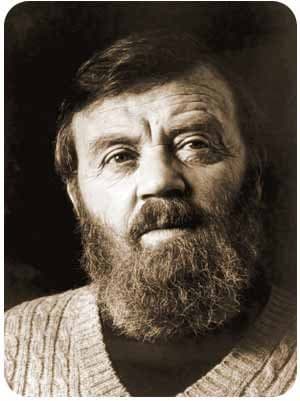
Farley Mowat was a Canadian author known for his works that often explore themes of nature and wildlife. His notable books include "Owls in the Family," a story about the bond between humans and animals, and "Lost in the Barrens," which follows the adventures of two boys in the Canadian wilderness. Mowat's writing reflects his deep connection to the environment and his advocacy for conservation.
Similar books
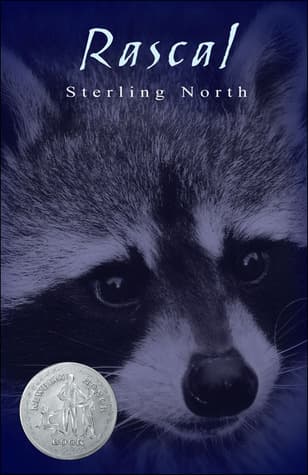
- Rascal
Sterling North
4.1 (12k) average on GoodreadsChildren'sA touching memoir about a boy's bond with a wild animal (a raccoon) and their shared adventures, set during childhood.
- The Call of the Wild
Jack London
3.9 (341k) average on GoodreadsChildren'sLondon's novel focuses on the harsh realities of nature and the instinctual return to the wild, portraying a darker, more survival-driven human-animal interaction. Mowat, conversely, presents a lighter, more whimsical narrative emphasizing companionship and the joys of domesticating wild creatures, with less emphasis on the brutal aspects of nature.
- Harry Potter and the Sorcerer's Stone
J.K. Rowling
4.5 (7M) average on GoodreadsFantasyRescued from a miserable life under the stairs, an orphaned boy discovers he's a wizard destined for a magical school, where he uncovers a dangerous secret tied to the dark wizard who murdered his parents.
- The Hobbit, or There and Back Again
J.R.R. Tolkien
4.3 (2.9M) average on GoodreadsFantasyA comfort-loving hobbit named Bilbo Baggins is whisked away by a mischievous wizard and a band of dwarves on an unexpected journey to reclaim stolen treasure from a fearsome dragon, discovering courage and a magical ring along the way.
- Harry Potter and the Goblet of Fire
J.K. Rowling
4.6 (2.6M) average on GoodreadsFantasyA bewildered Harry Potter, underage and thrust into a deadly Triwizard Tournament, must brave dragons, mermaids, and a resurgent dark magic to survive a year that will forever alter the wizarding world.
- Harry Potter and the Order of the Phoenix
J.K. Rowling
4.5 (2.5M) average on GoodreadsFantasyIn a year of oppressive secrets and the threat of Voldemort, Harry Potter and Dumbledore's Army secretly train for war, shown through Jim Kay and Neil Packer's dark illustrations.





Enjoyed the summary?
A summary gives you the shape of the book. The book itself has the detail, the examples and the voice.
Find Owls in the Family on AmazonAs an Amazon Associate, BookBrief earns from qualifying purchases. How we're funded